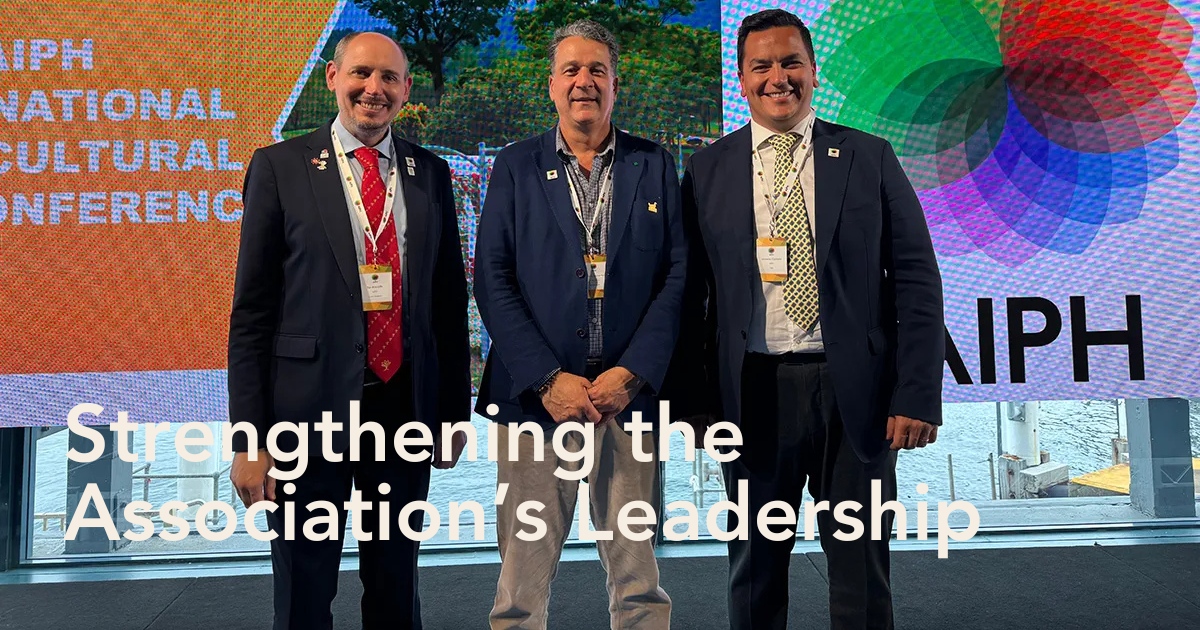
On March 9, 2026, during the AIPH Meeting in Sydney, members of the International Association of Horticultural Producers (AIPH) elected José Antonio Restrepo Rada of Colombia as the new Board Representative for Region V, representing South America. His appointment strengthens the global leadership of AIPH with the perspective of one of the most influential floriculture regions in the world.
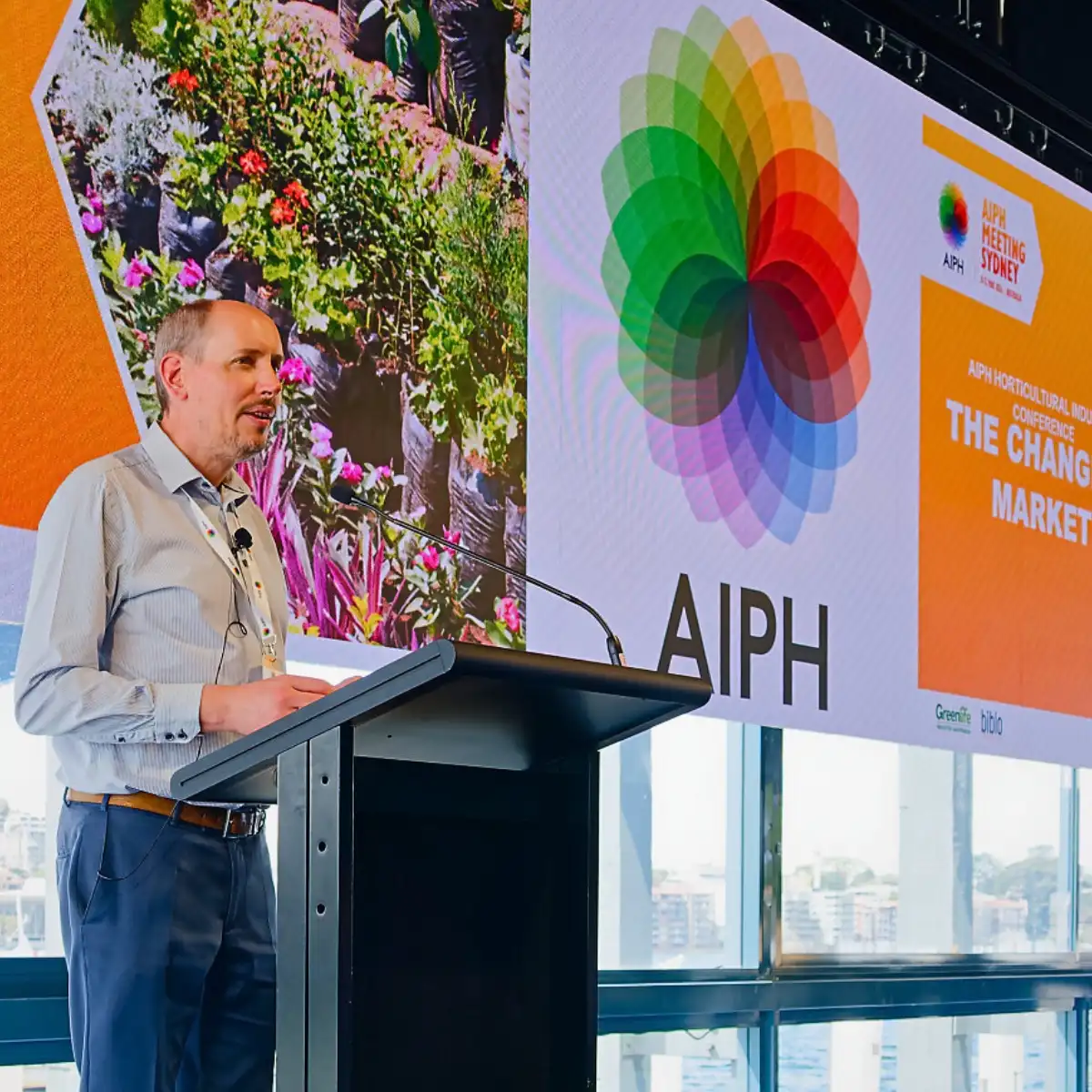
The AIPH Meeting Sydney 2026, which concludes on March 12, saw international horticulture industry leaders gather to discuss the future of ornamental horticulture and the role the global community's collaboration plays in supporting growers, innovation, and sustainability.
A Leader From the Heart of Colombian Floriculture
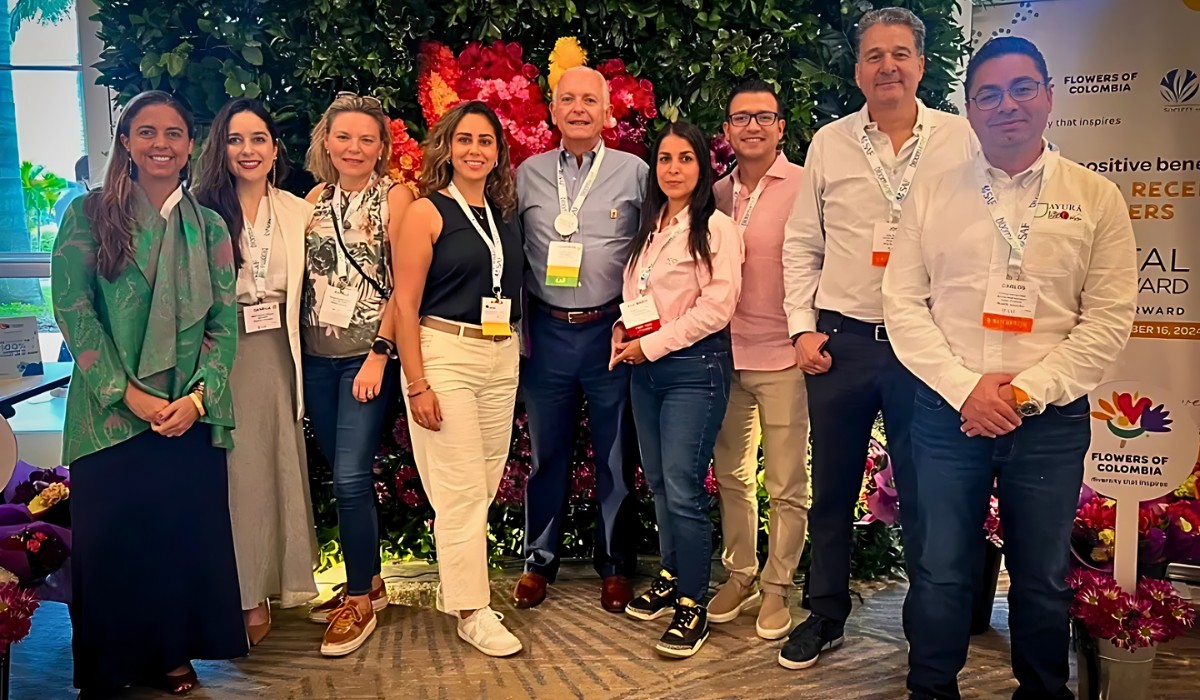
José Antonio Restrepo Rada serves as Chairman of the Board of Directors of Asocolflores, the organization representing Colombia’s flower export sector and a member of AIPH. He is also the General Manager and a shareholder of Ayurá S.A.S., a second-generation family-owned flower business located north of Bogotá that employs around 750 people.

Through businesses like Ayurá, Colombia’s floriculture industry has built a strong reputation worldwide for quality, reliability, and innovation.
Colombia’s Role in the Global Flower Industry
Over the past six decades, Colombia has developed into one of the most important flower-producing countries in the world. Today, the country exports approximately 340,000 tonnes of flowers annually, generating around USD 2.4 billion in export revenue. Colombian flowers reach markets across North America, Europe, and increasingly Asia.
Companies such as Ayurá have helped strengthen these international connections, including expanding exports to Asian markets where the country's flowers continue to gain recognition among consumers.

South America’s Potential in the Future of Horticulture
Following his election, Restrepo emphasized the strategic role South America can play in the future of ornamental horticulture. He noted that the region’s extraordinary biodiversity, favorable growing conditions, and growing technical capacity create strong opportunities for innovation, sustainability, and responsible production.
According to Restrepo, South America has the potential to contribute not only through production but also through new ideas and approaches that support the long-term development of the global horticulture sector.
The Human Side of the Flower Industry in Colombia
José Antonio Restrepo also highlighted the social importance of the flower sector in Colombia. Over the years, floriculture has transformed many rural communities by creating employment opportunities and economic stability.

For him, protecting these jobs and supporting the people behind the industry remains a central concern as the sector navigates challenges in an evolving global marketplace. Behind every flower exported from Colombia stands a network of growers, workers, and families whose livelihoods depend on the continued strength of the industry.
A Stronger Voice for South America at AIPH
AIPH Secretary General Tim Briercliffe welcomed the appointment, noting that Restrepo represents a sector that has played a central role in the global flower industry for decades. His leadership within Colombian floriculture and his experience developing international markets bring a valuable perspective to the AIPH Board.
AIPH President Leonardo Capitanio also welcomed Restrepo to the Board, highlighting how Colombia’s importance within the global flower sector adds meaningful insight to discussions about the future of ornamental horticulture.
Advocating for the Industry in Sydney
Following his board election, Restrepo took part in the AIPH Horticultural Industry Conference during the AIPH Meeting Sydney 2026. He joined international industry leaders in Session 3 – Advocating for the Industry. Panelists explored how associations and industry organizations can strengthen support for growers in a fast-evolving global marketplace.

The discussions that took place in Sydney highlighted the growing importance of international cooperation as the horticulture sector responds to global challenges and opportunities. For an industry built on global collaboration, representation from major production regions like South America remains essential.