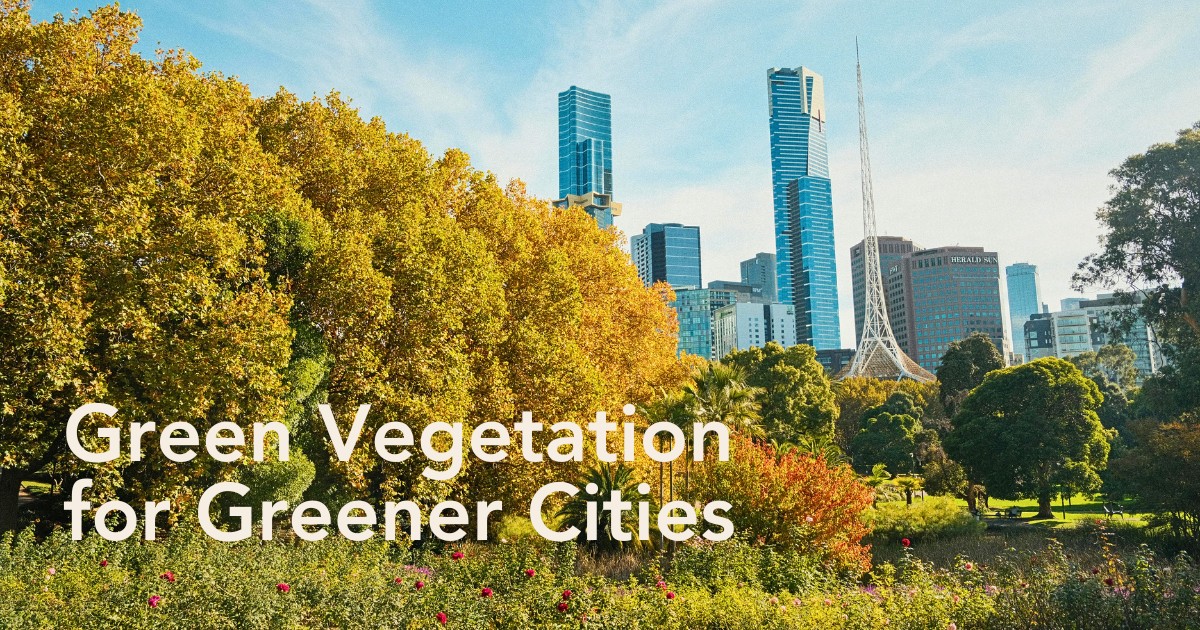
The International Association of Horticultural Producers (AIPH) announced the 21 finalists for the AIPH World Green City Awards 2026, the only global awards program focused on plant-centered urban leadership. Spread across seven categories, these initiatives feature cities on all continents that have embedded horticulture into their policy, planning (including deliberate responses to some of the most serious pressures cities face today), and long-term development.
What Are the AIPH World Green City Awards?
Cities worldwide face underlying pressures that a single engineering solution cannot address. Rising temperatures are making urban cores uninhabitable during the summer months, extreme weather events overwhelm drainage systems built for a different climate era, declining biodiversity is stripping urban ecosystems of services they once provided, and the mental and physical health of urban populations is increasingly deteriorating, at a rate difficult to detach from the built environment.
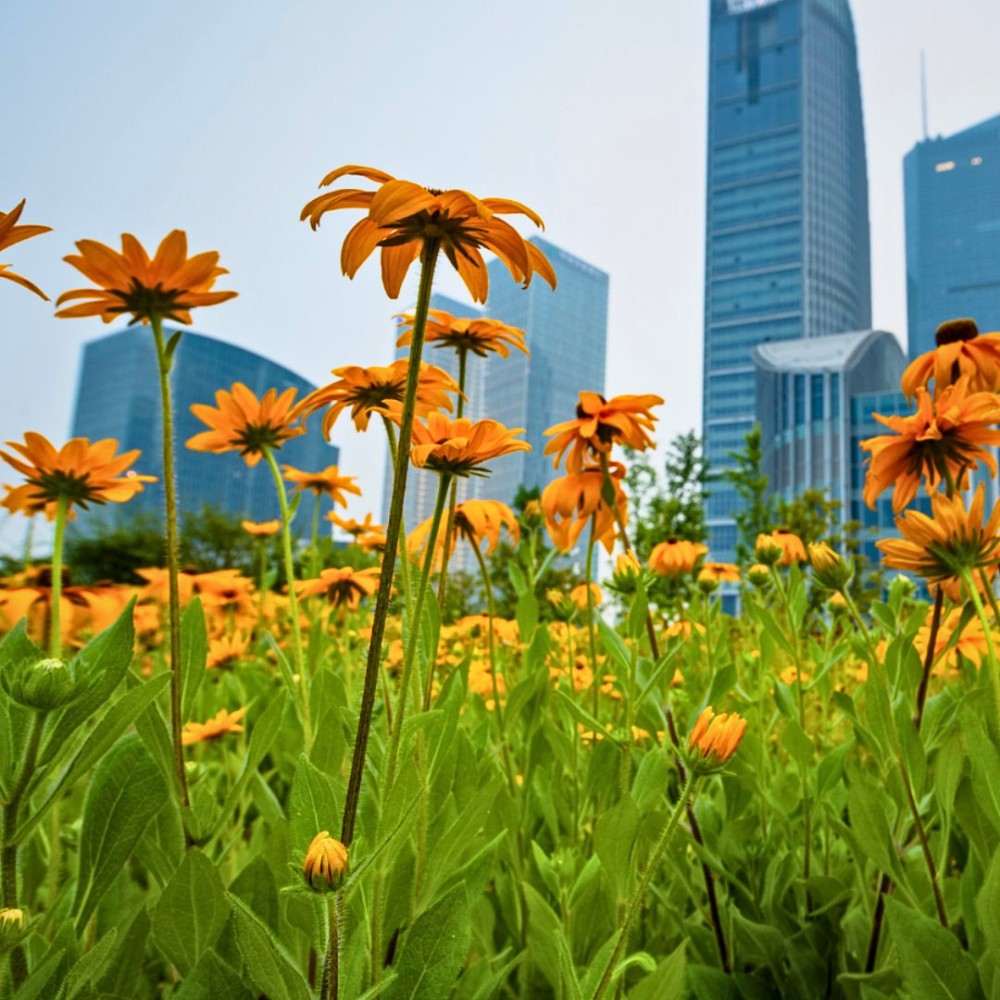
In urban life, plants are the living infrastructure. They reduce urban heat and manage stormwater. They also support mental well-being and strengthen social cohesion. Essentially, plants play a key role in creating resilient cities. The AIPH World Green City Awards document and celebrate this kind of work.
Initiated by AIPH and supported by its network of Green City Partners, the Awards recognize the role of city authorities in promoting and enabling the use of plants as real-world tools to improve urban life, supporting climate resilience, restoring ecosystems, strengthening communities, and creating more livable cities.
Building on the success of previous editions, this year's competition follows in the footsteps of two celebrated Grand Winners: Chengdu, China, whose Urban Green Heart Program took the top prize in 2024, and the City of Hyderabad, India, which won the inaugural edition in 2022 with its Green Garland to the State of Telangana program.
A Rigorous, Two-Stage Process
In the first of a two-stage judging process, a multidisciplinary Technical Panel reviewed all entries and scored them according to six judging criteria. The finalists comprise the three highest-scoring entries in each of the seven award categories. From the list of finalists selected by the Technical Panel, an international Jury will decide on the winners.
Of the seven category winners, only one will be named Grand Winner of the AIPH World Green City Awards 2026, an exemplar of visionary, nature-oriented urban change. Additionally, a Youth Jury, led by the Global Youth Biodiversity Network, will select the entry most likely to inspire and serve the needs of young people, which will receive the AIPH Youth Award.
The 2026 Finalists From 21 Cities, 7 Categories, and a Grand Winner
The 21 inspiring city greening initiatives selected as finalists for the AIPH World Green City Awards 2026 all highlight the power of plants in solving some of the most pressing urban challenges, which, as noted, include extreme heat and flooding, food security, biodiversity loss, and public health. The finalists are distributed across these seven award categories, each addressing a specific urban challenge where plants and green infrastructure provide solutions. Three cities are nominated as finalists per category.
1. Living Green for Biodiversity and Urban Ecosystem Restoration
This category addresses the loss of species, habitats, and ecosystem health in cities. Surrey, Canada; Paris, France; and Montreal, Canada are represented. Surrey has built a connected green infrastructure network linking habitats across the urban landscape to support species movement and long-term ecosystem recovery.
Paris has, for its part, systematically retrofitted its streets and public spaces for urban wildlife, with a particular focus on pollinators, birds, and soil health. Montreal's entry, The Willow Cure, uses phytoremediation through willows to draw contaminants from degraded brownfield land, restoring it naturally over time for future productive use.
2. Living Green for Climate Change
Cities are on the front lines of climate change, and this category recognizes those harnessing green infrastructure to build more resilient, livable environments. Street trees, green roofs and walls, and parks and gardens all contribute to moderating the impacts of climate change. This category has Ahmedabad, India, with its Mission Million Trees program, targeting 14 million trees to counter extreme urban heat across the city's neighborhoods.
It also has the City of London, with its Cool Streets and Greening initiative, using pavement greening and street-level tree planting to reduce the heat island effect in one of Europe's most densely built districts. Montreal, on the other hand, has an entry focusing on riverbank restoration, using riparian planting to buffer communities from flooding and ecological disruption as climate patterns change.
3. Living Green for Health and Well-being
The evidence linking access to green space with improved mental and physical health continues to grow. This category highlights cities whose initiatives directly address the medical, behavioral, and social determinants of resident health. It features Fortaleza, Brazil, which has redesigned public spaces through its Cidade da Criança initiative to connect young children with nature-based environments that support physical and cognitive development.
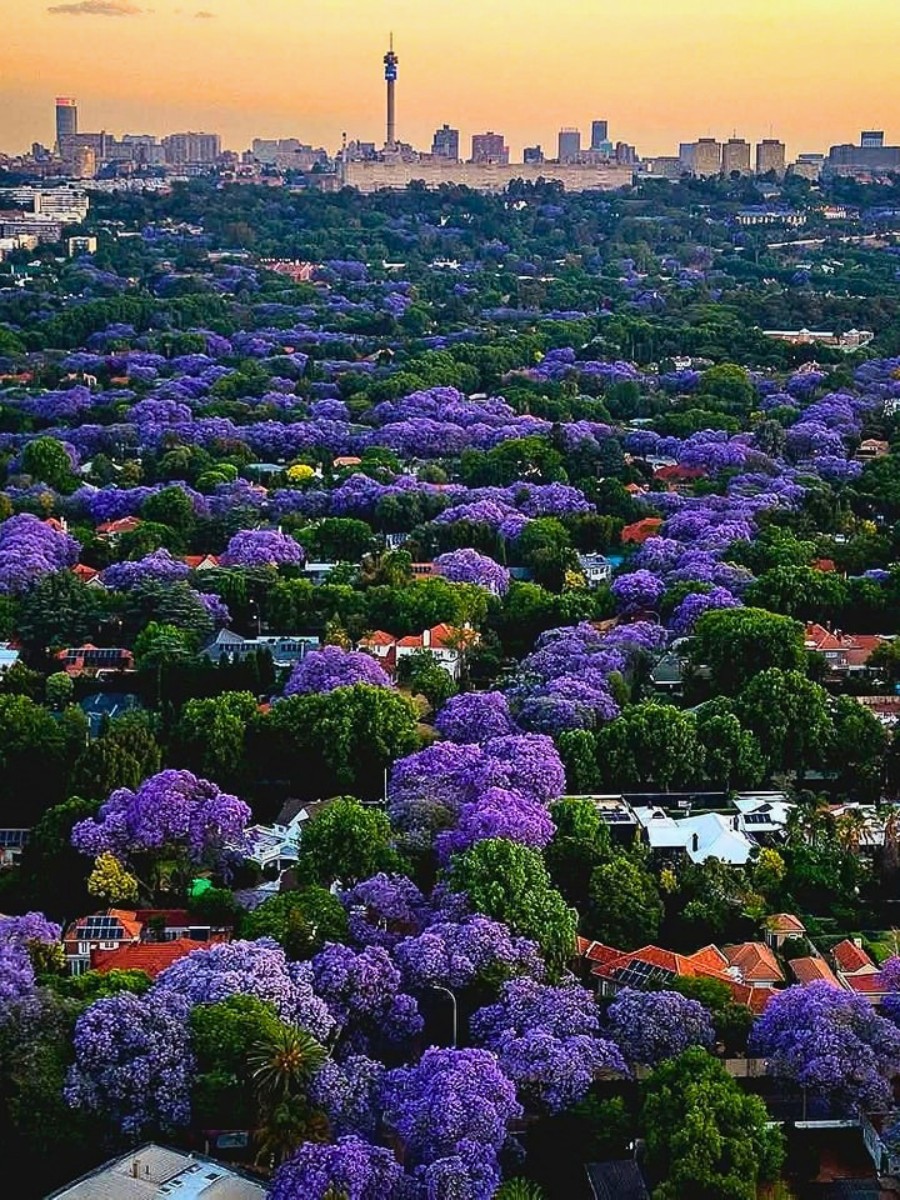
Montreal's forest restoration entry rebuilds diverse urban forest communities in neighborhoods hit hard by invasive species, recovering canopy and biodiversity lost to the ecological crisis. Johannesburg, South Africa, rounds out the category with an initiative directly targeting the disparity in green space access between the city's wealthier and lower-income neighborhoods.
4. Living Green for Water
Water security is one of the defining challenges of urbanization. This category covers ensuring water resources are safeguarded and wisely used, with clean water available to all while also protecting residents from flooding risks. It features Alkmaar in the Netherlands, which has increased its capacity to absorb and manage stormwater through permeable surfaces and water-retaining planting, a pressing challenge in a low-lying country facing intensifying rainfall.
Malacca, Malaysia, has rehabilitated the Melaka River through riparian planting that reduces erosion, supports aquatic biodiversity, and creates a usable green corridor along the waterway. Bunia, in the Democratic Republic of the Congo, rounds out the category with a green belt strategy that uses strategic planting to shield low-resourced urban neighborhoods from flooding and heat.
5. Living Green for Social Cohesion and Inclusive Communities
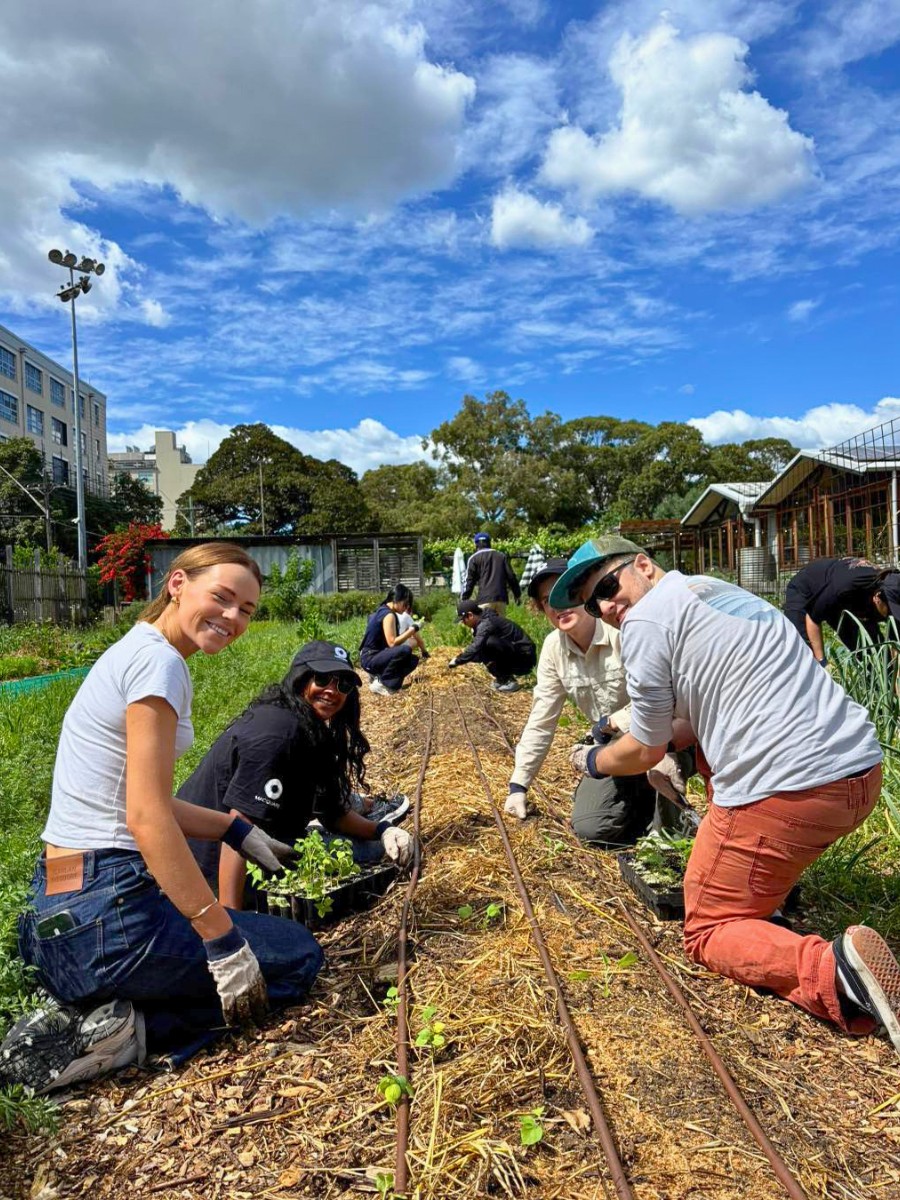
This category looks at how urban greening can bring people together, reduce social exclusion, and build communities that are more equitable and connected. Here, Maringá, Brazil, has used community gardens to connect vulnerable households to food production while building social ties across the city.
Istanbul's Sariyer Büyükdere Atatürk Nursery and Gardening School trains residents in horticultural skills, supplies plants for city greening programs, and creates a durable community anchor around plant cultivation. Chiang Rai, Thailand, has built community ownership of its urban greening work, involving residents in tree planting and long-term maintenance.

6. Living Green for Urban Agriculture and Food Systems
Urban agriculture and edible landscapes occupy this category, recognizing cities that have entrenched food growing into their urban fabric. Urban agriculture, as is easily understood, has numerous benefits to city residents. In this category, Quezon City in the Philippines has developed Joy is a Farm, an initiative that works as a working food production site, a public education space, and a community gathering point all-in-one.
Mexico City's Programa Altépetl draws on traditional ecological knowledge to build local food resilience across the city's diverse neighborhoods. Bayawan, also in the Philippines, takes an original approach with its Fish from the Mountains inland aquaculture program, establishing freshwater fish production in a landlocked mountain city as an alternative to increasingly unreliable coastal food sources.
7. Living Green for Urban Infrastructure and Livability
This category centers on the integration of nature into the built environment itself. Greenery around buildings can reduce energy consumption by providing insulation and shading, keeping buildings cooler in summer and warmer in winter. Vegetation can also improve air quality by absorbing carbon dioxide and filtering particulate matter.
With this in mind, Sheffield, UK, has built a replicable model for climate-resilient urban design centered on street tree planting, green roofs, and redesigned public spaces that function as active cooling and drainage infrastructure.
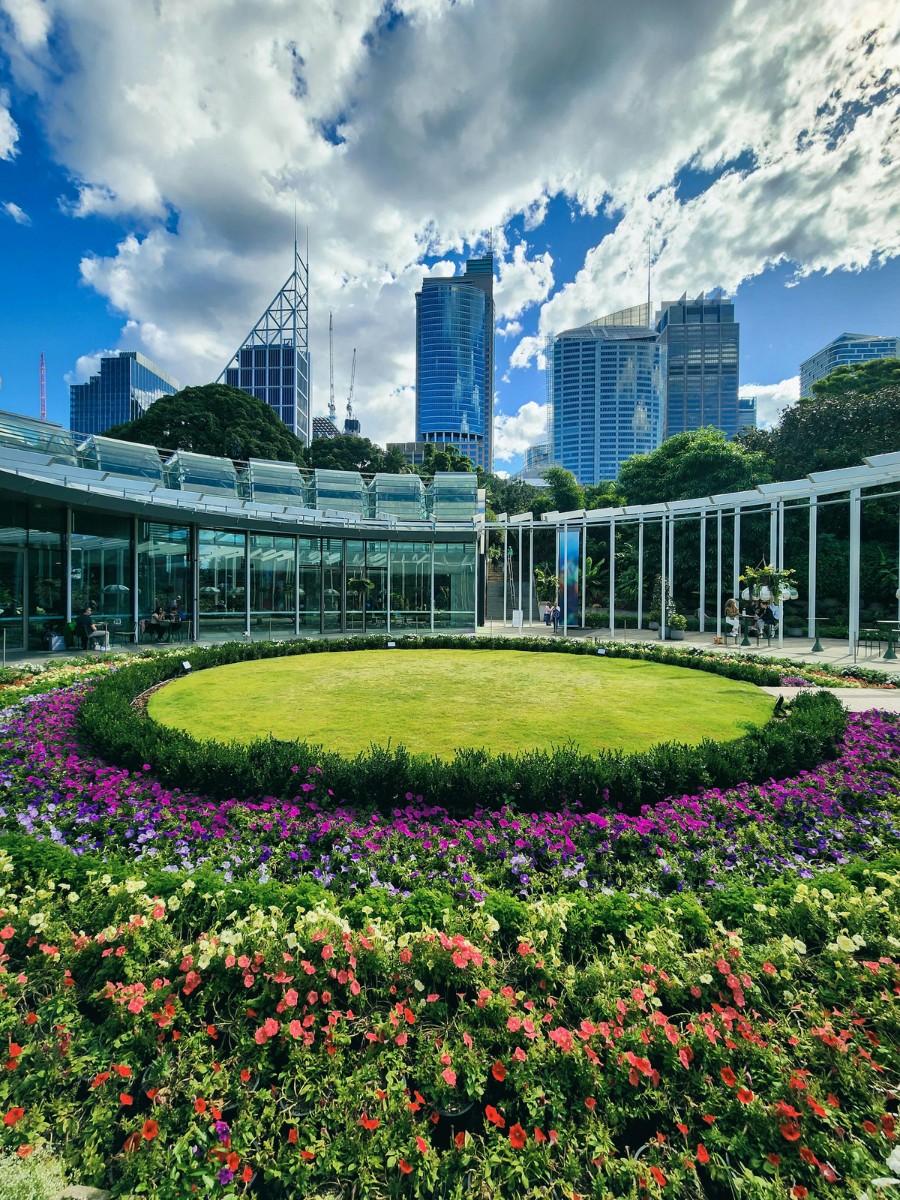
Perth, Australia, brings a long-horizon perspective with its Urban Greening Strategy 2023 to 2036, a 13-year commitment to expanding canopy cover and integrating nature into the city's infrastructure planning. Vitacura, Chile, rounds out the category with a coordinated green infrastructure plan covering street trees, parks, and connected corridors that deliver measurable improvements to air quality and thermal comfort.
The AIPH Youth Award
For the second time, the 2026 edition includes the AIPH Youth Award, which runs alongside the main competition. All 21 finalists are eligible for consideration, and a Youth Jury, comprised of young people aged 18 to 35 with a passion for urban greening, will select the entry they judge most likely to inspire youth and contribute to a secure, healthy future.
The Youth Award was introduced in partnership with the Global Youth Biodiversity Network (GYBN) and made its debut at the 2024 ceremony, where the City of Joondalup, Australia, became the first-ever recipient.
What Comes Next?
With the finalists now confirmed, the competition moves into its next phase. The Awards Jury is expected to convene in June 2026 to select the category winners and Grand Winner, with the Youth Jury meeting separately to determine the Youth Award recipient.
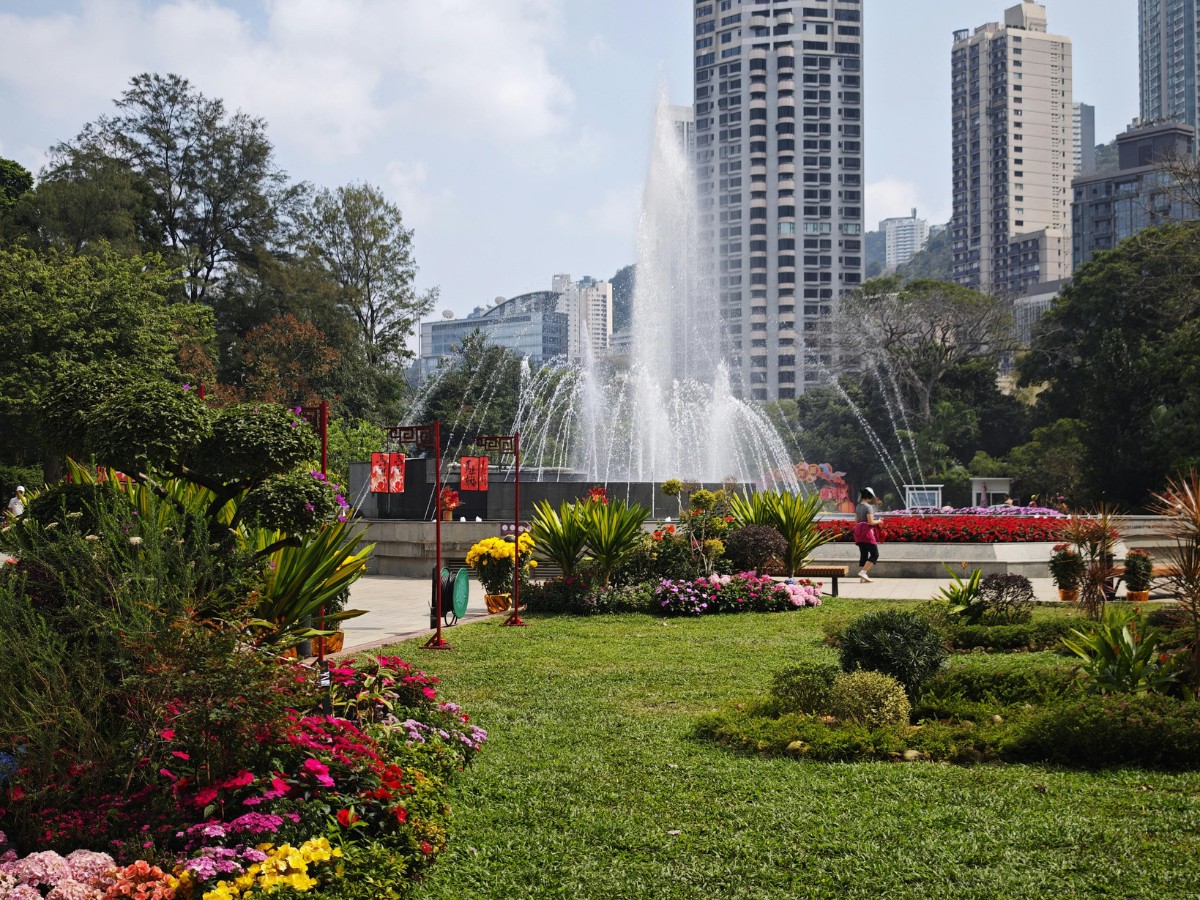
The formal announcement of all winners is planned for a gala ceremony in September or October 2026, where finalists from around the world will be formally invited to attend. For anyone following the global urban greening movement, this year's finalists are an ideal case of possibilities that come when cities commit to plants as part of their infrastructure.
Featured image by TravelScape. Header image by Shashank Brahmavar.