From 8 to 12 March 2026, Sydney, Australia, hosted the AIPH Meeting Sydney 2026, one of the most significant gatherings on the international ornamental horticulture calendar. Held at the iconic Pier One Sydney Harbor Hotel, the meeting brought together industry leaders, growers, policymakers, researchers, and trade representatives from across the world.
The International Association of Horticultural Producers (AIPH), whose members collectively represent thousands of flower and ornamental plant growers worldwide, organized the event to provide a platform for international insights, peer learning, and constructive dialogue on the most pressing issues facing the industry.
A Rich Program Spanning Two Major Conferences
Over five days, delegates engaged in a rich program spanning two major conferences, professional nursery visits, and excursions into iconic Australian landscapes. The 2026 edition was structured around two defining conference themes: the International Horticultural Expo Conference on 9 March, and the Horticultural Industry Conference on 10 March.
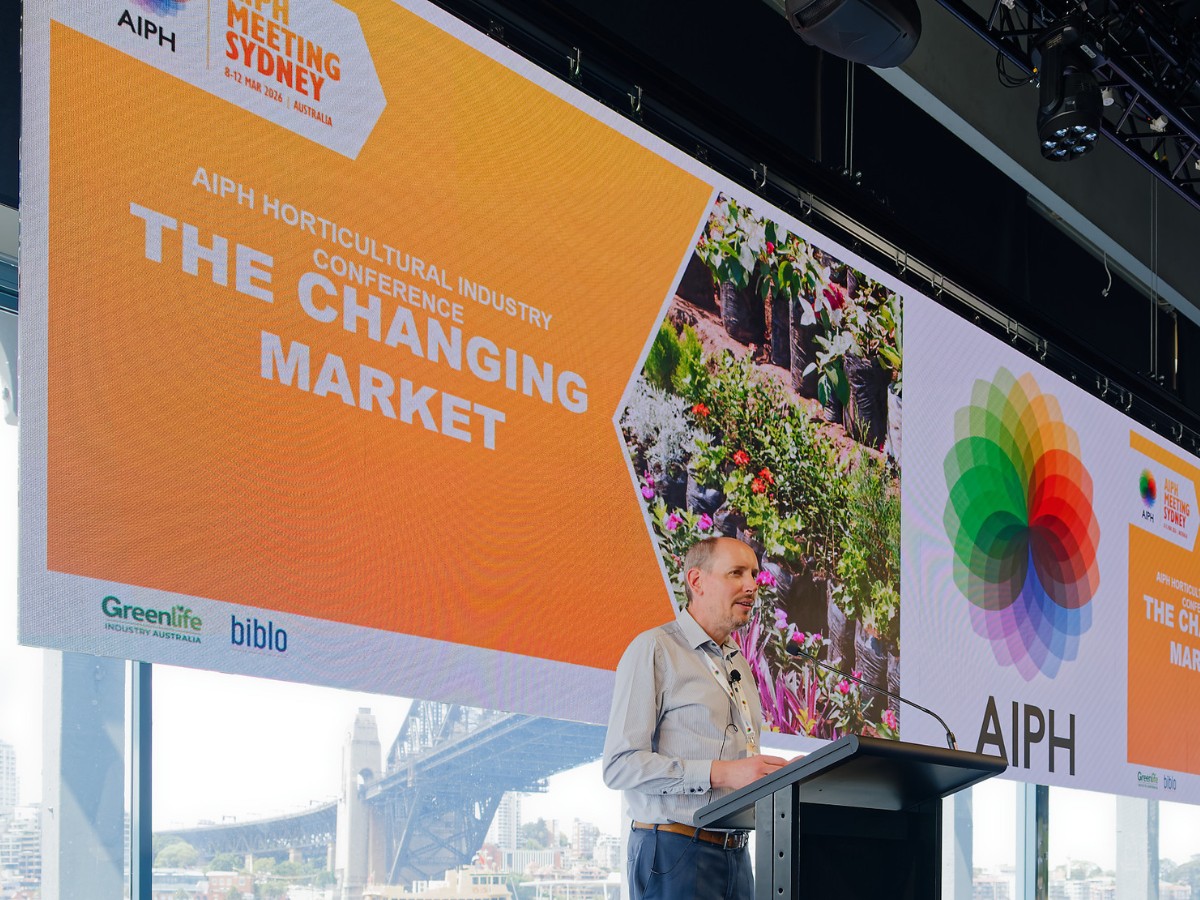
The latter was organized around three key sessions, namely 'The Changing Climate', 'The Changing Market', and 'Advocating for the Industry.' These thematic sessions highlighted the pressures of environmental disruption and market evolution confronting growers and industry bodies.
1. The Climate Is Changing, so What Are the Policy Imperatives?
In his keynote delivered as the Industry Conference opened, Matt Kean, the Chair of Australia's Climate Change Authority, set the stakes clearly. Rising temperatures and extreme weather events have already reduced crop yields and caused significant infrastructure damage across Australian (and general) farming regions.
Climate risks, disrupted supply chains, shifting pest pressure, and increasing water insecurity have been rated as medium-to-high in Australia's most recent national Climate Risk Assessment. Yet Kean framed climate action as an economic opportunity as much as it is an environmental necessity. Global demand is shifting toward sustainable, so resilient producers and Australia's innovation capacity position its horticulture sector to lead.
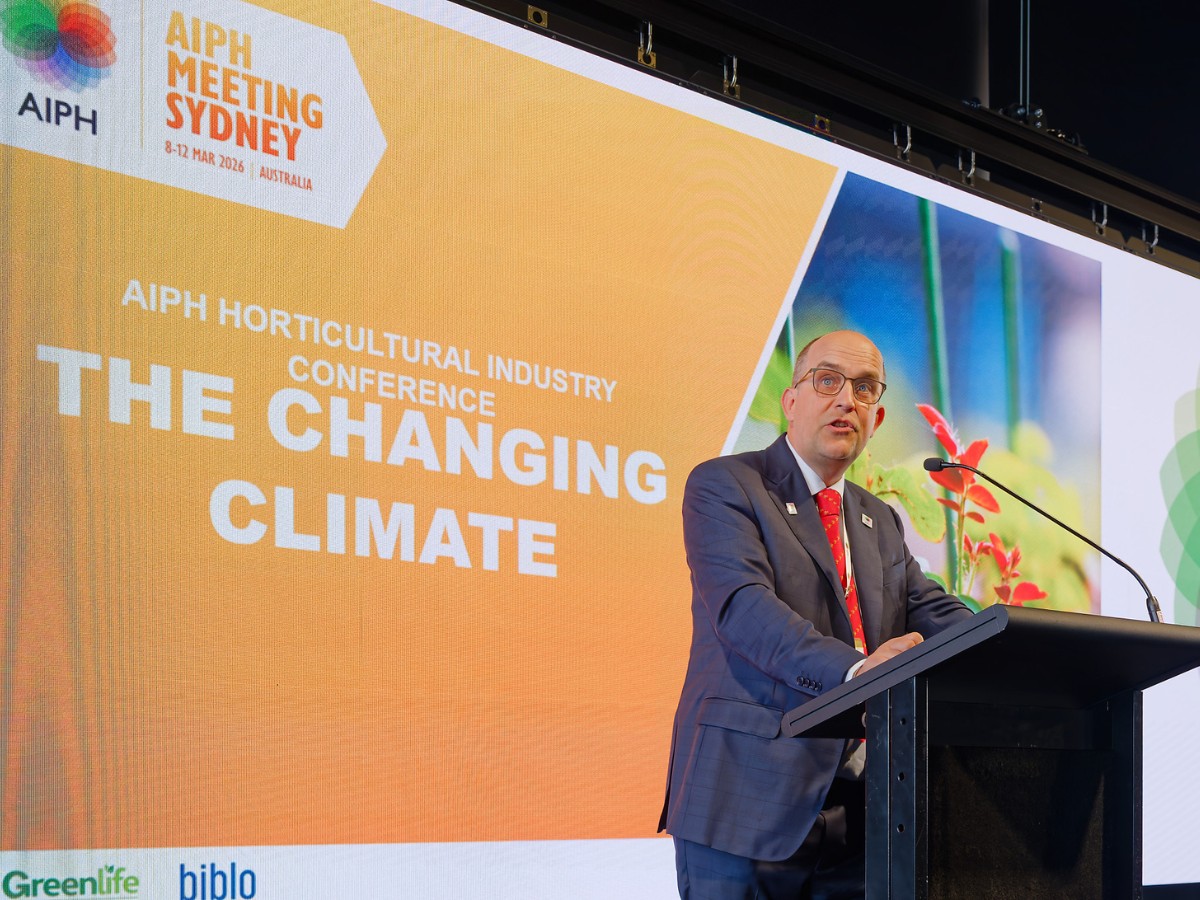
Australia's legislated targets, including a 43% emissions reduction by 2030, 62-70% by 2035, and net zero by 2050, provide a clear investment framework. By late 2025, renewables are expected to comprise half of Australia's electricity generation, opening immediate cost reduction opportunities for horticultural operations through on-site solar, batteries, and electric pumping systems.
Kean also highlighted two emerging soil carbon strategies with particular promise for horticulture. Biochar, produced from organic waste in low-oxygen conditions, improves soil water retention, nutrient availability, and microbial activity; trials have recorded 20-30% increases in plant-available water in some soil types, with the added benefit of diverting food and green waste from landfill.
On the other hand, Enhanced Rock Weathering (ERW) accelerates the natural breakdown of silicate rock in soils, locking carbon in stable form while improving soil pH and water-holding capacity, and can be applied using existing farm spreading equipment. The Commonwealth Scientific and Industrial Research Organisation (CSIRO) is advancing monitoring frameworks to validate ERW's effectiveness at scale.

The key message from Kean was that 'decarbonization is integral to business strategy and growth. And acting now on emissions and resilience positions horticulture for a climate-positive future with strong economic outcomes.'
Water Is a Resource Under Great Pressure
Chris Philpot, CEO of The Water Conservancy, Australia's independent, not-for-profit water efficiency hub, provided an eye-opening account of Australia's water situation. Streamflow data from Perth's Water Corporation showed a sustained decline in dam inflows over recent decades.
The drivers are structural and compounding, in that a hotter climate increases evaporation, more extreme droughts reduce water allocations, heavier floods damage catchments and reduce usable storage, and increased bushfires degrade water quality. 'Water planning has shifted from averages to resilience and risk management,' Philpot said, noting that agriculture, cities, environment, and green spaces are now in direct competition for a less predictable resource.
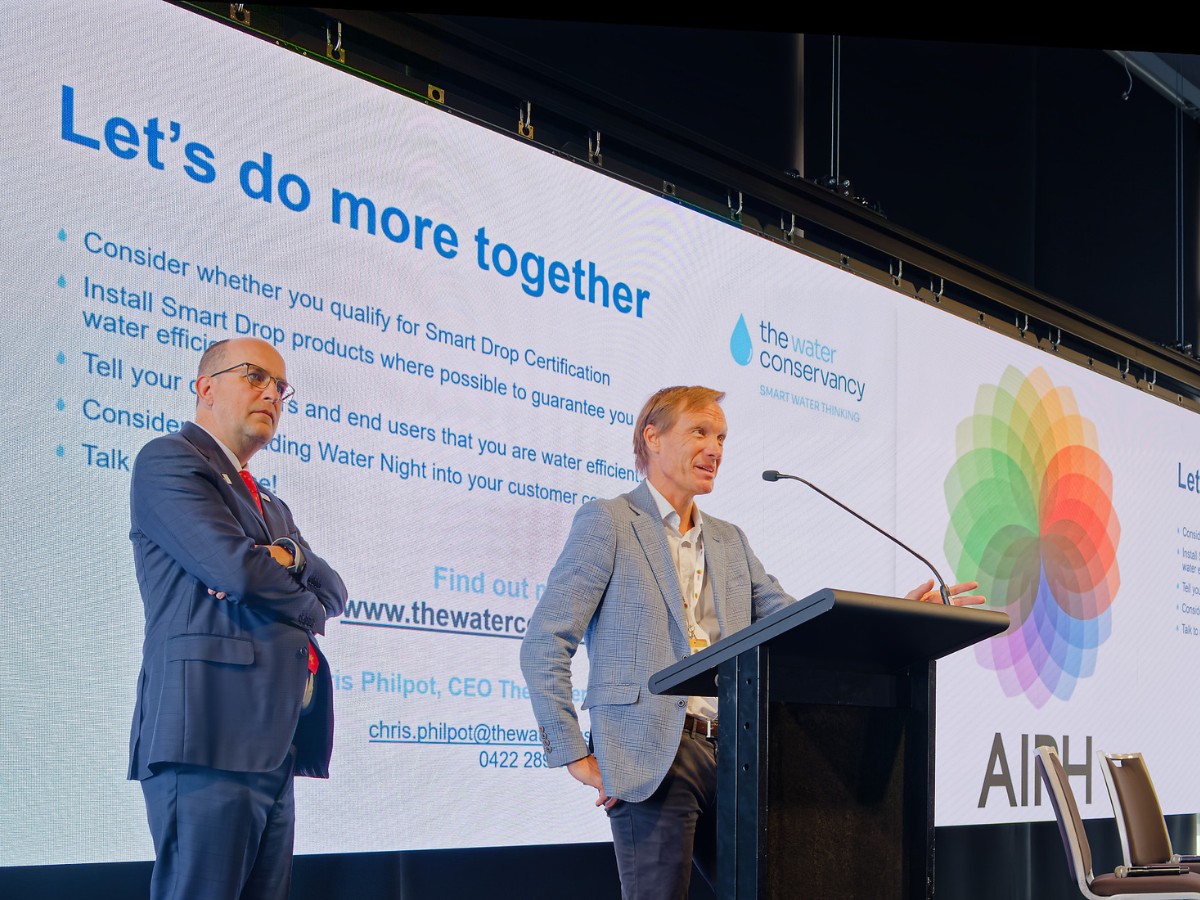
For production nurseries, Philpot framed water management as mission-critical on three grounds. It sustains the industry's social license, protects plant health, and secures future operating rights. He presented The Water Conservancy's practical toolkit, featuring Smart Drop Certification, which independently verifies products and services that deliver water savings (with over 1,000 applications reviewed since 2004 and 300 products approved, Greenlife Industry Australia has been a founding partner).
Also featured are the Smart Water Advice and Solutions, which help nurseries understand where water is used and lost, Get Water Fit, a digital platform that converts water from a hidden cost into a quantifiable business input, and Water Night, a consumer engagement program that positions horticulture as a responsible steward of Australia's water resources. Philpot's call to action was the need to certify, install efficient systems, embed water management visibly in customer communications, and use it as a competitive differentiator.
The Global Stakes of Biosecurity in National Systems
Here, presentations addressed the challenge of protecting plant health in an era of intensifying global trade and the opportunity to build internationally aligned standards. Celeste Cook of Greenlife Industry Australia outlined BioSecure HACCP, Australia's first non-government plant market access system. Applying Hazard Analysis and Critical Control Points (HACCP) methodology, drawn from food safety to nursery stock movement, the system is recognized by all Australian state and territory governments.
Certified growers self-certify interstate consignments through Entry Condition Compliance Procedures (ECCPs), eliminating the need for costly and time-consuming government inspections. ECCPs cover pest biology, host plant lists, treatment and surveillance requirements, and packaging conditions for each receiving jurisdiction.
Additionally, an Audit Management System provides biosecurity regulators with real-time access to grower records and has evolved into a comprehensive business management tool, enabling chemical tracking, crop monitoring, and pest prevalence analysis. The program is independently audited at two-year intervals, and its co-regulatory structure has become a model for what industry-government partnership in biosecurity can achieve.
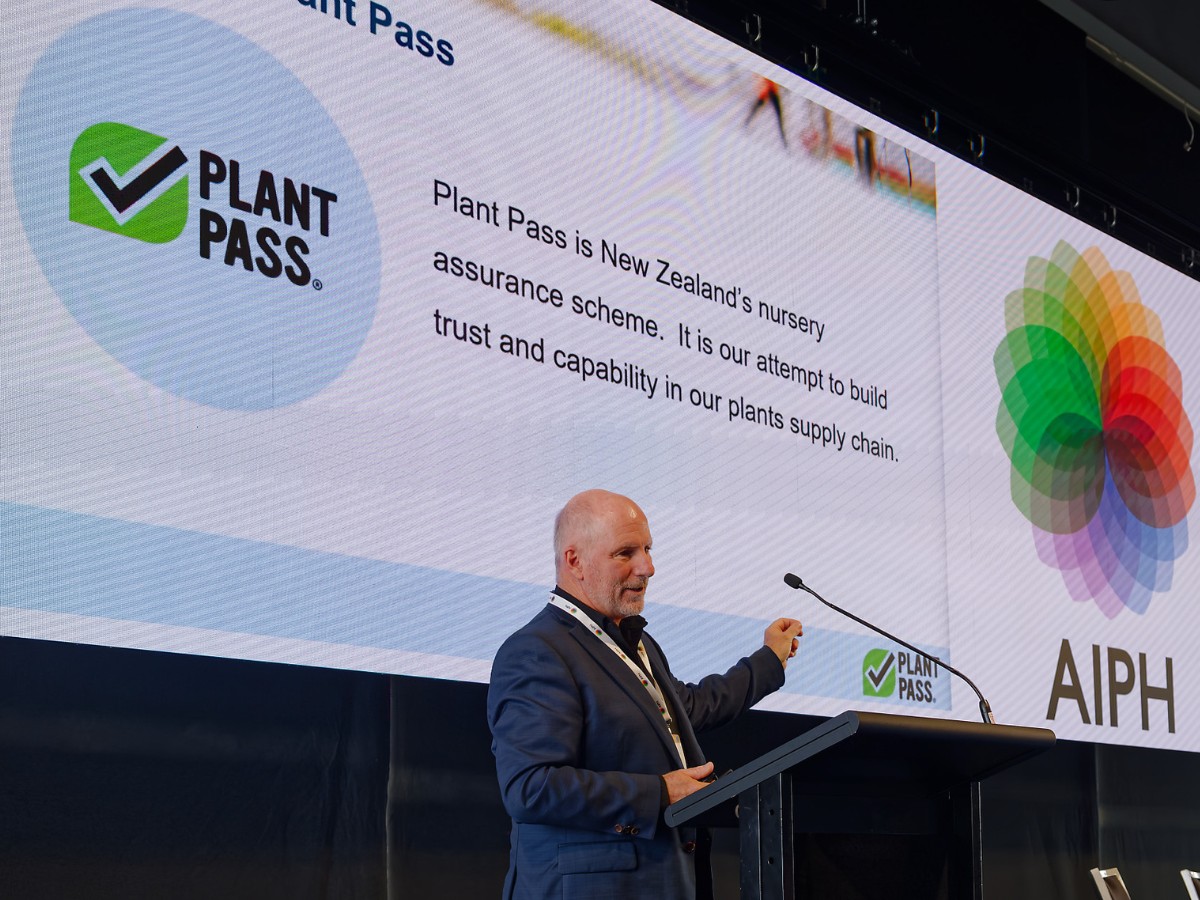
Matt Dolan, CEO of New Zealand Plant Producers Incorporated, also offered a counterpoint. New Zealand's Plant Pass scheme, built on strong multi-sector governance spanning government agencies, regional councils, and sector-specific schemes, has strong structural foundations but has stalled at around 10% grower uptake.
But there have been hurdles, like low trust, cynicism, and fatigue from being the country's third assurance scheme. Since few truly commercial incentives or market drivers exist to motivate participation, Dolan called for the transition from isolated national frameworks to globally compatible systems and from prescriptive rules to true systems-based approaches. His analysis set the stage for what followed.
Notably, AIPH Vice-President Jack Goossens and Dr. Audrey Timm, AIPH Technical Initiatives Manager, jointly launched the AIPH Unified Framework for Plant Health, perhaps by far the most significant announcement of the conference.
Based on an AIPH plant health survey conducted in 2021 (in which 78% of respondents supported an international voluntary standard, and trade in live plants and cut flowers was identified as the highest-risk path for pest and disease spread), the Framework defines 10 criteria for a robust voluntary plant health management system.
These span management system design, HACCP principles, systems-based approaches, plant traceability, record keeping, internal and external auditing, staff responsibilities, and continuous improvement. Analysis conducted using generative AI with structured prompts and validated by expert AIPH review, found six existing standards already meeting all criteria.
These were BioSecure HACCP (Australia), Plant Pass (New Zealand), Clean Plants Program (Canada), Plant Healthy (UK), SANC (USA), and VivaiFiori Quality Standard (Italy). An AIPH Plant Health Forum, comprising representatives of all six, now governs the Framework's development and will engage with IPPC processes toward formal international recognition.
AIPH Plant Health Forum:
"A standard developed in adherence to this framework is likely to help secure trade approval across borders and protect the integrity of the global horticulture industry."
2. The Market Is Changing: Plant Retail Evolution, Disruptions, and Opportunities
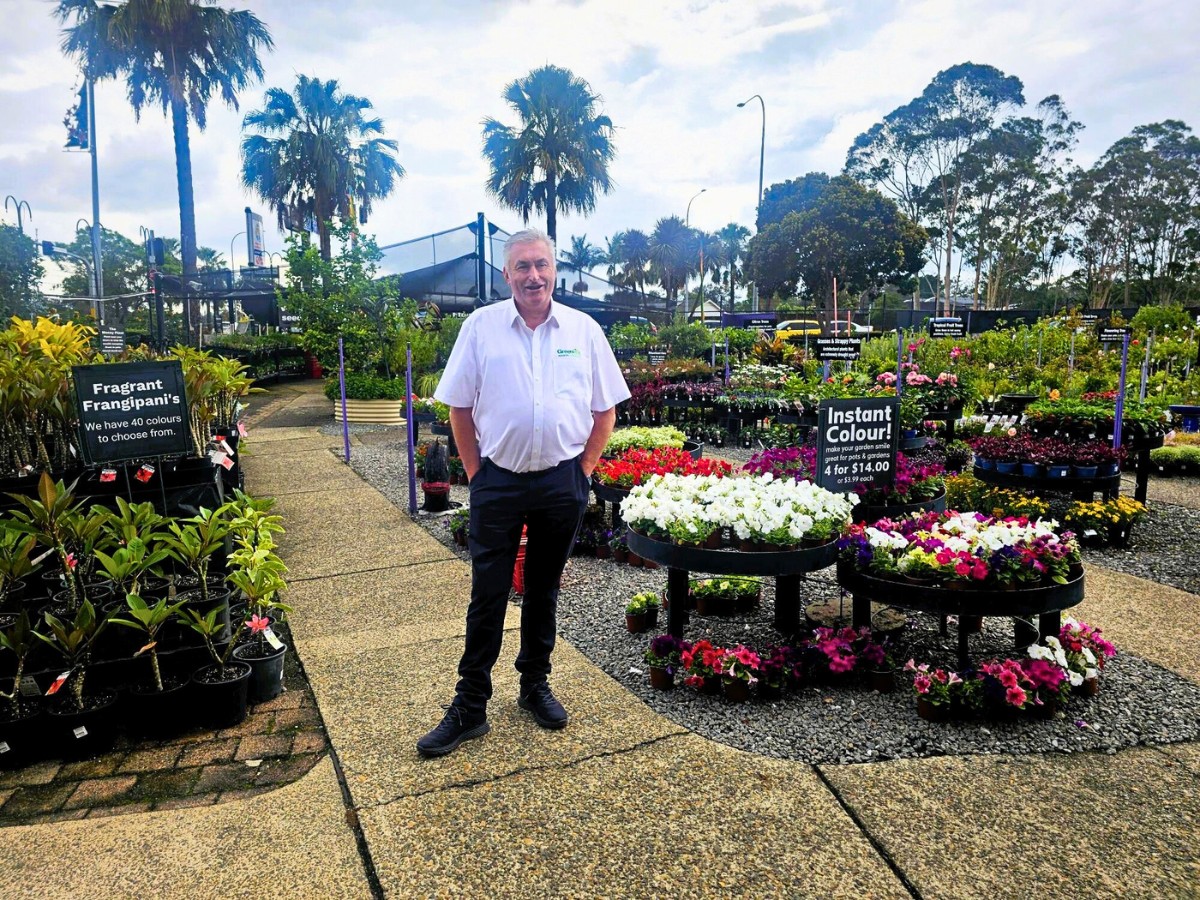
Mike Mehigan, CEO of Greenlife Industry NSW and ACT, drew on over two decades of running a garden center north of Sydney to trace the arc of Australian plant retail, from the garden center's 1960s dominance, through the Bunnings disruption, the early 2000s drought and its impact on consumer confidence and plant sales, and the rising land values that now make new market entry prohibitively expensive.
He concluded that ornamental products remain relevant to consumers' lives, but those consumers are increasingly time-poor, digitally connected, and seeking easy solutions. The differentiators for specialist retailers are, therefore, expertise, service, and technological capability.
Mehigan cited convincing data on consumer behavior: eCommerce now accounts for 16.8% of Australian retail transactions, 81% of consumers use digital platforms to research stores before visiting in person, and purchases made after 9 pm are 23% higher in value than those made at other times.
Technology, he said, doesn't replace the garden center but supercharges it. He advocated for live inventory systems, same-day delivery partnerships (including with platforms like Uber), and an active social media presence as core modern infrastructure.
Aside from technology, he emphasized local expertise, including quality-trained staff, supplier-led product awareness sessions, and practical workshops in areas like vegetable growing, bonsai, and terrariums, as the most defensible differentiator against big-box competition.
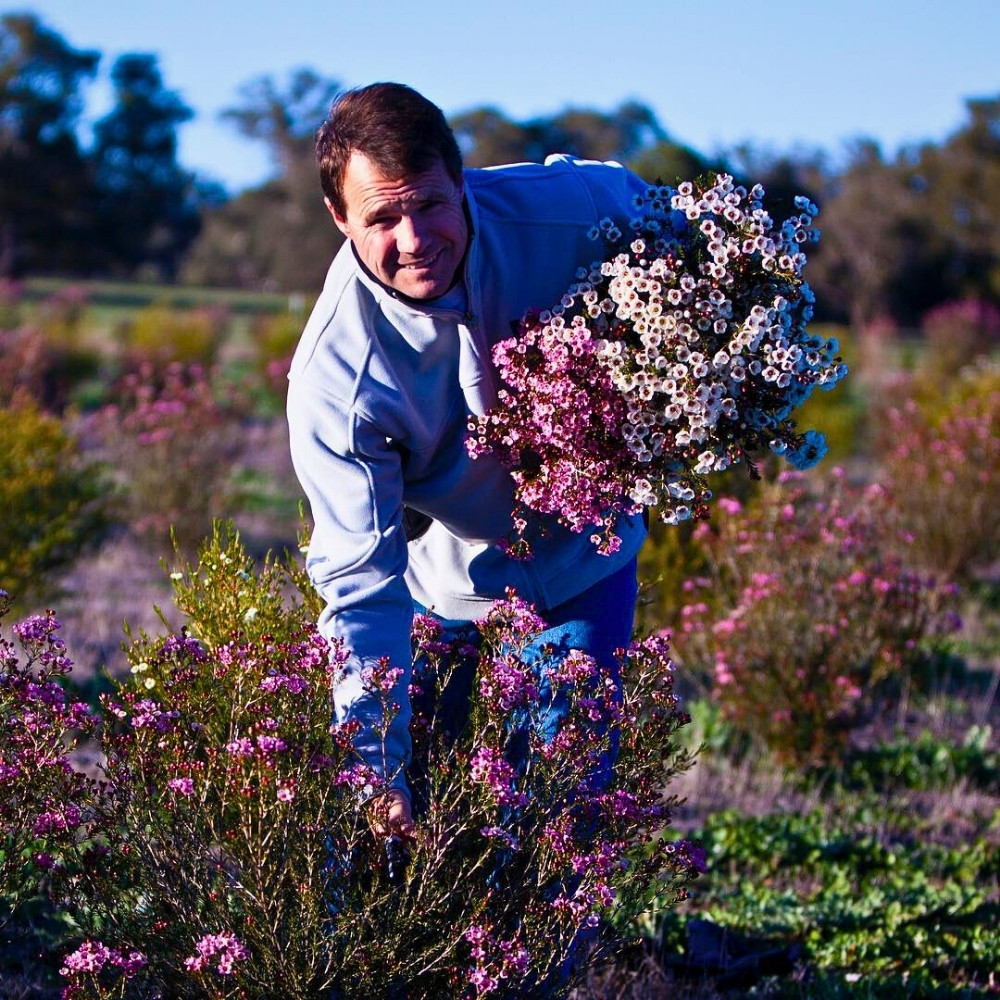
He also highlighted social responsibility, including offering plastic pot recycling, stocking low-impact products, and engaging with local community organizations and garden clubs, which enhances community roots and builds long-term brand loyalty.
The Plant Value Report
Elyse Allum, Associate Marketing Manager at Hort Innovation, presented evidence that is already reshaping how the Australian nursery industry communicates its value. The greenlife wholesale market is valued at approximately $3.4 billion, and within it, retail accounts for 41%, and the landscape sector has surged from 7% to 15% of market share, representing a significant and underserved growth opportunity.
Consumer behavior is also changing. The cost-of-living pressures have reduced both frequency and spending on nursery products, and, crucially, a lack of interest has overtaken cost as the top barrier to plant purchasing. Around half of Australian consumers report feeling unconfident choosing and caring for plants, pointing to an education-first marketing imperative.
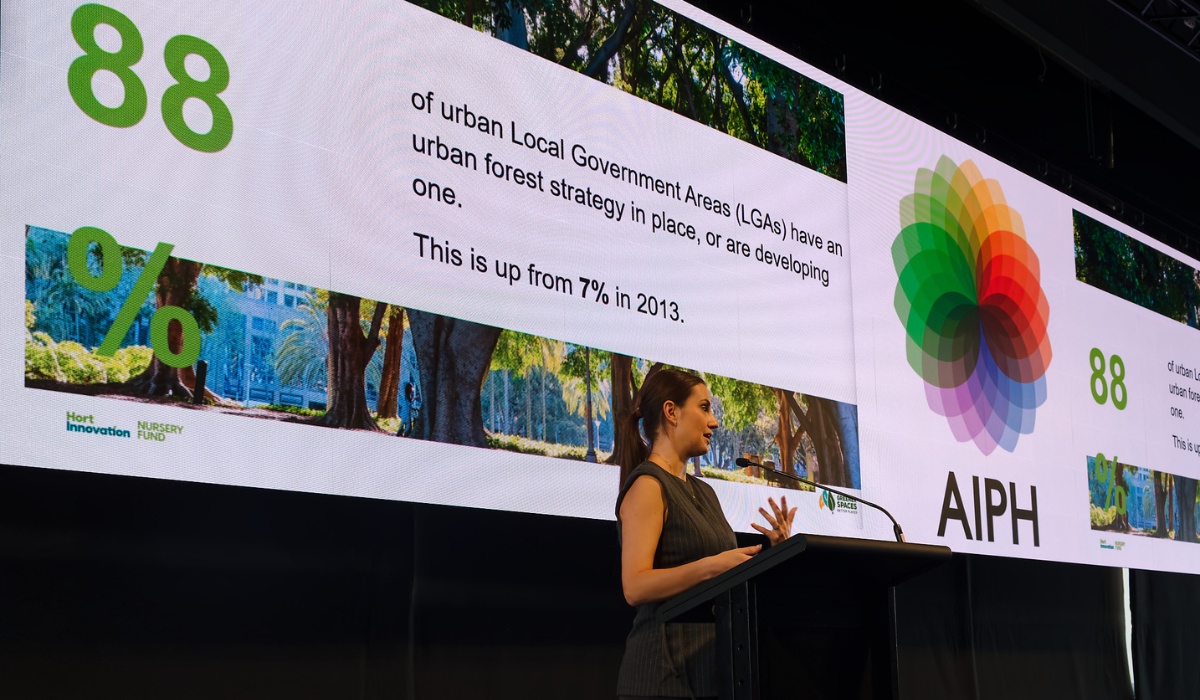
So, Hort Innovation's response has been multi-pronged. The 202020 Vision campaign ran for approximately eight years, successfully creating the world's largest green space advocacy network with over 7,000 members, engaging 5,000 people across all Australian local governments, and training over 80% of urban councils in urban forest strategy. Its successor, 'Greener Spaces Better Places', provides a unified consumer brand covering government, industry, and retail audiences.
The program's most influential recent output is the Plant Value Report, a partnership with Domain Real Estate that analyzed 12 months of property sales data to find that homes with greenery sold for 17.5% more and attracted 7% more buyer views. Units with greenery fetched 16% higher prices and sold three days faster on average, while regional properties saw the strongest uplift at 24%.
The campaign generated significant media coverage and an estimated audience reach of 20 million Australians, repositioning plants as a financial investment and not just a discretionary indulgence. Plans through mid-year include extending the Plant Value Report reach, launching retail in-store campaigns, and targeting the growing landscape sector directly.
Promoting Demand Using the Dutch Model
Jack Goossens, in his additional capacity as Interim Chair of the Plants & Flowers Foundation Holland (PFFH), offered the conference a window into one of the world's most sophisticated national promotional programs. PFFH targets 'light users' and neutral consumers with the key message that flowers and plants make a positive contribution to human well-being.
PFFH’s strategy rests on four pillars, which are knowledge-driven marketing, year-round consumer communication, partner collaboration, and consistent sector messaging. Operationally, a major consolidation has taken place: from 13 websites to a single platform, from 47 social channels to six, and from 13 separate sender identities to a single unified voice.
This rationalization has greatly improved coherence and reduced the fragmentation that previously diluted the sector's public presence. The communication model balances year-round baseline visibility with campaign peaks around key purchase occasions.
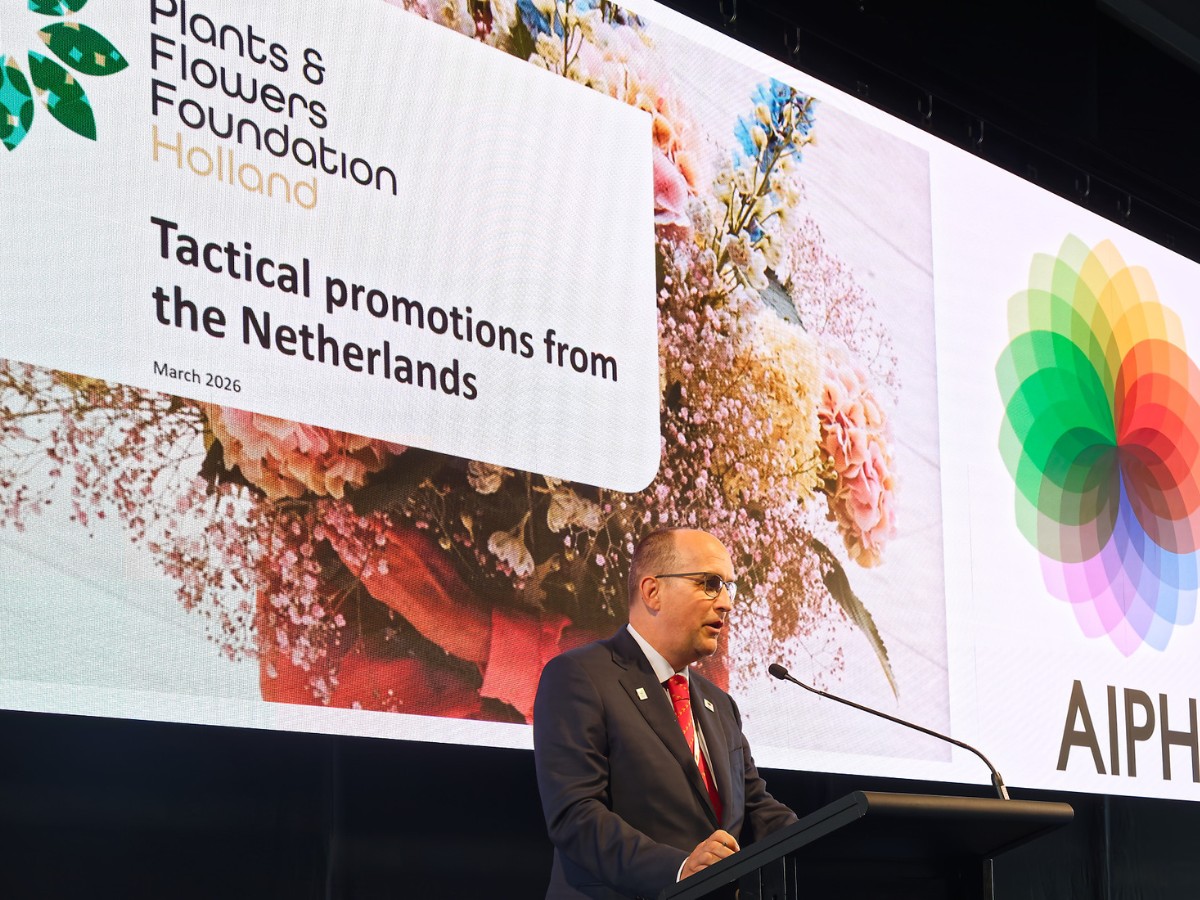
Flowers and plants, Goossens explained, are often bought spontaneously. So, people need to be reminded of them before they decide to buy. When sustainability issues arise, in the Netherlands, where production is highly concentrated, and scrutiny over energy use, CO₂, water management, and crop protection is intensifying, a communications team representing all major Dutch horticultural organizations responds with clear, expert-backed narratives through pre-prepared issue dossiers.
Proactively, the 'Something Beautiful is Growing Here' movement links the emotional value of flowers and plants with the sustainability progress being made across Dutch horticulture, giving growers media training and ready-made materials to participate in a consistent, confident sector story.
Goossens was open about the challenge of measuring impact. Direct economic attribution is difficult, and the primary value is in protecting the sector's social license to operate and its credibility with politicians and regulators.
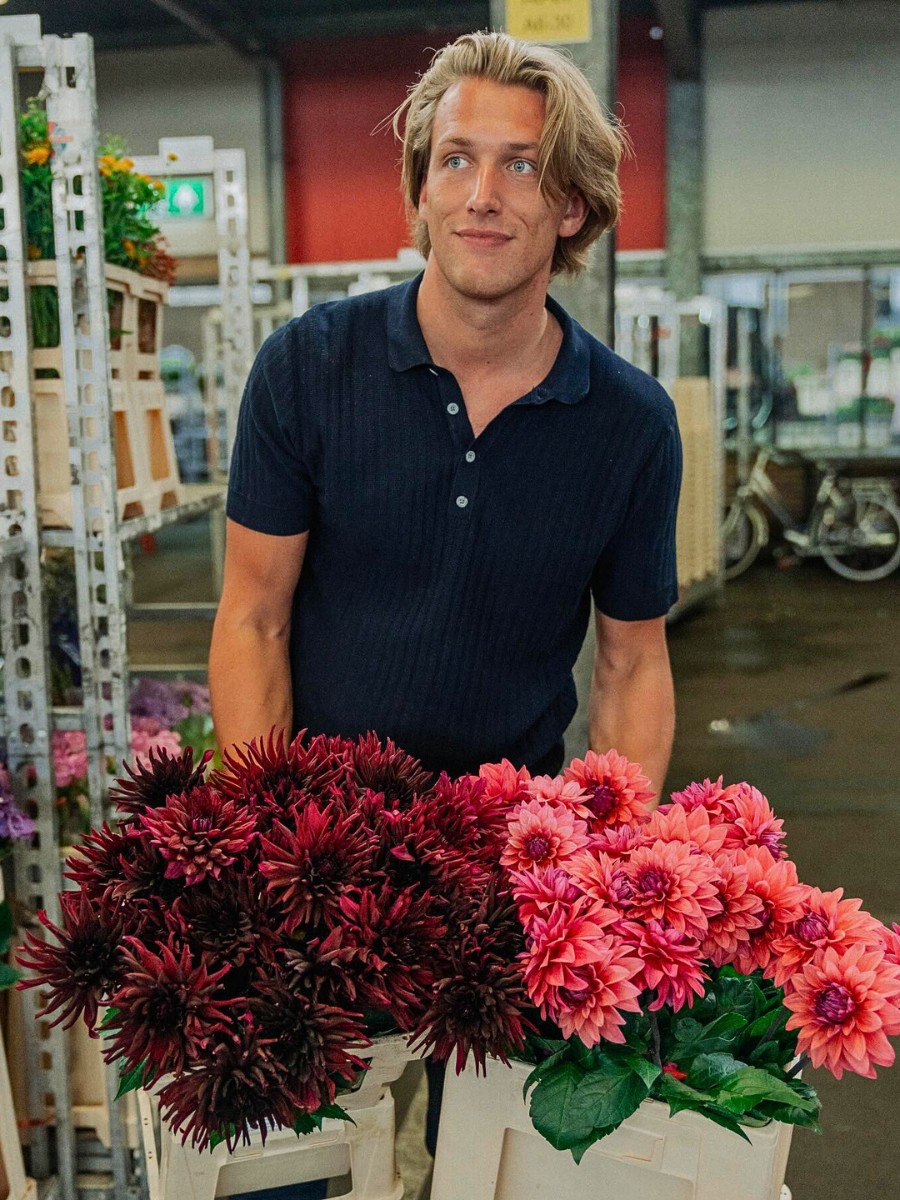
Jack Goossens:
“Consistent messaging across growers, traders, and retailers is vital; conflicting messages undermine sector credibility.”
But then again, PFFH's 2026 research agenda covers well-being science (in partnership with Wageningen University), sustainability perception tracking, shopper behavior and customer journey analysis, and sector KPI monitoring, ensuring that communication remains evidence-based and commercially focused.
The AIPH Green City Standard
In another development, Bill Hardy, AIPH Chair of the Green City Committee, and Dr. Audrey Timm introduced the AIPH Green City Standard, a practical framework helping cities plan, measure, and improve urban greening, while simultaneously creating enabling conditions for the ornamental horticulture sector.
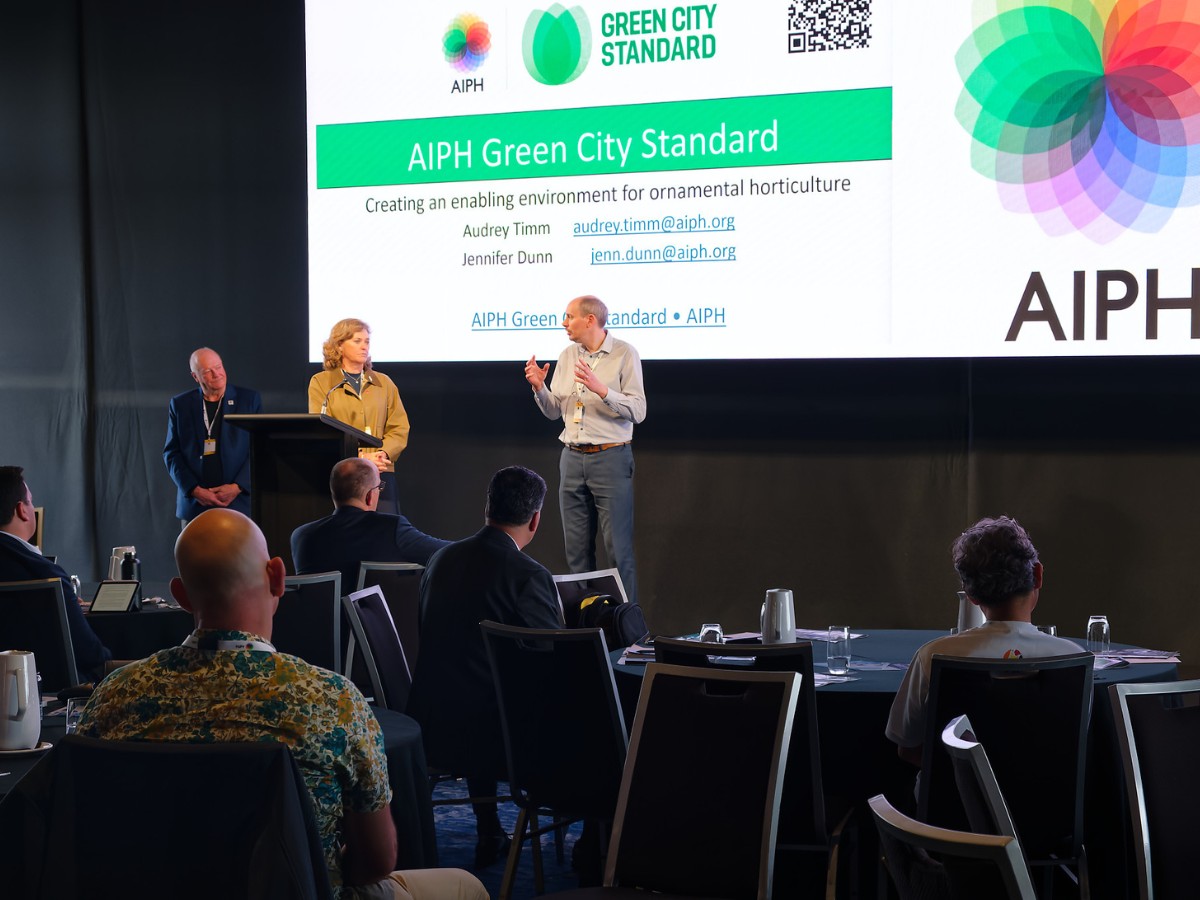
Built around eight city-led processes, each supported by aspirational ideal states, measurable indicators, and a three-point compliance scoring system, the Standard offers Bronze, Silver, and Gold certification following self-assessment and external accreditation.
AIPH provides cities with a detailed feedback report identifying strengths and gaps, and delivers targeted capacity-building workshops to support improvement. Pilot cities, including Toronto, Utrecht, Edmonton, Beijing, Doha, and Durban, are already engaged, alongside city networks, like Earthna's Arid Cities Network and AIPH Expo cities, including Yokohama and Izmir.
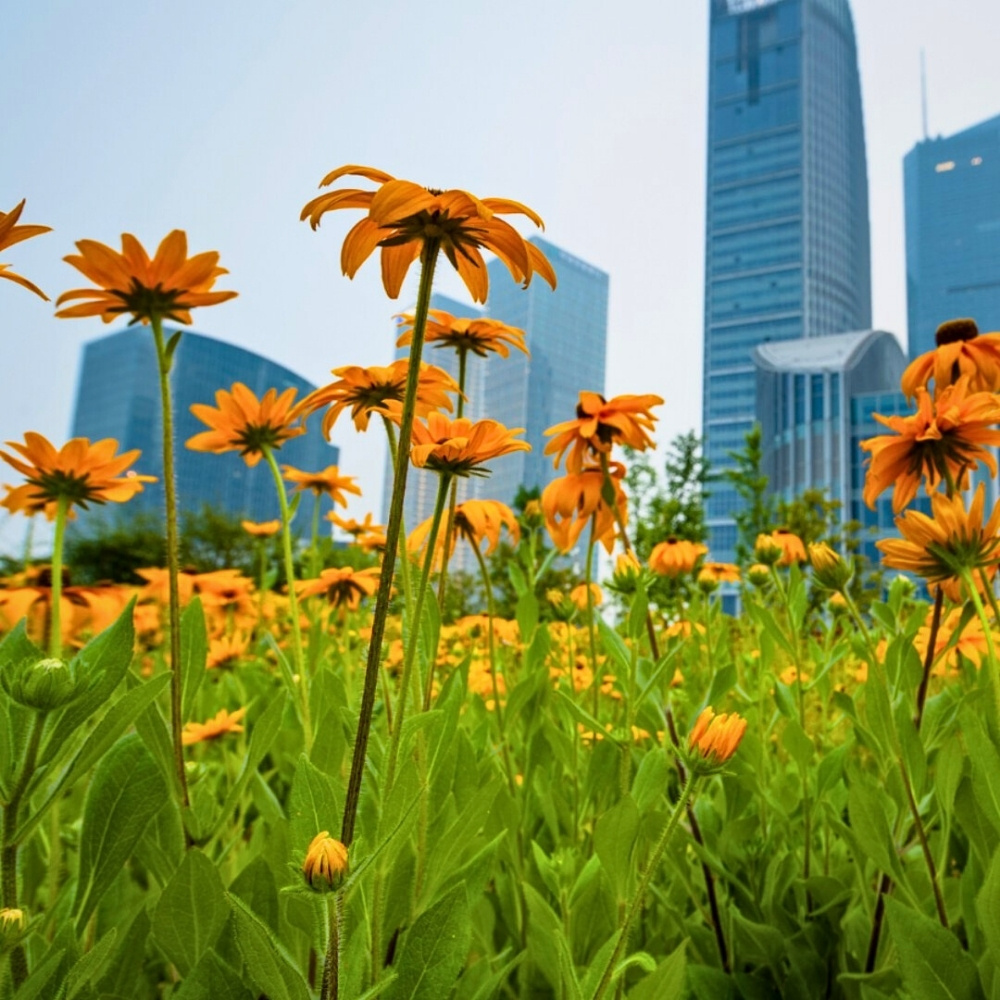
For the horticulture industry, the Standard creates a virtuous cycle, where certified greener cities require more plants, better procurement expertise, and stronger supply chain relationships, which directly expands the market for AIPH members' products.
3. Advocating for the Industry
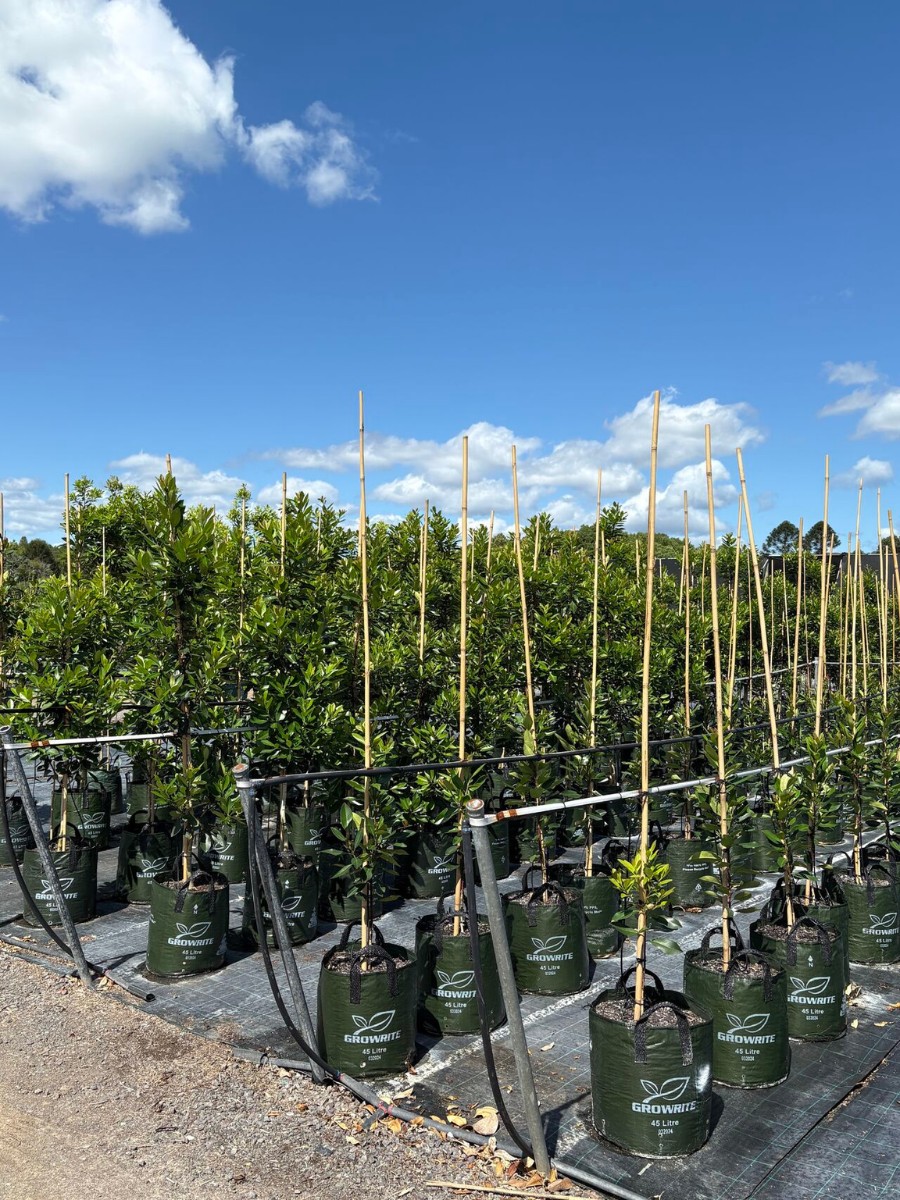
Nick Hutchinson, Chairman of Greenlife Industry Australia and General Manager of Fernland, delivered the session's centerpiece, an instructive account of how Greenlife Industry Australia navigated its relationship with Bunnings, Australia's dominant hardware and plant retailer, operating more than 300 stores nationally and accounting for a substantial portion of the retail plant market.
Australia's production nursery sector generates $2.65 billion in annual production value, employs 22,500 people, and supplies over 2.2 billion plants per year. The retail channel represents approximately 41% of total sales value, meaning that behavior within it has systemic consequences for the whole industry.
Growers’ experience with Bunnings had been inconsistent. Some reported stable volumes and strong relationships, others described limited contractual volume commitments, reliance on non-binding forecasts, lengthy price negotiation timelines, and complex rebate structures.
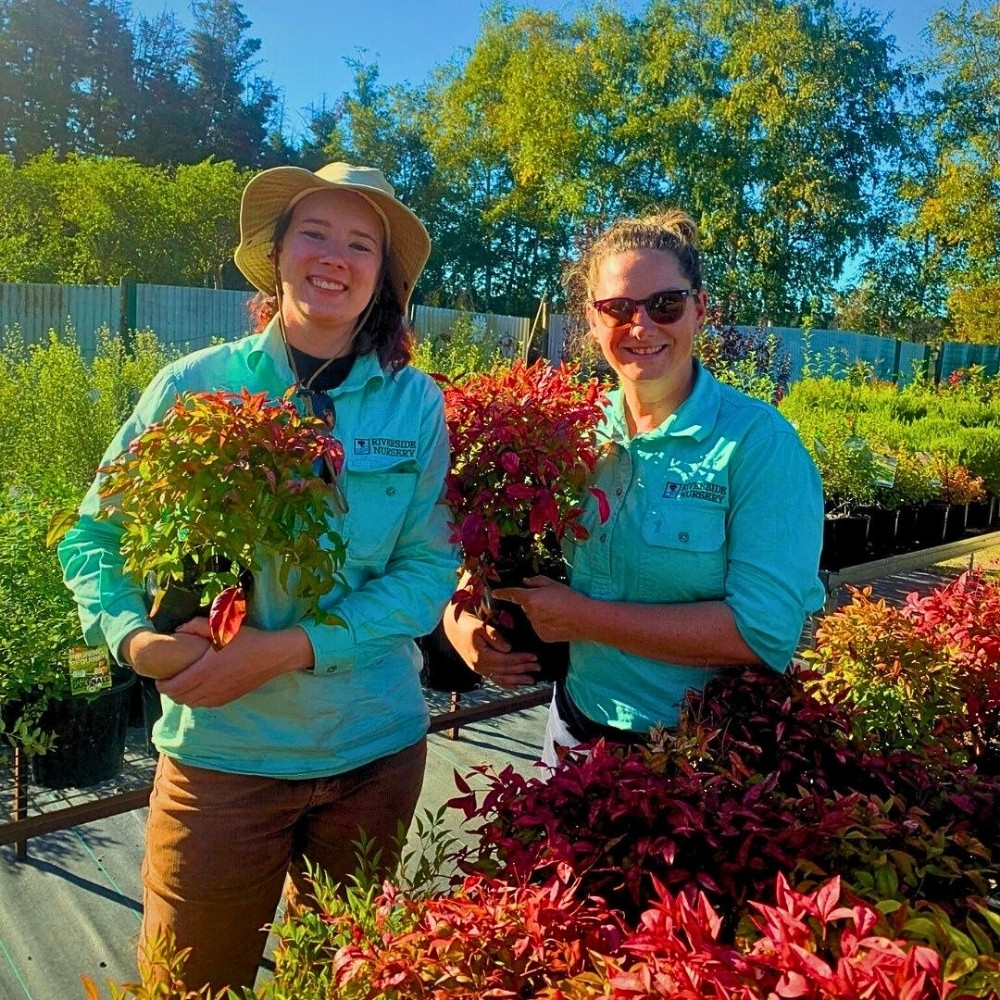
Against an already volatile operating environment (90% of nurseries reporting rising input costs, 67% cited biosecurity risks, 66% have experienced severe weather impacts, and insurance pressures increase), commercial uncertainty compounds an already difficult picture. Only 26% of growers are currently planning expansion, despite 72% remaining confident about the sector's long-term future. The gap between optimism and investment has, therefore, been a direct consequence of unpredictability.
But the catalyst for formal engagement was regulatory attention that called for the review of Australia's Food and Grocery Code of Conduct, industry submissions seeking wider coverage of large-format retailers, and the Senate's 2024 inquiry into big-box retailer pricing practices. GIA's approach presented the idea that ‘markets don't stabilize when personalities change, but when systems change,' according to Hutchinson.
So, the outcome, a Statement of Principles, a structured working group, and an independent arbiter mechanism, created durable commercial architecture. Hutchinson's lessons for producer bodies were that concentrated markets require structure, transparency builds trust faster than escalation, advocacy must evolve into relationship architecture, and commercial stability is a prerequisite for sustainability in its fullest sense (environmentally, economically, and relationally).
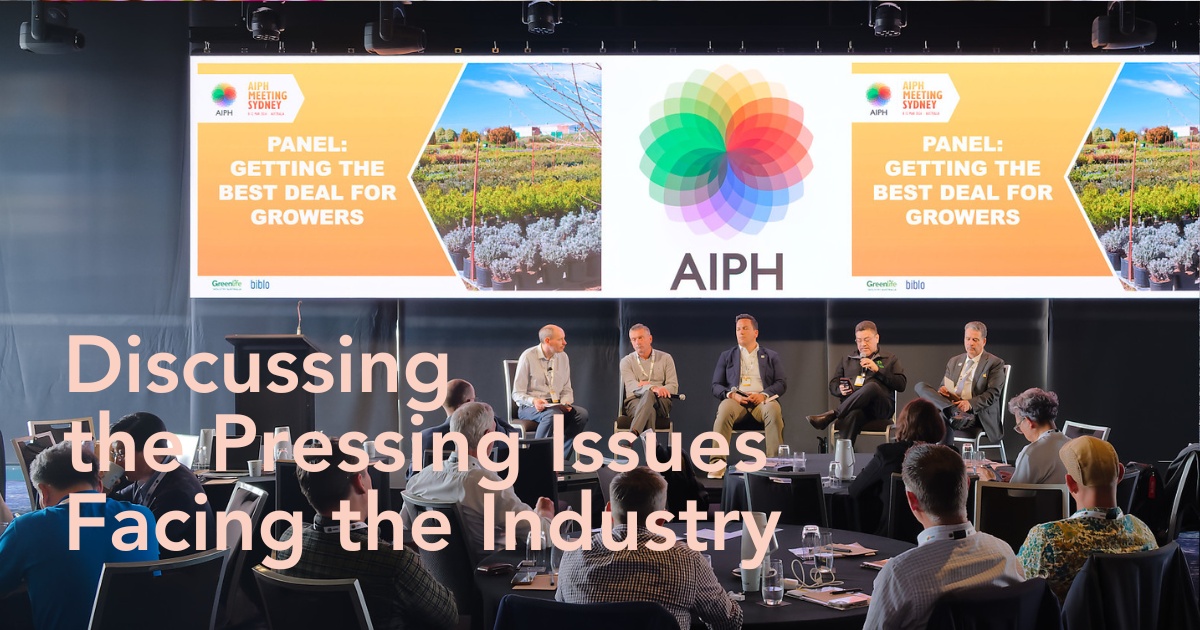
Getting the Best Deal for Growers
A wide-ranging panel, chaired by AIPH Secretary General Tim Briercliffe, extended the discussions. Victor Santacruz, CEO of the Canadian Nursery Landscape Association (CNLA), described a decade-long campaign to have ornamentals formally recognized as agriculture, a status that opened access to risk management programs and linked the sector to municipal infrastructure funding.
CNLA, for instance, invested $500,000-$1 million across two purpose-built public foundations, generating an estimated $30-40 million in media promotion for the environmental and social benefits of plants. The foundations operate separately from the trade association, allowing them to engage the public and build social license without the constraints of trade messaging.
Santacruz also shared a lesson in tactical restraint. After successfully securing 10% of funding from Canada's Two Billion Trees program for urban landscapes, sustained lobbying strained resources and diverted focus. So, knowing when to stop pushing and when to defer to partners with louder voices proved as important as knowing when to push hard.
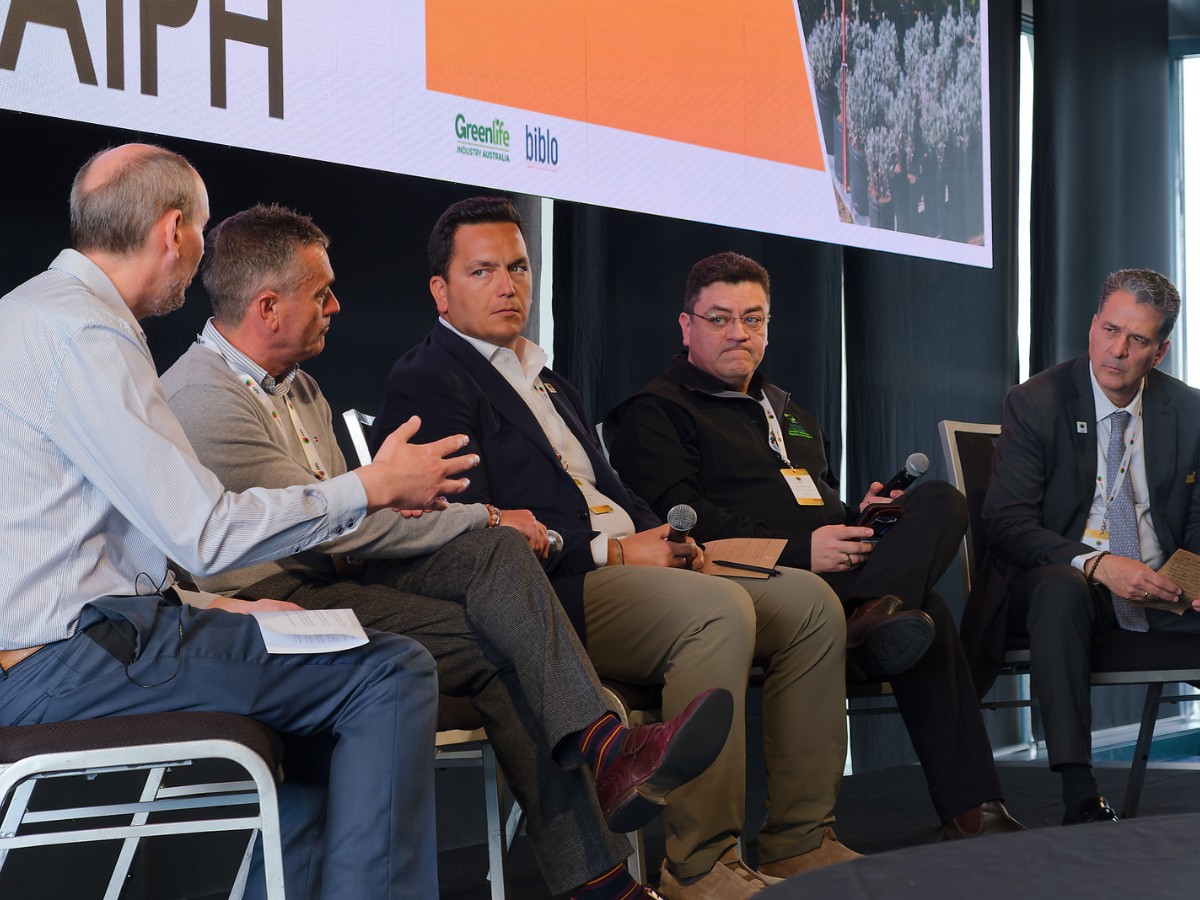
Leonardo Capitanio, AIPH President, also recounted Italy's experience managing the Xylella fastidiosa crisis. More than a decade of sustained advocacy across three levels of government (European, national, and regional) ultimately brought its spread under control and reduced mandatory buffer zones from 300 metres to 50 metres.
The key insight was that emotional narratives, connecting the disease's impact to citizens' everyday landscapes, property values, and sense of place, were just as powerful as technical lobbying. Capitanio, therefore, noted that relevant Associations must maintain relationships continuously, not just during crises.
In his contribution, José Antonio Restrepo Rada (Chairman, Asocolflores, Colombia, and AIPH Board Member for South America) highlighted the operational scale of organized advocacy. Asocolflores' Petal Plan program, for example, coordinates several daily flights and more than 12,000 trucks during peak export seasons to ensure smooth flower deliveries for key dates, like Valentine's Day.
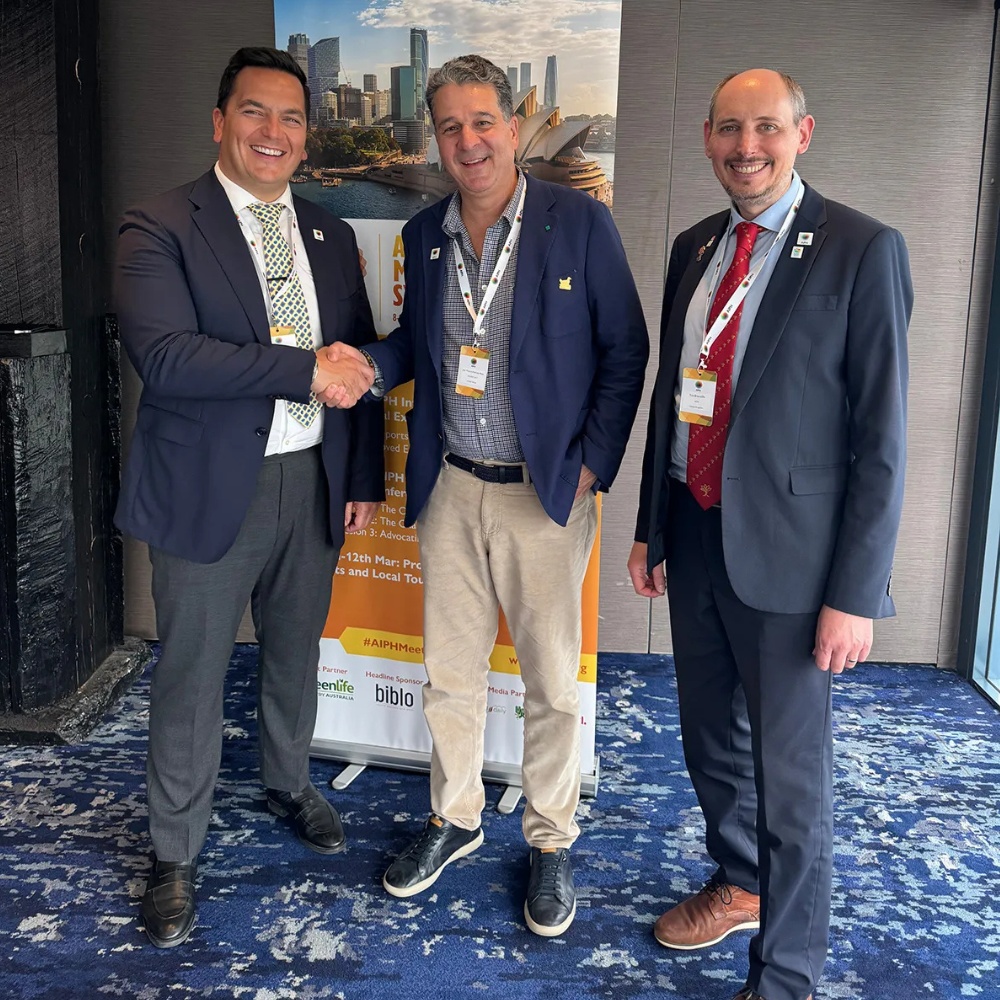
On trade policy, Colombian exporters face US tariffs costing the sector an estimated $200 million annually, and so a US-based law firm has been engaged to pursue tariff reduction, inspired by Ecuador's progress toward zero tariffs.
The panel's collective message was that while advocacy carries real cost, the cost of not advocating, particularly during crises, is far greater. And that the value of advocacy often lies in problems that never materialize as a result, not so much in visible wins.
Professional Visits Of Australian Horticulture
In conclusion, professional visits on the closing two days took the delegates into the Australian horticulture landscape. In South-West Sydney, visits to Tim's Garden Centre, the Australian Botanic Garden Mount Annan (Australia's largest native flora botanic garden, housing the national PlantBank seed conservation facility), and Andreasens Green (one of Australia's leading wholesale nurseries with over 135 acres under production and a 40-year family ownership) showcased the extensiveness of the local industry.
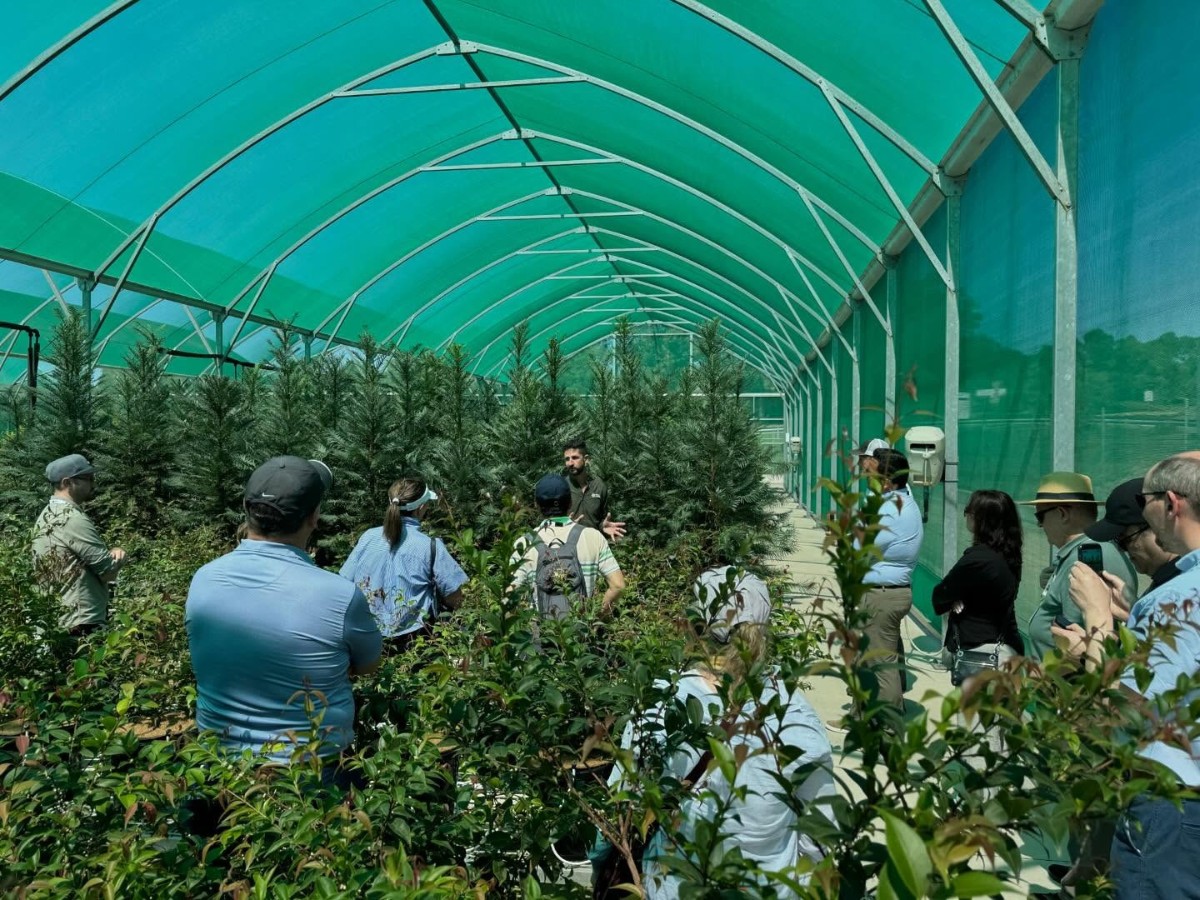
The Blue Mountains day also offered a fitting conclusion. Oasis Horticulture, the largest producer and distributor of bedding plants in Australia, with over 600 varieties and a fully vertical integrated model, showed what can be achieved by up-scaled innovation. The Three Sisters lookout at Echo Point and a guided tour of the Blue Mountains Botanic Garden at Mount Tomah, Australia's premier cool-climate botanic garden, also provided a picture of the ecological context within which the industry operates.
All AIPH Sydney Meeting 2026 photo credit: Ludovic Vilbert, Inwardout Studio.