In 1965, through his export business, entrepreneur and floriculture hobbyist Edgar Wells sent the first shipment of cut flowers from Bogotá to Miami. And while that may sound like just an ordinary feat, it, alongside other factors, heralded the birth of Colombia's flower industry. And, naturally, came the creation of Asociación Colombiana de Exportadores de Flores, or simply Asocolflores.
Asocolflores is the national association of Colombian flower exporters, a guild that has shaped Colombia's rise as one of the world's leading flower suppliers since the early 1970s. It represents growers, advocates for their interests, and keeps sustainability and social progress at the center of the country's floriculture story.
What Is the Story Behind Asocolflores?
Colombia's flower industry began to take off in the late 1960s. Entrepreneurs and agricultural pioneers recognized that the country's highland regions, particularly the Bogotá Savanna (Sabana de Bogotá) and the Antioquia region near Medellín, offered near-perfect growing conditions, including year-round mild temperatures, equatorial light, and fertile soils at altitude.
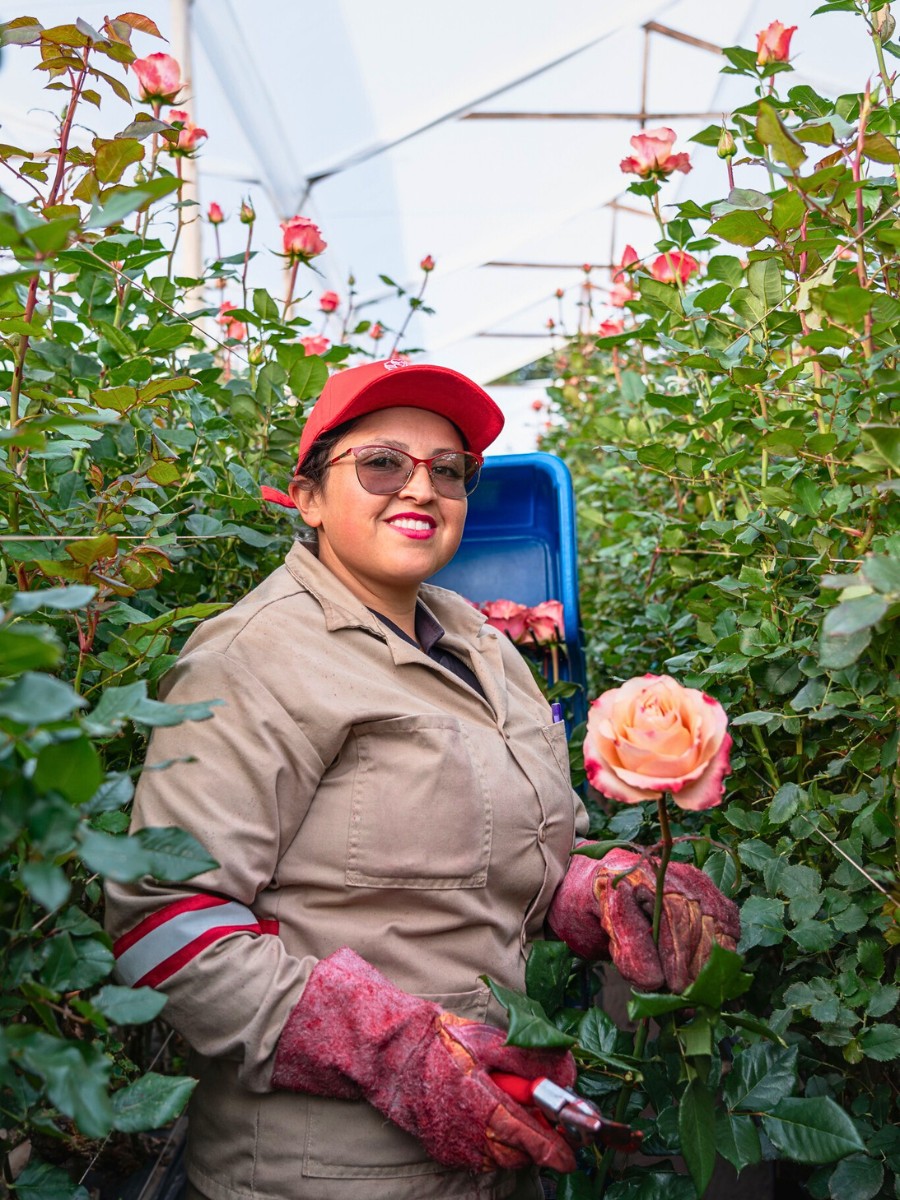
Back then, what was lacking was the kind of organized, professional representation that could help these growers compete internationally, navigate trade policies, and speak with one voice to governments and buyers. In 1973, several leading farms came together to formally create the Asociación Colombiana de Exportadores de Flores.
Founding companies included Flores Conchita, Floramérica, Jardines del Muña, Jardines de los Andes, and others that helped define the modern flower export industry in the country. The association's first general manager was Francisco Bazzani, who guided the young organization in its formative years.
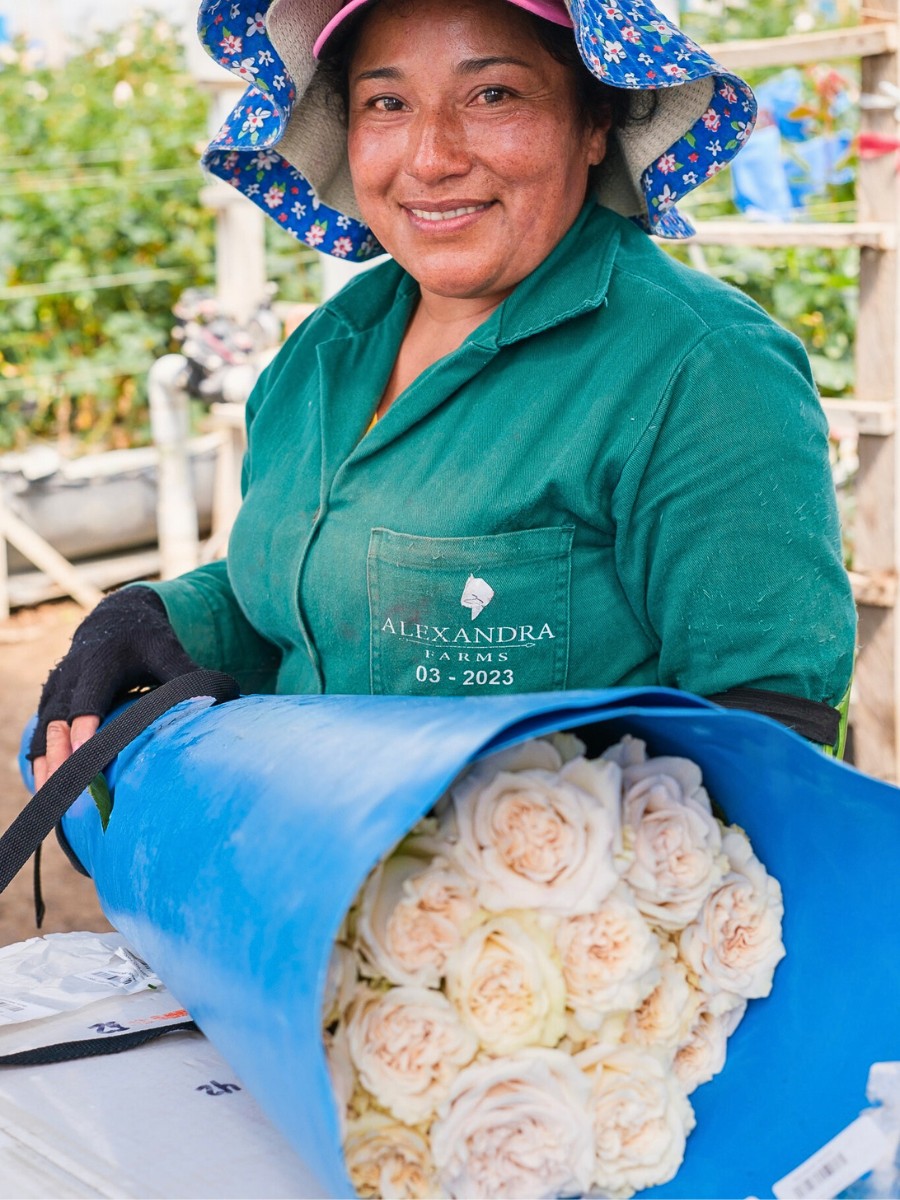
From the outset, Asocolflores was set up as a nonprofit organization with two exigent priorities: solving transport bottlenecks and building stronger relationships with national and foreign governments. Over time, its mandate grew to cover research, market promotion, sustainability, and the welfare of workers and communities around flower farms.
When the association was founded, the industry was still finding its feet. There were many hurdles to overcome, such as a lack of specialized cargo planes and a need for better cooling systems at the airports. The initial members spent a lot of time building the basic infrastructure that many may take for granted today.
They worked with airlines to create regular flight paths and helped design the cold storage facilities that keep flowers fresh during their long journeys. This was what helped the sector grow into the multi-billion-dollar industry it is today.
What Asocolflores Does Today
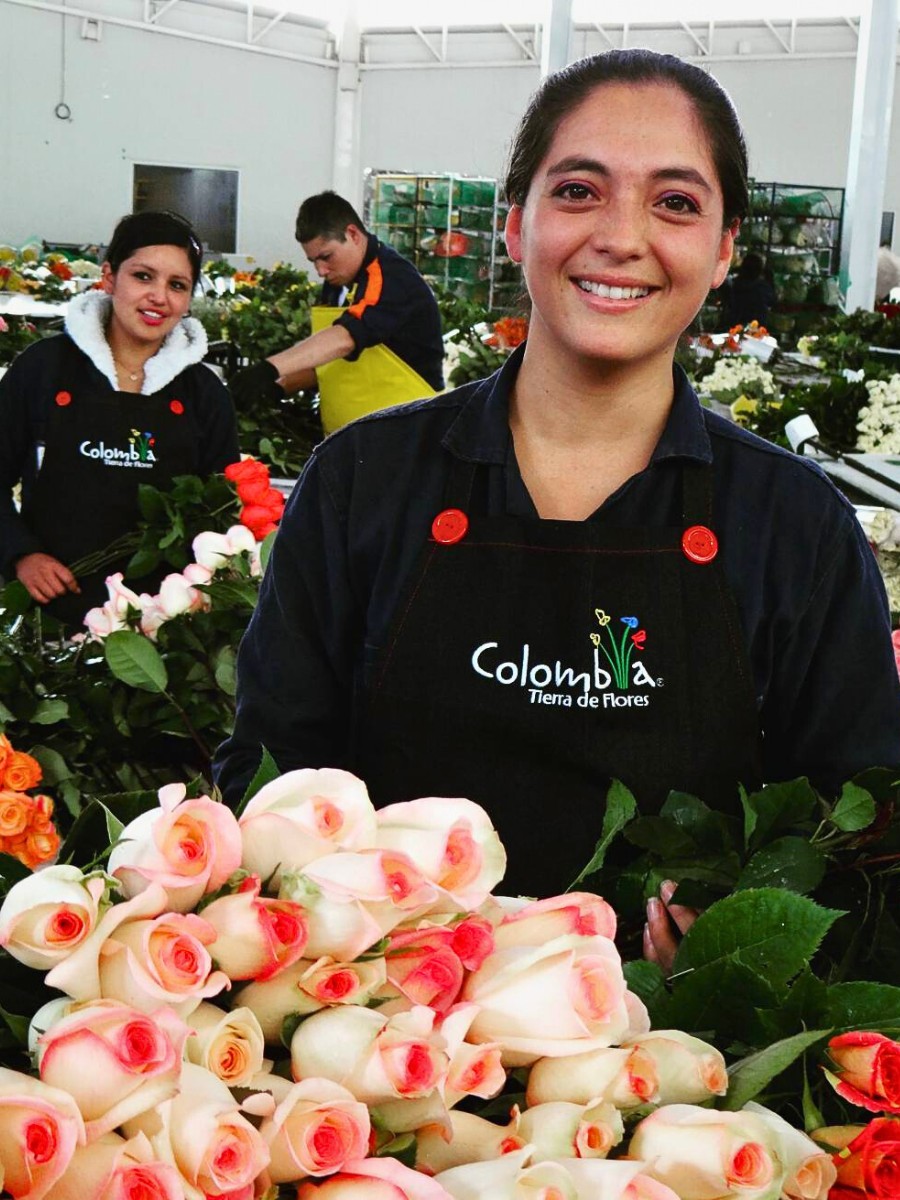
Colombia grows flowers for the world. And the world, for the most part, may not have much idea about that. The country is the second-largest flower exporter, shipping to at least 100 countries and supporting more than 200,000 formal jobs. The United States receives the lion's share of Colombian flower exports, with Mother's Day and Valentine's Day being the two most important moments in the export calendar.
You could think of Asocolflores less like a trade union and more like a smart, well-connected confidant for every flower company in Colombia's floriculture industry. Its model is built on solidarity among affiliated flower-growing companies. Even though these companies vary widely in size, products, target markets, clients, and strategies, they share common factors that benefit them all collectively.
The association's work is organized around five main pillars. Defense and representation are exactly what it all sounds like. Asocolflores represents and defends the interests of the flower sector, maintaining and strengthening relationships with public and private entities at the regional, national, and international levels.
This means lobbying governments, engaging with customs authorities, pushing back against unfavorable trade policies, and ensuring Colombia's flower exporters have a seat at the table wherever decisions that affect them are made.
Information for decision-making is the pillar that keeps members informed and competitive. This includes providing value-added information to help members make better decisions, coordinating public-private work to facilitate foreign trade and export logistics, and ensuring security and good practices across the supply chain.
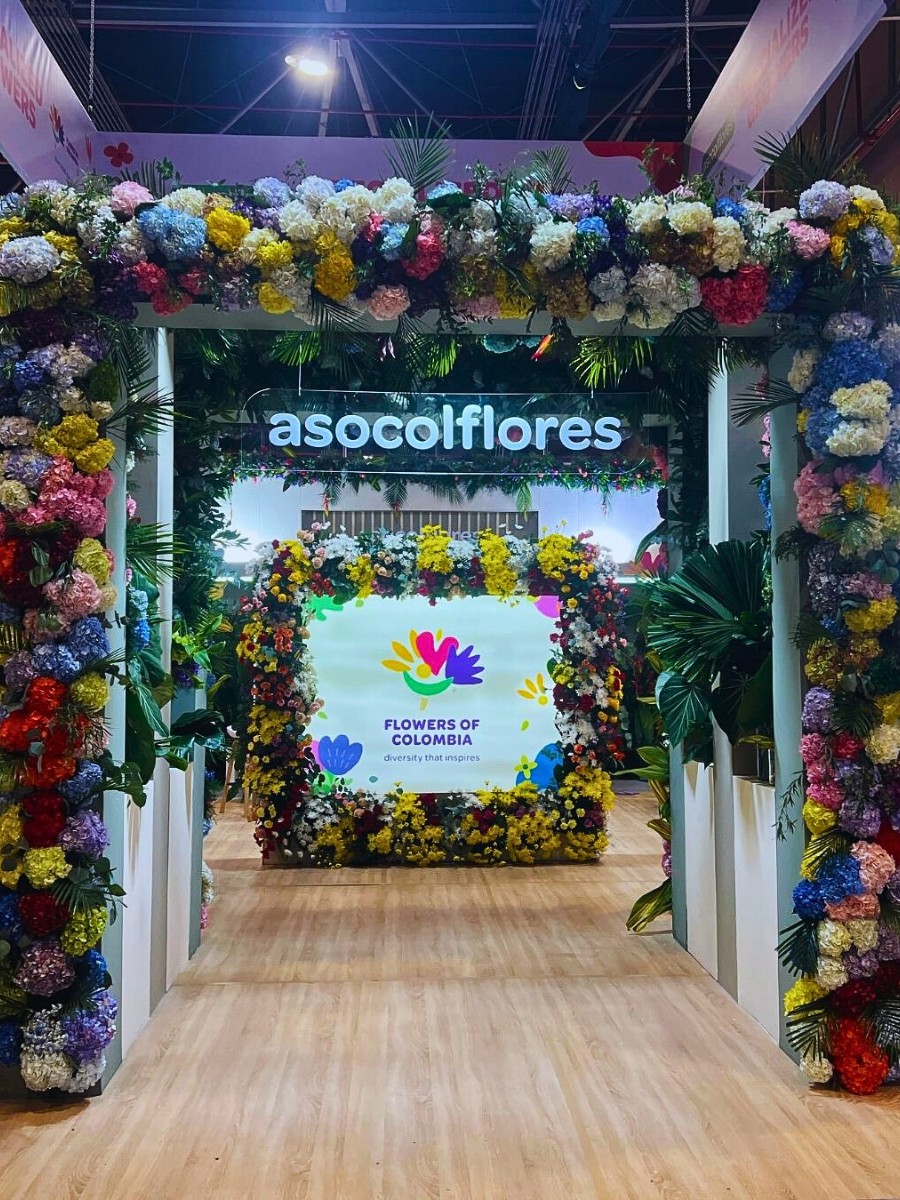
Sustainability and certification have become one of their most important areas of work. The goal here is to strengthen the capacity of affiliated companies to guarantee the implementation of best practices in sustainability. Since buyers are paying close attention to environmental and social credentials, this pillar is not window dressing but a competitive advantage.
Innovation and competitiveness keep the industry from stagnating. Asocolflores develops projects and manages resources for innovation and applied research in floriculture through alliances with national and international partners, while also creating spaces for knowledge transfer.
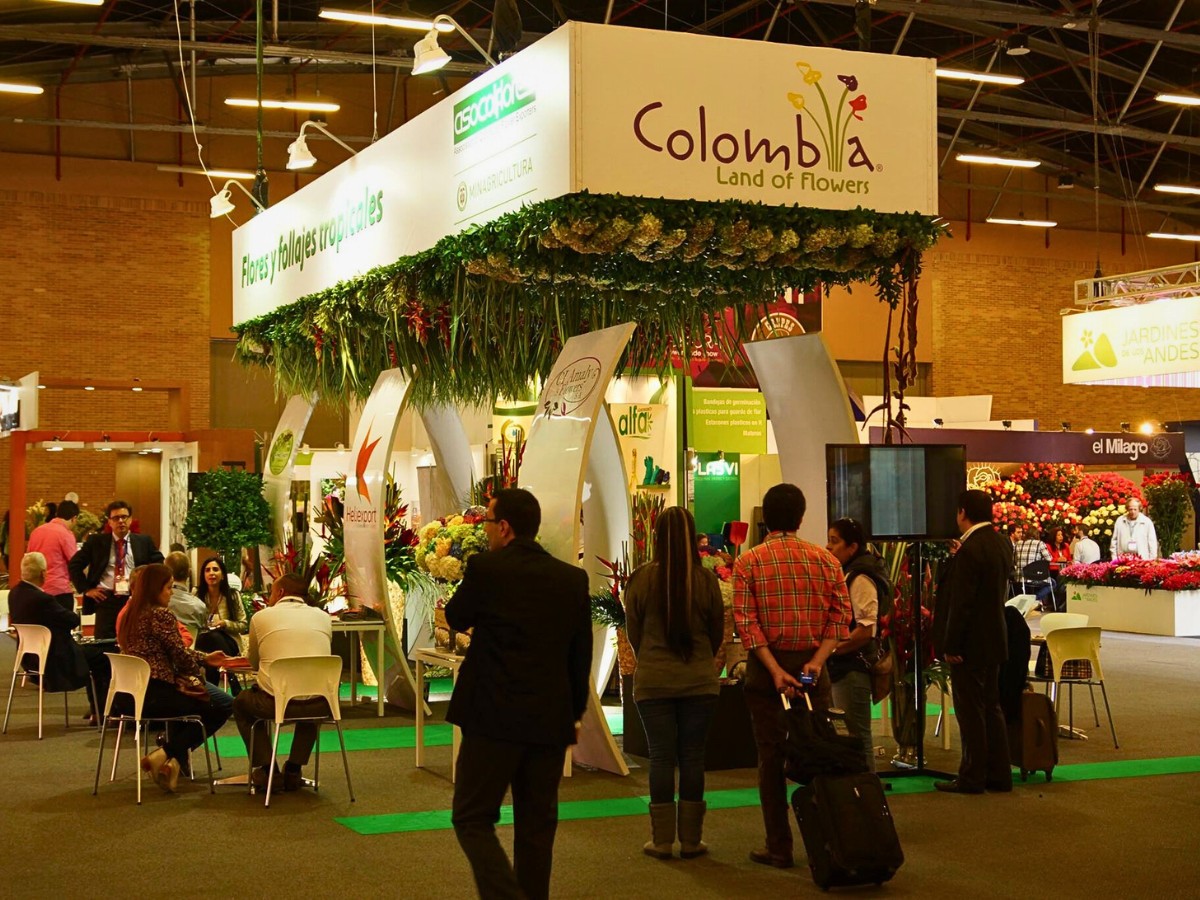
Marketing (and promotion) is where all that hard work gets a public face. The association promotes and positions Colombian flowers through the Flowers of Colombia brand, creating differentiation and value for floriculture and its entire supply chain, and also hosts Proflora, one of the world's biggest and best flower trade shows.
Great Leadership Has Kept Asocolflores at the Top of the Industry
A big part of the success of Asocolflores comes from its leadership. For many years, the organization's public face has been its outgoing president, economist Augusto Solano, who has been the President for more than two decades. A Hall of Fame inductee in the floral world, he is often perceived as managing a landing strip, ensuring there are no obstacles so that growers can take off and succeed in international markets.
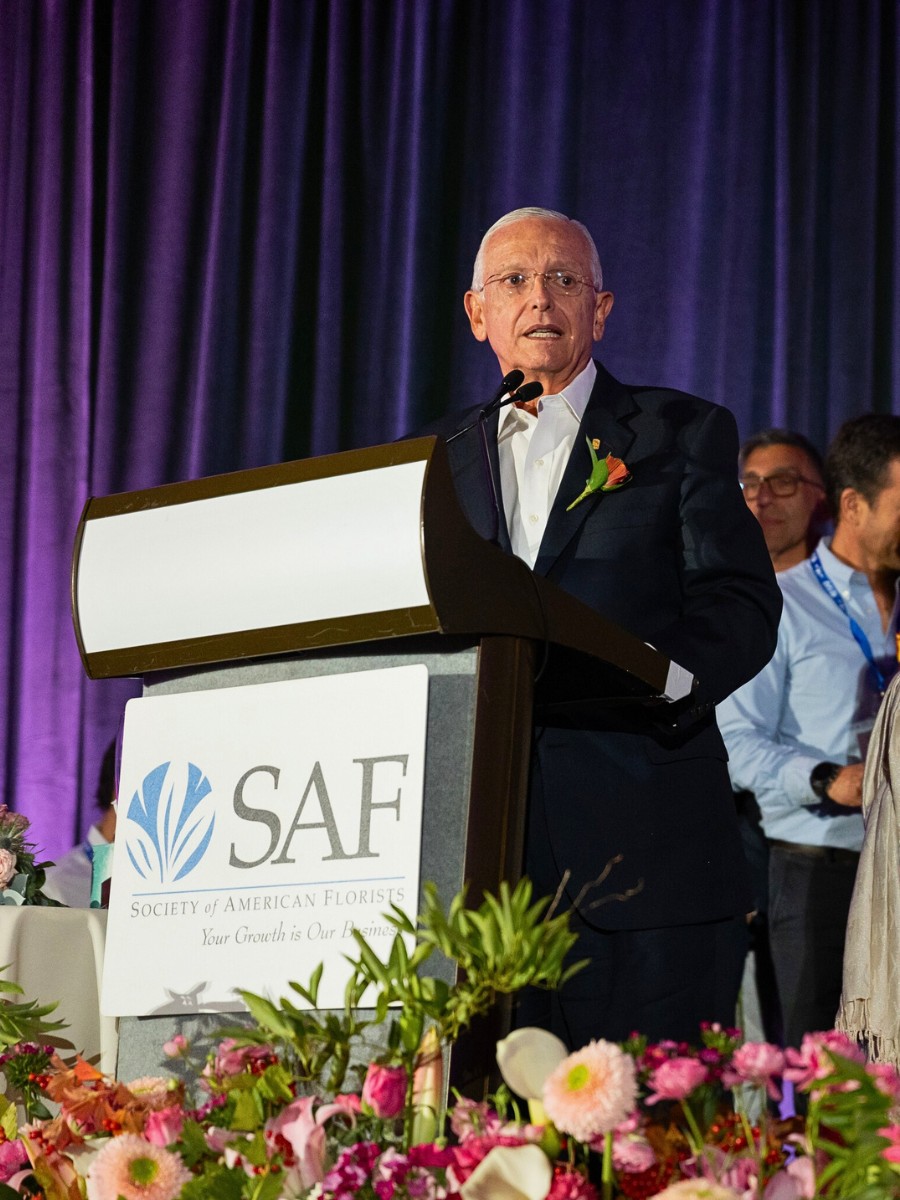
Augusto has represented Colombian floriculture in international organizations, including serving as president of Union Fleurs, the international flower trade association, and as chair of the Colombian chapter of the World Business Council for Sustainable Development (WBCSD).
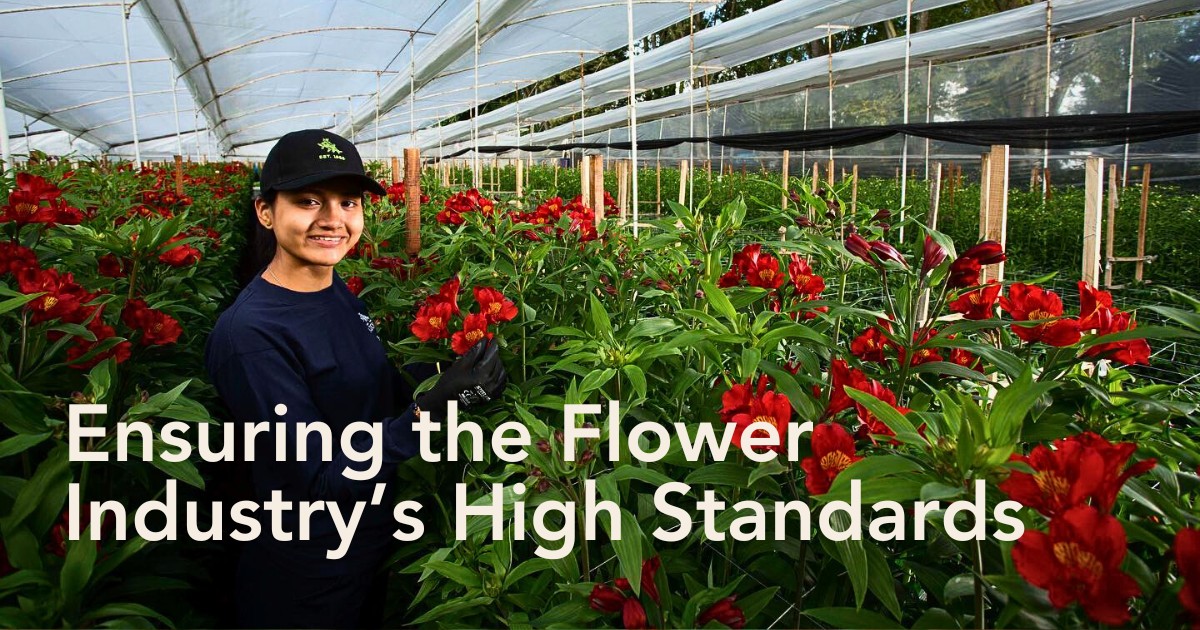
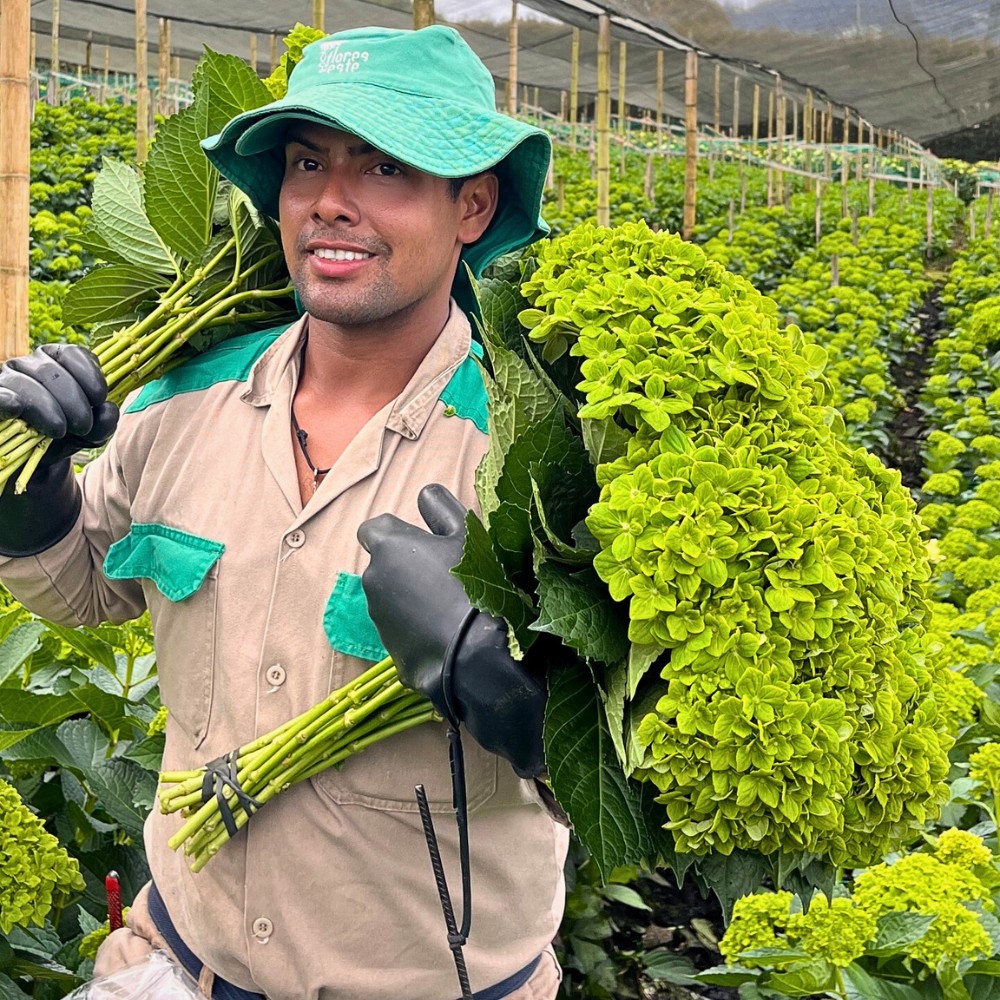
Asocolflores is, however, not just about its leadership. It consists of hundreds of member companies, ranging from small family farms to massive operations. These members grow different varieties of flowers. While roses and carnations are the most famous exports, the growers also produce hydrangeas, lilies, Alstroemeria, and Chrysanthemums. Each member contributes to the shared goal of keeping Colombian flowers at the top of the global market.
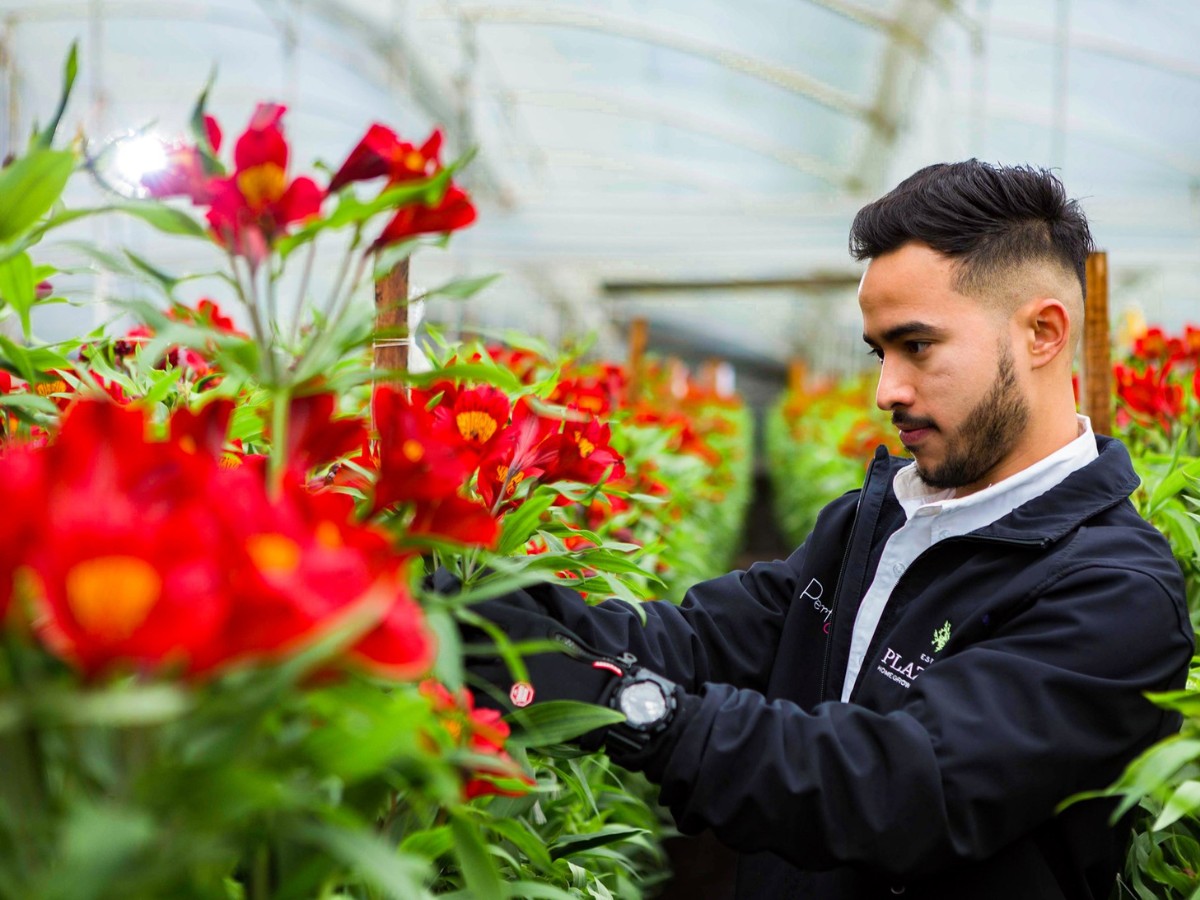
That, partly, explains why the association, headquartered in Bogotá, maintains regional branches in areas with dense flower production, including Rionegro in Antioquia and Pereira in Risaralda. These offices help it stay close to growers, especially smaller farms that need local support and coordination.
Your Gateway to Colombian Floriculture
Being a significant player in an industry calls for all the support required. For Colombian floriculture, Asocolflores has been the umbrella organization ensuring the country's flowers gain and maintain a strong presence on global markets.
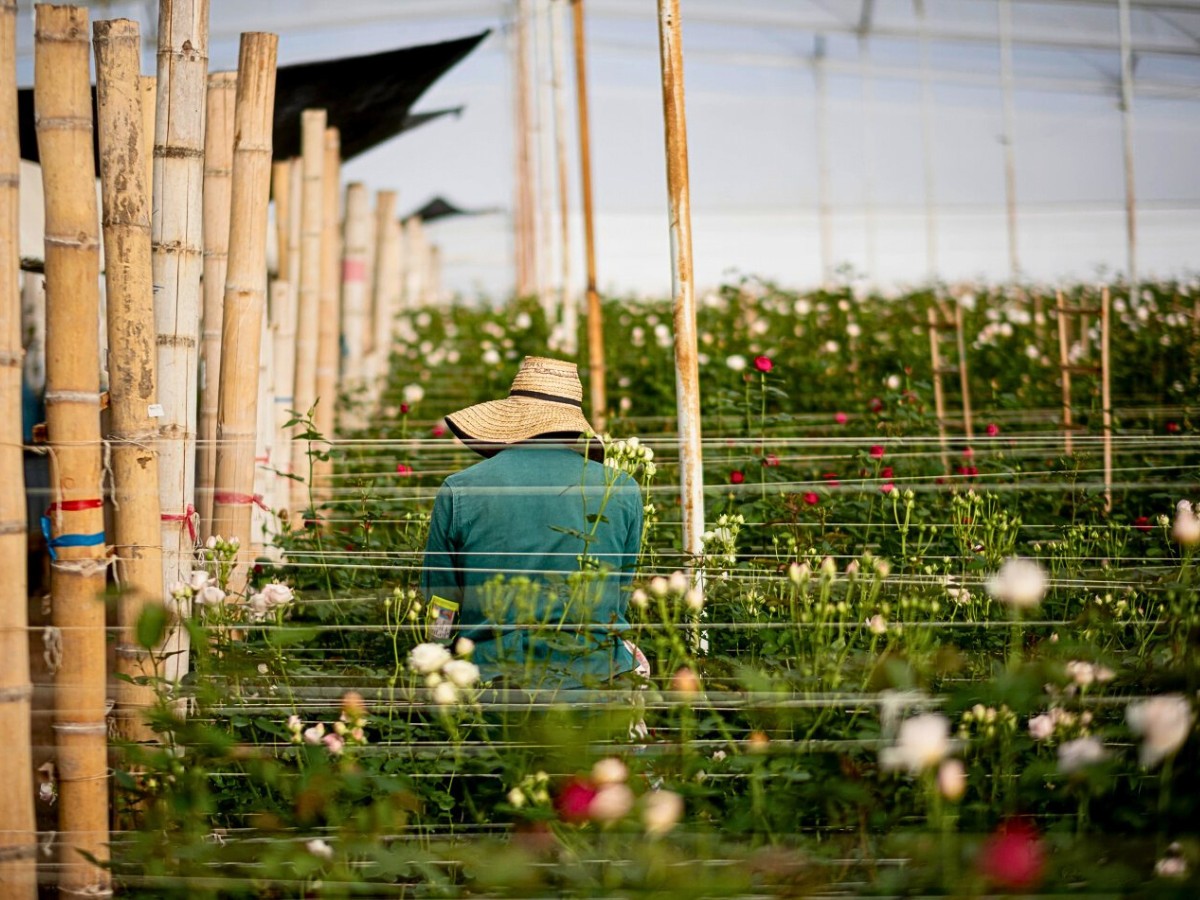
The guild has ensured the industry navigates trade disputes, supported the introduction of new varieties through work on breeder rights, and promoted a model where social and environmental performance ties to commercial success.
For someone working with flowers, Asocolflores remains the way to understanding how Colombia's flower sector works and why it has such a solid standing in terms of quality and responsible production.
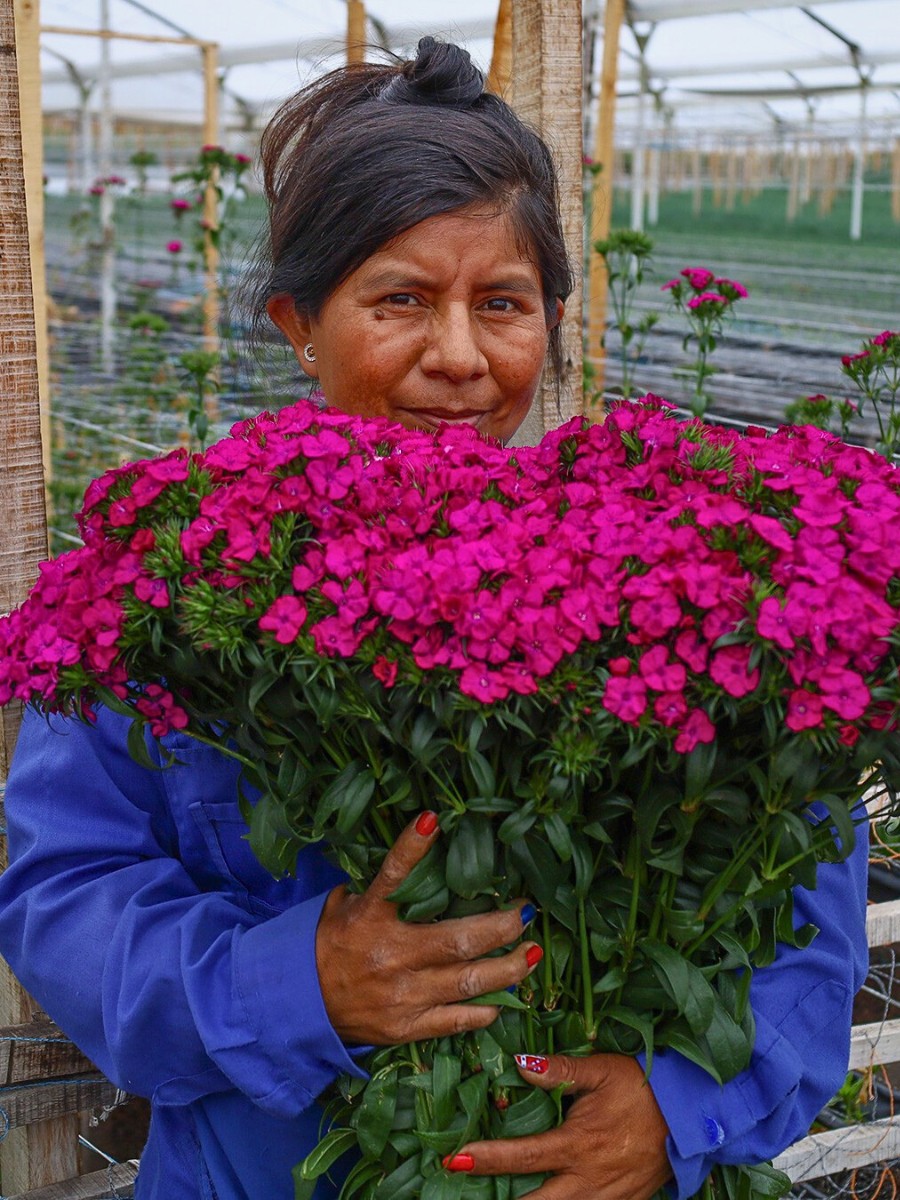
Feature image by @flowersofcolombia. Header image by Plazoleta Flowers.