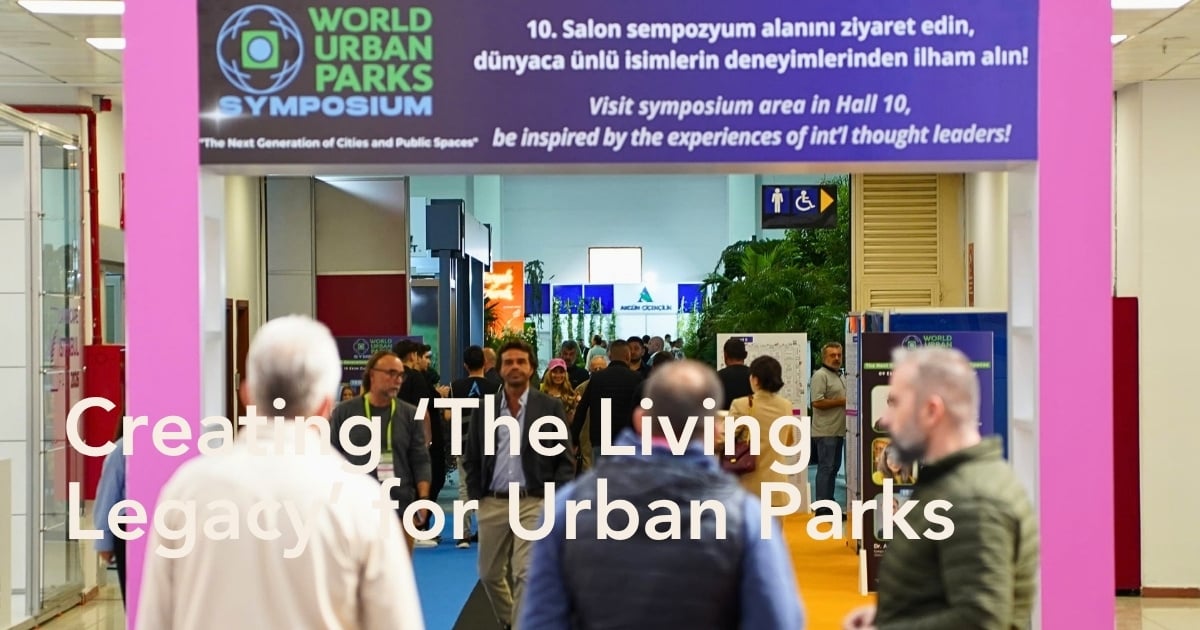
International experts in parks, urban planning, and green space policy are expected to headline the fourth edition of the World Urban Parks (WUP) Symposium, which takes place from October 7 to 9, 2026, in Istanbul alongside the 2026 Landscape Istanbul Fair (LIF26). Held under the theme ‘The Living Legacy,' this global gathering has without doubt become the premier annual forum for professionals dedicated to parks, public spaces and future planning of urban life.
The 2026 Symposium program focuses on the most urgent question facing the sector, “How do we transfer knowledge, values and craft of one generation of urban parks leaders to the next?” The speakers are, for that reason, expected to address this and other relevant questions facing the sector.
Setting the Stage for a Conversation on Legacy
Through a full program of keynote lectures, interactive sessions, case studies and workshops, the parks and urban planning practitioners, policy makers and designers are set to learn from several international experts sharing their visions and experiences across a comprehensive range of topics.
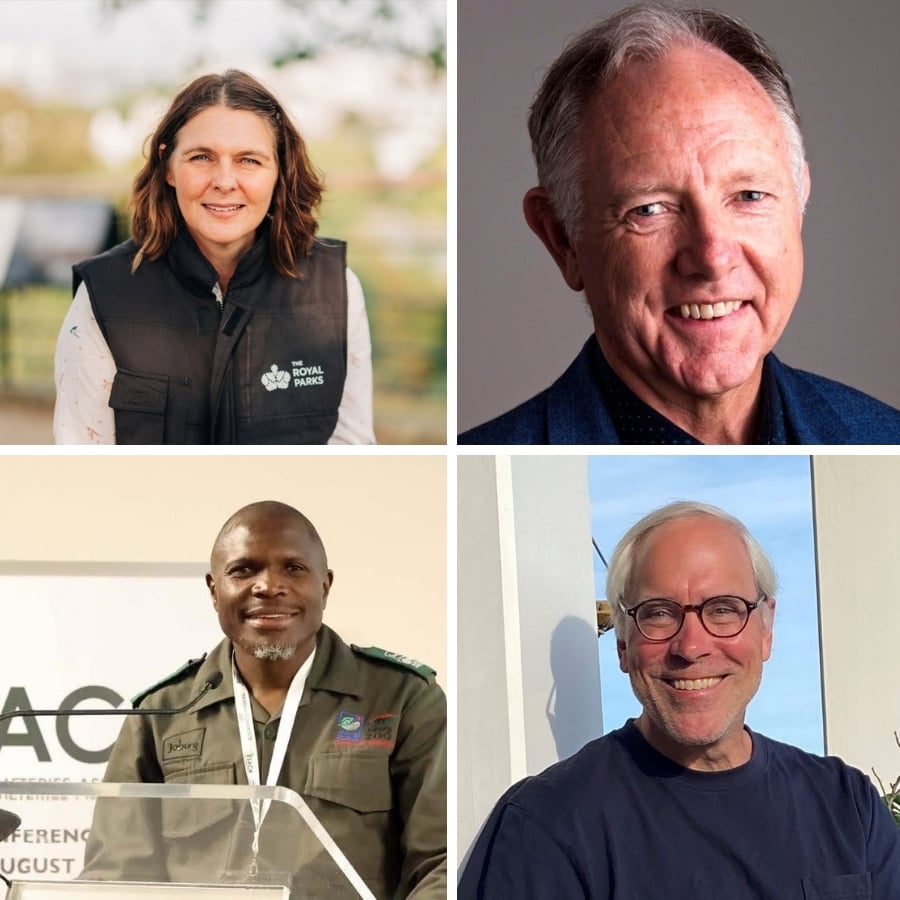
Mark Bowater, the Chair of World Urban Parks, opens the symposium with the keynote themed ‘The Living Legacy: Carrying Forward What Matters Most.’ His presentation sets the tone for the three days, asking what values, ideals, knowledge, and leadership qualities need to be preserved as city planners confront climate change, social inequity, and rising urbanization.
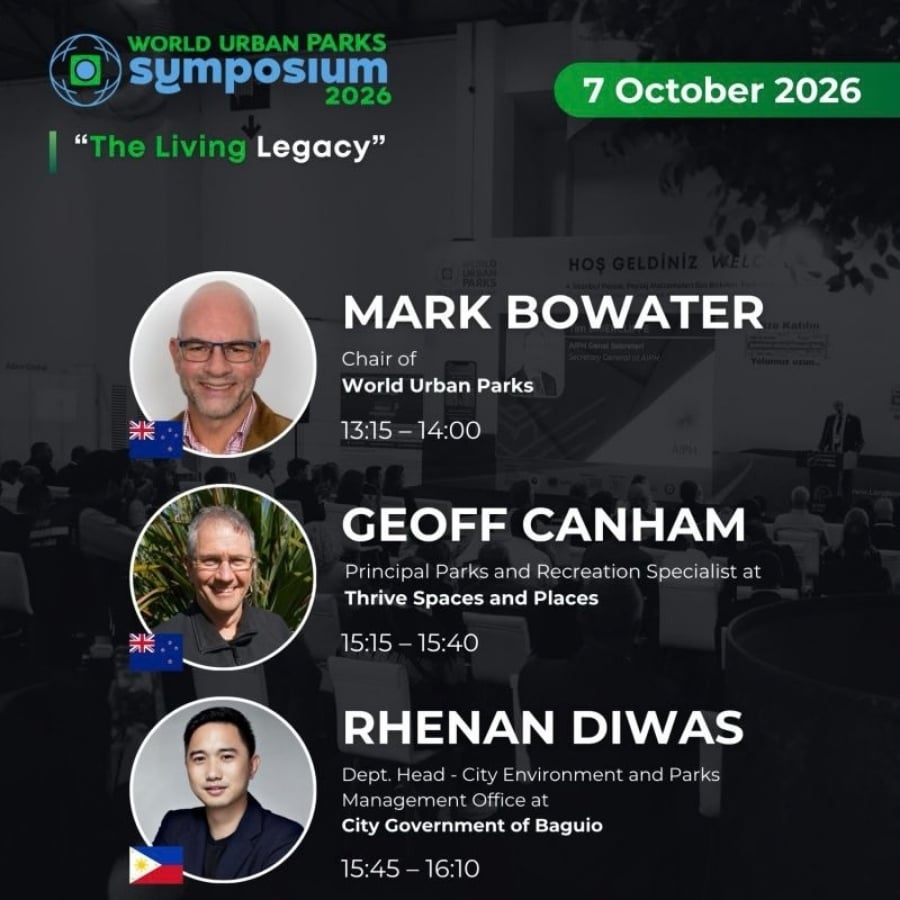
Mark's session typically captures the key question running through the program: “How does the field ensure its expertise survives the transition to a new generation of practitioners?” And being aware of a significant challenge facing parks professionals worldwide, his session probes and identifies the values, knowledge and leadership needs to be carried forward as city planners look to address climate change, inequity and increasing urbanization.
Practical Frameworks for Green Space and Park Economics
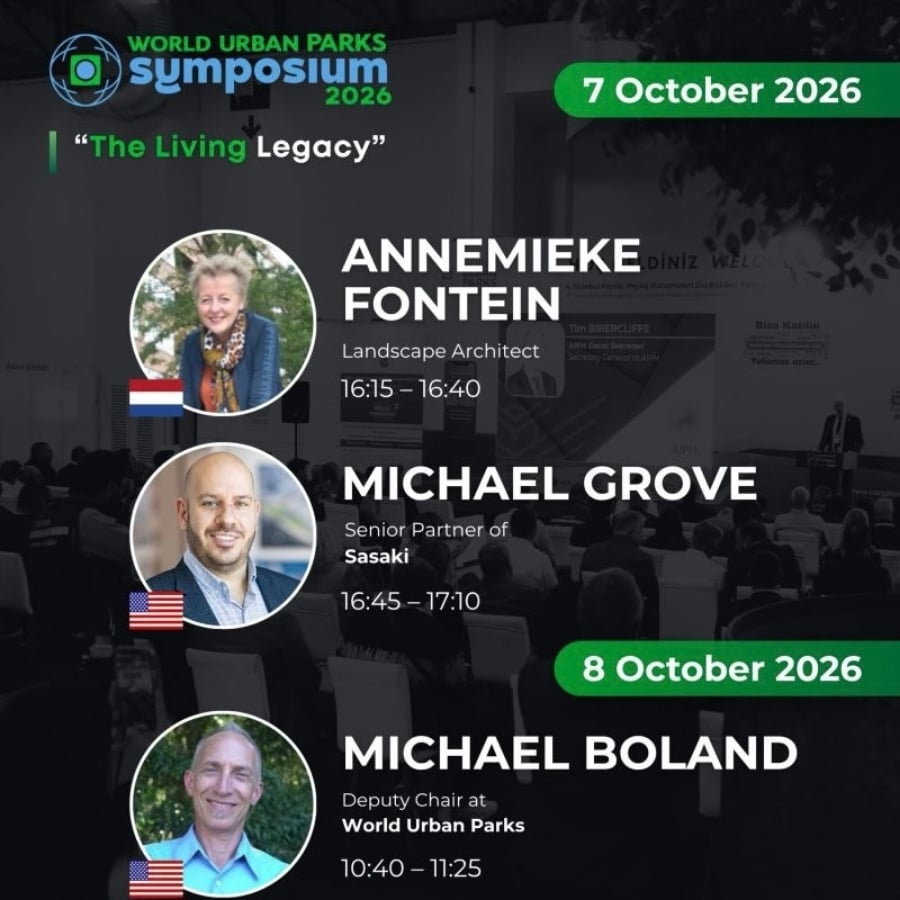
From the Netherlands, Annemieke Fontein then presents ‘More Than Quantity: Green Space Standards and the Success of Urban Parks.’ Her session offers a practical framework for judging park quality, quantity, context, and use, drawing on lessons from Rotterdam. Annemieke's work shows how green space standards can be translated into practical rules of thumb that make cities more resilient and biodiverse and gives urban planners an approach they can apply even well outside of her home country.
On the economic side, Michael Boland, Deputy Chair at World Urban Parks and based in the United States, presents ‘Triple Bottom Line Parks: Balancing People, Planet and Profit.’ He outlines the proven business model behind The Presidio in San Francisco, a park system that has managed to balance environmental conservation and management, public service, and financial self-sufficiency. His session gives delegates a strong case study in funding and managing large urban parks without relying only on public budgets.
Data, AI, and Risk Modeling for Smarter Planning
The importance of collating data and using this resource for more effective planning and operations is also expected to be highlighted by a number of speakers. Matthijs Bouw, Principal at ONE Architecture and Urbanism, joins Oliver Attwood for the joint presentation titled ‘Hotspot Stoplight: Intersectional Climate, Biodiversity and Land-Change Risk Modeling in Data-Scarce Regions.’
Their session explains how machine-learning models trained on open global datasets can forecast flood, heat, and land-cover-change risk, and how pairing this data with local expertise supports more informed development and conservation decisions, particularly in regions where reliable data has historically been hard to come by.
Globally recognized expert from Türkiye, Yusuf Dogan, then presents ‘QPlantScore: Building the Digital Quality Standard for Smart Urban Landscapes,’ a session that introduces a data-driven framework for evaluating the quality of ornamental nursery plants, combining measurable plant traits, the Analytic Hierarchy Process, and AI-assisted decision support.
His approach lays the groundwork for plant traceability, digital procurement, GIS integration, digital twins, and more informed management of urban green infrastructure, and is one of those offering a homegrown contribution to a program otherwise dominated by international voices.
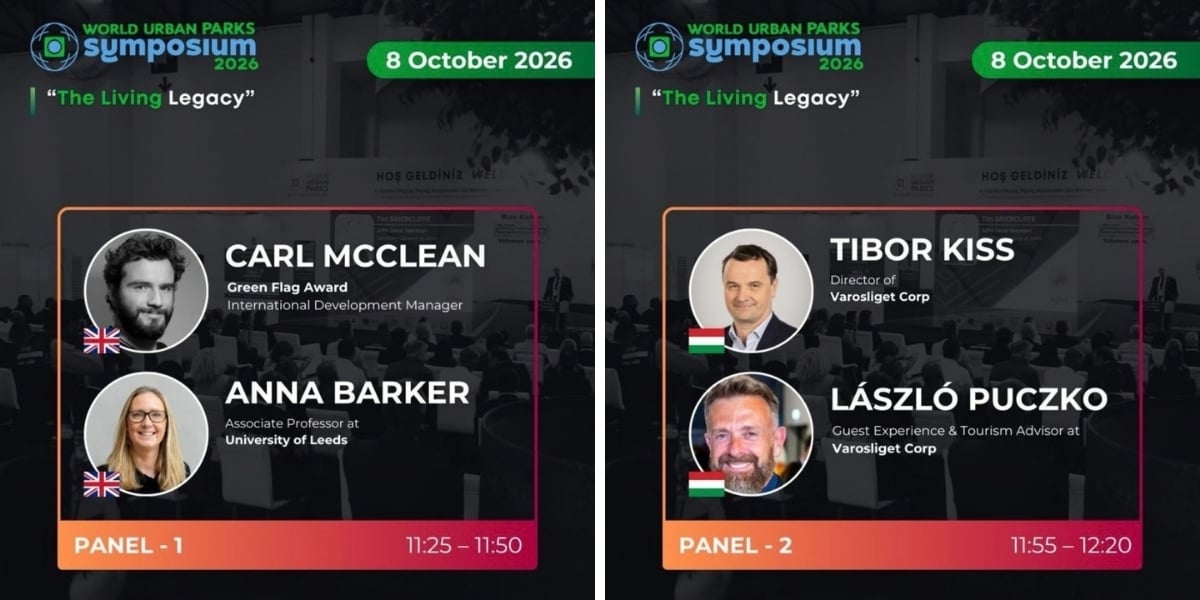
But even then, aside from these featured sessions, the symposium draws additional expertise and speakers from New Zealand, the United States, the Philippines, the United Kingdom, the Netherlands, South Africa, Hungary, and Australia, in a spread of perspectives that points to the event’s standing as a leading forum for parks and public space policy makers, professionals and designers looking to learn from peers facing similar challenges in different regulatory and climate contexts.
What Attendees Can Expect at the WUP Symposium
The WUP Symposium program includes keynote lectures, case studies, interactive sessions, and workshops structured to give delegates strategic thinking and hands-on tools. The event is free to attend, and organizers stress that the 2026 program marks a new development from previous years, moving away from general best practices toward the specific challenge of knowledge transfer within the profession.
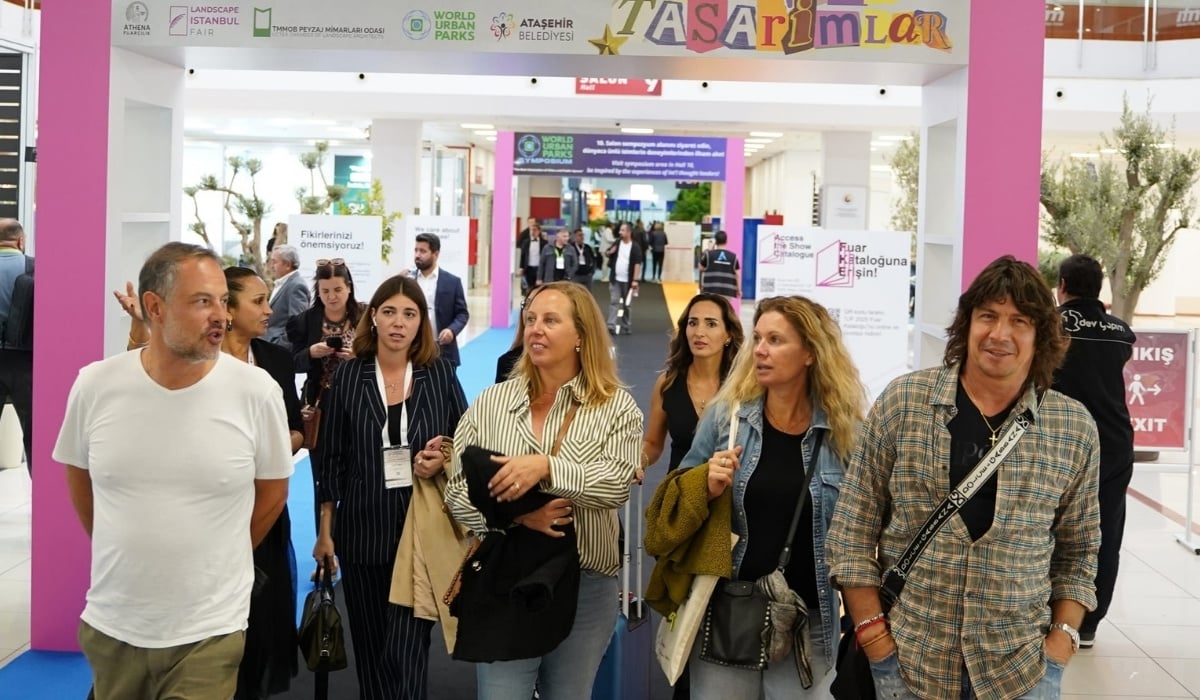
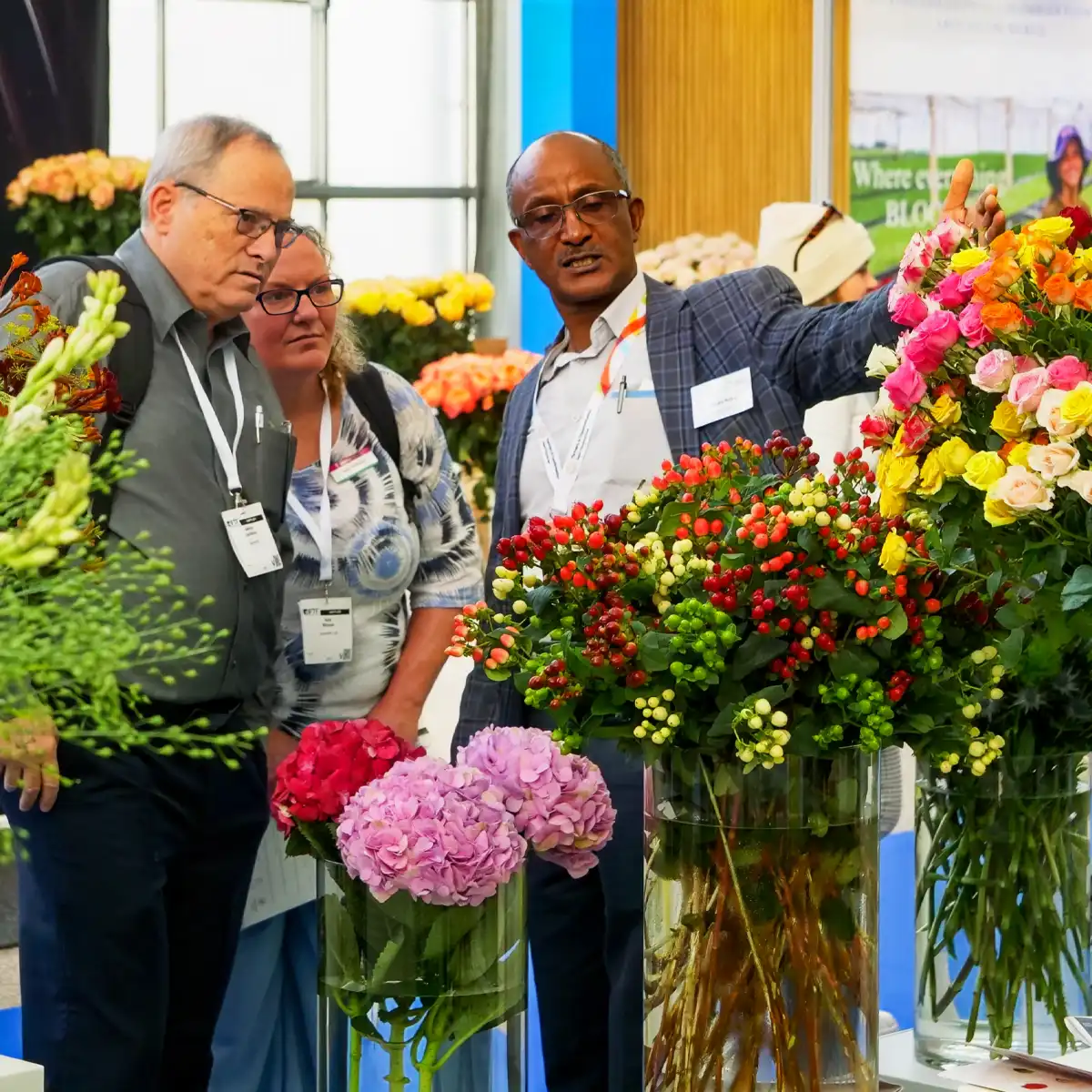
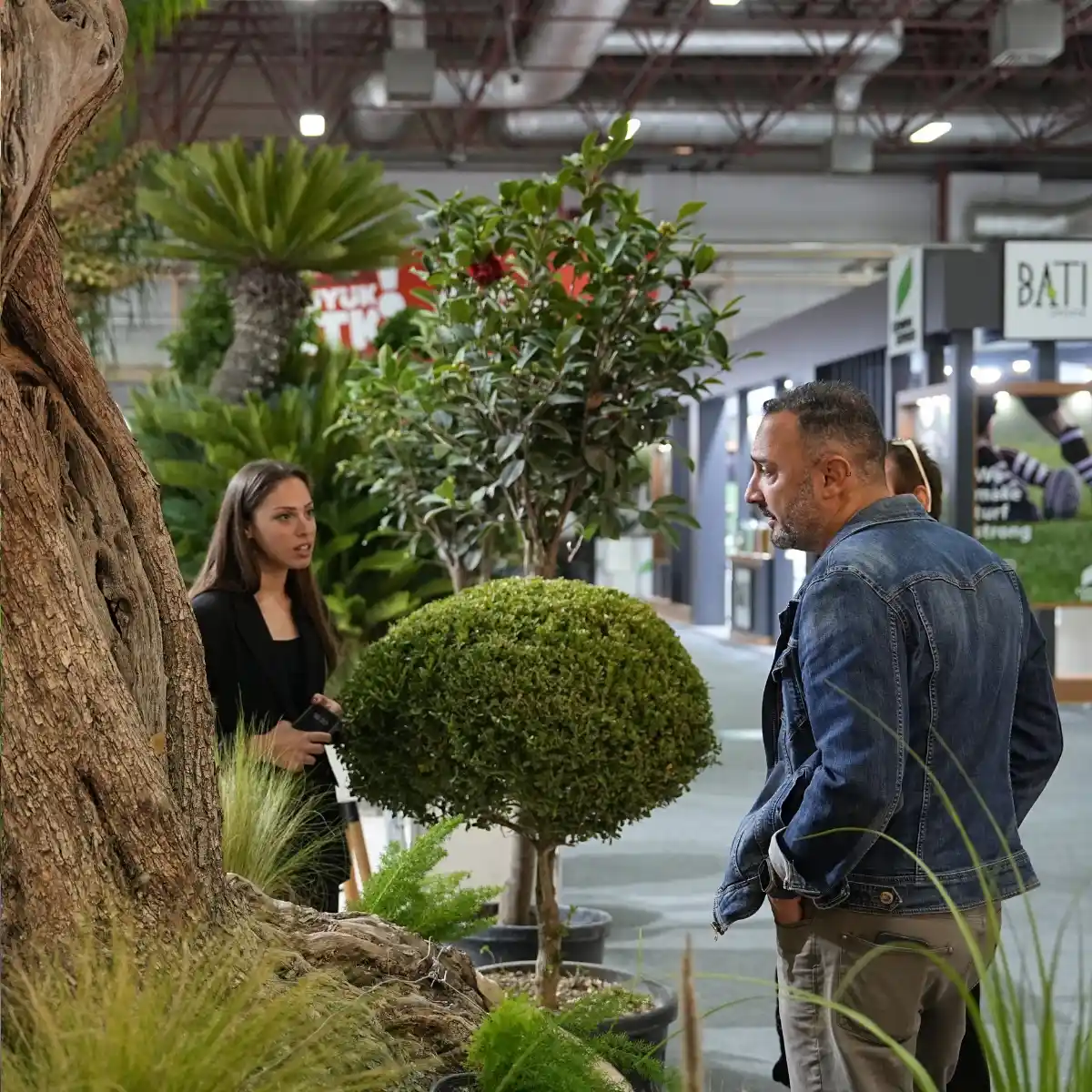
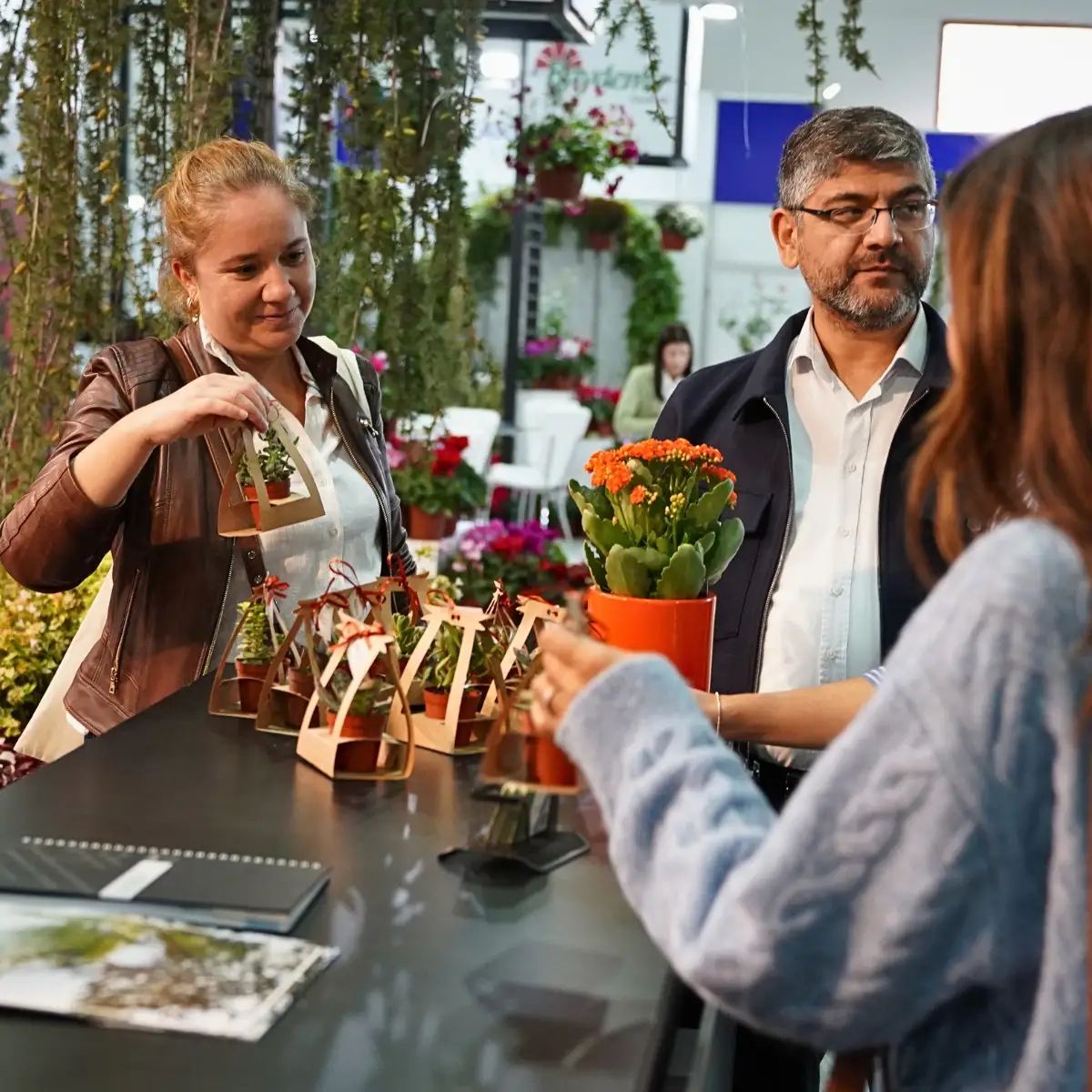
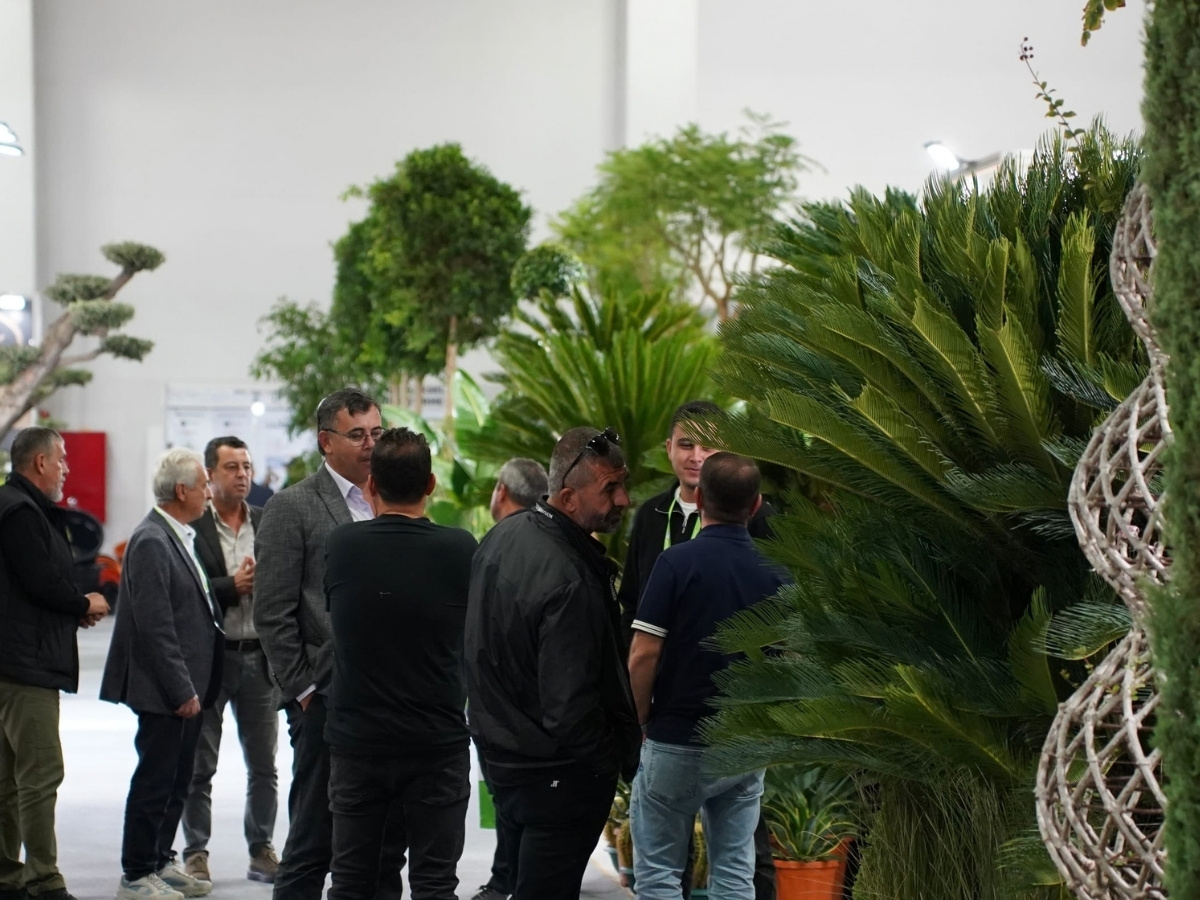
The symposium runs alongside the Landscape Istanbul Fair 2026, the premier regional trade event for the professional landscaping and ornamental plants community. This year, the fair's fifth edition, which takes place from October 7 to 10, 2026, at the Istanbul Fair Center (IFM), is expected to host more than 110 exhibiting companies and over 5,000 buyers, specifiers, and industry practitioners.
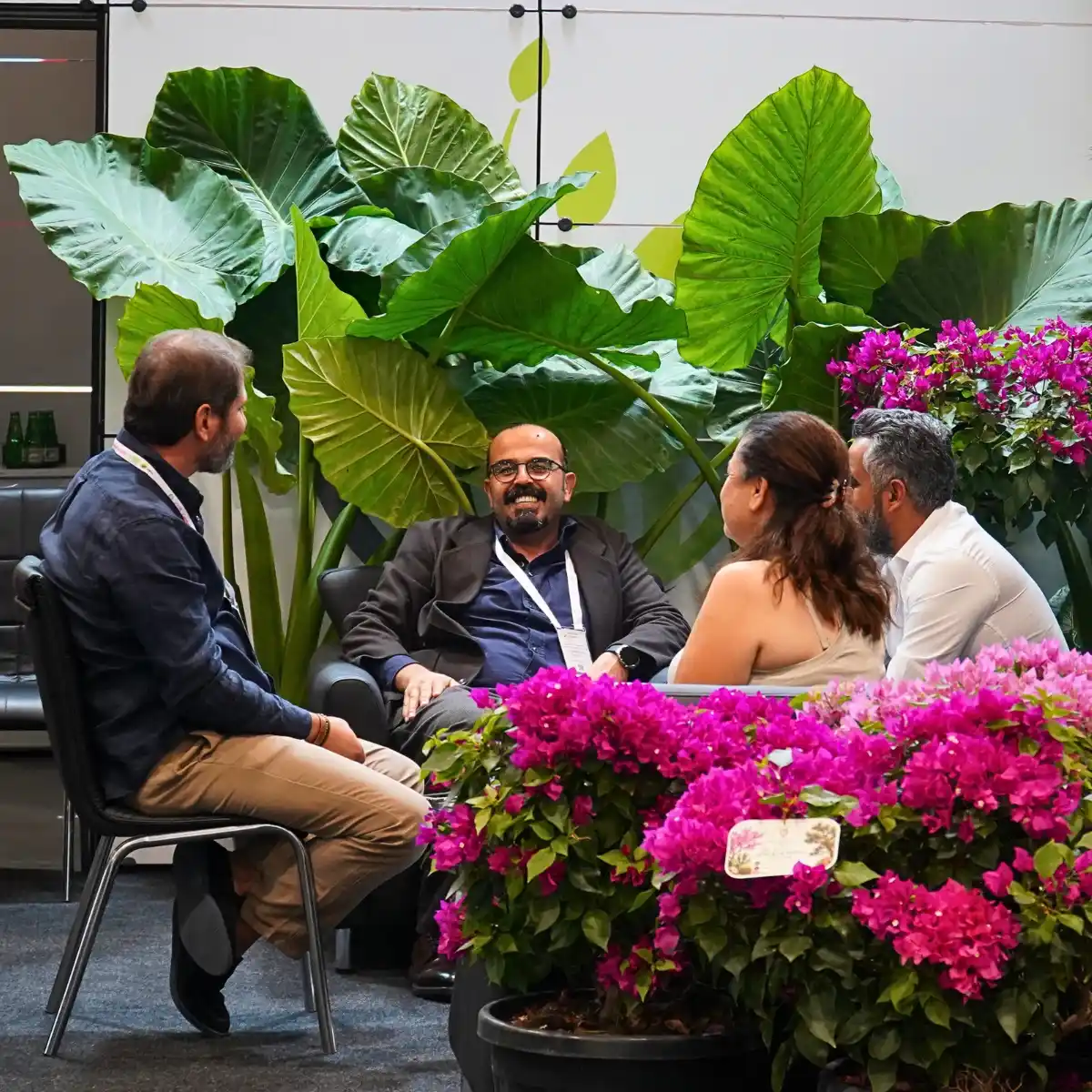
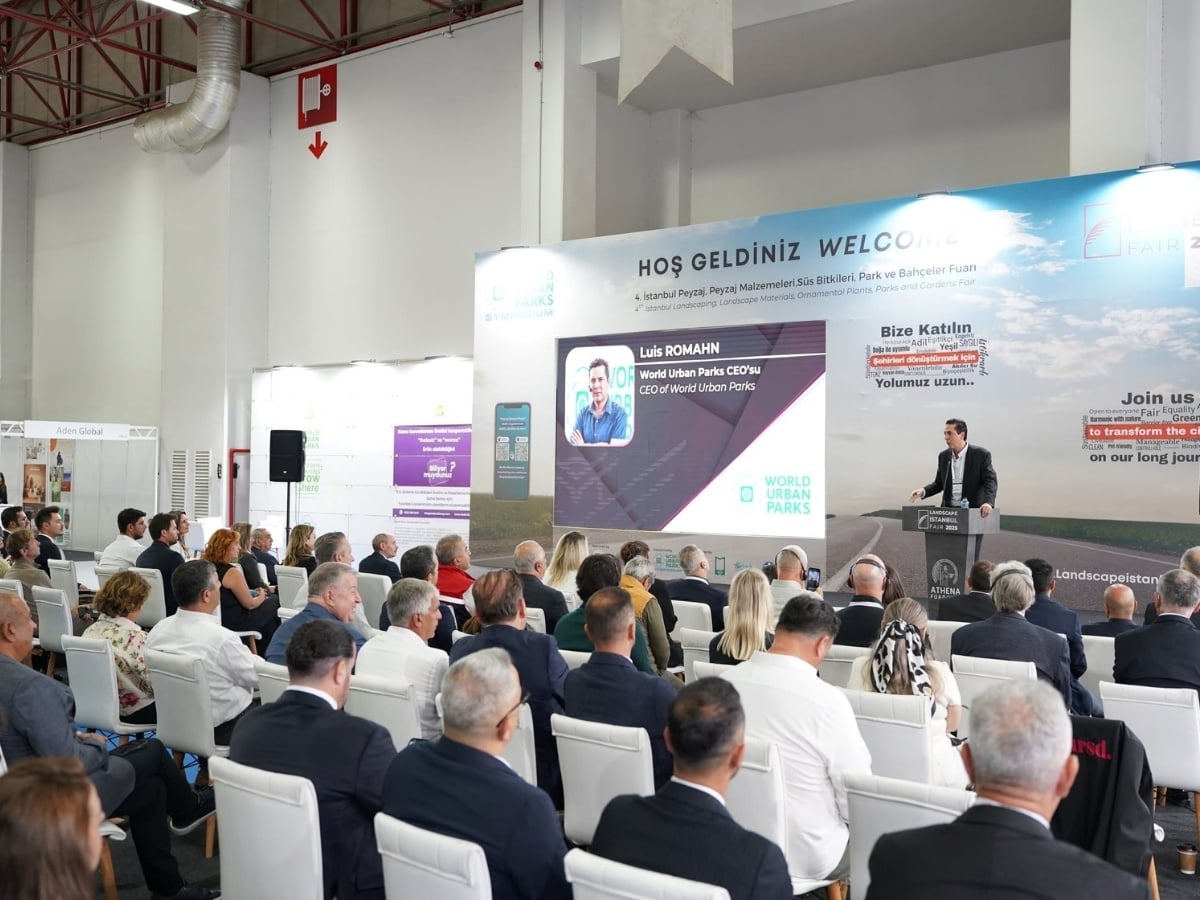
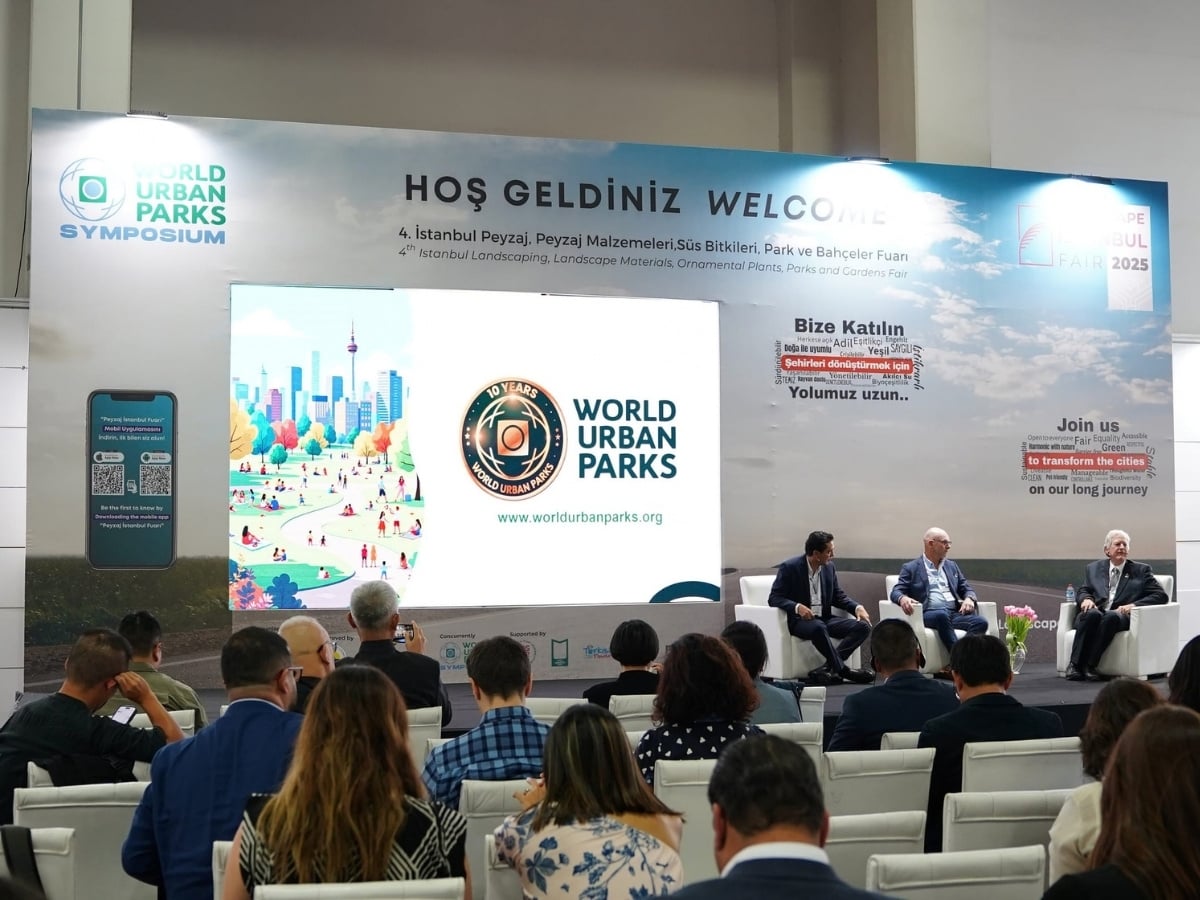
A session during the 2025 World Urban Parks symposium.
Registration and Details
Full details on the symposium program, speaker list, and registration are available on the World Urban Parks website, while information on Landscape Istanbul Fair 2026 can be found at peyzajistanbulfuari.com.