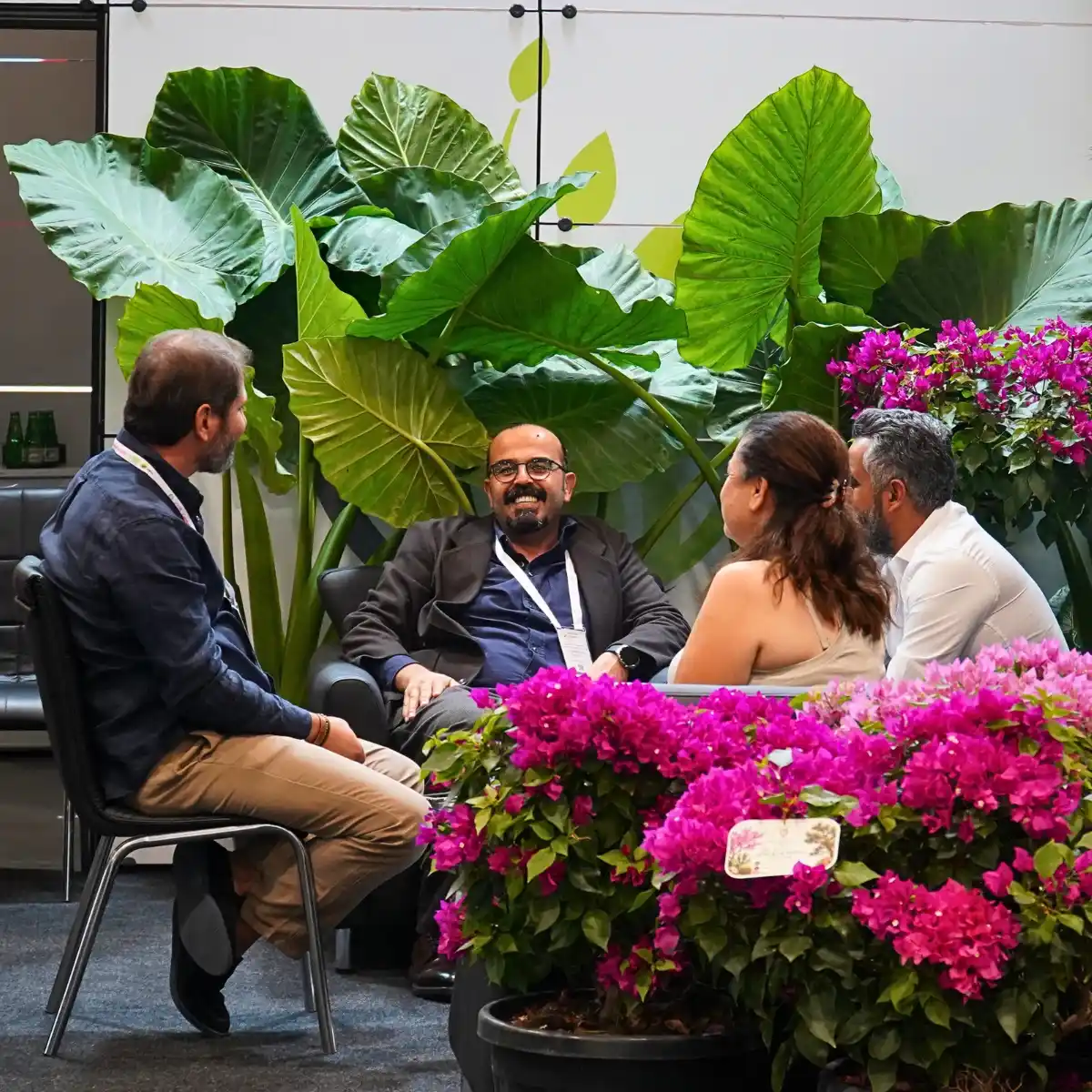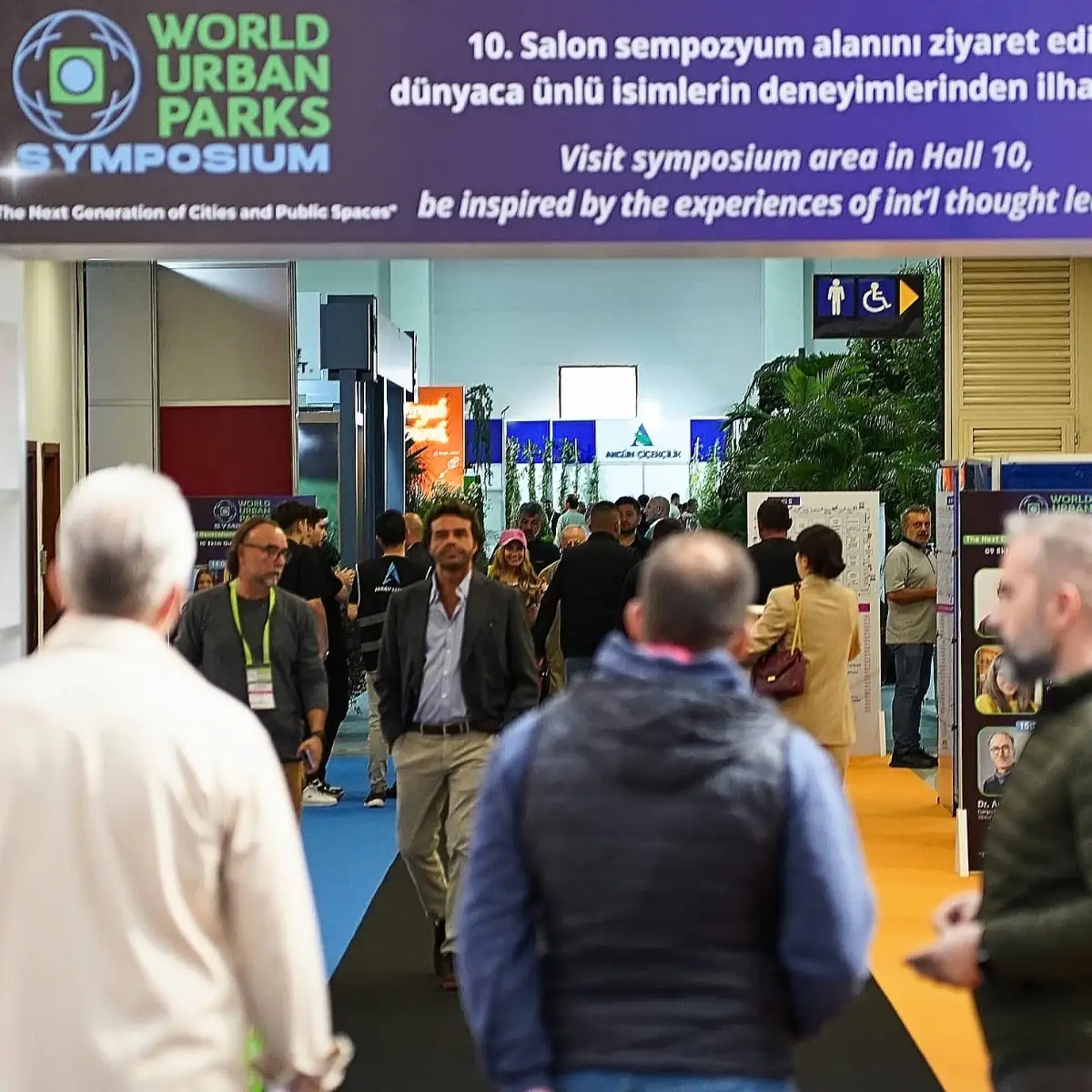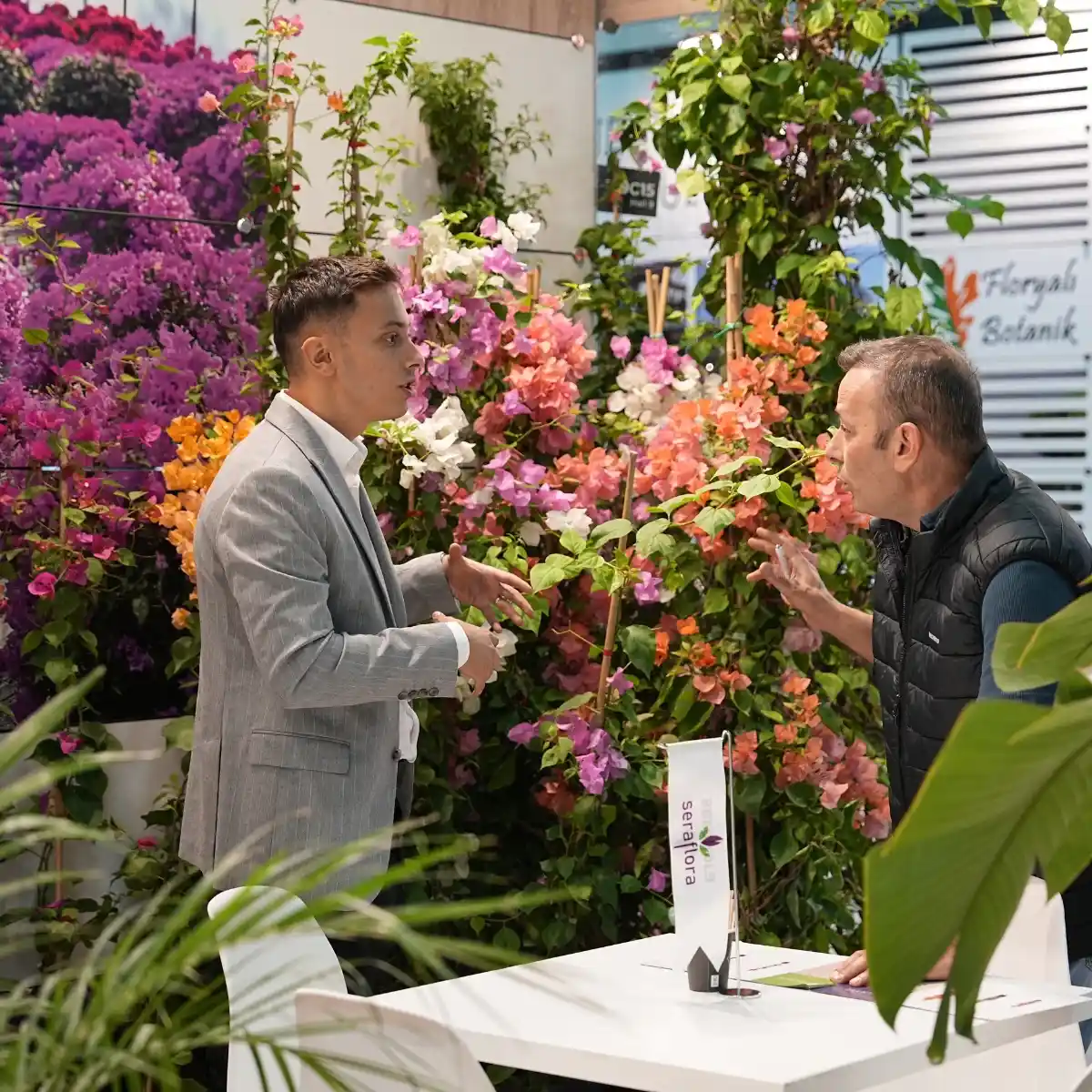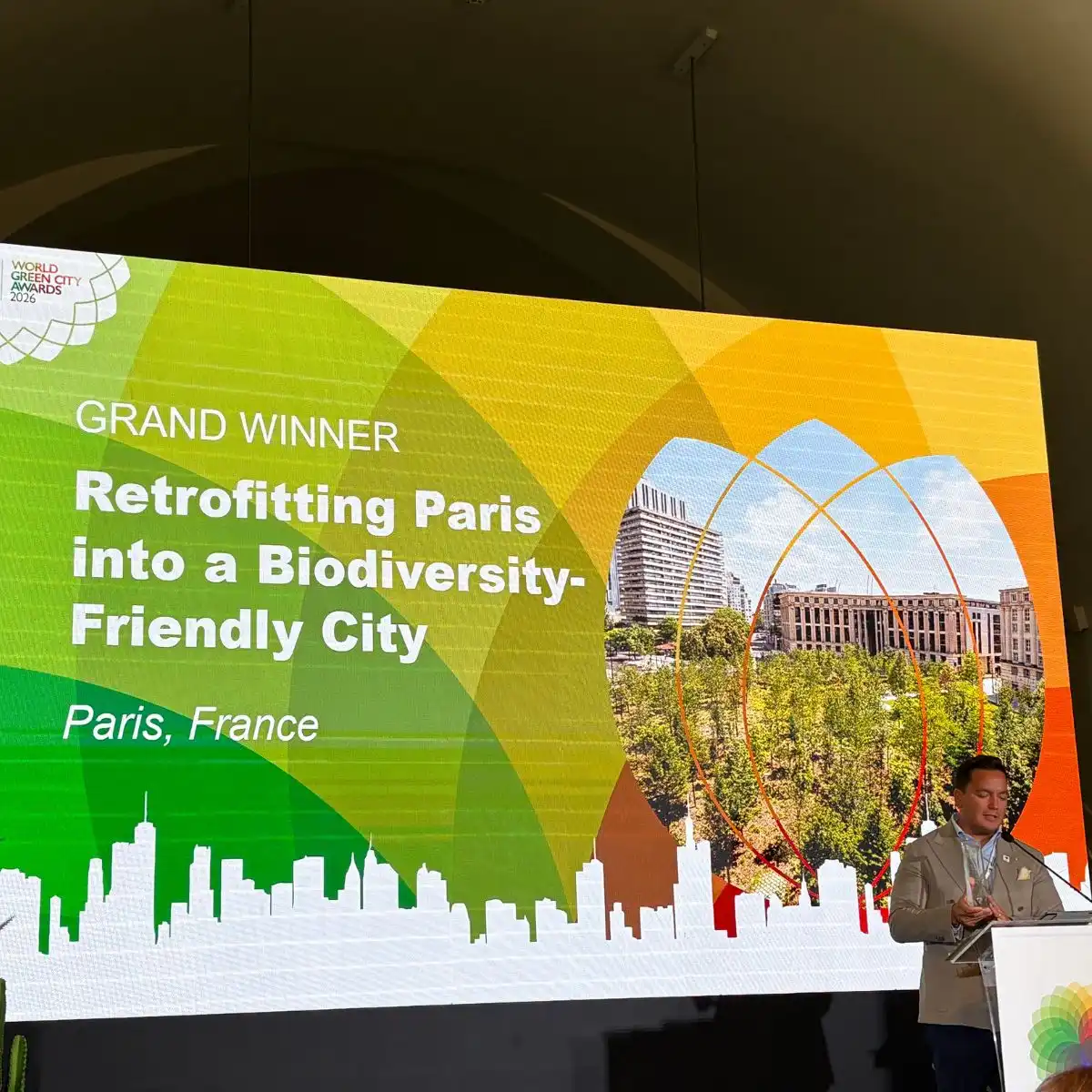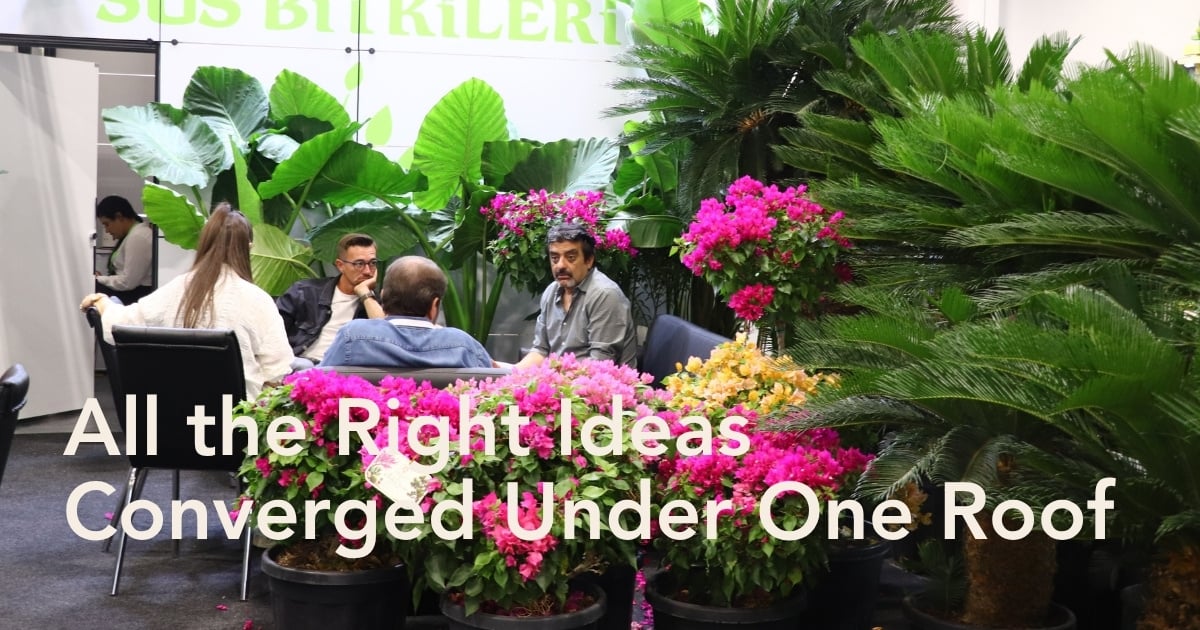
From October 7 to 10, 2026, Istanbul played host to the fifth Landscape Istanbul Fair (LIF 2026), a four-day gathering of growers, landscape architects, park leaders, and buyers from across Europe, Asia, and the Middle East. The event ran alongside the World Urban Parks Symposium and put plant sourcing and urban planning in conversation.
For the four days, as a visitor attending the fair, plus a day-long tour of nurseries in Yalova, roughly 60 miles southeast of Istanbul across the Sea of Marmara, it was a worthwhile experience; an incentive that would give anyone who missed this year's edition a good reason and the perfect impetus to plan for next year’s event. So how was the overall event?
Some Fresh Faces Attended the Fifth Edition
Organized by Athena Fairs Inc. and approved by the International Association of Horticultural Producers (AIPH), the Landscape Istanbul Fair (LIF) set out to gather more than 110 exhibitors from more than 50 countries, and more than 5,000 industry professionals. But what, perhaps, stood out the most this year was who packed the exhibition floor and those who attended the event.
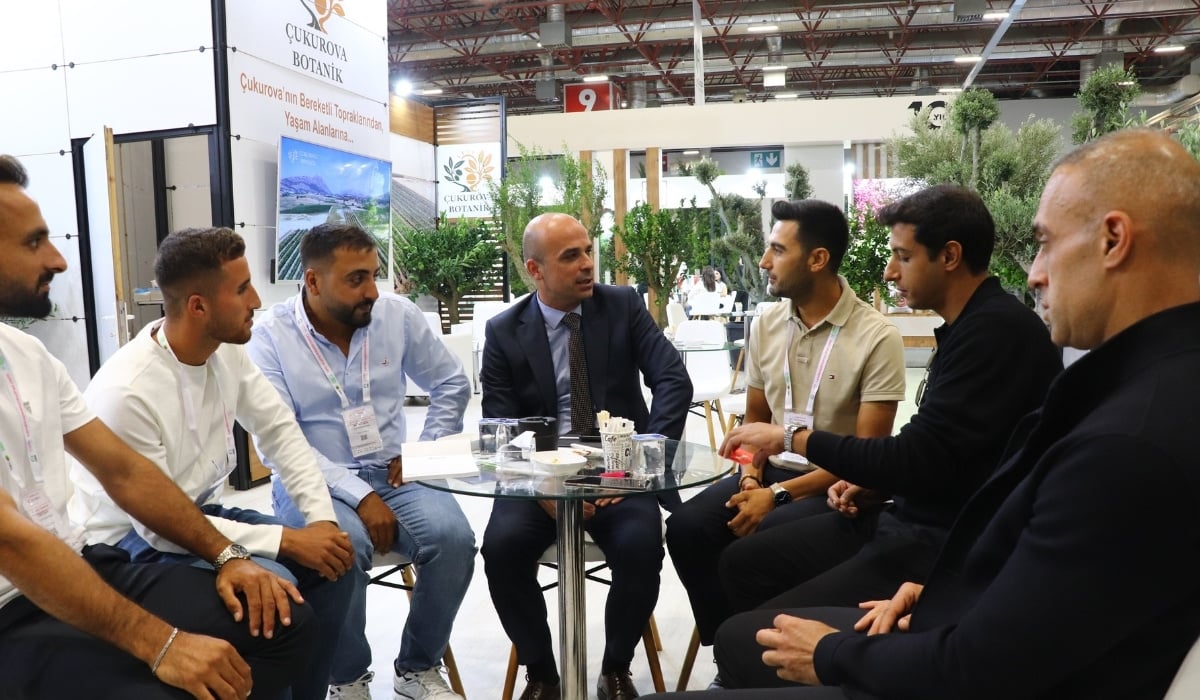
Before the event itself, Athena Fairs CEO Mustafa Gültekin Gökgül had indicated that several (new) companies that had previously not exhibited at the fair would make an appearance. And for prospective buyers and specifiers, this meant several good things: unacquainted growers, new plant varieties, and more sourcing options coming to the fair. As a result, municipal buyers, landscape architects, resort developers, and commercial growers all had something to look forward to.
New Growers Who Attended
Several of these newcomers traveled a long way, and each had a good reason for coming to LIF 2026. For example, IF Plants, founded in Barcelona in 2018, connects international buyers to a network of Spanish growers through a unique point of contact for procurement, quality control, and logistics, and took part.
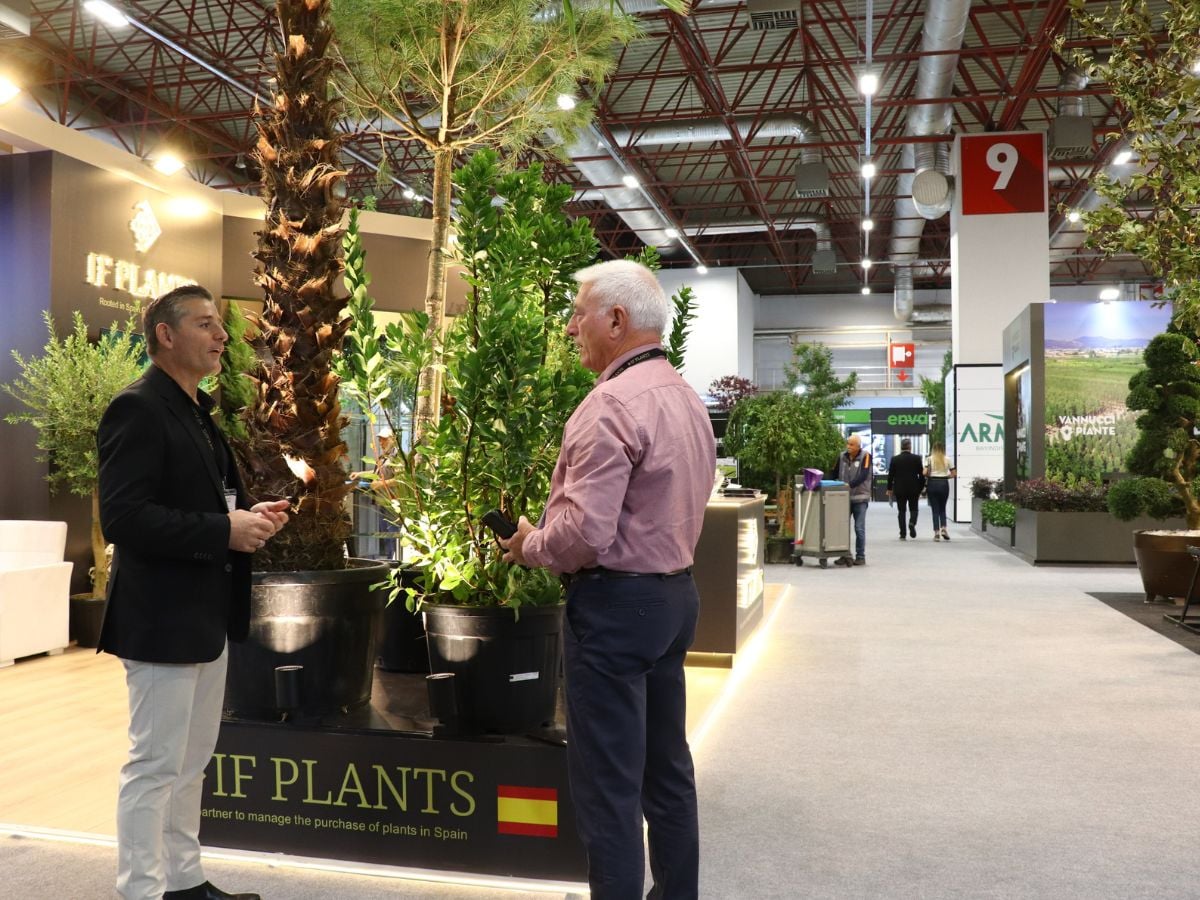
Their olive trees, palms, and Mediterranean varieties were aimed at a market that Julien Graille, the Export Manager for Europe, noted was full of potential for Türkiye, as well as landscape professionals, importers, and contractors from the Middle East, the Balkans, and neighboring regions.
Julien:
“It is an interesting experience, and the fair shows great potential. The Turkish (and the surrounding region) market is open and very liberal. As first-timers this year, we hope to attend the next fair too.”
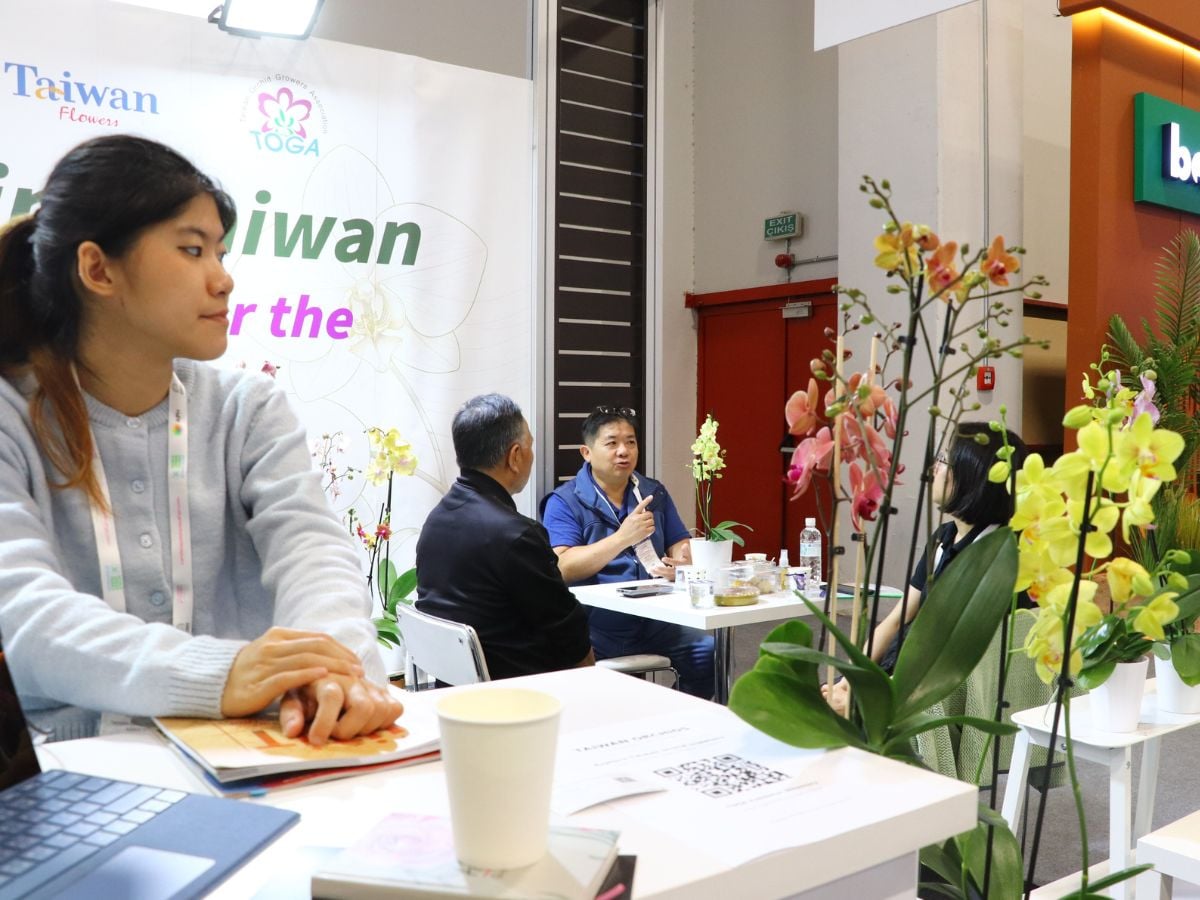
The Taiwan Orchid Growers Association (TOGA), established in 2001, also made a first-time appearance at LIF 2026. TOGA brought together the representation of its at least 1400 breeders, growers, cultivators, and exporters under a Taiwan-themed presentation, whose goal was to introduce the quality and diversity of Taiwanese orchids, and to learn how Turkish and regional buyers think. According to Ahby Tseng, the Secretary General, the show was therefore impressive.
Poland's Clematis, a producer of climbing plants, also came with a similar aim of seeking a much clearer view of the Eurasian market and a chance to meet other major horticultural producers. The three suppliers, alongside others, show how far the fair's appeal now reaches, from Western Europe to East Asia, as they presented their products alongside those from other countries like Italy, China, and Türkiye itself.
Istanbul as an Important Meeting (Melting) Point
The idea of Istanbul points to the importance of the city itself. Istanbul is located right where Europe, Asia, and the Middle East meet (only separated by the Turkish Straits), so an exhibitor can reach buyers from Eurasia, the Balkans, Central Asia, and even North Africa in just one tour. This geography is largely what keeps drawing producers from so many countries around.
Turkish growers also viewed the fair with the same seriousness. Ahmet Dundar, the Chairman of SÜSBİR, the Turkish Ornamental Plants Growers Association, termed the fair a perfect yearly meeting point where the sector listens, shares ideas, and plans together, a picture that fits an event that was designed for creating long-term relationships as much as it was intended for quick sales.
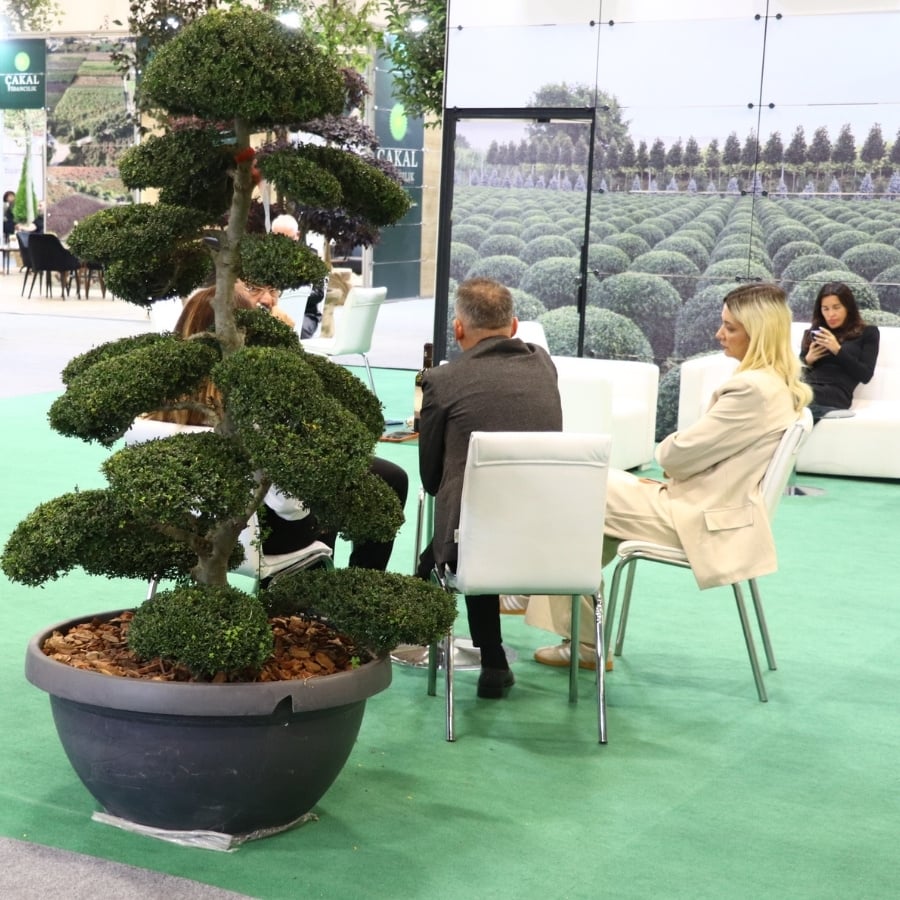
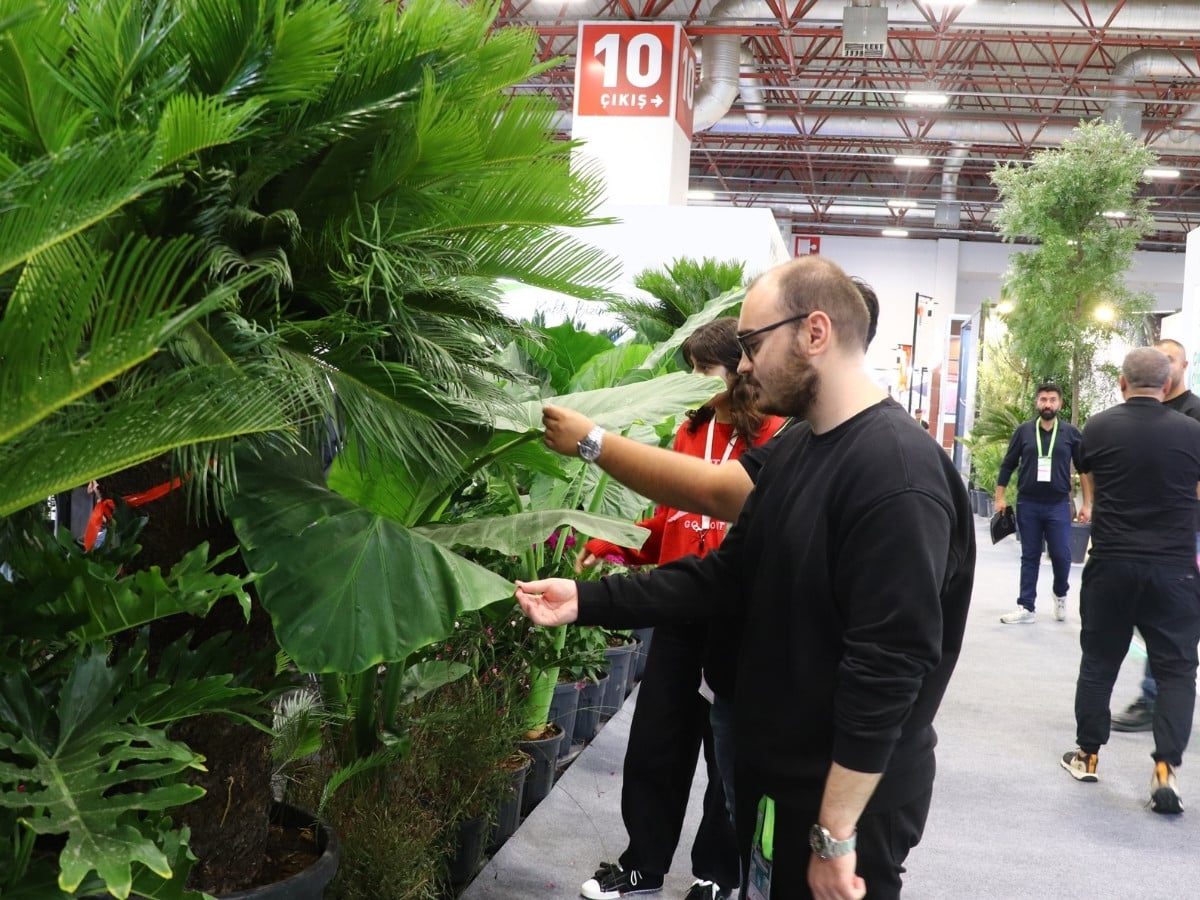
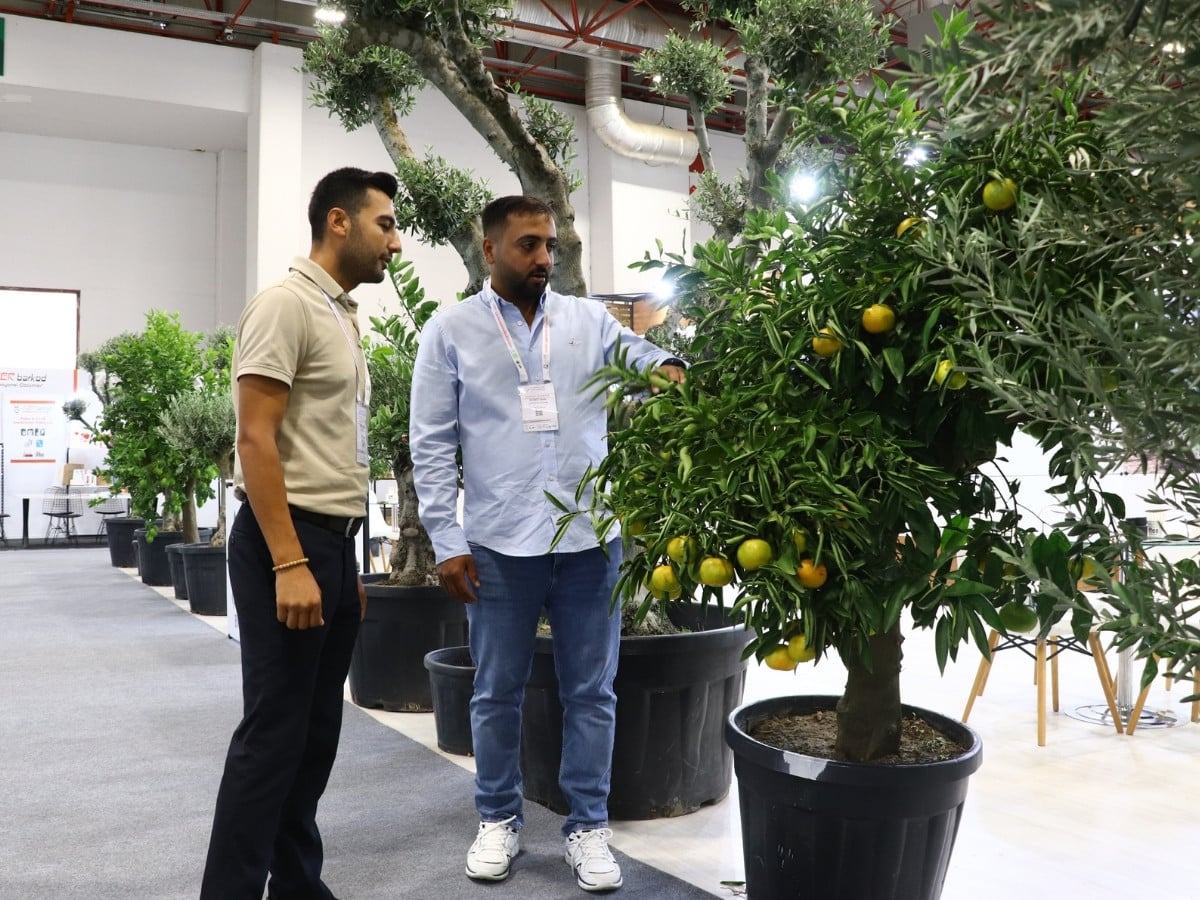
In that context, growers with nurseries from as far as Yalova and Bursa, as well as Antalya, Adana, Osmaniye, Mersin, Izmir, and even Istanbul itself, brought their assortment, largely featuring Mediterranean and citrus plants, but also other indoor and outdoor plant life.
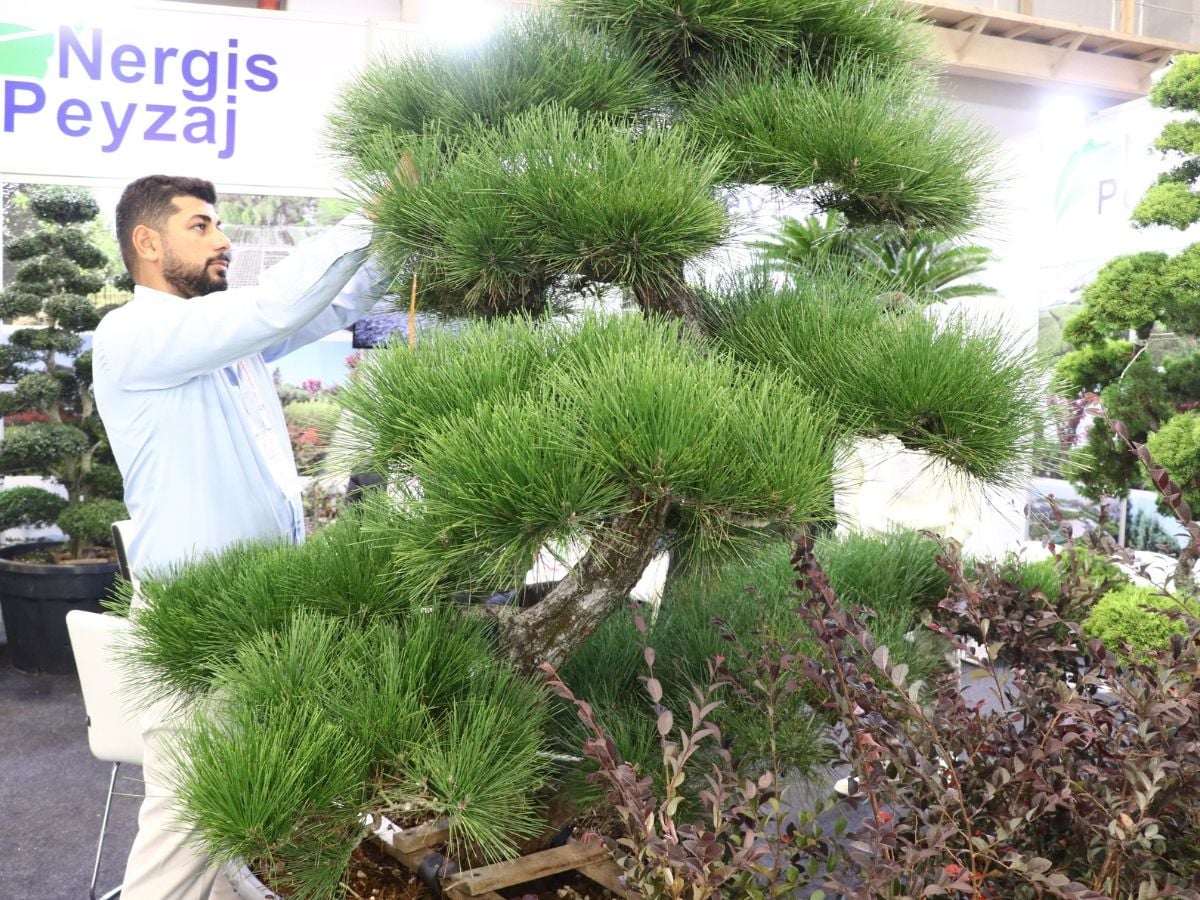
Noteworthy was the satisfaction LIF 2026 offered. Bedirhan Helvacı, the manager and marketing representative for Yalova-based nursery Nergis Peyzaj, noted that the 2026 LIF show has been quite exceptional and expressed his optimism for more growth.
Dogukan Gürtas, the co-founder of the 200-hectare Çukurova Botanik based in Adana, also conveyed his satisfaction with the fair so far. Çukurova Botanik largely supplies citrus trees, olives, and other Mediterranean plants in the thousands.
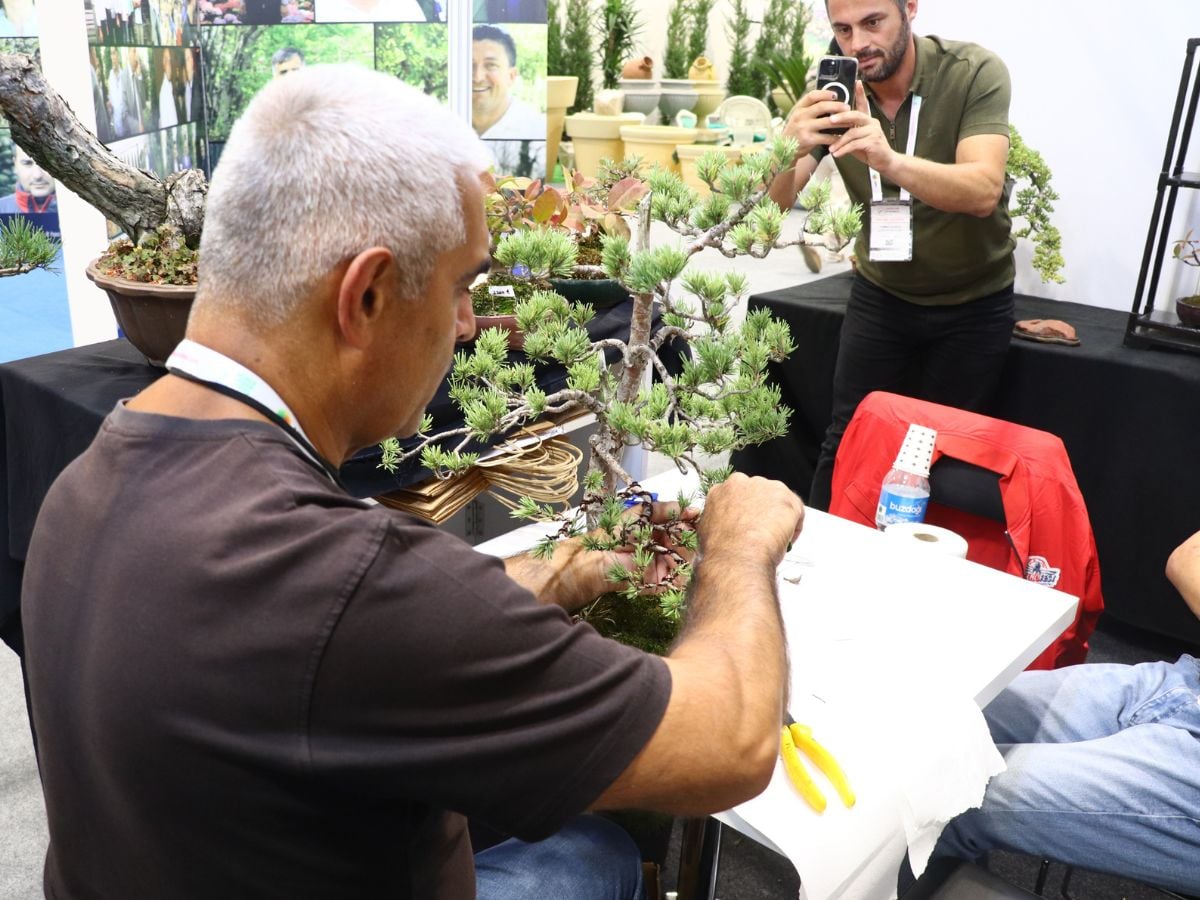
Several more, like Fatih Ozalp of Onder Botanik in Bursa, Hassan Simsek of Yalova Bonsai Muzesi, Remzi Guner of Maya Sus Bitkileri in Antalya, Yagmur Aras of Gaye Sus Bitkileri in Yalova, and others noted that the show has thus far been exceptional. And that its idea presents the ideal opportunity to build networks and relations in the plant and landscaping fields.
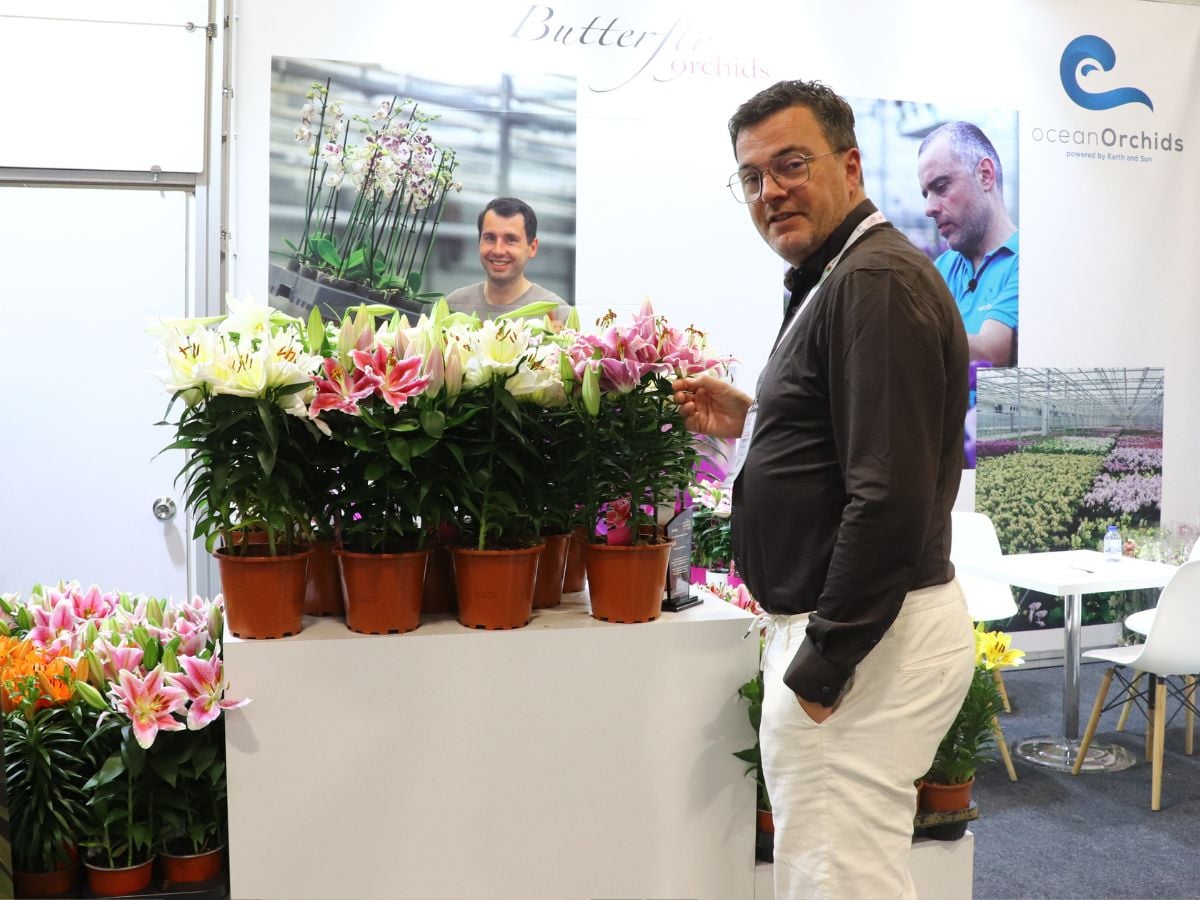
Others like Wouter Konijn of Ocean Orchids, who sought to strengthen Slovenia's orchid production (as well as promote other varieties like lilies) across the region, and William Huang of China's Fujian-based Kino Farm also had diverse and wide-ranging products to show.
Did Visitors Have a Lot to See and Experience at LIF 2026? Yes, Definitely
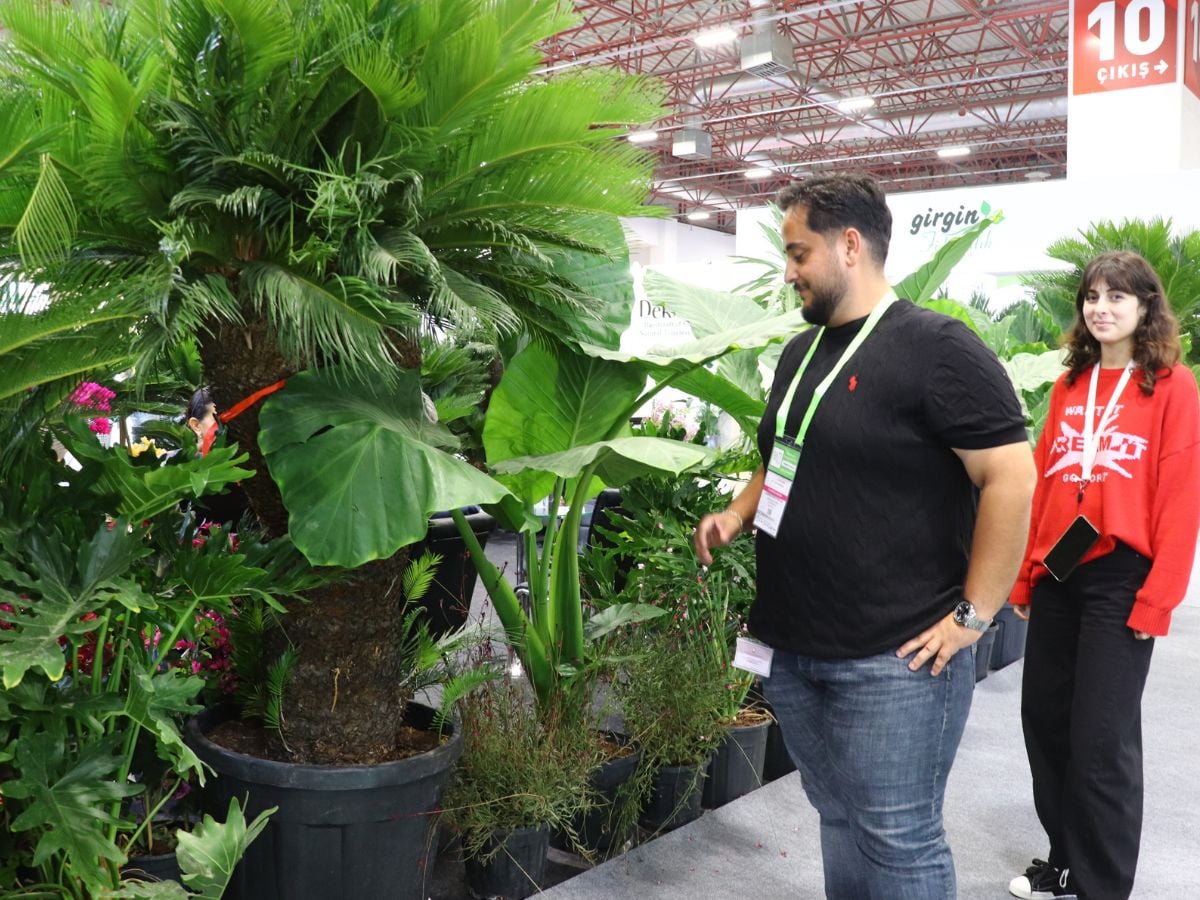
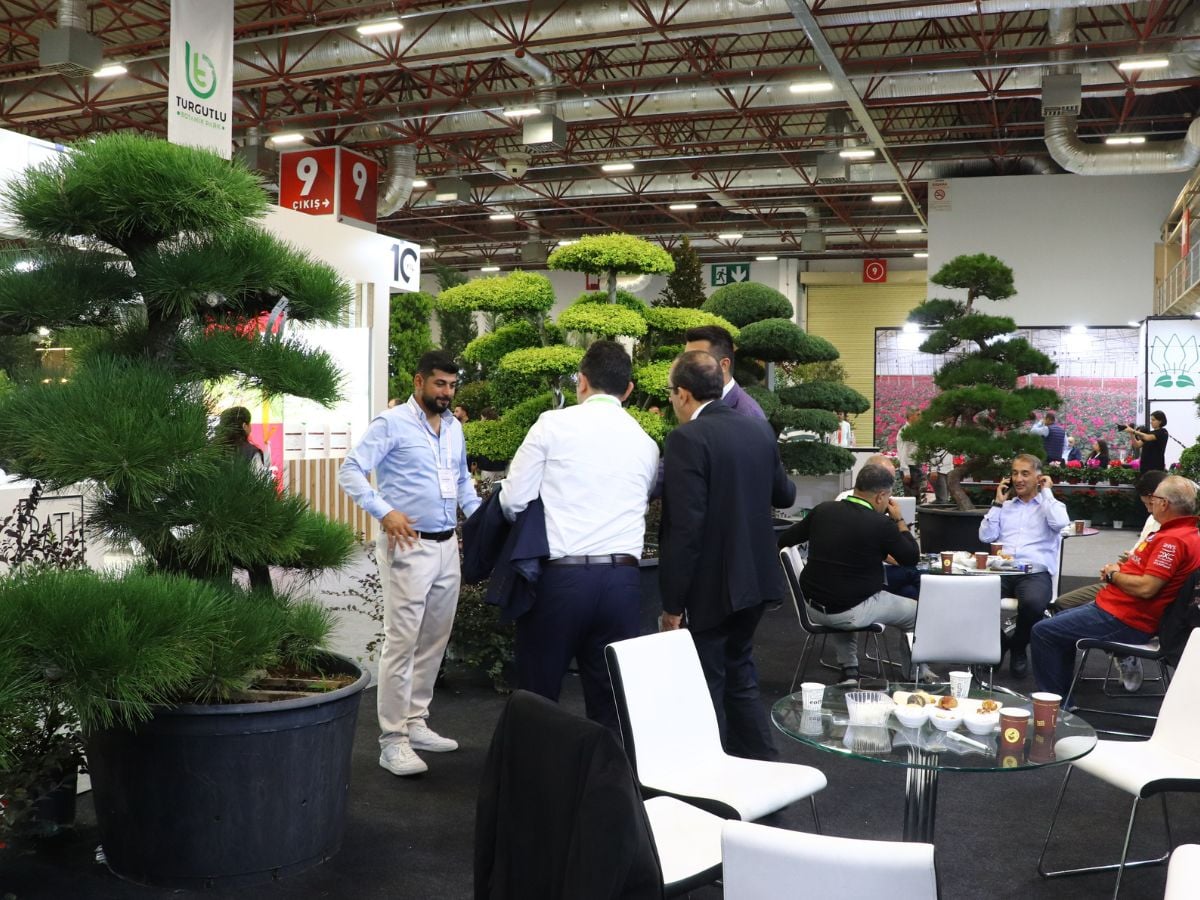
The product range available on show at this year's fair was impressive as well and covered the daily needs and requirements of professionals who work in public, municipal, commercial, and residential green spaces. This gave those attending an opportunity to compare ornamental plants and trees for different climates ranging from temperate to arid and Mediterranean, hard landscaping materials, decorative products, playground equipment, urban planning equipment, and even plant care and nutrition systems, specialist turf, flowers, pots, and baskets, all within just a few hours of walking through the exhibition.
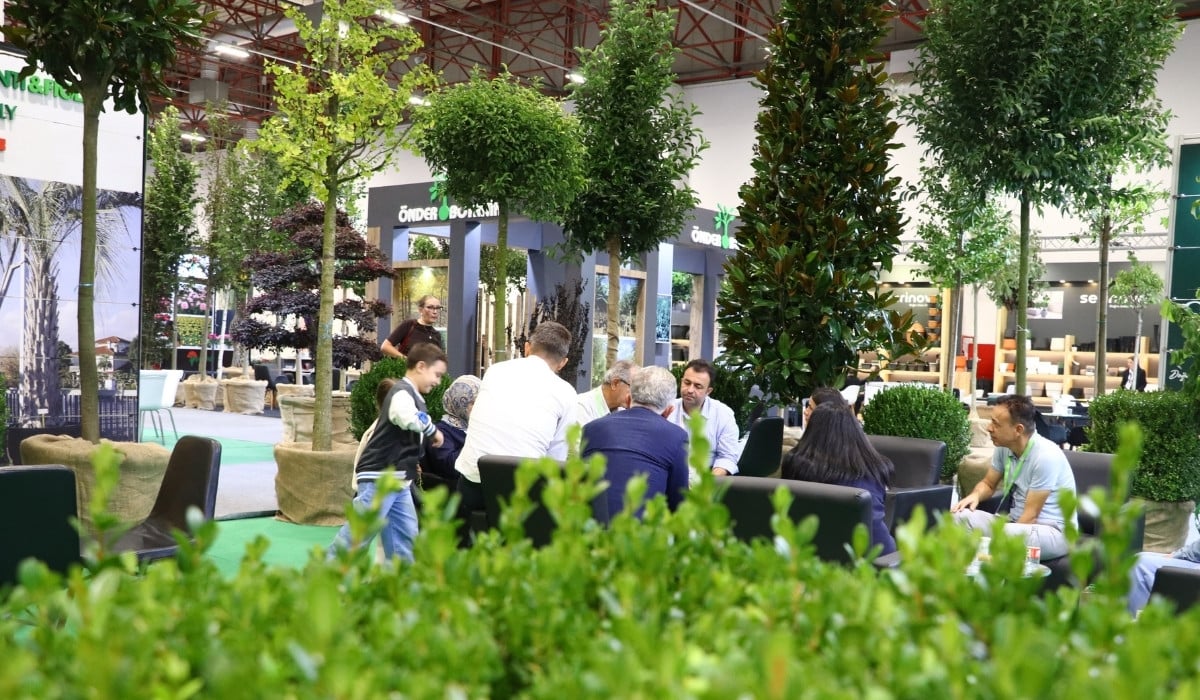
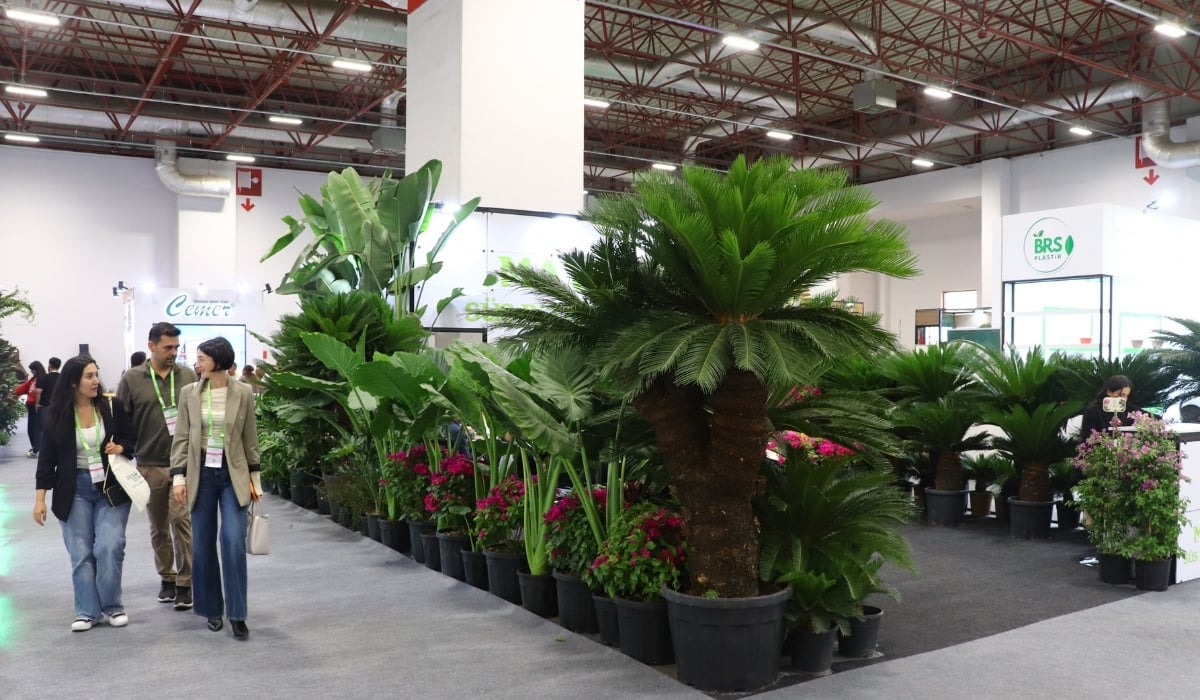
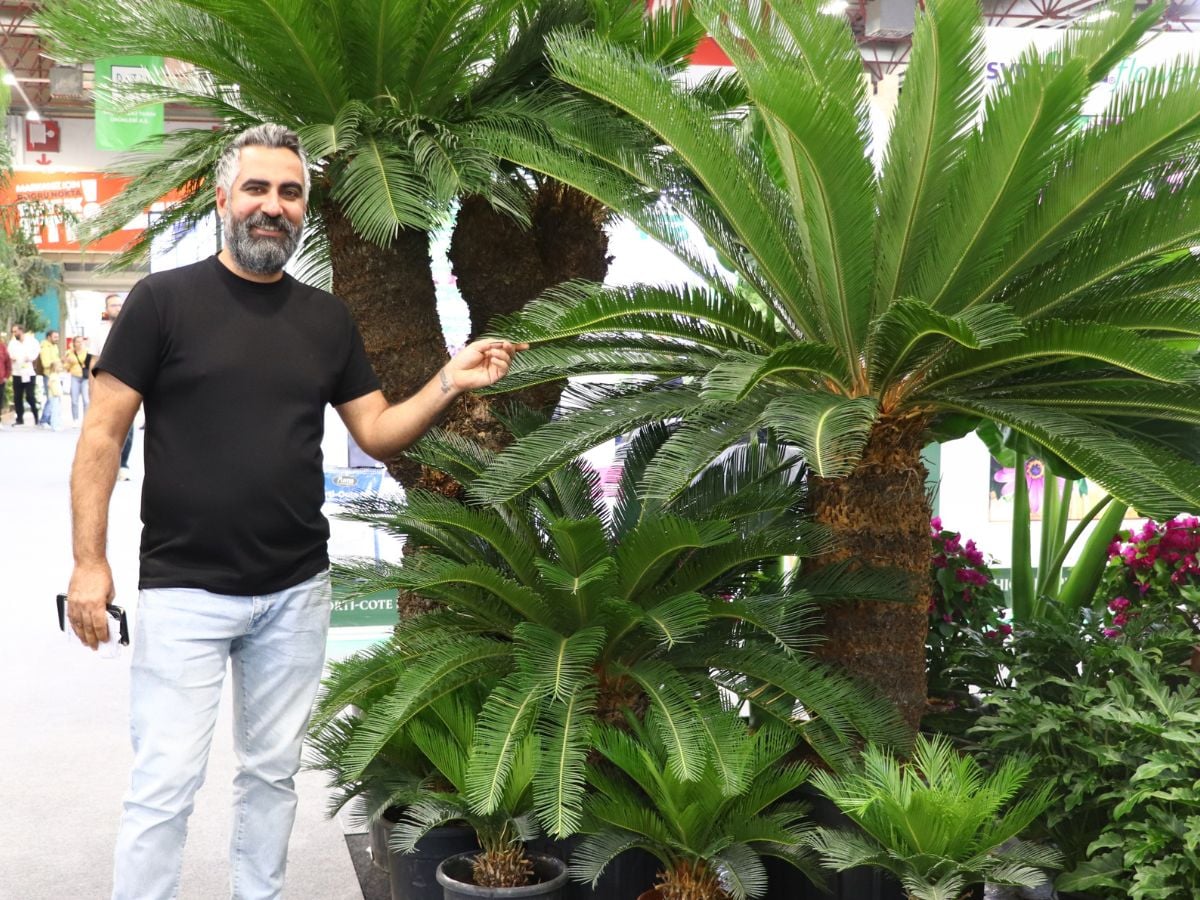
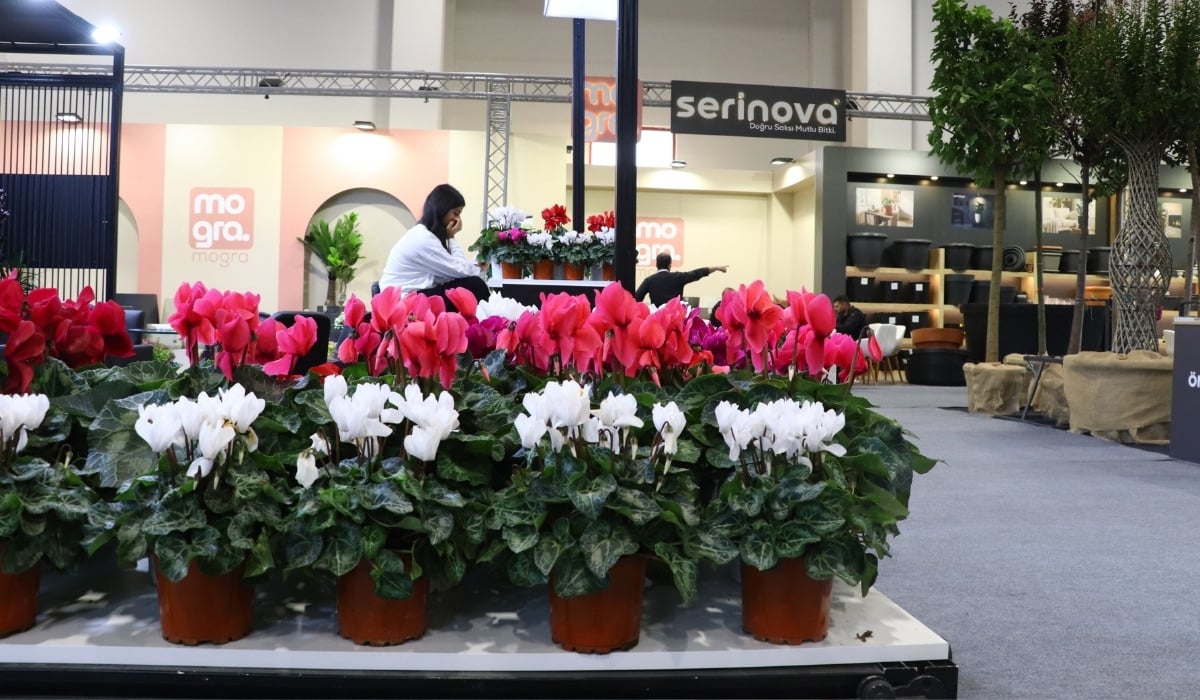
For nurseries and contractors, perhaps, the value was in the comparison of the plants available. Mediterranean palms and other plants, citrus trees, climbing plants, Cyclamen, Poinsettias (Euphorbia pulcherrima) and orchids, among others, largely make up what they need most and were shown in the same venue. Plus, the growers and their representatives available also made it all-too-easy to meet their specifications.
Emerging trends (that will likely never fade away from horticulture, floriculture and landscaping), including sustainability, innovation, and technology, were also showcased at the fair. And even climate adaptation was discussed, with climate-smart plant selections and water-efficient planting among some of the recurring ideas when it comes to urban greening and horticulture.
World Urban Parks Symposium Presented an Additional Platform for More Learning
The World Urban Parks Symposium also ran alongside the LIF 2026 exhibition, graced by World Urban Parks CEO Luis Romahn. A free-to-attend event, this year’s theme, ‘The Living Legacy: Rooting the Future of Parks in the Wisdom of the Past,’ dwelt on the question of how the current generation of park leaders can pass their knowledge, values, and craft to the next one; an idea whose time is ripe.
Here, keynote presentations, panel discussions, workshops, and case studies were organized around the six pillars that spell LEGACY: leadership and the next generation; equity and democratic space; green infrastructure and climate; advocacy and policy foundations; culture, community, and place; and youth, innovation, and new tools.
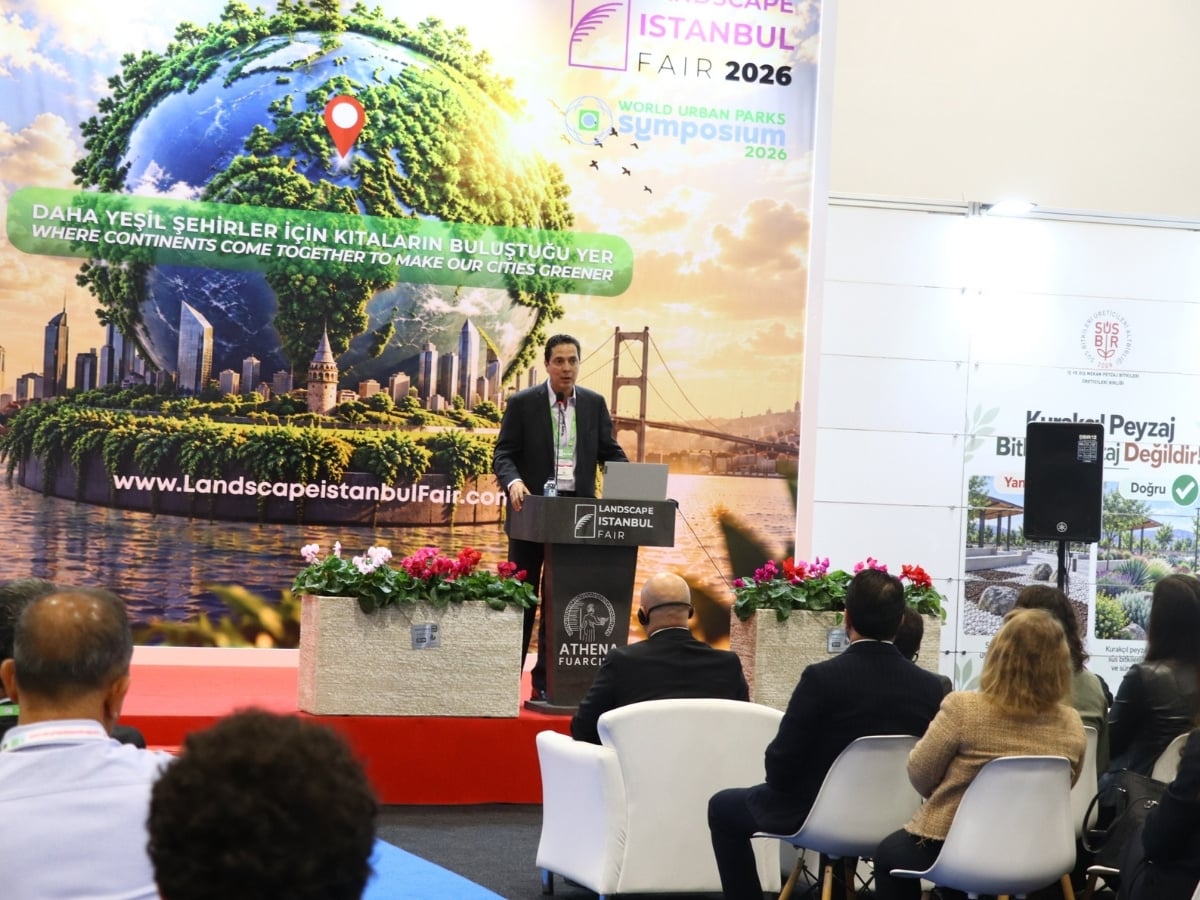
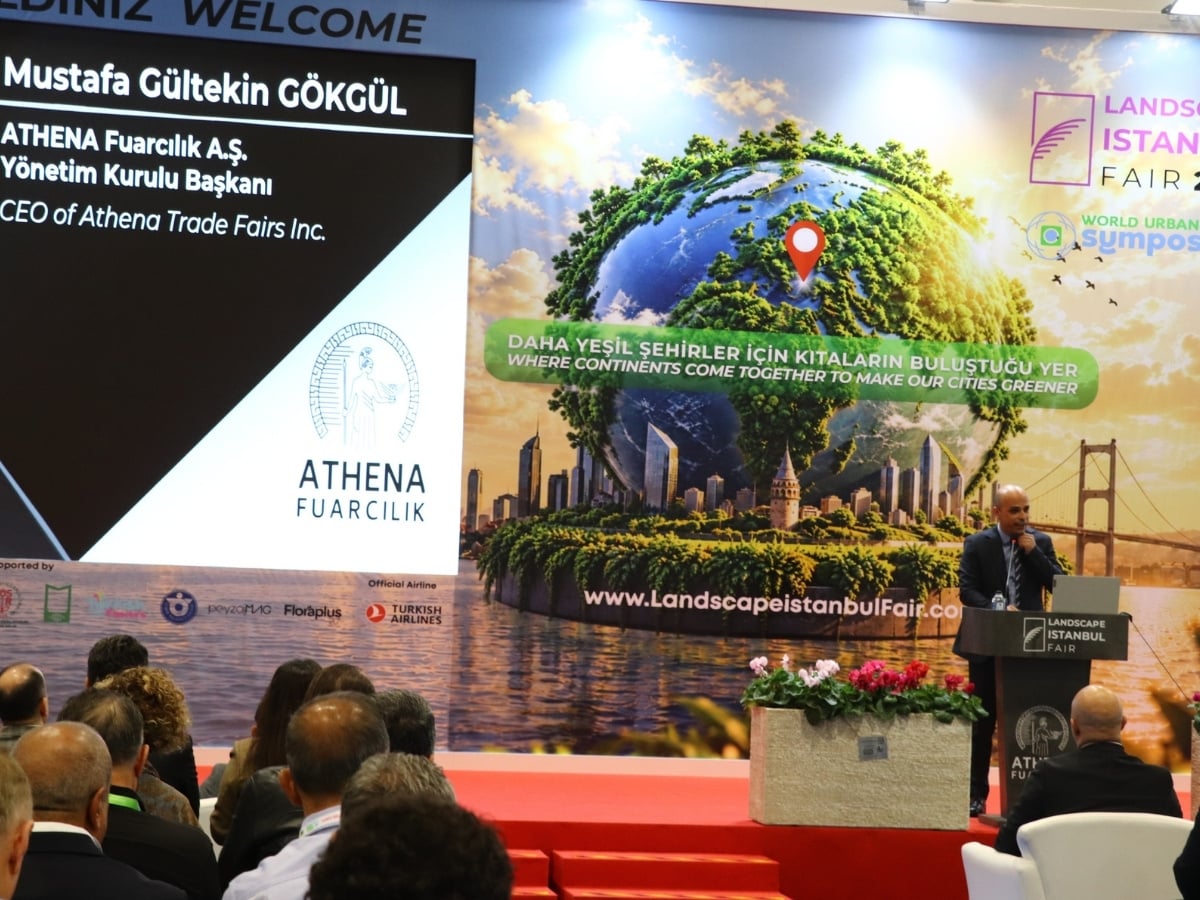
First, Mark Bowater, Chair of World Urban Parks, set the tone for the symposium with his keynote themed ‘The Living Legacy: Carrying Forward What Matters Most.’ His presentation made reference to what values, ideals, knowledge, and leadership qualities need to be preserved as city planners and others in the industry confront issues like climate change, social inequity, and rising urbanization.
But there were more speakers like Michael Boland, Deputy Chair and former Chief Park Officer at the Presidio Trust in the United States, Dr. Audrey Timm of AIPH, Geoff Canham, Principal Parks and Recreation Specialist and Co-Director of Thrive Spaces and Places in New Zealand, Rhenan Diwas, the head of the City Environment and Parks Management Office (CEPMO) of Baguio City, Philippines, Dr. Laszló Puczkó of Városliget (Budapest City Park), and Carl McClean of the Green Flag Award, among several others who gave keynote addresses all focused on the same theme.
Plus, panels paired Istanbul and Turkish perspectives with voices from other regions across the world, and later the World Urban Parks Annual Awards recognized individuals, organizations, and projects that improve public green spaces. This balance of local and international presence gave a diversified view of park experiences across the world and lessons from different regions.
Plants, Landscaping and Urban Parks Meeting Policies
An important notion worth noting is how having the landscape trade fair and the World Urban Parks symposium under one roof drove the point home. Green cities, for one, depend on a chain of decisions that start from the plants. A breeder selects a variety, a nursery grows it, a contractor plants it correctly, and an urban planner decides where this plant belongs or where it should be grown.
With all these – breeders, growers, and park policymakers in the same venue – this chain made all the more sense, as each part of the link could speak directly to the others. So in the end, the attendees had the chance to get new and fresh ideas for their next urban planning and greening projects with the right plants and concepts in mind.
This is also one fact that Andrew Furness, the international advisor of Athena Fuarcilik, alluded to. He noted that LIF 2026 was impressive and only looked to develop even more, especially with their partnership with the World Urban Parks, but also pointed to the idea that the two frameworks – the LIF exhibition and the World Urban Parks symposium – are symbiotic and mutually beneficial.
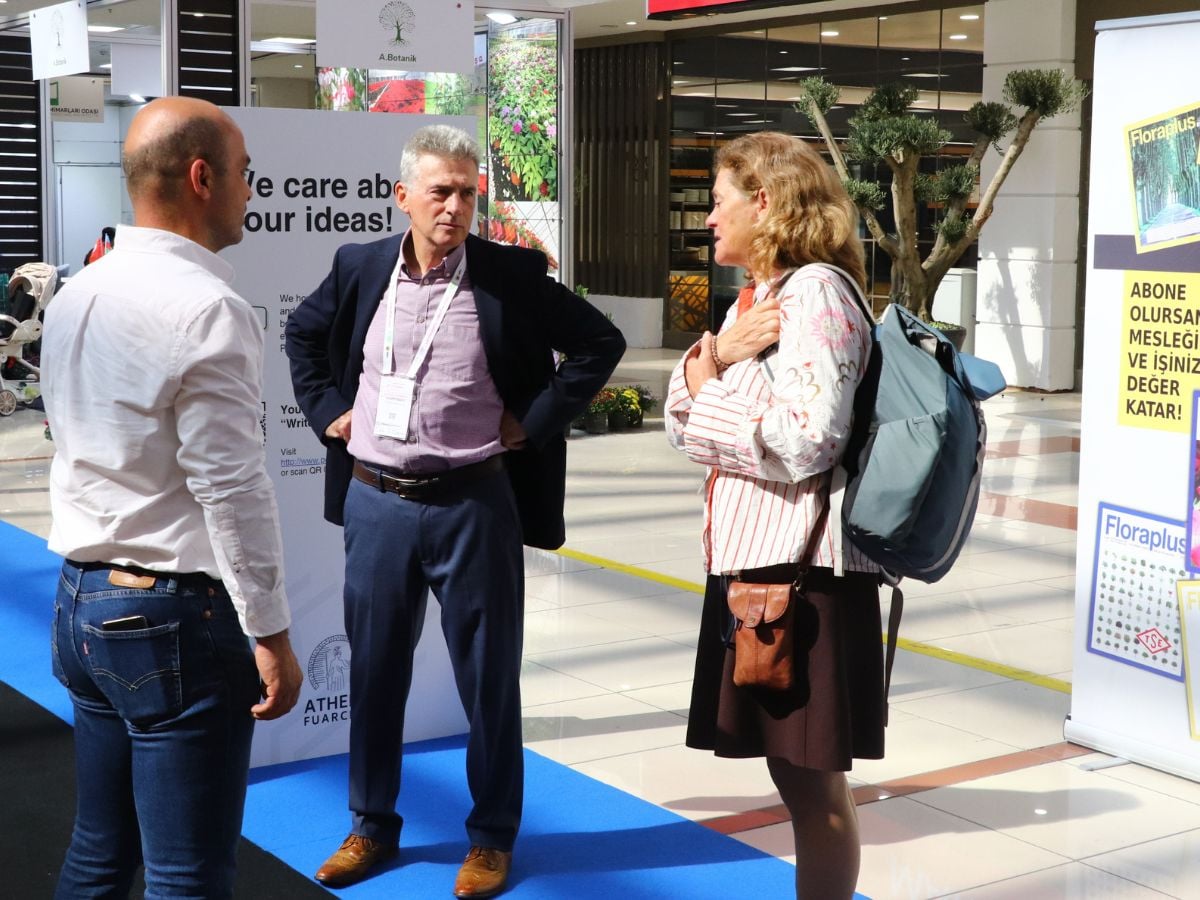
The 2025 edition of the LIF drew more visitors, and this year saw even more, including quite a wave of first-time exhibitors, suggesting that the fair is gradually widening its reach. The 2027 edition, therefore, looks promising. For those in the commercial horticulture, municipal planning, or nursery supply chains who missed the 2026 edition, putting the Landscape Istanbul Fair on your 2027 plant and landscaping event calendar is therefore an absolute necessity.
Photos by Thursd.