More than half of the world's population now lives in cities, and this share keeps growing. Concrete, asphalt, and glass absorb heat, shed rainwater instead of soaking it up, and push out the ecosystems that previously cooled and cleaned the air that people breathe, so there needs to be an intervention.
Urban greening, the idea of planting trees, restoring parks, building green roofs, and creating living walls, is increasingly being viewed as an essential infrastructure component and not just decoration. Yet, behind this trend is horticulture: plant breeders, growers, nurseries, and landscape professionals provide practically all that is required.
Why Urban Greening Is Not Optional Any Longer
Heat waves, flash floods, and air pollution are forcing municipalities to rethink what a city street or a public square is for. A well-planted boulevard cools the air around it, a rain garden slows stormwater before it overwhelms drains, and a mature urban canopy filters pollutants out of the air city dwellers breathe every day.
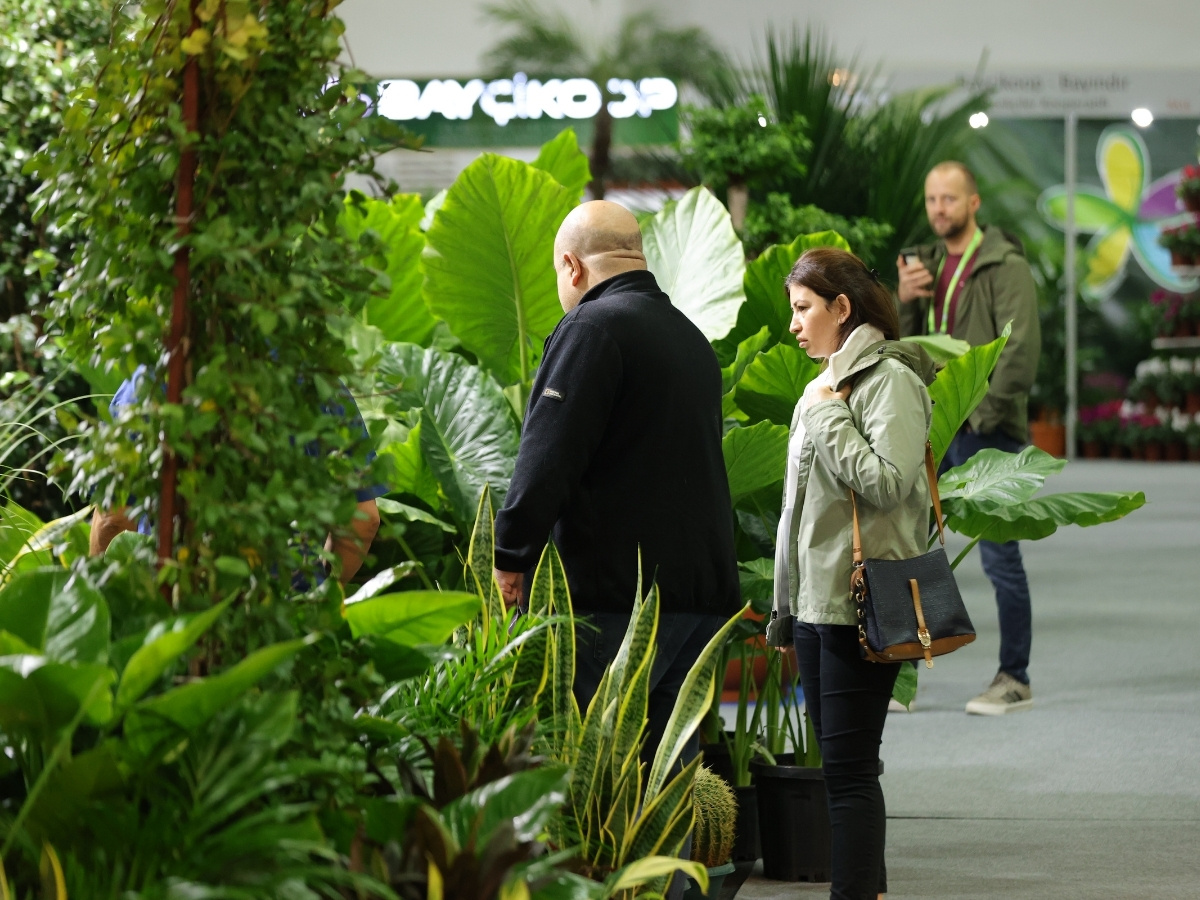
Trees that shade a schoolyard and drought-tolerant shrubs that line a highway median initially came into being from a decision made somewhere along the horticultural supply chain, by a breeder selecting the right variety, a nursery growing it at scale, and a landscape contractor specifying and planting it correctly.
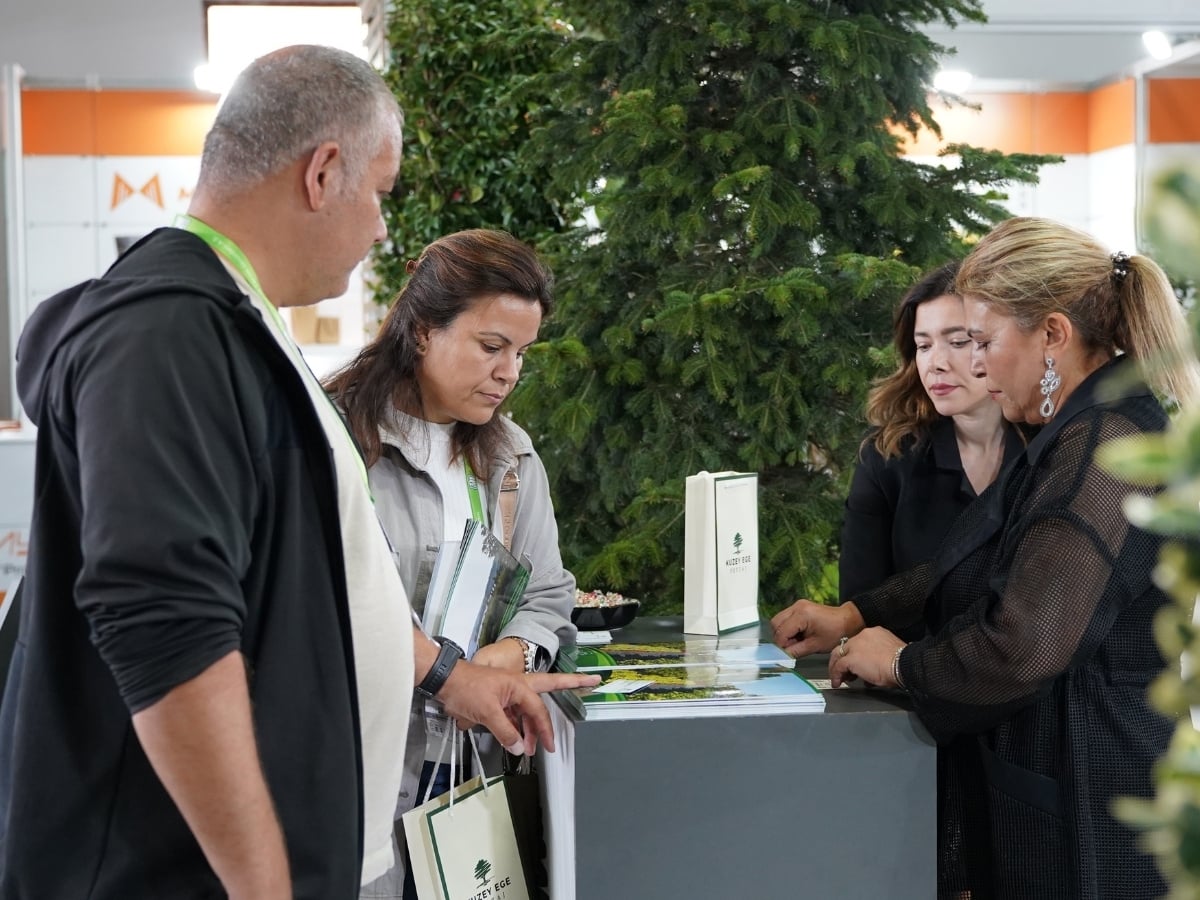
This, to all intents and purposes, is exactly the link that Landscape Istanbul Fair 2026 is framed around. Running from October 7 to 10, 2026, at the Istanbul Fair Center (IFM), the fair brings together plant producers, hard landscaping suppliers, contractors, and public park professionals under one roof, precisely the mix of expertise cities need if urban greening is going to move from ambition to delivery.
Horticulture Drives the Narrative, Not Just the Supply Chain
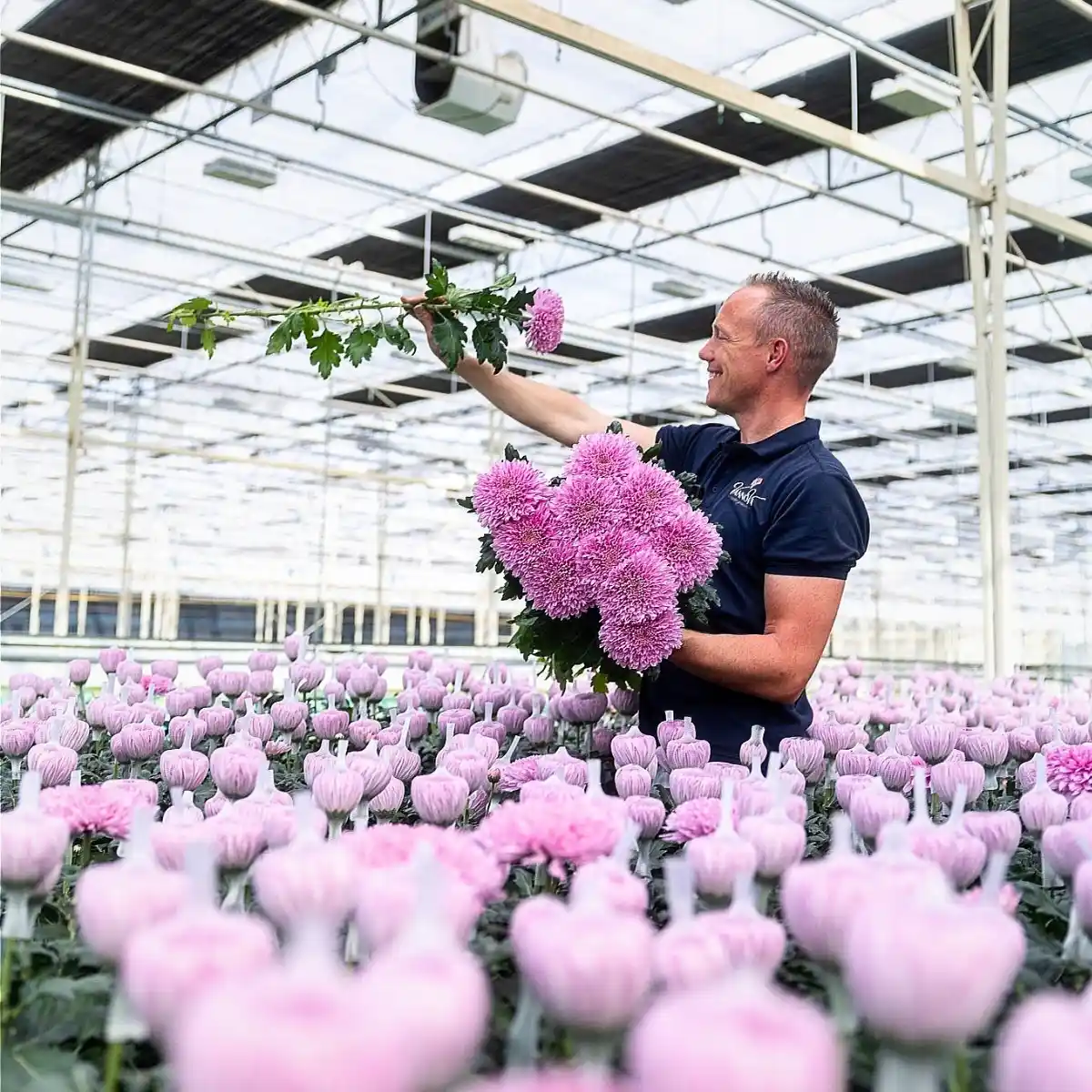
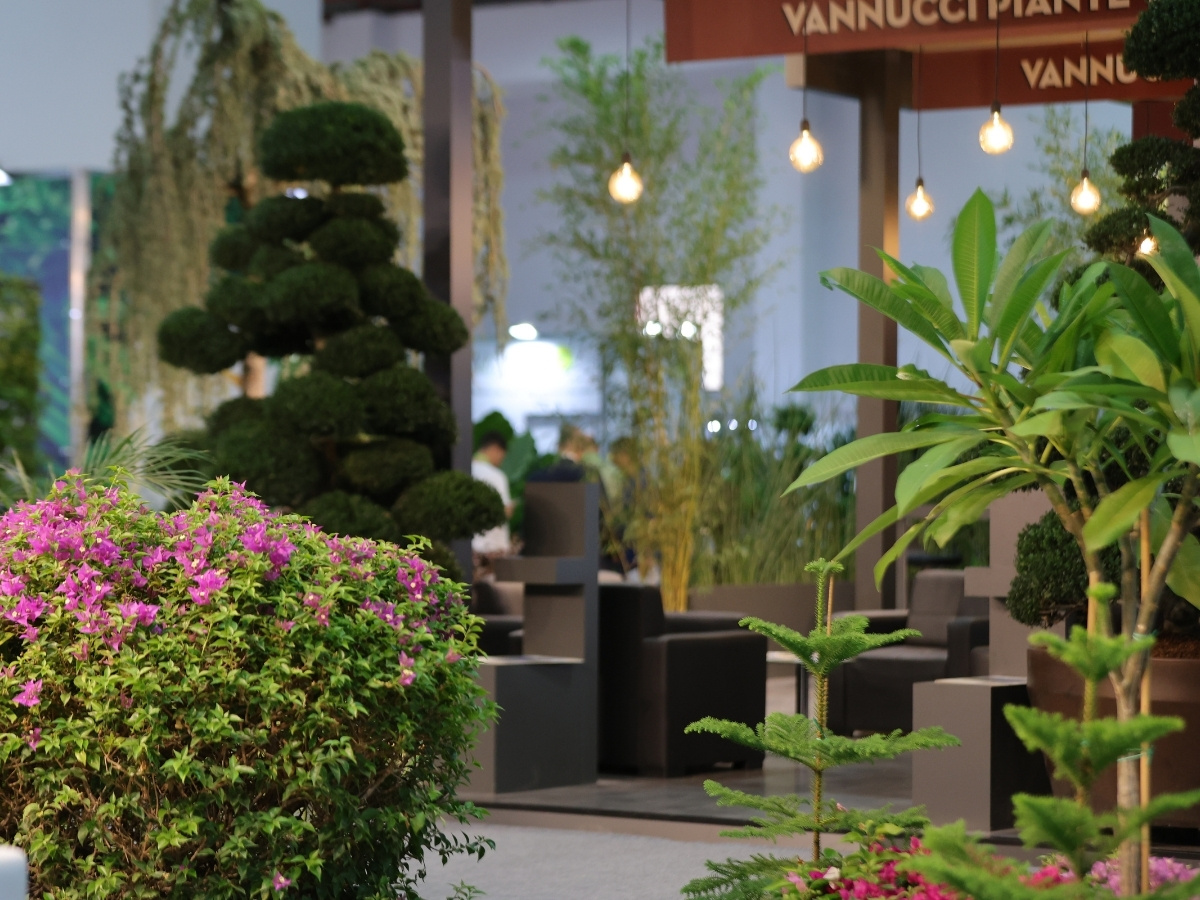
It's tempting to think of horticulture as just the production side of urban greening, growing the stock that eventually gets planted. But the industry does more than that: it drives the conversation about what ‘green’ should even look like in a changing climate. Growers exhibiting at LIF2026 are bringing in this kind of thinking.
Spanish producer IF Plants, for instance, is exhibiting for the first time this year because they have identified rising demand for ornamental plants suited to the region's landscape professionals, importers, and contractors. Polish climbing-plant specialist Clematis is making a similar bet, joining the fair to connect with international horticultural producers shaping markets across Eurasia. They are joined by a host of other exhibitors from Türkiye, the host country, to others across the region and beyond.
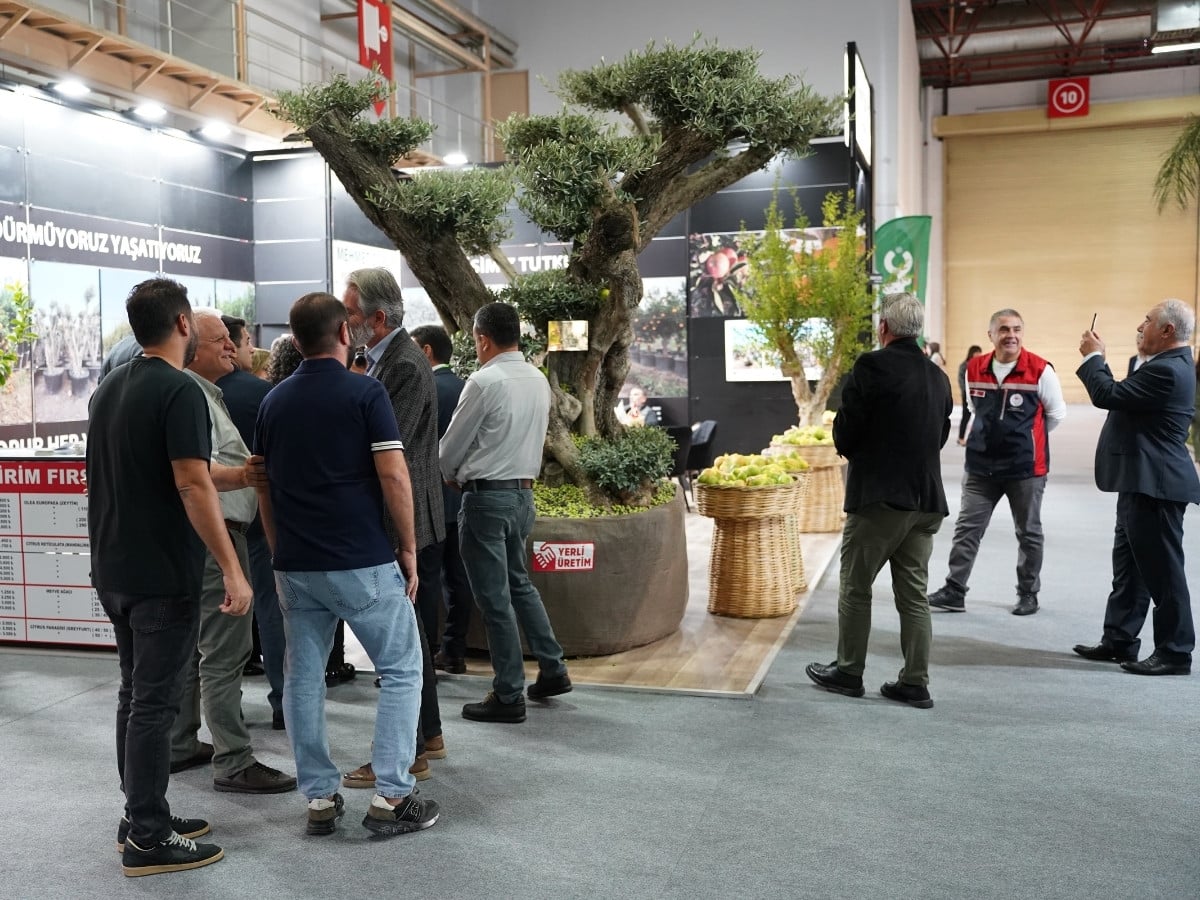
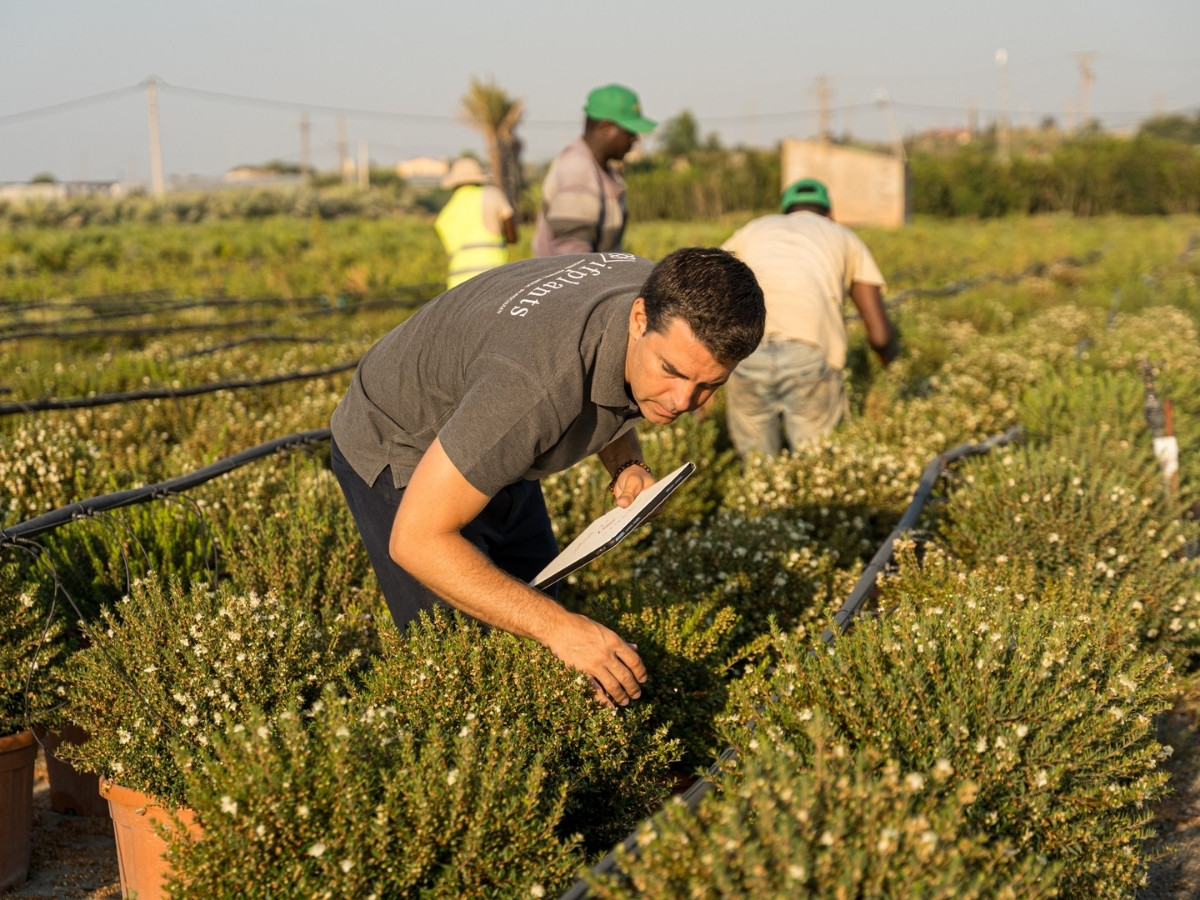
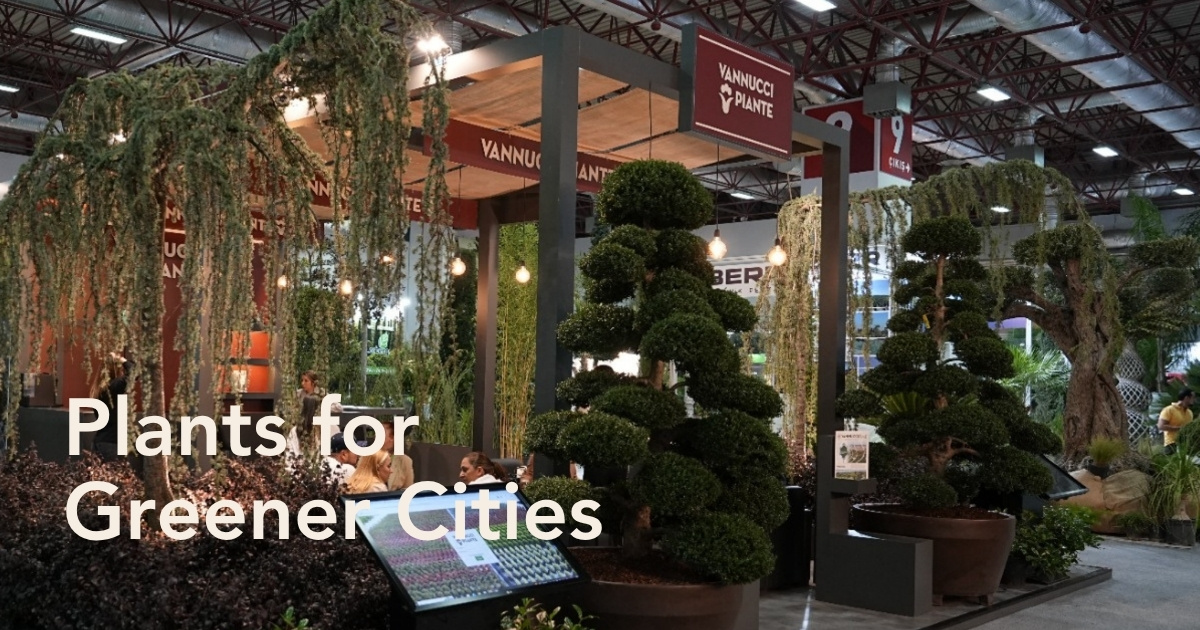
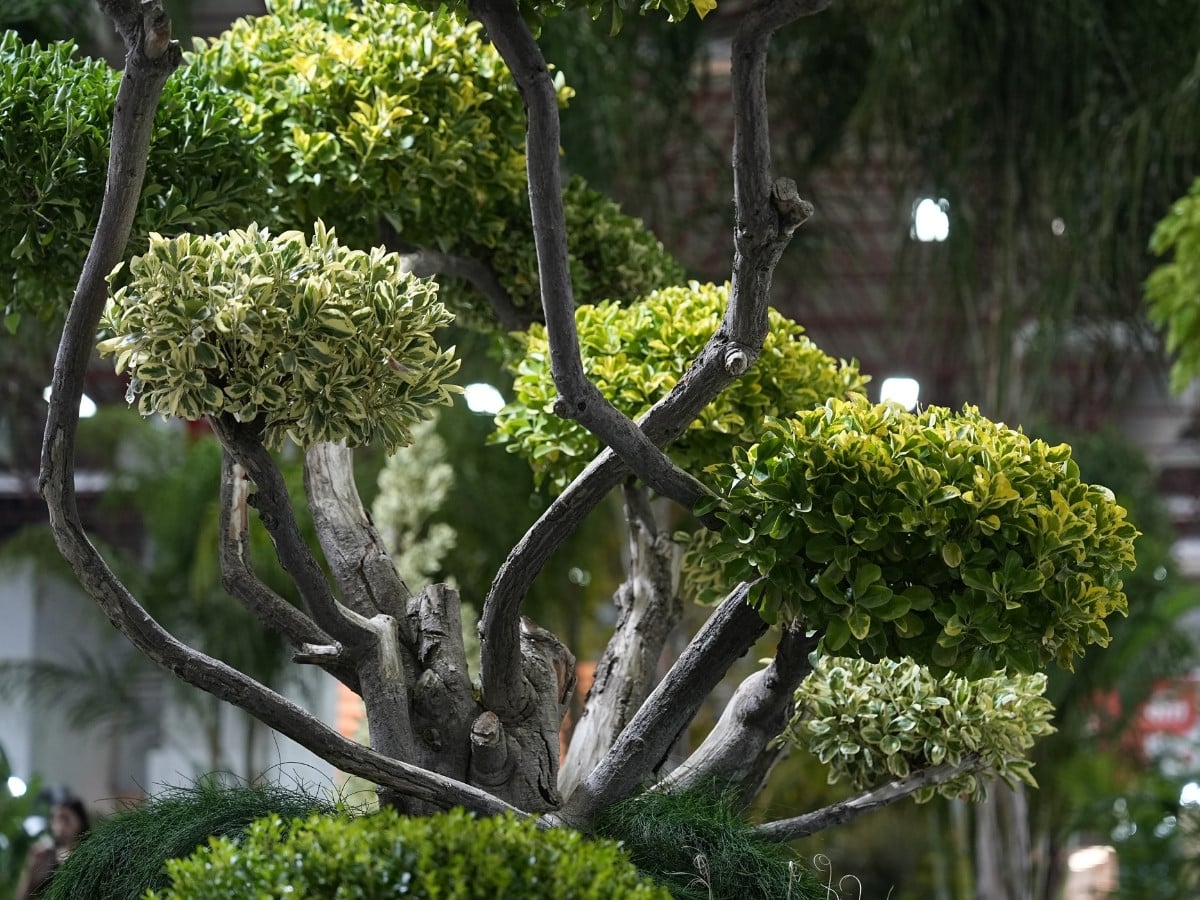
This is the narrative that horticulture keeps telling at events like this one: plant selection is not just an aesthetic choice anymore, but a strategy. Varieties suited to arid and Mediterranean conditions, water-efficient planting systems, and lightweight, sustainable materials all featured prominently at last year's edition, and organizers expect this trend to grow further in the 2026 edition, alongside the fair's continued emphasis on sustainability, innovation, and technology.
The Fair's Framework Is Structured Around This Idea
But LIF2026 is not just a typical trade show; it doesn't disparately separate the commercial side of horticulture from the policy and design conversation around urban green space, but places them in the same setting. Themed 'The Living Legacy: Rooting the Future of Parks in the Wisdom of the Past', the World Urban Parks (WUP) Symposium runs alongside the LIF2026.
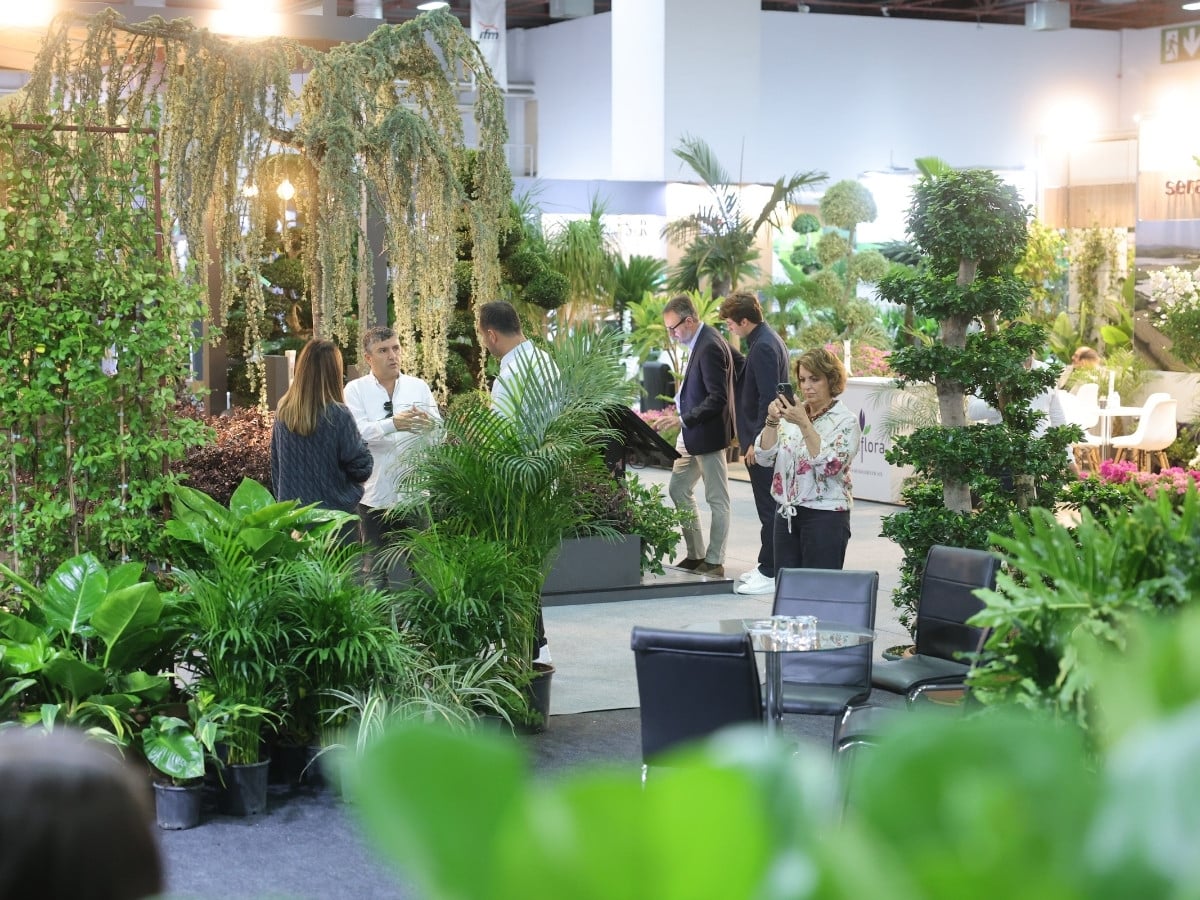
It brings together urban planners, policymakers, park professionals, and other experts in the industry for sessions that revolve around the six pillars of leadership, equity, green infrastructure, advocacy, culture, and youth innovation. The pairing itself is important.
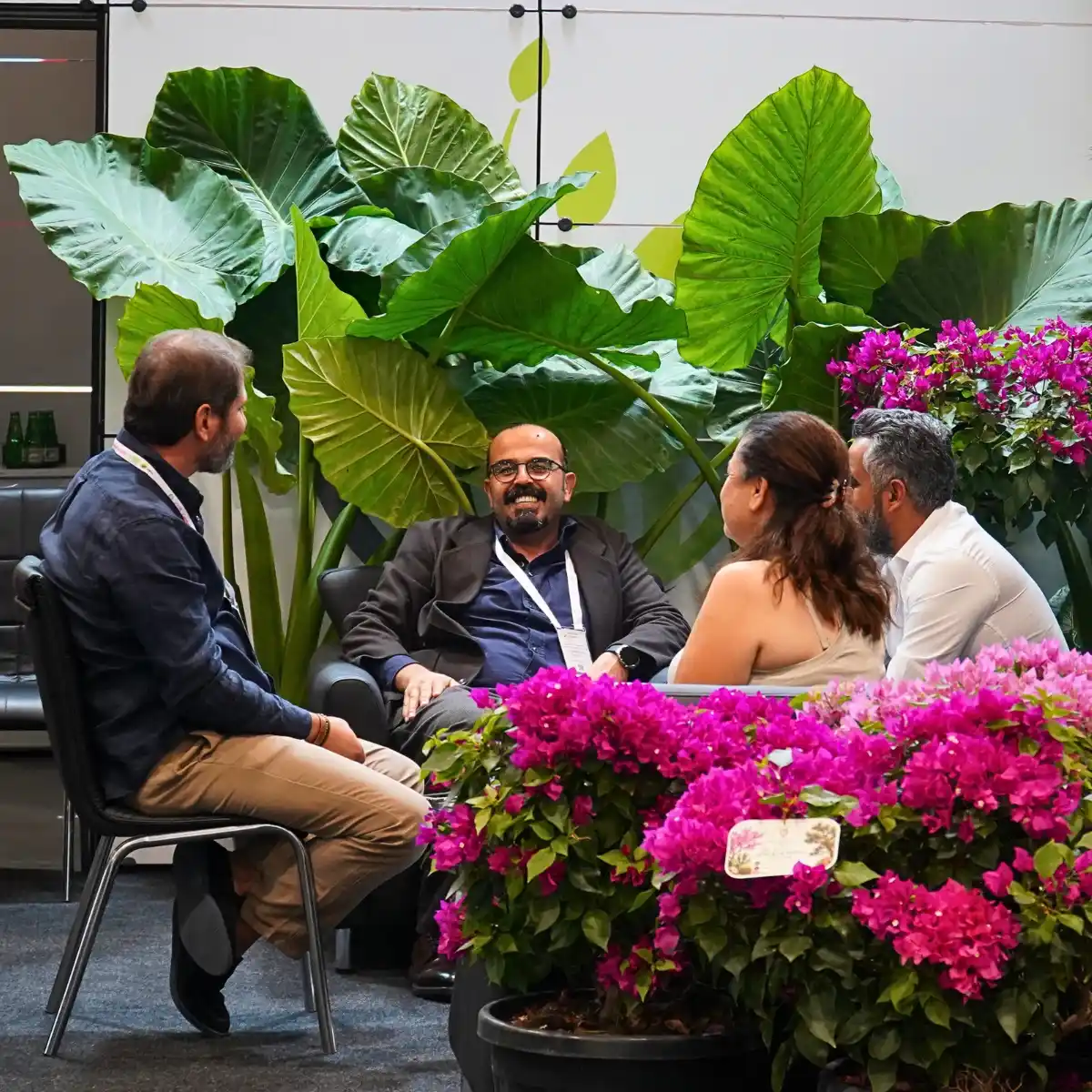
A grower can showcase the plant stock that makes climate-resilient planting possible, while, just a few meters away, a municipal planner is in a session discussing how to fund and design the green infrastructure that this plant stock will go into. It is a rare structure that views the greening of cities as one continuous pipeline and not two disconnected industries occasionally crossing paths.
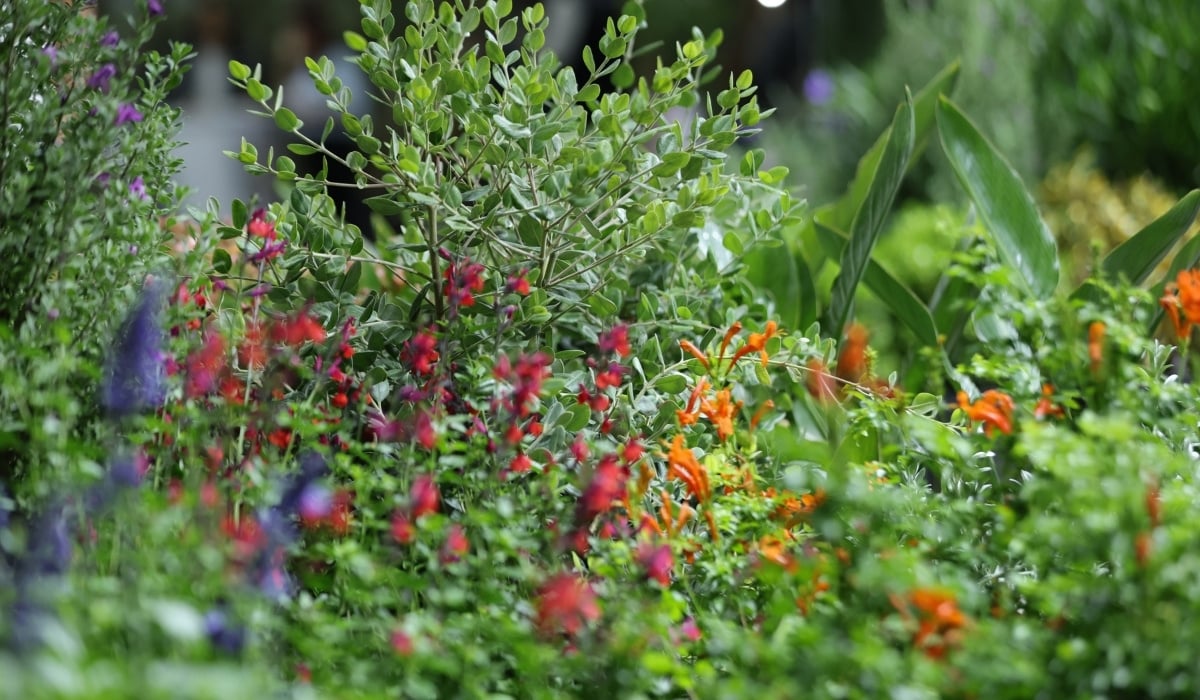
Every Incentive Is Already Built In
For everyone weighing whether to attend, the fair stacks the incentives in its favor. Istanbul's position at the crossroads of Europe, Asia, and the Middle East gives exhibitors and visitors access to buyers across the Balkans, Eurasia, Central Asia, and North Africa in just one trip, markets that are otherwise expensive and time-consuming to reach separately.
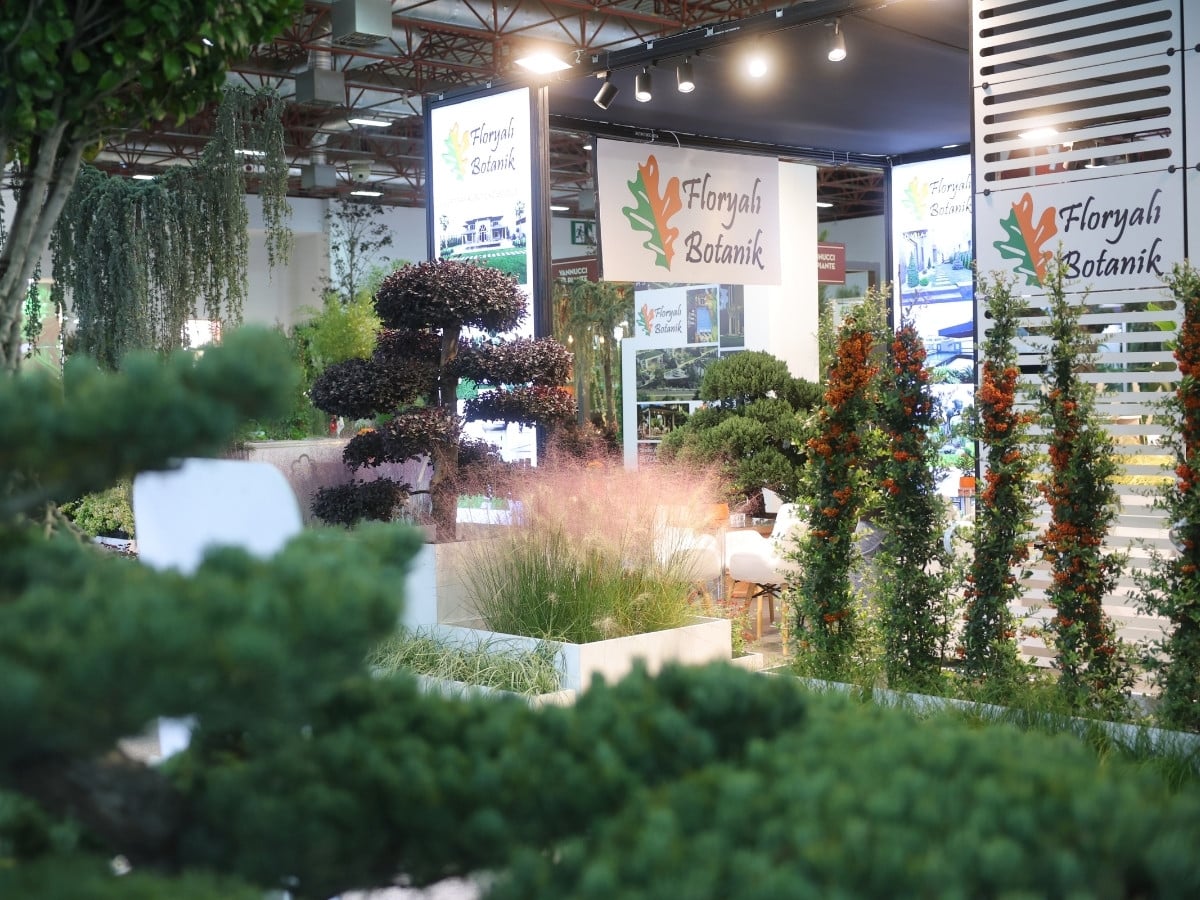
The fifth edition of the fair is also drawing an unusually strong wave of first-time exhibitors, as well as established Turkish nurseries, which means more variety and more sourcing options available for anyone specifying plants for a public or commercial project.
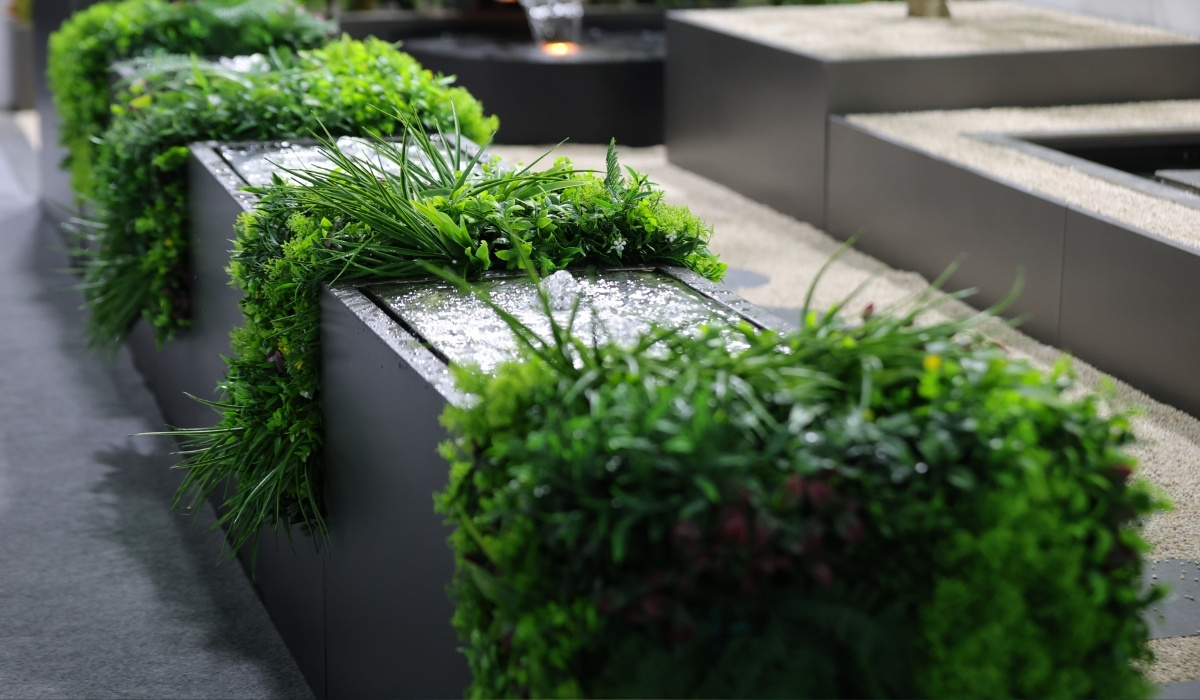
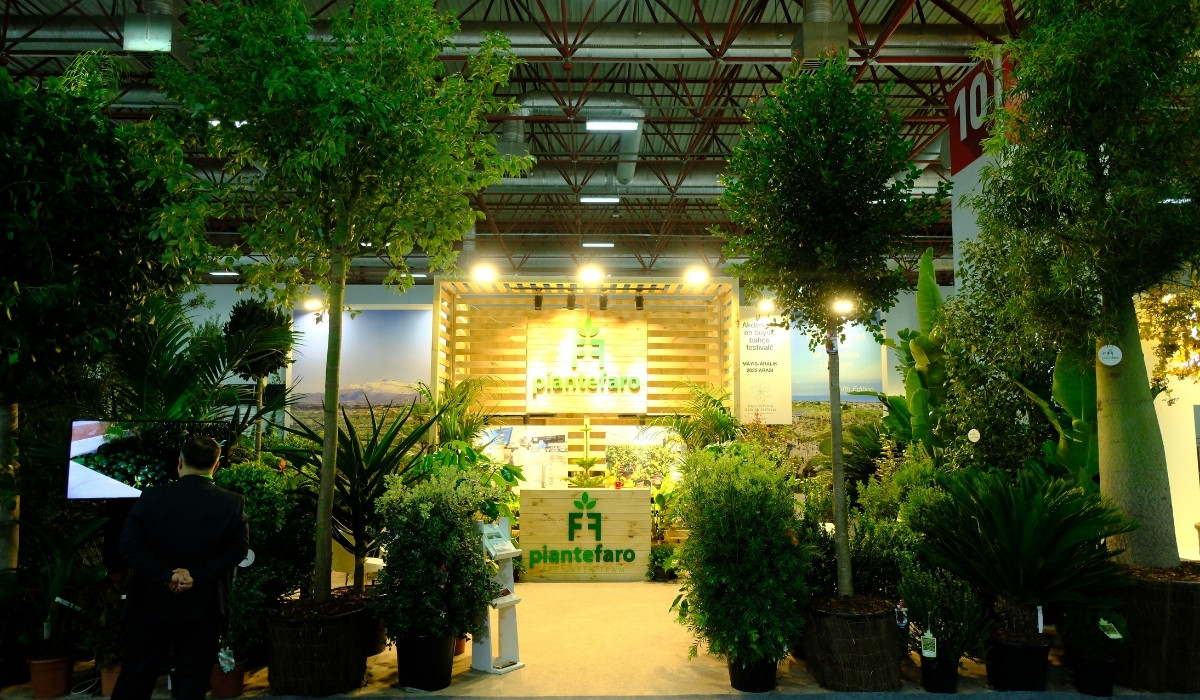
Add free admission for qualified trade visitors, a co-located policy symposium, and discounted Turkish Airlines fares for international attendees, and the fair takes away most of the usual friction that keeps some landscape and horticulture professionals from showing up in person.
Mark Your Calendar
Urban greening will only accelerate as cities keep confronting heat, flooding, and biodiversity loss. Yet horticulture will keep supplying both the plants and the thinking behind where they go. The Landscape Istanbul Fair 2026 is where a good chunk of this thinking takes place in public, out loud, and over four days in October.
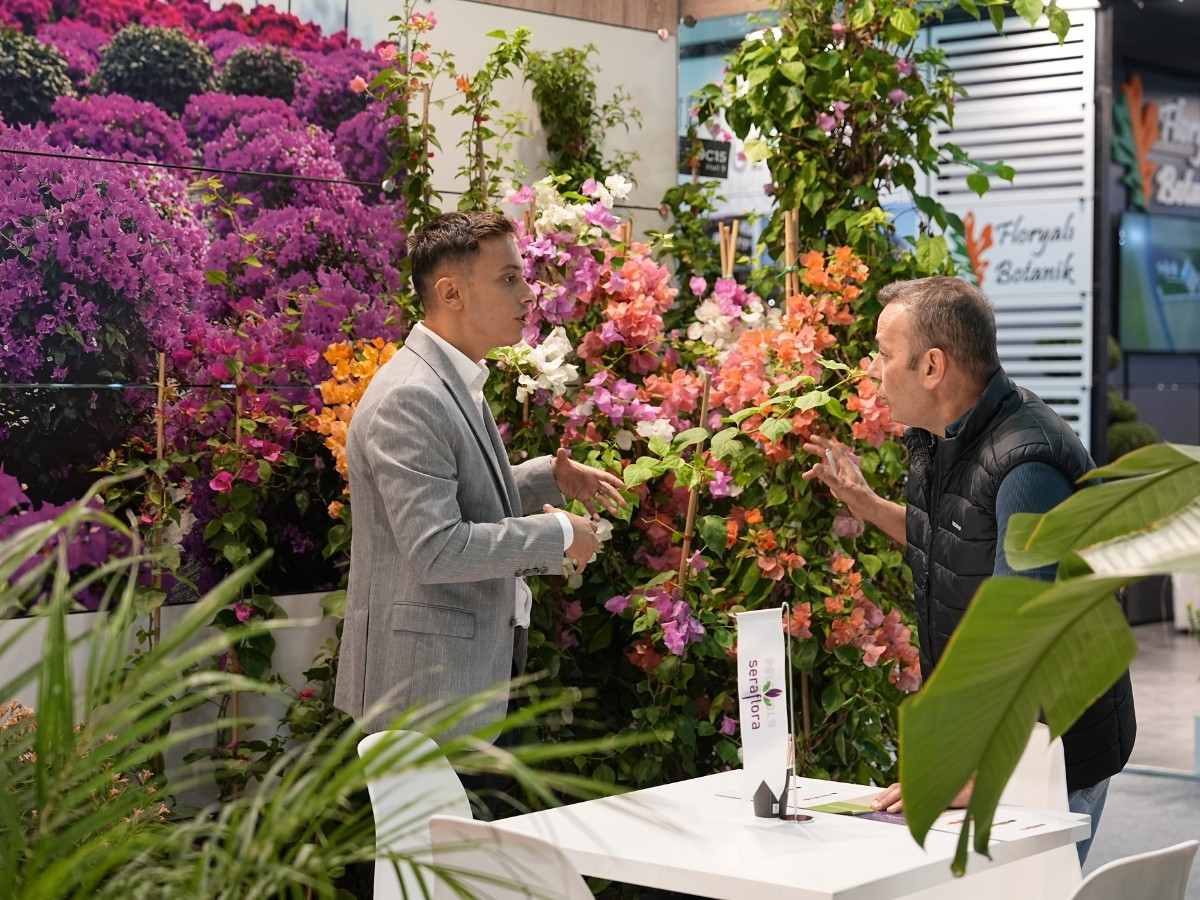
So if greener, more resilient cities are important to your work, this is one event worth having on the calendar. Landscape Istanbul Fair 2026 takes place from October 7 to 10, 2026, at the Istanbul Fair Center (IFM), Halls 9 and 10, in Istanbul, Türkiye. More information and details are available at peyzajistanbulfuari.com.