ARTICLES

Maharashtra State in India Moves Harder Against Plastic Flowers, and Mumbai Is at the Center of It

The government is tightening action against plastic flower decor, with Mumbai banquet halls, event venues, and markets likely to face sharper scrutiny and enforcement.

By: THURSD. | 20-03-2026 | 3 min read
Thursd Now Floral Education Flowers
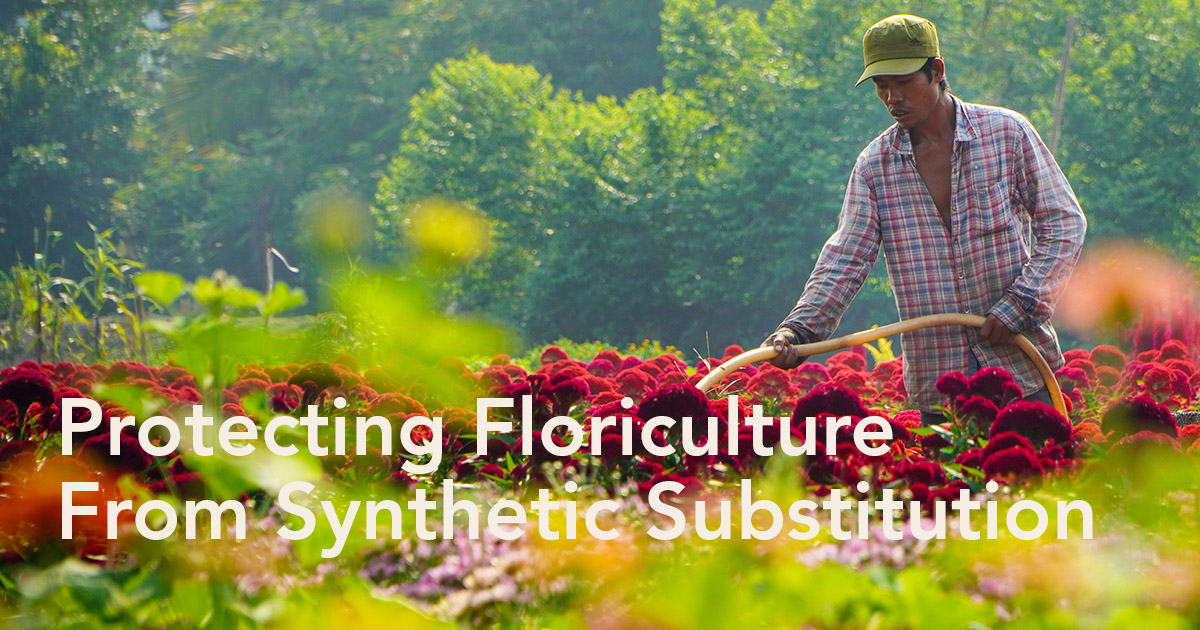
Plastic Flowers Header Image

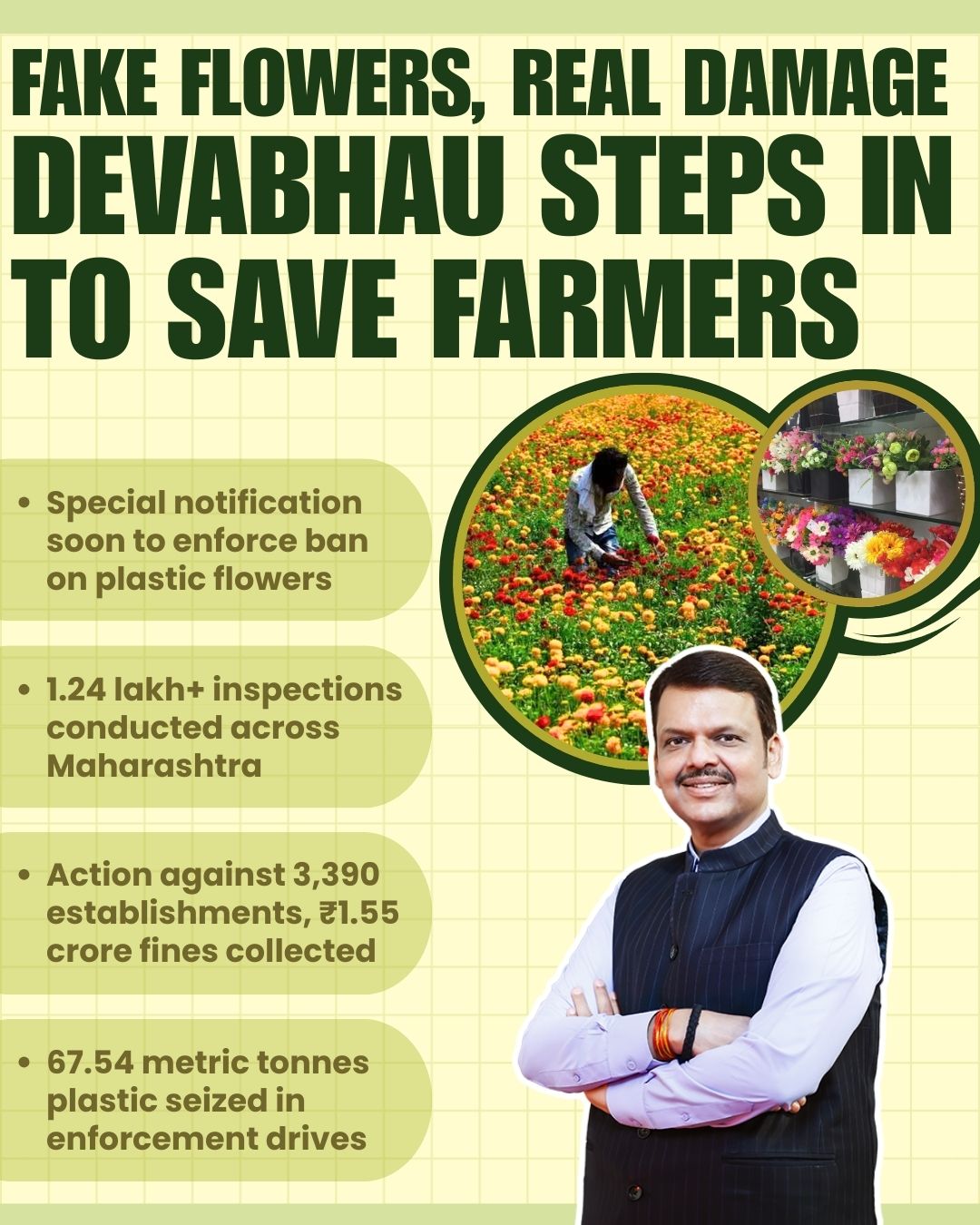
The state of Maharashtra in India has stepped up its action against non-biodegradable plastic flowers, turning what had been a broad state policy into a more visible enforcement drive that directly affects Mumbai's event and floral economy. In the latest move, Chief Minister Devendra Fadnavis said the state will issue a fresh notification and launch a special drive against plastic flowers used at festivals, banquet halls, and similar venues. The message is clear: this is no longer only about what is sold in the market, but also about what is used in decoration at scale.

Plastic Flowers Are an Environmental Problem

For the floral industry, this matters because the government is framing plastic flowers as both an environmental problem and a direct threat to natural-flower growers. State leaders have said real flowers are increasingly being replaced by long-lasting synthetic alternatives, especially at celebrations and large events, which reduces demand for fresh flowers and weakens traditional flower markets. In Mumbai, civic action is expected to focus not only on sellers, but also on decorators, banquet halls, and venue owners who allow plastic floral décor on their premises.
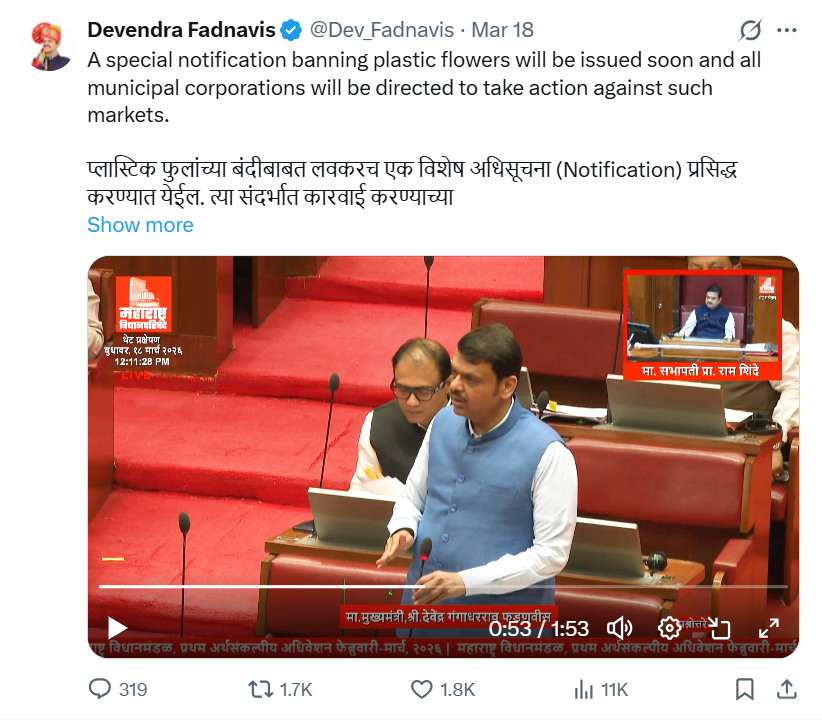
 

Devendra Fadnavis official Tweet about baning plastic flowers
Devendra Fadnavis, Chief Minister of Maharashtra, Image from x.com


This push is not emerging from nowhere. Maharashtra had already announced a statewide ban in July 2025 on the use, sale, and distribution of artificial non-biodegradable flowers. The problem, however, has been uneven implementation and confusion over how the rules apply in real-world settings such as weddings, festival decoration, and event production. That is why the government is now preparing a more specific order that will clarify responsibilities and penalties. Environment Minister Pankaja Munde also pointed to the Maharashtra Plastic and Thermocol Notification, 2018, as an existing legal base, and noted that the Maharashtra Pollution Control Board had already circulated guidance in late August 2025 advising against the use of artificial flowers during festivals.

The enforcement numbers help explain why the state is treating this as more than a symbolic issue. Between April 2025 and January 2026, authorities inspected nearly 0.125 million establishments, acted against 3,390 violators, collected roughly $0.17 million in fines, and seized 67.54 metric tonnes of single-use plastic. In a broader assembly update earlier this year, the government also said that around 92,000 violations had been recorded over the previous four to five years, with 4,135 tonnes of plastic waste collected. Together, those figures show that Maharashtra sees plastic enforcement as an ongoing structural issue, not a one-off campaign.


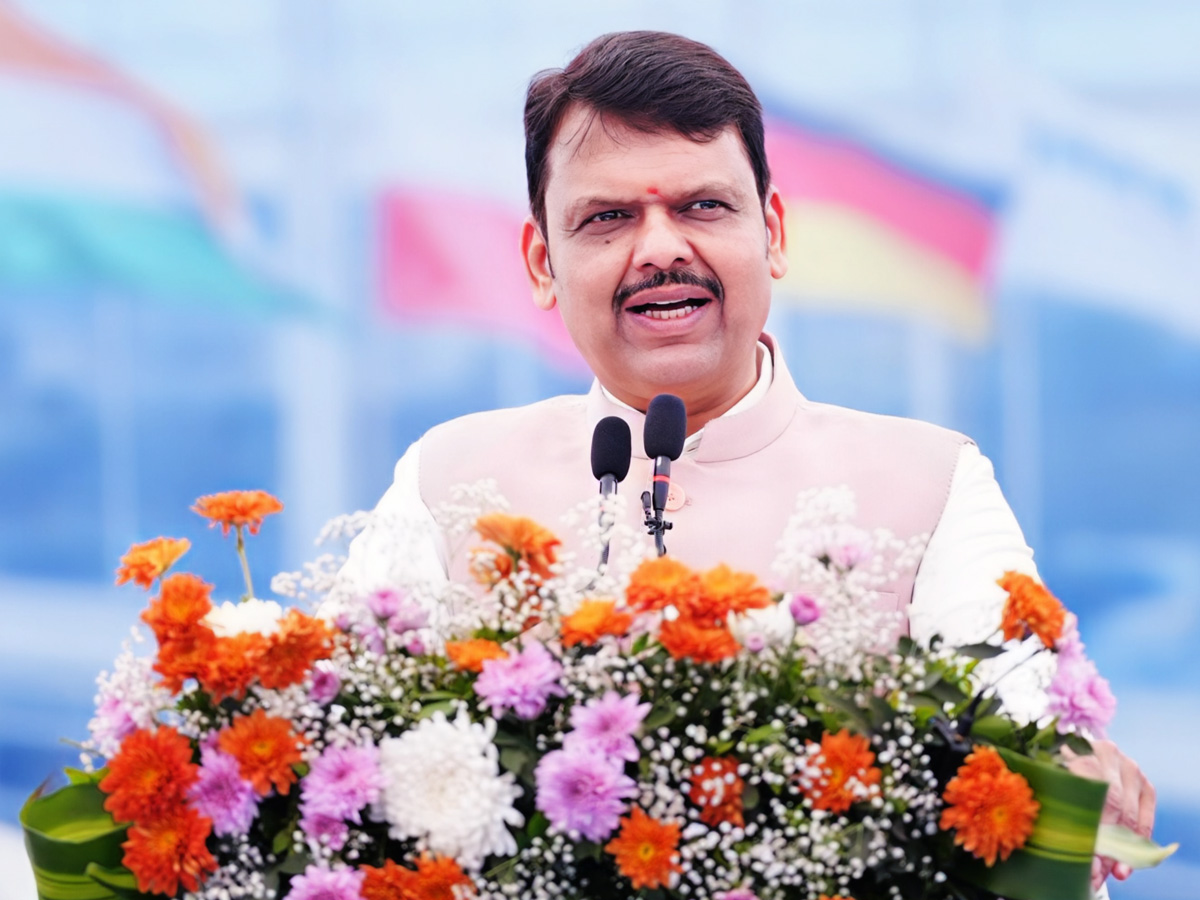
Devendra Fadnavis protecting Maharashtra's flower grower
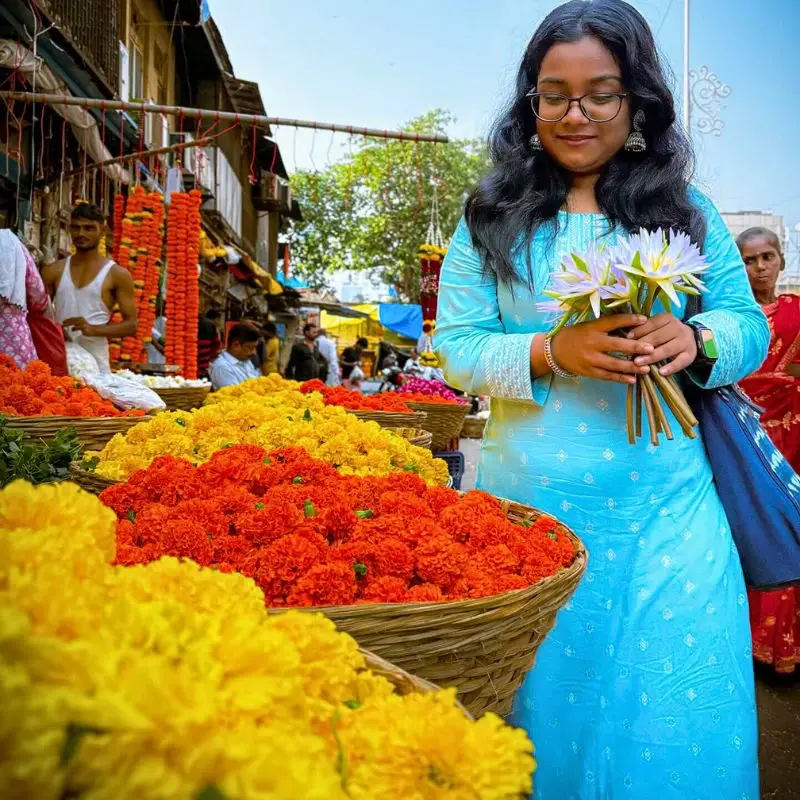
Picture from @bhatiacrish___


There is one practical nuance. During the latest discussion, lawmakers acknowledged that the wedding season complicates immediate enforcement. A short transition period was suggested to avoid sudden disruption to upcoming functions, and the chief minister indicated that the final notification would clarify the timing, fines, and liability. Even so, the direction of travel is unmistakable. Maharashtra wants plastic flowers out of its festivals, halls, and décor circuits, and Mumbai will likely be one of the first places where that intent becomes visible on the ground.
The bigger story is what this says about the value of fresh flowers. The Maharashtra government is not only defending environmental policy. It is also, in effect, making a public case for the economic and cultural relevance of real flowers in ceremonies, markets, and daily floral trade. If implemented seriously, this could become one of the clearest recent examples of a government stepping in to protect floriculture from synthetic substitution.

FAQ

What exactly has Maharashtra announced about plastic flowers?

Maharashtra has said it will intensify enforcement against non-biodegradable plastic flowers by issuing a fresh notification and running a special drive focused on festivals, banquet halls, event venues, and related markets. The state has made it clear that action will not stop at sellers. Decorators, hall operators, and venue owners who permit plastic floral décor may also face notices, fines, and prosecution under the clarified framework.

Is this a new ban, or stricter enforcement of an old one?

It is better understood as stricter enforcement of an existing policy. Maharashtra had already announced a statewide ban in July 2025 on the use, sale, and distribution of artificial non-biodegradable flowers. What changed in March 2026 is the state’s decision to close enforcement gaps, clarify penalties, and directly target places where plastic flowers continue to be used widely, especially in decoration and event settings.

Why is this important for the fresh-flower industry?

The government has explicitly linked plastic flowers to losses for natural-flower growers and traditional flower markets. Its argument is that synthetic flowers are replacing fresh flowers at weddings, festivals, and decorative events, cutting demand for real floral material. For floriculture, that makes this more than an environmental story. It becomes a market-protection story as well, especially in a state where ceremonial and festival flower demand carries economic weight.

What do the enforcement numbers show so far?

The state’s own figures suggest that plastic enforcement is already active at scale. From April 2025 to January 2026, authorities inspected nearly 0.125 million establishments, penalized 3,390 violators, collected about $0.17 million in fines, and seized 67.54 metric tonnes of single-use plastic. Officials have also cited a broader tally of roughly 92,000 violations over the past four to five years, indicating that the issue is persistent and statewide.

What could this mean for Mumbai florists, designers, and event professionals?

In Mumbai, the impact could be significant because the city sits at the intersection of events, hospitality, retail flower trade, and large-scale visual styling. Florists working with fresh material may see this as supportive policy, while decorators and venues that rely on plastic floral props may need to adjust quickly. If municipal bodies begin active inspections and issue notices, the shift could reshape sourcing choices for weddings, festivals, and banquet décor.

YOU MAY ALSO LIKE

The Value of Real Nature Becomes More Essential
Real Nature in an Exponential World | AI, Technology and the Value of Living Systems
ai vs real
When AI Makes Everything Look Real Then People Start Looking for What Is
Coordinated Efforts Show How India Is Gradually Beating the Synthetic Flower Scourge - Thursd Article
Coordinated Efforts Show How India Is Beating the Synthetic Flower Scourge
Neil deGrasse Tyson - Flowers Give Meaning
The Fact That Flowers Die Is the Very Reason They Have Meaning
Trending Sustainability
Jan 09 | 3 min read
Easy and Practical Tips to Distinguish Between Real and Faux Flowers
8 Easy and Practical Tips to Distinguish Between Real and Faux Flowers
Floral Education Flowers
Jul 23 | 6 min read
​Nepali local levels ban plastic flowers in Banke and Kailali
Local Levels in Nepal Take Positive Steps Towards Sustainable Floral Traditions
four phones with a thursd page open

Can't get enough?

Subscribe to the newsletter, and get bedazzled with awesome flower & plant updates

Sign up