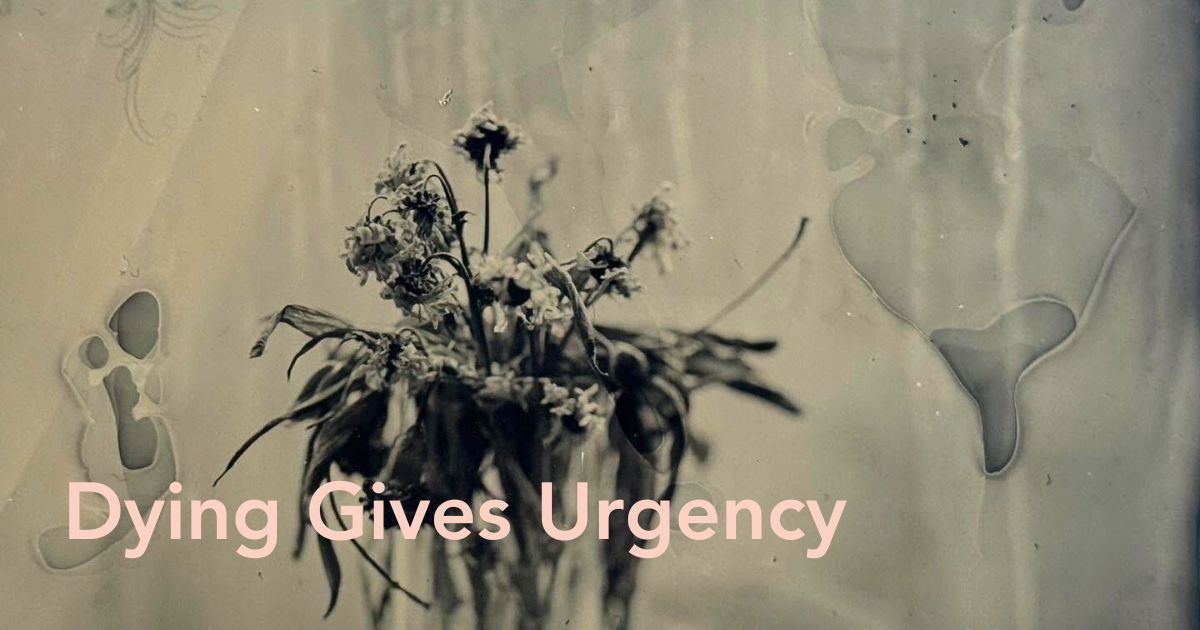
I recently posted a fragment from Neil deGrasse Tyson on my LinkedIn page that lingered with me longer than most arguments or opinions do. His observation was disarmingly simple: the fact that flowers die is not a flaw. It is the very reason they matter.
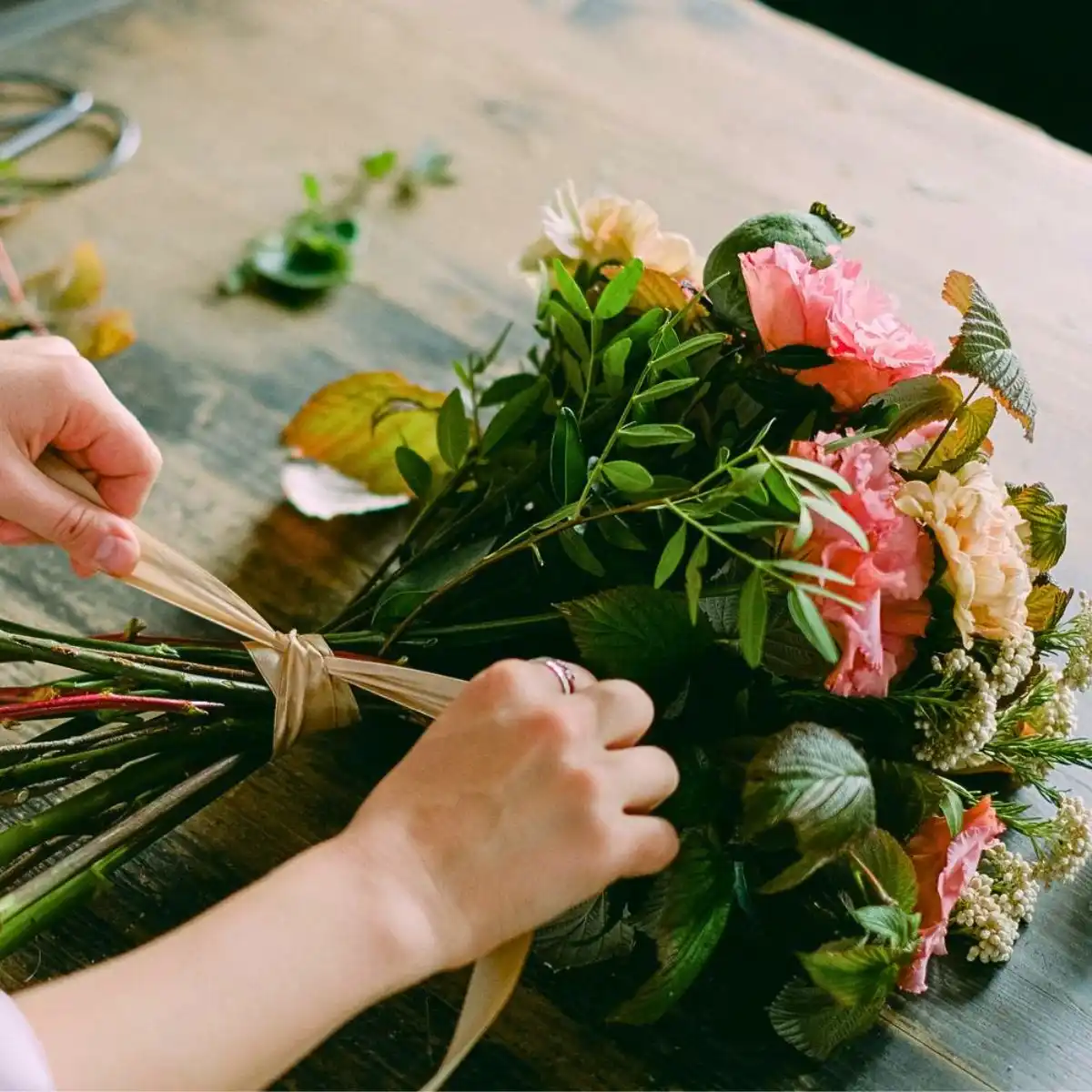
This idea resonates deeply when you have spent a lifetime around real flowers. Not as symbols, not as abstractions, but as living organisms that demand attention, care, and timing. Flowers do not pretend to be permanent. They make no promise beyond the present moment. And precisely because of that, they ask something of us.
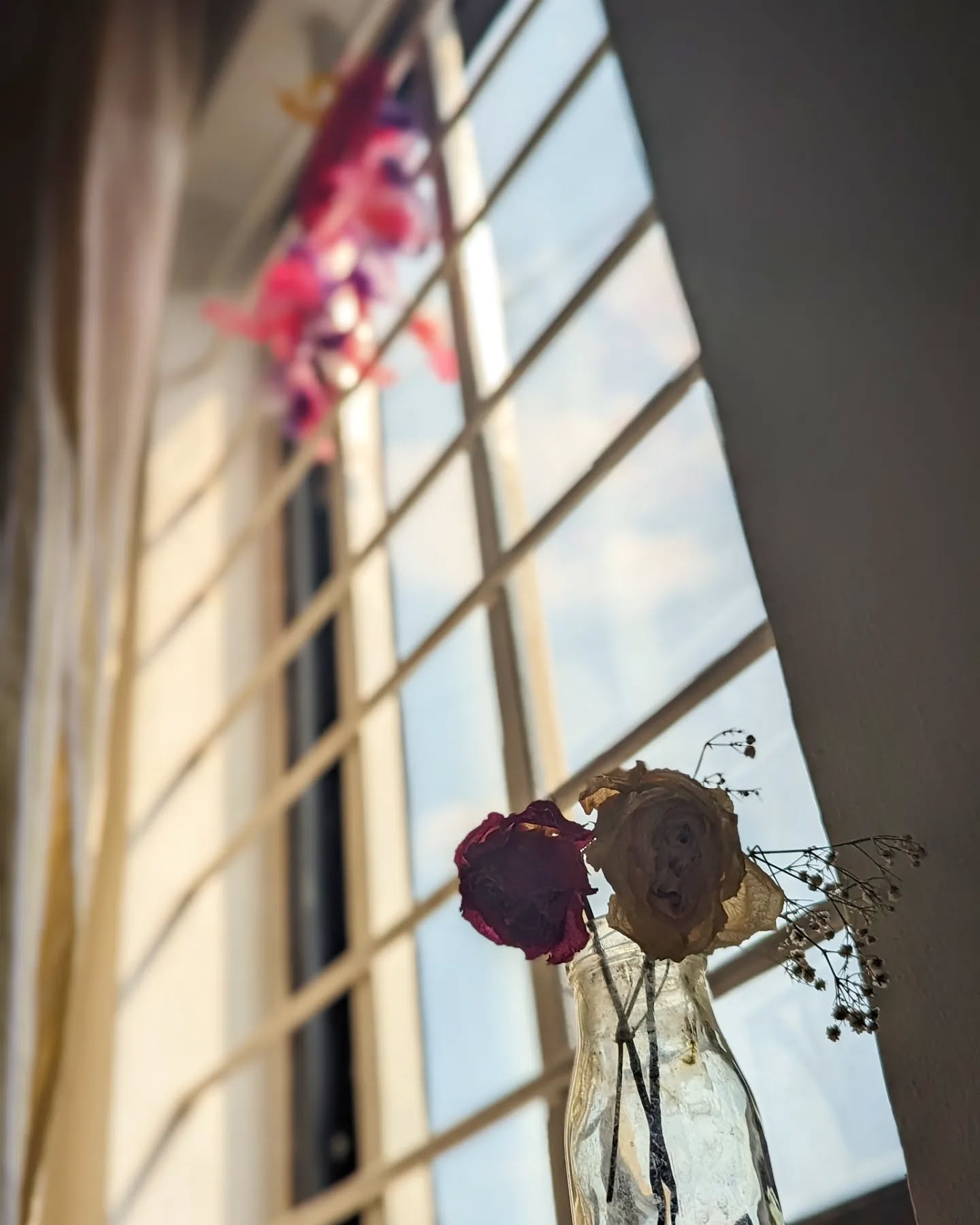
Meaning Does Not Live in the Forever
We are conditioned to associate value with longevity. Products must last. Systems must scale. Experiences must be repeatable. Permanence has become a proxy for importance.
Yet most of what gives life weight operates outside that logic.
A conversation that changes you. A goodbye that stays with you. A moment you wish you had treated with more care. These experiences matter not despite their brevity, but because of it. If everything were endless, nothing would ask for our attention.
Flowers exist squarely in that truth. Their lifespan is limited, visible, and unavoidable. You cannot postpone engagement. You either notice them now, or you miss them entirely.
Video clip of Diary of a CEO by Neil deGrasse Tyson
What Plastic Flowers Really Communicate
This is also where plastic flowers quietly reveal their message. They offer permanence, but remove responsibility. They stay without asking anything in return.
A plastic flower does not say “I care.” It says, “I don’t want to be bothered.” No water. No attention. No risk of loss. In that sense, plastic flowers are not neutral substitutes. They communicate distance. They turn a gesture of care into an object of convenience.
Real flowers, by contrast, ask for involvement. They ask you to show up. And if you do not, they are gone. That is not inefficiency. That is honesty.
Fresh Flowers as Teachers of Attention
This is where flowers quietly outperform many of the narratives we build around them. They do not persuade. They do not instruct. They demonstrate.
They show that care is not theoretical. It is practical and time-bound. They show that beauty is not owned, stored, or optimized. It is encountered. And once encountered, it begins to change.
In that sense, flowers are not decorative objects. They are training grounds for presence. They remind us that value emerges where attention meets limitation.
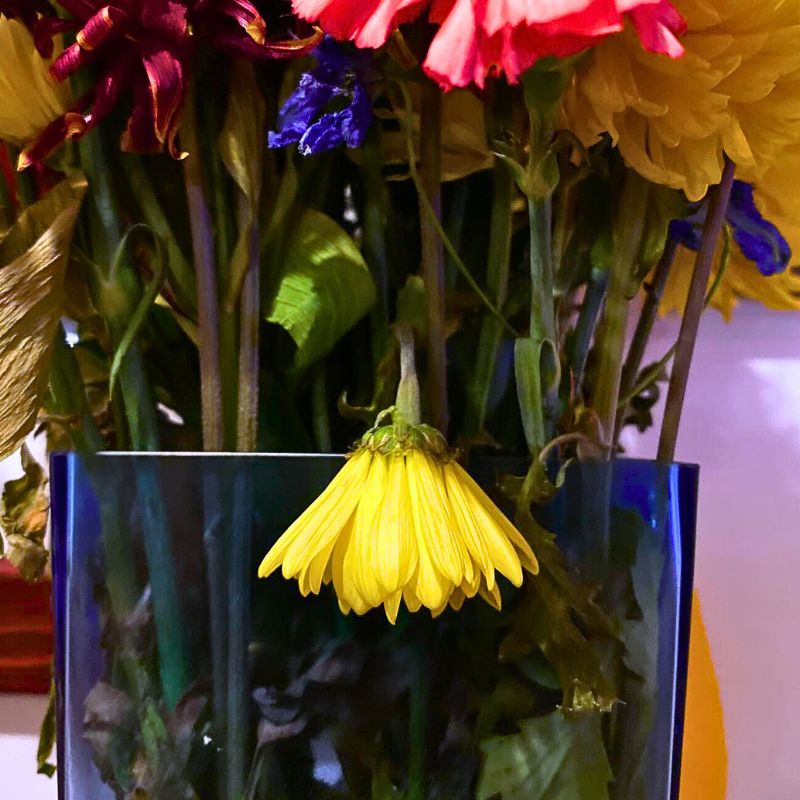
Real Life Is Not Synthetic
In a world moving rapidly toward digital replication, artificial experiences, and the promise of endless availability, flowers offer a counterbalance. They age. They fade. They disappear.
There is no archive of freshness. No replay. No version two.
This is not inefficiency. This is reality.
And reality, when observed closely, is always temporary.
Why This Matters to Me
Perhaps this is why flowers continue to hold relevance across cultures, technologies, and generations. They speak a language older than optimization. A language rooted in time, care, and presence.
They remind us that waiting often costs more than acting. That appreciation delayed is often appreciation lost.
So do not wait for a better moment. Do not outsource meaning to later. Celebrate what is alive while it still is.
Not because it will last.
But because it will not.
Header Picture by @jeanineswallow Feature image by The Diary of a CEO.