We are entering a phase in which realism is no longer a given. Images sound convincing. Text feels confident. Video looks authentic. And yet more people are quietly asking the same question:
Is this actually real?
Artificial intelligence did not just accelerate production. It destabilised trust. When anything can be generated instantly, originality loses its anchor. Presence becomes uncertain. And the line between imitation and experience gets thinner by the day.
It's not a technology issue. It is a human one.
The Credibility Gap
For decades, progress meant efficiency. Faster tools. Better replication. Smoother outputs. AI is simply the logical endpoint of that trajectory. But something unexpected is happening. The more convincing artificial content becomes, the more people hesitate. Not because it is bad. But because it is everywhere. When everything looks real, nothing feels grounded.
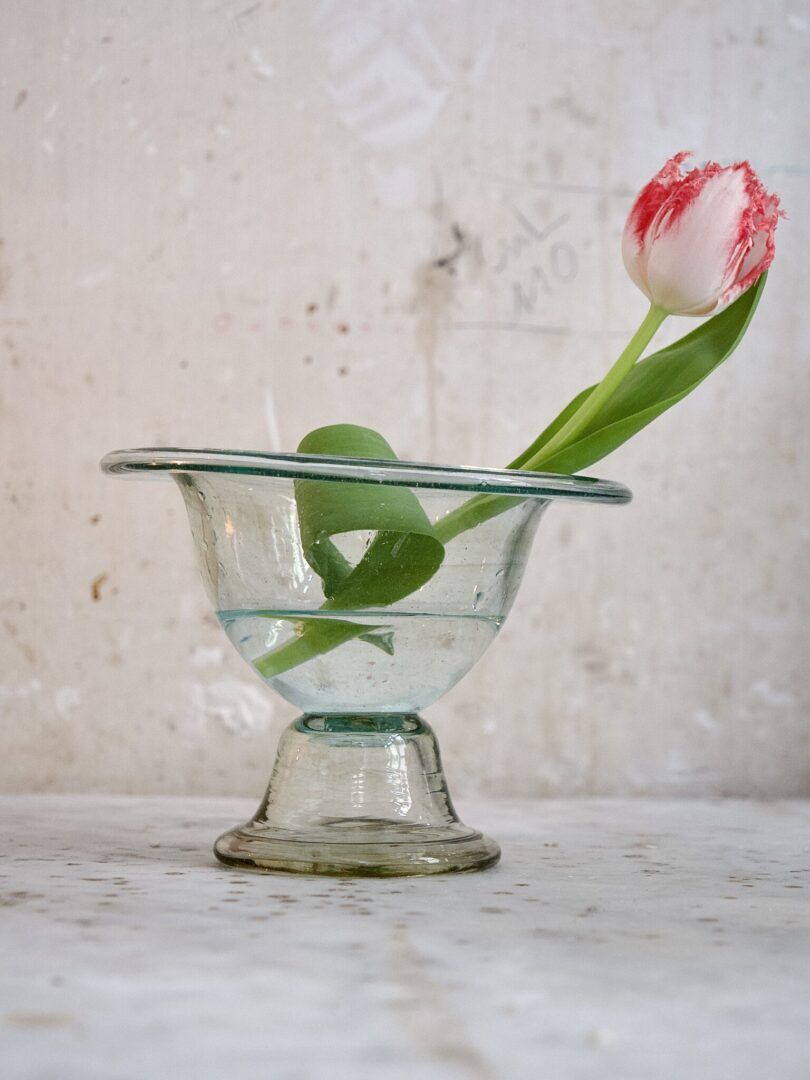
This creates a credibility gap. Not in data, but in experience. People no longer trust what they see on a screen by default. They start looking for signals that cannot be faked. Texture. Time. Imperfection. Growth.
We already see this shift clearly among younger audiences. The renewed interest in tangible, living environments mirrors broader behavioural patterns often discussed in relation to how Gen Z relates to nature and authenticity.
That is where living nature quietly re-enters the picture.
This search for authenticity does not stop at media and marketing. It reaches into agriculture, sustainability and the design of our cities. I expanded on this perspective in Real Nature in an Exponential World, where I outline why biological systems are becoming strategic infrastructure in an AI driven society.
Why Flowers and Plants Behave Differently
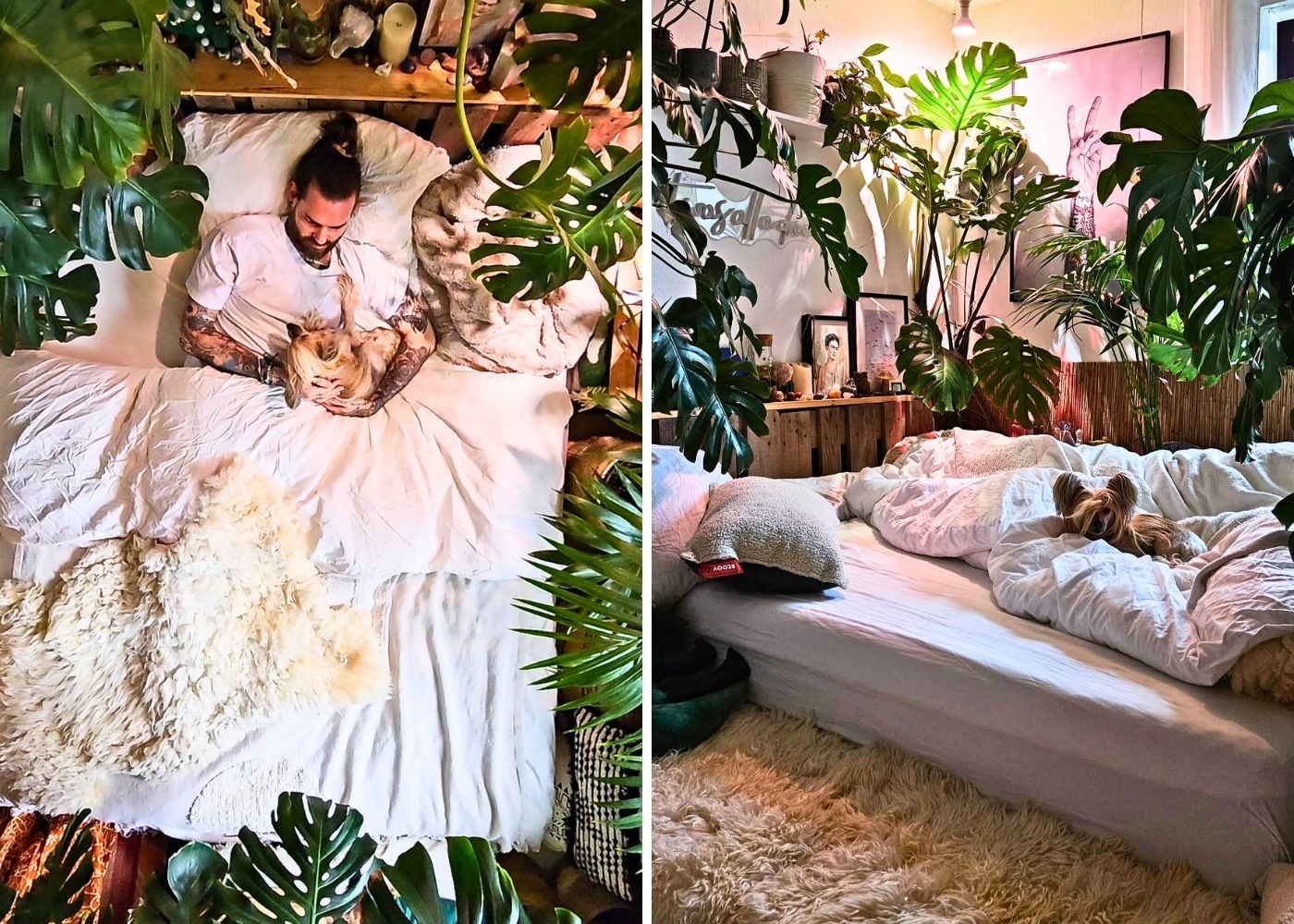
Flowers and plants do not scale like software. They do not repeat perfectly. They age. They respond to context. Light. Care. Neglect. Weather. Season. You cannot prompt a plant into existence. That limitation is precisely their strength. In a world of infinite copies, they remain singular. In a world of constant updates, they follow their own rhythm.
This is not nostalgia. It is behavioural economics. When certainty disappears, people gravitate toward what resists manipulation. This logic underpins much of the growing conversation around biophilic design, where living elements are no longer decorative but structural to how spaces function and feel. Living nature is one of the last things that does.
Urban Life Amplifies the Effect
Cities intensify this shift. Screens dominate work. Algorithms curate attention. Digital environments compress time and flatten experience. Urban residents feel that pressure first. And they respond in small but telling ways.
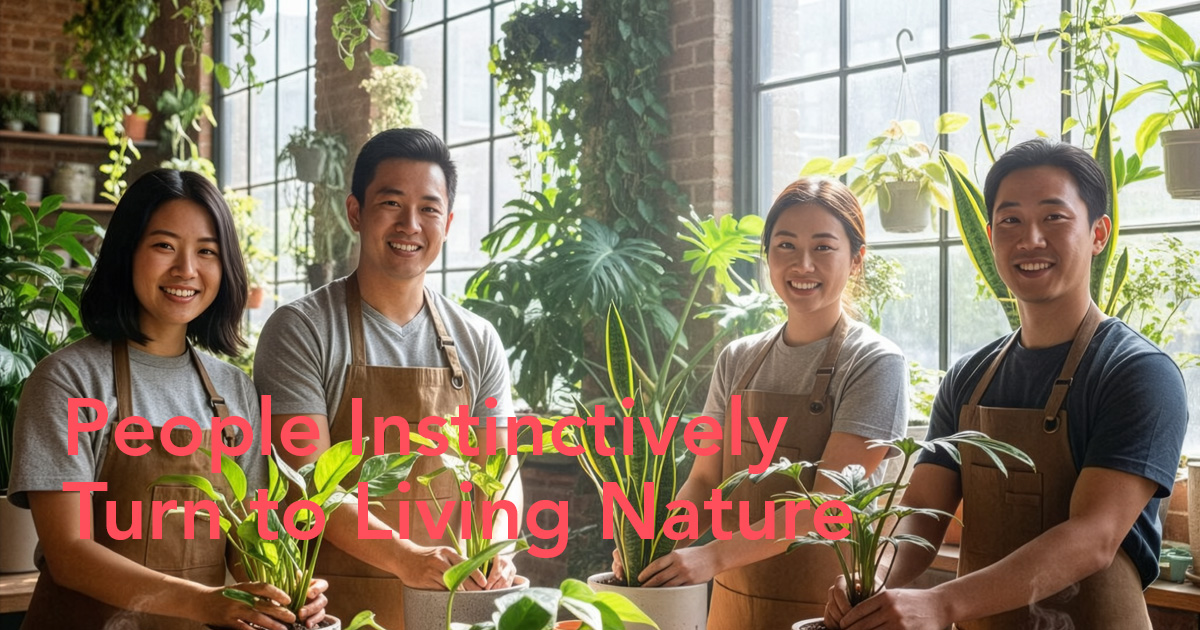
- More plants in homes and offices
- More attention to street greenery
- More appreciation for local florists and visible growing spaces
Not as decoration. As grounding.
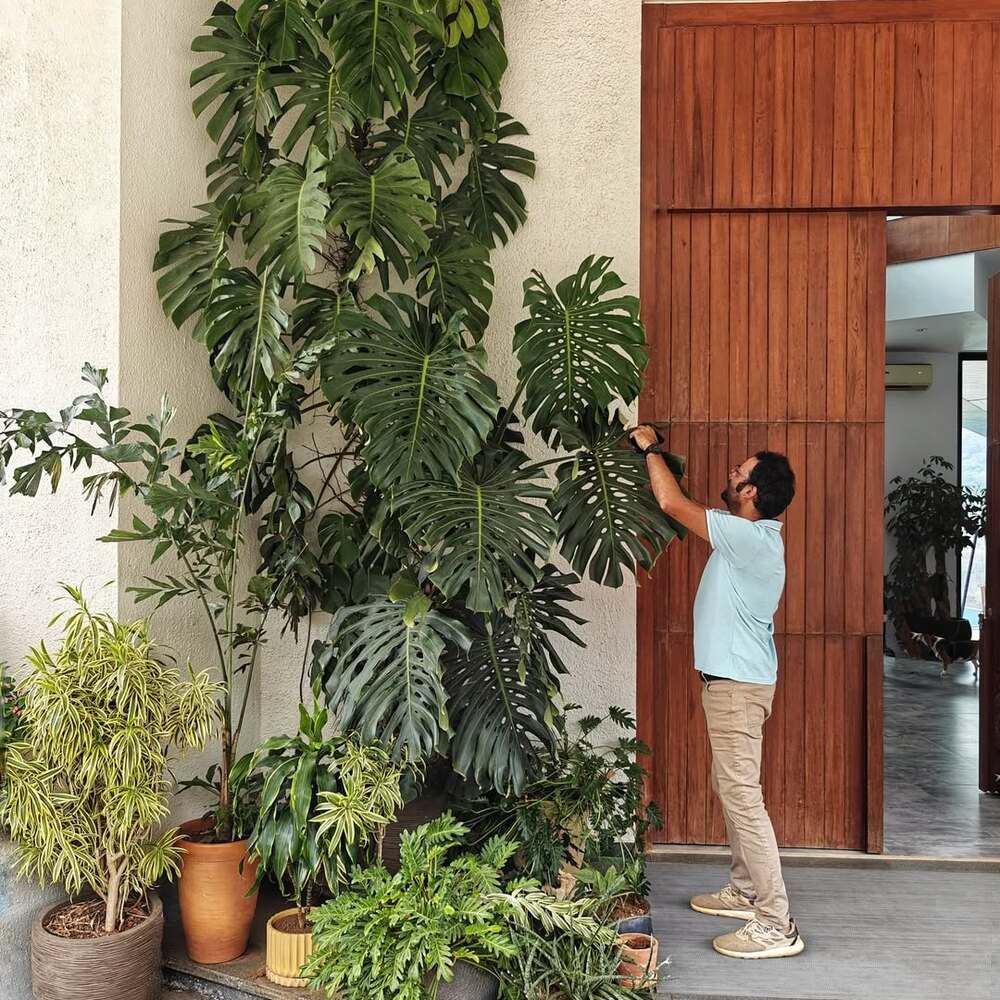
Flowers and plants introduce friction into an otherwise frictionless world. They slow people down. They remind them that not everything is optimised. And that not everything should be. This is why discussions around urban greening and living cities are no longer about aesthetics alone, but about resilience, well-being, and trust.
This Is Not a Trend. It Is a Correction
The renewed interest in flowers and plants is often framed as a lifestyle or wellness trend. That misses the point. This is a correction mechanism. As artificial systems become more convincing, human systems recalibrate. People seek reference points that anchor them in reality. Not because they reject technology, but because they need balance.
Living nature offers that balance without explanation. No interface. No update. No simulation.
What This Means for the Floriculture Industry
The opportunity is not to compete with AI. It is to occupy the space that AI cannot enter. That requires confidence. Not louder marketing. Clearer positioning. Flowers and plants do not need to justify their existence with metrics designed for digital products. Their value is experiential, social, and spatial. Especially in dense urban environments where reality increasingly feels mediated.
If we understand that role and communicate it calmly, people will do the rest themselves. Because when nobody knows what is real anymore, they instinctively move toward what still is.
Header image by @tumbleweedplants, featured image by @dickvanduijn.