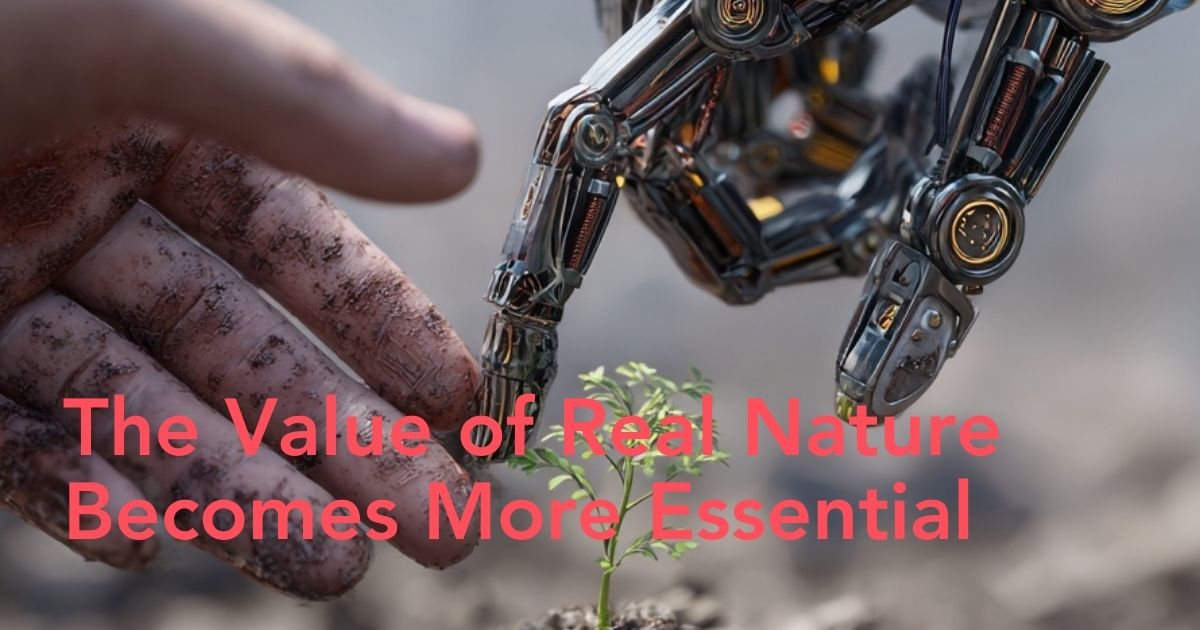
We are living in an age of exponential acceleration. Artificial intelligence writes, designs, predicts, and increasingly decides. Platforms replace institutions. Data flows faster than ever before. The logic of technology is scale, speed, and efficiency. At the same time, something else is happening. The more digital our lives become, the stronger the human need for what is real, tangible, and biological. Not as nostalgia. As a necessity.
This is not a battle between technology and nature. It is a question of balance.
Technology Evolves. Nature Sustains.
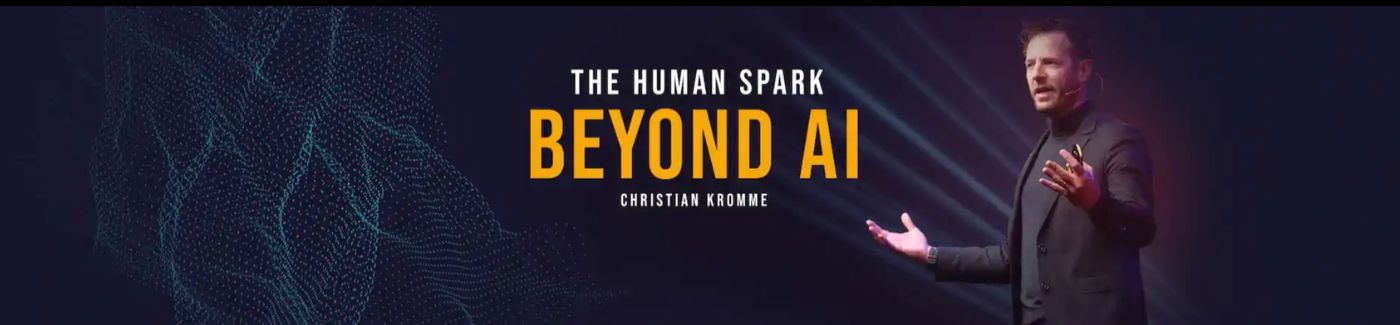
Futurists like Christian Kromme describe technological development as an evolutionary process. Digital systems increasingly resemble biological ones. Networks self-organize. Algorithms learn. Data behaves like DNA. Platforms decentralize. I wrote earlier that AI will lead us back to nature. Not because technology slows down, but because acceleration creates counterforces. When everything becomes digital, the physical becomes scarce. And scarcity creates value.
Technology, in that sense, becomes nature-like. But there is an essential distinction. Biological systems do not simulate life. They create it. Soil produces food. Plants regulate the climate. Trees generate oxygen. Flowers influence emotion and perception in ways no interface can replicate.
Technology organizes information. Nature sustains existence.
The Renaissance of the Tangible
As artificial intelligence becomes embedded in daily life, we will not become less human. We will seek deeper human anchors. Physical experience will gain value. Authenticity will become strategic capital.
I also explored this dynamic in When AI Makes Everything Look Real, Then People Start Looking for What Is. When synthetic images, voices, and texts become indistinguishable from reality, people begin searching for proof of what is truly alive.
We already see early signals:
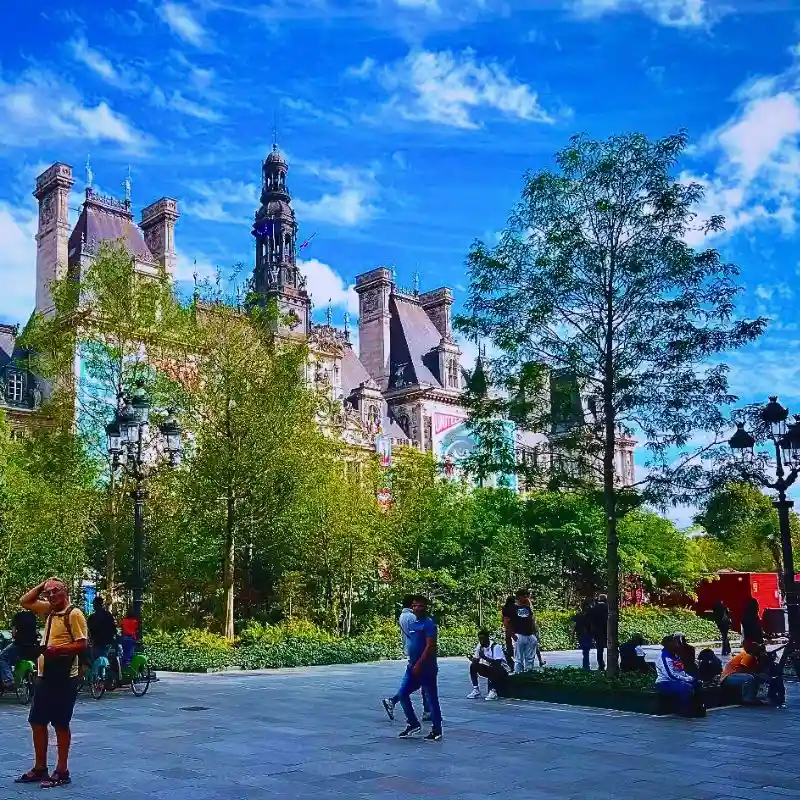
- Urban greening initiatives are gaining political momentum
- Increased consumer demand for transparency in agricultural supply chains
- Renewed interest in local production and circular systems
- Design trends that integrate living plants into homes and workplaces
This is not a coincidence. It is a counterbalance.
Platforms Need Roots
Digital platforms scale globally. They connect buyers and sellers, growers and florists, data and demand. They reduce friction and increase visibility. But platforms without grounding become abstract. Markets without a story become transactional. Data without context becomes noise.
In Media Narratives and the Need for Real Dialogue, I argued that transparency and honest storytelling are no longer optional. In a digital world, trust must be earned through clarity and connection to real practice. The future does not belong to technology alone. It belongs to systems where digital infrastructure supports biological reality.
In floriculture, agriculture, and urban development, this means:
- Using digital tools to increase transparency rather than distance
- Strengthening grower visibility instead of commoditizing production
- Connecting consumers to origin and impact
- Designing cities that integrate green infrastructure as a core policy
Real Nature as Strategic Infrastructure
Green space is not decoration. It is infrastructure. Plants are not lifestyle accessories. They are contributors to climate resilience, mental well-being, and economic vitality. In a world shaped by algorithms, biological systems provide stability. They operate within ecological limits. They demand long-term thinking. They remind us that not everything accelerates exponentially.
The fact that flowers are temporary is not a weakness. It has a meaning. As I wrote in The Fact That Flowers Die Is the Very Reason They Have Meaning, mortality creates value. Biological truth creates depth. No digital simulation can replace that.
Clip from Neil deGrasse Tyson's appearance in 'The Diary of a CEO'
Beyond Either Or
The choice is not between digital acceleration and biological grounding. The real opportunity is integration. Artificial intelligence can optimize logistics. It can improve forecasting. It can strengthen global trade networks. But it cannot replace soil. It cannot replicate scent. It cannot produce oxygen.
The more advanced our technology becomes, the more valuable real, living nature becomes. That is not resistance to progress. It is recognition of interdependence.
A Balanced Voice in an Exponential World
We need leaders who understand both sides. Who recognize technological inevitability and biological reality. Who see platforms as tools, not ends. Who defends authenticity without rejecting innovation.
In floriculture and beyond, this balanced position offers a clear direction:
- Accelerate digital intelligence
- Strengthen biological resilience
- Build economies that value both efficiency and life
The future will not be less technological. But it must remain deeply human. And humanity, ultimately, is rooted in nature.
No flowers, no future...