The majesty palm is sold as an easy indoor palm. It is not. It is one of the more demanding palms you can put in a living room, and the gap between how it is marketed and what it actually needs is why so many of them look tired within six months.
None of that means you cannot grow one well. It means you have to know what the plant is: Ravenea rivularis, a riverbank palm from Madagascar. Everything that follows comes from that one fact.

What the Majesty Palm Actually Is
The species epithet rivularis means of streams, and that is exactly where it grows. The North Carolina Extension describes its preferred habitat as the edges of rivers and streams in Madagascar, where it has a small native range while being a popular houseplant worldwide. It also says plainly that the plant requires high humidity, bright indirect light and consistent moisture, and may be difficult to grow indoors.
That is an unusual thing to find in a plant database, and it is worth taking seriously. In its native habitat it grows fast and reaches serious height. Indoors it grows much more slowly, because almost nothing in a normal room resembles a Madagascan riverbank.
Majesty Palm Care
Light
As much bright indirect light as you can give it. A spot near a large window, or a bright conservatory, is the difference between a plant that holds its color and one that slowly pales. Direct midday sun through glass will scorch the fronds, so bright but filtered is the target. A majesty palm in the dim corner where people usually put palms will decline, quietly, over a year.
Water
Consistently moist, and more than you would give most houseplants. This is a plant that grows with its roots near running water. Let the surface dry slightly, then water thoroughly until it runs from the drainage holes. Do not let it dry out completely, and do not let it stand in a full saucer either, because stagnant water is different from moving water and roots still rot.
Water quality matters more here than with most plants. Majesty palms are sensitive to fluoride and to salt buildup from fertilizer, both of which show as brown tips. If your tap water is heavily treated, filtered or rainwater helps.
Humidity
This is the one people skip and it is the one that decides the plant's fate. Dry heated air in winter produces exactly the crisp brown frond tips that everyone assumes is underwatering. Group it with other plants, run a humidifier, or keep it in a bathroom or kitchen with good light. Misting looks helpful and does very little on its own.
Temperature and Feeding
Keep it between about 18 and 26°C (64 to 79°F) and away from cold drafts and radiators. Feed monthly through spring and summer with a balanced fertilizer at half strength, and stop in winter. Palms are sensitive to overfeeding, and salt buildup is a common cause of tip burn.
Why Your Majesty Palm Has Brown Tips
Because this is the question everyone actually arrives with, here it is in order of likelihood.
Low humidity. The most common cause by a distance, especially between October and March in a heated home.
Water quality or fertilizer salts. Shows as tips first, then a browning margin creeping in. Flush the pot thoroughly with plenty of water a few times a year to leach out accumulated salts.
Underwatering. Real, but less common than people think, and usually accompanied by the whole frond going pale rather than just the tips.
Too little light. Produces general decline, thin new fronds and a plant that never replaces what it loses.
A Kentia grower in Aalsmeer reads the same list. Brown tips come from dry air from the heating and from irregular watering, plus salt that builds up in the potting soil, says Blom Kentia Palmen, the palm nursery of the brothers Paul and Christian Blom. And the majesty palm starts with less margin: it grows along rivers and is adapted to a moist spot, the nursery notes, while the Kentia copes better with changing conditions but still needs enough water.
Once a frond tip is brown it stays brown. You can trim it, following the natural shape of the leaflet, but the fix is upstream. Do not remove a whole frond unless it is more than about half dead, because the plant is still drawing from it.
Pests
Spider mites are the main problem indoors, and they arrive precisely because the air is dry, which is the same root cause as the brown tips. Fine webbing between leaflets and a stippled, dusty look on the fronds are the signs. Raise the humidity, wash the fronds down, and treat if it persists.
Is a Majesty Palm the Right Palm for You
Honest answer: if you have a bright humid spot, yes, and it is a beautiful plant for the money. If you want a palm for an average living room with dry winter air and moderate light, there are easier options, and Thursd covers several of them.
The Kentia palm is the classic low-light indoor palm and considerably more forgiving. The cat palm is a smaller, bushier alternative that handles indoor conditions better than a majesty. For the outdoor and landscape end, Thursd's guide to tropical garden palm trees covers the species that work in the ground, and the queen palm is the closest large-scale relative in feel.
Why the Kentia Palm Forgives More
Just so that you know, the Kentia, Howea forsteriana, comes from Lord Howe Island, east of Australia, and it is the palm Blom Kentia Palmen grows from seed in Aalsmeer. "It tolerates less light and lower humidity better than many other palms," the nursery says. It can also get through a spell with less water, and its slow growth plays a part in that. Then the caveat: "That does not mean, by the way, that it needs no light or water at all."
A seed takes about a year to germinate, and after that a Kentia grows about 50 cm (20 inches) a year, according to the nursery. So a plant of 150 cm (59 inches) is about three years old from germination, or about four from sowing. Quite some patience behind a tall one in the shop, you'd agree!
Its first winter indoors is the test, so watch the watering. Heated rooms dry the air, and the root ball should never dry out. The nursery's check is simple: lift the pot. If it feels light, the palm needs water.
Thursd's majesty palm listing has the shorter overview if you want the basics in one place.
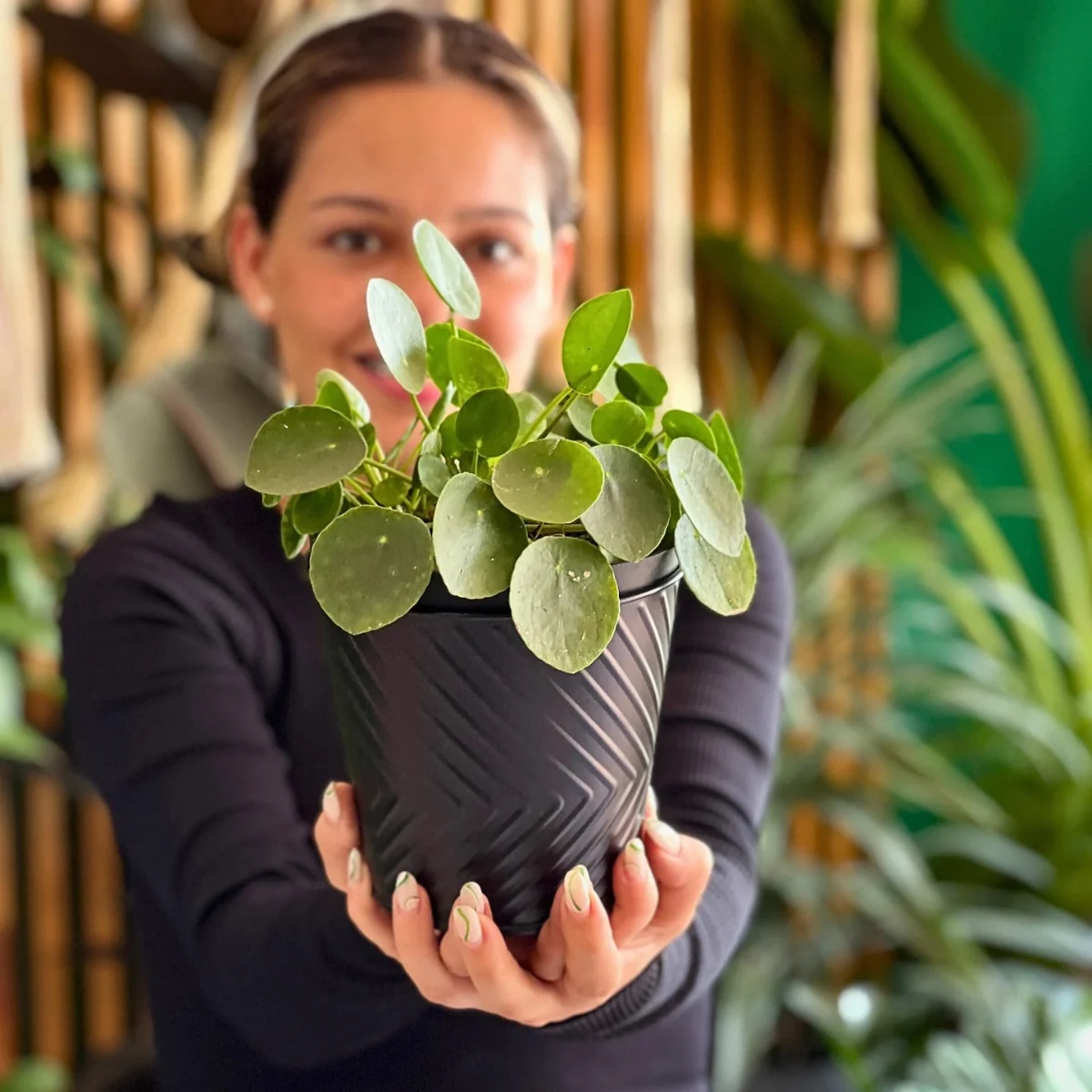
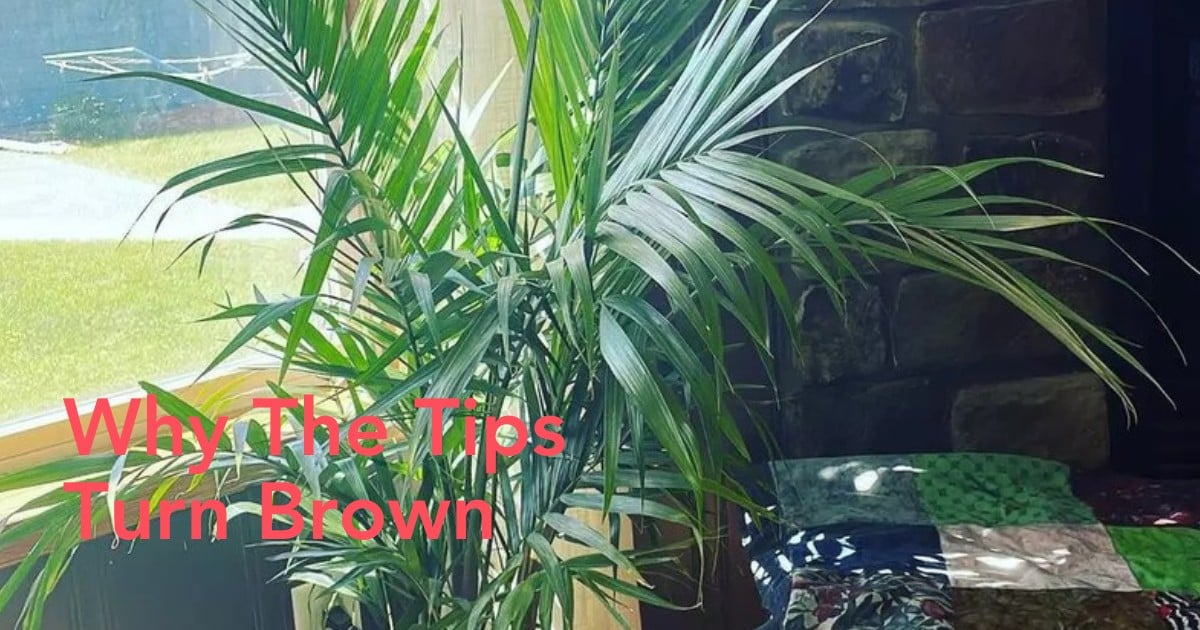
Featured image: a majesty palm on the shop floor, photo by The Plant Place Cochrane (@theplantplacecochrane). Header image: majesty palm indoors. Picture by @the_no_d_ccc_slp.
About the author: Brian Okinda is an editor at Thursd and a trained journalist specializing in agriculture, science, and sustainable floriculture. He covers the flower industry from the inside, from farms and expos to the people behind the flowers. Connect with Brian on LinkedIn.