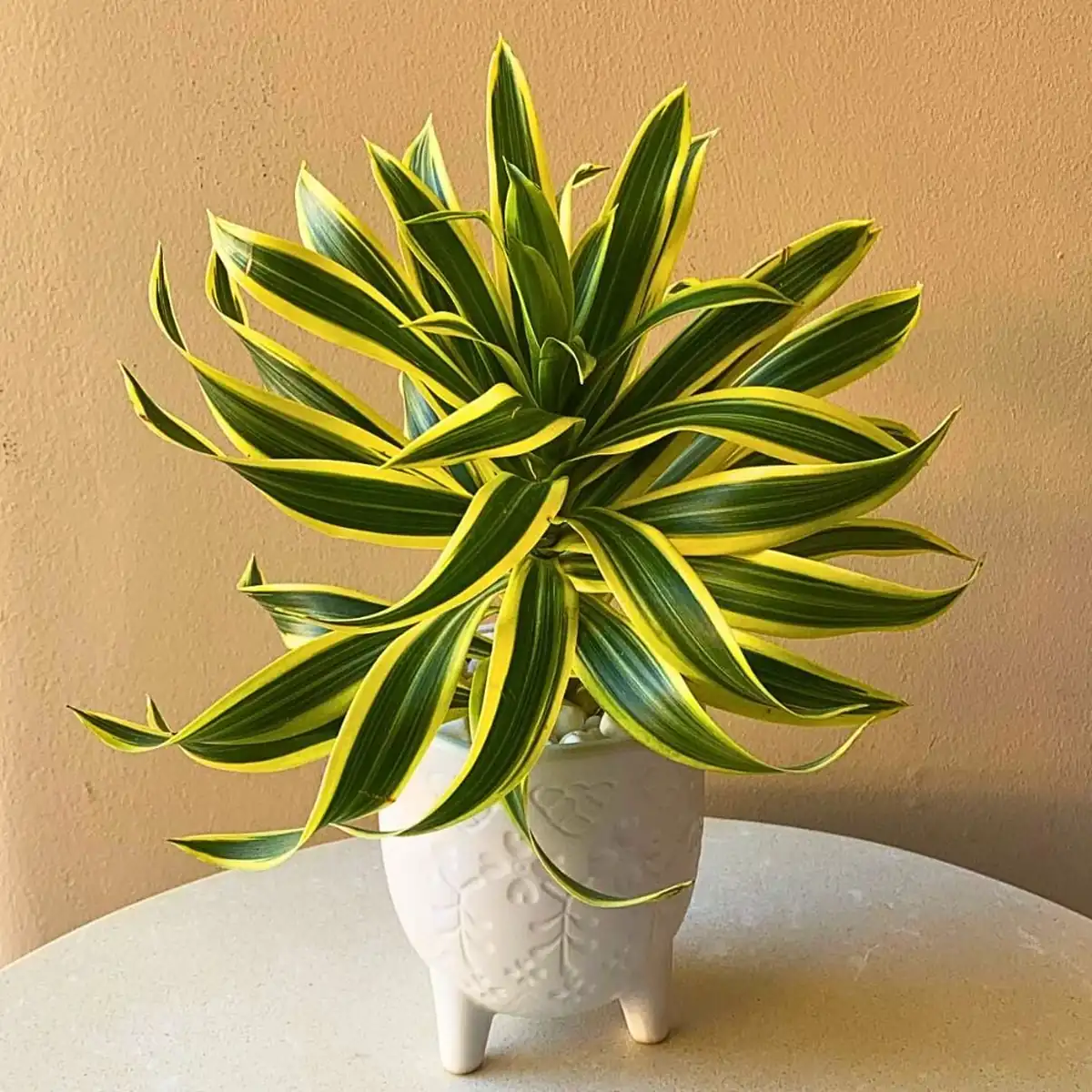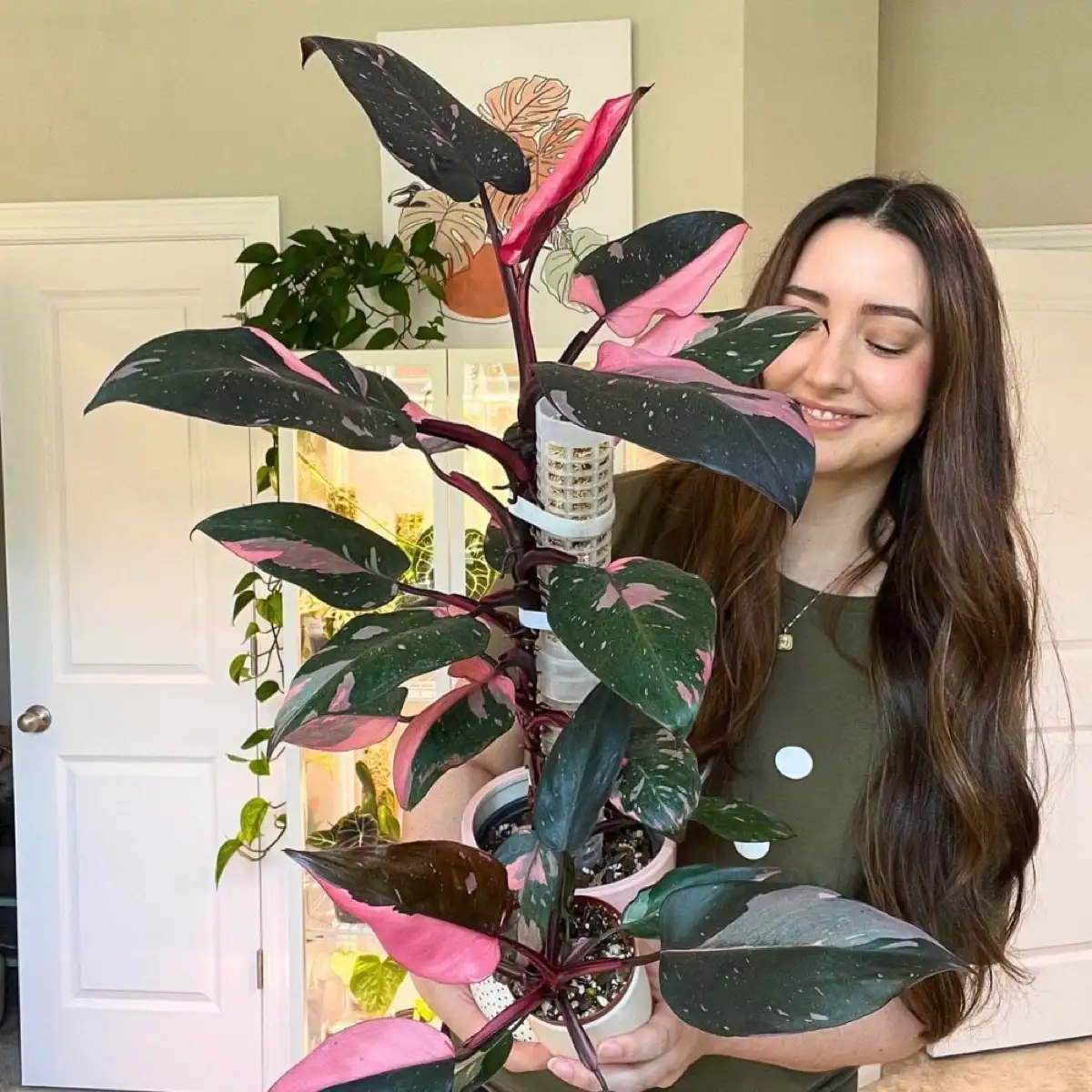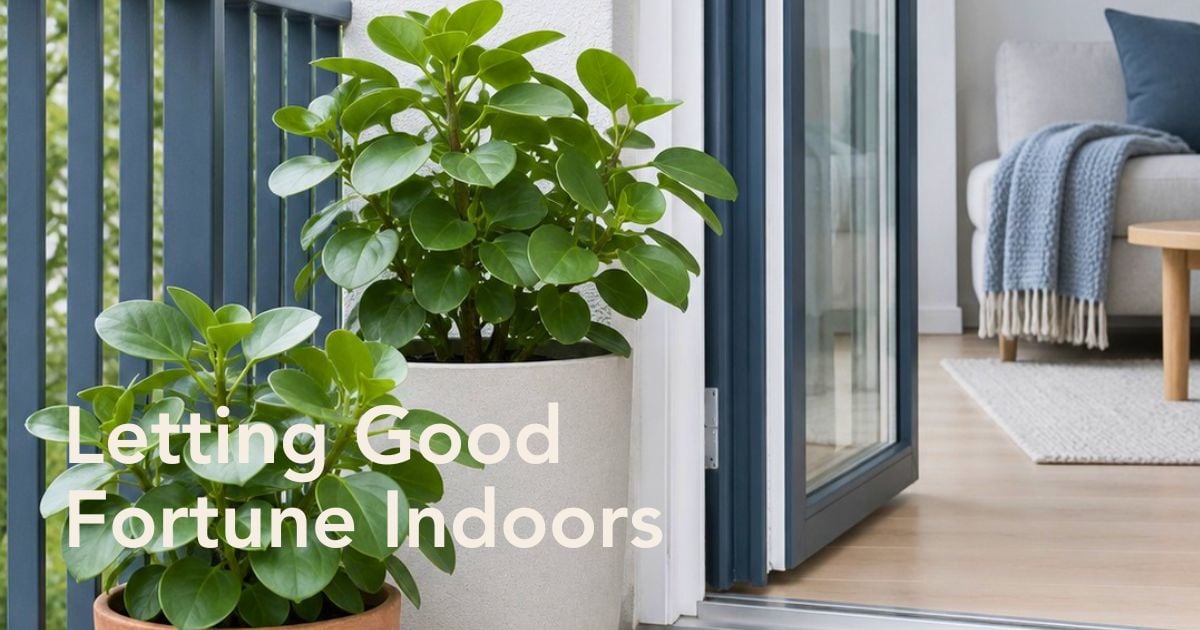
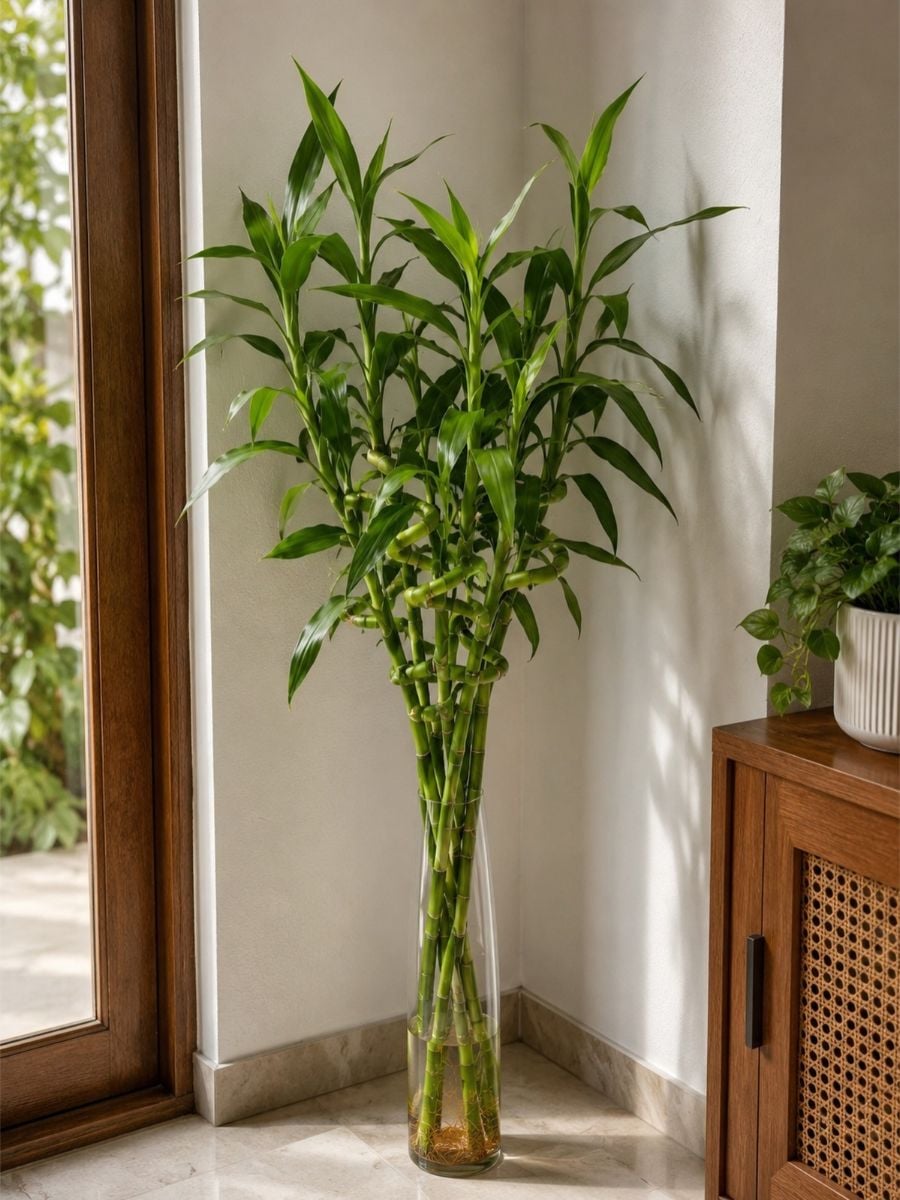
The front door is the first thing a guest sees and the last thing you pass on the way out, so it is no surprise that people have often grown a plant beside it. But the question is, which one? If you ask a feng shui practitioner, you will likely hear about jade plants, lucky bamboo, rubber plants, or money trees. In Vastu Shastra, the traditional Indian system of space, Tulsi (holy basil), money plants, Jasmine, and the peace lily would lead the list.
For folk tradition, and if you ask someone from the British countryside, they may point to rosemary beside the step, or lavender and citrus. While there is no particular winner, there are strong favorites. And each has reasons, rules, and a few cautions worth knowing. So what makes a plant lucky when placed at the home’s doorway? Which ones suit an entryway best? And how do you keep them thriving?
Why Do People Put Plants at the Door?
The front door (entrance) is a threshold, and many cultures view thresholds as places that need guarding or welcoming. It is where energy enters the home, so the plant beside it sets the tone. Vastu Shastra demands a healthy, welcoming plant on either side of the door, and it keeps the threshold clear of plants that block the door or grow over it.
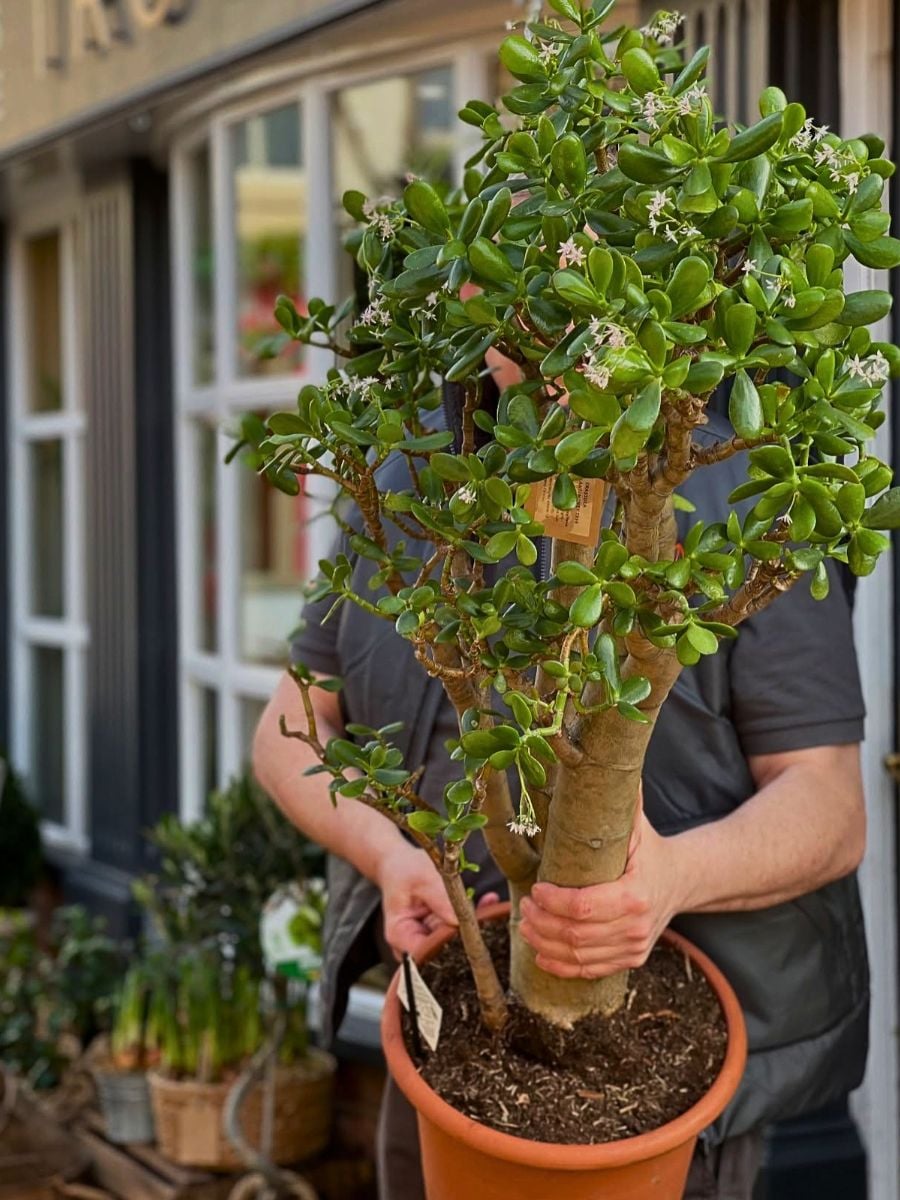
Feng shui adds a rule of shape, with soft, rounded leaves suiting an entrance, while sharp or thorny forms are viewed with caution. Plants at the front door in feng shui are said to invite positive energy and tranquility, as long as they are not so crowded that they block movement. Above all, these traditions demand that a lucky plant must look alive. A wilting plant is no blessing in either one.
Elsewhere in folk traditions, a plant at the entrance was a protector. In early modern England, rue was called the ‘herb of grace’ and was grown by the door to keep out witches, while Hawthorn branches hung over doorways in Britain and Central Europe well into the nineteenth century. Whichever the tradition, there is a similar logic: a healthy, living plant at the entrance indicates care, welcome, and vitality, which is a pleasant message for visitors and those living there.
Round Leaves and Coin Shapes Are Feng Shui Favorites
Feng shui experts tend to recommend plants with soft, round leaves for the entrance. Renowned feng shui master teacher and expert Marie Diamond’s rule of thumb is to choose money plants, jade plants, and peace lilies. The jade plant (Crassula ovata) is the classic, with coin-shaped leaves linked to money and prosperity. It is often placed near the front entrance, and it wants bright light, with dry soil between waterings.
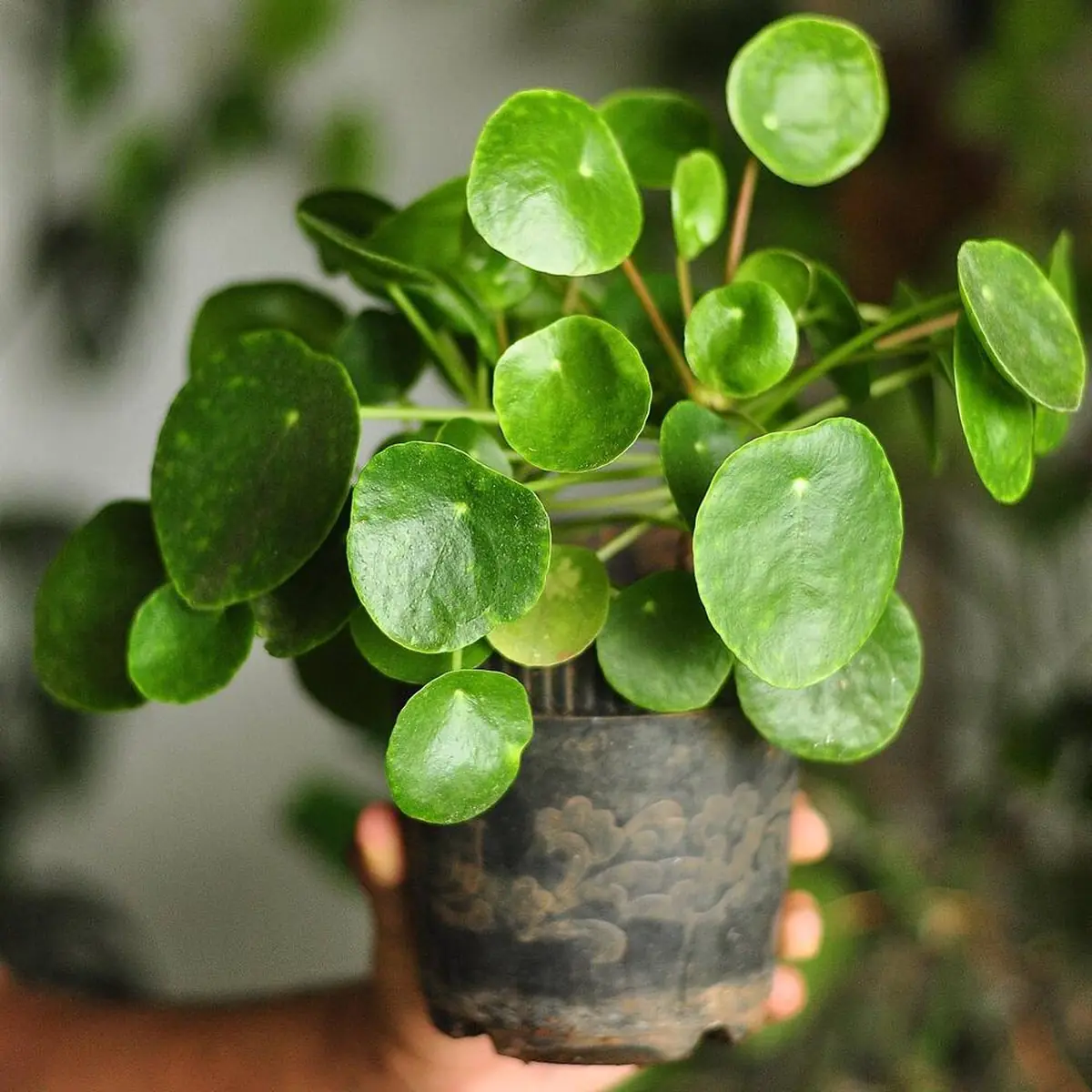
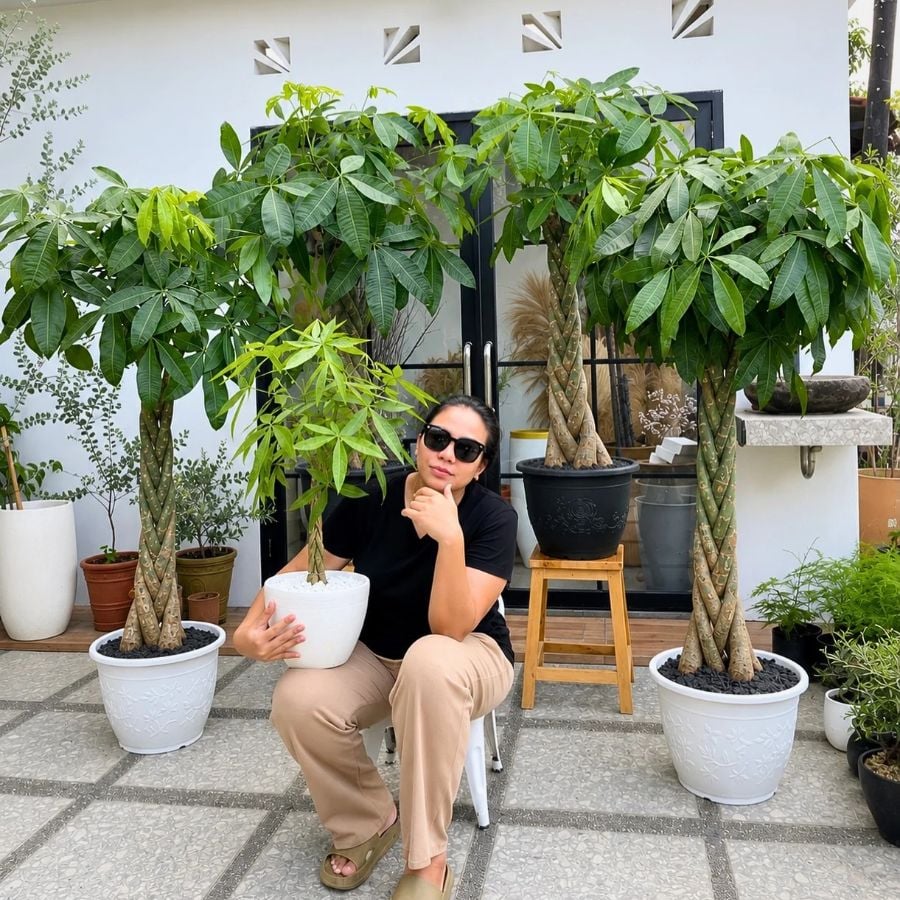
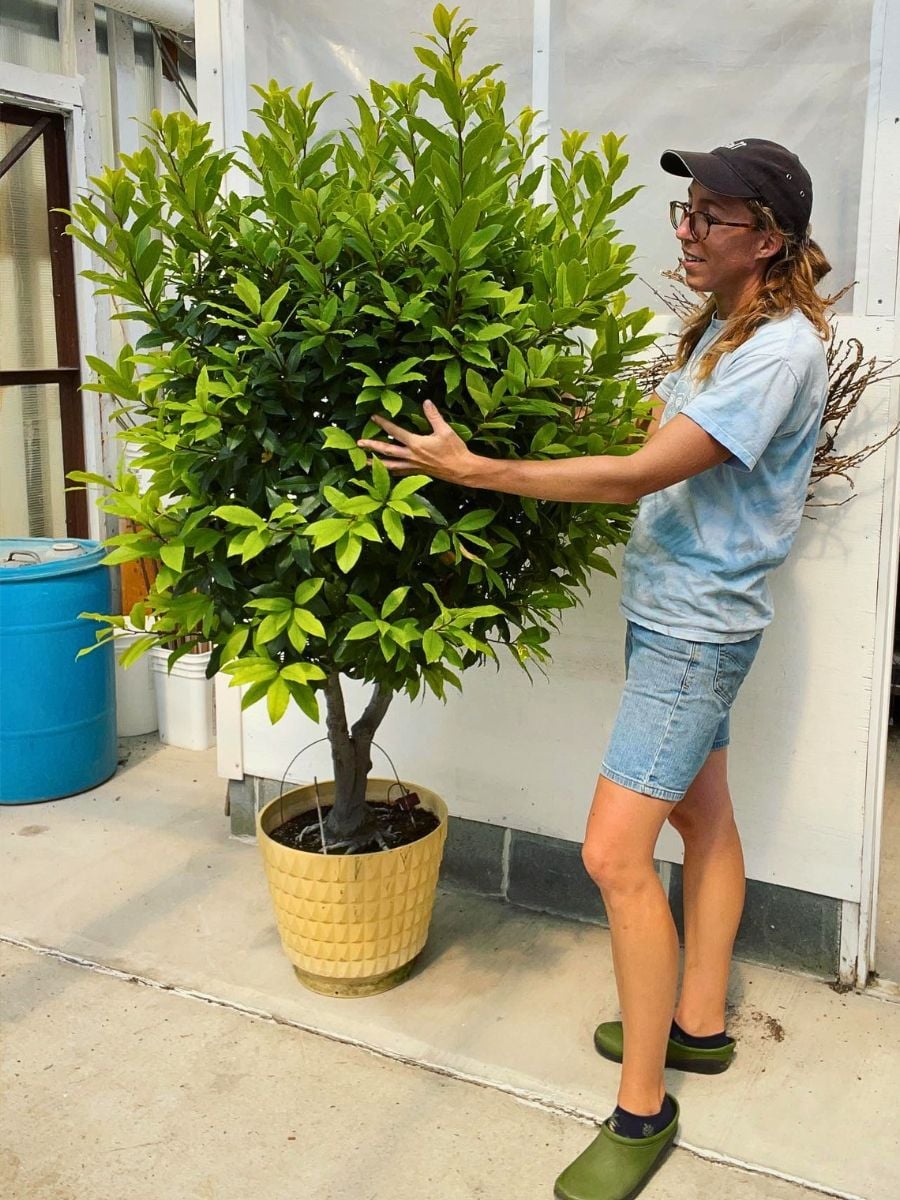
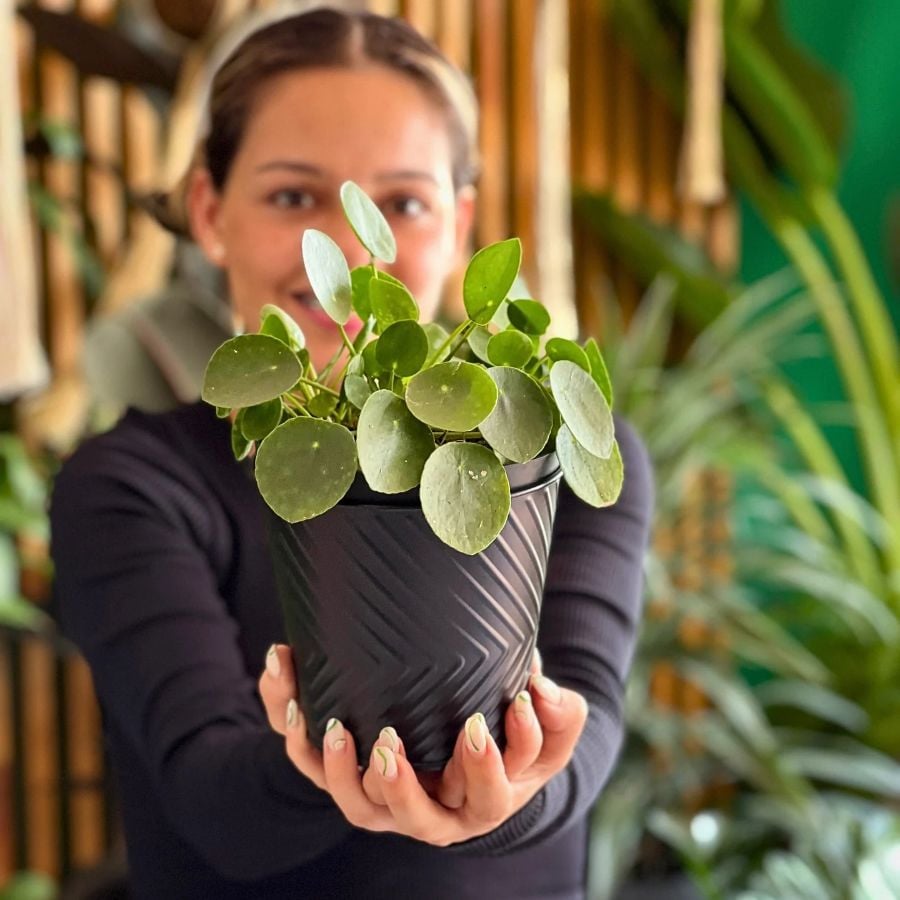
The money tree (Pachira aquatica) is another favorite, often sold with a braided trunk. Five stems are favored, while four are avoided in Chinese culture because the number sounds like the word for death. It likes bright indirect light, moderate temperatures, and well-draining soil, and root rot from overwatering is its most common cause of death. For a small entryway, the Chinese money plant (Pilea peperomioides) is a neat choice, and a mini variety is recommended for tight spaces.
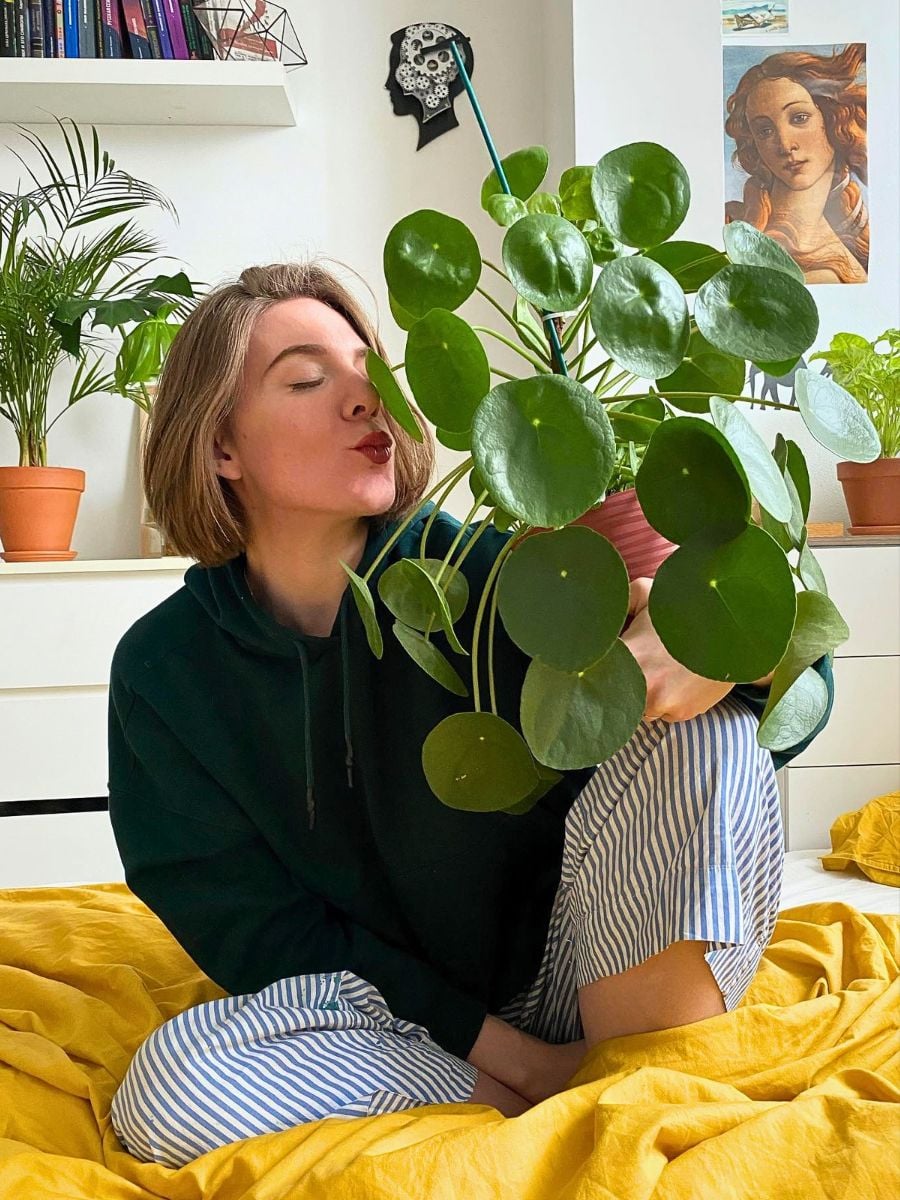
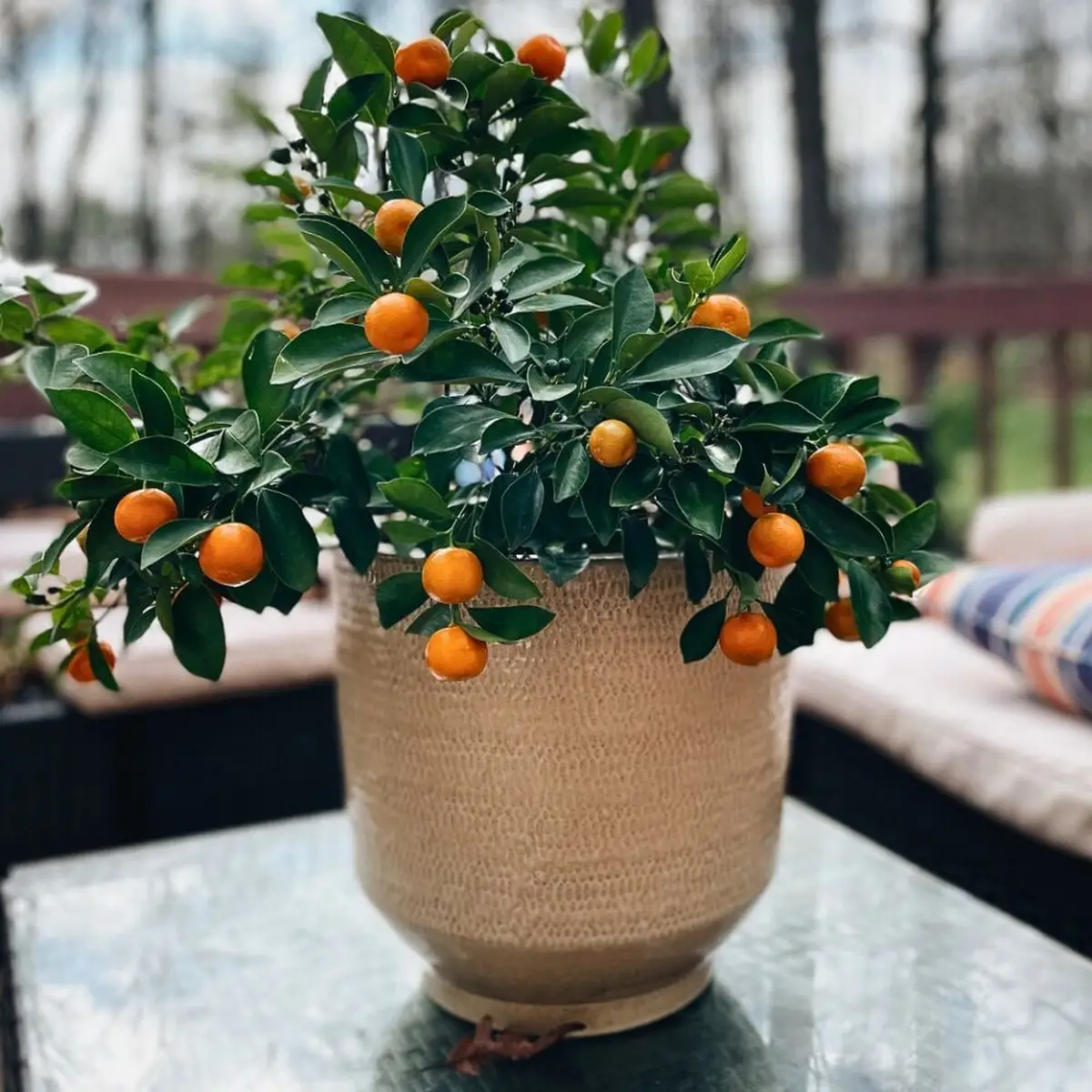
Other plants carry fortune in their own ways. The peace lily is said to bring peace and ease stress, and it tolerates low to bright indirect light. The rubber plant is linked with wealth, and its curved leaves are said to soften hard edges, though it needs frequent watering and decent light. Citrus trees symbolize abundance because round golden fruit resembles coins, and they are gifted for the Chinese Spring Festival, but they need full sun.
Tulsi, the Sacred Protector Anchoring the Vastu Threshold
In Hindu homes, the most revered entrance plant is Tulsi (Ocimum tenuiflorum), or holy basil. It is regarded as a form of the goddess Lakshmi, and its leaves are used in prayers to Vishnu and Krishna. Under Vastu principles, Tulsi can be placed in front of the main door facing north, northeast, east, or the center of the house to help keep out negativity, and it is best avoided in the south, southeast, southwest, west, and northwest.
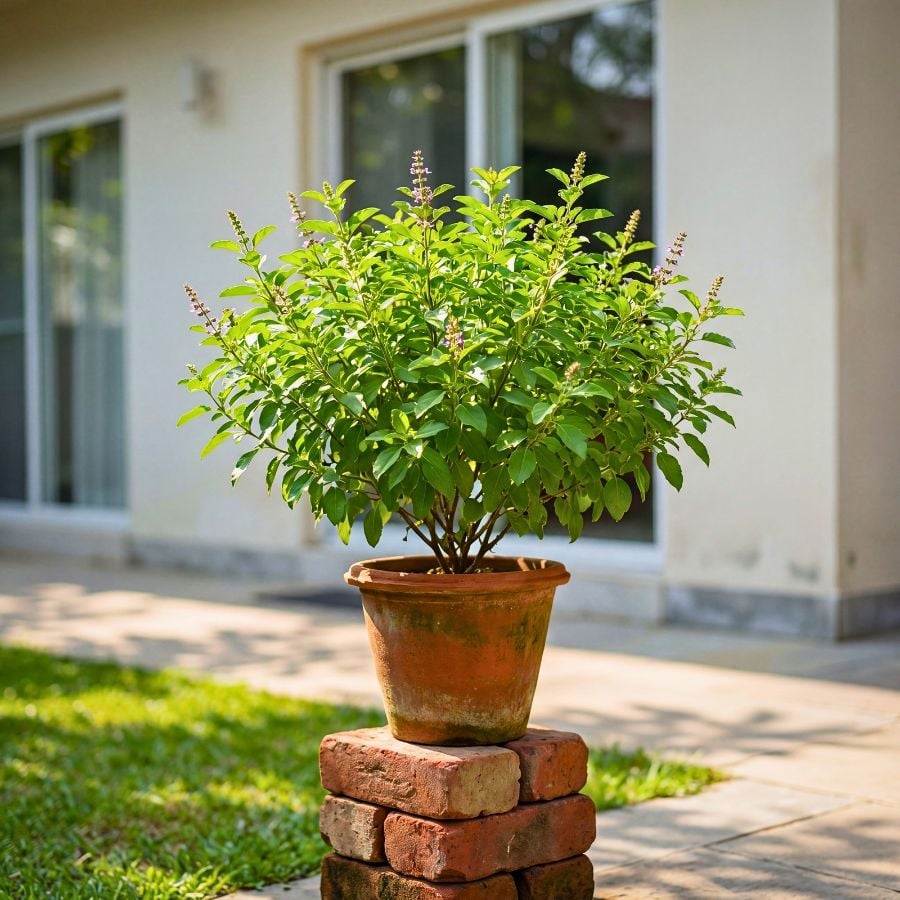
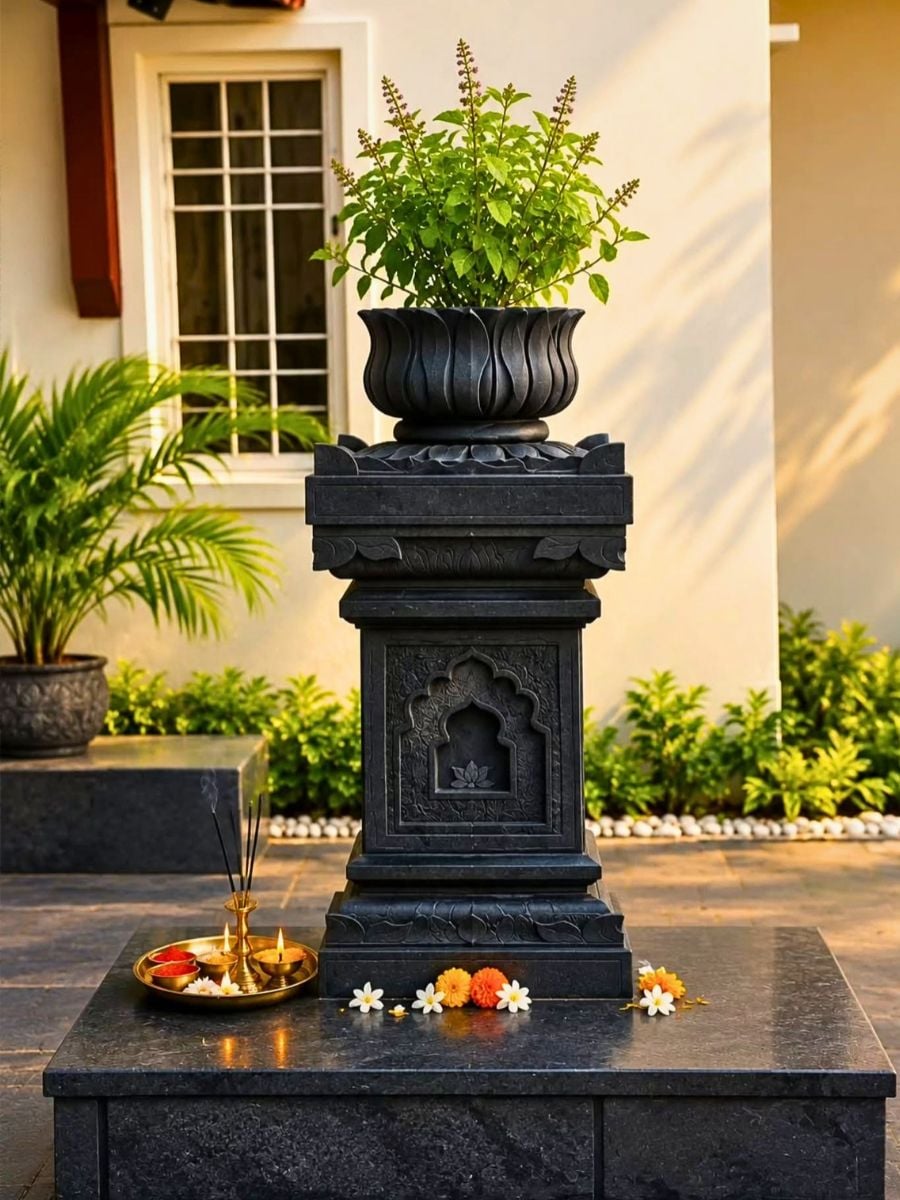
Many families keep it in a raised planter, called a Tulsi Vrindavan, in a courtyard or near the entrance. It is kept in a pot on the raised platform, ideally made of stone, marble, wood, or terracotta, in full sunlight, and never allowed to dry out. Families water it as part of the morning prayer and light a lamp beside it in the evening, which makes it as much a daily ritual as a plant.
It also doubles as one of the medicinal plants grown at home, used in Ayurveda for coughs, colds, and stress. The practical catch is that Tulsi needs four to six hours of direct sun daily, so a sunny porch or courtyard beats a dim hallway. Odd numbers of plants are preferred, and the area around is kept clean, away from brooms, shoes, and dustbins. It is not placed in kitchens, bathrooms, or bedrooms.
Herbs With Old European Roots
Closer to the front step, herbs have a lucky reputation. Rosemary has been planted near the door to keep evil out, and planting it on either side of the doorway was believed to repel witches. In Spain, it was used against the evil eye, and its evergreen leaves and strong scent linked it to remembrance. A charming old saying held that rosemary thrives only in a house where the woman rules.
Bay laurel is another; it is linked to victory. The Greeks and Romans crowned winners with its leaves, and a small bunch of dried bay at the door is now regarded as a symbol of protection, prosperity, and harmony, although the custom is a modern revival and its claims cite no named studies.
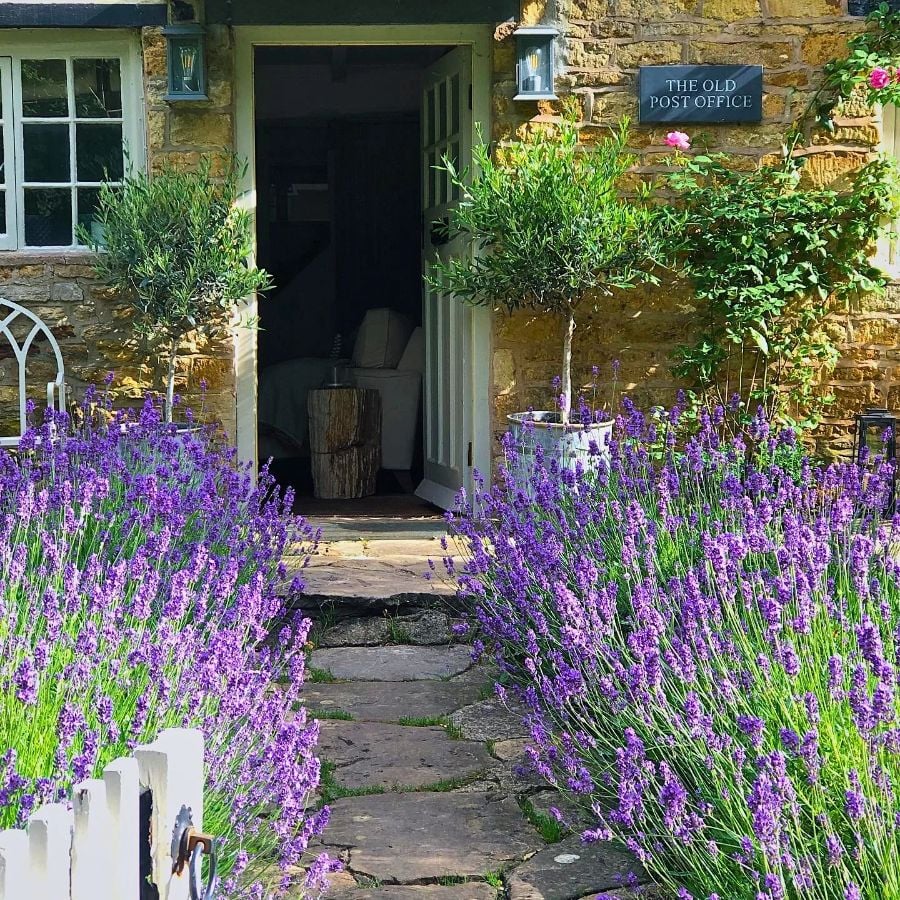
Lavender placed by the door is said to bring luck and dispel negativity that might follow you in, allowing luck to waft up as you pass. It needs full sun and well-drained soil, and it struggles in humid heat, so choose it for dry, sunny entrances. For winter, Holly stays green through the cold months and stands for good fortune, so a wreath or pot beside the door suits the season.
Jasmine’s Scent, While Citrus and Kumquat Bring Golden Fruit to the Door
Scent also does part of the welcoming. For Vastu, Jasmine (Mogra, Jasminum sambac) is often placed by the entrance, on a sunny balcony, or in an east- or north-facing window, where its white flowers are believed to bring calm and strengthen relationships.
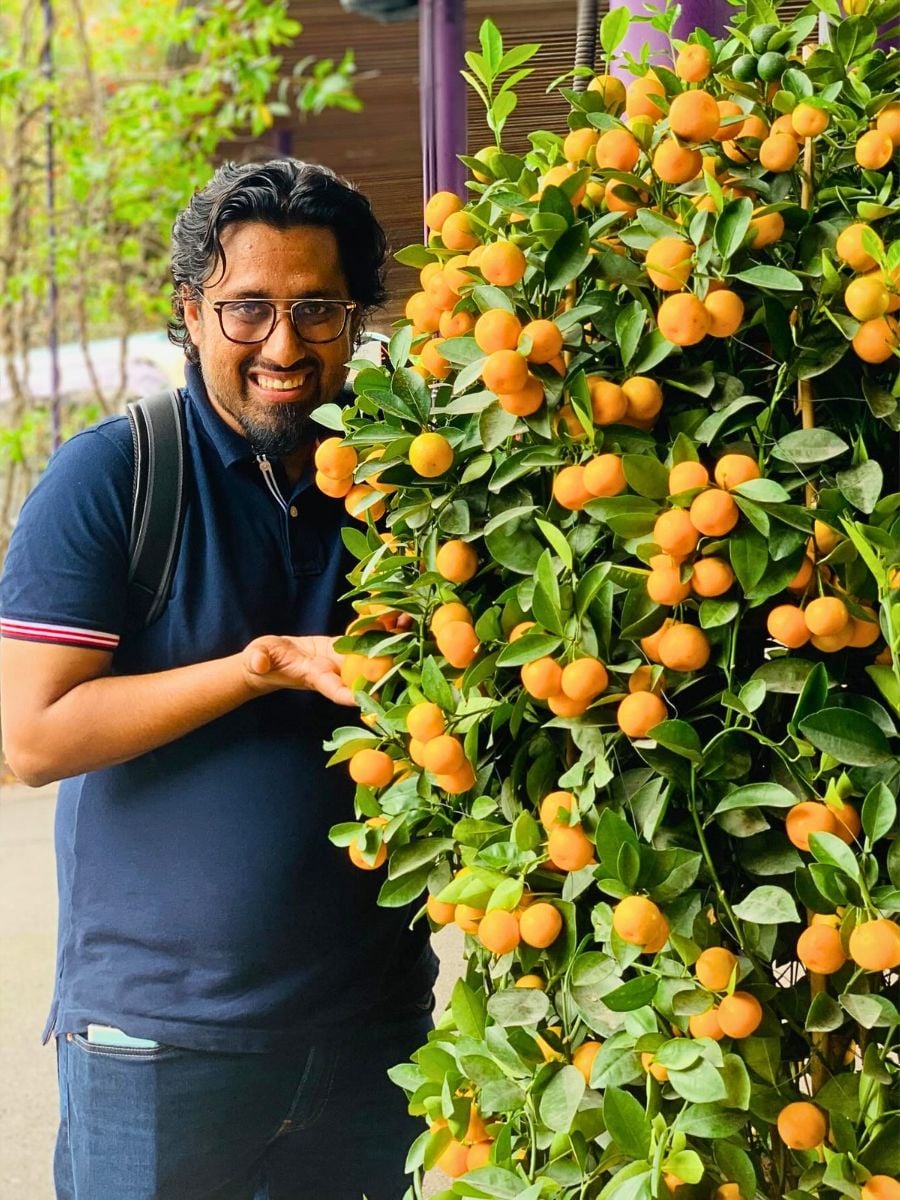
Citrus trees are, just the same way, lucky in many cultures because the round, golden fruit resembles coins and the more fruit a tree carries, the luckier it is. Potted citrus is a popular gift for Lunar New Year, and potted lemons and limes can live in containers for years. Citrus needs full sun and water when the soil feels dry. In cold regions, bring the pots indoors before frost.
Peace Lily and Rubber Plant for Shady Entrances
Not every door gets sun. Spathiphyllum tolerates low light, indicates thirst by drooping, and recovers quickly after watering. A good example is Spathiphyllum Sweet Chico, a bushy, dark-leaved variety that flowers for roughly four to ten weeks before resting, and is available through growers like Van Marrewijk Steelhoven. From its Colombia and Venezuela origins, it reached Europe in 1870. Its white spathes link it with calm, and Vastu suggests the north, east, or northeast.
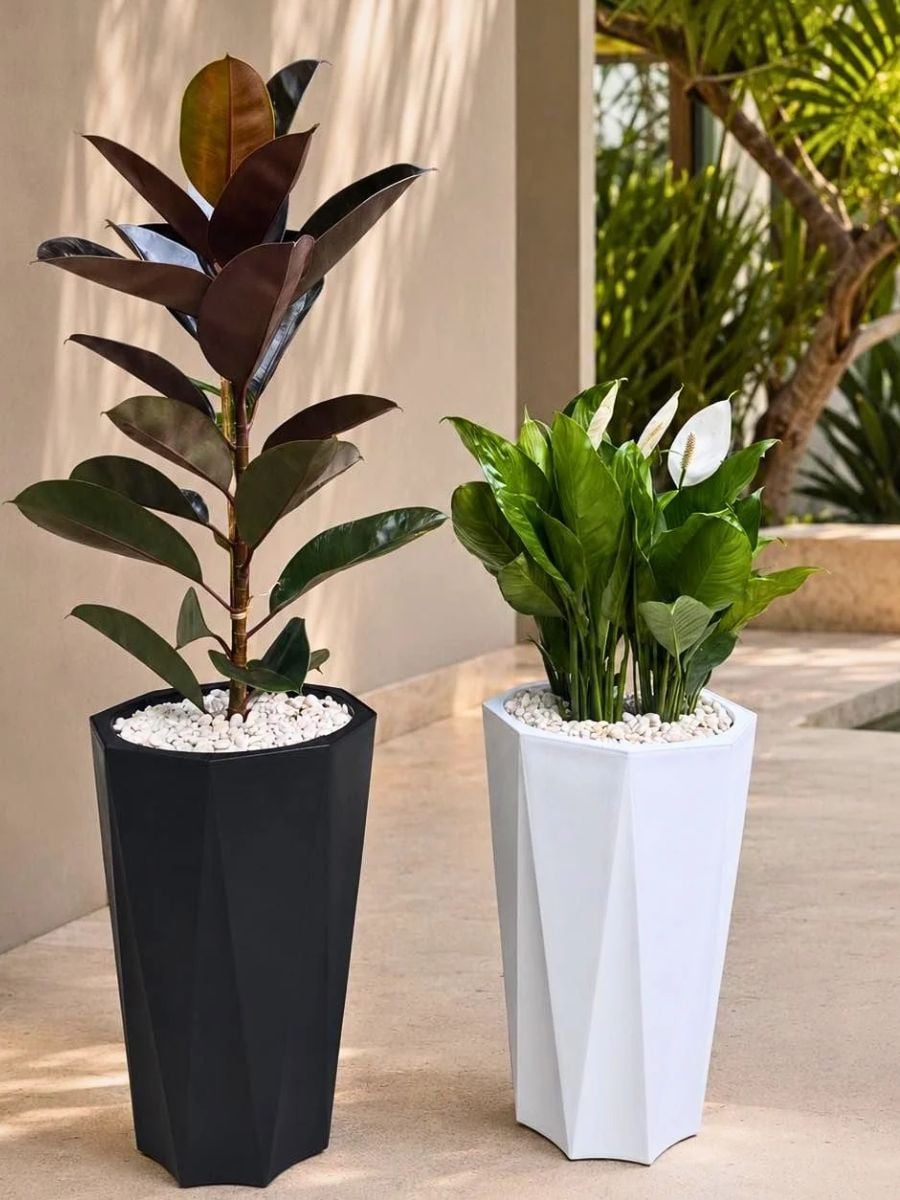
Rubber plant (Ficus elastica) suits brighter halls. Its round, glossy leaves are viewed as coins, and Vastu makes an exception for it even though plants with milky sap are usually avoided. To care for it, wipe the leaves to keep them glossy, and wear gloves when pruning, because the sap can irritate skin.
The Snake Plant Debate
The snake plant divides the traditions. Feng shui sources often credit it with strong protective energy that shields residents from negative energy, which makes it a popular sentinel by the door. Many Vastu guides, however, recommend it for the east, south, or southeast but keep it out of the main entrance and the northeast because of its pointed leaves.
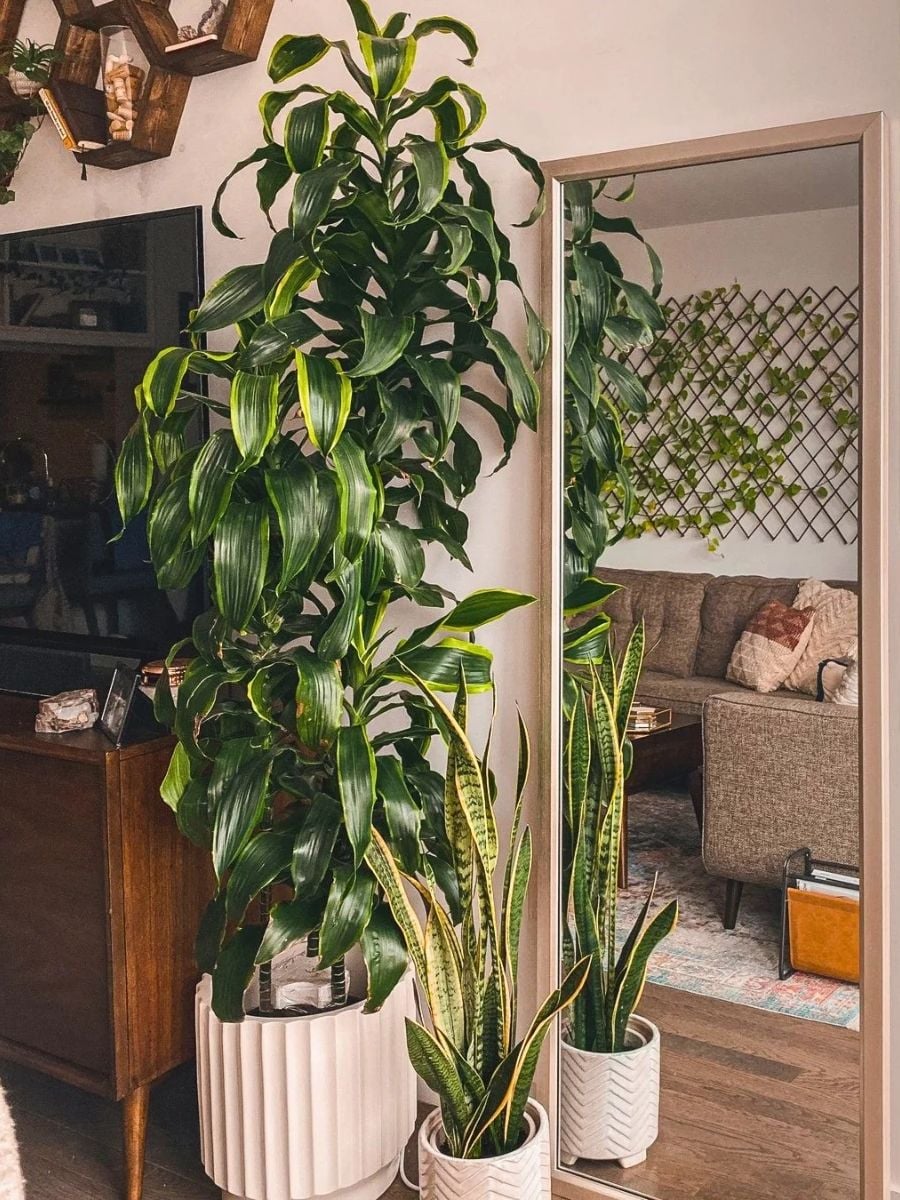
If you follow Vastu, place it in a living room corner instead; if you follow feng shui, a sturdy pot near the door is common. Varieties like Bantel’s Sensation are easy to keep, since they need water only when the soil is completely dry.
What to Avoid at the Entrance
Feng shui is as candid about what not to place at the door as what to place. Marie cautions against cacti and other spiky plants, whose ‘cutting energy' could make an entrance feel unwelcoming, though other feng shui advice says they can be used sparingly.
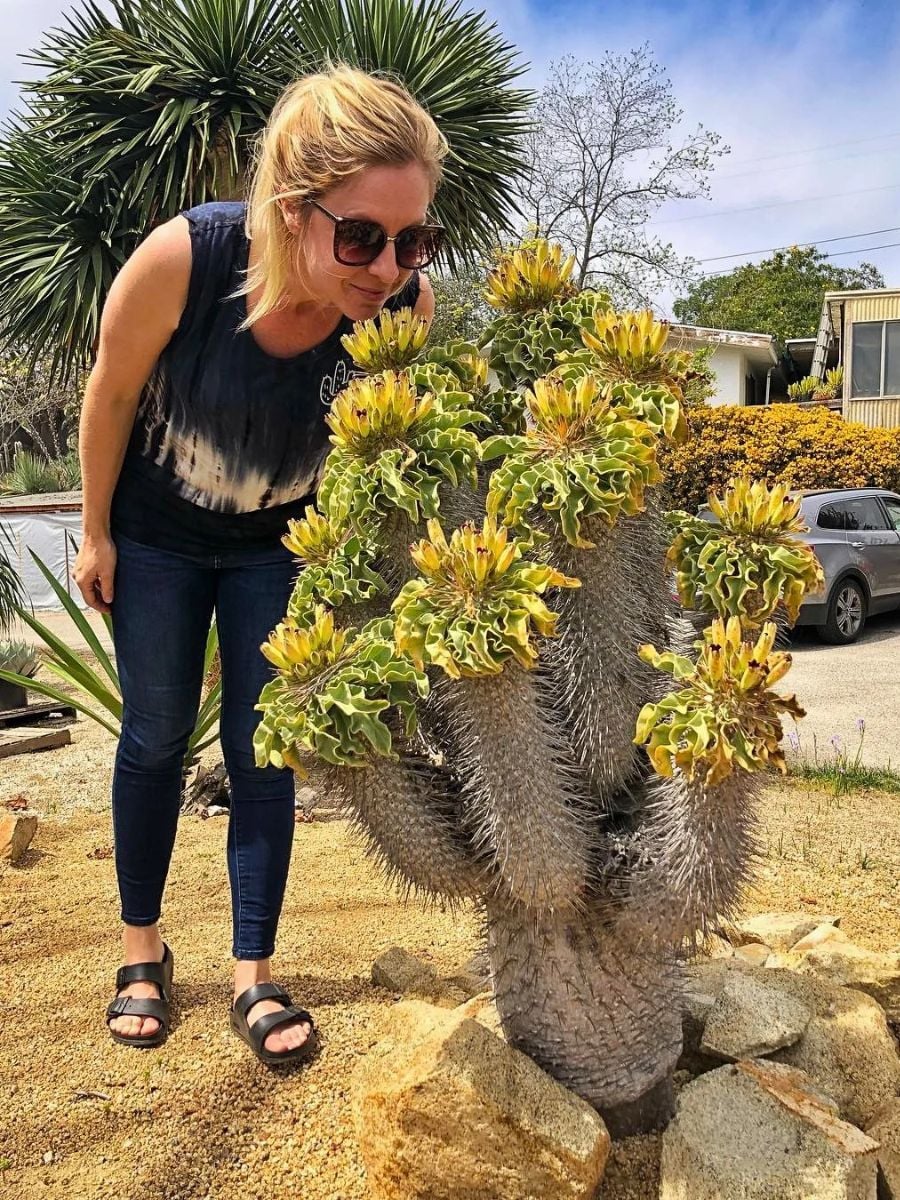
She also advises against bonsai, whose deliberately small size suggests restricted growth; climbing ivy and trailing vines, which can look tangled and untended; and weeping figs, which often drop leaves. Large trees or shrubs right in front of the door can block the flow of energy, and dead or dying plants suggest decay.
Health is also a common element. Sickly plants are said to produce negative energy, so remove wilted leaves and choose plants that suit your light. A struggling plant in a dark hallway does more harm than good, in belief and in fact.
Choosing and Placing Your Plant at the Entrance
Start with light. An entryway can be dim, so choose a plant that matches what the spot offers, such as a peace lily or snake plant for shade, and jade, citrus, Tulsi, rosemary, or lavender for a sunny porch. If you follow feng shui placement, the compass school puts the wealth area in the southeast, while the Western school places it in the far left corner from the front door, so pick one method.
Avoid cracked or deteriorating plastic pots at your main door. Choose sturdy ceramic, terracotta, or natural stone vessels that root the plant's energy firmly to the ground. Season is also important. As temperatures drop, jade, the money tree, citrus, and other delicate plants should come indoors before frost, and a bright hallway or window is ideal.
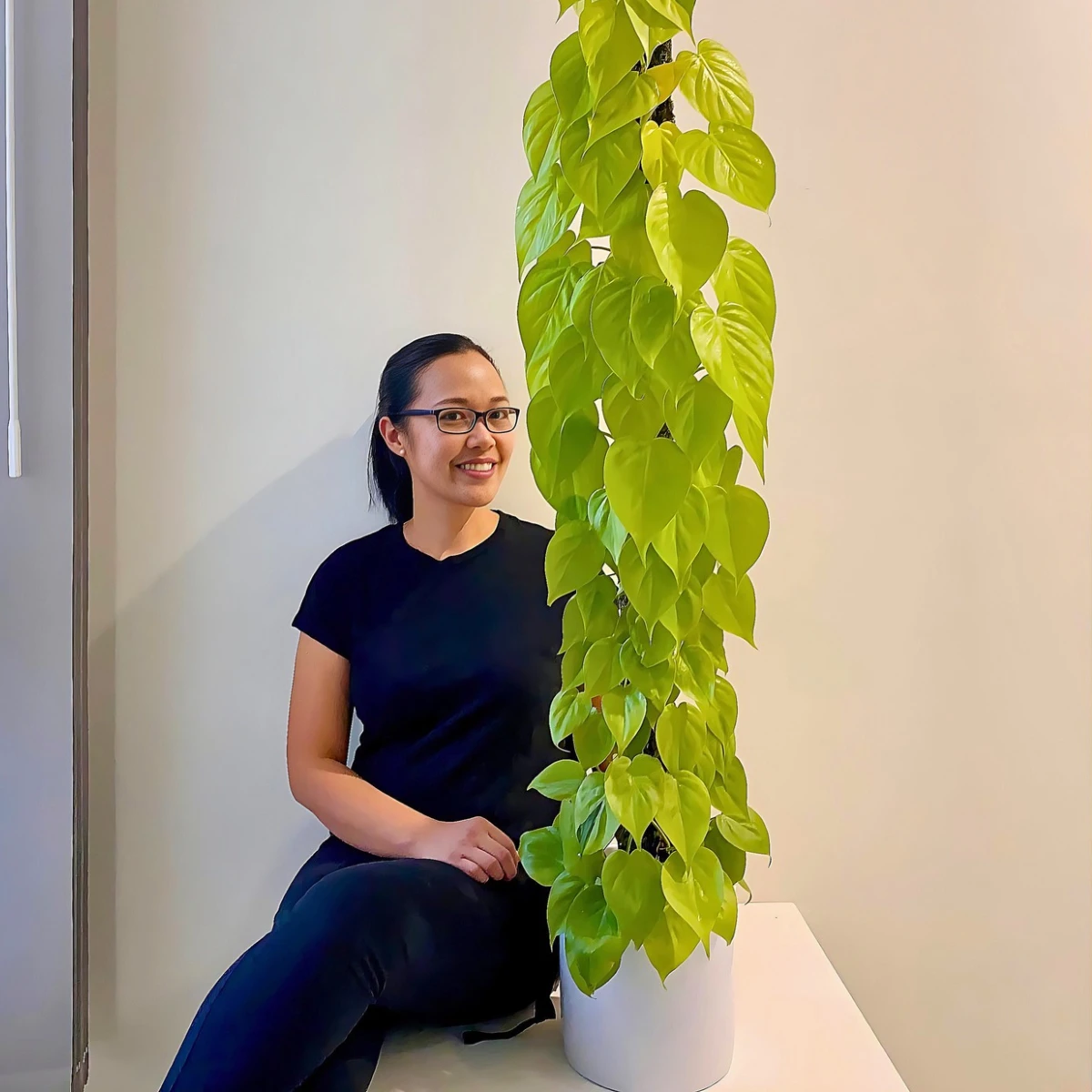
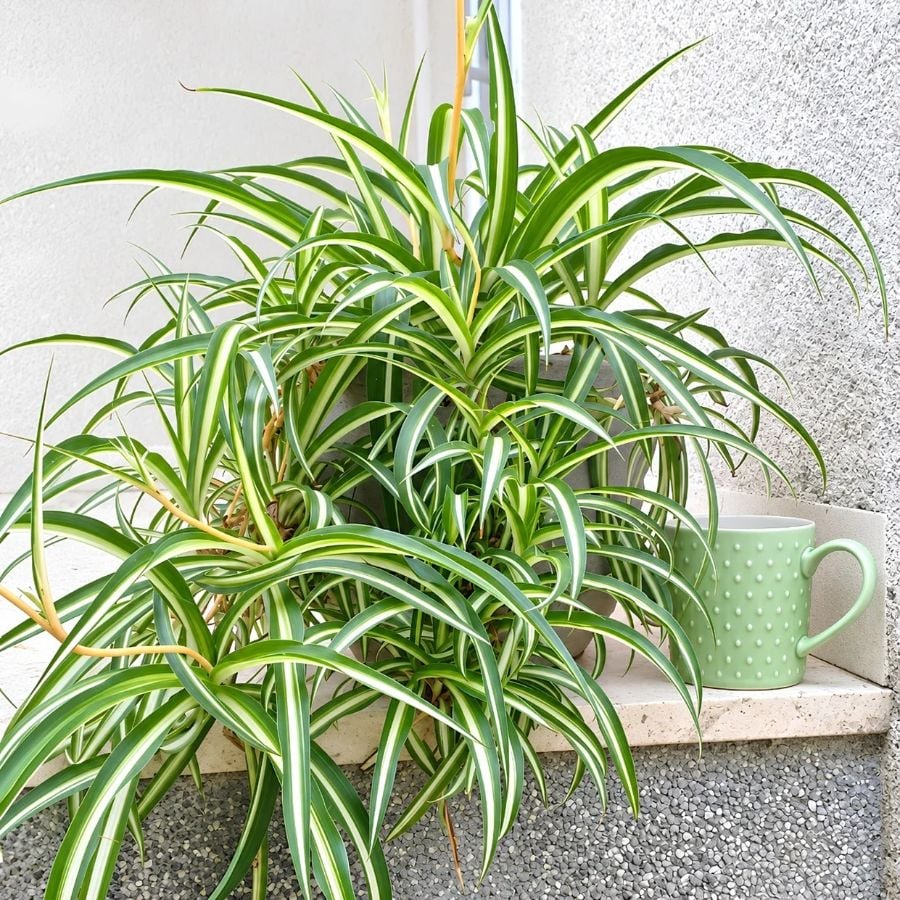
Hardy plants like rosemary, lavender, and Holly can stay outside near the door. Also, pay attention to pets, given that plants like jade and Golden Pothos are toxic to cats and dogs, while the money tree and spider plant are not, so choose plants accordingly if animals live in the house.
Featured image by @mimatica.vivero. Header image by @adelinapangfengshui.