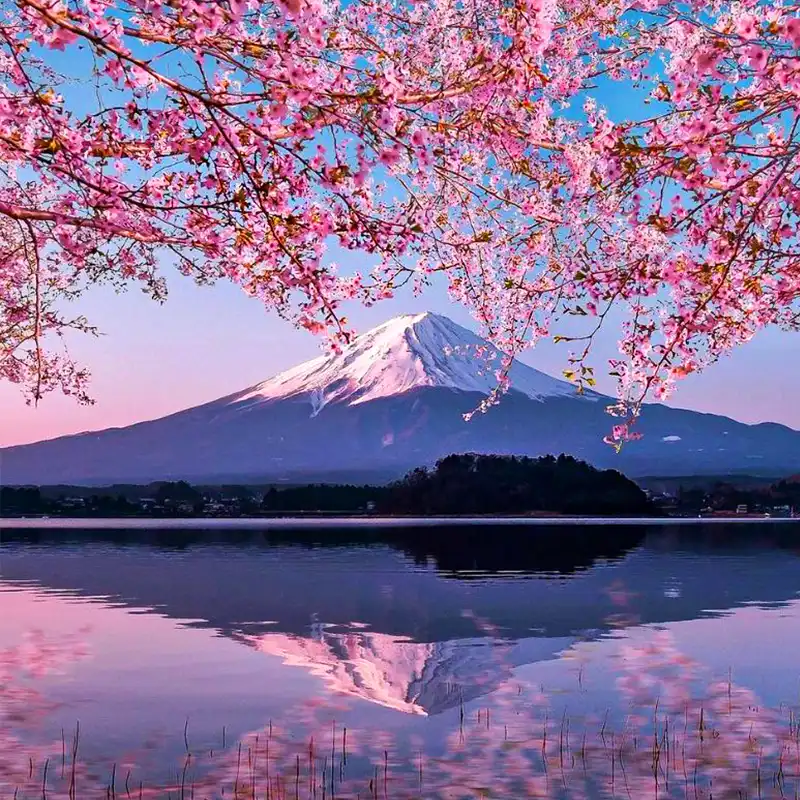
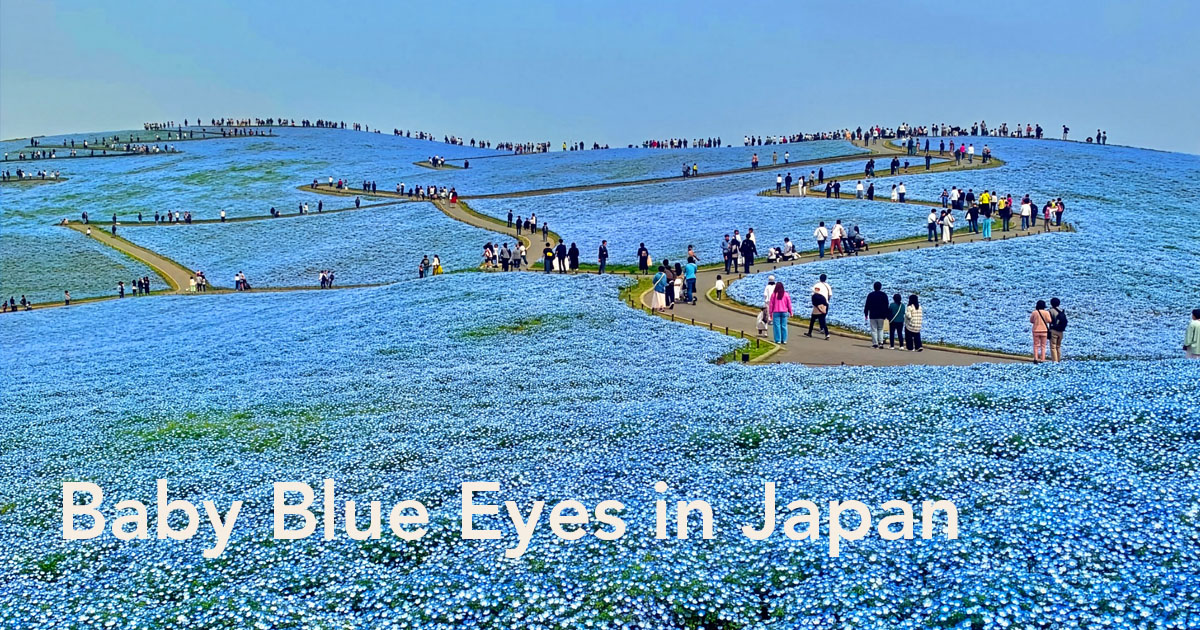
Spring in Japan doesn't end when the Cherry Blossoms fall. Right now, two hours north of Tokyo, an entire hillside has turned into a soft blue carpet that seems to merge with the sky itself. Hitachi Seaside Park's famous Nemophila display has reached full bloom, and the timing couldn't be better for a visit.
You're Looking At Millions of Baby Blue Eyes or Nemophila
The park's Miharashi Hill is currently covered in approximately 5.3 million Nemophila flowers, also known as baby blue eyes. These delicate blooms, originally from North America, measure just two to three centimeters across and grow on low plants about 10 to 20 centimeters tall.
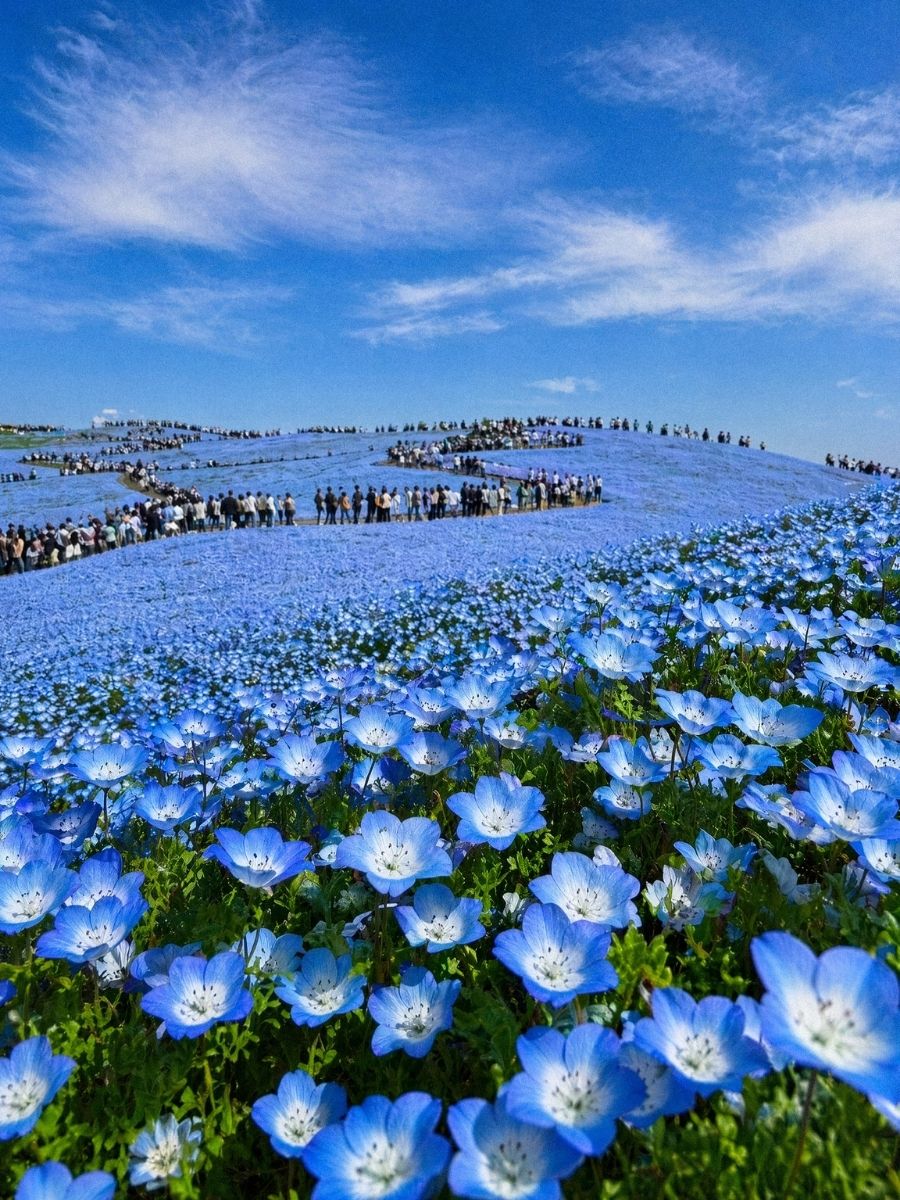
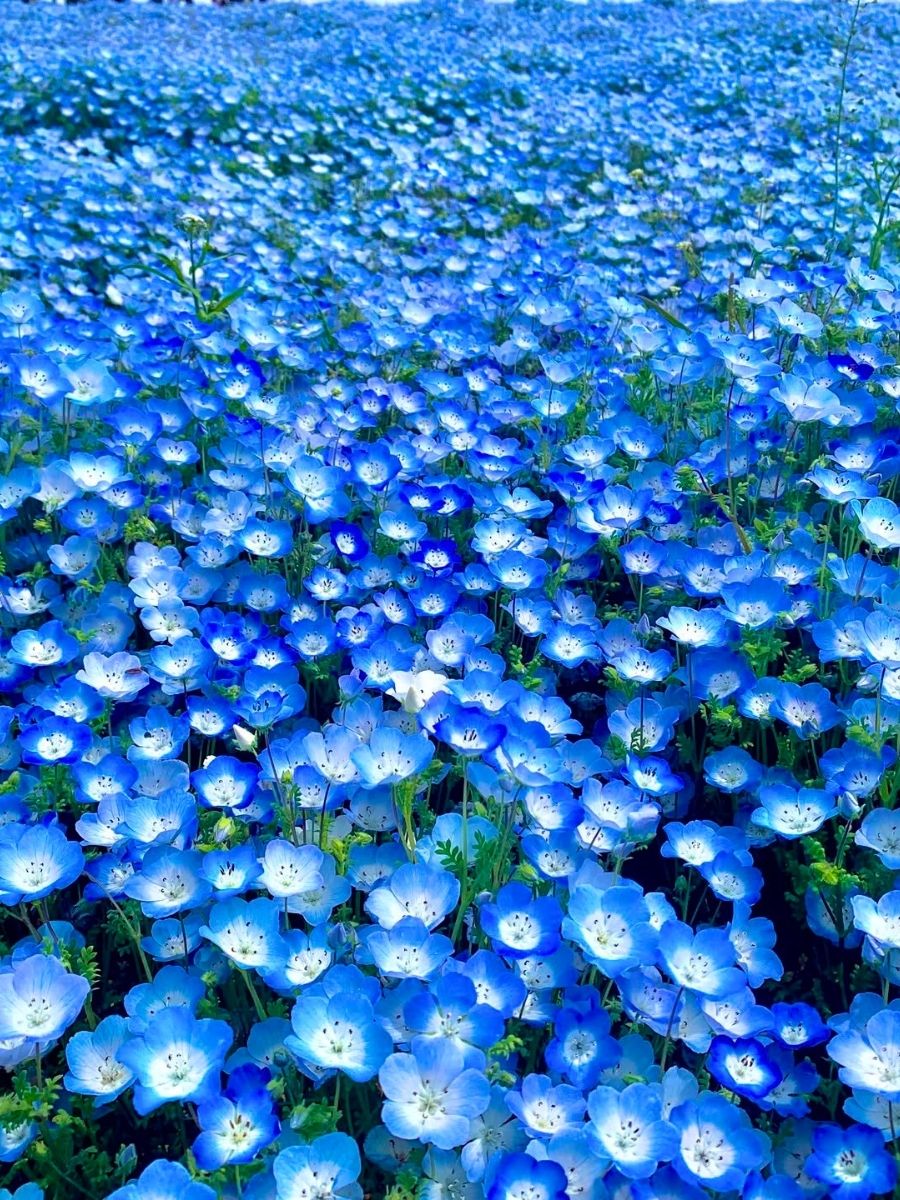
Up close, you'll notice their pale blue petals with white centers. Step back, and those millions of small flowers blend into something that looks almost unreal, especially on clear days when the blue of the flowers meets the blue of the Pacific Ocean on the horizon. The park has been cultivating Nemophila here since 2002, making 2026 the 25th anniversary of this beloved spring tradition.
When to Go to Hitachi Seaside Park, Japan
The flowers reached full bloom on April 16 and are expected to remain "in full glory" through April 25. They'll stay beautiful through the end of the month, though once May arrives, they'll be past their peak. After May 10, they're expected to disappear until next spring.
If you're planning a visit, keep in mind that late April overlaps with Japan's Golden Week holiday period. The park gets crowded, particularly on weekends. For a calmer experience, aim for a weekday morning. During Golden Week, the park opens early at 7:00 AM, and arriving at opening is one of the best ways to enjoy the flowers without fighting through crowds.
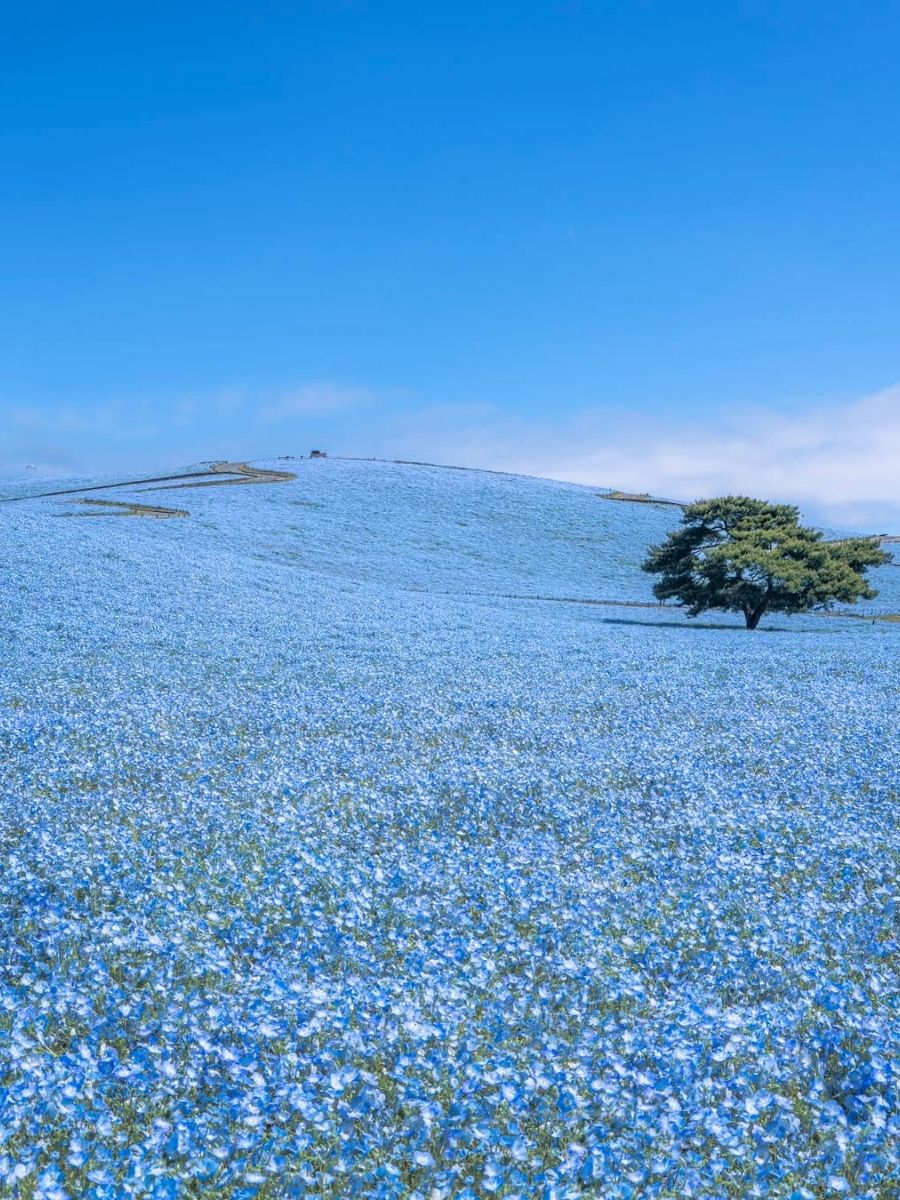
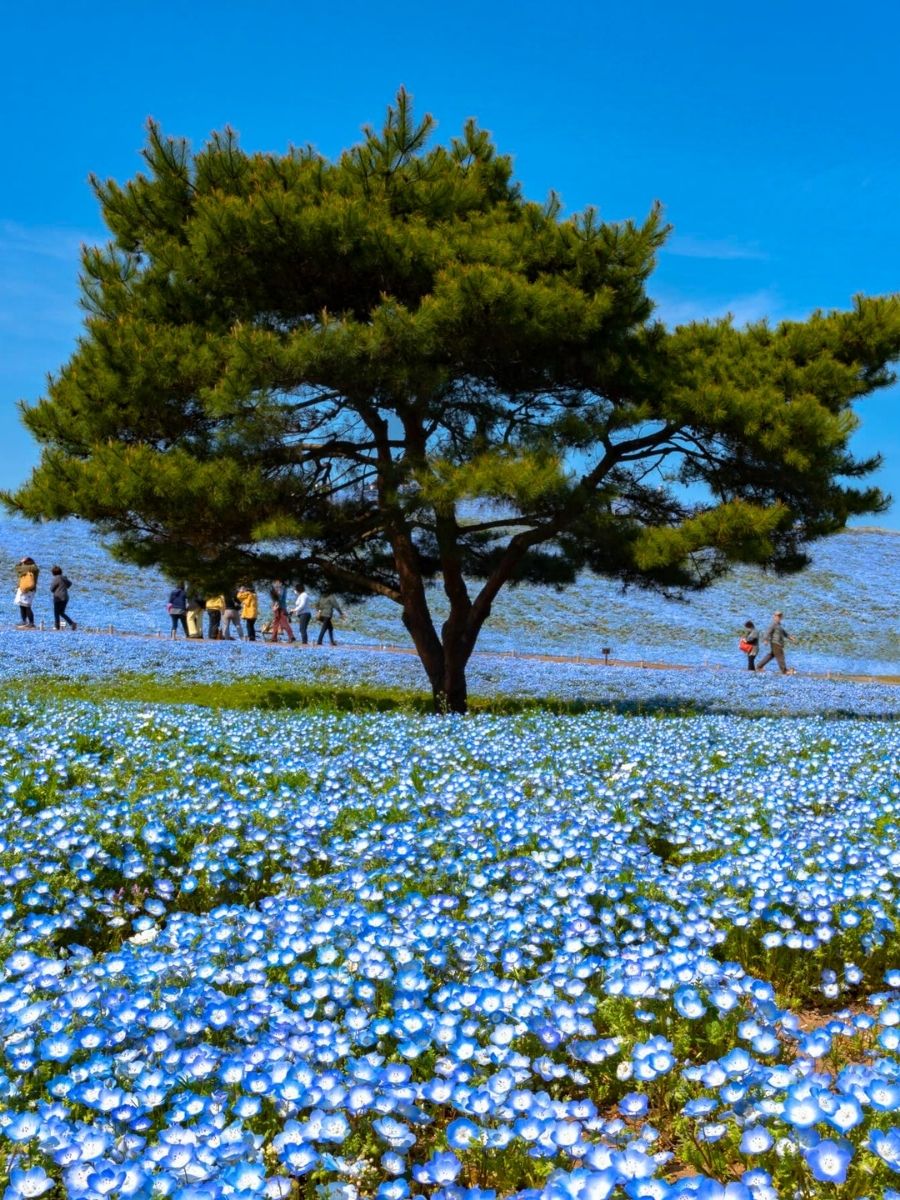
Morning light also happens to be ideal for photography. When the breeze moves across the hill, the tiny blossoms ripple like waves.
Getting There from Tokyo
Hitachi Seaside Park is in Hitachinaka, Ibaraki Prefecture. The closest station is Katsuta Station on the JR Joban Line, reachable from Tokyo or Ueno Station in about 75 to 90 minutes by limited express train.
From Katsuta Station's east exit, buses depart roughly every 15 minutes for the park. The ride takes about 15 to 20 minutes. The whole journey from central Tokyo runs about two hours each way, making this a comfortable day trip.
Driving is possible, but parking lots fill up by 9:00 AM on busy days, and traffic can add significant time to your trip. Public transport is the least stressful option during peak season.
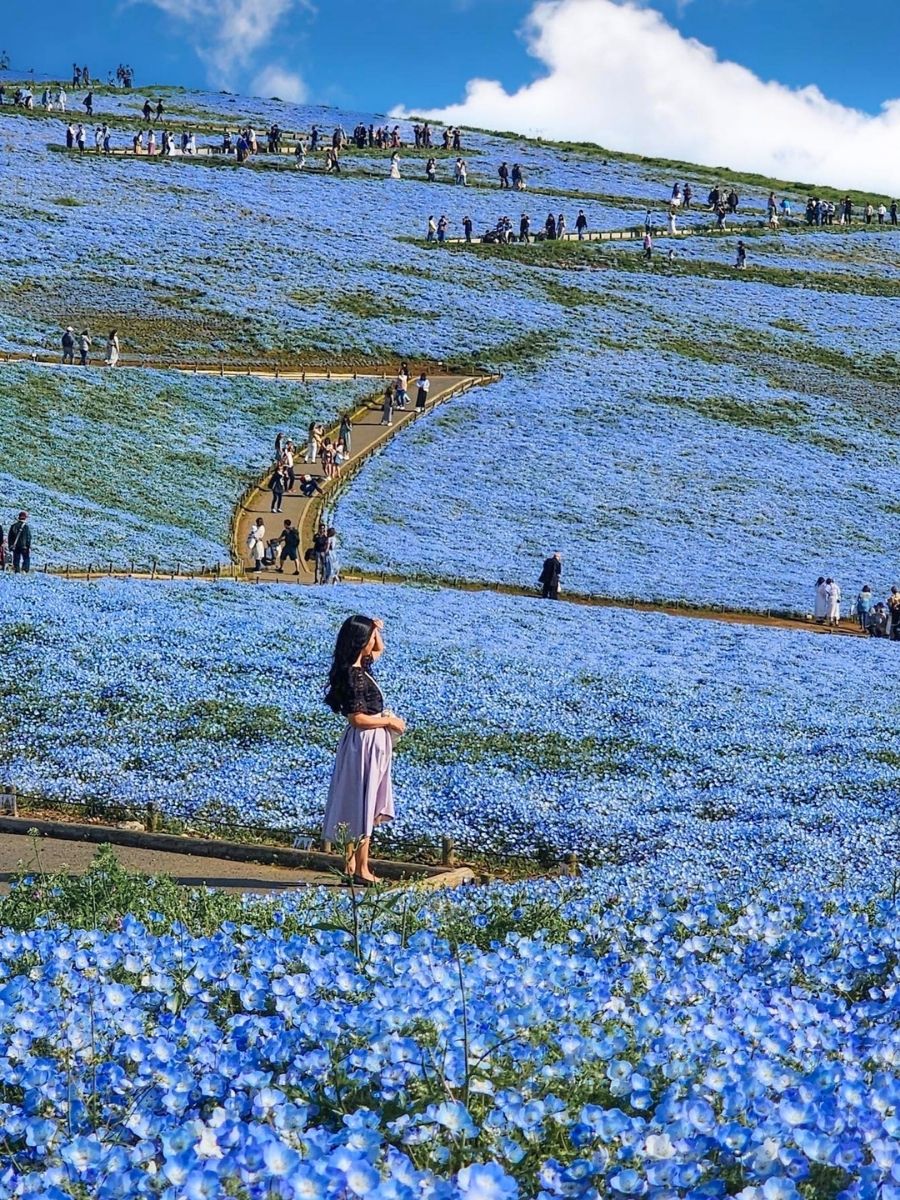
Nemophila Menziesii, Growing the Soft Blue Storyteller of Spring
If you ever want to grow it yourself, it’s actually quite forgiving. It prefers cool temperatures. Think early spring rather than summer heat. It loves full sun to light shade. Too much heat, and it fades quickly. The soil should be well-drained, not too rich. From seed to flower, it usually takes about 6 to 8 weeks. It’s an annual, so it completes its life cycle in one season. But it self-seeds easily if conditions are right, which makes it feel like it returns on its own.
More Than Just Nemophila
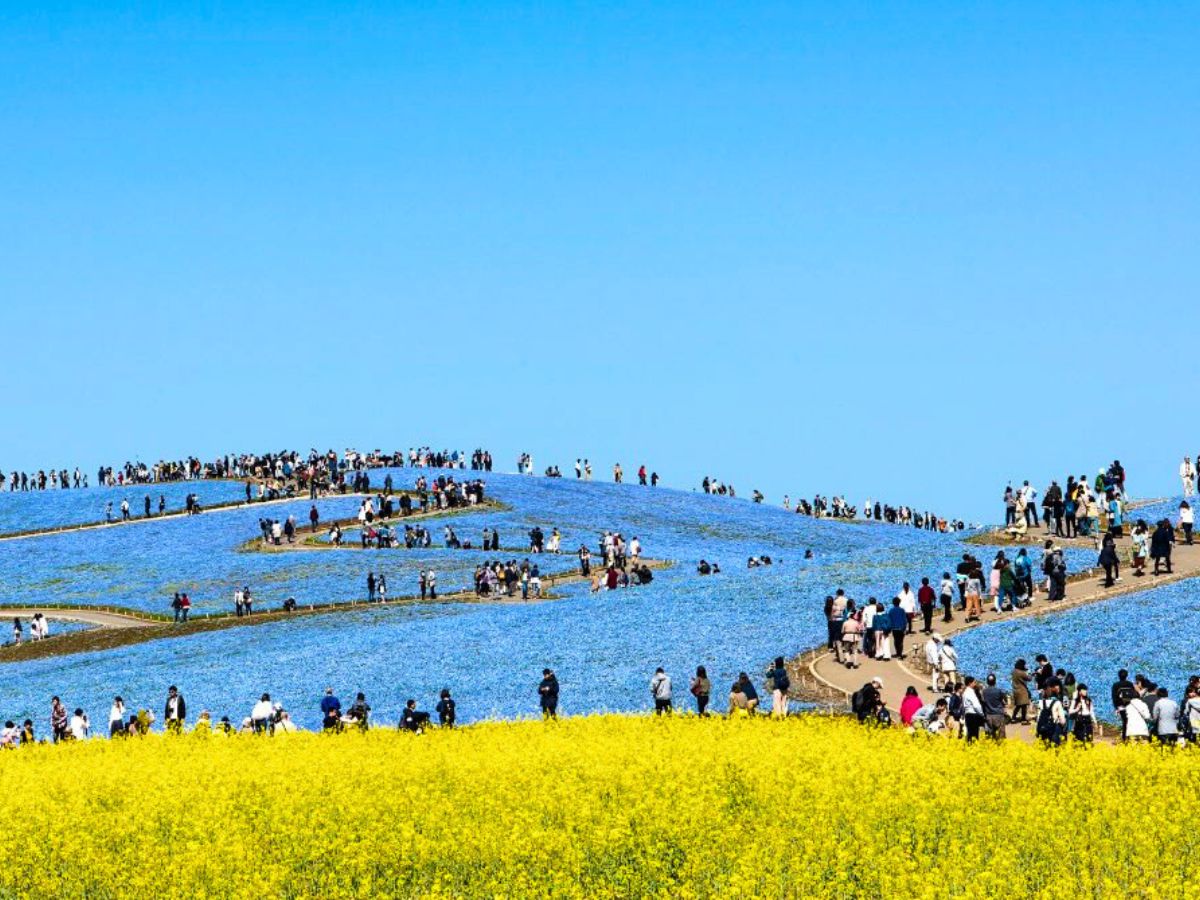
While nemophila is the main event, the park's tulip gardens near the entrance are also blooming right now. Visitors in mid to late April can catch both displays in a single visit. Canola flowers add splashes of yellow to the landscape as well.
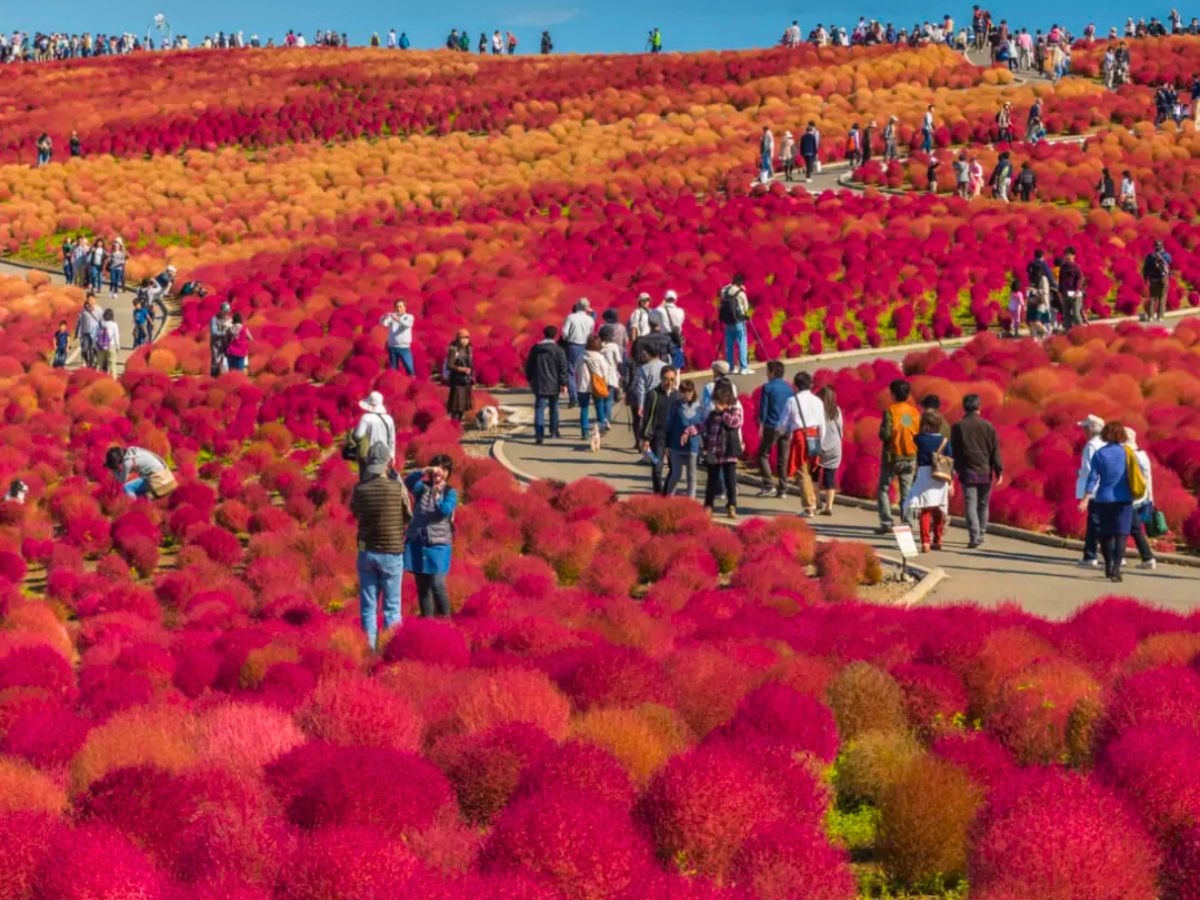
For those who can't make it this spring, the same hillside transforms again in autumn when Kochia (burning bush) plants turn from green to bright red, typically peaking in mid-October.
Practical Details Location: Hitachi Seaside Park, Hitachinaka, Ibaraki Prefecture Peak bloom: Through April 25, remaining beautiful through late April Hours: 9:30 AM to 5:00 PM (7:00 AM opening during Golden Week peak days) Admission: Around ¥1,100 for adults during Nemophila season (includes flower preservation surcharge) If sakura season left you wanting more, this is where to go next.