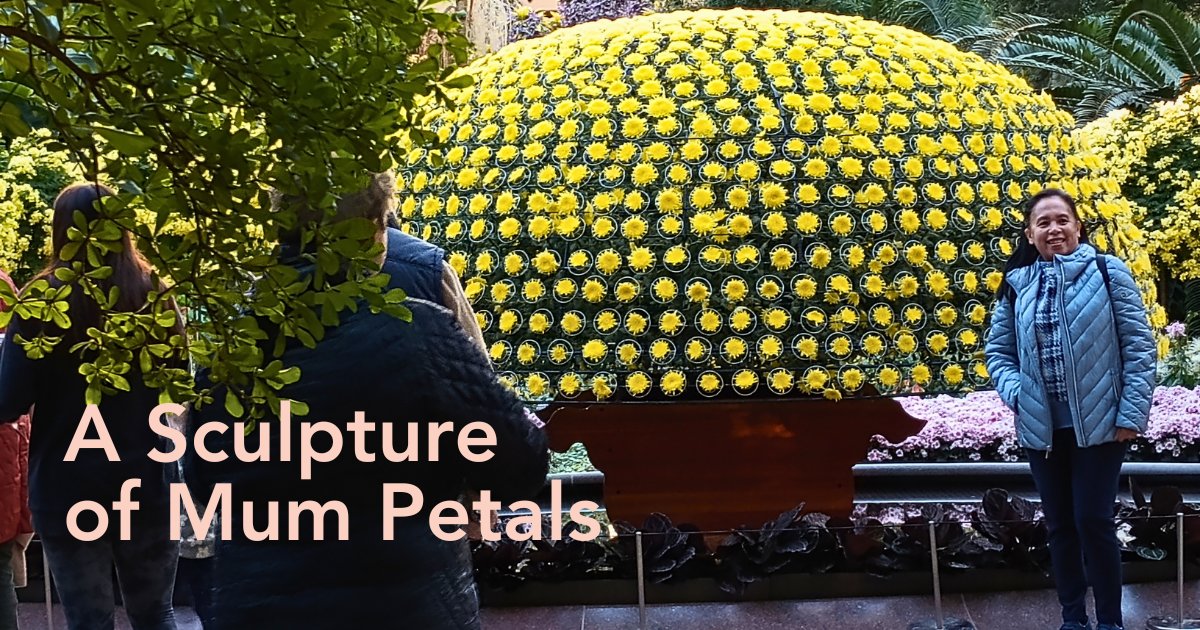
If you get a single Chrysanthemum cutting to turn into something richly magnificent, what would that be? That’s for you to ponder. But have you heard of Ozukuri? This Thousand Bloom Chrysanthemum is shaped by great patience, timing, and an almost meditative routine of pinching, tying, and guiding every stem.
Ozukuri or the Thousand Bloom Chrysanthemum
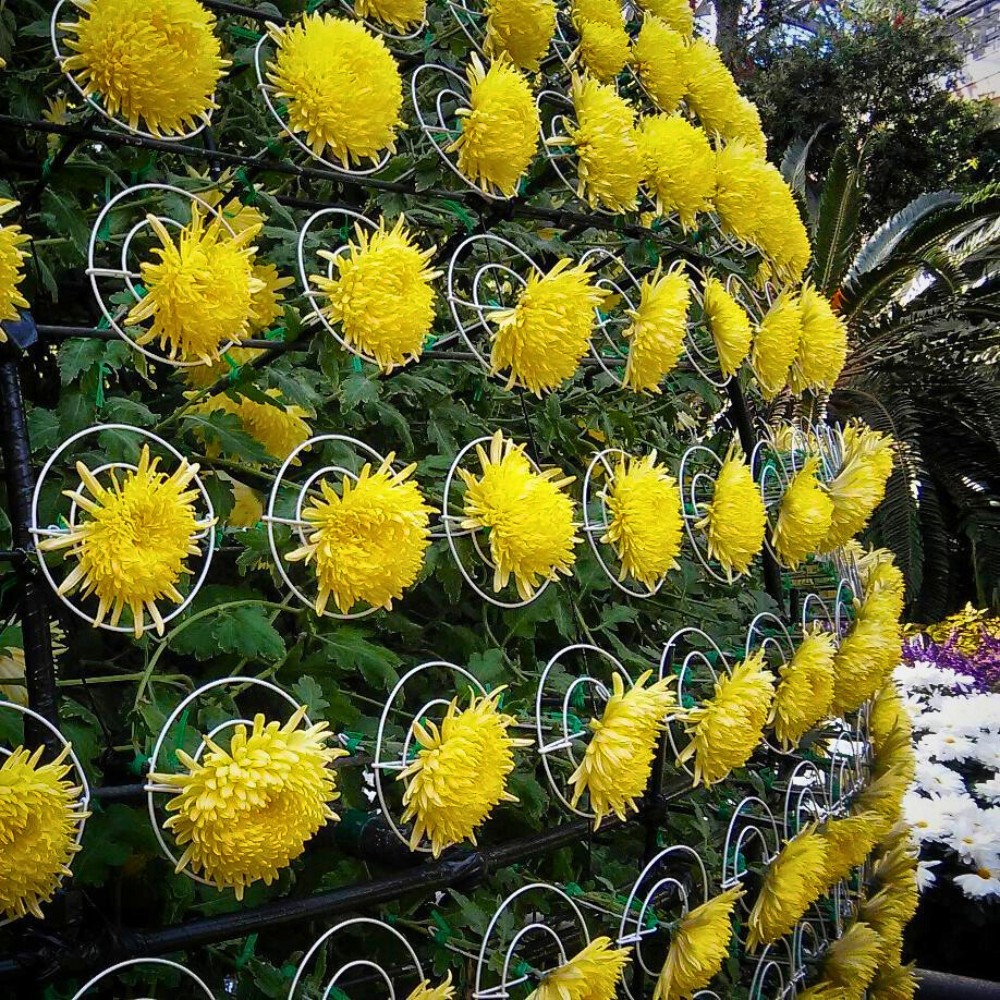
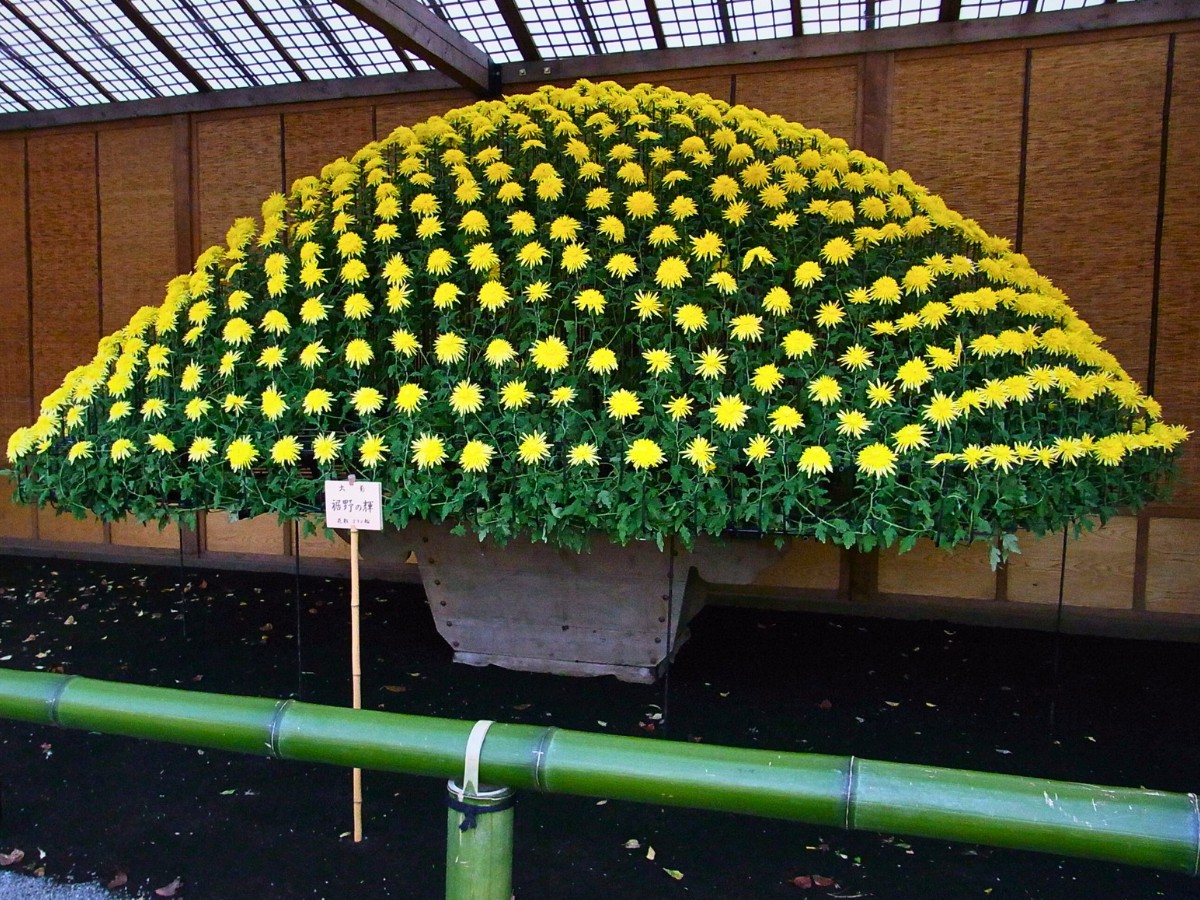
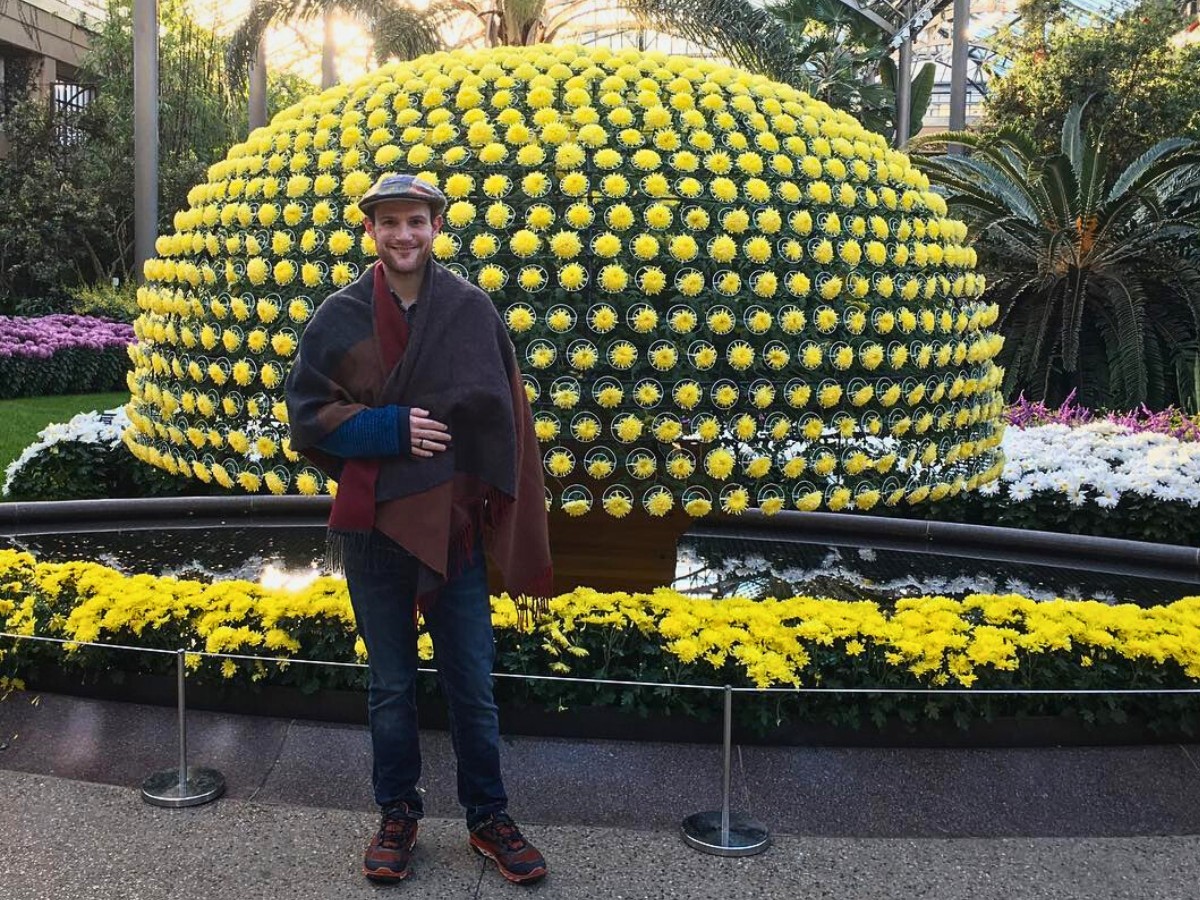
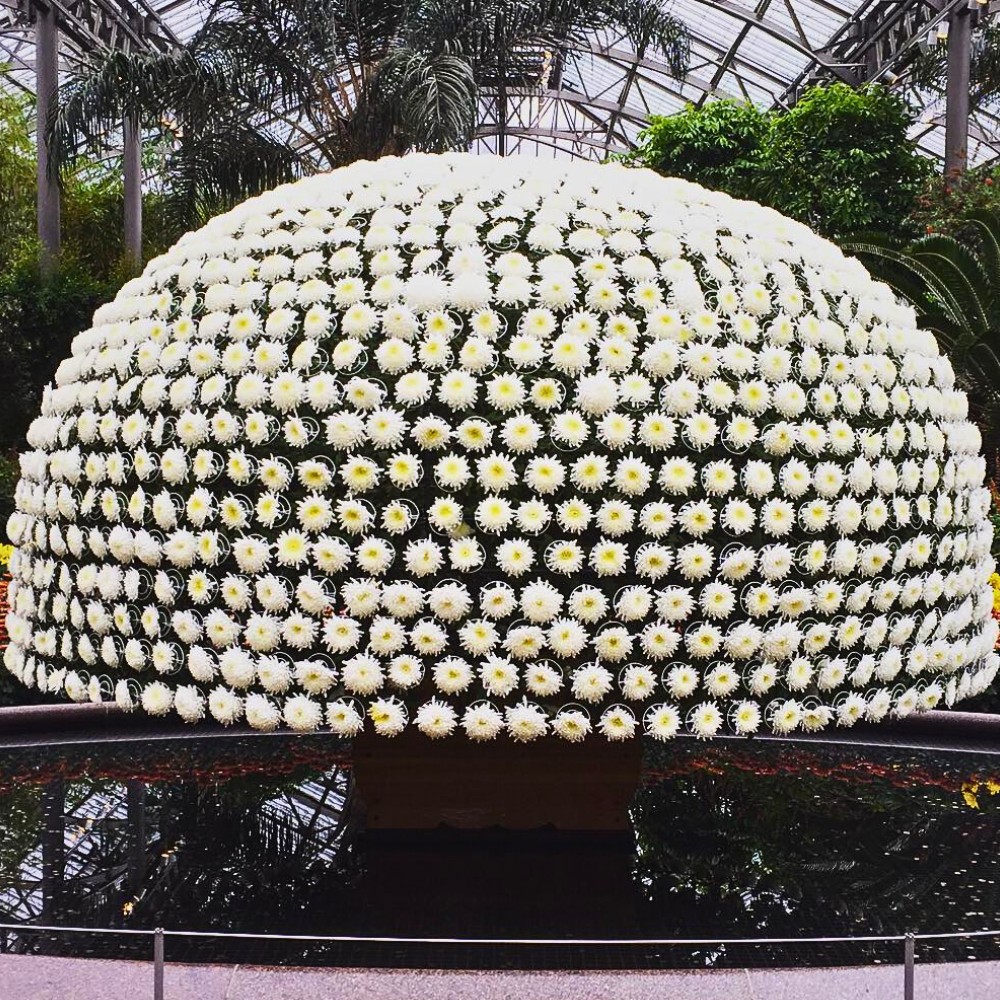
Ozukuri is a traditional Chrysanthemum training style in which one plant is grown to carry as many flowers as possible, often several hundreds to over a thousand, on a single framework. Each flower sits at the very tip of a branch, so side buds are removed, creating a regular grid of single flowers held in a rounded, cloudlike canopy.
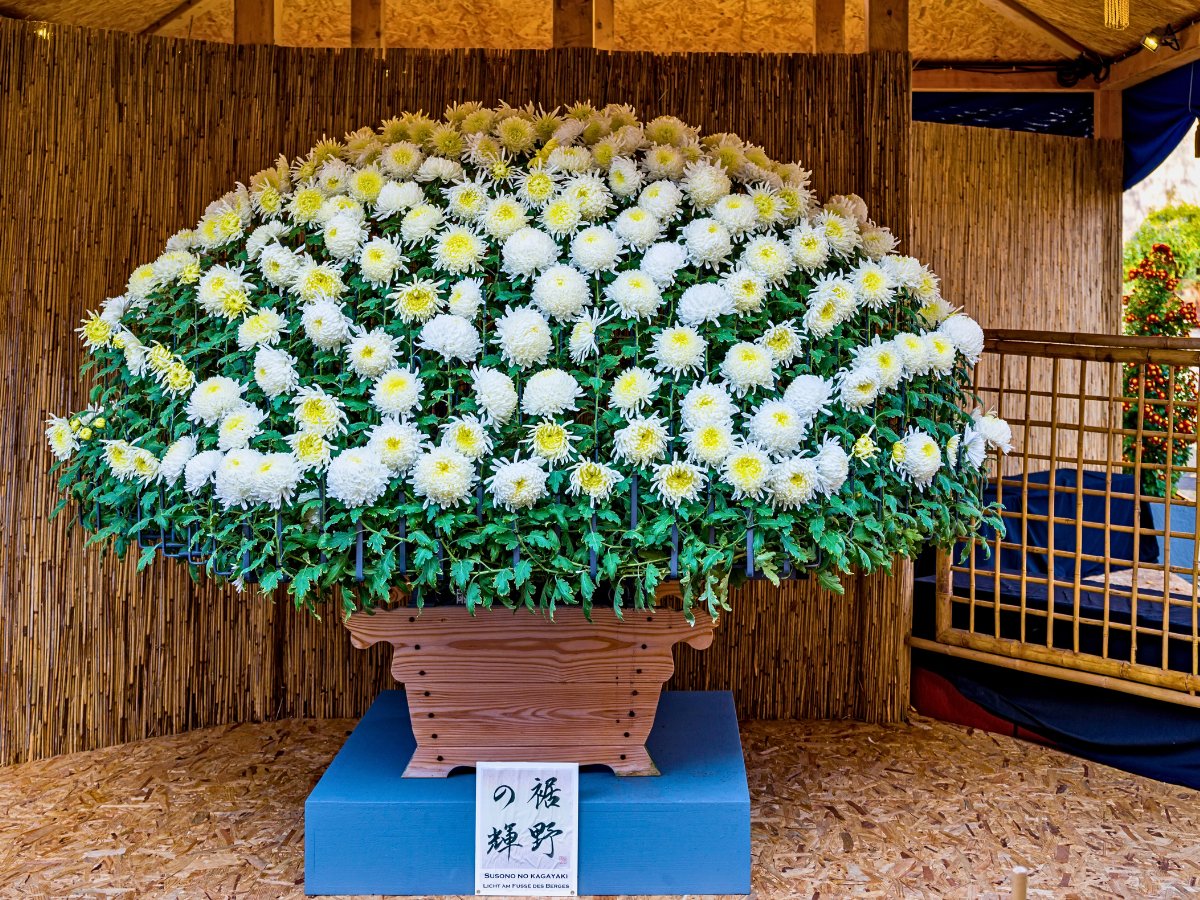
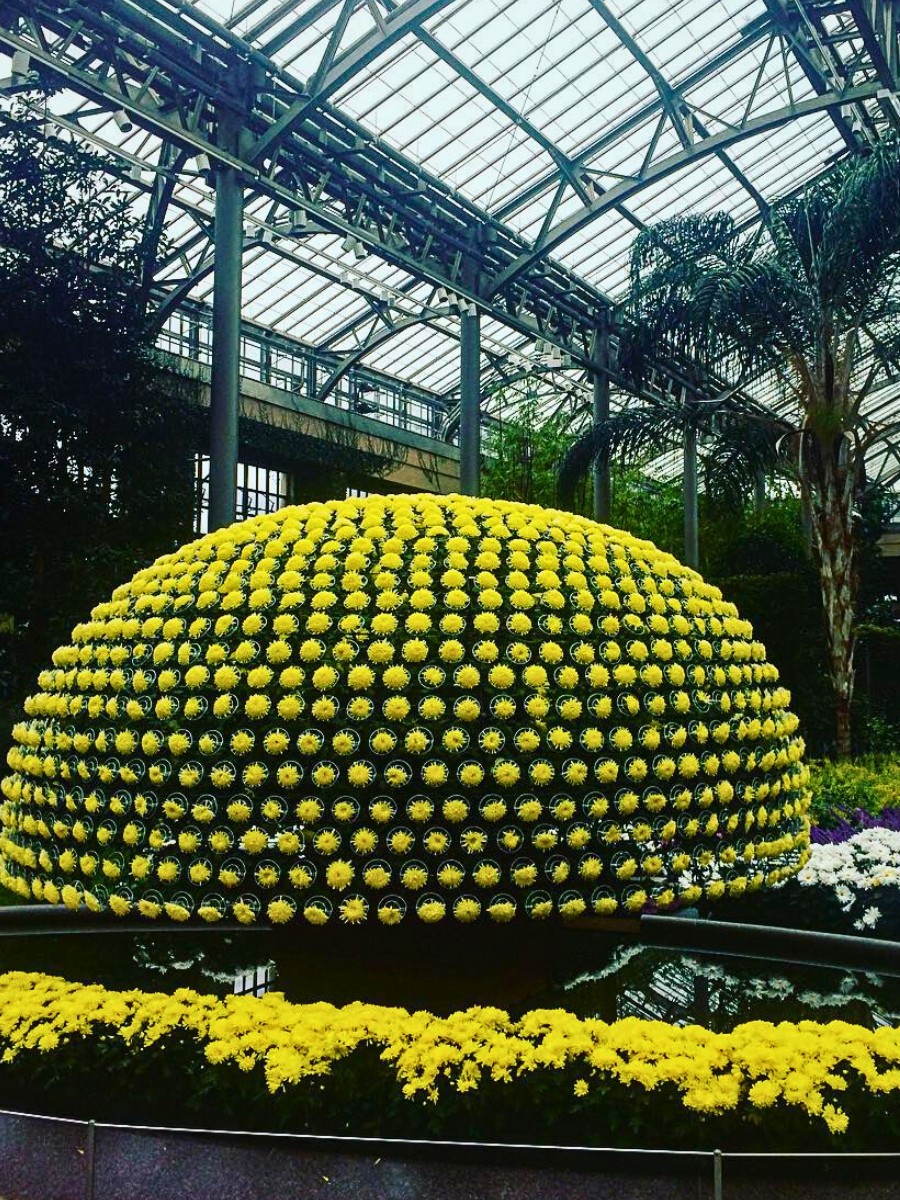
In this case, instead of growing many plants in a bed, one Chrysanthemum is treated almost like a bonsai on a grand scale, with its growth directed along a metal or wire frame. The result is a dome that may reach well over a meter across, glowing in one unified color such as soft yellow or white, while still being, quite literally, one plant.
At its best, an Ozukuri looks serene from a distance and amazingly detailed up close. When creating one, timing and patience matter. You miss your timing by, say, a week, and half the flowers open early. You get impatient with your pruning, and you end up with Chrysanthemum chaos instead of perfect symmetry.
Ozukuri’s Ancient Roots in Imperial Gardens
Ozukuri has its origins in China, a place where Chrysanthemums have been grown for over 3,000 years. These flowers were symbols of longevity, scholarly calm, nobility, and the changing seasons (autumn). When Buddhist monks brought Chrysanthemums to Japan around the 8th century, they carried with them a lot more.
By the Heian period (794 to 1185), Chrysanthemums had captured the Japanese imperial imagination. The flower became so beloved that the emperor adopted a stylized 16-petaled Chrysanthemum as the imperial seal. But it wasn't until the Edo period (1603 to 1868) that they began pushing the limits of what could be done using a single Chrysanthemum plant.
Since Japanese growers were already classifying display forms of kiku Chrysanthemum, Ozukuri naturally earned a special place for the sheer skill it requires over many months of care. And as a result, in Japanese Chrysanthemum culture, this floral art form (seen as one of the most demanding display styles) came to be reserved for festivals and special exhibitions.
The technique of creating these thousand-bloom displays developed gradually, passed from master to apprentice in a tradition that called for patience above all else. Early practitioners discovered that with clear-cut pruning, careful timing, and great attention, they could coax a single plant to produce an almost unlikely number of flowers, all opening in perfect synchrony.
What Is the Philosophy Behind the Practice?
What drives someone to spend almost an entire year nurturing a single plant? For Ozukuri practitioners, the answer is in the Japanese concept of ‘ichigo ichie,’ the idea that each moment occurs only once and should be treasured. Every flowering season is unique, and the display of a thousand Chrysanthemum flowers lasts only briefly before fading.
This art form also shows the Japanese appreciation for controlled nature. While some gardening traditions often celebrate wildness or natural forms, Ozukuri is all about nature refined through human effort, yet not domination. One must work with the plant's natural tendencies, understanding its growth patterns, respecting its needs, and cooperating with its innate potential.
There is also a meditative aspect to the process. The routine attention required, careful observation, and minute adjustments all demand a quality of calm and patient presence that pulls practitioners out of everyday concerns. For many, tending their Ozukuri Chrysanthemum is a form of moving meditation that brings calm and focus.
The Long Journey of Creating a Thousand Bloom Chrysanthemum
Creating an Ozukuri display begins in early winter, usually in December or January. One takes a cutting from a mother plant, rooting it in carefully prepared soil. This timing is everything. You start too early, and the plant becomes unwieldy. You do it too late, and it will not develop enough growth for the final display.
Through winter and into spring, the young plant grows under vigilant eyes. The first pinching happens when the plant reaches about six inches tall. Removing the growing tip encourages the plant to send out side shoots. Each of these shoots will eventually become a branch bearing flowers.
As spring progresses, the pinching continues in waves. Each time a shoot reaches the right length, its tip is removed, forcing it to branch again. This creates an ever-expanding structure of stems, each a potential flower bearer. By summer, the plant resembles a small bush, supported by an increasingly complex framework of bamboo stakes and strings.
The work intensifies as autumn approaches. Now one must manage both the structure and the timing. Chrysanthemums are photoperiodic plants, meaning they respond to day length. In nature, shorter autumn days trigger flowering. Ozukuri practitioners manipulate this response, sometimes using black cloth to create artificial darkness, ensuring all their carefully cultivated buds will open simultaneously.
One of the most intense phases is disbudding in late summer or early autumn, when thousands of side buds are removed by hand so that each stem carries only one flower. This concentrates the plant’s energy into those chosen buds and ensures an even crown of flowers that open together for peak display.
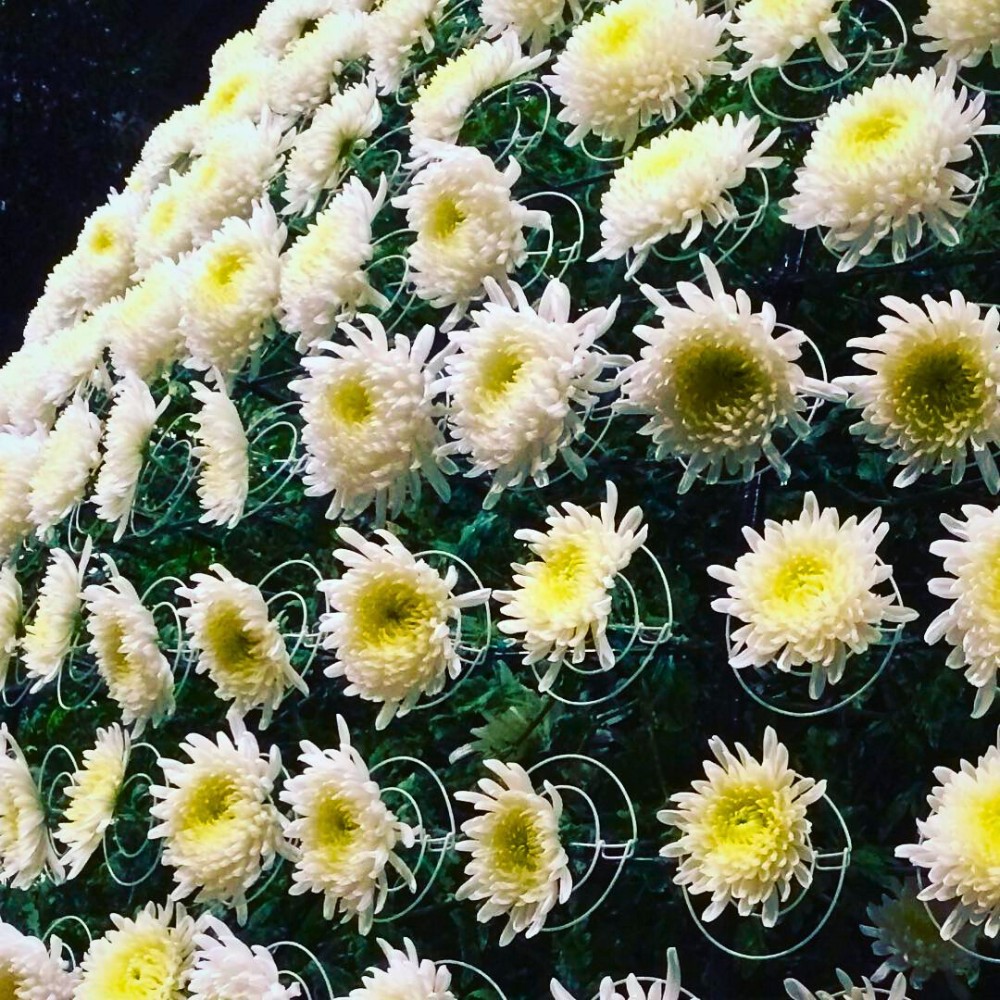
Feeding and watering are, then, also important. Fertilizer and water should be precise. Too much or too little fertilizer makes the stems grow weak or the flowers small. The water must be just right, neither drowning the roots nor letting them dry out. Every decision affects the final result.
Glorious Moment When the Plant Looks Like a Sculpture Made of Petals
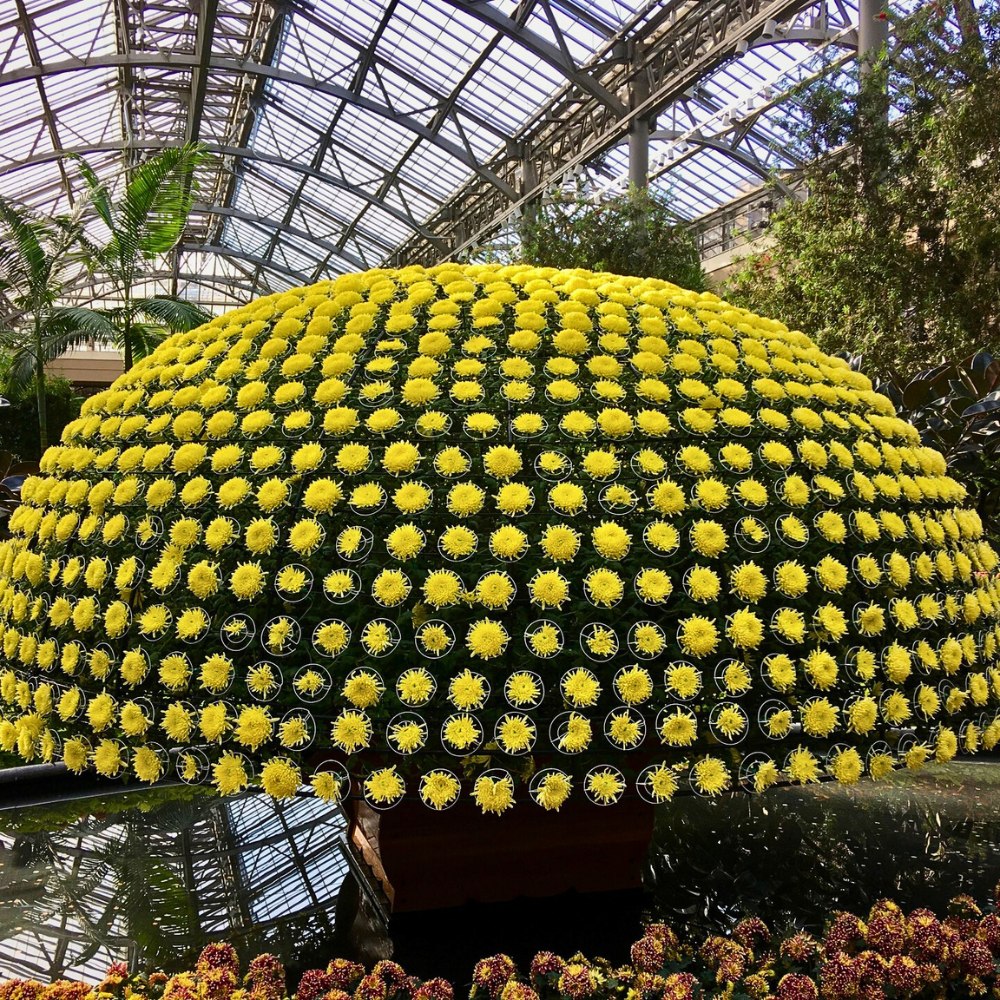
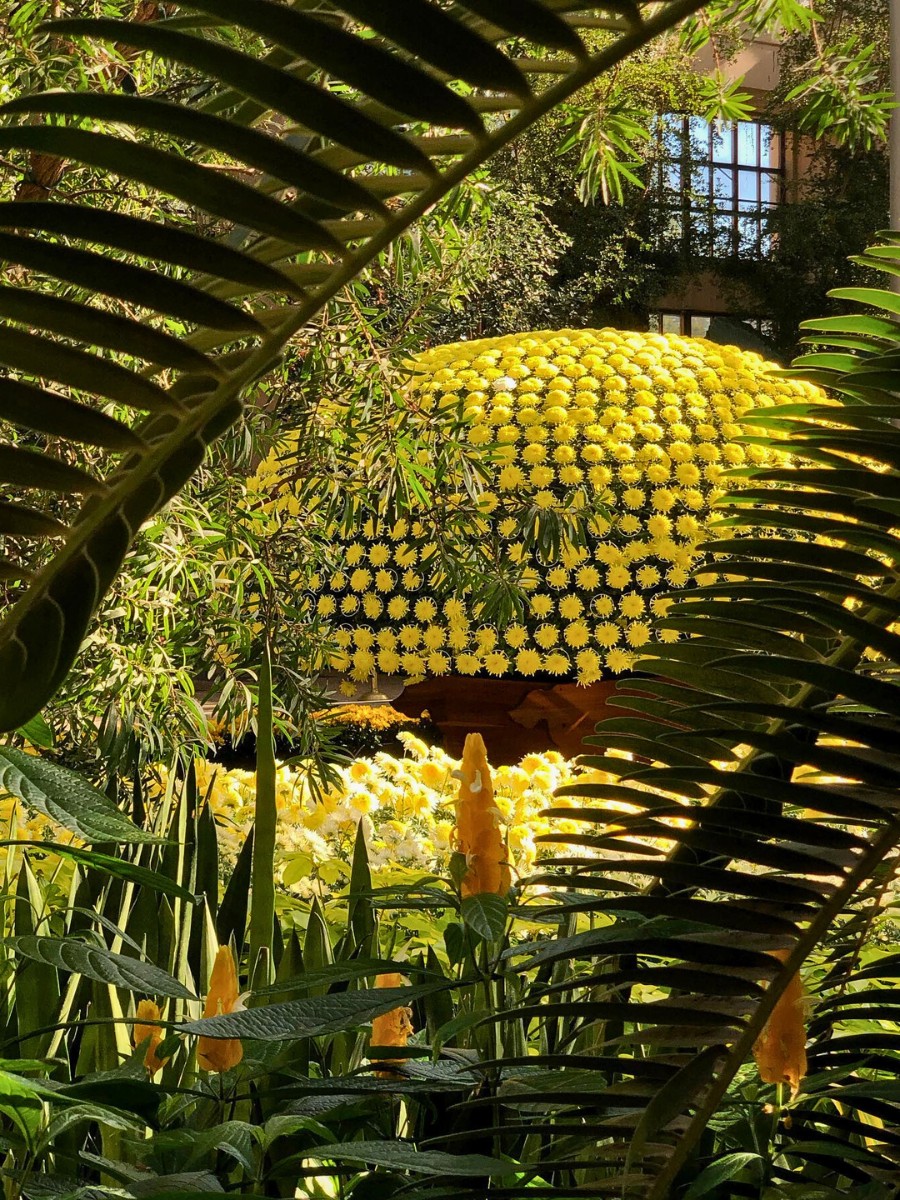
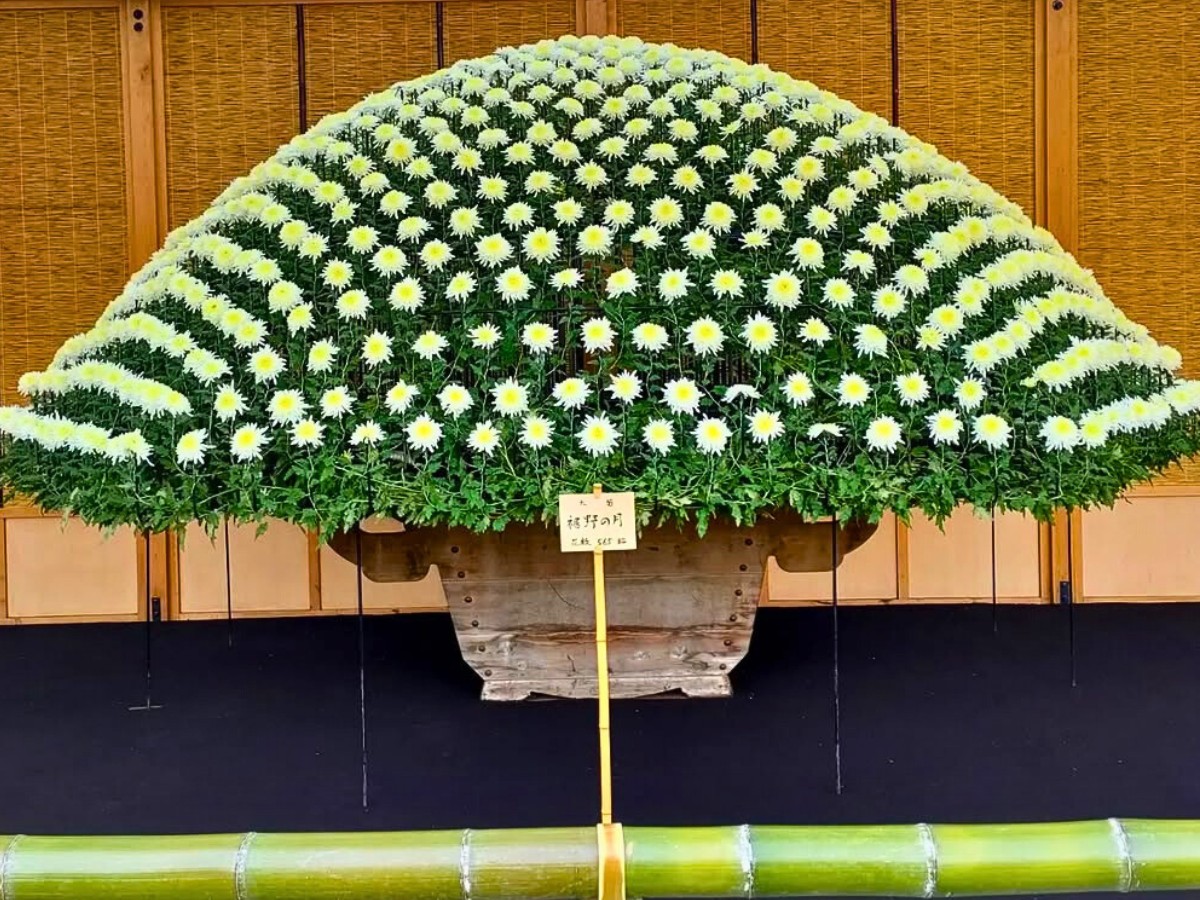
When the display finally opens, the effect is breathtaking. Hundreds or even thousands of flowers cascade from a single root system, creating a dome or waterfall of color. The most skilled practitioners achieve perfect symmetry, with each flower being equally-sized and positioned. The plant no longer resembles a plant at all, but a sculpture made of petals.
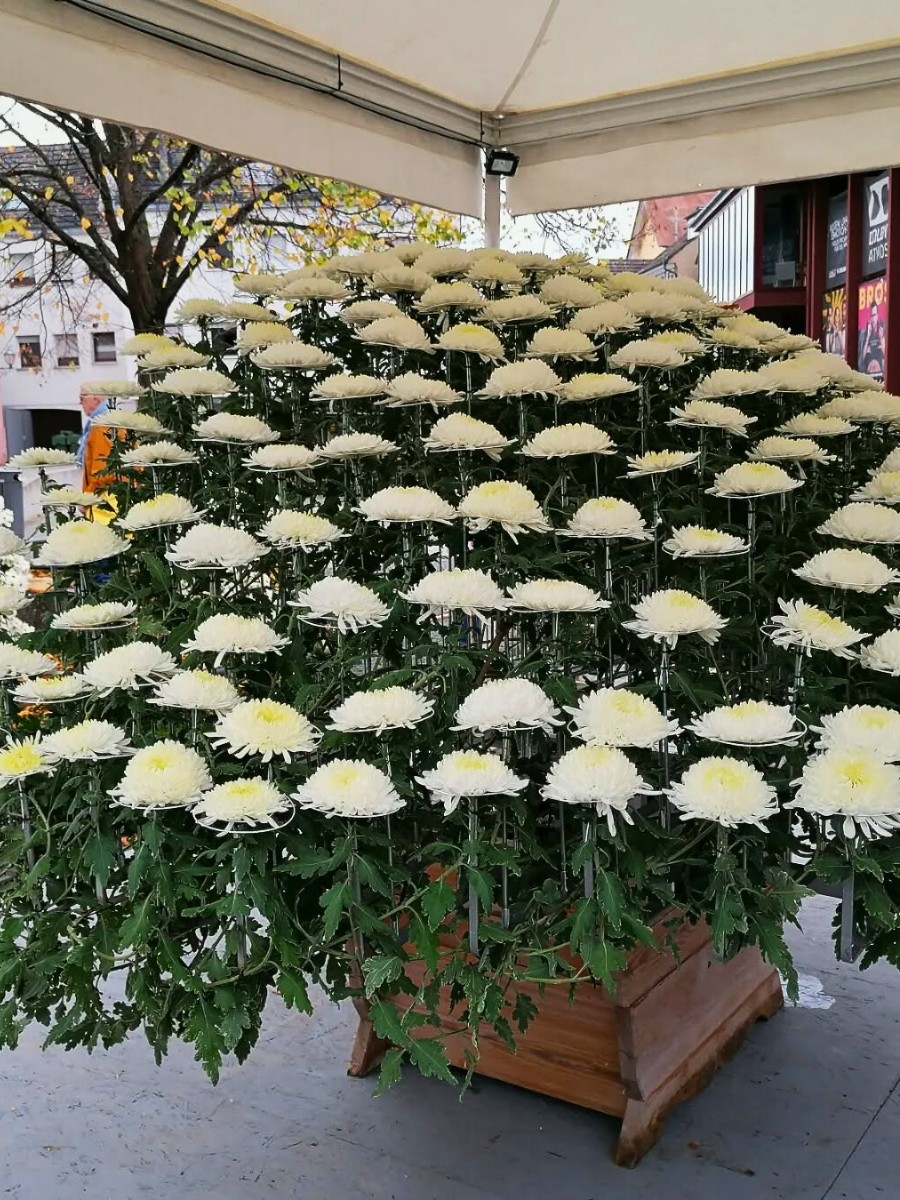
Standing before a Thousand Bloom Chrysanthemum, one often struggles to believe it is just one plant, because the dome appears almost mathematically regular. Flowers are spaced in measured rows and columns, wired to supporting rings so they hover at matching heights, creating a sense of calm order.
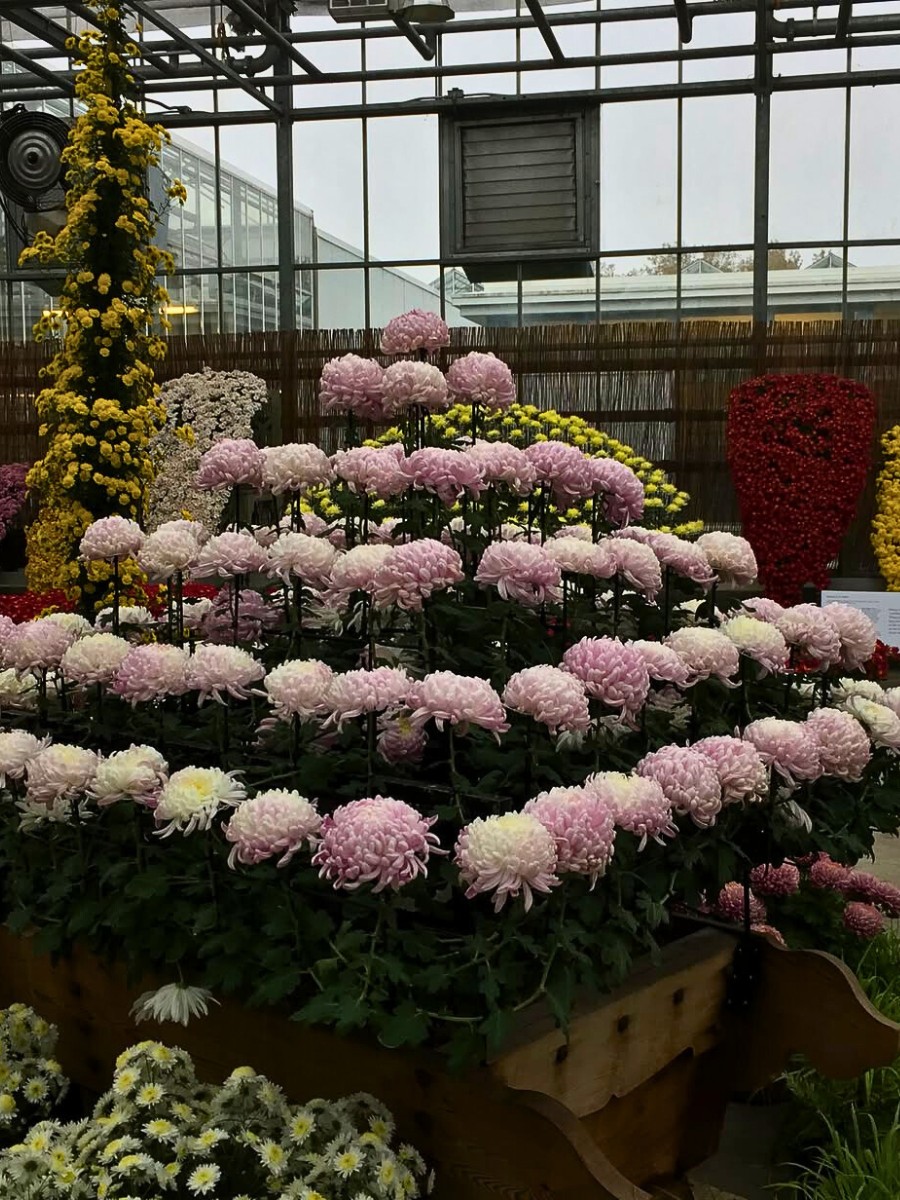
Traditional displays often feature pure white or golden yellow flowers, colors associated with imperial regalia. But modern practitioners experiment with pinks, purples, and reds, creating different moods and effects. Some create multi-tiered displays where different varieties bloom at different heights. Others train their plants into specific shapes like fans, circles, or even Chrysanthemum cliffs that seem to spill over their supports.
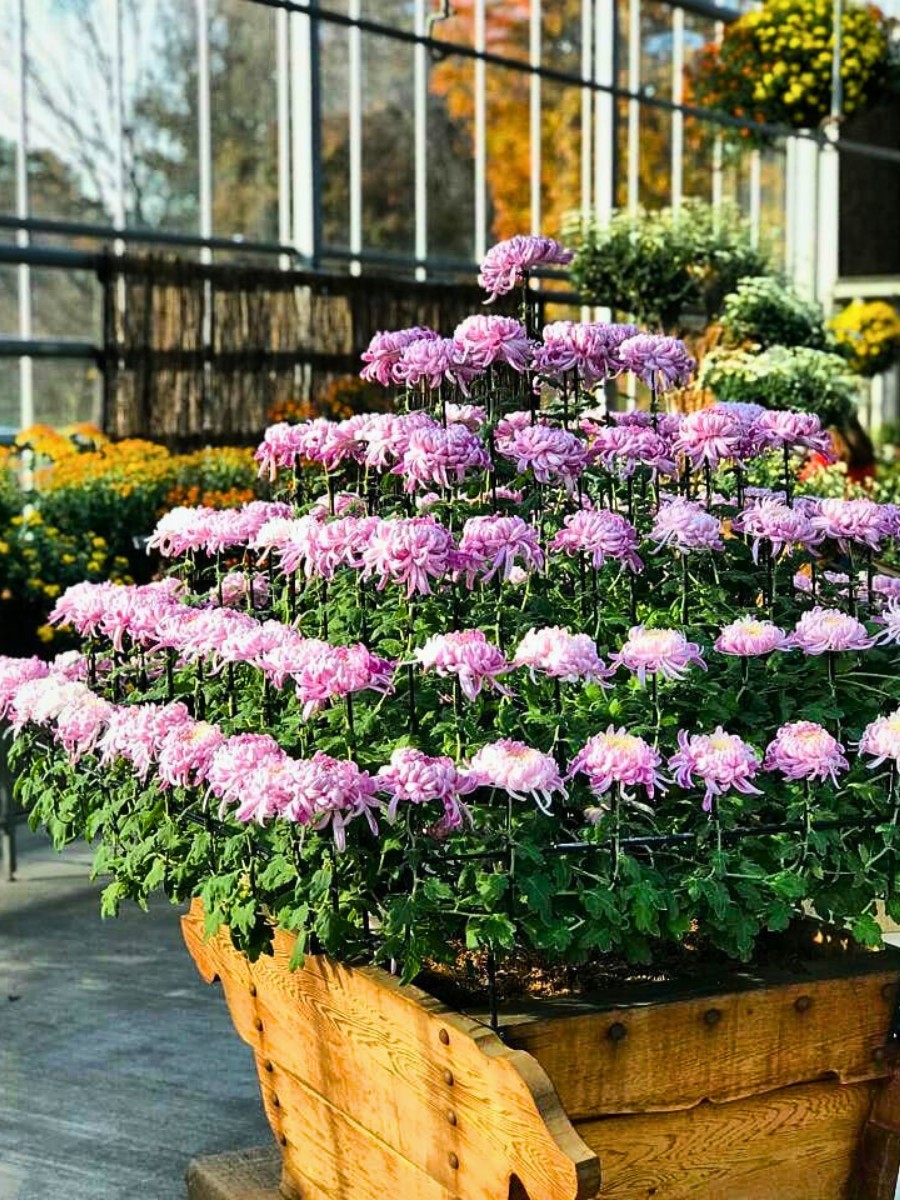
Often, competitions and exhibitions bring Ozukuri masters together, particularly during the autumn Chrysanthemum festivals held across Japan, drawing thousands of visitors who marvel at the displays, photograph them, and discuss the finer points of technique with the passion of connoisseurs.
Why Ozukuri Feels So Captivating
For those who witness a mature Ozukuri display, the experience is often moving. Part of the appeal of this Thousand Bloom Chrysanthemum is in the surprise. One almost expects that such a large dome must be a mass planting, and then feels awed when they learn it is one rooted stem. That single root system supporting hundreds of flowers hints at ideas of unity, patience, and what is ‘invisible’ yet sustains visible beauty.
Ozukuri also offers a kind of slow storytelling. Each month’s work builds on the last until the final display unveils what all the work has created. Once flowering is over, the plant’s moment has passed. But the knowledge gained and refined in that cycle carries into the next Thousand Bloom Chrysanthemum.
The art form also preserves traditional knowledge. At a time when such skills often disappear, each master who trains an apprentice passes on the techniques, a philosophy of care, and a link to the age-old practice.
Thousand Blooms Chrysanthemums’ Cultural and Modern Meanings
In both China and Japan, the chrysanthemum has associations with autumn, perseverance, and refined taste, and the Thousand Bloom display amplifies those ideas through scale and discipline. The work poured into a single plant over that long duration speaks of dedication and respect for seasonal beauty that lasts only a few weeks.
Contemporary gardens like Longwood Gardens in the U.S have helped reintroduce Ozukuri to wider audiences by staging annual Chrysanthemum festivals featuring these displays. Their growers have reached counts near or above one thousand flowers on a single plant, setting records while staying true to traditional methods learned from the experts.
Notably, Ozukuri’s environmental footprint is small. The plant requires no chemicals, minimal water once established, and creates no waste. At the end of the display, the Chrysanthemum flowers compost and return to the earth, their natural cycle completed.
Feature and header image by Mary Mark Ockerbloom.