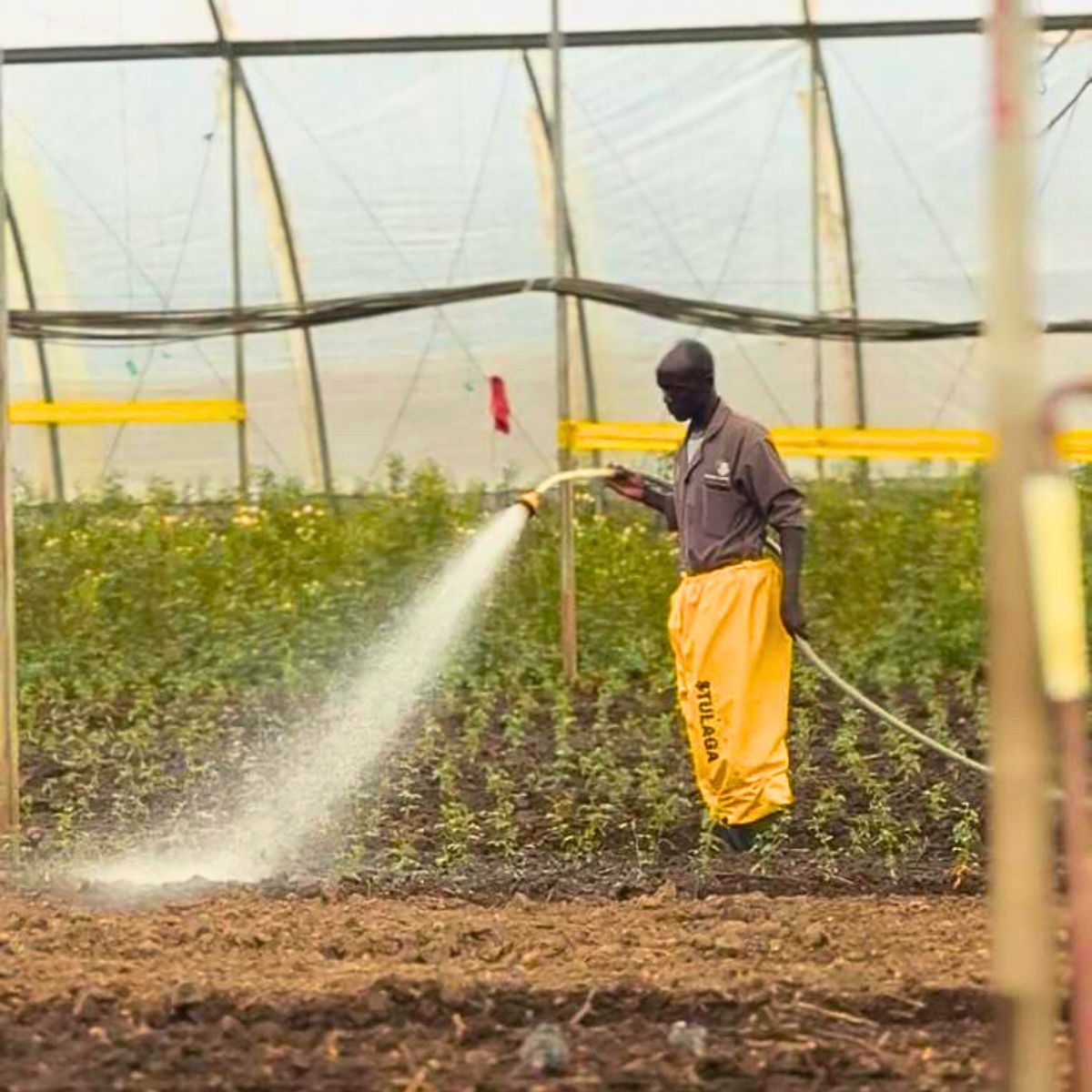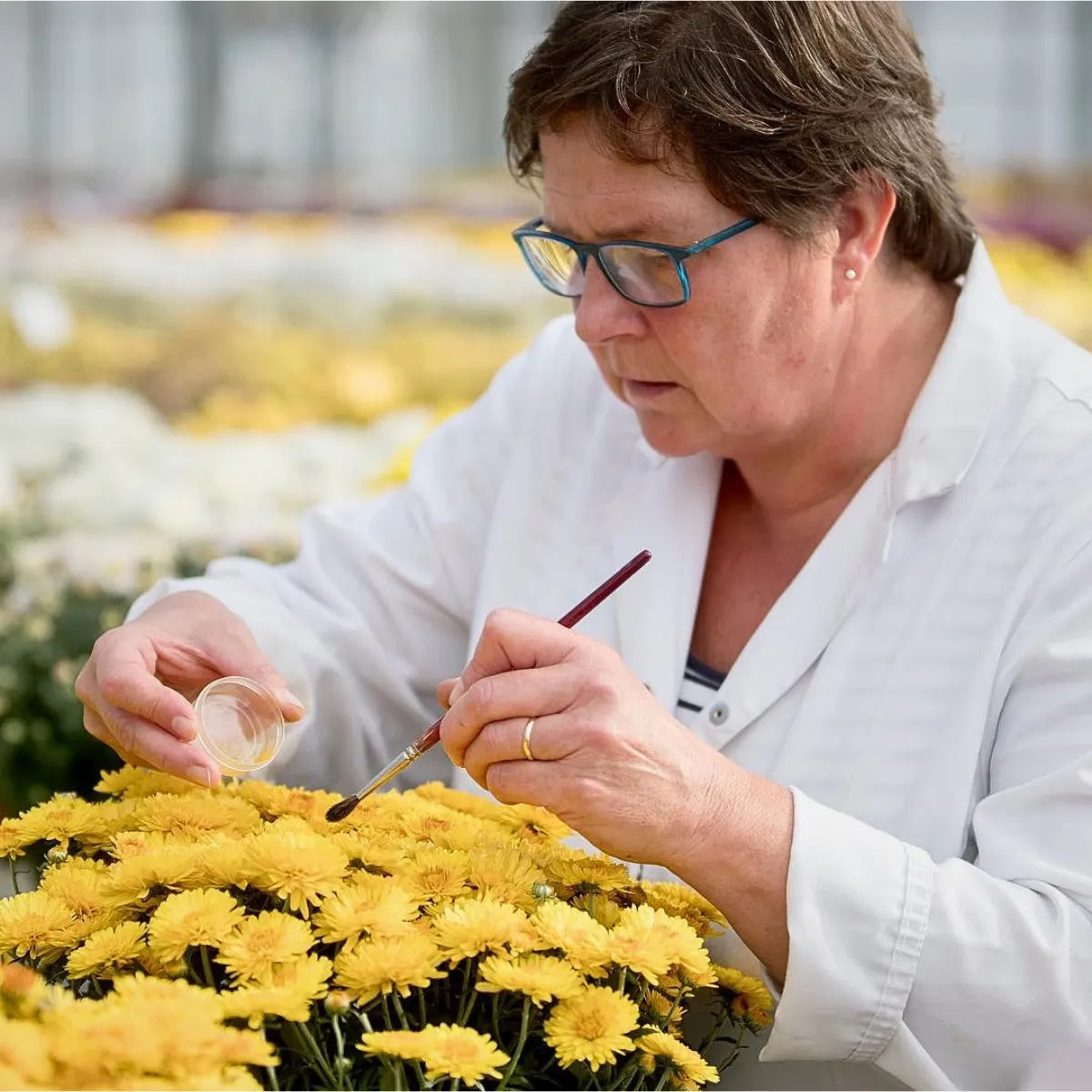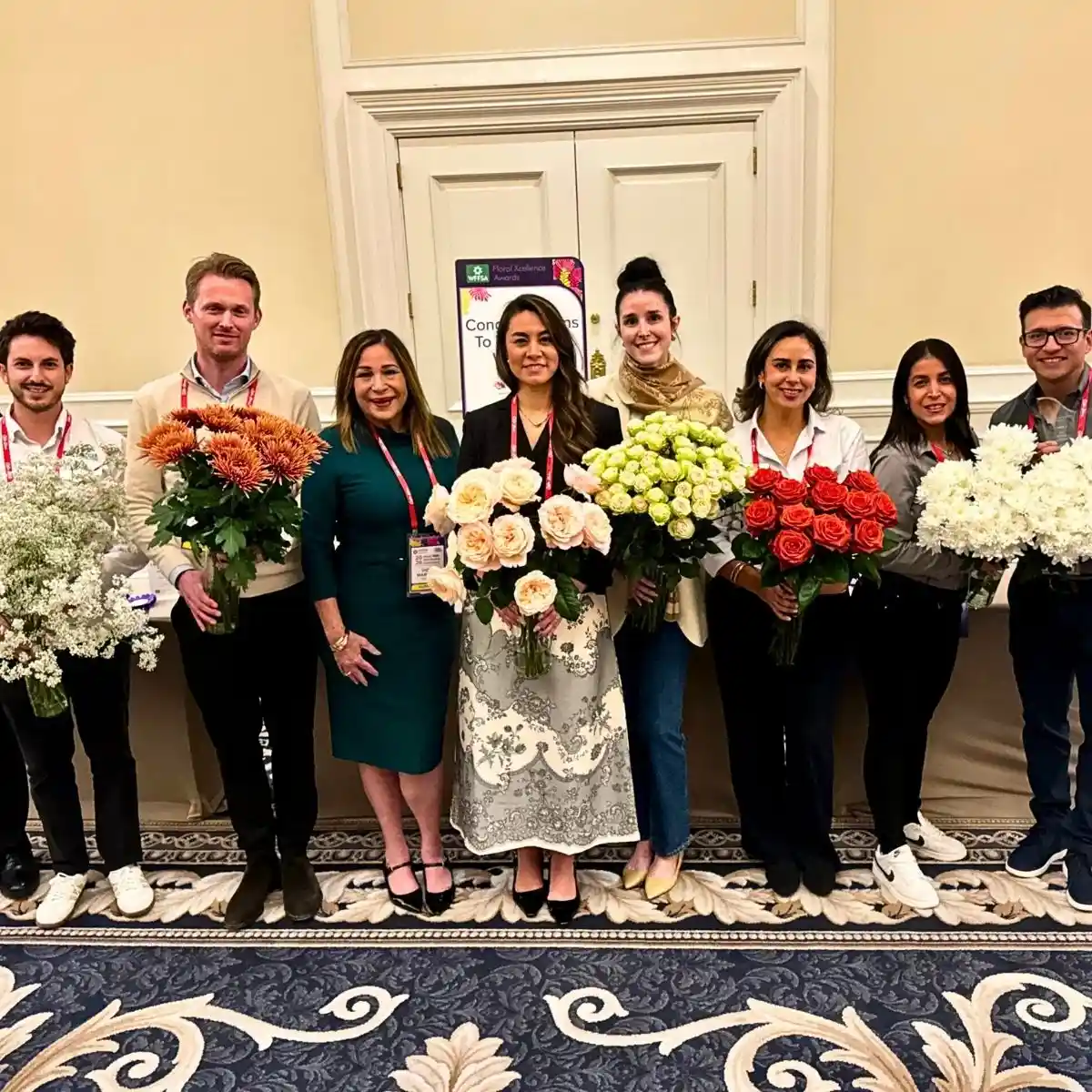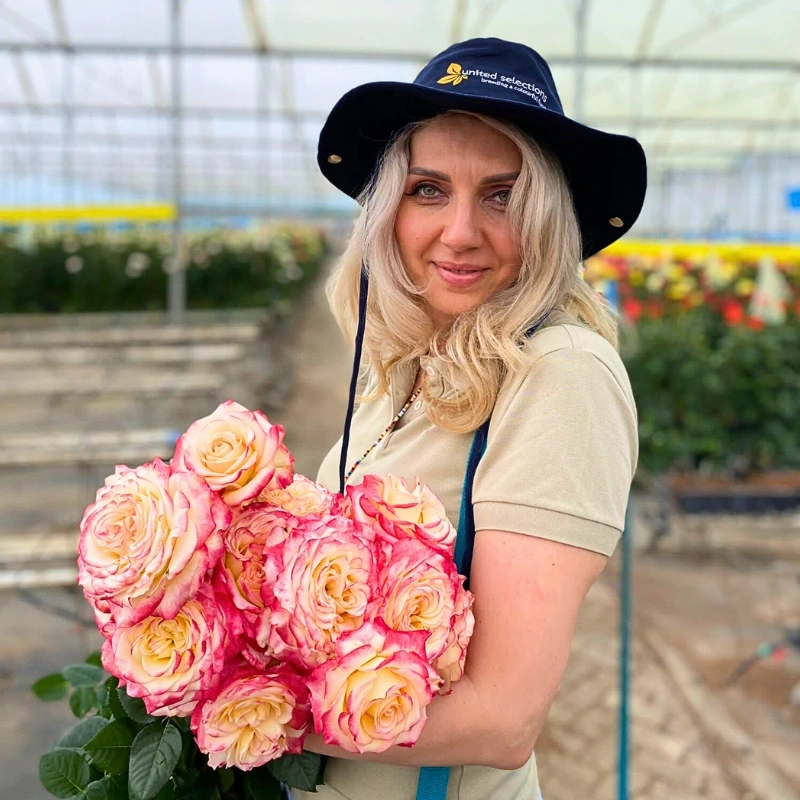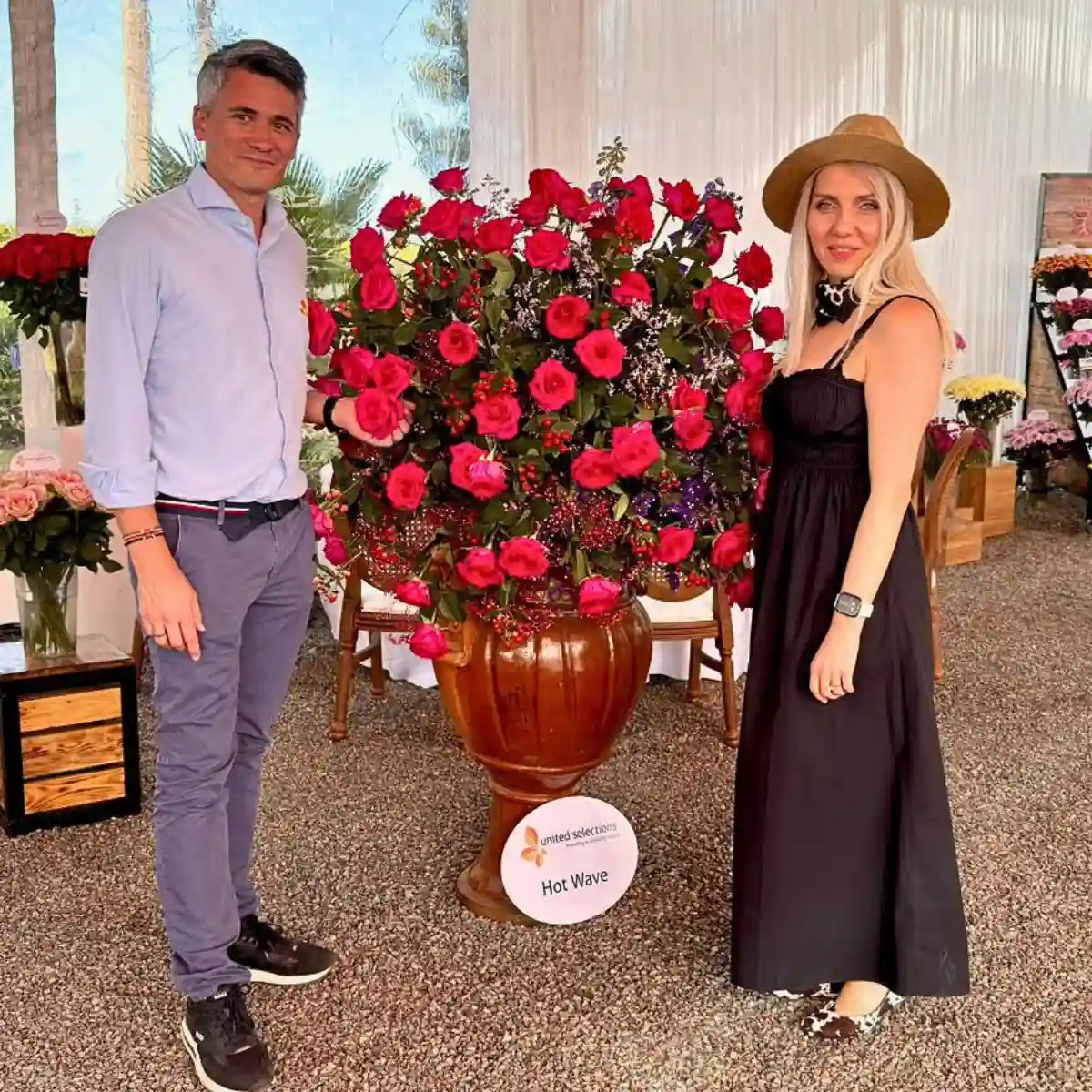
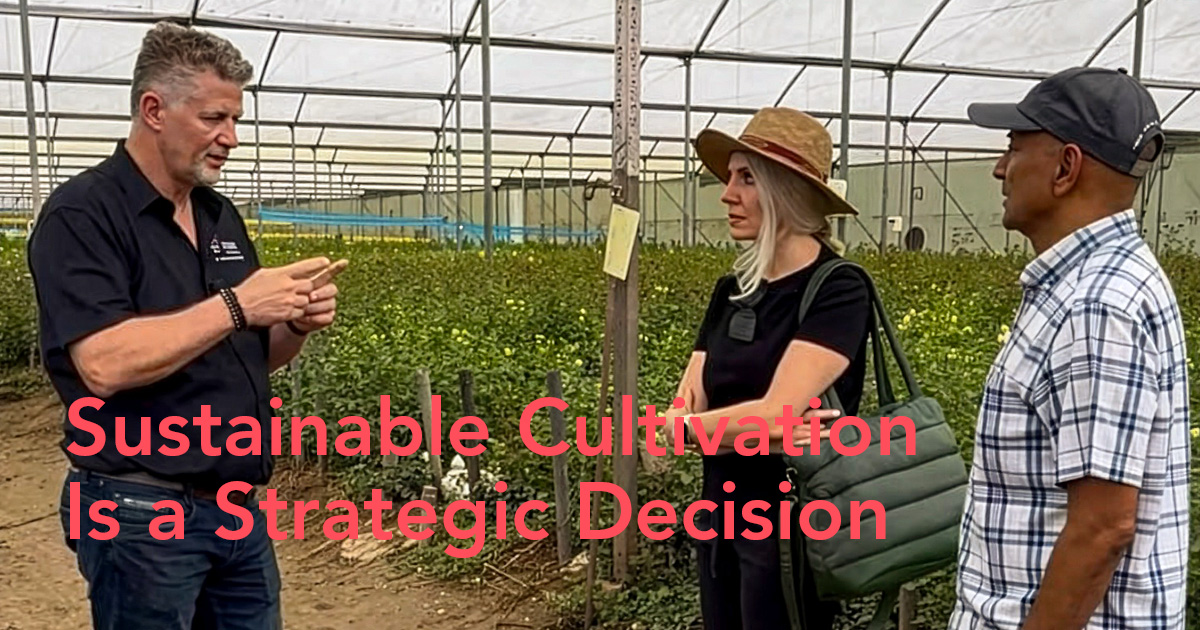
In January 2026, in the heart of Naivasha, Kenya, a direct and necessary conversation unfolded about modern agriculture, pesticides, soil degradation, and nutrient loss. In an interview led by Alina Neacsa, International Master Florist and Trainer, agronomist Avinash Mokate, General Manager of Tulaga and Sunfloritech, and Jan Haaksman, owner of Icon Selections, addressed a question that resonates far beyond the farm gate.
Are humans the only species that deliberately poison their own food before consumption?
This discussion was not driven by fear, but by science, soil knowledge, and responsibility. It offered a grounded look at how cultivation methods influence not only food crops, but flowers, fruits, vegetables, and the ecosystems that sustain them. For professionals in floriculture and horticulture, the message is clear. Healthy soil is not a trend. It is the foundation of long-term quality, resilience, and human well-being.
Pesticides, Soil Degradation, and the Nutrient Gap
During the interview, Avinash Mokate explained how the widespread use of synthetic pesticides and agrochemicals has gradually altered soil biology. Modern agriculture often prioritizes yield and visual perfection, yet this approach can come at a cost. Repeated chemical inputs disrupt microbial life in the soil, reducing its natural ability to cycle nutrients efficiently.
The result is a paradox. Food production volumes may increase, yet nutrient density can decline. Crops may appear abundant, but the concentration of essential minerals and trace elements can be lower than in previous generations. The concern is not only about visible residues, but about the long-term structural changes in soil ecosystems.
For the floral sector, soil health directly affects stem strength, vase life, color intensity, and disease resistance. Flowers grown in biologically active soils often display improved resilience and post-harvest performance. Soil is not an inert medium. It is a living system. When microbial diversity declines, plant vitality can decline with it.
Eating More but Receiving Less
One of the most striking points raised in the Naivasha conversation is the idea that modern consumers may be eating more volume while receiving fewer nutrients. Intensive cultivation practices can produce visually impressive harvests, yet the nutritional profile may not reflect the same richness as traditionally grown produce.
This imbalance raises questions about the long-term implications for public health. When soil organic matter declines and beneficial microorganisms are suppressed, plants rely more heavily on synthetic inputs than on natural nutrient cycling. Over time, this can influence both plant metabolism and the micronutrient composition of fruits and vegetables.
For growers, breeders, and buyers within the floriculture industry, the parallel is evident. If flowers are cultivated in depleted soils, long-term productivity and quality may also suffer. Sustainable cultivation is not only an ethical choice. It is a strategic decision that safeguards the sector's future.
How Pesticides Affect Soil and Long-Term Health
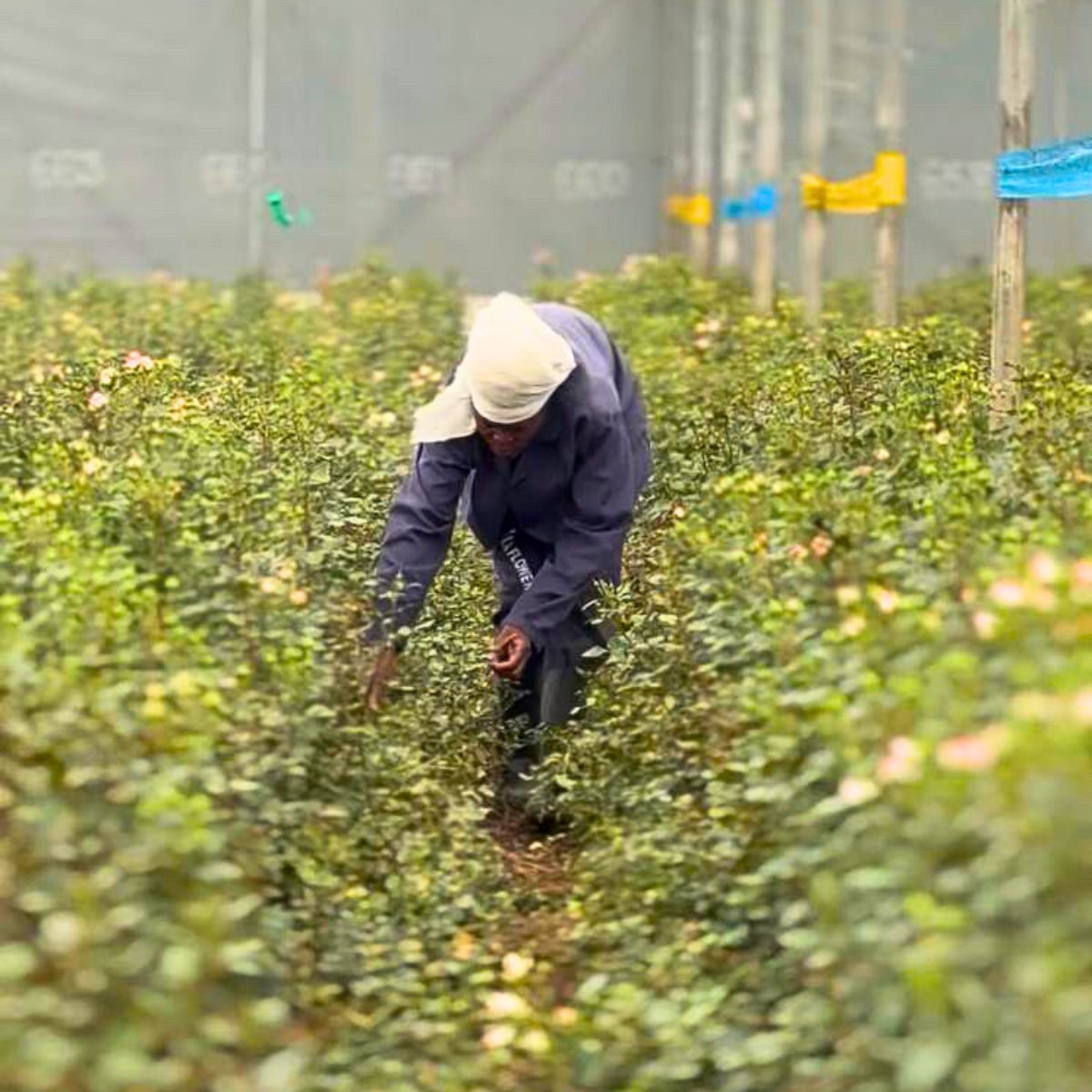
Pesticides are designed to eliminate specific pests or pathogens. However, they can also affect non-target organisms within the soil. Beneficial fungi, bacteria, and insects that contribute to nutrient cycling and plant immunity may be unintentionally harmed.
When soil biodiversity declines, plants often require additional chemical support to maintain productivity. This creates a cycle of dependency. Reduced biological resilience leads to increased inputs, which can further suppress soil life. Breaking this cycle requires a shift toward regenerative principles, including composting, crop rotation, reduced chemical use, and encouraging natural predators.
The discussion also addressed human health. While regulatory frameworks exist to manage pesticide residues, long-term exposure and cumulative effects remain areas of ongoing scientific study. The broader message was not alarmist, but reflective. Agricultural systems should aim to nourish both land and people.
What Sustainable Cultivation Really Looks Like
Sustainable cultivation is often misunderstood as a niche or purely organic approach. In reality, it represents a spectrum of practices that prioritize soil regeneration, biodiversity, and long-term productivity. Sustainable growing begins with observing natural systems rather than overriding them.
In practical terms, this can include integrating biological pest control, improving soil organic matter, reducing synthetic inputs, and supporting beneficial microorganisms. In floriculture, this approach can enhance stem strength, reduce disease pressure, and improve overall plant vigor. Flowers cultivated in balanced soils often exhibit improved transport resilience and extended vase life.
For designers and florists, the origin story of a flower increasingly matters. Buyers are asking not only about color and form, but about cultivation methods. A sustainably grown flower carries an additional layer of value. It represents respect for soil, growers, and the communities connected to the supply chain.
Science, Soil, and Responsibility
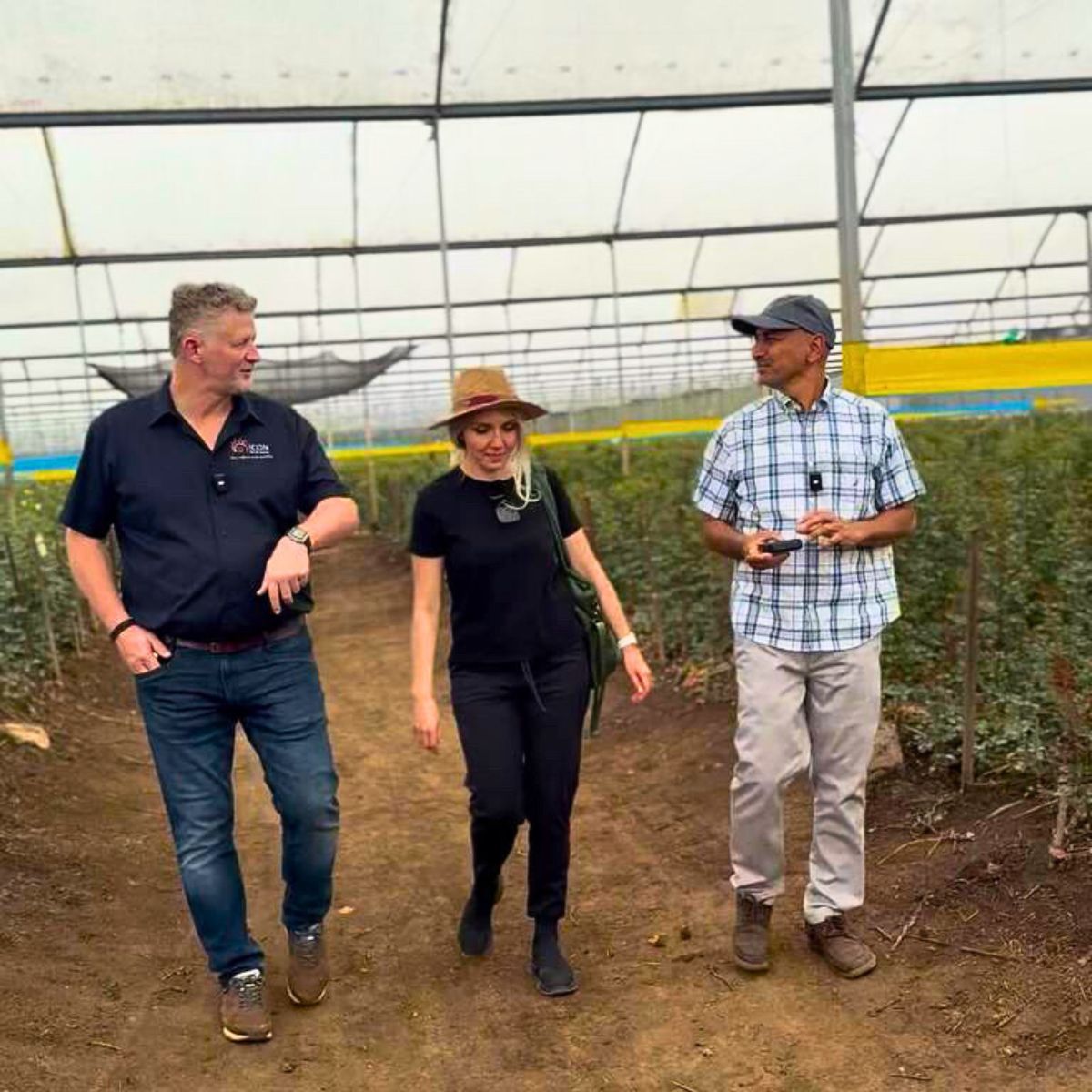
The Naivasha interview emphasized that the conversation around pesticides and soil degradation should not be framed as fear-based rhetoric. Instead, it should be rooted in evidence and responsibility. Scientific measurements, agronomic experience, and field observations all point toward the importance of soil health as a cornerstone of resilient agriculture.
Modern horticulture stands at a crossroads. Technological advancements have enabled remarkable productivity. At the same time, there is growing awareness that long-term success depends on ecological balance. The floral industry, often perceived as purely aesthetic, plays a meaningful role in this transition. Sustainable cultivation of flowers can serve as a visible symbol of responsible land stewardship.
Healthy soil supports healthy plants. Healthy plants contribute to human wellbeing, whether through nourishment, visual beauty, or emotional connection. The message from Naivasha is clear. Cultivation practices shape not only harvests, but futures.
A Call to Reconnect With the Foundation
The central question raised in this interview is not intended to provoke guilt, but awareness. Are current agricultural systems aligned with the biological realities of soil and plant life? When land is treated as a living ecosystem rather than a production surface, outcomes shift. Nutrient density improves. Chemical dependency decreases. Biodiversity returns.
For growers, traders, breeders, florists, and consumers, the opportunity lies in conscious choice. Supporting regenerative practices, asking informed questions about cultivation, and valuing soil health as a non-negotiable standard can drive meaningful change across the supply chain.
The conversation recorded in Naivasha underscores an essential truth. Soil is not simply beneath the crop. It is the foundation of everything grown. Protecting it is not optional. It is a responsibility shared by the entire industry.
Explore more conversations that shape the future of floriculture and sustainable cultivation on Thursd, where stories behind flowers go deeper than beauty alone.