How does Chrysanthemum breeding work? Well, just like most other flowers, the breeding of Chrysanthemum is a blend of science, artistry, and, of course, patience that eventually shows up as spray, santini, or disbud cut flowers in a florist’s shop, a retail store, or a floral design. Or you can buy it as a pot plant for your patio.
The breeding process starts years before, in trial greenhouses where breeders search for qualities, like better vase life, novel colors, and stronger stems, and continues on farms where growers turn tiny cuttings into uniform, high‑quality flowers. By the time you buy a bunch of cut chrysants or a pot plant, an entire chain of specialists has done its part.
What Is Chrysanthemum Breeding?
Chrysanthemum is one of the most commercially significant flowers globally, ranking second in the cut flower trade after roses. The very scale of the variety of forms available, from tight, spherical pompons to loose, spidery decoratives and delicate santinis, did not just appear overnight. It took years of careful breeding work, much of it driven by demand from florists, retailers, and consumers who seek new, better, and more durable varieties.
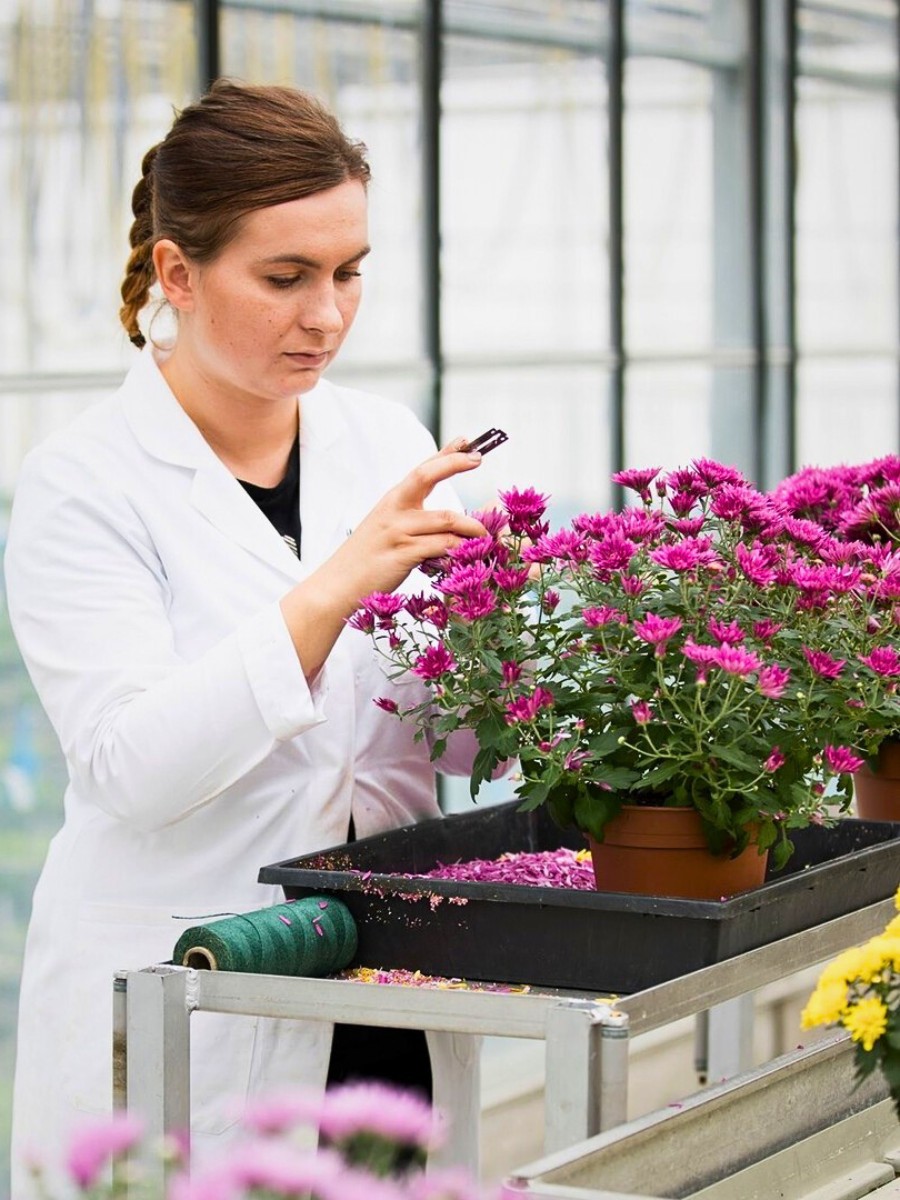
Essentially, breeding mums is driven by very specific market needs, and not just vague ideas of ‘pretty flowers.’ It is basically about controlling genetics to produce plants with desirable traits, such as field performance, stem strength, ideal flower type, size, color, and number of blooms, as breeder Selecta Cut Flowers puts it. Vase life in different weather conditions, tolerance to disease and temperature fluctuations, and flowering on a predictable schedule year-round, matter as well.
All of these characteristics need to meld in one cultivar that a grower can reliably produce, and a buyer will happily purchase. And such is why, behind their petal shapes and forms, and shades of yellow, white, pink, or deep purple, there is a comprehensive process of careful crossbreeding and selection, precise propagation, and a supply chain that stretches from a breeder's facilities all the way to a consumer’s hands.
Identifying the Parent Plants
The crossing program begins with the choice of parent plants. A Chrysanthemum breeder will choose two cultivars or species with complementary qualities. One may have a beautiful color, while the other carries strong disease resistance or an unusually long stem. The goal is to combine the best of both in the offspring generation.
A hexaploid plant, Chrysanthemum morifolium, is genetically complex, meaning it carries six sets of chromosomes, and chromosome numbers can range from 47 to 67 within cultivated types, so the outcomes from crosses are not always predictable. Many thousands of seedlings may be grown from a single cross, but only a handful carry exactly the right combination of traits the breeder seeks.
Controlled Pollination
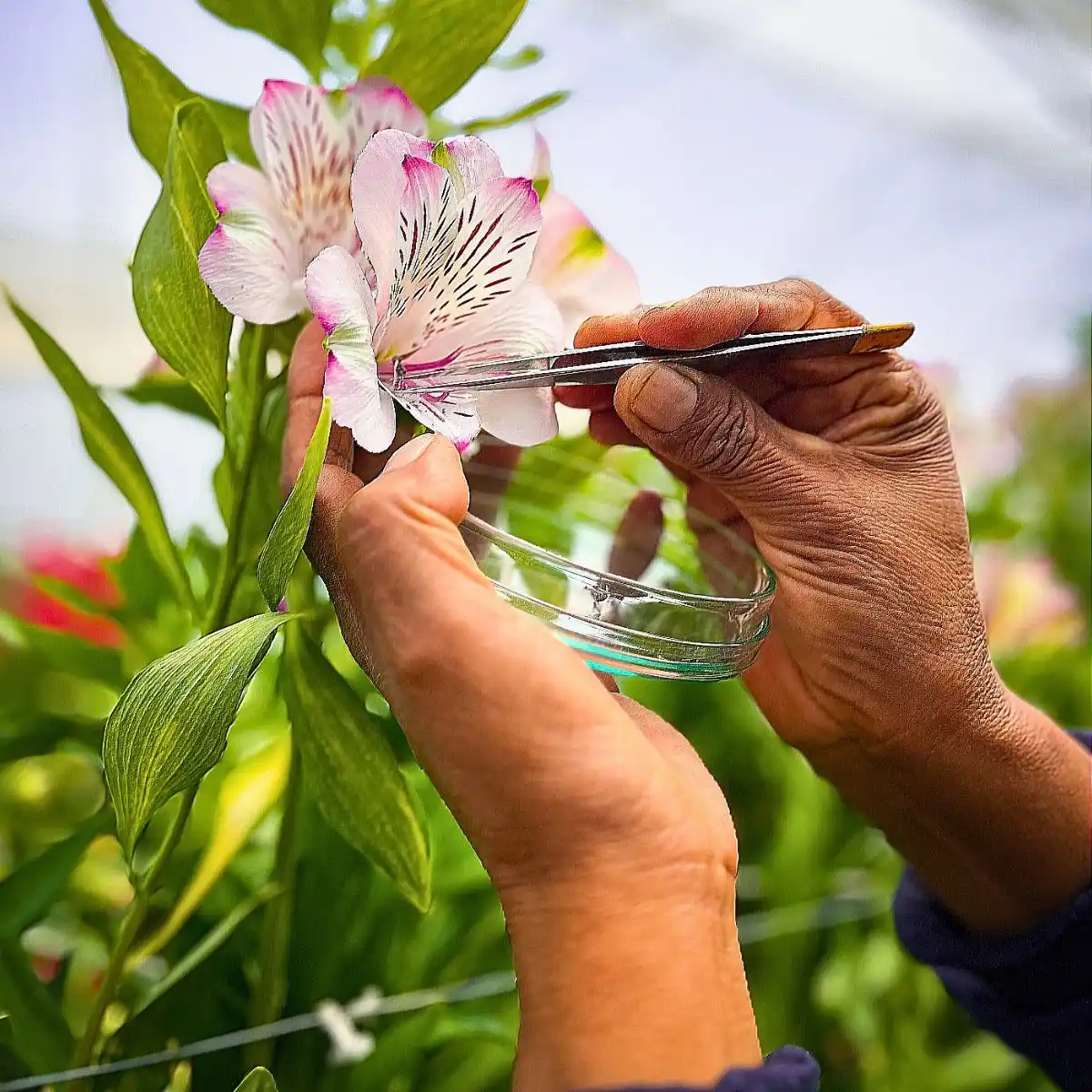
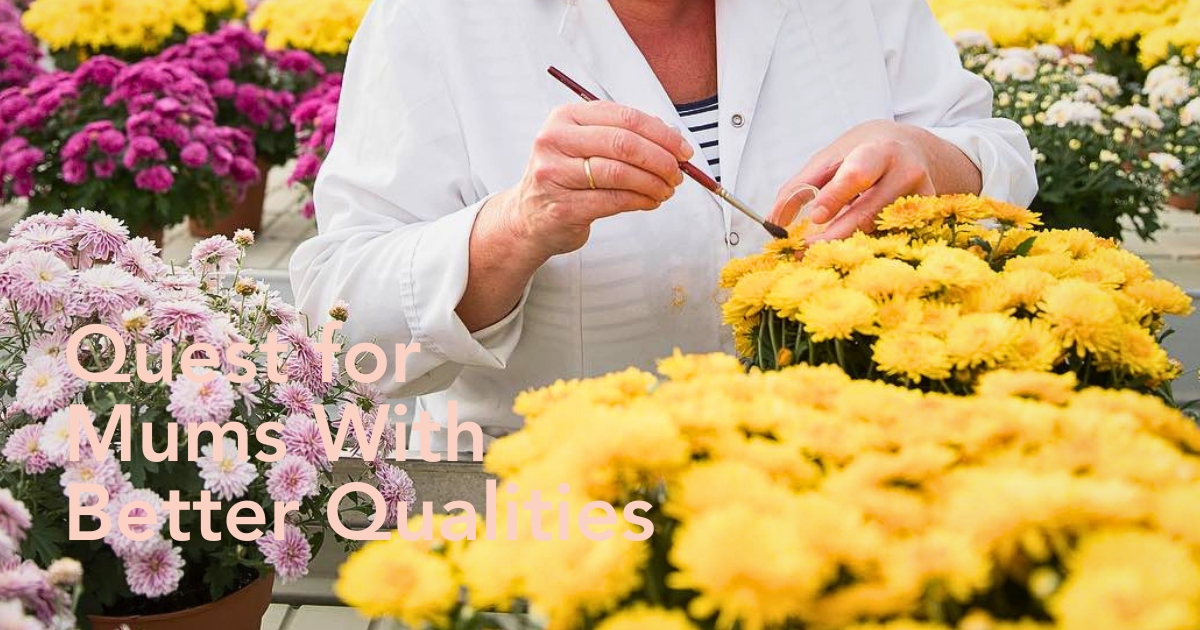
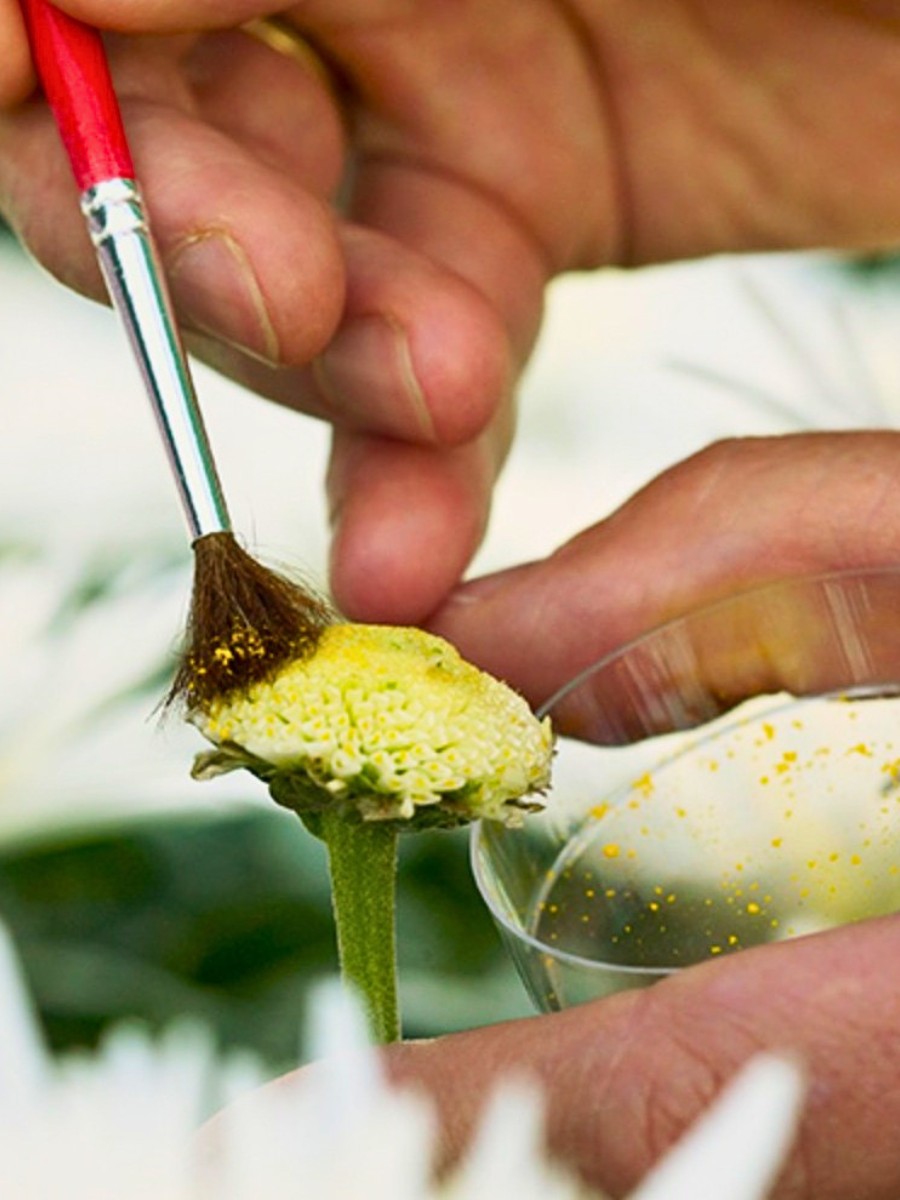
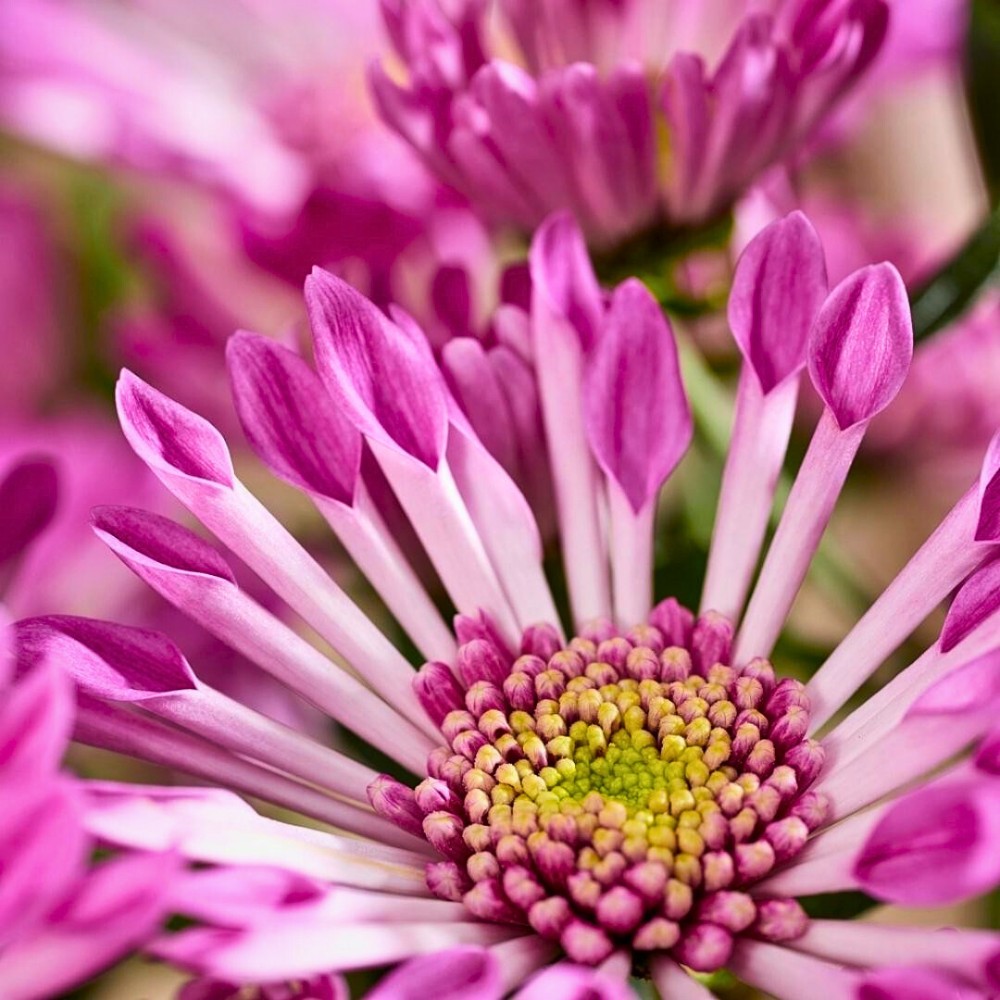
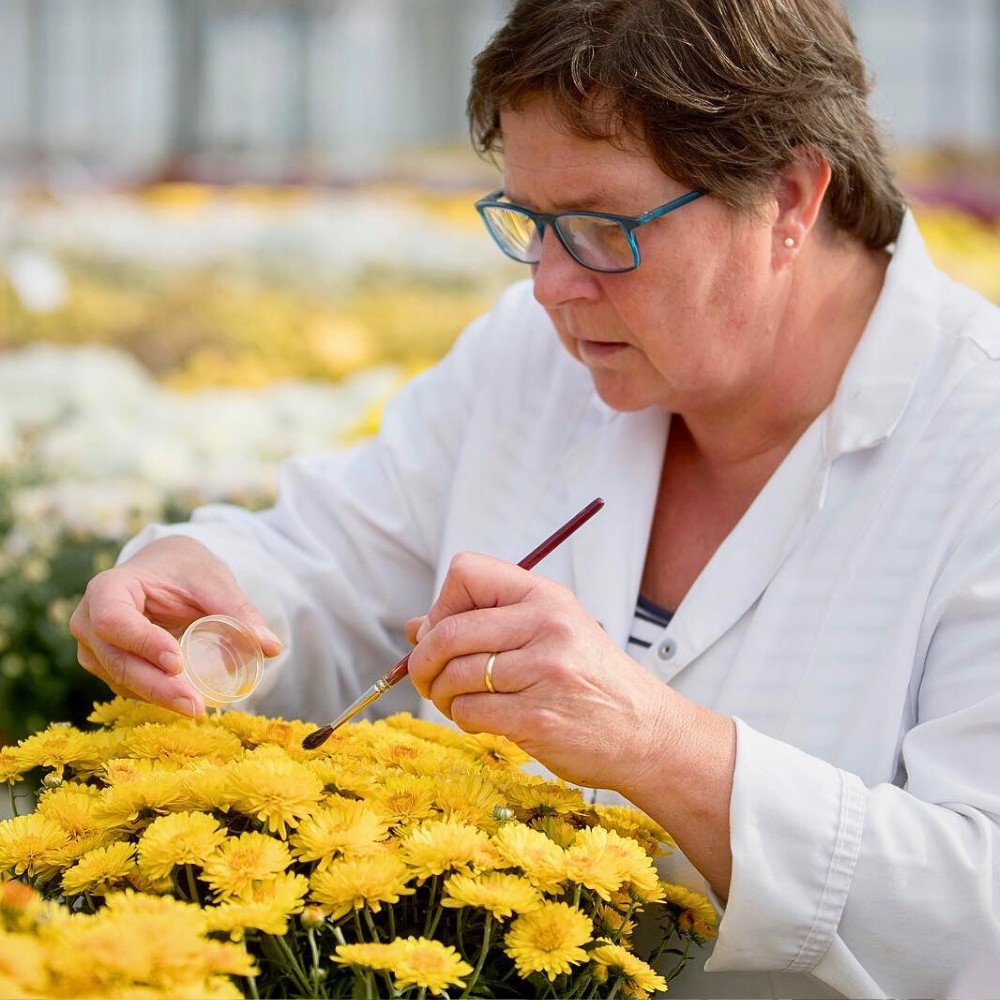
Pollination in Chrysanthemums is done manually (and carefully). The breeder selects the mother plant (the seed parent) and removes the pollen-bearing stamens before they mature, preventing self-pollination. Pollen from the chosen father plant is then transferred to the mother's stigma, either using a fine brush or by pressing the two flower heads together gently. This is repeated across many combinations to widen the genetic pool of seedlings available for selection.
Timing is also of the essence. Chrysanthemum flowers must be at the right stage of development for pollination to succeed, and pollen viability drops quickly at higher temperatures. Many breeders carry out their crossing programs during cooler months, when pollen remains viable longer, and the chances of a successful seed set are higher.
Seed Collection and Germination
Once pollination succeeds, seeds develop inside the spent flower head. These seeds are then harvested, cleaned, and sown in controlled greenhouse conditions. The germination rate can vary depending on the parent combination, but once seedlings emerge, the actual work of observation and selection begins.
Selection (The Most Patient Part of Breeding)
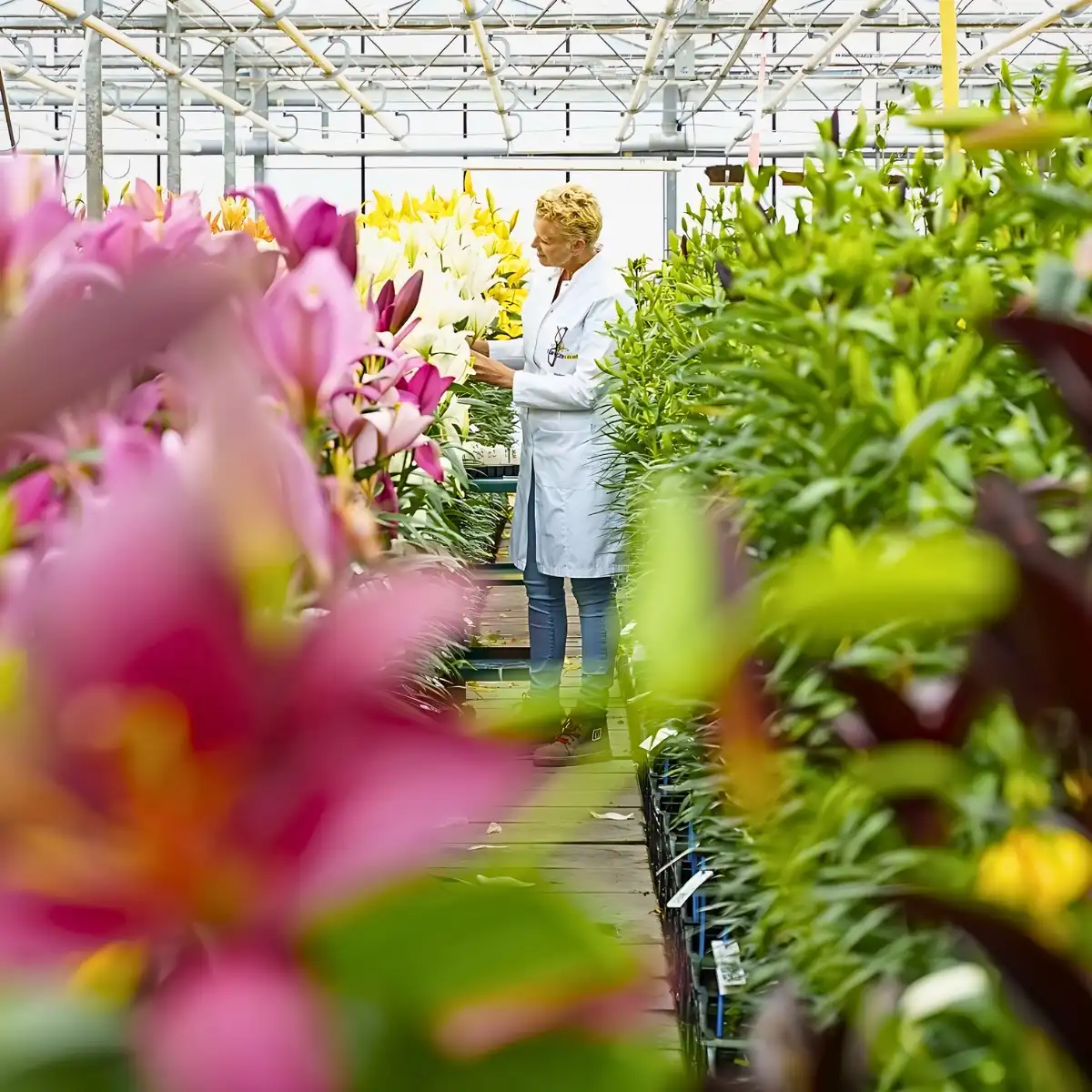
Growing seedlings is easy. But that’s just as far as it goes. A crossing program might produce tens of thousands of seedlings, each a unique genetic individual. The breeder assesses every single one for the suitable traits, like (as noted) flower shape, color, stem architecture, leaf quality, and branching habit. At this early stage, most seedlings are discarded.
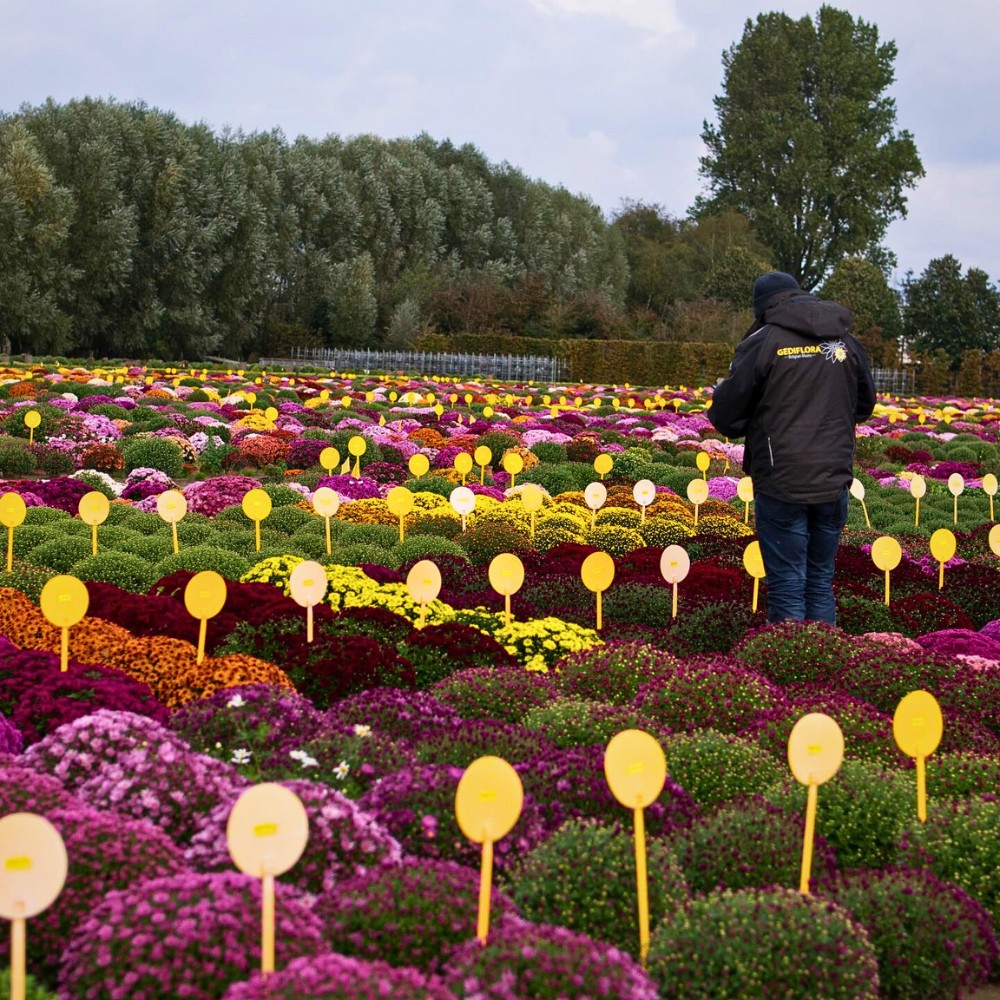
The plants that survive the first round of selection are grown on to flowering. Only when a plant does flower can a breeder fully evaluate what has been produced. The perfect qualities are then carefully assessed, and, again, most candidates are eliminated.
The Breeders’ Multi-Year Observation and Evaluations
A promising seedling does not immediately become a variety. It must be evaluated over several growing cycles to confirm that its traits are stable, reliable, and commercially viable. Disease resistance is tested, vase life is measured, and stem strength under different temperature conditions is assessed. The plant's ability to perform reliably across different growing environments also matters greatly, because a variety that performs brilliantly in a Dutch greenhouse but poorly on a Colombian or Kenyan farm has limited commercial value.
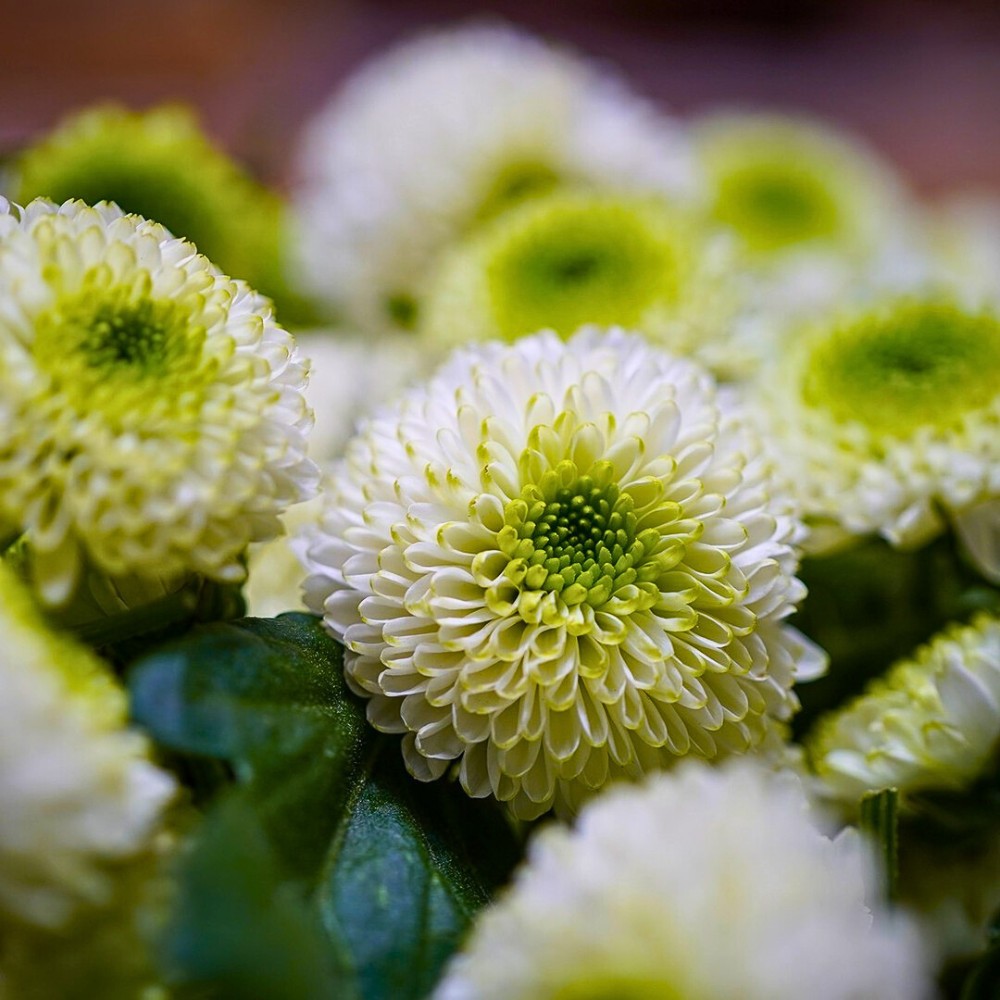
This is something that Floritec, a prominent Chrysanthemum breeder, has built its philosophy around. As they put it, their model of 'Customized Breeding' means working closely with growers in different locations around the world, sometimes breeding on location, and developing varieties that are tailored to specific growing conditions.
Their variety families, including Chrysanthemum Ellison, Rossi, Maverick, Da Vinci, and Dynamic lines, are the result of this long and location-specific development process. Floritec even invests in its own production company, Xclusive Cuttings, in Uganda, where the best cuttings are selected for supply to growers.

The same, pretty much, applies to Deliflor, the largest Chrysanthemum breeder in the world, offering more than 300 cultivars across spray, disbud, and santini categories. Their portfolio, including widely recognized varieties like Chrysanthemum Anastasia and Zembla, shows the intensity of selection work required to sustain such a commercial breeding program.
Likewise, Royal Van Zanten breeds cut and pot Chrysanthemums, such as the famous Chrysanthemum Multiflora PaX garden mums, focusing on innovative, future‑proof genetics for global markets. Their chrysant breeding prioritizes strong plants, long vase life, attractive colors and forms, and suitability for efficient, sustainable production, including sea-transportable SeaProof® types.
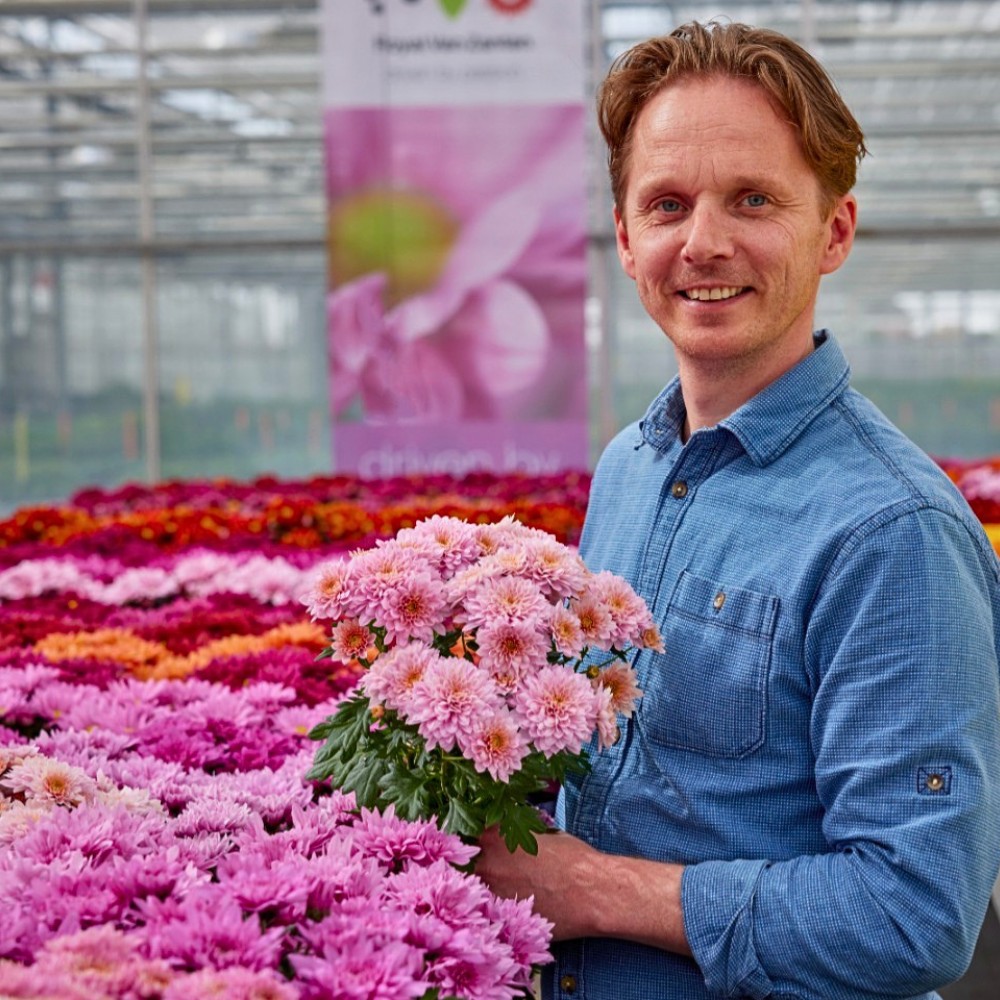
The breeder’s R&D focuses on trends, like sustainability, white rust resistance, and exceptional vase life. Leveraging DNA technology and LED trials, they develop high-performers, like the decorative Bonita series, the trailing Skyfall, and the tricolor Milkshake.
Dutch family business Dekker Chrysanten, operational for over half a century, has innovation not only limited to breeding and propagation but also in important market introductions such as the santinis in the Madiba series. Their work, too, shows how a sustained, long-term focus produces quite the expertise that drives mum production.
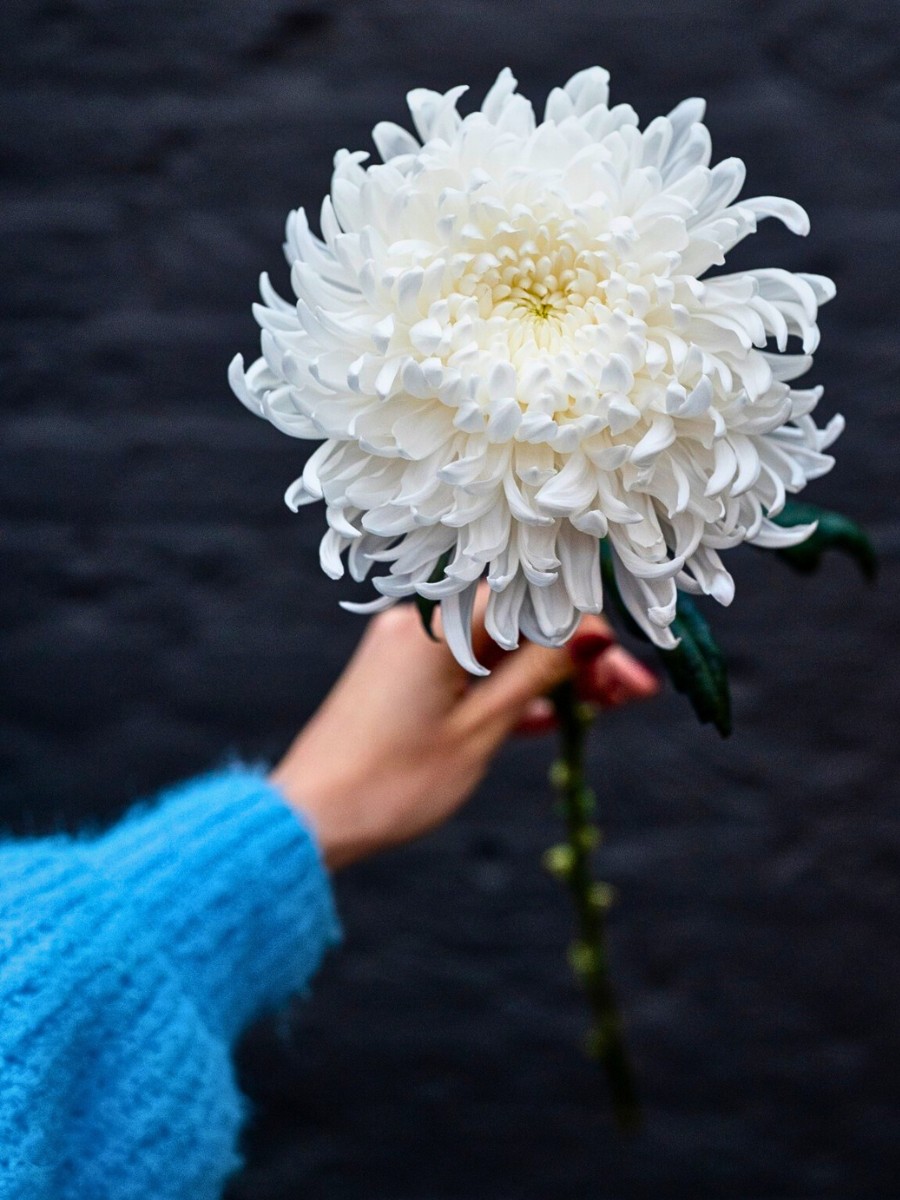
Icon Selections, another Chrysanthemum breeder, is also known for the performance of their varieties, with breeding and selection programs running in Colombia, the Netherlands, and Kenya. The varied-location approach allows them to evaluate varieties under different growing conditions, producing cultivars with a wider commercial applicability.
Dümmen Orange, a global powerhouse in Chrysanthemum breeding, blends traditional artistry with high-tech genomics. Their mission is to create ‘bulletproof’ plants with exceptional shelf life, transportability, and disease resistance. The breeder is best known for heavy hitters like the Pina Colada spray series, known for its incredible freshness and high flower count. Dümmen is known to ensure flowers that stay ‘runway-ready’ from the greenhouse to the vase.
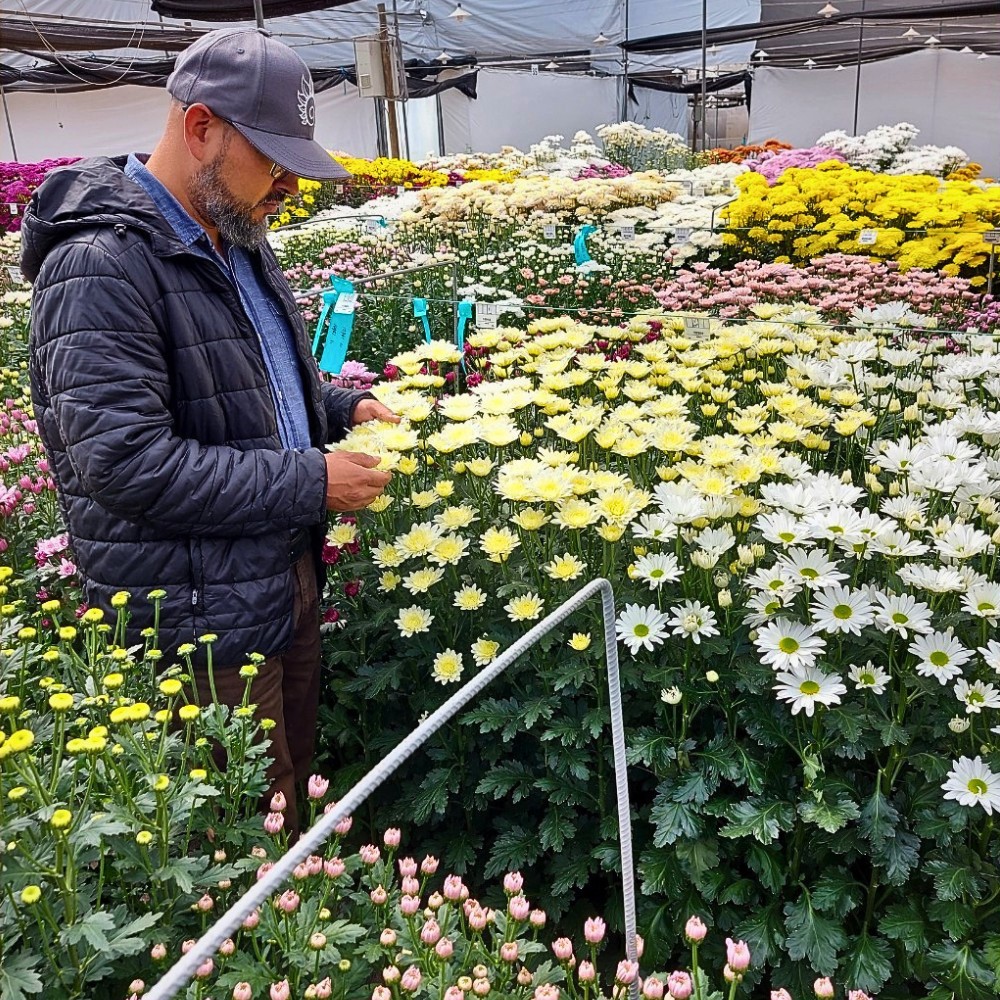
Danziger is also noteworthy. Their breeding centers on series‑based genetics, where each family of varieties shares a consistent plant habit, flower size, and timing, making life easier for growers and planners. The breeder prioritizes disease resistance, transport durability, and exceptional vase life, rigorously testing flowers before selection, so their flowers are known for rich, lasting color and uniform flowering.
Propagation, and Why Cuttings, Not Seeds, Are Used
Once a new variety has been selected, confirmed, and stabilized, it must be multiplied. This marks a departure from what most people might presume. Commercial Chrysanthemums are not grown from seed, but are propagated vegetatively, almost entirely through stem cuttings.
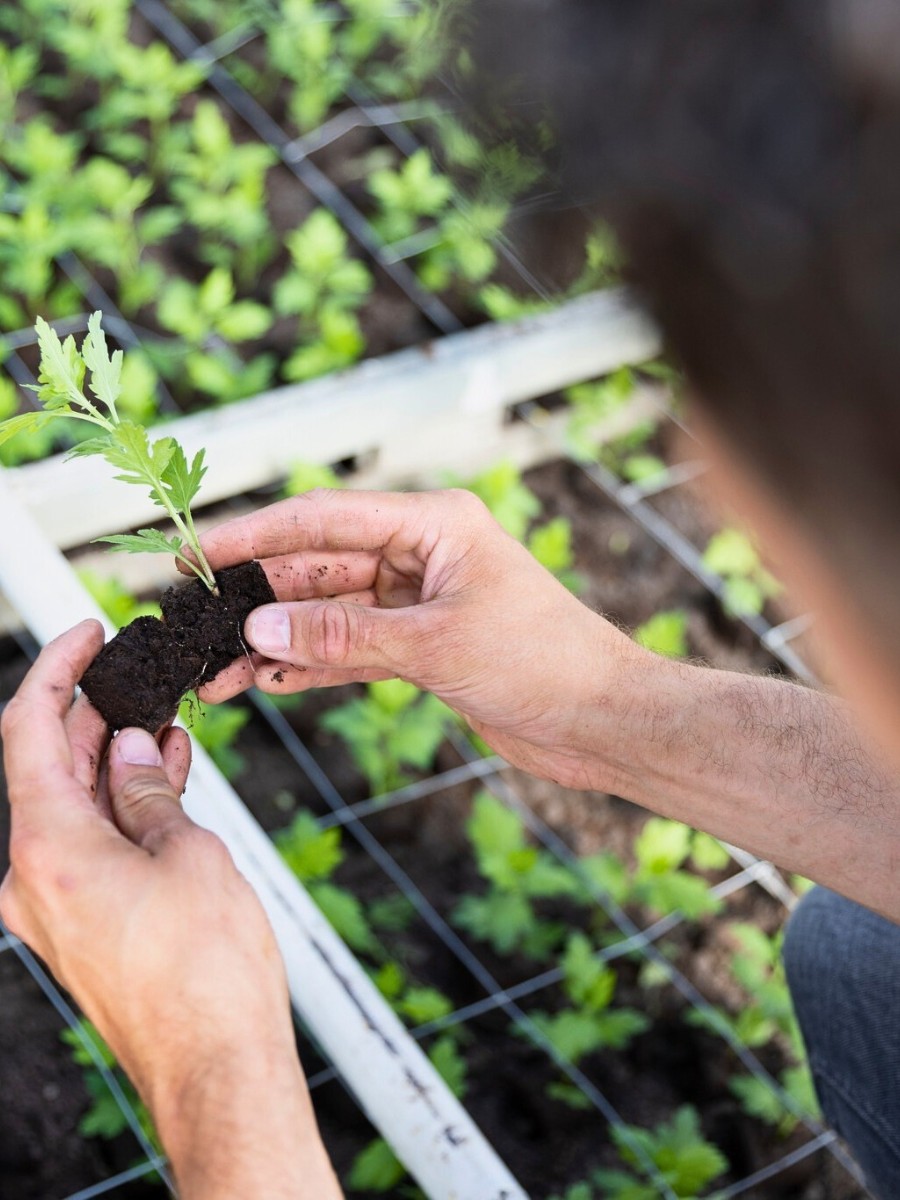
Vegetative propagation produces plants that are genetically identical to the parent, ensuring that the variety's specific traits are replicated precisely in every plant. The propagation stage is decisive. Up to 50% of the ultimate quality of the crop depends on how well the process is handled. But healthy, disease-free starting material remains non-negotiable.
Producing the Cuttings
Mother plants (sometimes called stock plants) are maintained specifically for cutting production. These are kept under long-day conditions, meaning they receive more than 12 hours of light per day, to prevent them from flowering and to encourage strong vegetative growth. Cuttings are taken from the tips of actively growing shoots, typically measuring five to eight centimeters in length with a few pairs of leaves.
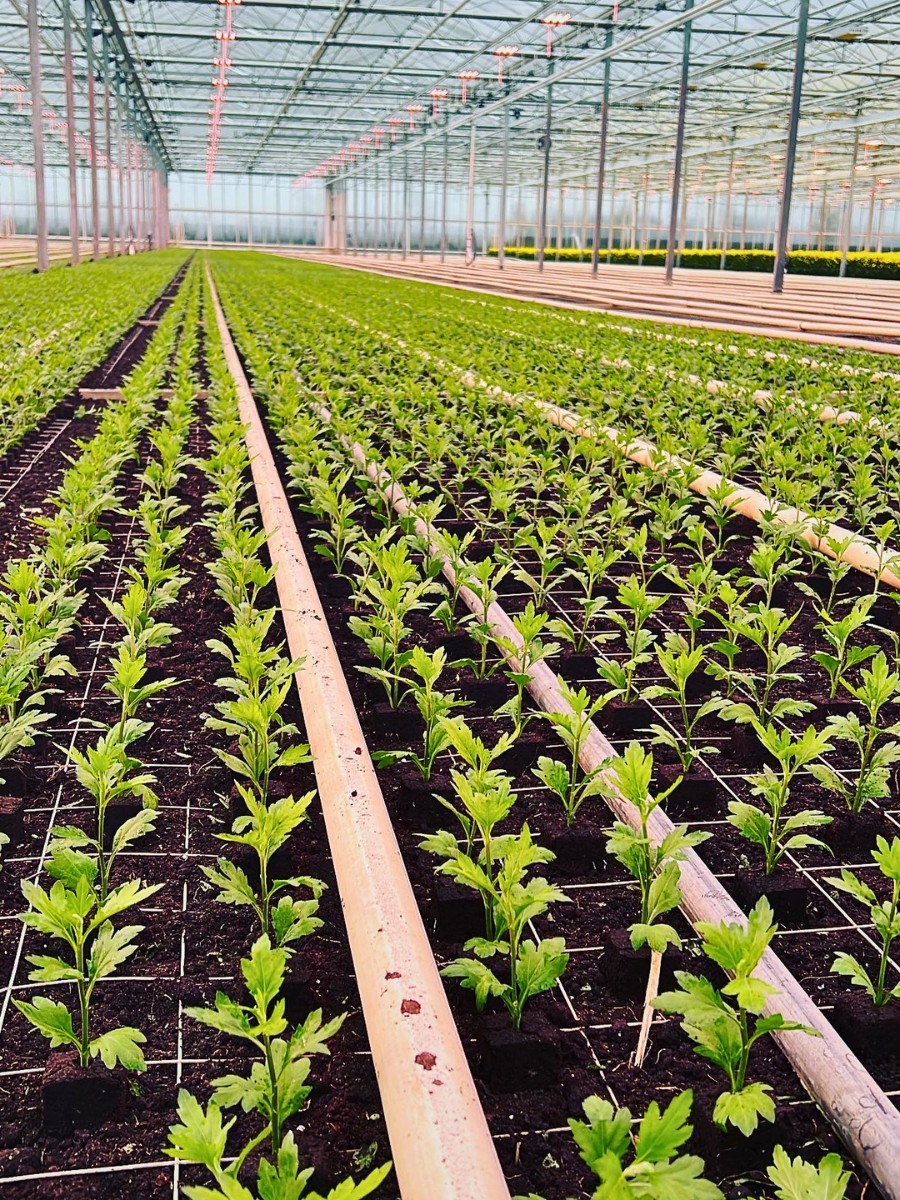
At this stage, plant health is a priority. Stock plants are regularly tested for viruses and other pathogens. Many leading breeders source their initial material from tissue culture, which produces pathogen-free plants, before multiplying them at dedicated cutting production facilities.
Rooting the Cuttings
The cuttings are placed in a rooting medium, typically a mix of peat and perlite or a similar well-drained substrate, and kept under high humidity with careful temperature control. Rooting hormone is often applied to speed the process.
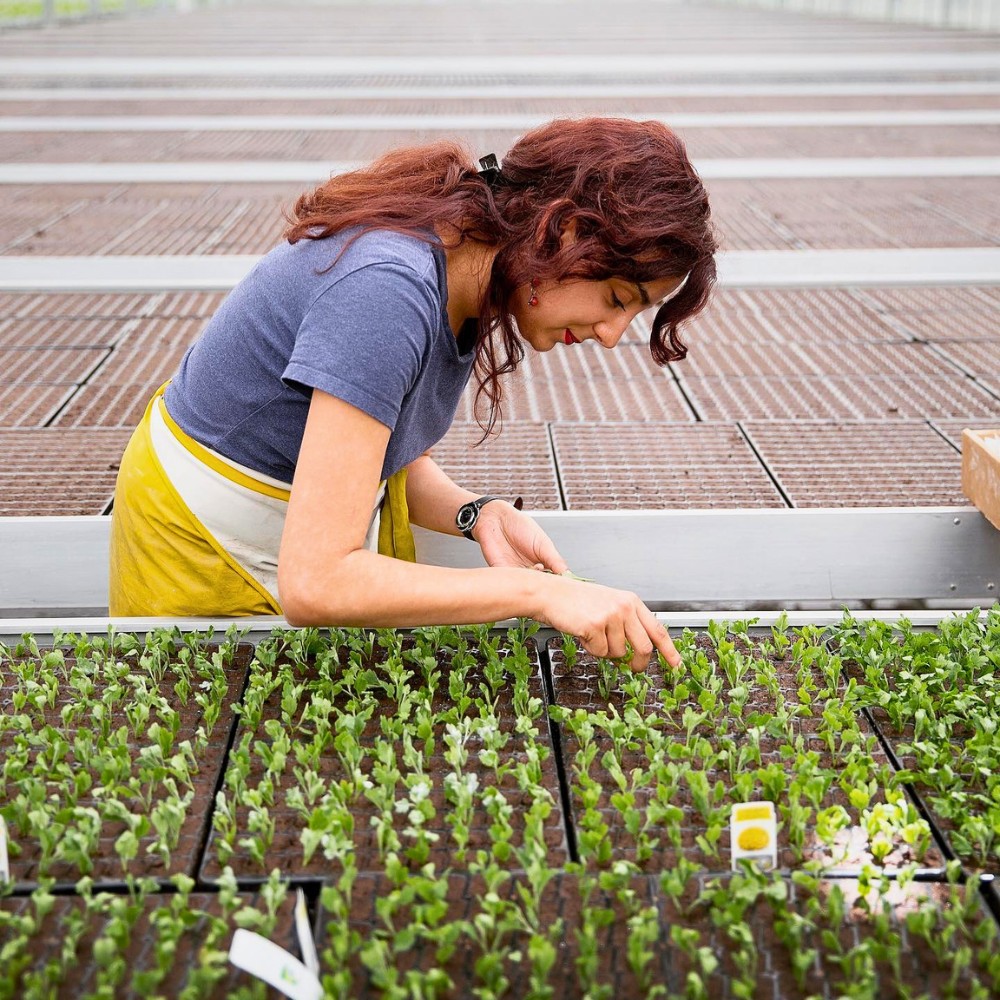
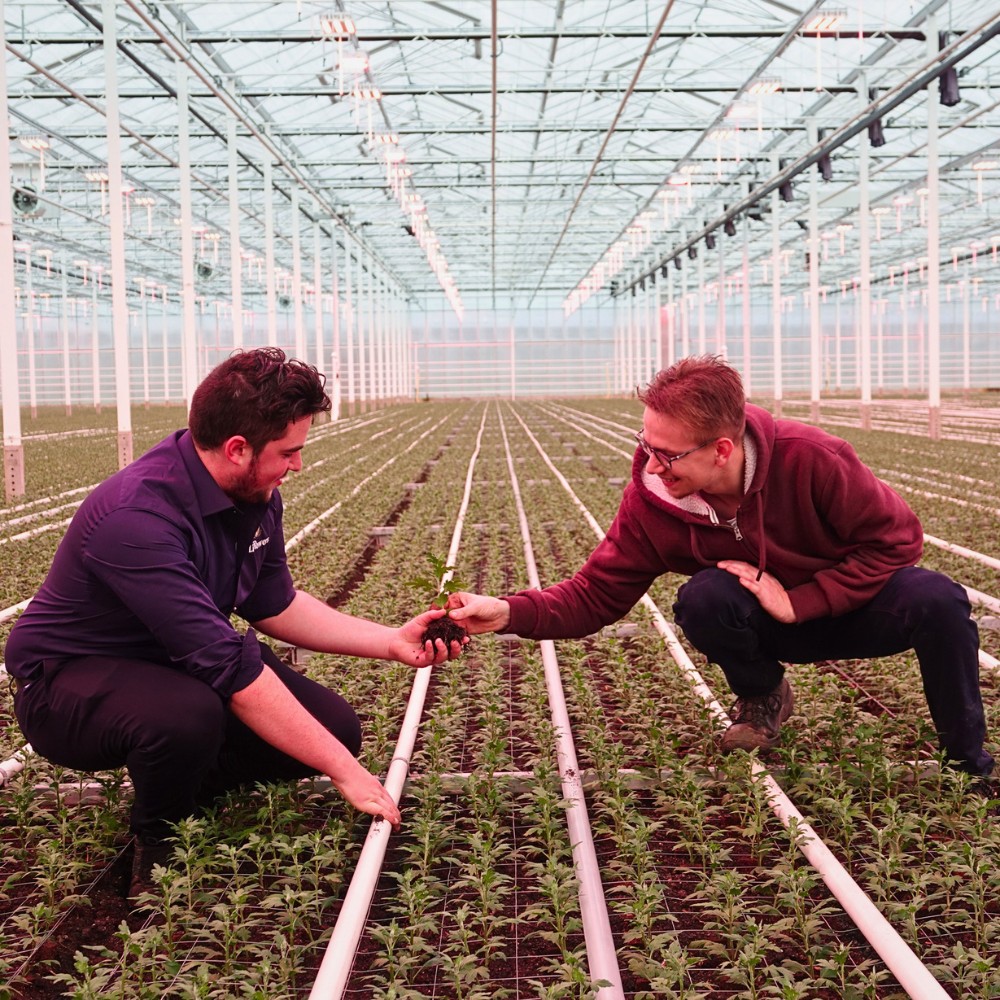
Within two to three weeks, the cuttings develop a root system substantial enough to support transplanting. Moisture, temperature, and light are all managed closely during this period to maximize rooting success and minimize disease pressure.
What Makes a Variety Commercially Successful?
With so many Chrysanthemum varieties on the market, what separates the ones that thrive commercially from those that disappear within a season? Several factors come into play. Consistency is essential. A variety that produces slightly different results depending on the season, the grower, or the growing region will be deemed to create problems across the supply chain. Retailers and florists need predictability, and if a white Chrysanthemum is sometimes cream and sometimes pure white, it is difficult to plan around.
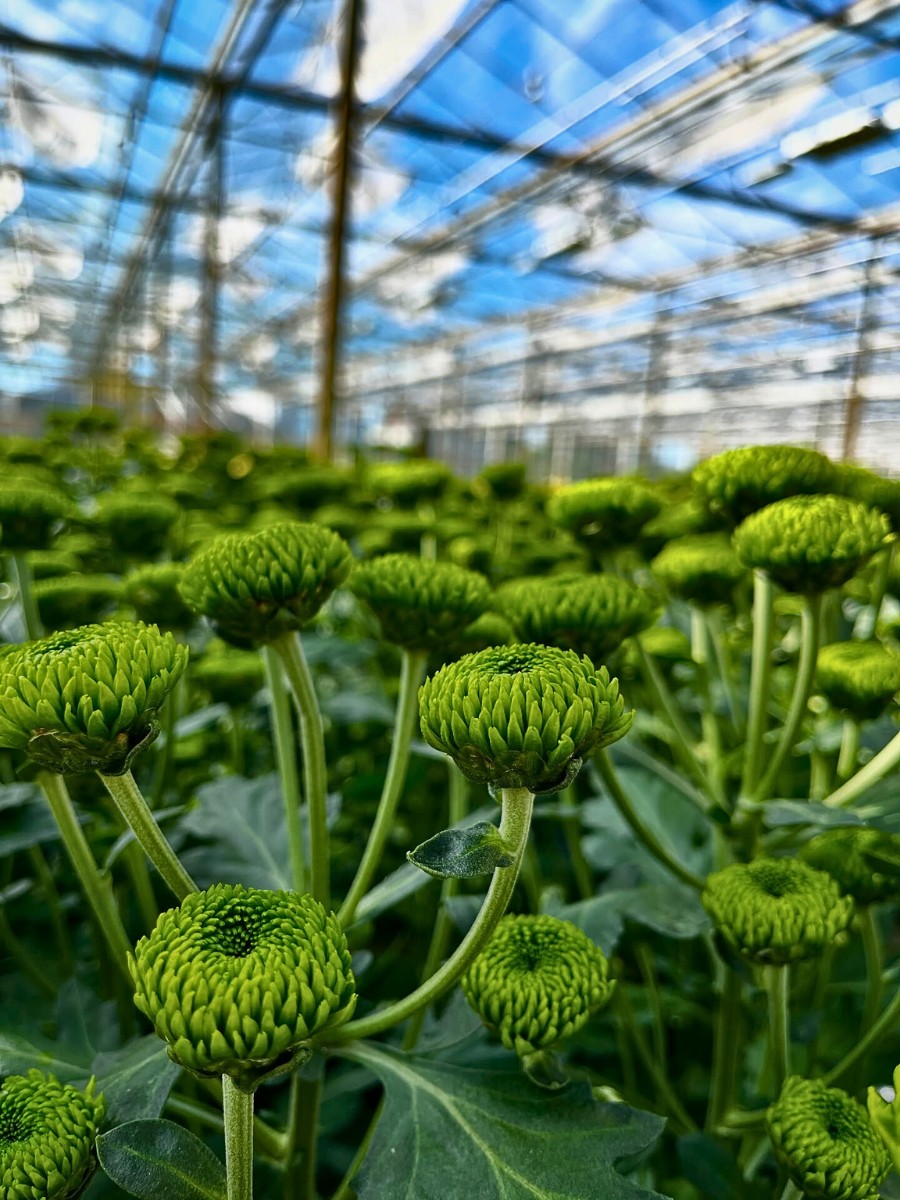
Vase life is equally important. Chrysanthemum has historically been valued for its durability, and any new variety that underperforms on this front faces an uphill commercial path. So, breeders spend considerable effort selecting for post-harvest performance. Color and form remain the most visible selling points. The market for Chrysanthemums is driven by color trends, seasonal demand, and the preferences of floral designers.
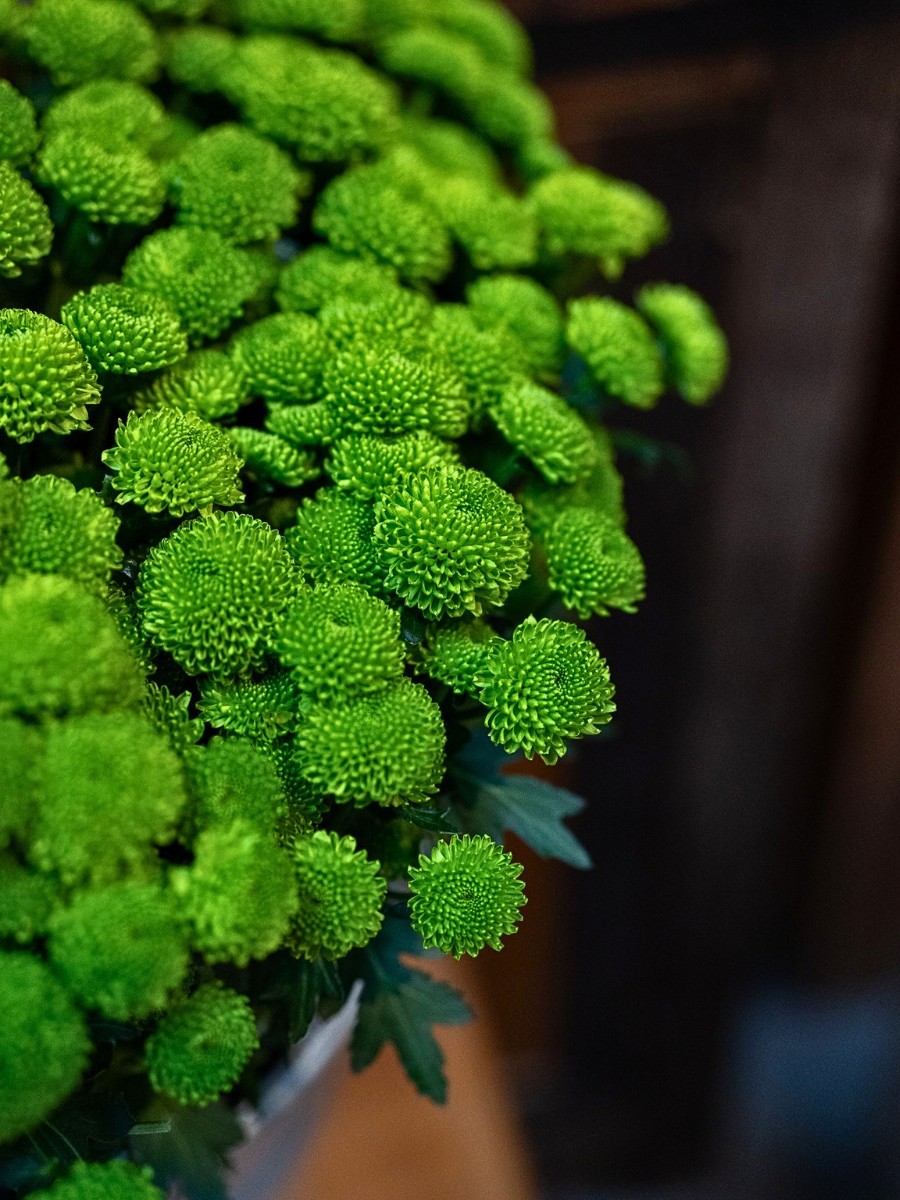
New shades, especially those that occupy underserved color spaces in the market, tend to create commercial interest. Dekker Chrysanten's Chrysanthemum Gustav, for example, is noted for its unusual bright purple color and large, round pompon form, which are qualities that distinguish it from more common assortments.
The Role of the Grower, Planting, and Greenhouse Management
Once rooted cuttings arrive at the growing facility, they are planted into greenhouse beds or containers at carefully calculated densities. The spacing depends on the variety and the type of flower being produced, whether a single large-headed disbud type or a multi-stemmed spray Chrysanthemum.
Mums, as perhaps noted, are photoperiod-sensitive plants, meaning the length of daylight directly controls whether they flower or remain in a vegetative state. In natural conditions, most cultivars begin to form flower buds only when the dark period exceeds about nine and a half hours. Commercial growers exploit this awareness.
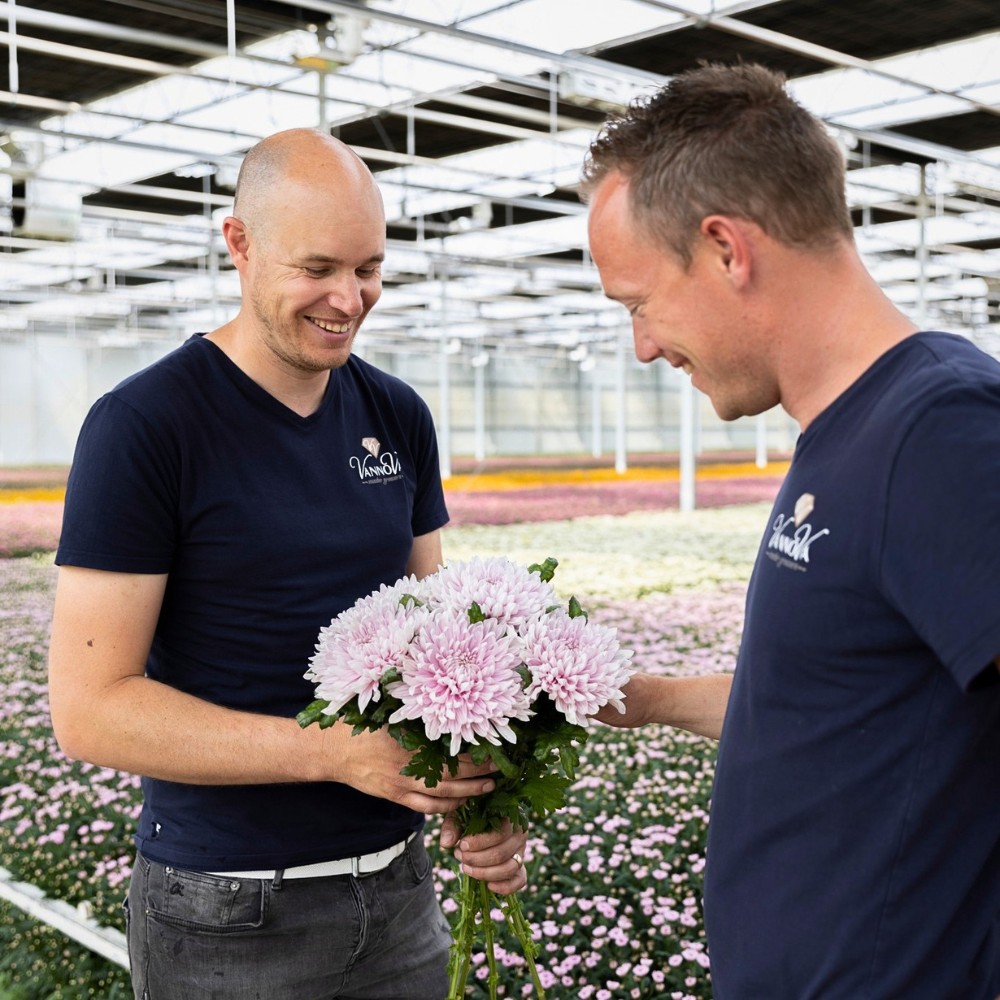
To keep plants vegetative and building stem length, they extend the day artificially using supplemental lighting that interrupts the night period. When they are ready to trigger flowering, they do the opposite, blacking out the greenhouse with subtly light-proof material to create artificially short days. This makes year-round chrysant production possible.
Working alongside the breeders, grower collective Zentoo (and its member companies, like MG Grand), shows how the relationship between breeder and grower works in practice. Dümmen Orange, the breeder of the Pina Colada variety, visits Zentoo's growing sites to support optimal production, monitor crop development, and share guidance. Essentially, the grower learns from the breeder, who also learns from the grower.
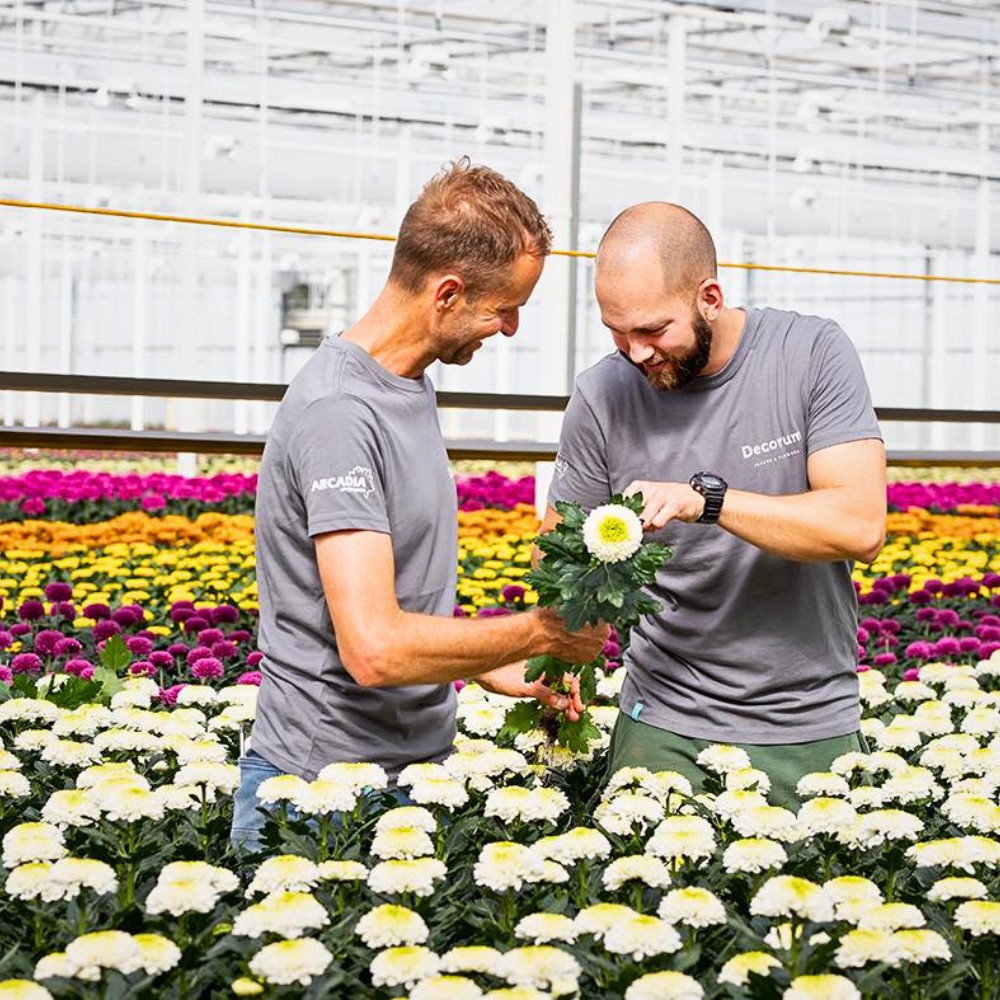
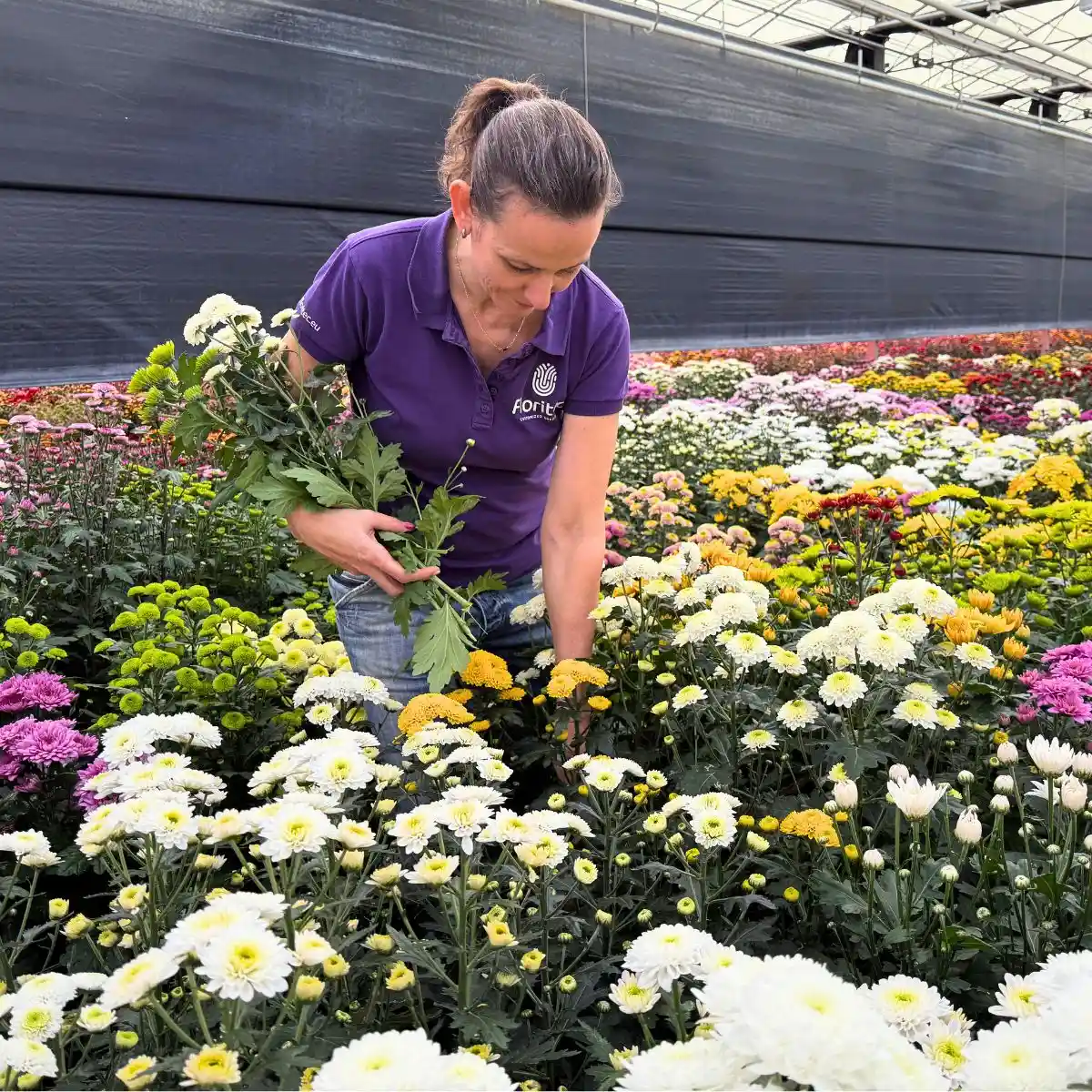
Decorum grower, Arcadia Chrysanten, largely focuses on disbudded Chrysanthemums, producing about 50 million high‑quality branches each year, and works closely with breeders to bring new shapes and colors to market. Arcadia operates five cultivation sites with around 20 hectares, located near major Royal FloraHolland distribution centers, allowing them to supply auctions like Aalsmeer, Naaldwijk, Rijnsburg, and even Veiling Rhein-Maas (VRM) in Germany efficiently.
Kenyan grower, Lenana Flowers, also grows Chrysanthemum varieties sourced from breeders like Dümmen Orange and Icon Selections, among others, and also notes how they monitor rooting, care, and quality from seed to vase, showing the tight cooperation between breeder and grower when introducing new varieties to different production regions.
The same can be said of Dutch grower Lewis Flowers, who operates one of the longest Chrysanthemum greenhouses in the Netherlands (a full 500 meters and covering nearly eight hectares). The grower produces large numbers of flowers, running two separate cultivation rounds to maintain a wide assortment and guarantee quality throughout the year.
Dutch grower, G&G Flowers, also runs a model built on growing only those Chrysanthemum varieties for which they hold exclusivity agreements with breeders. They produce specialty flowers that command a vantage position in a market that is always seeking novelties.
What Is the Role of Breeding Rights and Continuous Innovation?
New Chrysanthemum varieties are protected under Plant Breeder's Rights (PBR), which gives the breeder exclusive rights to multiply and sell the variety for a defined period.
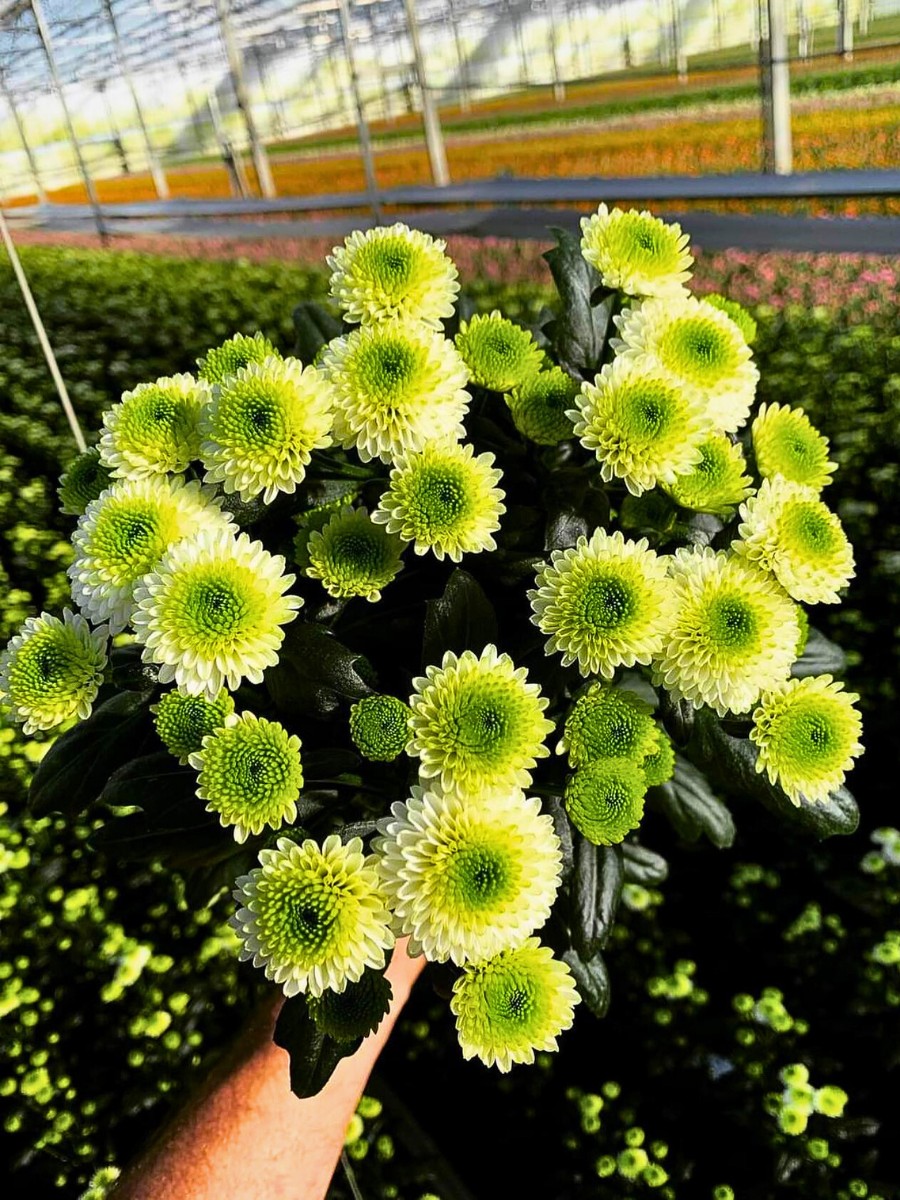
This protection makes commercial breeding economically viable. Without it, any grower could take cuttings from a new variety and multiply them freely, removing the financial return that funds development work behind that variety. Innovation-wise, modern Chrysanthemum breeding increasingly incorporates molecular tools alongside conventional crossing programs.
Marker-assisted selection helps breeders identify desirable genes earlier in the seedling stage, reducing the time and space needed for large-scale evaluation. Mutation breeding, using radiation or chemical mutagens to introduce random genetic changes, has historically been used to generate new flower colors in Chrysanthemums.
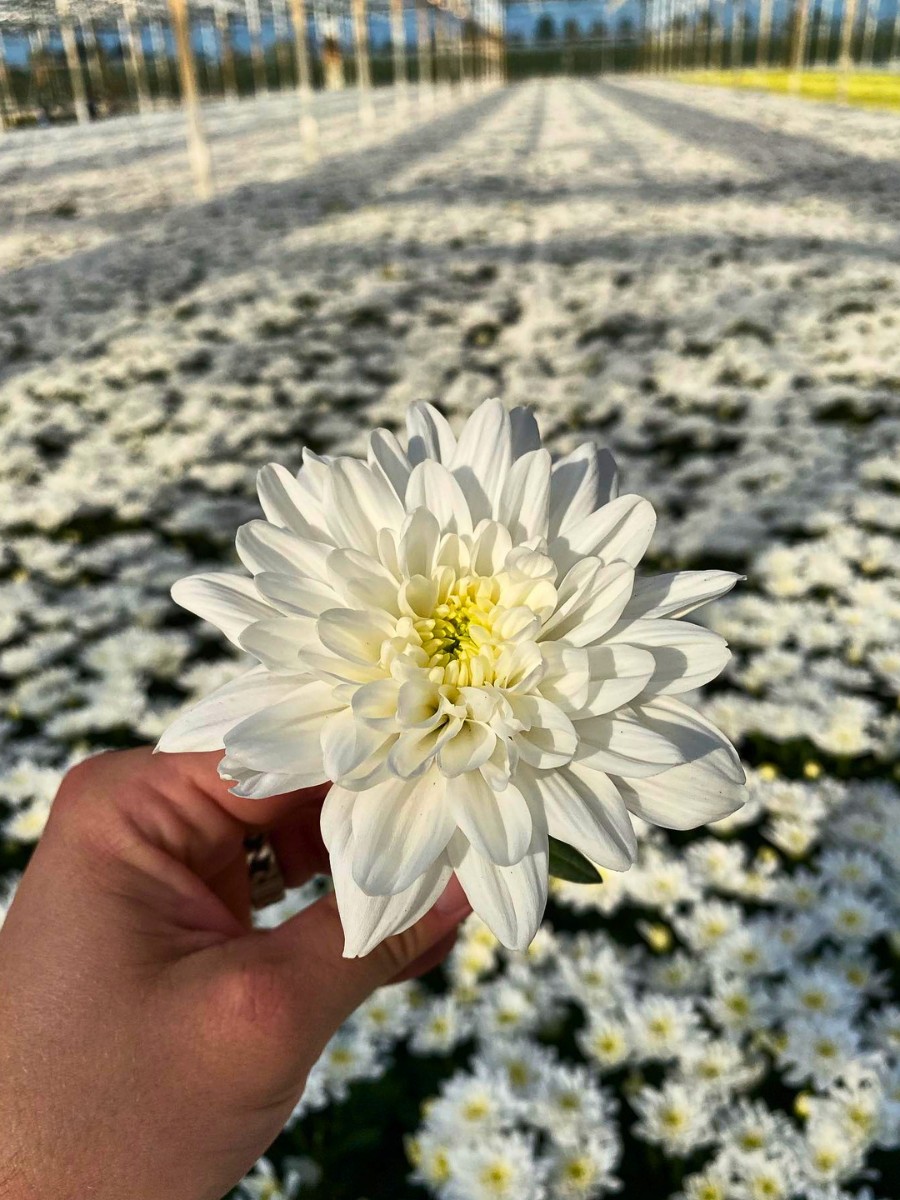
Transgenic approaches and, more recently, gene editing technologies provide further potential, though their application in commercial floriculture remains more limited. Combining these techniques with traditional crossing and selection is definitely where the future of Chrysanthemum improvement is. Breeders can develop cultivars better adapted to the changing climate, lower pesticide inputs, and the evolving consumer tastes.
Featured and header image by @gediflorabv.