Have you ever wondered why plants seem to know exactly when to resume growth and flower in spring? How do cherry trees know when to flower? Or how flower bulbs previously buried underground sense that winter has passed, spring has arrived, and their time to emerge has come?
Well, the arrival of spring flowers is not some kind of magic but a refined biological response to environmental cues. Plants are constantly measuring temperature, tracking daylight hours, and even ‘counting’ cold days. Definitely, that is why spring flowering shows how plants (and flowers) are attuned to their world.
It All Starts With Light
Plants do not have eyes, yet they are exquisitely sensitive to light. Most plants are photoperiodic. They measure the duration of daylight to decide when to flower. Deep within their cells are pigment molecules called phytochromes, which act like biological clocks. When days stretch past a certain threshold, these pigments switch form, telling the plant that spring has arrived.
Also, there are special proteins called photoreceptors that act as molecular light meters. They detect not just whether it is bright or dark, but also the quality and duration of light throughout each day. All these work through photoperiodism, which is a plant's response to day length, hence the primary trigger for flowering.
As winter fades and days lengthen, plants measure these changes using the phytochromes. This protein exists in two forms: one that absorbs red light during the day, and another that converts back during darkness. The ratio between these forms tells the plant precisely how long the nights are.
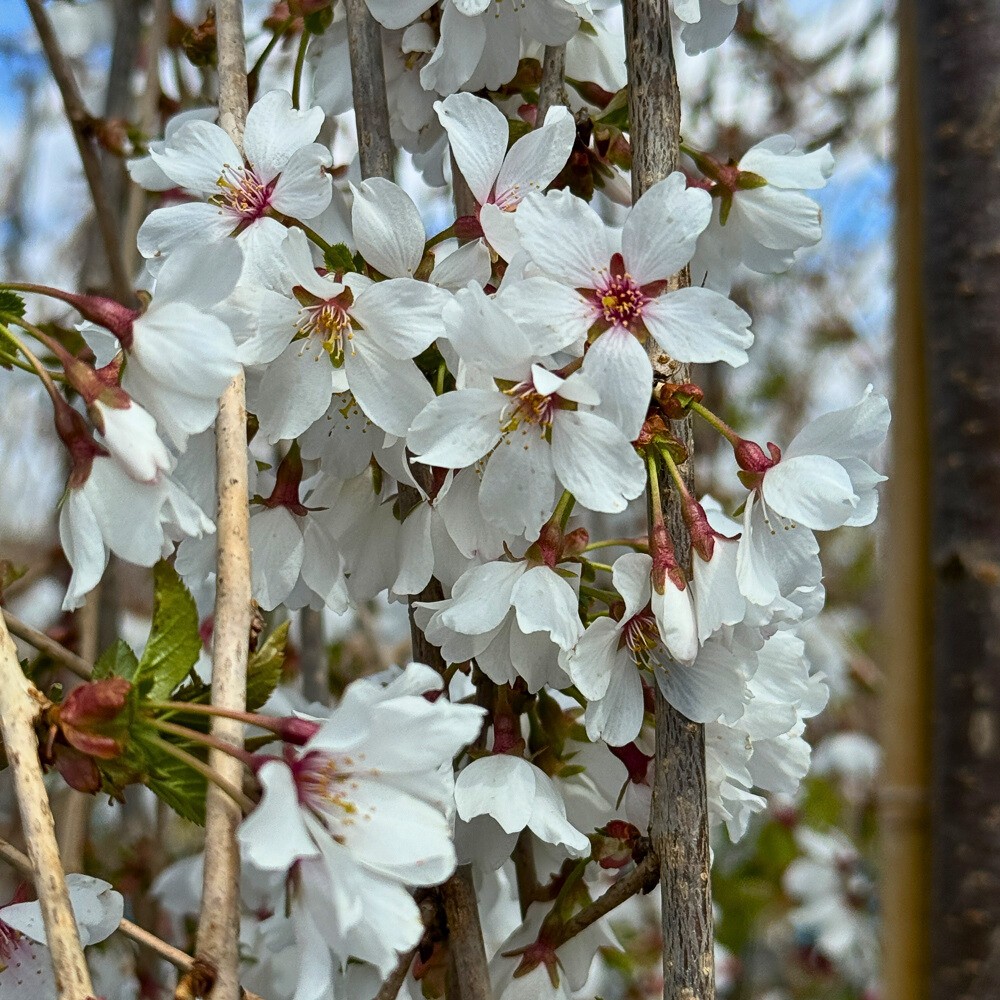
Some plants are long-day bloomers, waiting until nights become short enough before they flower. Others are short-day plants that need long nights to trigger blooming. Many spring flowers fall into the long-day category, preset to respond (as noted) when daylight stretches beyond a certain threshold.
However, light does more than simply ‘flip their switch’. It also regulates a gene called CONSTANS, which produces a protein that accumulates during long days. When CONSTANS protein levels reach a certain point, it activates another gene called FLOWERING LOCUS T. This gene produces a protein that travels through the plants’ vascular system to the growing tips, essentially sending a message ‘informing’ them that it is time to make flowers.

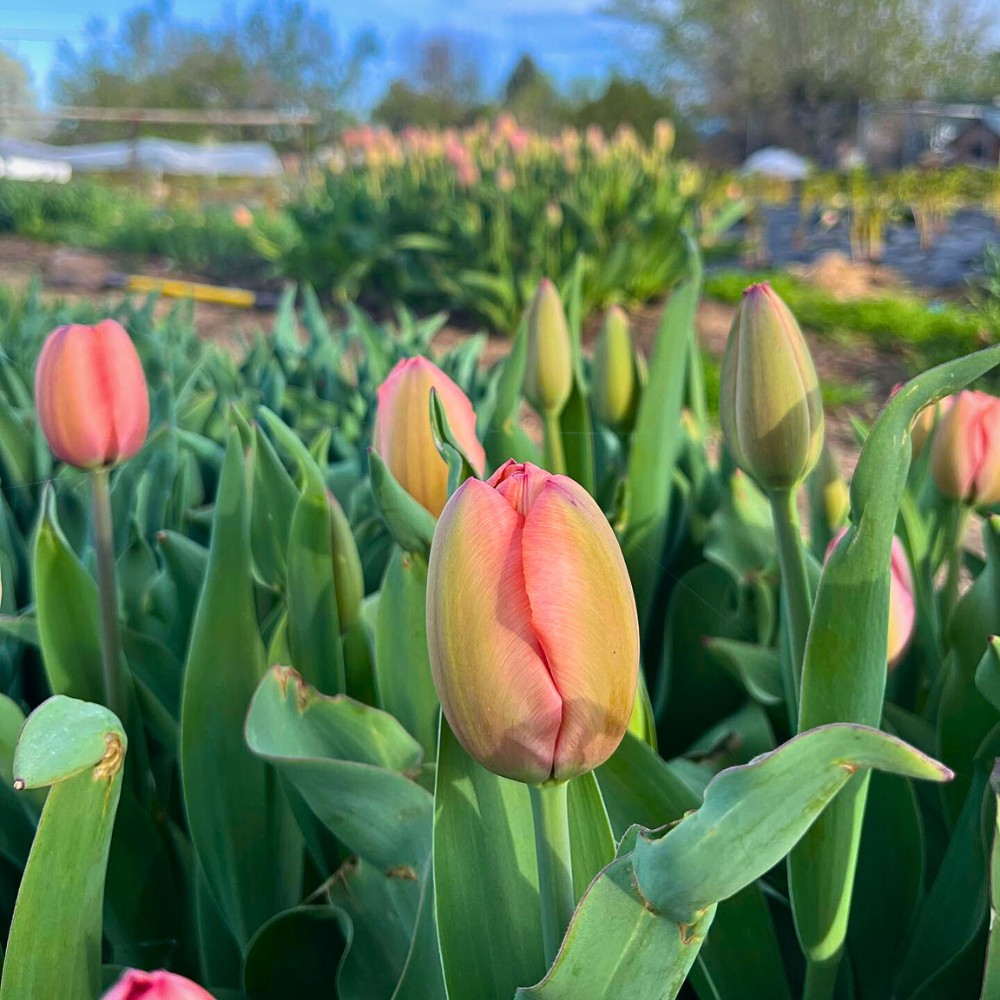
Simply said, for plants like tulips or daffodils, the change in daylight length activates genes that had been dormant through the colder months, making them ‘realize’ that conditions are finally suitable for reproduction. This leads to the production of essential flowering hormones, primarily florigen. Though invisible, florigen moves through the plant’s tissues like a message written in light, directing energy toward forming buds and petals.
The Influence of the Cold
While sunlight sends the first signal, temperature perfects the timing. Many spring bulbs and temperate trees need to experience winter before they can flower, a requirement called vernalization. Without sufficient cold exposure, these plants will not bloom.
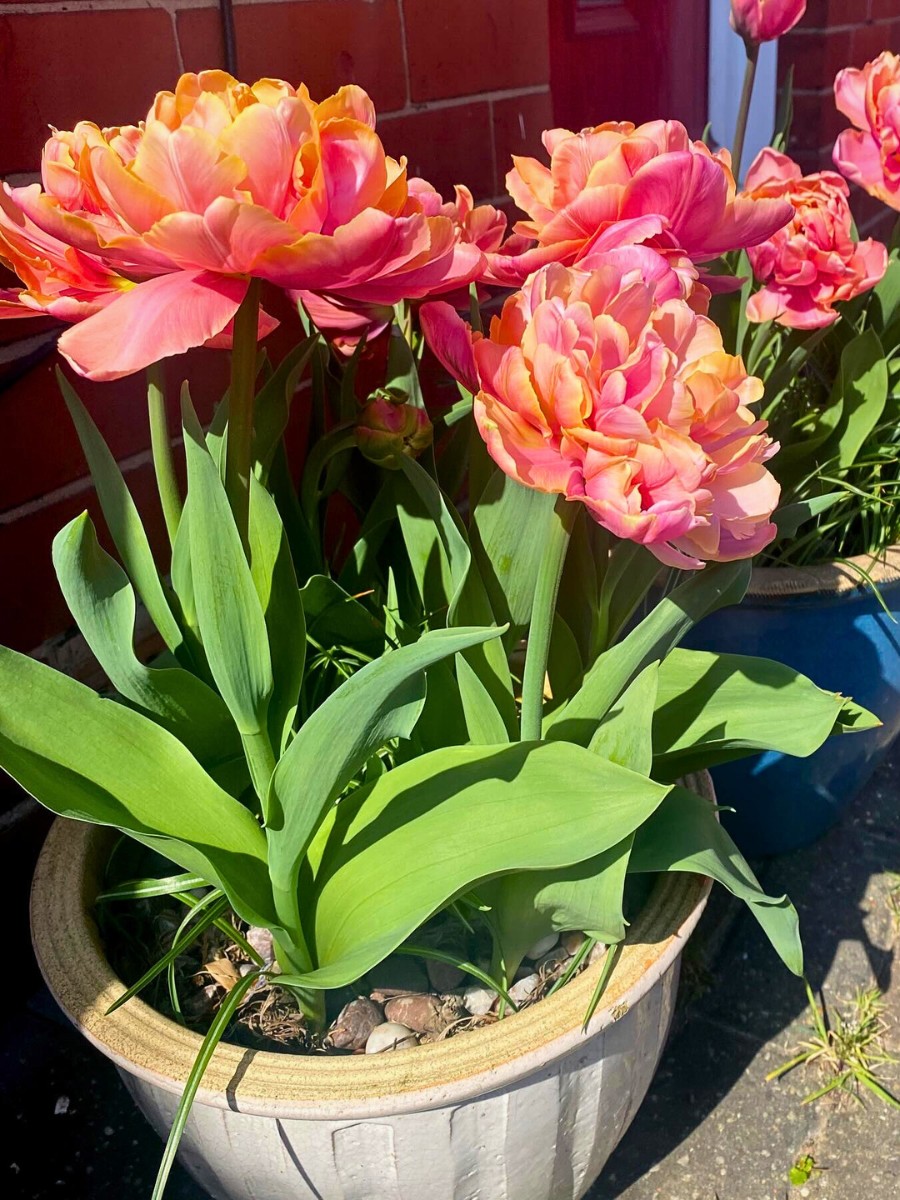
During cold periods, these plants undergo biochemical changes at the genetic level. A gene called FLOWERING LOCUS C (FLC) normally acts as a brake on flowering. Cold temperatures gradually silence this gene through a process involving chromatin modification, where proteins attach to DNA and change how tightly it is wound. The colder and longer the winter, the more thoroughly this gene becomes suppressed.
This mechanism prevents plants from being ‘fooled’ by a random warm spell in January. The cold period essentially primes the plant, removing the flowering inhibitor so that when warmth and light fully return, flowering can proceed. Different species require different amounts of cold. A tulip might need eight to 12 weeks of temperatures below 9°C, while certain apple varieties need over 1,000 cumulative hours below 7°C.
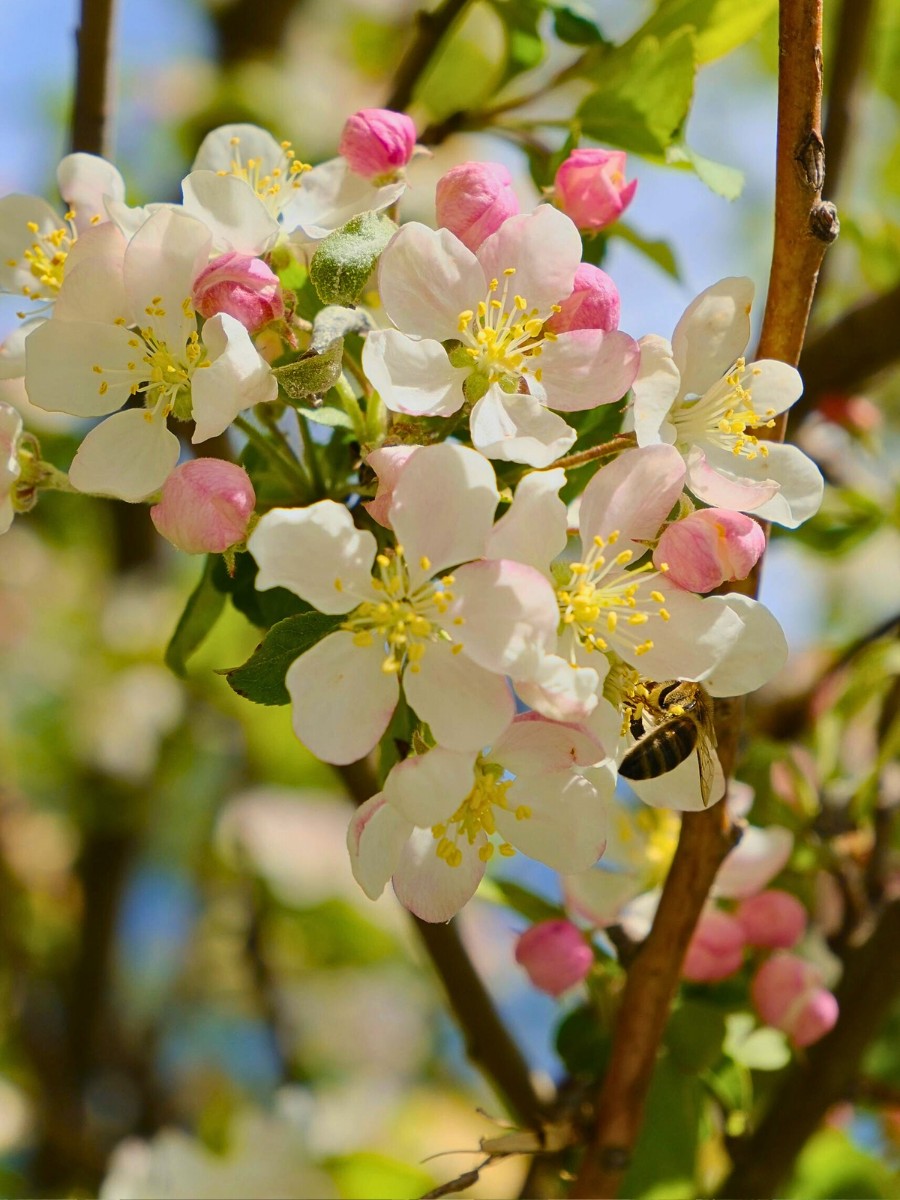
In plain terms, once enough cold has been registered, the molecular 'locks' open, allowing hormones like gibberellins to initiate cell division and elongation. Vernalization, basically, ensures that plants only flower when survival and pollination chances are highest.
The Warmth Factor
Once the plants are satisfied that days are lengthening, warmth speeds up the metabolic processes that lead to bud break and flowering. Plants accumulate what scientists call growing degree days, which is a measure of heat exposure over time. Each species has its own threshold, and when accumulated warmth reaches that threshold, flowering begins.
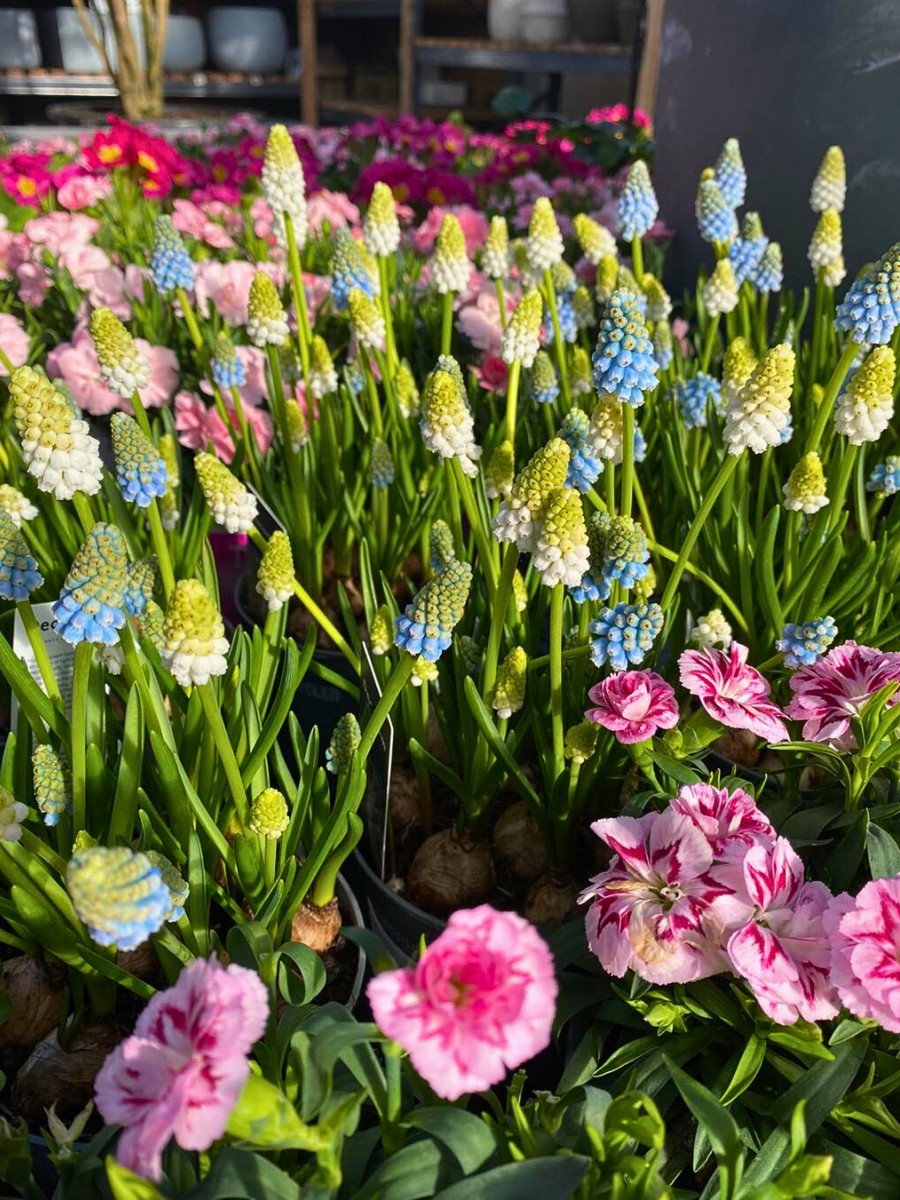
At the cellular level, warmer temperatures increase enzyme activity. Enzymes are biological catalysts that drive chemical reactions, and most work faster when it is warm. Gibberellins, a class of plant hormones, are more active with rising temperatures, promoting cell division and elongation, causing buds to swell and break dormancy.
Temperature also affects membrane fluidity in plant cells. Cold temperatures make cell membranes more rigid, while warmth makes them more flexible. This change alters how signals move between cells, essentially waking up the plant from its winter rest.
Hormones Coordinate the Show
Several plant hormones act as chemical messengers coordinating the flowering process. Gibberellins promote stem elongation and flower development. Auxins regulate growth direction and cell division. Cytokinins stimulate cell division in developing flower buds. Ethylene and abscisic acid can either promote or inhibit flowering depending on the species and circumstances.
These hormones interact in complex networks, with their effects depending on concentration, timing, and which other hormones are present. A developing flower bud is essentially a synthesis of hormonal signals, each contributing to the transformation from dormant bud to open blossom.
The Genetics Behind the Scenes
All these environmental signals, including light, temperature, and cold exposure, ultimately affect gene expression. Flowering is controlled by several genetic trails that converge on a small set of genes called floral meristem identity genes, which include LEAFY (LFY), APETALA1 (AP1), CAULIFLOWER (CAL), and TERMINAL FLOWER1 (TFL1). When these genes activate, they transform a growing tip from producing leaves to producing flower parts.
The ABC model of flower development explains how different genes specify petals, stamens, and other flower structures. Three classes of genes, labeled A, B, and C, turn on in different combinations in different positions around the flower bud, creating the distinct whorls of sepals, petals, stamens, and carpels we see in mature flowers.
Roots and Soil Chemistry
Elsewhere, belowground, the soil then has renewed activity. Warmer temperatures revive microbial life that had slowed during winter. Bacteria and fungi break down organic matter again, freeing nutrients like nitrogen and phosphorus. These minerals feed the plant’s renewed growth after the long break.
Roots absorb water more actively in spring due to increased soil moisture from melting snow and spring rains. This influx of nutrients and water raises the plant’s internal pressure, helping new shoots push through the surface. Even the scent of freshly turned earth, which is one of the best chemical signatures of spring, owes its existence to these microbes.
Communication Through the Air
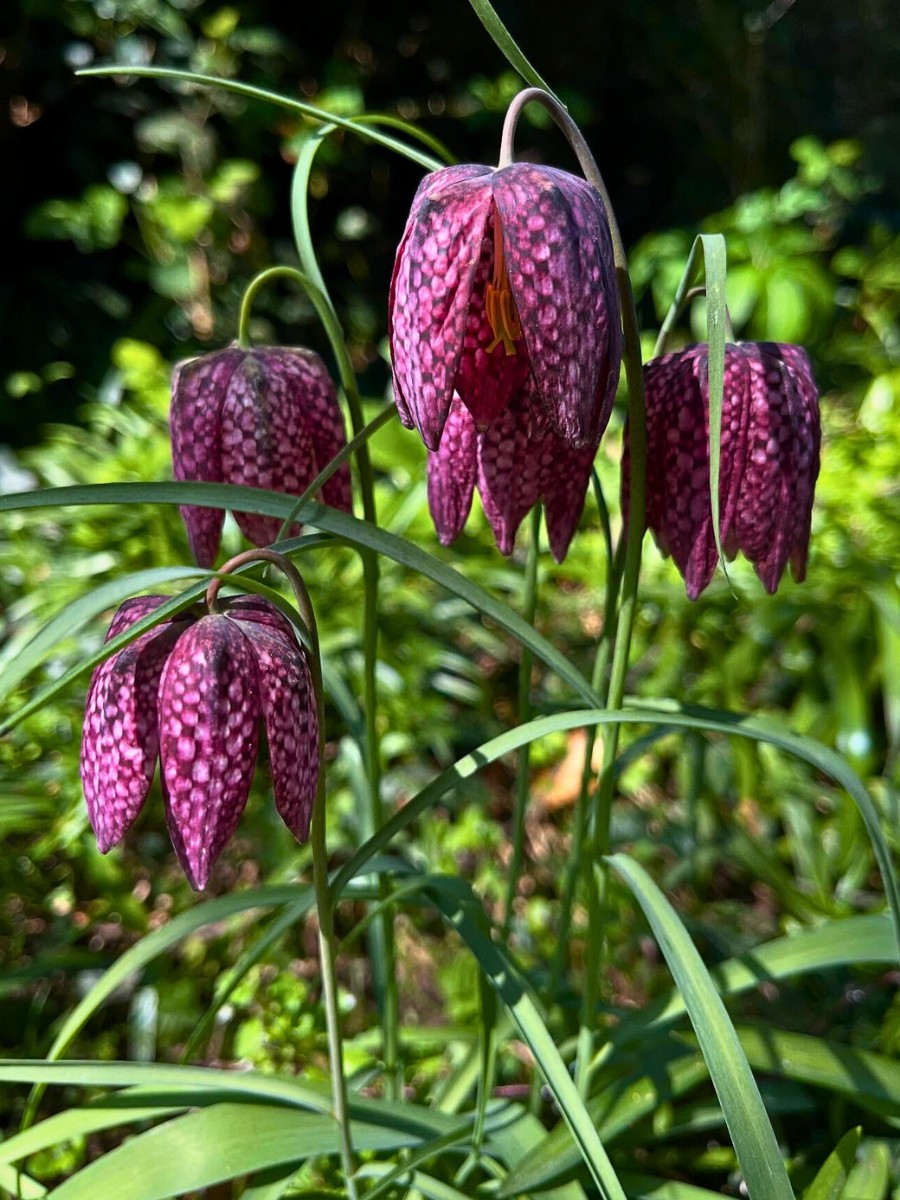
Plants also ‘talk’ chemically with one another and with pollinators. When ready to open their flowers, many release subtle blends of volatile organic compounds (VOCs) that attract insects and birds. Each variety has its own fragrance recipe, created from alcohols, esters, and terpenes.
These molecules move through the air, carrying coded messages. Interestingly, these same VOCs can alert nearby plants to potential threats, like pests or disease. So while people appreciate these scents as fragrance, they are also part of plants elaborate natural language.
The Roles of Sugars, Energy, Water, and Pressure
With brighter days, photosynthetic activity increases, and the sugars produced feed growth as they also act as signaling molecules that influence flowering timing. Higher sugar levels in plant tissues can help activate florigen and related pathways, with the synergy between light, temperature, and internal chemistry ensuring that flowering happens only when energy reserves are sufficient to support it.
Perhaps it is easy to overlook water in this whole equation. But its movement within plants (called turgor pressure) is essential. During dormant periods, water flow slows, and cell walls remain rigid. As temperatures rise and snowmelt resupplies groundwater, plants regain their internal hydration.
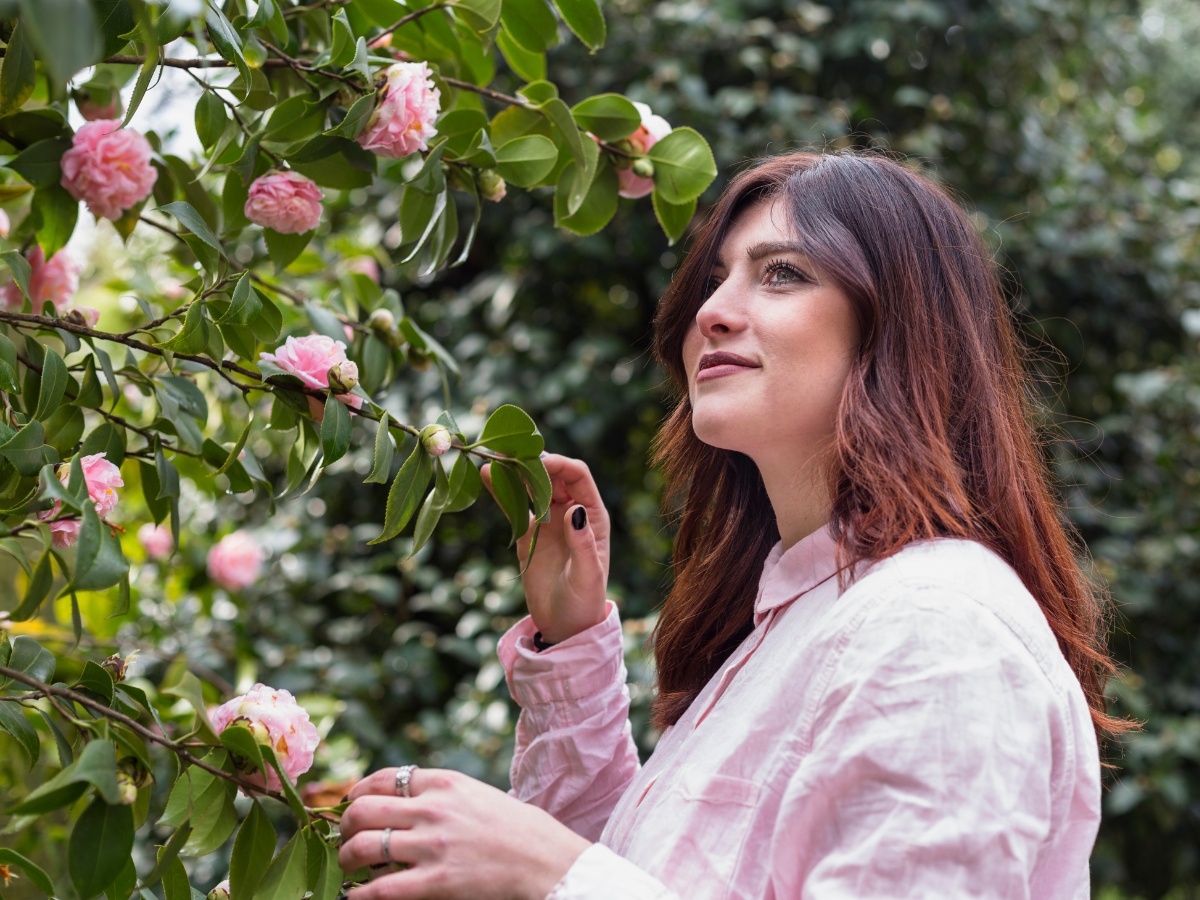
The renewed movement of sap delivers nutrients and hormones where they are needed. For many tree species, those first movements of sap mark the earliest sign that spring is underway, even before the plants’ leaves appear.
Why Does All This Matter?
So why does all this matter? Understanding the science of flowering helps one choose suitable plants for their climate and predict flowering times. It explains why forcing bulbs requires a cold period, and why transplanting plants from southern regions to northern gardens sometimes fails, because the requirements do not match.
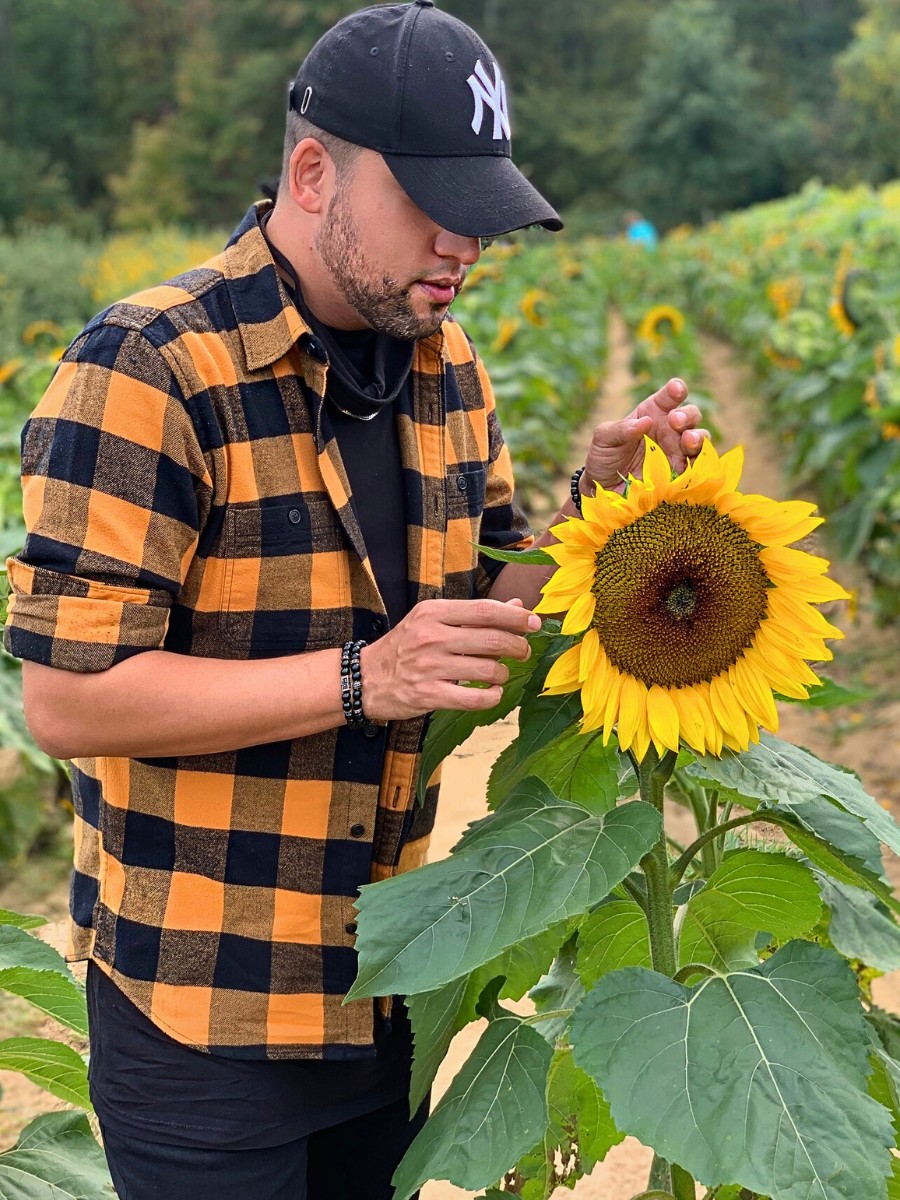
Climate change is altering flowering times. Many species are blooming earlier than they did years ago, which disrupts relationships between flowers and their pollinators, potentially affecting whole ecosystems. The chemistry of spring flowering is, therefore, responding to these fast-changing conditions.
Feature image by freepik. Header image by Siarhei Nester.