Foliage is one of the first elements placed and often the last to be noticed, yet it carries much of the work in a design. It's one of the main characters of any space, as it influences proportion and affects how a piece holds over time. In event work, retail spaces, and daily floral production, the role of TAK's greens role becomes clear through its use and appearance.
The Best Greens by TAK for Events and Decorative Purposes
Each type responds differently depending on its intended use. Some varieties keep their shape through long installations, others shift quickly under heat or lighting. Texture, weight, and durability all come into play, especially when designs need to last beyond a single moment or travel across distances. These are practical decisions that shape the outcome from the start.
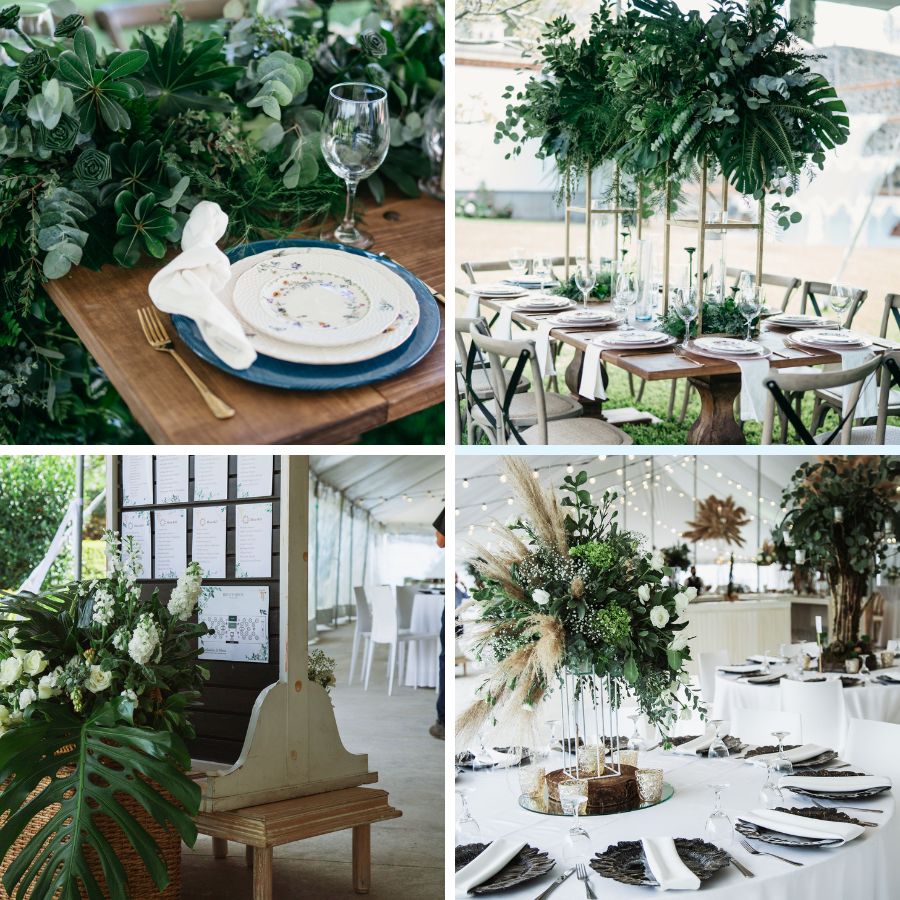
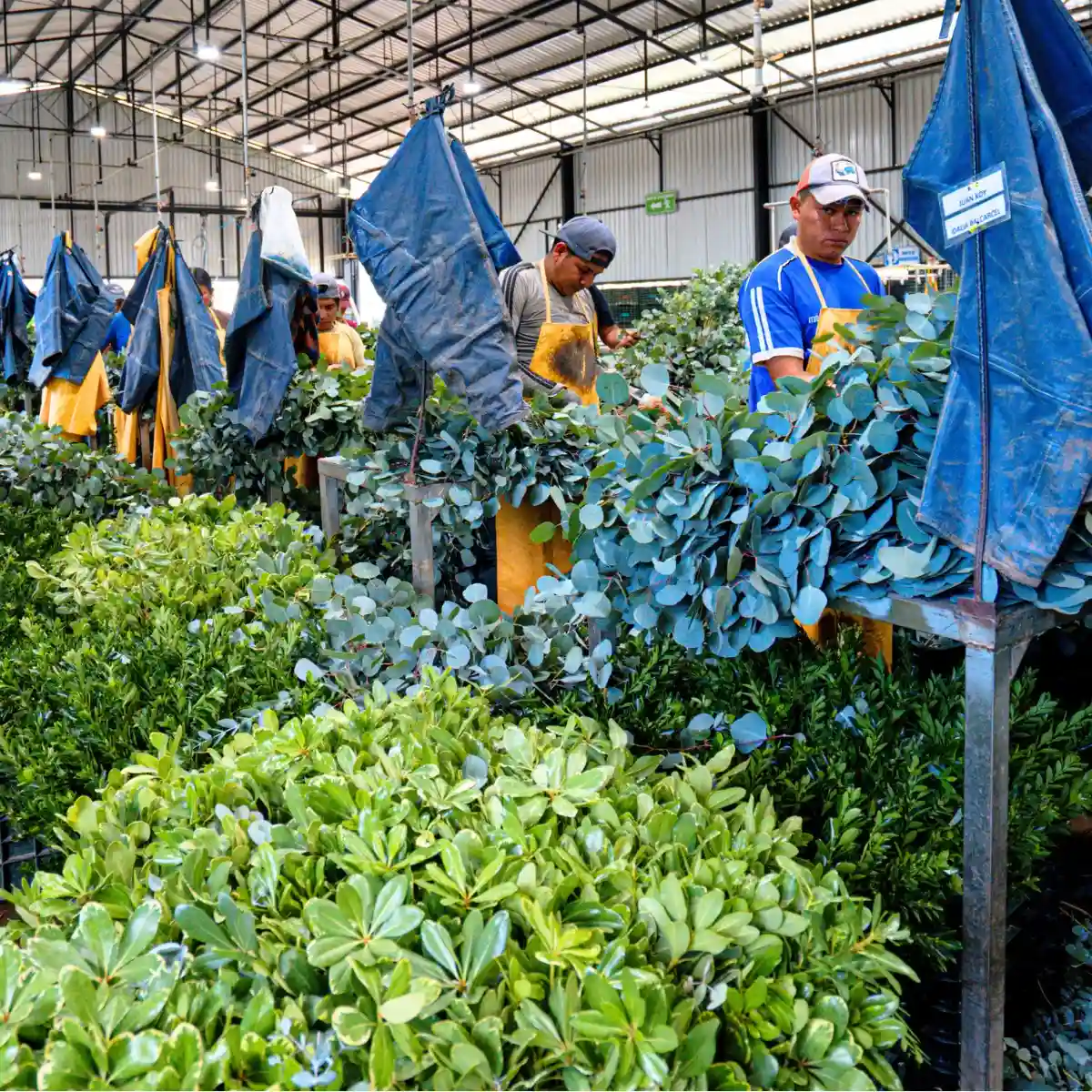
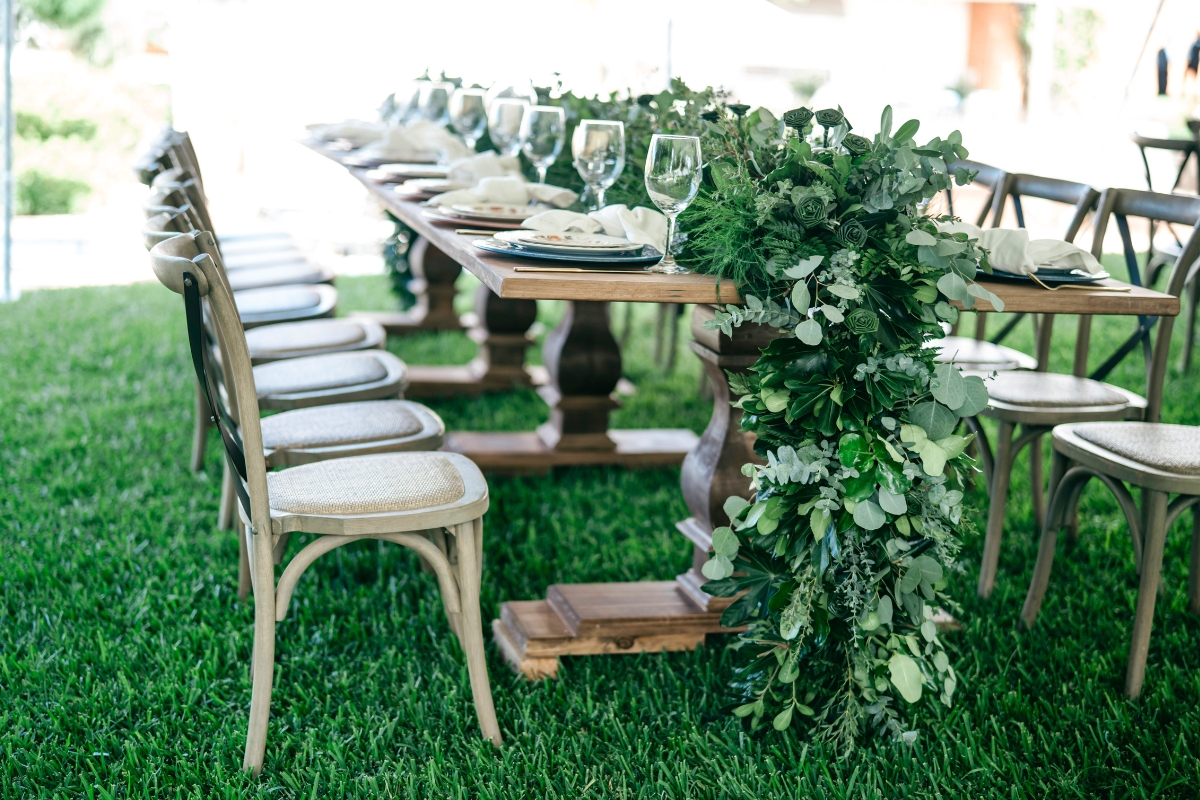
TAK works closely within that reality. Their foliage is selected with use in mind, considering how it performs once it leaves the farm and enters real working conditions. It’s a perspective that connects production with application, keeping the focus on what designers actually need on site or in store.
For this feature, two renowned designers share their experience working with foliage across different settings, offering a closer look at how it fits into their process and why it matters in their day-to-day work.
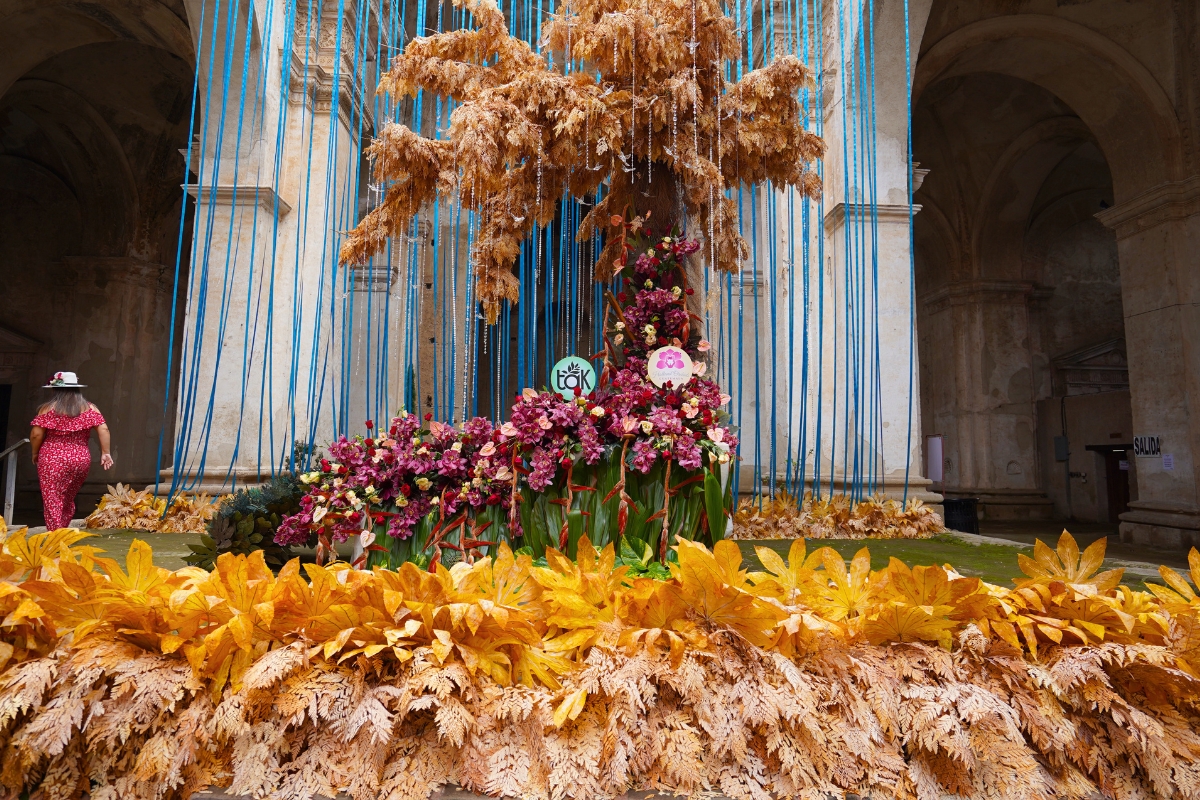
Otto Recinos – Working Close to the Source
For Otto Recinos Ricci, access to fresh material shapes the entire design process. Based in Guatemala, his work with TAK happens close to the origin, where foliage moves quickly from farm to installation. That proximity changes how arrangements are built, especially in event settings where timing is tight and conditions are demanding. Freshness is treated as an added value and as a working standard. Thanks to TAK, foliage arrives hydrated, flexible, and ready to hold its form through long setups and event hours. This allows his team to focus on execution without compensating for material fatigue or inconsistencies.
Designing Atmosphere Through Greenery
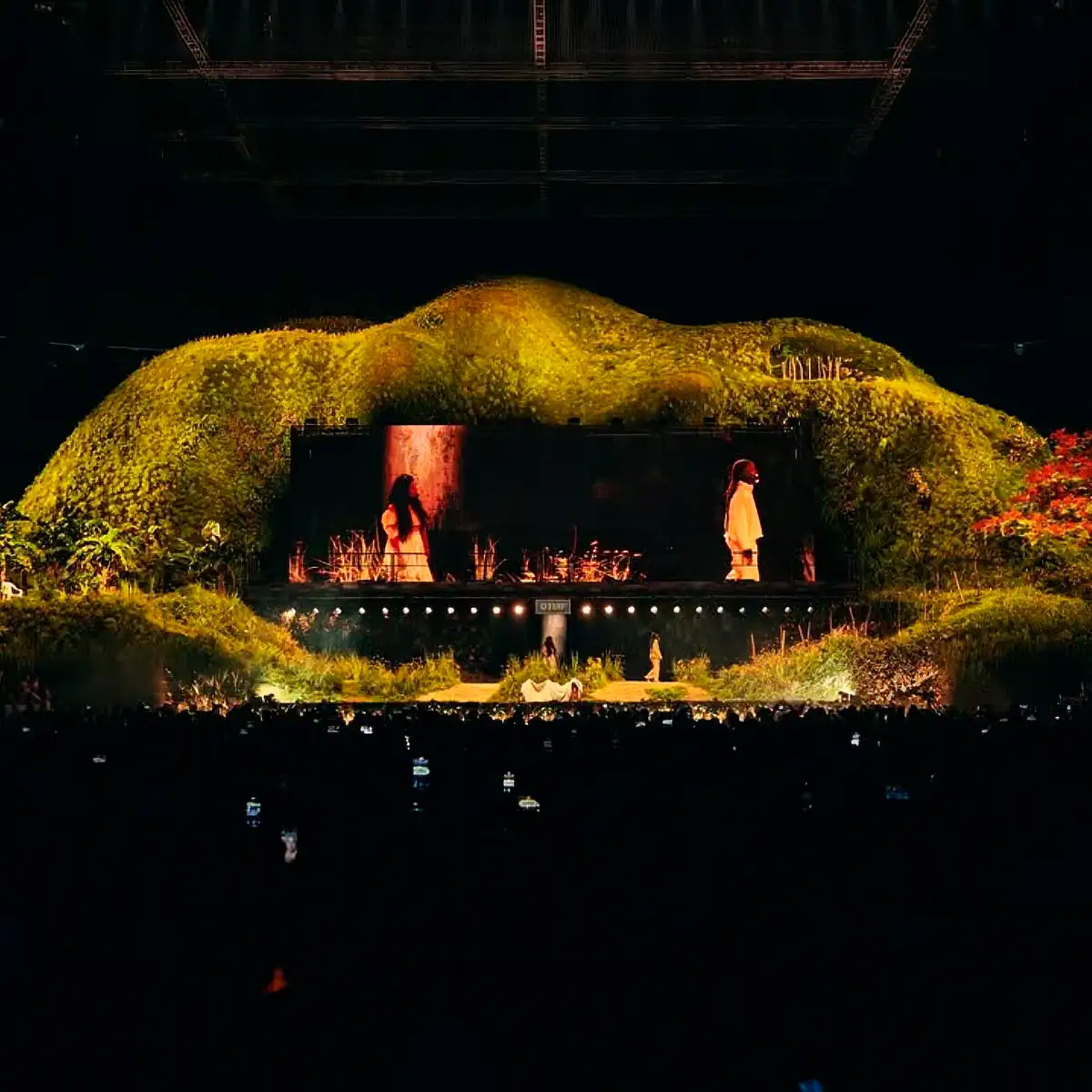
In his practice at @fileasgt, design begins with understanding the space and the client’s vision. Layout, scale, and movement guide decisions, and foliage plays a central role in shaping that environment. It is used to define pathways, frame focal points, and bring cohesion across different elements within a venue.
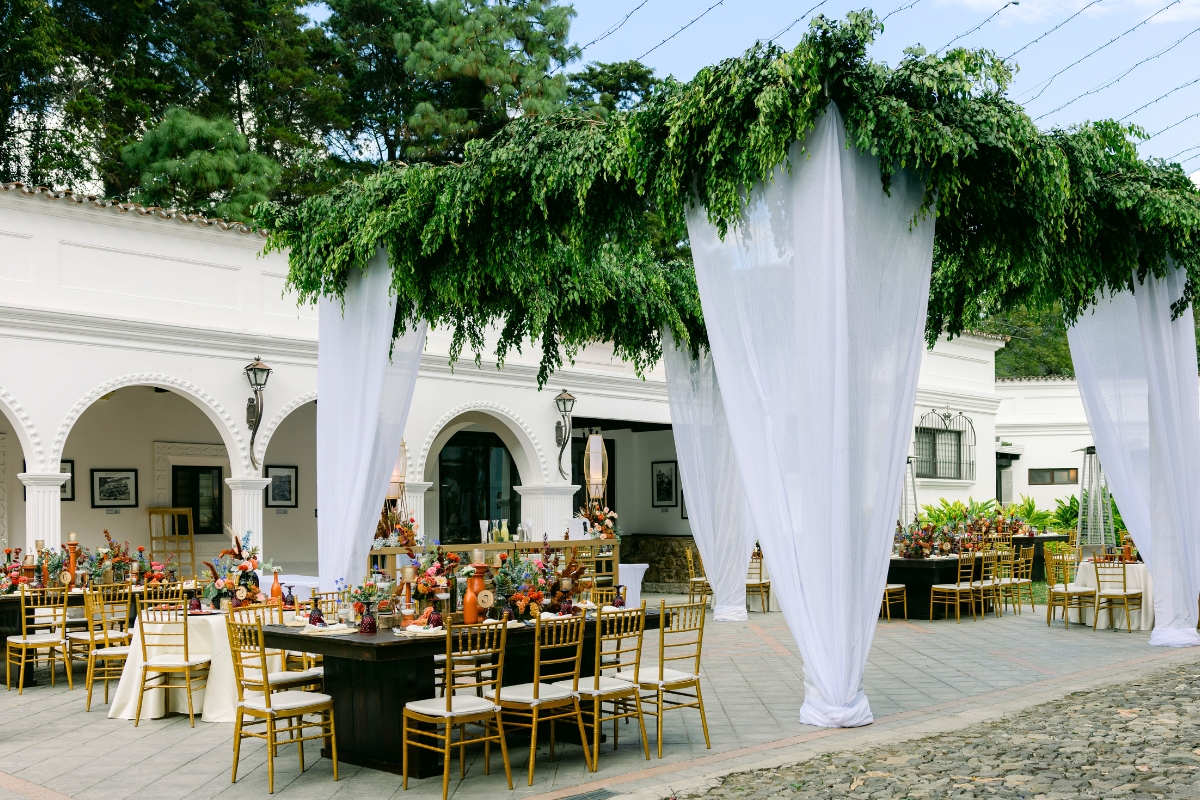
Greenery often becomes the starting point. Its presence can completely transform the feeling of a space, softening structures or adding density where needed. With the Guatemalan company's complete range of greens and steady quality, the focus stays on composition and flow, knowing the material will respond as expected throughout the event. Otto is a #1 fan of their products exactly because they bring it all when it comes to decorating spaces, events, and anything that needs a dose of green.
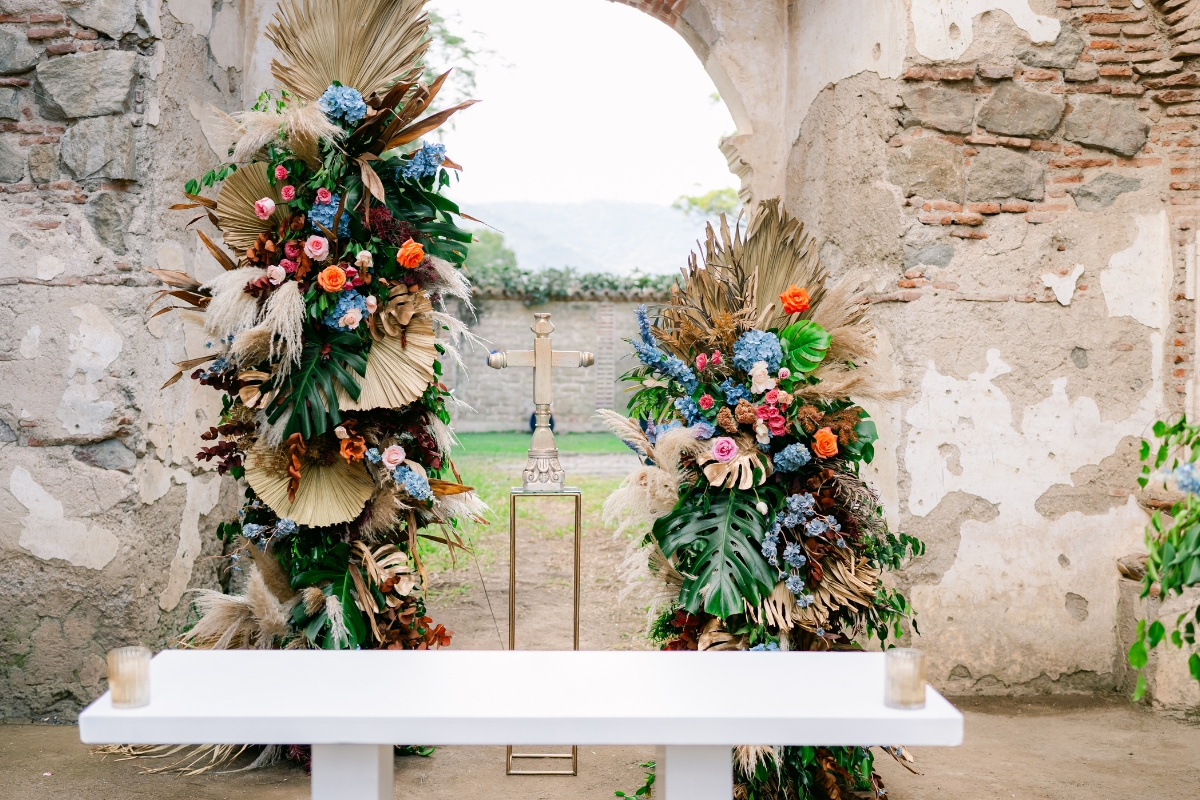
Rolando Ramazzini – Starting From the Client’s Vision
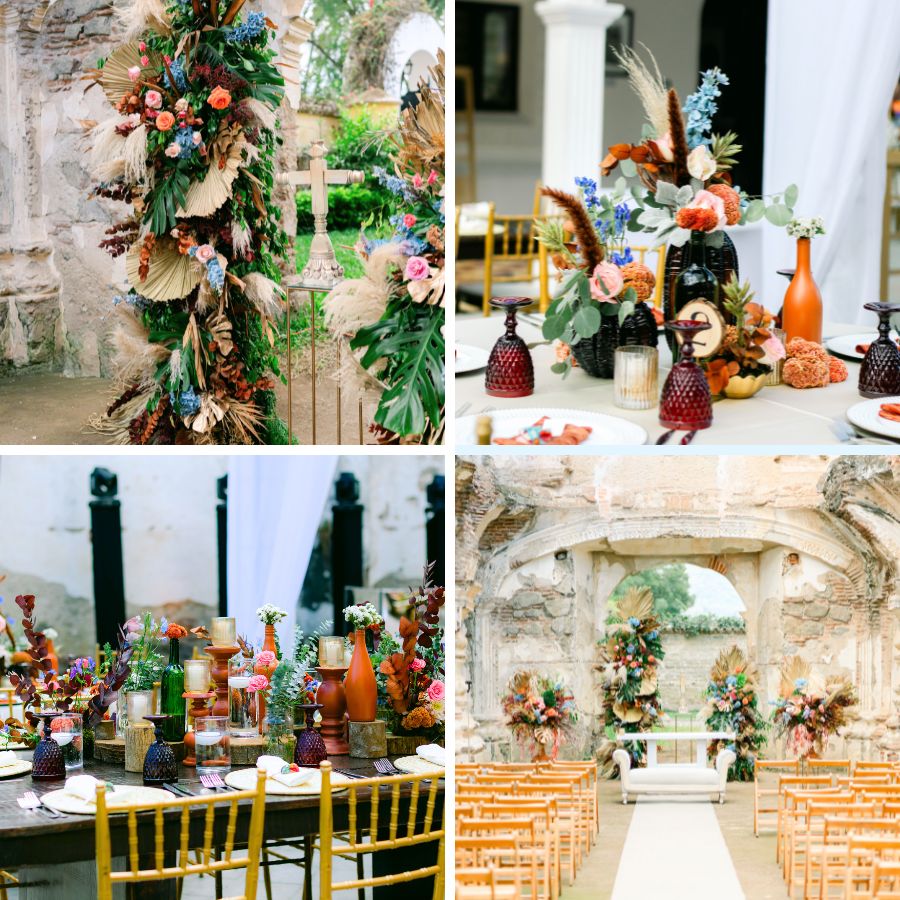
For Rolando Ramazzini, inspiration begins with the couple or client behind each event. Every project is commenced as its own concept, shaped by personal preferences and the intention to create something that is tailored specifically to each client's needs. For him, designing with greens gives him a source of creativity that is not tied to a fixed style. It develops from the initial idea, allowing each design to carry a distinct identity. This approach keeps the process open, with the final result guided by interpretation rather than a preset formula.
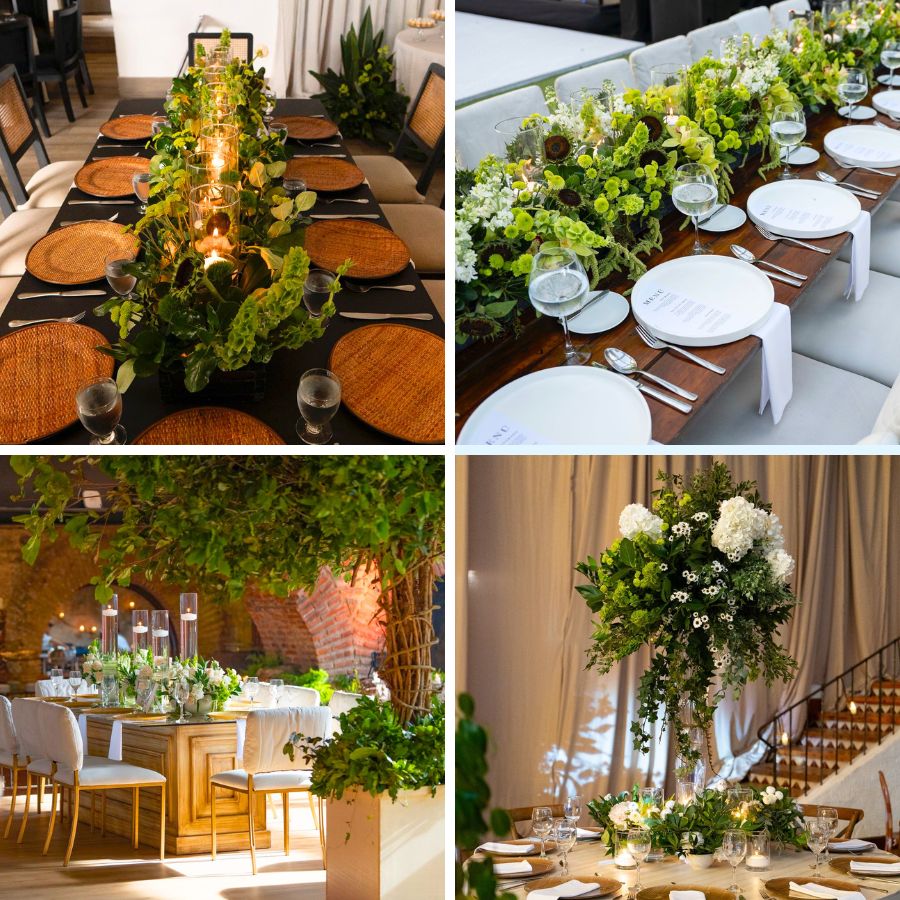
Selecting Foliage Based on Concept
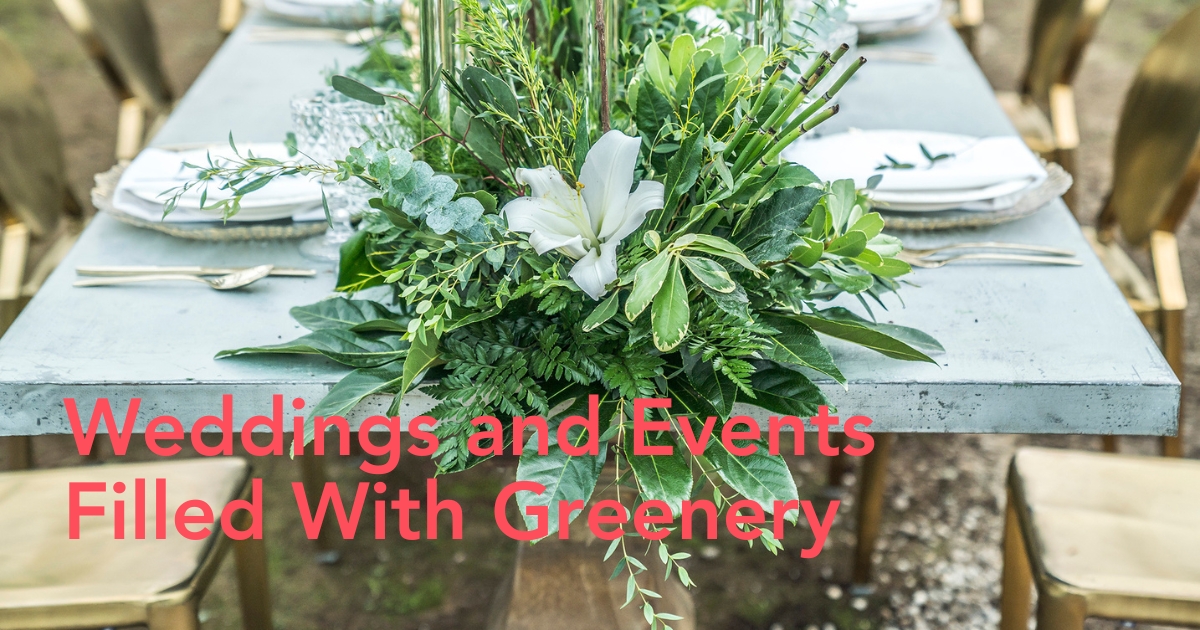
When working with TAK foliage, selection is directly tied to the visual direction of the event. With a wide range of varieties available, the choice comes down to what fits best within the overall composition. Some settings call for fuller, more classic arrangements, while others move toward cleaner, more minimal structures. The foliage adapts to both ends of that spectrum, supporting different styles without forcing a single look. The result is a flexible design process where material supports the concept, not the other way around.
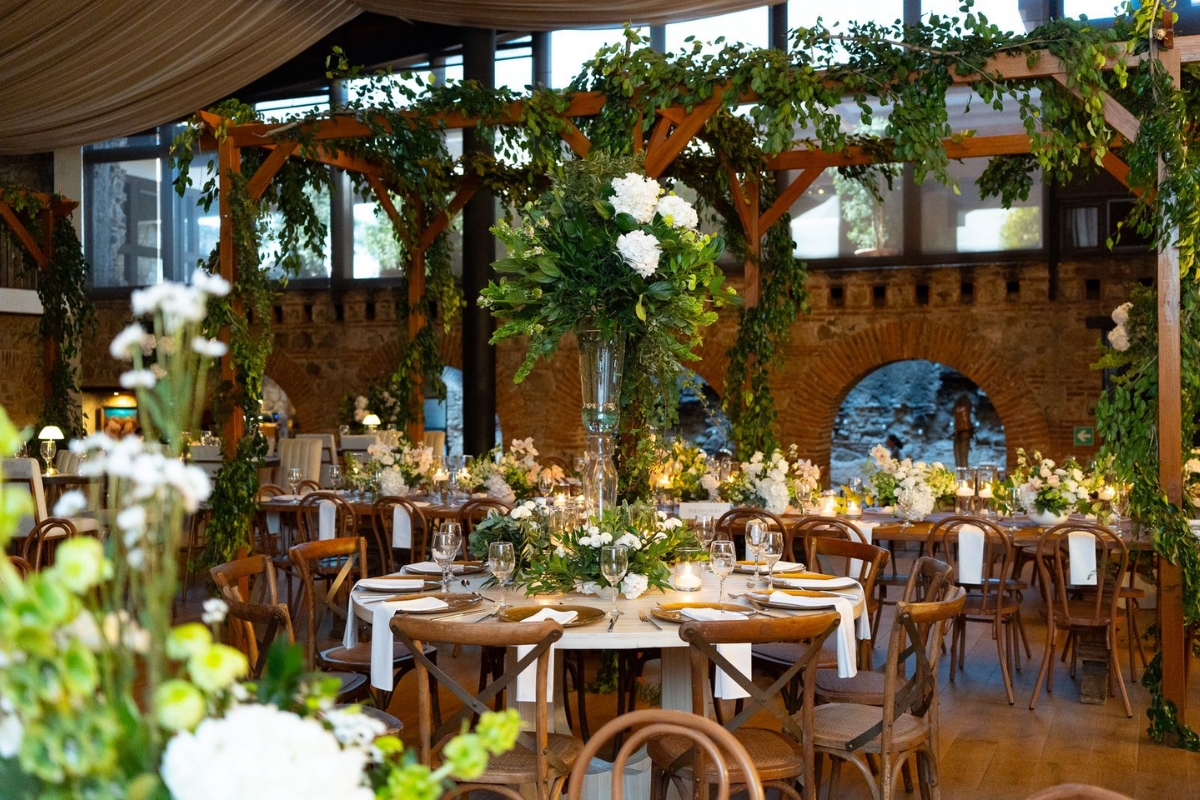
Rolando shares:
"TAK offers a wide range of foliage varieties. We aim to select, from among them, the ones that best fit the visual concept of the event, from classic arrangements to something more modern and minimalist."
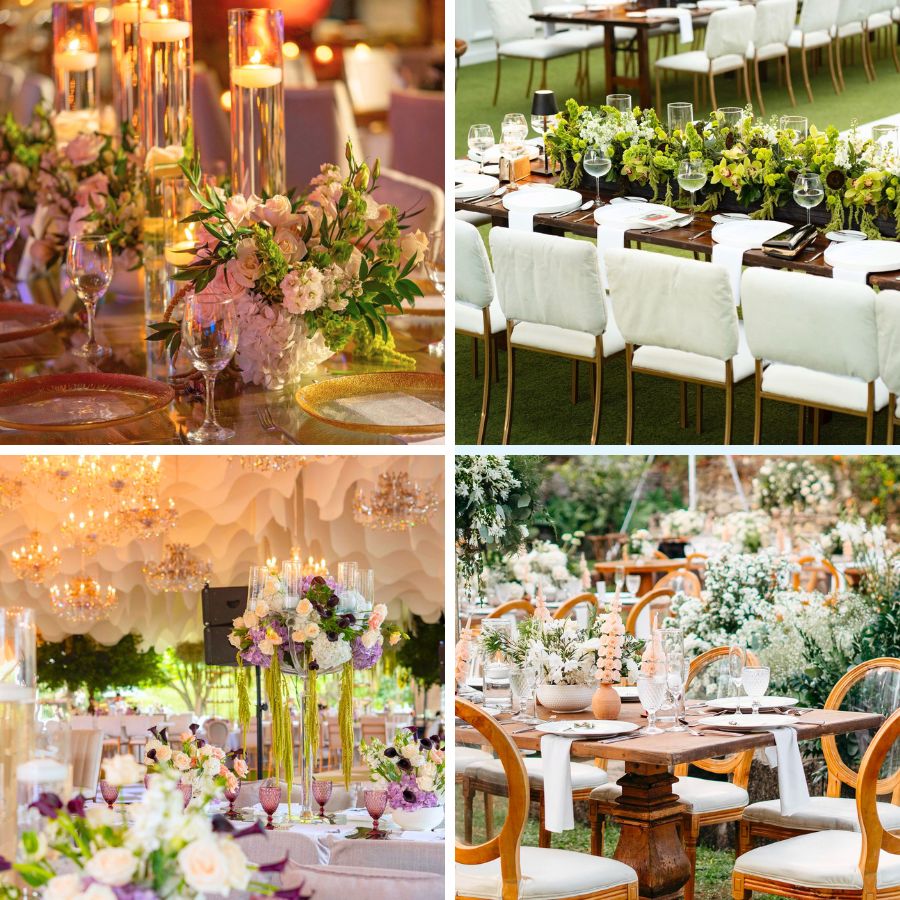
In the end, it comes down to how the material behaves once it’s in your hands. Both designers approach their work differently, but the way they use foliage follows the same idea: it has to respond well, adapt to the space, and hold up through the demands of the job. TAK’s varieties give them that range to work freely, whether the direction is more structured or more pared back. From there, it’s just about making the right choices for each project and letting the design take shape as it needs to.
Photos by: TAK, Omar Recinos, and Rolando Ramazzini.