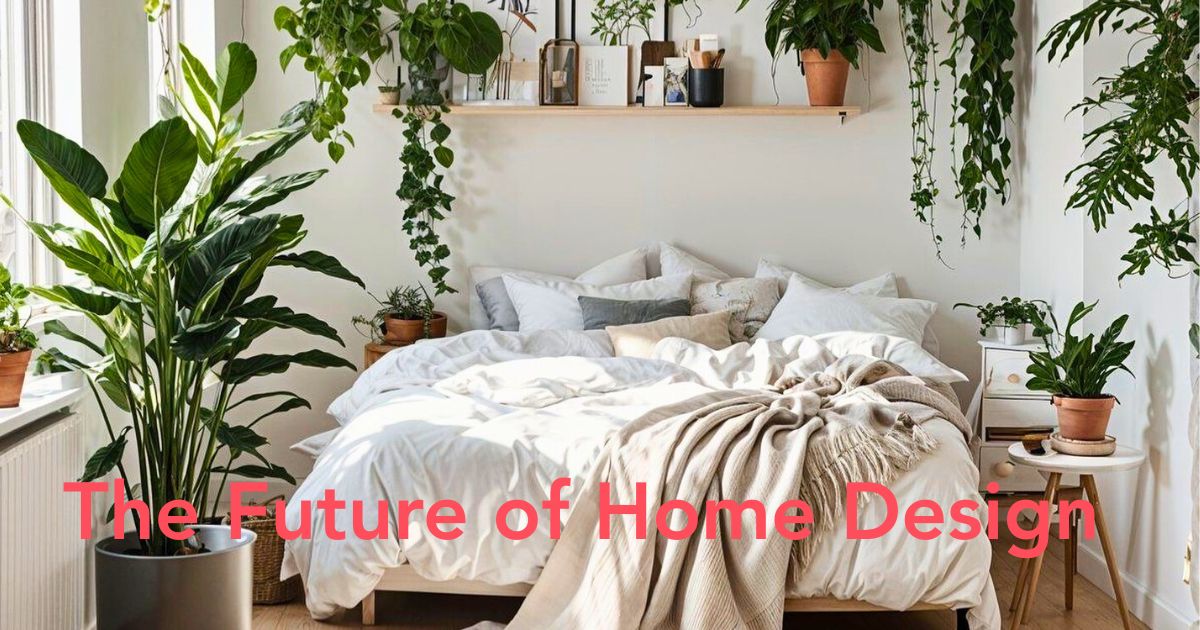
For years, minimalism ruled the interior world. White walls, pale oak floors, boucle chairs, and carefully curated shelves filled Instagram feeds and Pinterest boards. Clutter was out. Personality was muted. Everything felt serene, streamlined, and quietly expensive.
But something has shifted.
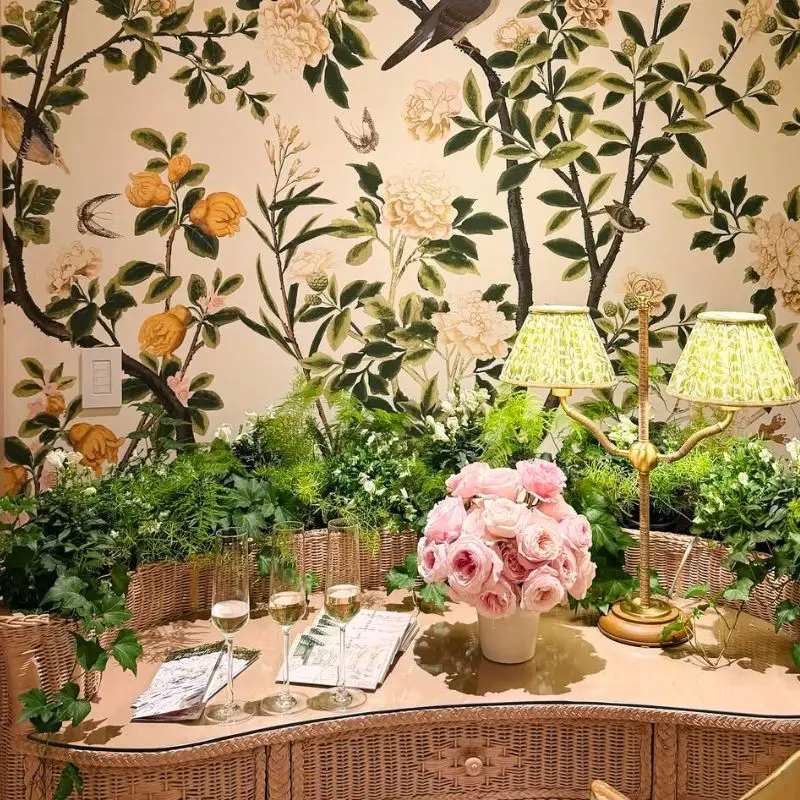
Gen Z homeowners and renters are increasingly turning away from pared-back perfection. Instead of echoing show homes and influencer flats, they’re creating spaces that feel layered, expressive, and unmistakably personal. The all-beige aesthetic is being replaced with colour, nostalgia, and comfort.
So, what’s behind this rejection of minimalism, and what does it mean for the future of home design? The article you have read about What Your Interior Design Says About You
What Minimalism Promised
Minimalism in the home promised calm in a chaotic world, visual clarity, and easier cleaning and organisation, as well as a timeless, investment-led look. And in many ways, it delivered.
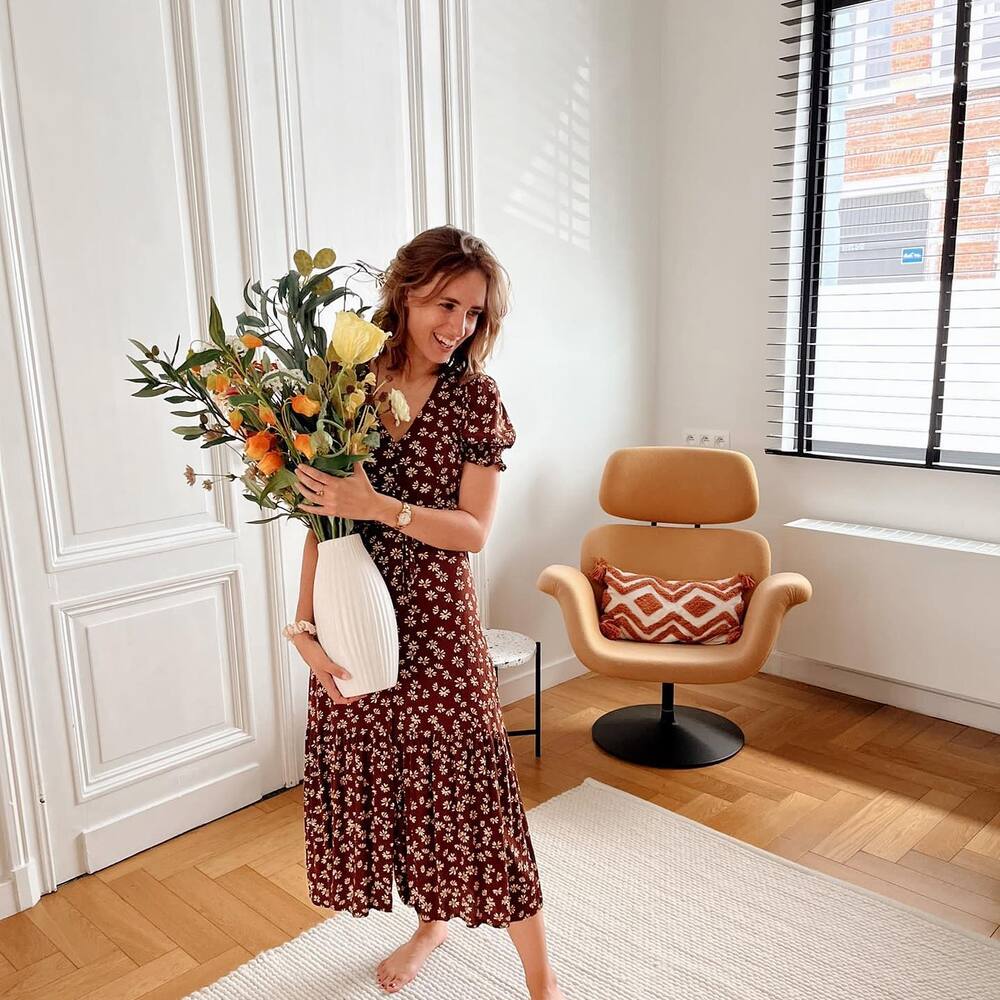
Clean lines and simple layouts can absolutely create peaceful spaces. Light-toned flooring, particularly natural oak or engineered wood, helped rooms feel open and airy. Neutral backdrops made styling straightforward.
But for Gen Z, minimalism began to feel impersonal.
Homes started to look identical with the same abstract prints, the same boucle armchairs, and the same pale planks laid wall to wall. Spaces became aesthetically pleasing, but emotionally flat.
Why Gen Z Is Seeking Personality
Growing up during economic instability, a pandemic, climate anxiety, and constant digital noise, Gen Z view the home as more than just a place to sleep. It’s a sanctuary, a workplace, a social space, and a creative outlet.
That emotional weight changes how interiors are approached.
Rather than stripping spaces back, many are leaning into:
- Bold colour palettes
- Vintage and second-hand finds
- Pattern mixing
- Statement lighting
- Art that actually means something to them
This shift isn’t random. It reflects a desire for authenticity. A room filled with inherited furniture, layered textiles, and characterful flooring feels grounded. It tells a story.
Minimalism can sometimes feel like editing out life. Gen Z, however, are more interested in celebrating it.
The Rise of “Lived-In” Aesthetics
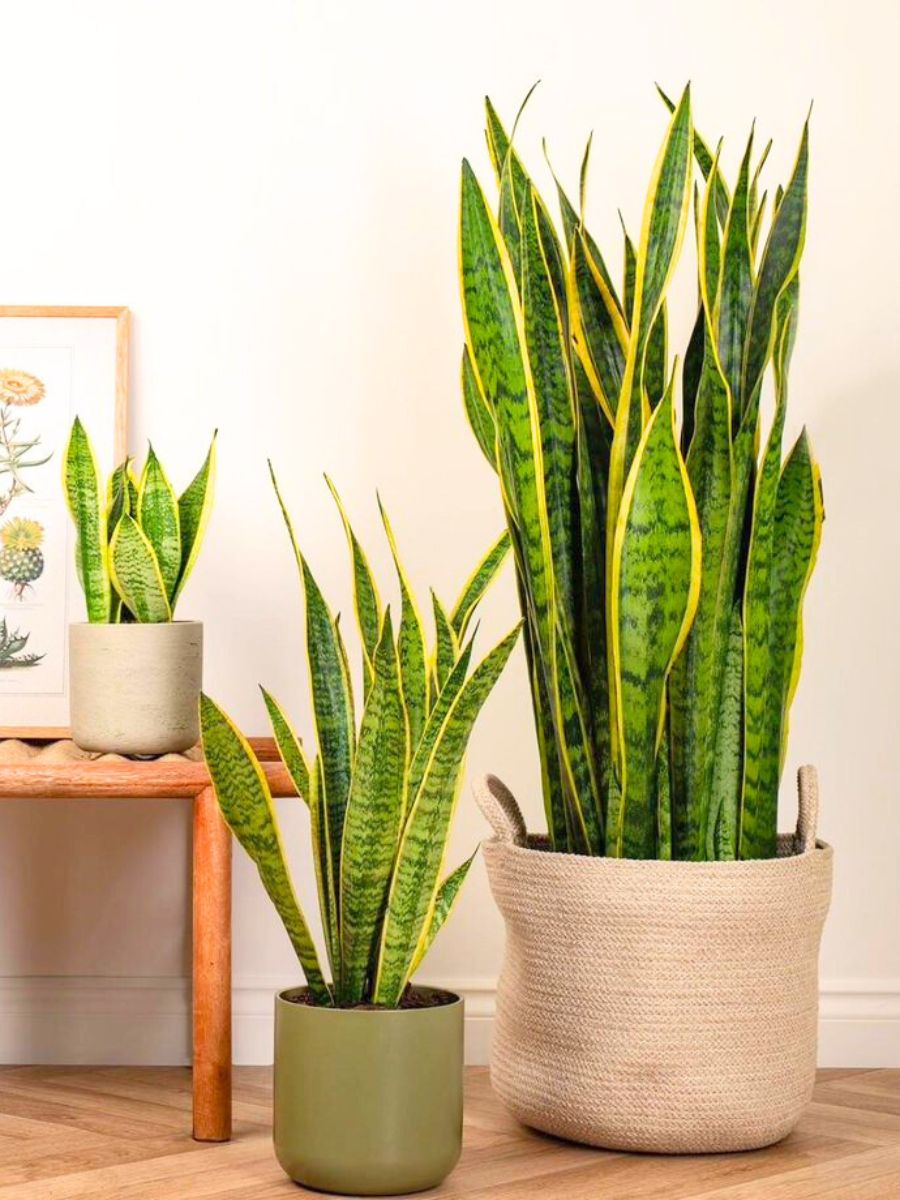
Scroll through TikTok and the emerging trends are clear: “cluttercore”, “eclectic grandad”, “dopamine décor”, and cosy, slightly chaotic bedrooms filled with books, plants, and mismatched lamps.
There’s comfort in visible life.
Instead of hiding everything in seamless storage, the shelves are full. Walls are gallery-style, and sofas are layered with throws and cushions that don’t perfectly match.
Even flooring choices reflect this mood. Parquet patterns, warm-toned wood, and textured surfaces are replacing ultra-sleek finishes. Parquet flooring, for example, adds instant depth and movement, which straight planks can’t always achieve.
It feels considered, not sterile.
Colour is Back, and It’s Staying
Minimalism leaned heavily on white, cream, and cool grey. Gen Z interiors, by contrast, are embracing colour unapologetically.
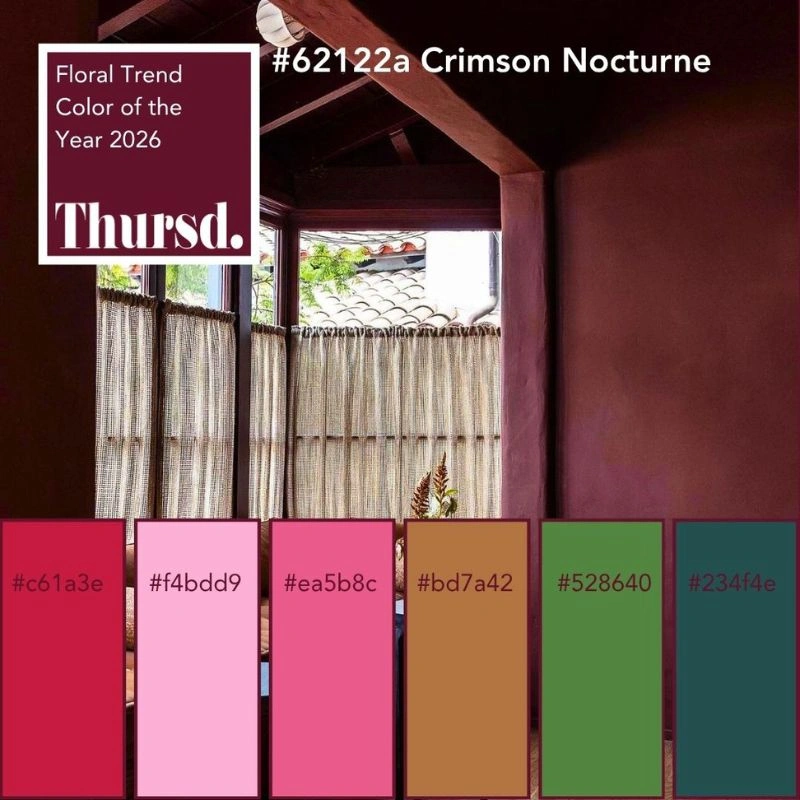
Earthy greens, terracotta, butter yellow, and deep blues are everywhere. Walls are being colour-drenched. Ceilings are being painted. Even skirting boards are part of the palette.
Flooring plays a bigger role here than many realise. A warm walnut engineered wood floor can anchor a richly coloured room, preventing it from feeling overwhelming. Alternatively, patterned LVT in a parquet design allows renters to introduce visual interest without long-term commitment.
The foundation matters. When the floor has warmth and tone, the rest of the scheme feels intentional rather than chaotic.
Sustainability and Second-Hand Culture
Another key reason minimalism is being questioned comes down to sustainability.
Minimalism often encourages buying fewer but higher-end items, except that trends still cycle too quickly. Gen Z is more sceptical of fast interiors and more open to second-hand shopping, upcycling and keeping things for longer as a result.
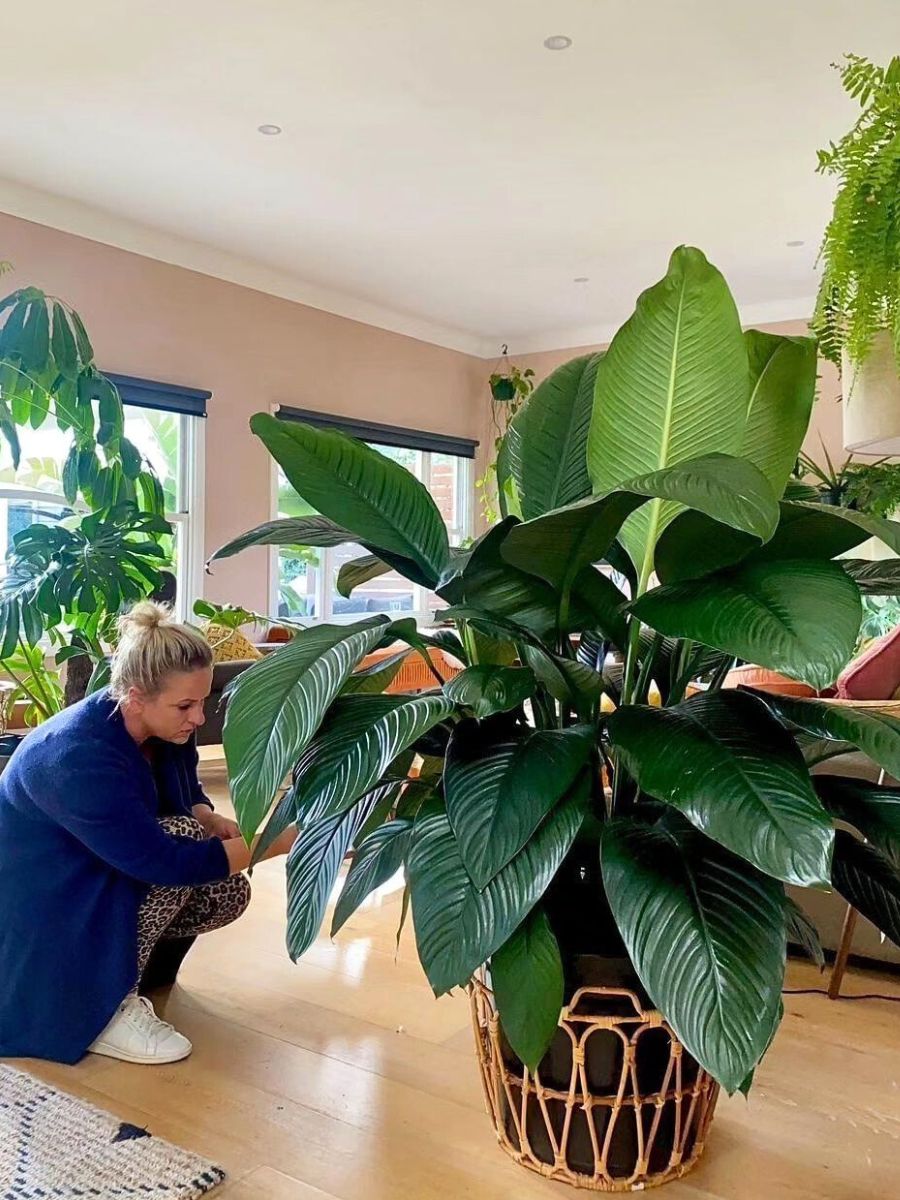
Vintage furniture doesn’t always sit comfortably in ultra-modern, stark spaces. It shines in rooms with texture and warmth. Natural materials like solid wood or engineered wood flooring complement older pieces beautifully, creating contrast without clash.
Is Minimalism Dead?
Not entirely.
Clean layouts, thoughtful storage, and quality materials still matter. The difference is that restraint is no longer the ultimate goal.
For some, minimalism still works. In small flats, clutter can quickly overwhelm. A calm base palette can then create breathing space. But increasingly, that base is layered with personality rather than left untouched.
A More Human Home
Minimalism taught valuable lessons about quality and restraint. But Gen Z’s rejection of it signals something deeper than a trend cycle.
Homes are becoming more emotional again.
They’re allowed to be imperfect. They’re allowed to evolve and reflect the people living in them rather than an algorithm.
And perhaps that’s the most refreshing shift of all.