When companies talk about employee well-being, the conversation focuses on benefits, flexible work policies, or wellness programs. These things matter, but there is another factor that often gets overlooked — the everyday work environment.
The space where employees spend most of their day can influence how they feel, how well they focus, and even how productive they are. Small details in the workplace can make a noticeable difference.
One of the simplest changes companies can make is adding plants to the office. They may seem like a small design choice, but greenery can help create a calmer, more comfortable space for employees.
In this blog, we’ll look at how workplace plants can support employee well-being and how HR teams can introduce them in a practical way.
Why HR Should Care About the Physical Work Environment
Here’s why HR should care about the physical work environment.
Workplace Environment Affects Employee Productivity
The environment where people work has a strong influence on how productive they are during the day. When the workplace feels comfortable and positive, employees usually bring more energy and focus to their tasks. Studies show that a positive work environment can increase employee motivation, engagement, and overall productivity.
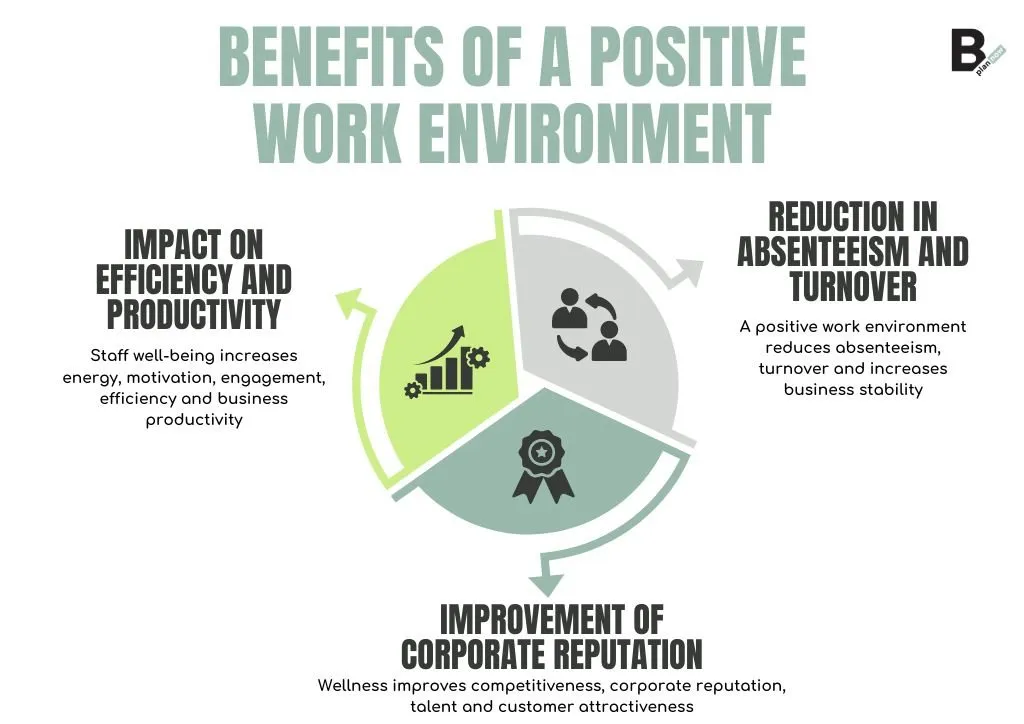
That directly improves how efficiently teams perform their daily work.
It Influences Employee Mood and Daily Energy
Employees spend many hours each day at work, so the environment around them naturally affects their mood. A workspace that feels welcoming, organized, and comfortable can help people stay positive and motivated.
On the other hand, a dull or unpleasant environment can make the workday feel longer and more tiring. When employees feel comfortable in their surroundings, they usually bring more energy and enthusiasm to their work.
A Good Environment Supports Better Focus
Many employees lose focus because of constant distractions or an uncomfortable workspace. A thoughtful environment can help reduce these problems. When the workspace feels calm and balanced, employees can concentrate more easily on their tasks.
Rachel Sinclair, Acquisitions Director at US Gold and Coin, says, “When you’re evaluating valuable assets like gold or rare coins, even small details matter, so focus becomes really important. A workspace that minimizes distractions helps people stay attentive and make more careful decisions.”
Even small changes in office design can help reduce mental fatigue. Over time, this environment helps employees maintain attention and complete their work more effectively.
Workplace Design Reflects Company Culture
The physical workspace often sends a message about how a company values its people. When an organization creates a comfortable and well-designed environment, employees notice the effort.
The environment people work in can influence how they think and communicate. When teams feel supported by their surroundings, they’re often more engaged and thoughtful in their work, which ultimately improves the quality of what they produce.
It shows that the company cares about their daily experience, not just their output. This can strengthen trust and make employees feel more connected to the workplace, which often improves overall morale.
A Better Environment Can Improve Employee Satisfaction
Employees usually feel more satisfied when their workplace feels comfortable and supportive. When people enjoy the environment they work in, they are more likely to stay motivated and do their work well, explains Tariq Attia, Founder of IW Capital EIS Investment.
Studies on employee satisfaction show that a positive work environment improves workplace productivity, employee retention, and even customer experience.
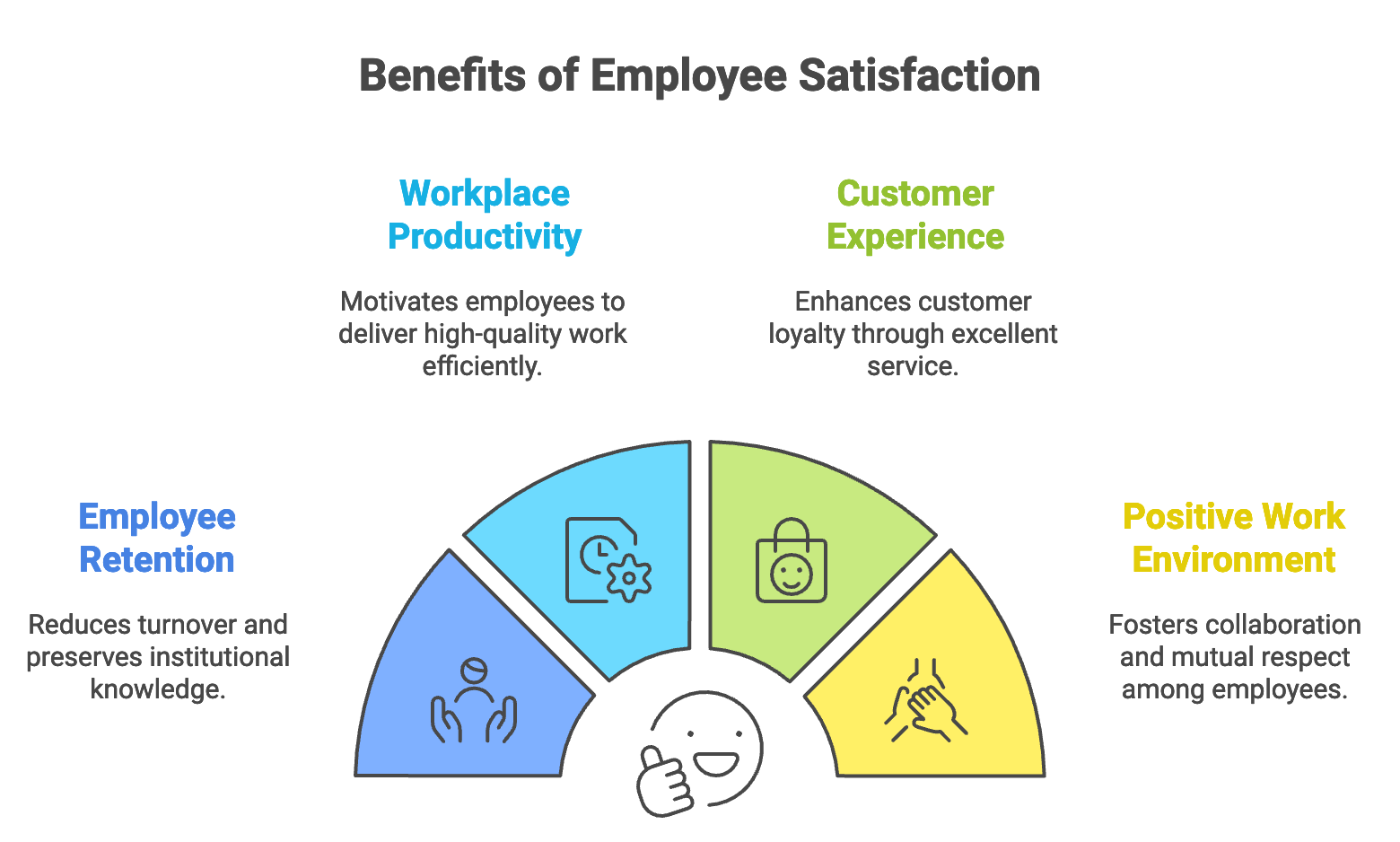
Because satisfied employees are more engaged in their roles.
The Best Types of Workplace Plants for Offices
Here are the best types of workplace plants for offices.
1. Snake Plant
The snake plant is one of the easiest plants to maintain in an office environment. It survives well in low light and doesn’t require frequent watering, which makes it ideal for busy workplaces. HR teams often prefer plants like this because they do not require constant attention.
The snake plant also has upright leaves that don’t take up much space, so it fits well on desks, corners, or meeting rooms. Another advantage is that it continues to grow even with minimal care, making it a practical choice for offices where employees may not have time to manage plants regularly.
2. Pothos (Devil’s Ivy)
Pothos is another popular workplace plant because it adapts easily to different office conditions. It grows well in both bright and low light and doesn’t require frequent watering. Its trailing vines can make workspaces feel more lively and natural. HR teams often place pothos plants in reception areas, shelves, or shared spaces to improve the office atmosphere. Research on botanical air filtration has shown that certain indoor plants can remove up to 97% of acetone, 71% of toluene, and over 83% of α-pinene from indoor air.
3. ZZ Plant
The ZZ plant is known for being extremely durable, which makes it perfect for office settings. It can survive in low light and requires very little water, so it’s a great option for workplaces that want greenery without extra maintenance. Its shiny, dark green leaves also give offices a clean and modern look.
Htet Aung Shine, Co-Founder of NextClinic, mentions, “In many healthcare and tech workplaces, people prefer simple solutions that quietly improve the environment without creating extra work. Low-maintenance plants are a good example of that—they make a space feel calmer and more welcoming while requiring very little attention.”

HR teams often choose plants like the ZZ plant because they are reliable and can survive even if employees occasionally forget to water them. This makes them a practical addition to desks, meeting rooms, and shared office areas.
4. Peace Lily
Peace lilies are commonly used in office environments because they look elegant and require only moderate care. Their dark green leaves and white flowers make workspaces feel brighter and more welcoming. These plants work well in reception areas, meeting rooms, or quiet workspaces where the goal is to create a calm atmosphere.
HR departments sometimes choose peace lilies when improving workplace design because they add visual warmth to office interiors. They also grow well indoors and don’t require direct sunlight, which makes them suitable for many office layouts.
5. Succulents
Succulents are small plants that are very easy to care for, which makes them popular for desk spaces. They store water in their leaves, so they don’t need frequent watering. This makes them ideal for employees who want a small plant on their desk without worrying about daily maintenance.
Succulents also come in many shapes and styles, adding variety to office environments. HR teams sometimes include small succulents in employee desks or shared spaces because they are simple, affordable, and help make the workspace feel more welcoming.
How HR Teams Can Introduce Plants Without Disrupting Work
Follow this below guide to introduce plants without disrupting work.
1. Start With a Small Pilot Area
HR teams do not need to transform the entire office at once. A simple way to begin is by introducing plants in a small area such as the reception desk, a meeting room, or a shared workspace. This allows employees to get used to the change without disrupting daily work.
According to Dan Rogers, Creative Director at Rebus Puzzles, “When you introduce any change in a workspace, even a small design element can influence how people experience the environment. Gradual changes tend to work best because they allow people to adjust naturally rather than feeling like the space has suddenly been redesigned around them."
Starting small also helps HR teams see how employees respond to the new environment. If the plants improve the atmosphere and employees appreciate the change, the initiative can slowly expand to other areas of the office.
2. Choose Low-Maintenance Plants First
One concern many workplaces have is that plants might create extra work. HR teams can avoid this problem by choosing plants that require very little care. Options like snake plants, pothos, or ZZ plants can survive with minimal watering and low light.
These plants do not require daily attention, which makes them suitable for busy office environments. By starting with low-maintenance plants, HR teams can introduce greenery without adding extra responsibilities to employees or interrupting their regular workflow.
3. Place Plants in Shared Spaces Instead of Workstations
To avoid distractions, HR teams can first place plants in common areas instead of individual desks. Locations such as reception areas, meeting rooms, hallways, or break rooms are good starting points. These spaces allow employees to enjoy the benefits of greenery without interfering with their workstations.
Karen Noryko, Career Content Director at Jobtrees, explains, “Small changes to shared office spaces often have a noticeable effect on how employees experience the workplace. When common areas feel more comfortable and welcoming, it naturally encourages people to step away from their desks, reset for a moment, and return to work with better focus.”
Shared areas also make it easier to manage the plants since they are all in visible locations. This approach keeps the office environment fresh and welcoming while ensuring employees can continue working without unnecessary changes to their personal workspace.
4. Ask Employees for Feedback Before Expanding
Introducing workplace changes often works best when employees feel included in the process. HR teams can ask for simple feedback after adding plants to certain areas of the office.
A quick survey or informal discussion can help understand how employees feel about the new workspace environment. If employees respond positively, HR teams can gradually introduce more plants across the office. This approach ensures the change feels natural rather than forced and helps maintain a workplace environment that supports both comfort and productivity.
5. Introduce Plants Gradually Across the Office
Instead of making large changes at once, HR teams can add plants gradually over time. After testing a few areas and gathering feedback, greenery can be introduced to more sections of the office. This gradual approach prevents disruption and allows employees to adjust comfortably.
Raj Dosanjh, CEO of Rentround, notes, “When environments change too quickly, people often need time to adapt. A gradual approach usually works better because it lets teams adjust naturally while still improving the overall space.”
Over time, the workplace can develop a balanced mix of greenery without affecting normal operations. By introducing plants step by step, HR teams can improve the workspace atmosphere while keeping the focus on productivity and everyday work routines.
Wrapping Up
Workplace plants can make a real difference in how employees experience the office. A workspace with natural elements often feels calmer, more comfortable, and easier to work in. For HR teams, adding plants is a simple step that can support employee well-being without changing daily work routines. Starting with a few plants in shared spaces and choosing easy-to-maintain options makes the process simple for everyone.
Over time, these small changes can help improve the overall workplace atmosphere. When employees feel comfortable in their environment, they are more likely to stay focused, engaged, and productive during the workday.