Sustainability, when it comes to the floriculture industry, has become one of the most influential forces shaping the global flower trade. Be it how flower farms manage their production, how traders document their supply chains, or how florists make sourcing decisions, responsible practice is now a professional expectation, not an individual preference.
Yet expectations alone do not change behavior; knowledge does. Simply put, education and training are the machinery making sustainability a daily practice across the entire value chain, and a consistent idea whose role in the industry's future cannot be emphasized enough.
A Dynamic Industry Requires a Dynamic Approach
For much of its modern history, floriculture was sustained by a relatively fixed body of practical skill. An individual with a good grasp of particulars, like irrigation schedules, pest control routines, and post-harvest handling, was well equipped to do the job.
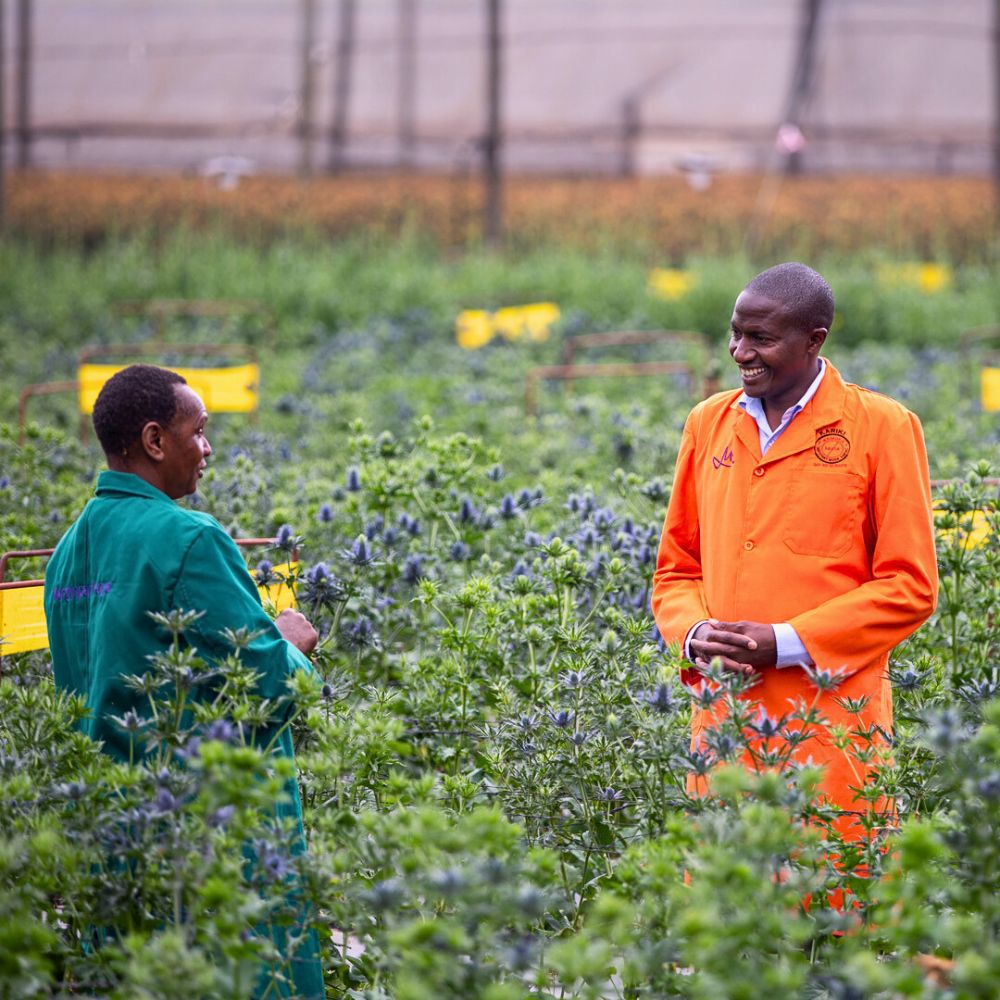
And while that skill set remains relevant, it is no longer sufficient. Contemporary flower operations run on data-driven, computer-controlled systems, automated irrigation infrastructure, precision nutrient delivery, and increasingly complex certification requirements that touch on environmental, social, and economic performance all at the same time.
This development places demands on those working within the industry. A farm manager who cannot read a nutrient management report, a pack-house supervisor unfamiliar with fair labor standards, or a logistics coordinator who does not understand cold chain science are each, in different ways, liabilities.
In other words, a workforce that cannot fully navigate today's sustainability frameworks is not just an operational gap but a compliance and market access risk. The flower industry's growth has made continuous, well-thought-out education as essential to a business as good soil or reliable irrigation. Furthermore, consumers are also mounting even more pressure on the industry.
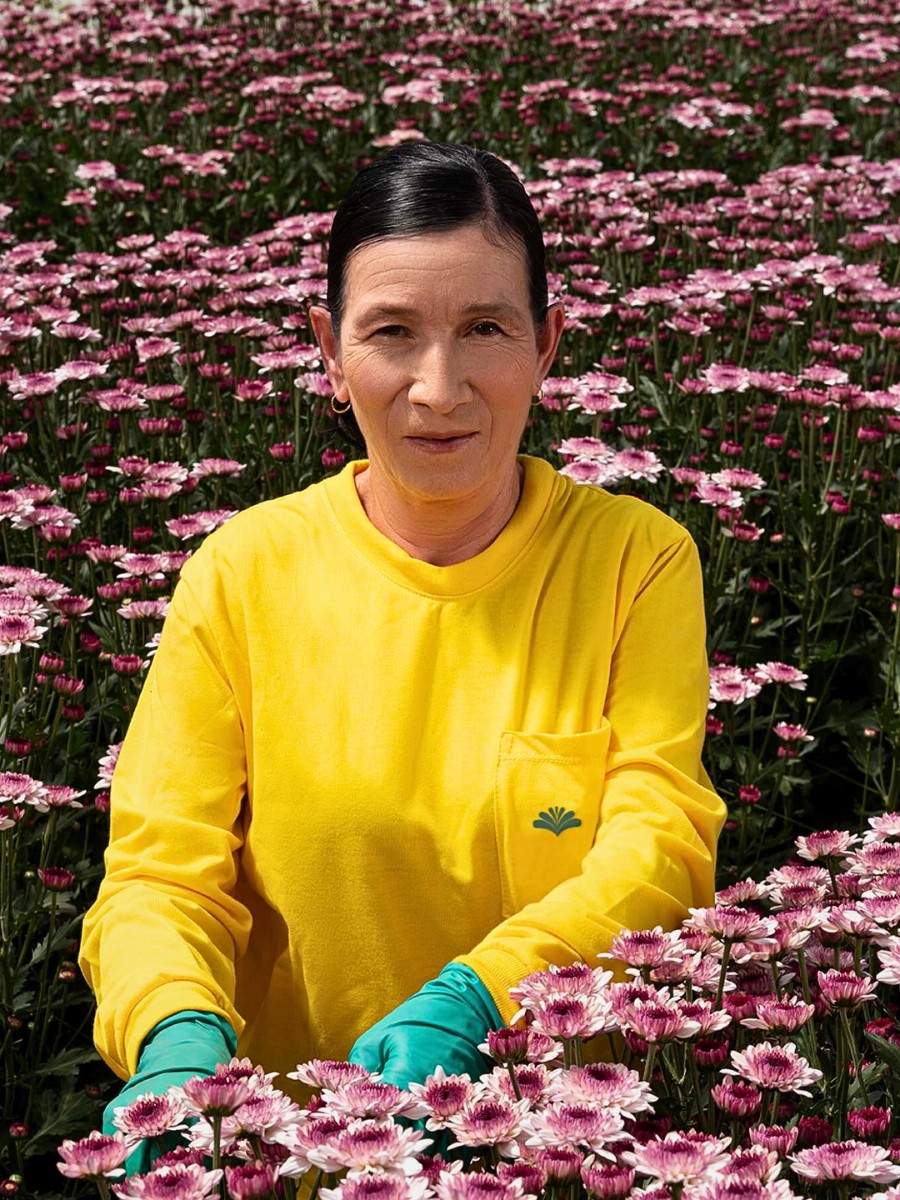
Buyers in Europe, North America, Asia, and elsewhere now expect documented proof that the flowers they purchase were grown and handled responsibly, and this proof is delivered through certifications, audits, and traceable supply chain records. All these depend on trained people to generate and maintain. Education, in this sense, is not a peripheral investment but an operational foundation upon which market credibility is built.
The Drivers of Sustainable Practices
The most durable sustainability gains in floriculture do not come from policy mandates or marketing commitments, but from workers, managers, and business owners who really understand what they are doing and why it is important. This is where education (and training) does its most important part.
Pesticide use has become quite a thorny issue. Yet, at the farm level, training in integrated pest management (IPM) has proven to be among the most impactful interventions. Farm workers, who understand the principles behind natural and biological pest controls, are more decisive in applying them and use chemical inputs more selectively, which reduces exposure risks for themselves and their colleagues, and protects the surrounding environment.
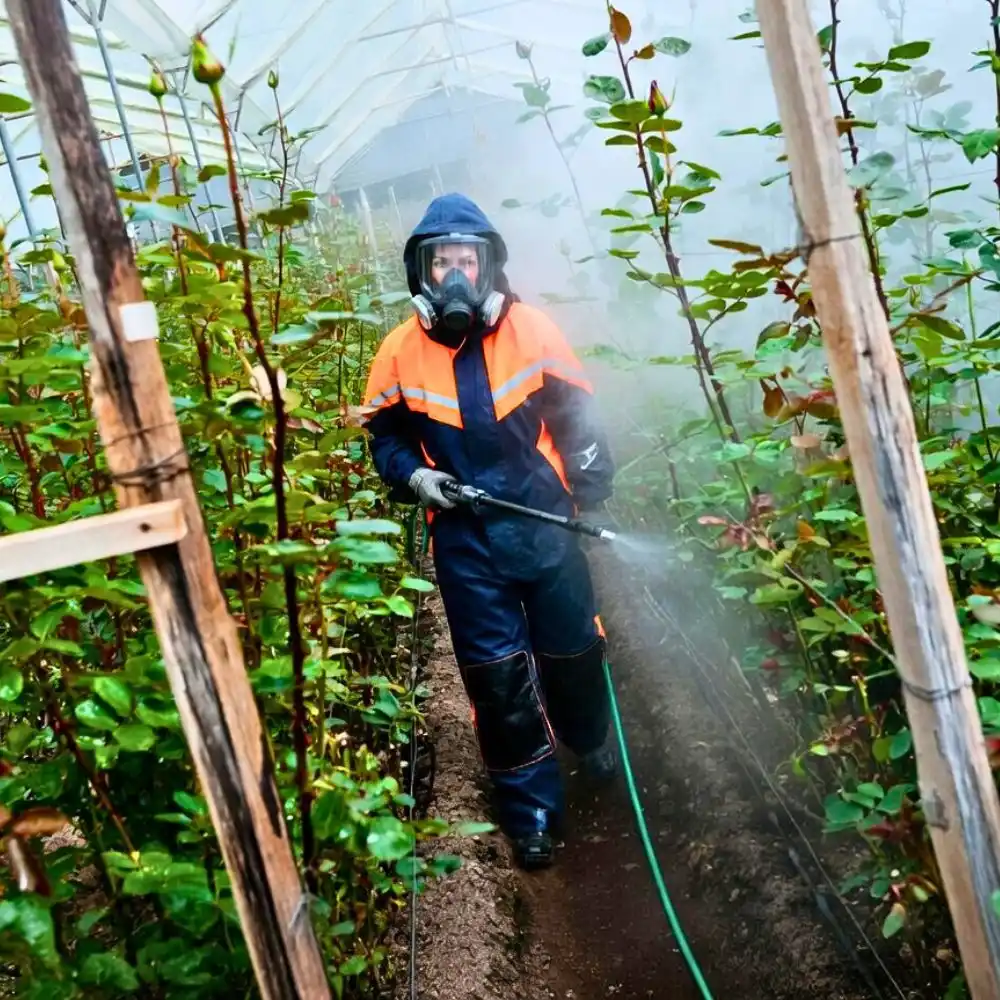
While, to the simple thought, this might seem like just an outcome that inspection alone can produce, it demands comprehension. And this knowledge requires teaching. Certification bodies such as the Floriculture Sustainability Initiative (FSI)-affiliated MPS, and others actively support this knowledge-building. Practically all embed training requirements into their frameworks so that certified farms do not just meet standards but thoroughly understand them.
Water management is also a great example. By its nature, flower farming is water-intensive, and in many growing regions, water scarcity is a growing concern. Training programs that teach precision irrigation, soil moisture monitoring, and efficient greenhouse water cycling have had great reductions in consumption on farms that adopt them.
But the adoption only happens when growers understand the science well enough to trust it, adapt it to their specific conditions, and troubleshoot it when something goes wrong. A compliance requirement to reduce water use by a set percentage is less likely to produce lasting results than a training program that explains how and why the reduction is required and achievable.
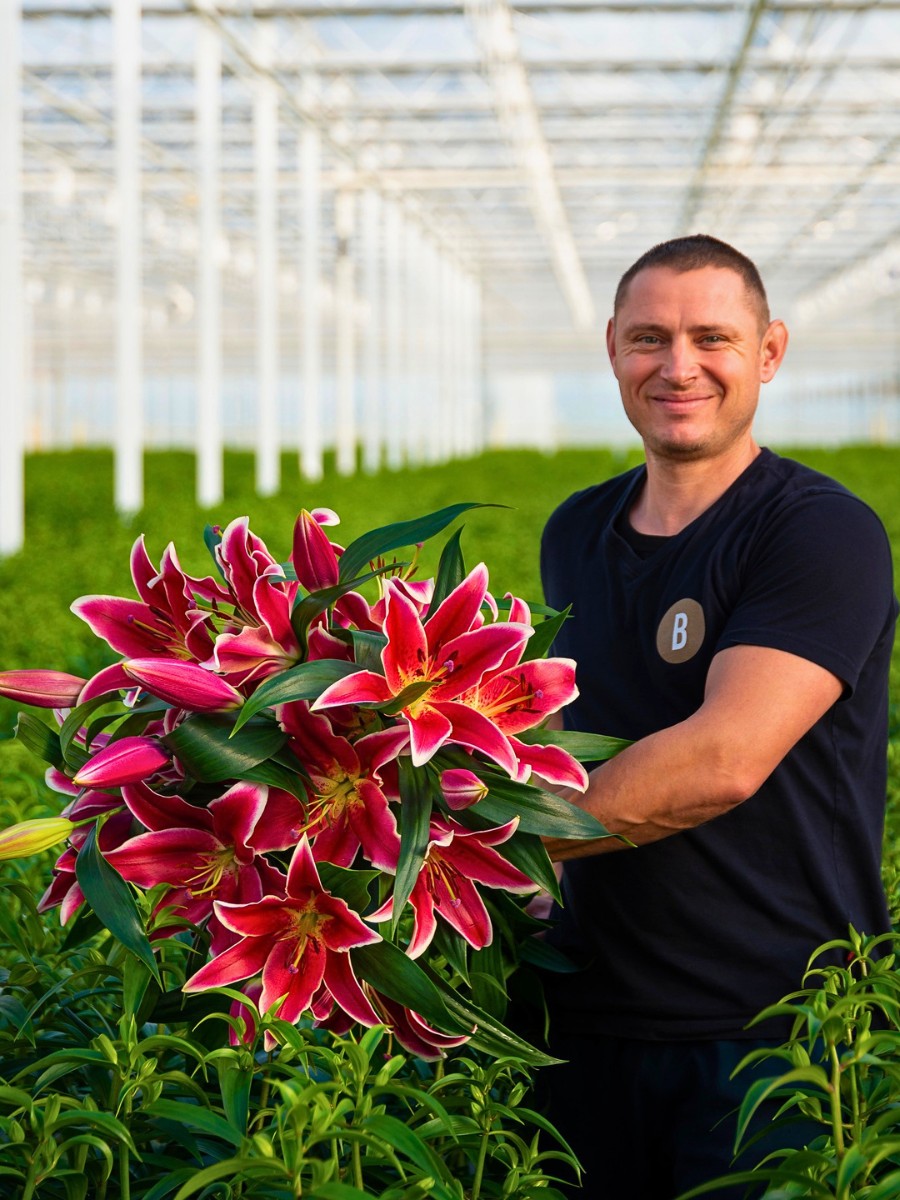
Cold chain management is equally important and often underappreciated as a sustainability subject. Improper temperature handling between harvest and point of sale can greatly reduce vase life, meaning a significant share of the energy, water, soil inputs, and labor invested in growing those flowers is effectively wasted.
American Floral Endowment's Sustainabloom is one of those programs that address this gap directly. They publish resourceful guides, including on practical cold chain management, as part of their efforts to make sustainability education accessible to flower businesses across the United States (and even beyond). The idea embedded in this framework is that teaching the industry to handle flowers better is equally a lesson in reducing waste, conserving resources, and improving profitability.
Certification Frameworks Put Education at Their Core
Some of the most effective sustainability education in floriculture today is delivered through the requirements built into certification frameworks, not classroom programs. If a certification demands that farms train their personnel, document their inputs, and show competency in environmental and social management, it makes the pursuit of a market credential an unending learning process.
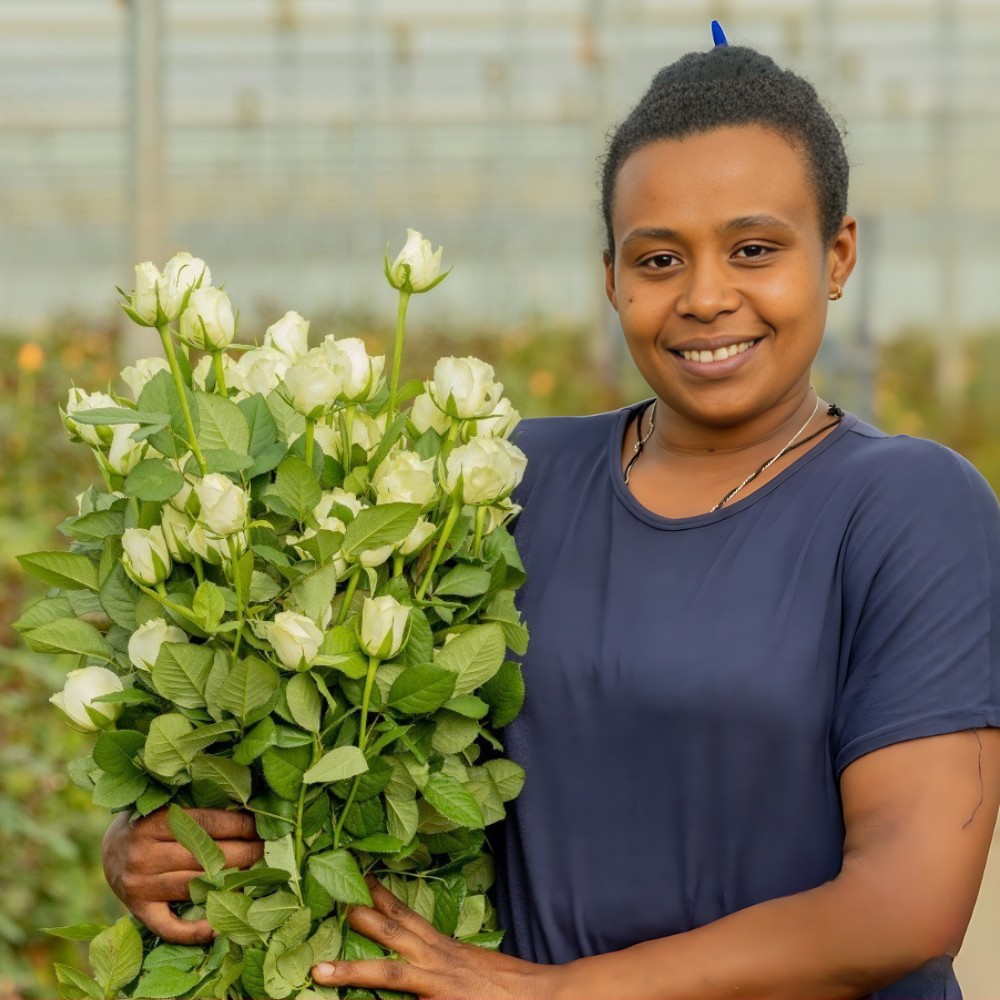
The Kenya Flower Council's (KFC) certification system is a good example of this approach in action. Kenya ranks among the world's leading cut flower exporters, and the KFC has made education a fundamental condition of its standards, not just an optional component. The KFC FOSS framework requires farms to show working knowledge of environmental protection, worker welfare, and agricultural best practices.
KFC’s Gold certification level goes further, explicitly requiring the employment of trained managers and supervisors. Farms that invest in meeting these requirements not only earn a certificate but also build institutional knowledge that improves performance across the entire operation and secures access to premium markets that increasingly specify sustainably certified products.
Latin America’s Florverde Sustainable Flowers (FSF) takes a similar approach. Its years of operation provide some of the most cogent evidence available for what education-embedded certification would achieve over time. FSF requires certified farms to maintain soil organic matter above defined thresholds, manage nutrient runoff, and implement integrated pest management programs.
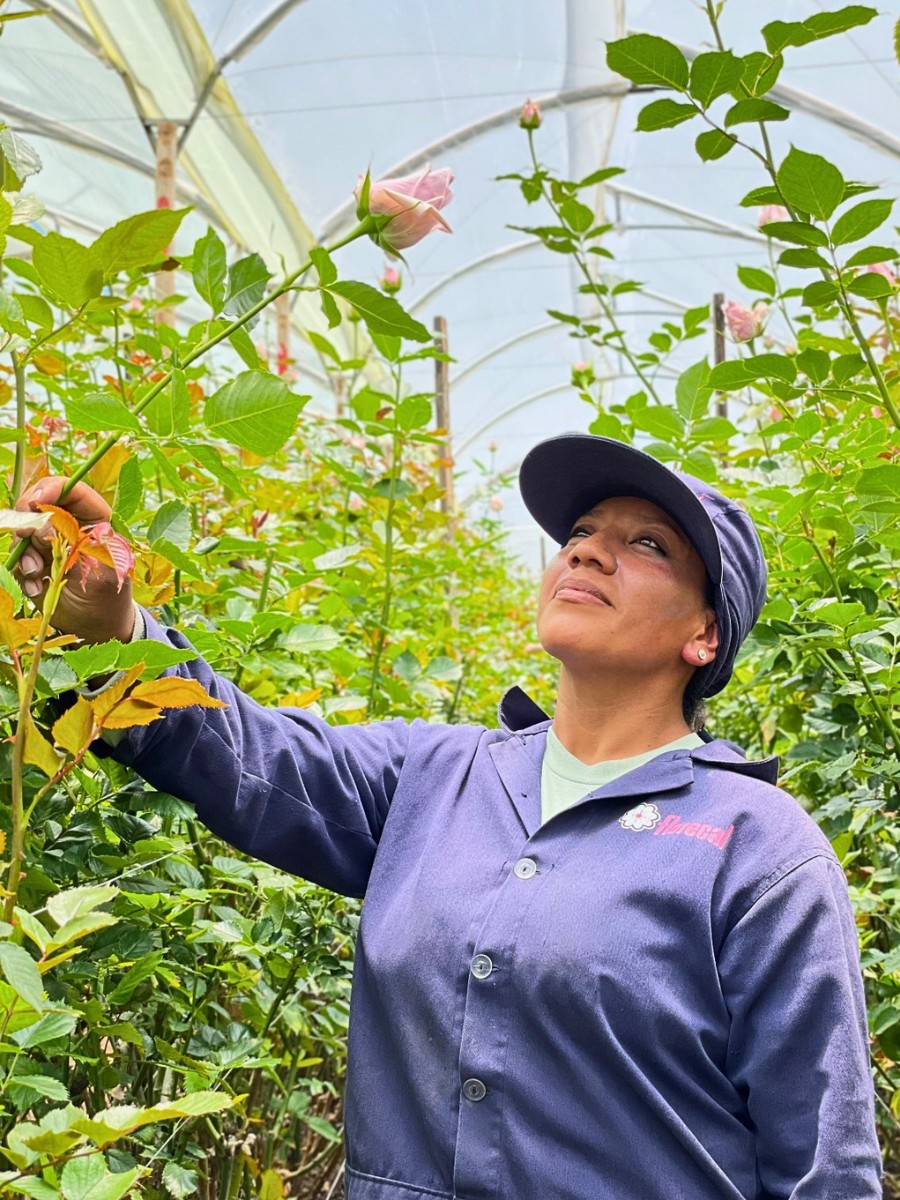
Yet sustaining compliance with those requirements demands continuous staff training in agronomy, environmental management, and worker safety. Their impressive results validate the years of gained farm-level knowledge, and not just policy interventions. Florverde continues to expand its model (beyond the original Colombia and Ecuador) into other countries, such as Guatemala and Costa Rica, extending the same education-oriented approach to new growing regions.
FSI's Basket of Standards, which benchmarks such programs against environmental and social criteria, has set an industry-wide ambition of sustainable flower production, and reaching that target requires every link in the supply chain to be staffed by people who know what sustainable practices are like, throughout their specific roles. It is, therefore, understandable why education is what closes that gap between ambition and daily operational verity.
Social Aspect of Training for People Themselves, Not Just for Production
Sustainable floriculture is not only a narrative about soil and water, but equally about the people growing and handling flowers. Their well-being is an important part of what sustainability in this industry is all about, which explains why it requires a unique approach to education.
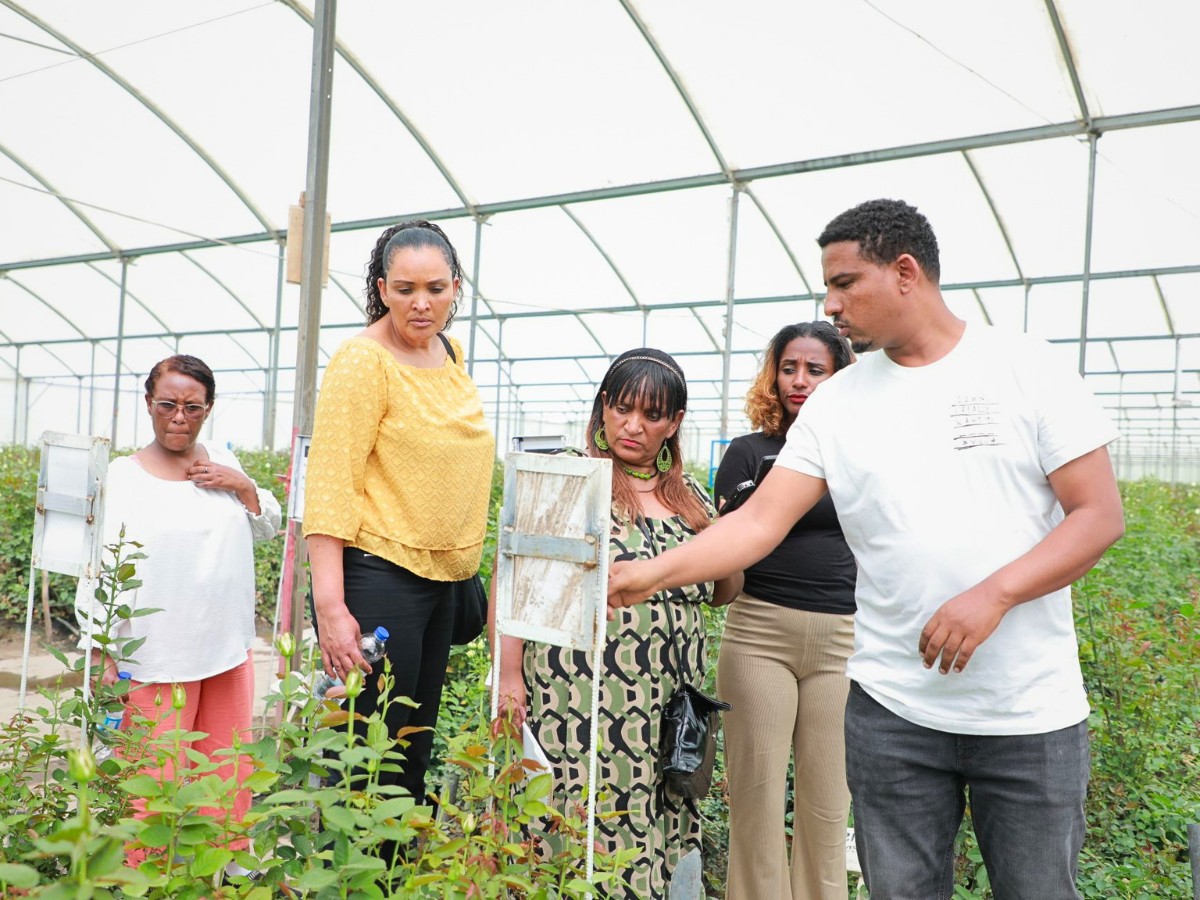
Flower farm workers often face some occupational health considerations, particularly around chemical handling and the physical demands of repetitive harvesting work. Training programs that cover safe pesticide application, protective equipment, emergency response, and workers' rights are not marginal to sustainability, but sustain its main.
In Ecuador, for instance, certified flower farms have documented significant reductions in pesticide use alongside improvements in worker health outcomes, a result that follows from sustained investment in worker education, and not just from compliance pressure. For in-charges, the training needs also mean fair labor practices compliance, gender equity in the workplace, grievance-addressing mechanisms, and ethical business conduct.
The KFC's certification framework, for example, covers all of these scopes and requires farms to show that their teams have the knowledge to uphold them reliably. Building this capacity is a long-term project, not a box that gets checked once, and requires ongoing professional development, accessible training resources, and organizational cultures that treat learning as a standing priority.
Education Builds What Rules Do Not
There is an important distinction between what regulation achieves and what education realizes, yet the flower industry's sustainability direction depends on clearly understanding both. A regulation sets a floor, establishing the minimum standard below which a business will face consequences. It is a crucial tool for holding the industry accountable. But a floor is not a destination.
A grower trained to understand the principles of soil biology makes better decisions across every season, not just during audit periods. A florist who has studied sustainable sourcing, seasonality, and the slow-flower movement makes different purchasing choices than one who has only signed off on a policy document. Education, essentially, produces internalized knowledge that shapes professional judgment, which is what drives performance above the floor, not just along it.
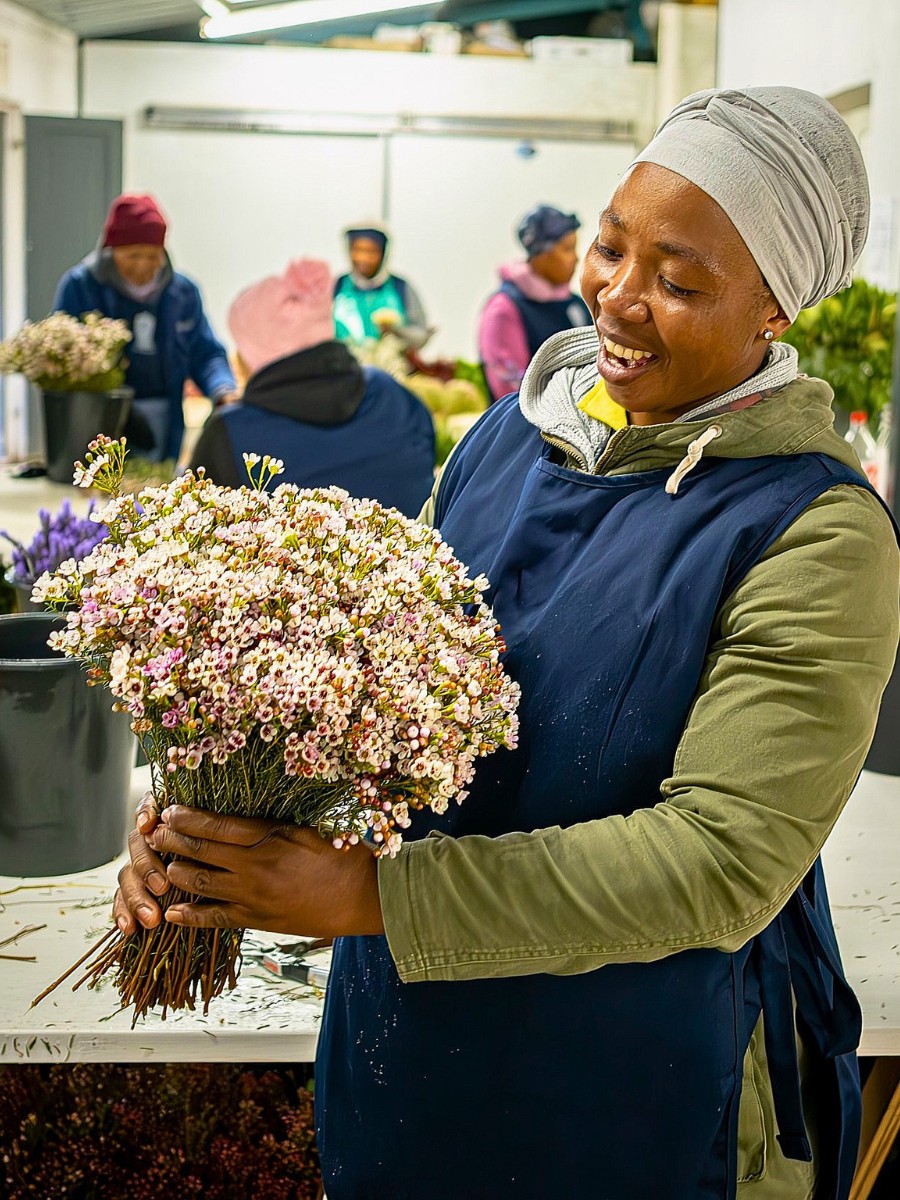
The flower industry already has the right frameworks, certification infrastructure, and working program models to make education a standard expectation. What changes that prospect into industry-wide reality is the will to invest at all levels, be it on the farm, the trading space, or even in professional development decisions made by individual businesses.
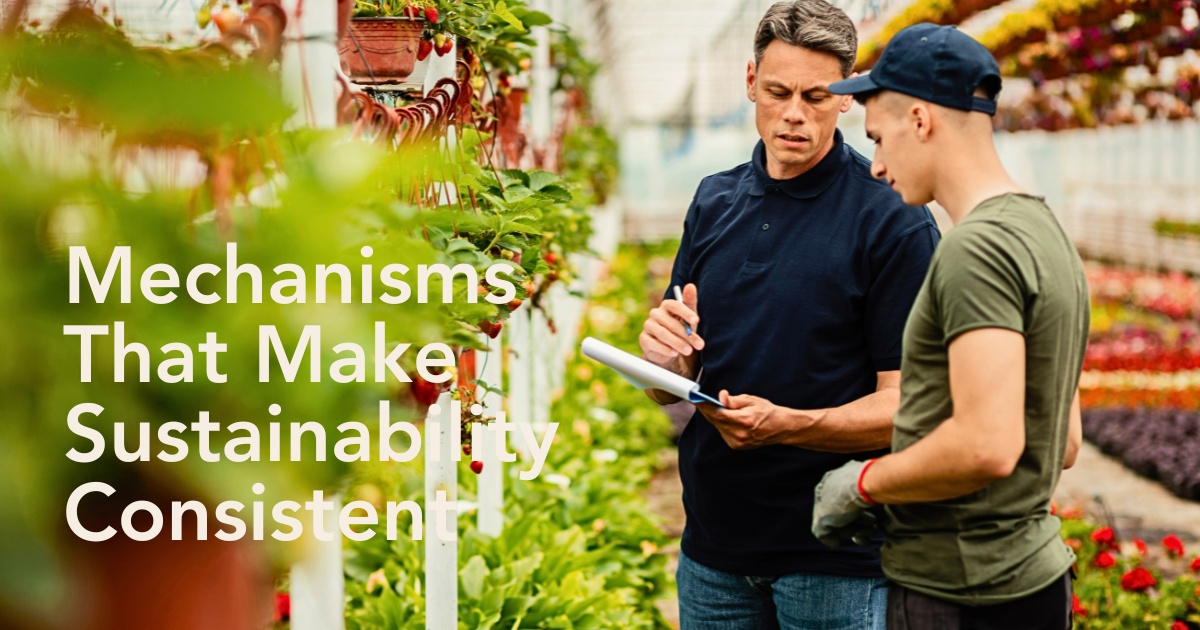
Featured and header image by Drazen Zigic.