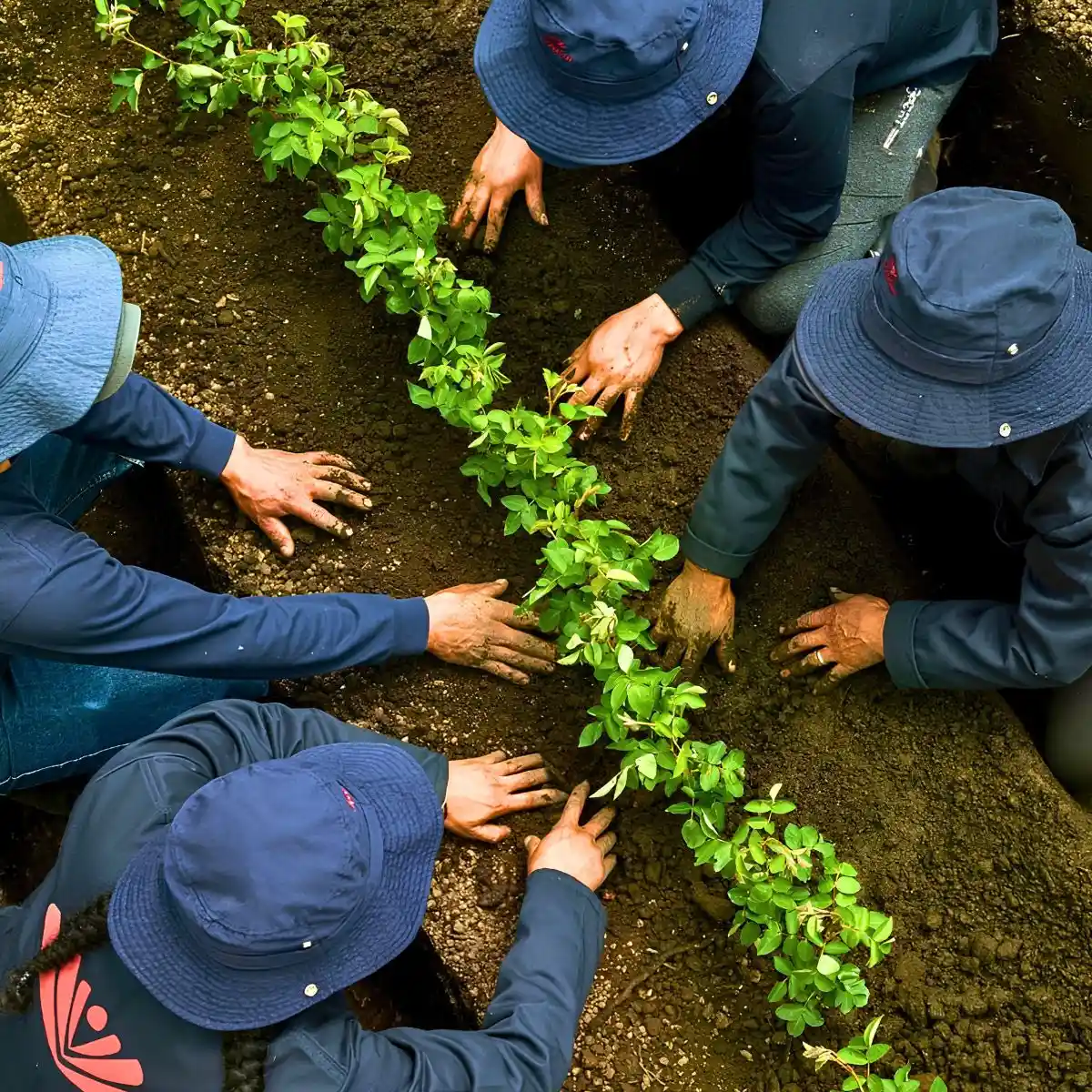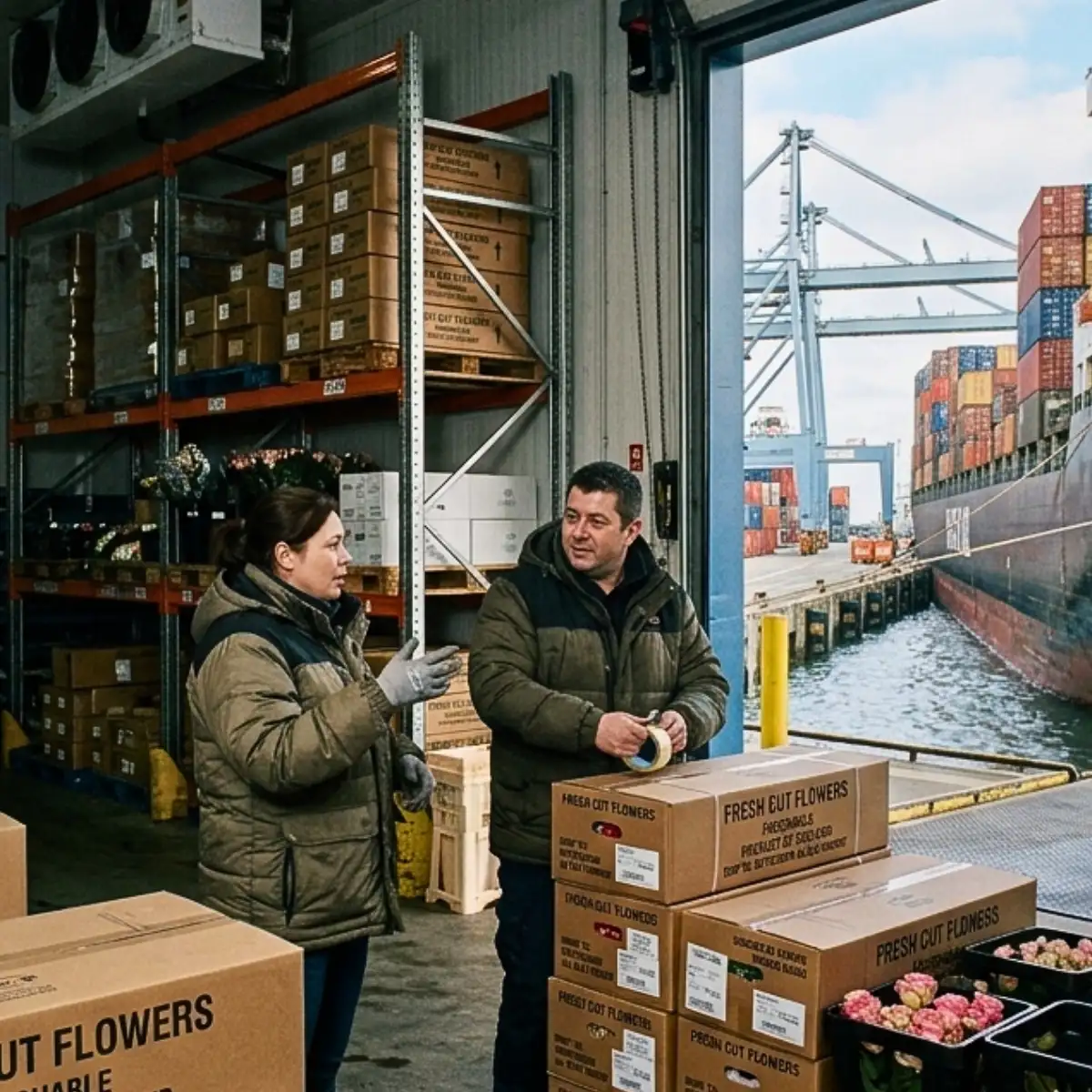

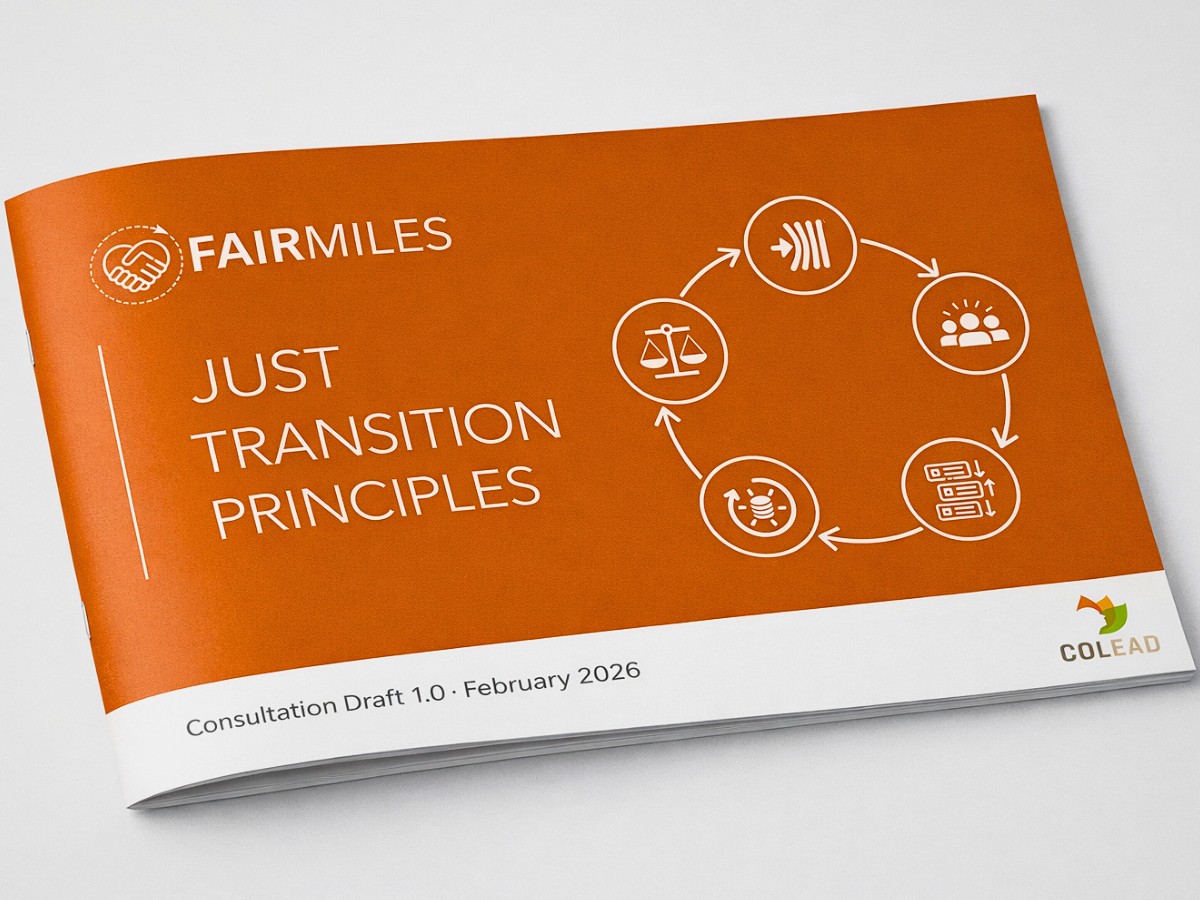
Fairmiles, a multi-stakeholder initiative working to advance fair and sustainable practices in global fresh produce supply chains, has released a Consultation Draft of its Just Transition Principles. The framework offers practical guidance for retailers, brands, and suppliers seeking to implement environmental, social, and ethical reforms without inadvertently harming the communities they aim to support.
Pursuing Ambitious Environmental Goals While Protecting Vulnerable Livelihoods
The principles address the concern of how to pursue ambitious environmental goals while protecting livelihoods in vulnerable sourcing regions. With mounting pressure on companies to show progress on sustainability and Net Zero commitments, Fairmiles has observed that poorly conceived strategies risk undermining the communities that form the substance of global supply chains.
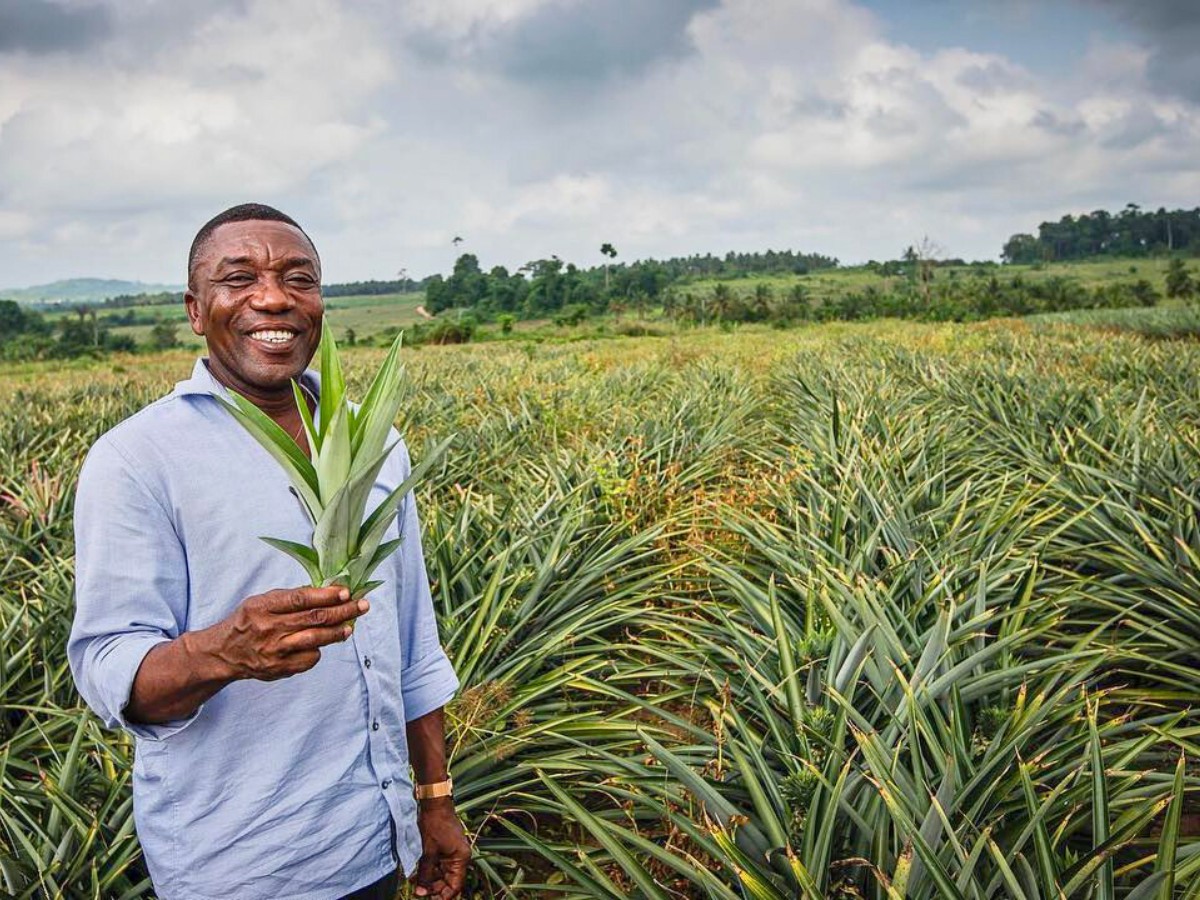
The launch coincides with an important organizational development. Fairmiles now operates under the facilitation of COLEAD, an international non-profit association focused on inclusive and sustainable agri-food production and trade. This strengthens the initiative's governance structure, ensures its independence, and enhances its capacity to convene different stakeholders around evidence-based approaches to sustainability challenges.
Addressing Unintended Consequences
The impetus for developing these principles comes from a troubling pattern that Fairmiles has identified across global supply chains. As businesses accelerate their sustainability programs, evidence suggests that some interventions, while well-intentioned, create inadvertent negative consequences for rural communities, food security, and economic stability in producer regions.
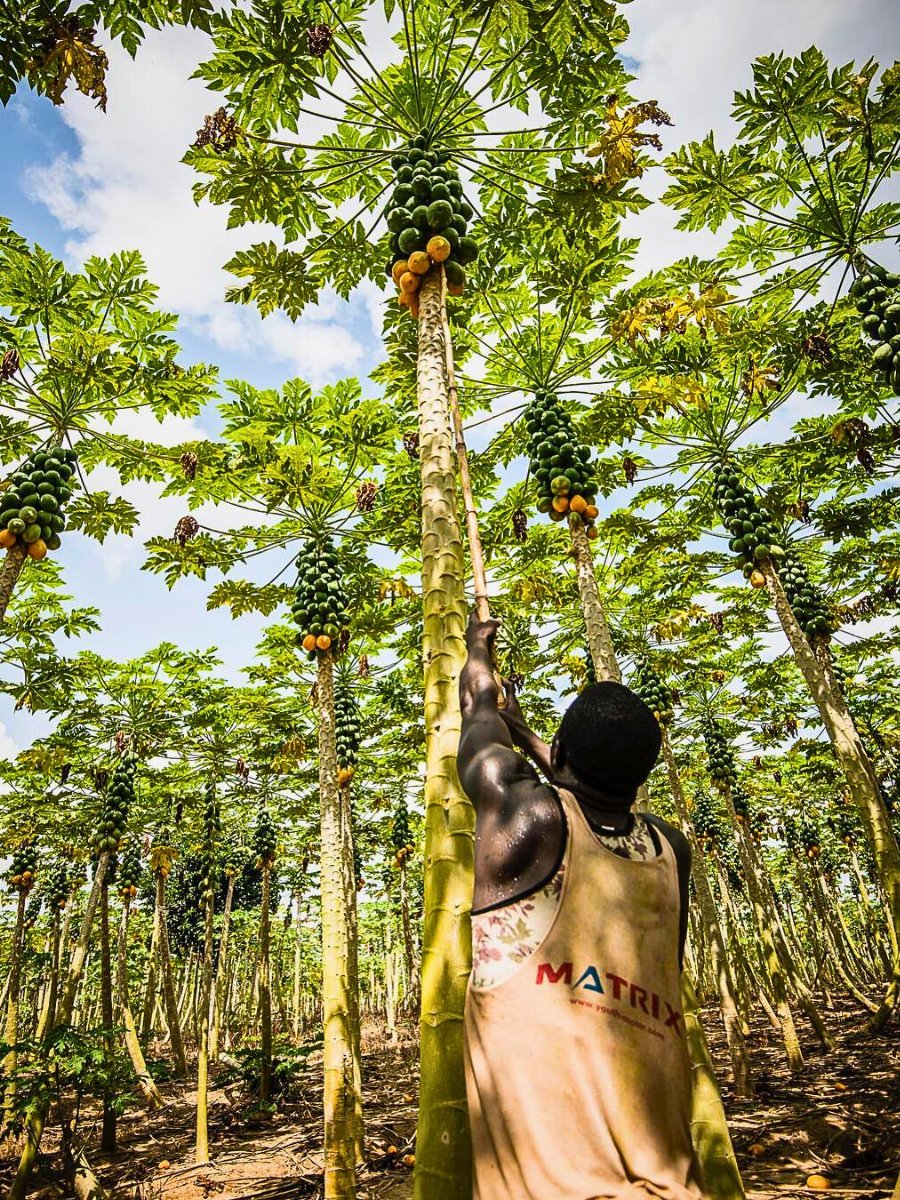
Many of these regions are already grappling with climate change effects, market volatility, and limited infrastructure. When sustainability strategies are implemented without adequate consideration of local contexts and capacities, they can unintentionally shift burdens onto those least equipped to manage them. This creates a paradox where efforts to build more responsible supply chains undermine the resilience of the people and places they depend on.
The Just Transition Principles help decision-makers navigate this complexity. Instead of presenting rigid rules, the framework offers a values-based approach that enables businesses to balance environmental ambition with social and economic responsibility, knowing that truly sustainable supply chains must account for the full range of impacts across environmental, social, and economic dimensions.
A Framework for Responsible Decision-Making
The Consultation Draft outlines guidance across several critical areas. First, it promotes fair and inclusive approaches to sustainability-driven change, ensuring that transformation efforts actively involve the communities and stakeholders most affected. This approach helps identify potential risks and opportunities that might otherwise go unnoticed in top-down planning processes.
Second, the principles emphasize responsible sourcing practices that protect both livelihoods and long-term market access for vulnerable producer communities. This recognizes that sustainability must extend past environmental metrics to cover the economic viability and social well-being of producer regions. Without this wider view, well-intentioned reforms can inadvertently exclude smallholders, undermine local economies, or create new dependencies.
Third, the framework calls for balanced, evidence-based decision-making that carefully weighs risks, impacts, and intended benefits. This encourages businesses to move past simplistic assessments and engage with the nuanced realities of different production contexts. It also promotes transparency about trade-offs and uncertainties, allowing for more honest discussions about what different strategies can realistically achieve.
Finally, the principles aim to align with wider sustainability, climate justice, and Just Transition commitments. They position supply chain sustainability as part of a larger movement toward economic systems that distribute benefits and burdens more equitably, particularly in relation to climate action.
Strengthened Governance Through COLEAD Partnership
The decision to formalize Fairmiles under COLEAD's facilitation is strategic as the initiative evolves. COLEAD brings together value chain operators, service providers, donors, and development partners to support stakeholders in low and middle-income countries, with a particular focus on sub-Saharan Africa.
This partnership enhances Fairmiles' institutional establishment while preserving its multi-stakeholder character. COLEAD easily convenes different actors around complex development challenges, complementing Fairmiles' focus on applied implementation and evidence-based approaches. The arrangement also provides greater resources for research, dialogue, and capacity-building across global fresh produce supply chains.
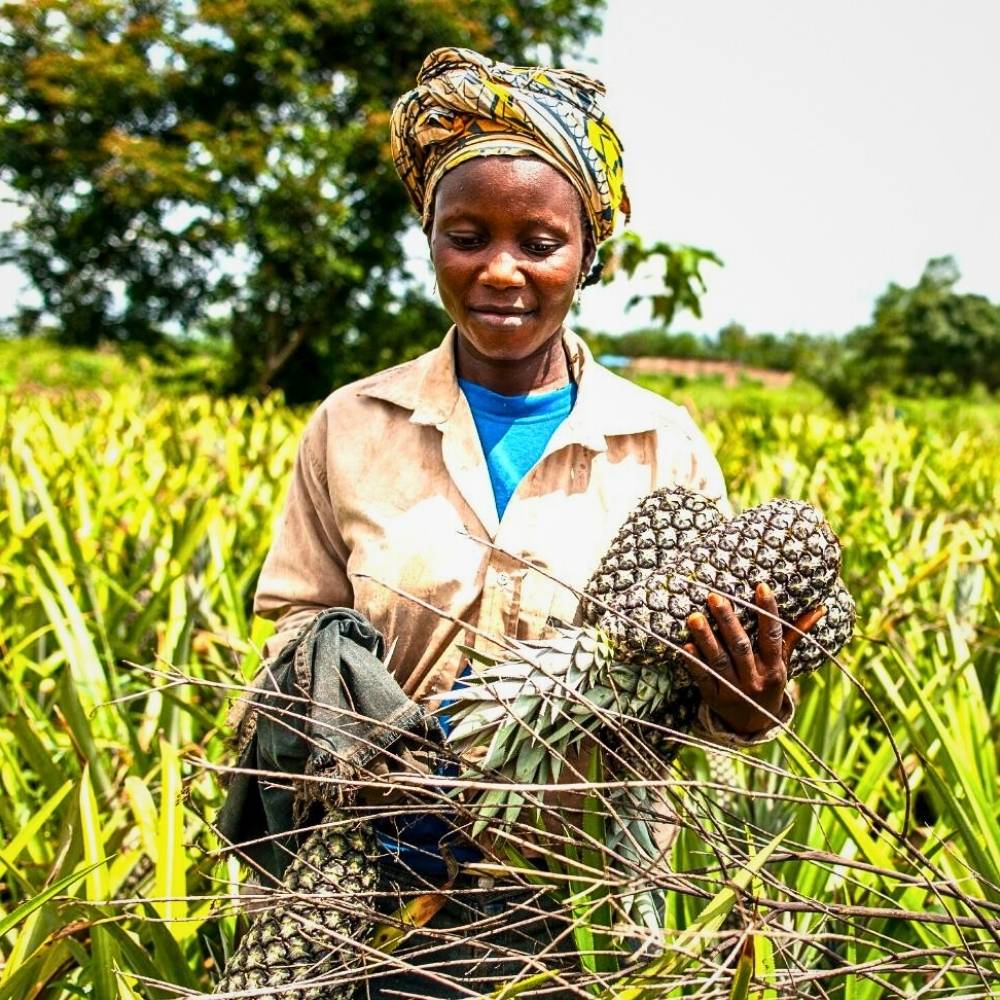
Jeremy Knops, Délégué Général of COLEAD, emphasized this collaboration, describing the challenges Fairmiles seeks to address as among the most important and complex facing global agri-food supply chains today.
Jeremy Knops said:
"Fairmiles addresses one of the most important and sensitive challenges facing global agri-food supply chains today: how to accelerate the transition to more sustainable supply chains while ensuring that vulnerable producer communities are not left behind.
We are pleased to facilitate Fairmiles and to support the development of practical, evidence-based approaches that align environmental ambition with social justice, resilience and inclusive development."
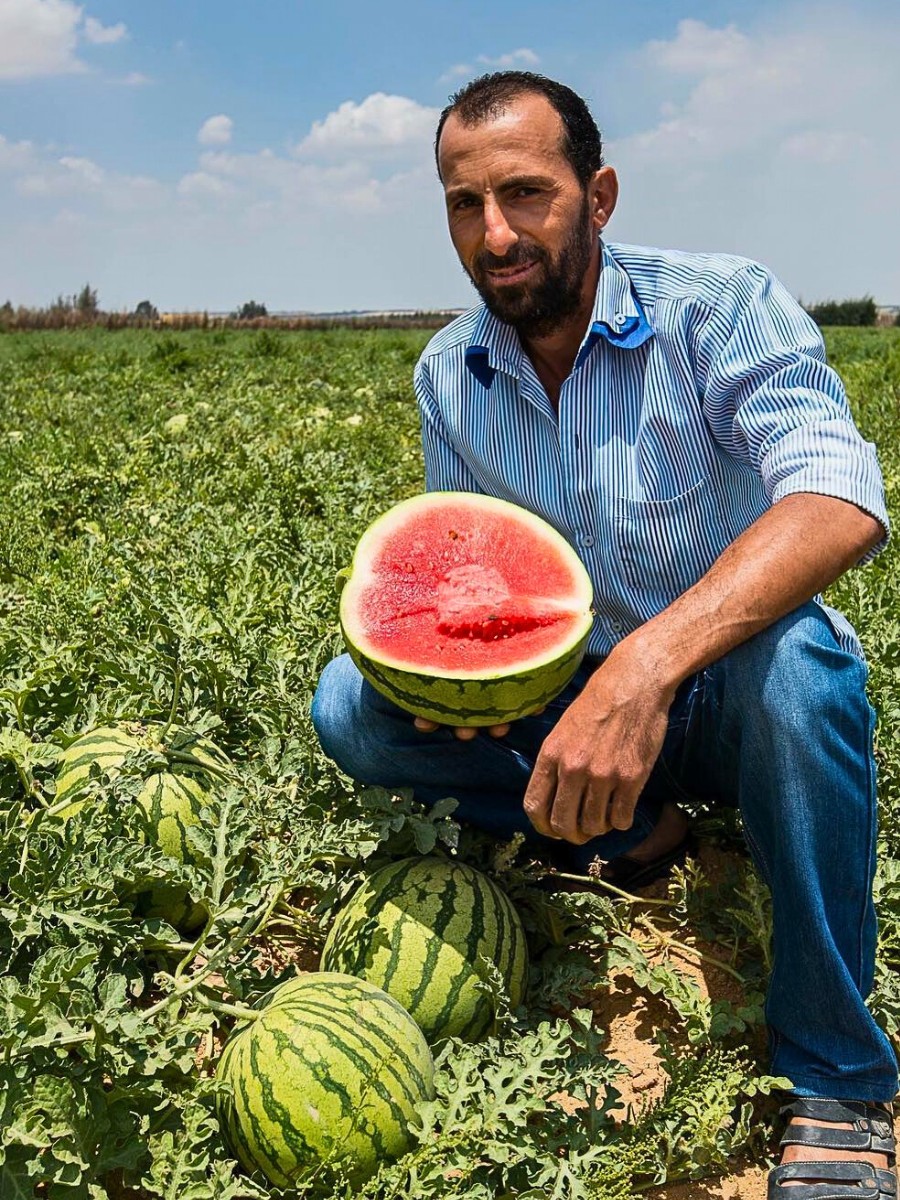
These principles, Jeremy notes, will provide important guidance for businesses seeking to take responsible, long-term decisions across their global supply chains. This is fully aligned with their new Strategy 2030, which aims to transform COLEAD into an international movement, able to deliver greater positive impact, faster.
Open Consultation Process
Fairmiles has opened the Consultation Draft for feedback from different stakeholders. The initiative actively seeks input from retailers, brands, suppliers, non-governmental organizations, development organizations, researchers, and policy stakeholders. Effective principles must, after all, reflect different perspectives and real-world application challenges.

The Consultation Draft and information on participation are available through the Fairmiles website. The insights gathered during this consultation period directly inform the final version of the principles, which will be published later in the year. The final release will include the refined principles themselves, as well as implementation guidance and case studies showing their application in practice.
Notably, Fairmiles operates as a collaborative initiative, developed in cooperation with Beanstalk.Global, Blue Skies, the University of Exeter, Aston University, Union Fleurs, and the Overseas Development Institute, bringing together fresh produce businesses, academic institutions, and international development organizations. This creates a platform where different expertise and experience inform required solutions.
Also, the initiative is supported by a growing consortium of organizations, recognizing that the challenges Fairmiles addresses cannot be solved by any single actor or sector alone. They necessitate coordinated action informed by comprehensive knowledge and sustained assurance to put justice and inclusion at the center of all implemented sustainability transitions.
Feature image by @blueskies_gh. Header image by @blueskies_gh.