The importance of interior design goes way beyond creating attractive spaces. In hospitality, design is the framework that supports procurement, brand compliance, construction, and operational performance. It also influences how guests experience a property and how efficiently teams operate it.
For hotel owners, developers, architects, and brand representatives, understanding the role of interior design is becoming increasingly important as guest expectations continue to evolve.
Why Is Interior Design Important for Hotels?
It’s a question that often comes up during development planning and renovation discussions: why is interior design important when major hotel brands already provide detailed standards and prototypes?
Brand standards are essential, but they are not the entire guest experience.
A Marriott property in downtown Nashville should not feel identical to a Marriott property in coastal South Carolina. Both may follow the same franchise requirements, but guests expect each hotel to reflect its surroundings in meaningful ways.

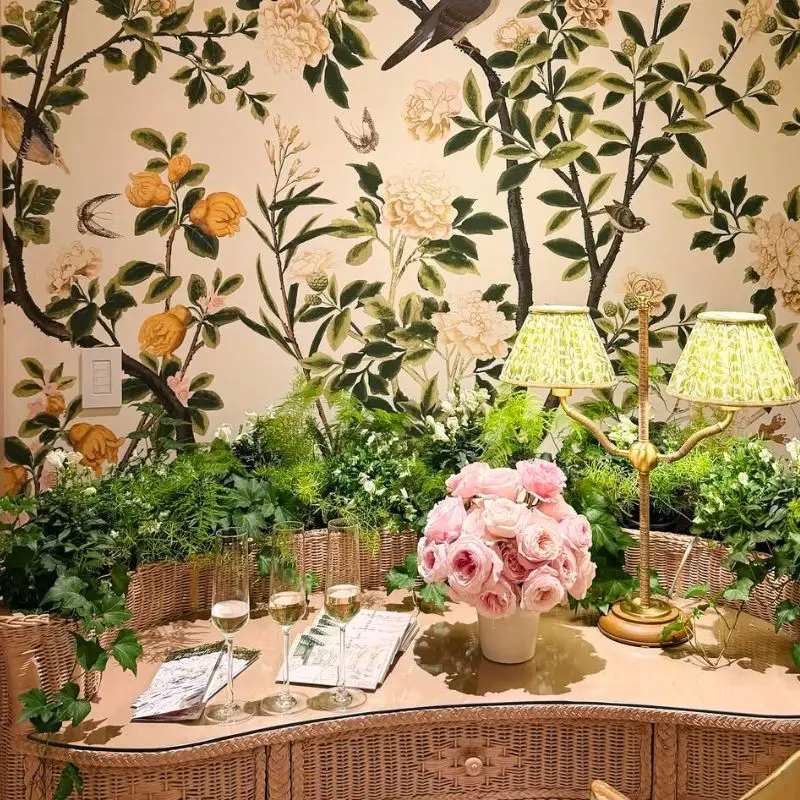
Photo: @gardens_idea
The most successful hospitality interiors strike a balance between consistency and local relevance.
This is where an experienced hospitality design firm adds value. Beyond understanding brand requirements, the right design partner knows how to create spaces that resonate with guests while remaining fully compliant with franchise expectations.
That means installing local artwork in public spaces or choosing regionally inspired materials. Or opting for layouts that would be a hit among the guests. These decisions seem simple, but they can influence how guests see the hotel and whether they choose to return.
Guest Experience Starts Long Before Check-In
Hospitality professionals often talk about the guest journey, but that journey begins before a room key is ever issued.
Guests form opinions within moments of arriving at a property.
The lobby's layout, lighting, furnishings, flooring, artwork, and even acoustics are what create the first impression for any guest. If the space feels outdated, confusing, or disconnected from the brand promise, guests notice.
On the other hand, thoughtfully designed spaces create confidence.
A well-planned arrival experience makes guests feel welcomed. Comfortable seating areas encourage social interaction. Flexible public spaces support everything from remote work to casual gatherings. Guest rooms that prioritize comfort and functionality can improve satisfaction scores and increase the possibility of positive online reviews.
Major hospitality consulting firms consistently show that guest satisfaction is due to physical environment and perceived quality. Design impacts both.
For owners, that matters because guest satisfaction often influences occupancy, repeat business, loyalty program engagement, and revenue performance

Interior Design Is Also an Operations Strategy
One of the most overlooked aspects of the importance of interior design is its impact on day-to-day hotel operations.
Design decisions affect far more than what guests see.
When it comes to housekeeping teams, room layouts impact cleaning efficiency. Furniture placement affects accessibility. Material selections influence maintenance requirements and replacement cycles.
A beautiful guest room that is difficult to clean or maintain may create operational challenges for years.
Experienced hospitality owners understand this relationship. They know that good design isn’t measured solely by appearance. It’s measured by how well the space performs over time.
That’s why the best hospitality interiors are developed with input from operations teams, ownership groups, architects, contractors, and procurement specialists from the earliest stages of planning.
Design Sets the Stage for Procurement Success
Procurement tends to receive attention when something goes wrong.
A manufacturer misses a delivery date. Pricing changes unexpectedly. A specified product becomes unavailable. Suddenly, procurement becomes the project’s biggest concern.
However, many procurement challenges originate during design.
Material selections, furniture specifications, lead times, and vendor availability all have a greater influence beyond aesthetics. When these factors are considered early, projects move more smoothly through purchasing, delivery, and installation.
At AK Design Group, procurement is a natural extension of the design process. This integrated approach helps protect project schedules while reducing the risk of costly surprises.
For example, if a specified guest room chair carries a forty-week lead time, identifying that issue during design creates opportunities to evaluate alternatives before construction reaches a critical stage.
Likewise, understanding vendor capabilities during specification development can prevent delays later in the project lifecycle.
Design and procurement work best when they function as a coordinated strategy rather than independent disciplines.
The 10 Importance of Design in Hospitality Projects
For hotel owners evaluating new developments, renovations, or brand conversions, the value of design often becomes clearer when viewed through a business lens.
Design considerations affect hospitality performance. Guests begin evaluating the property as soon as they enter. Consistent design helps with franchise expectations and strengthens guest trust. Comfortable, functional environments often lead to positive reviews.
Inviting public spaces can influence additional spending and repeat visits. Thoughtful design helps hotels stand out in competitive markets. Layouts that support operations improve workflow. Durable materials and strategic specifications lower lifecycle costs. Guests frequently reference atmosphere and design in reviews and social media posts.
Early coordination between design, procurement, and construction teams reduces delays at a later stage.
Brand Compliance Doesn’t Have to Feel Generic
Many franchise owners worry that adhering to brand requirements will limit creativity.
In practice, the opposite is often true.
The strongest hospitality projects find opportunities to introduce local character within established brand frameworks.
An experienced hotel interior design firm understands where flexibility exists within brand standards and how to use it effectively.
That knowledge becomes valuable during renovations, adaptive reuse projects, and prototype modifications where balancing compliance and individuality requires careful coordination.
Reducing Risk Through Process
Hospitality projects involve a remarkable number of moving parts.
Submittals, approvals, vendor coordination, prototype reviews, FF&E procurement, logistics planning, model room evaluations, punch lists, and installation schedules all require attention.
Without a disciplined process, small issues can quickly become expensive problems.
This is where design teams provide value that often goes unnoticed.
Comprehensive documentation, clear communication, proactive coordination, and early problem-solving help reduce uncertainty throughout the project lifecycle.
For owners, these systems provide visibility into timelines, budgets, approvals, and procurement status while helping stakeholders make informed decisions.
The goal is to deliver a finished project that opens on time, meets brand standards, and performs as intended.
Interior Design Is a Competitive Advantage
The hospitality industry has changed dramatically over the past decade.
Guests have more choices. Online reviews carry greater influence. Brand standards continue to evolve. Development costs remain under pressure.
In this environment, hotels cannot afford to treat design as an afterthought.
The importance of interior design lies in its ability to influence both guest perception and business performance. It shapes experiences, supports operations, strengthens brand identity, and creates the foundation for successful project execution.
For hotel owners and developers, the question is no longer whether design matters.
The question is whether the design process is being leveraged strategically enough.
When interior design leads the conversation, and procurement, vendor coordination, and execution support that vision, projects are better positioned to succeed. Guests notice the difference. Brands notice the difference. Ownership groups see the difference in performance metrics over time.
That is ultimately why understanding why interior design is important has become essential for modern hospitality leaders.
The most successful hotels are rarely the ones with the biggest budgets. More often, they are the properties where design decisions were made thoughtfully, executed carefully, and aligned with long-term business goals from the very beginning.