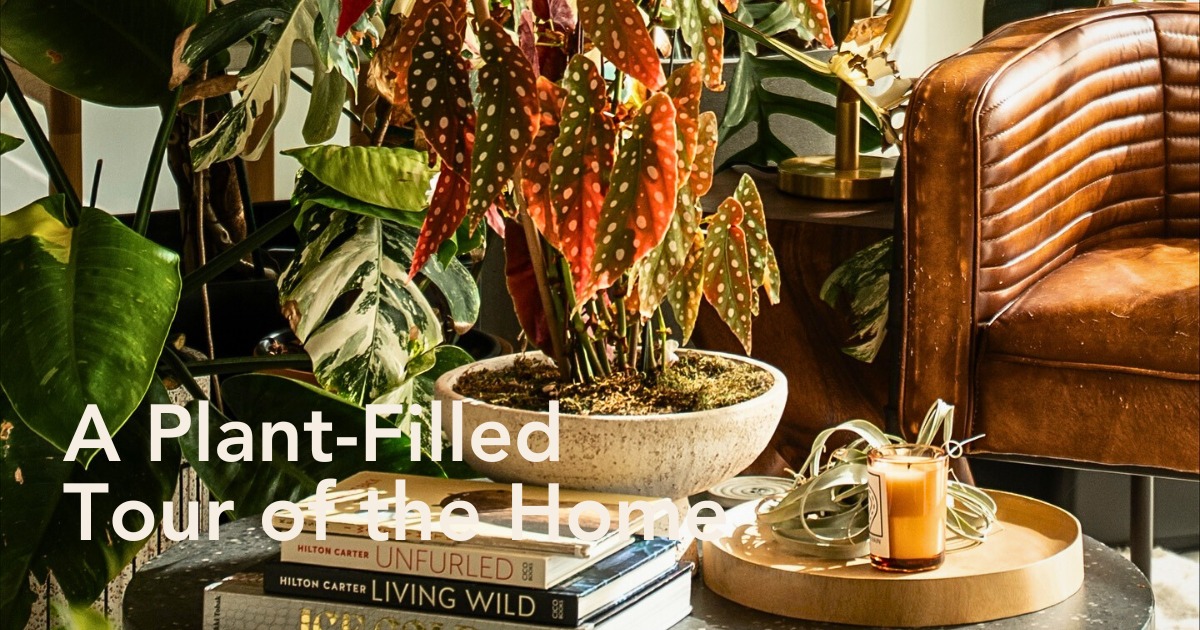
A home doesn’t become the haven you envision immediately you move in. It slowly grows into it, revealing itself like a new leaf (perhaps of a book?), uncurling on a favorite plant. In his latest book titled Unfurled: Designing a Living Home, plant and interior stylist and author Hilton Carter draws readers into that slow, tender process.
He describes the layering of memories, textures, and greenery, transforming the four inner walls of a home into an alive and vibrant ecosystem. Unfurled: Designing a Living Home is not just a coffee-table book filled with beautiful plant-filled rooms, but also a personal design diary that seamlessly blends aesthetics, functionality, and emotional storytelling.
'Unfurled'... What's in a Name?
Hilton chose the name ‘Unfurled’ deliberately. For starters, in the book's opening pages, he compares creating a home to watching a new leaf open on one of your plants. It cannot be rushed. You don't know exactly how that Monstera leaf will split and unfold until it does. The same goes for designing a room that feels right.
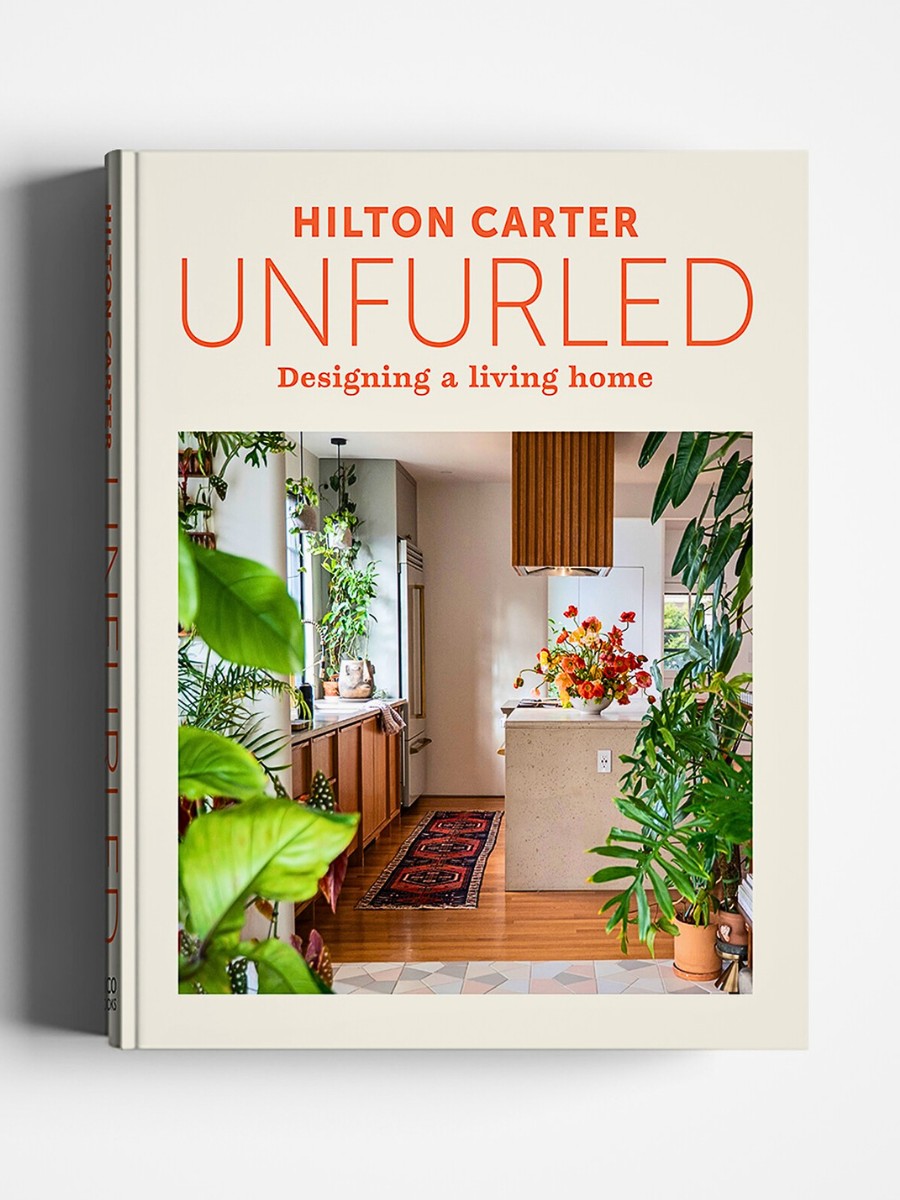
This idea runs through the whole book. Home design is hardly about quick fixes or copying what is trending on social media, but about giving oneself permission to take time, make mistakes, and let one's space grow alongside you. And in a culture obsessed with before-and-after reveals, that is a refreshing take.
A Departure From Previous Works
For those familiar with Hilton's previous bestsellers, Unfurled: Designing a Living Home shows a noteworthy creative shift. While his earlier books focused primarily on plant care techniques and styling tips, this latest work is more subjective.
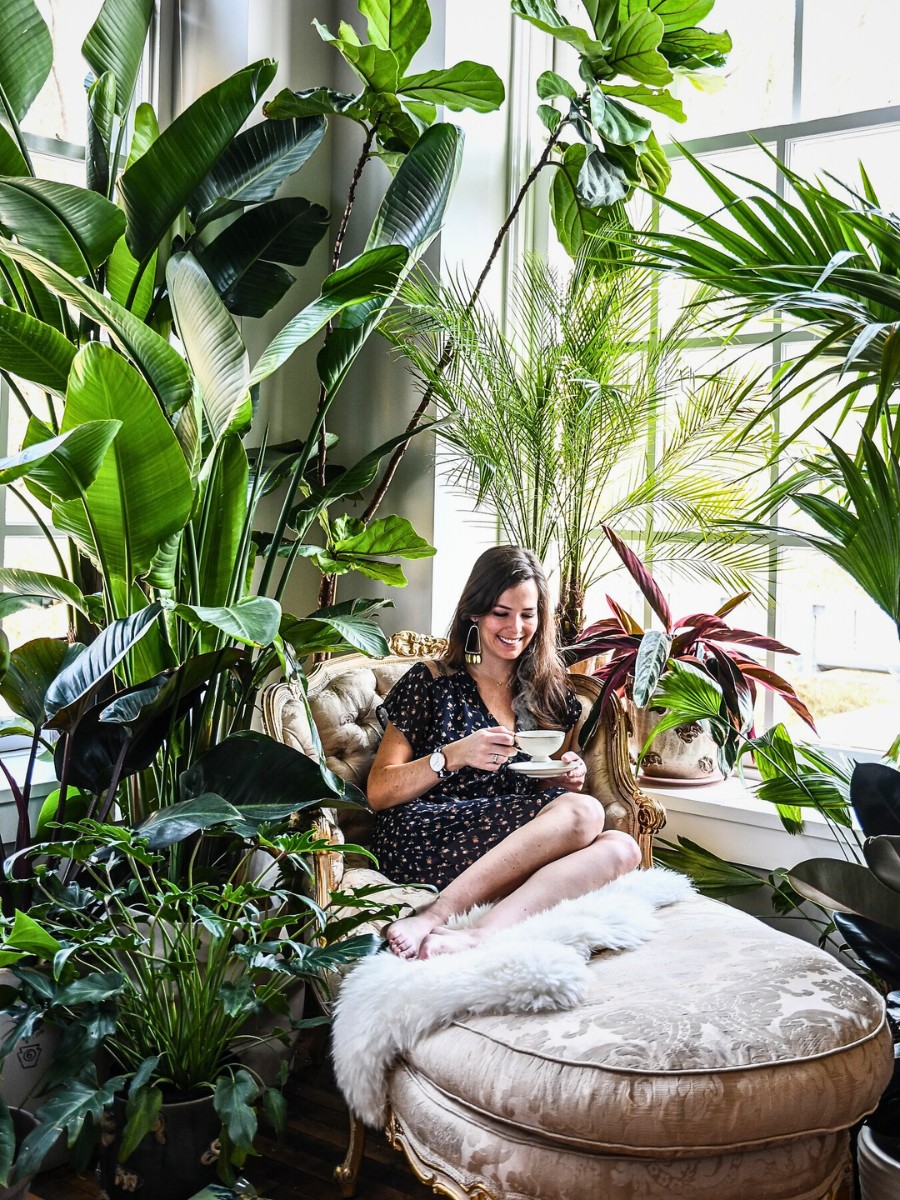
He describes it as a ‘diary,’ and that intimate quality permeates the book’s pages. Quite unlike typical design guides showcasing several homes, this book centers entirely on his Roland Park home, the space he shares with his wife, Fiona, and daughters Holland and Vada.
What 'Unfurled' Is About?
In essence, Unfurled: Designing a Living Home is an intimate tour of Hilton’s own Baltimore house. It features the home’s evolution into what he calls a ‘living home.' He guides readers through the property space by space.
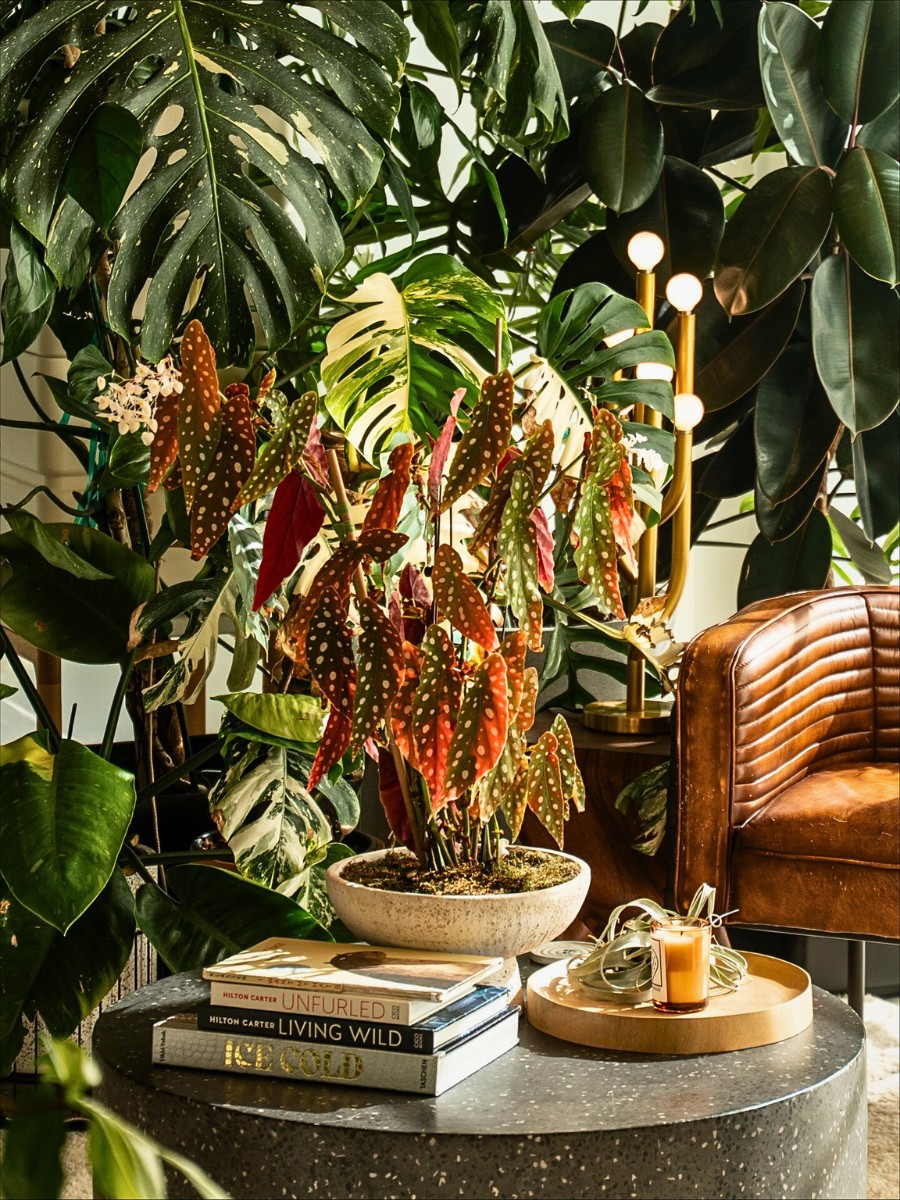
From tranquil bedrooms to a lush, plant-filled sunroom, he shows how each room has gradually grown and ‘unfurled’ over time through his deliberate choices and layered details.
Instead of presenting interiors as fixed, finished products, he frames the home as an ever-evolving project, shaped by changing tastes, seasons of life, and the presence of plants and family. The book is, essentially, a meditation on the journey of home-making, where style, emotion, and day-to-day actualities merge into one.
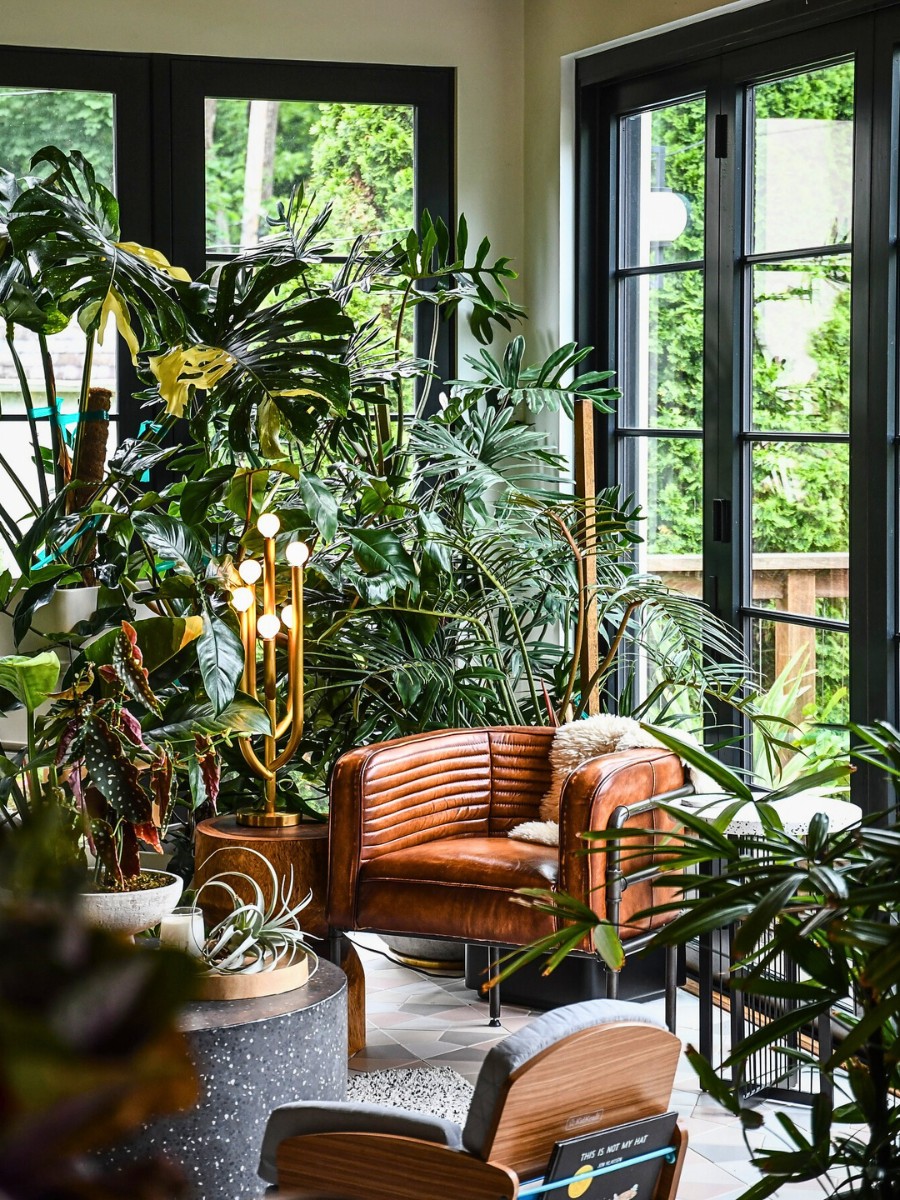
Hilton describes this work as his most personal book to date, and it shows in the way he blends imagery with reflection. The photographs of his home and family sit alongside thoughtful commentary about why he chose particular plants, colors, textures, and layouts, and how these decisions reflect his values and experiences.
His approach makes the book a hybrid of design guide, plant book, and memoir, pushing one to not only admire the visuals but to question how their own spaces can grow with them, shifting from purely decorative showpieces to meaningful, lived-in environments.

A Room‑by‑Room Design Tour
One of the most engaging elements of Unfurled is the way it is structured as a room-by-room journey. It feels as though you are walking through Hilton’s house at a slow pace, pausing in each room while he explains what he envisioned there and how that vision evolved. The book, essentially, takes the reader through the house’s rooms, visiting the peaceful master bedroom, the sunny plant-filled sunroom, the guest rooms, and even the smaller functional spaces.
Each area has its own story about how it came to be. Bedrooms are discussed in terms of restfulness and intimacy, the kitchen in terms of gathering and function, and spaces such as guest rooms, bathrooms, and transitional areas are case studies in how to choreograph movement and mood in a home.
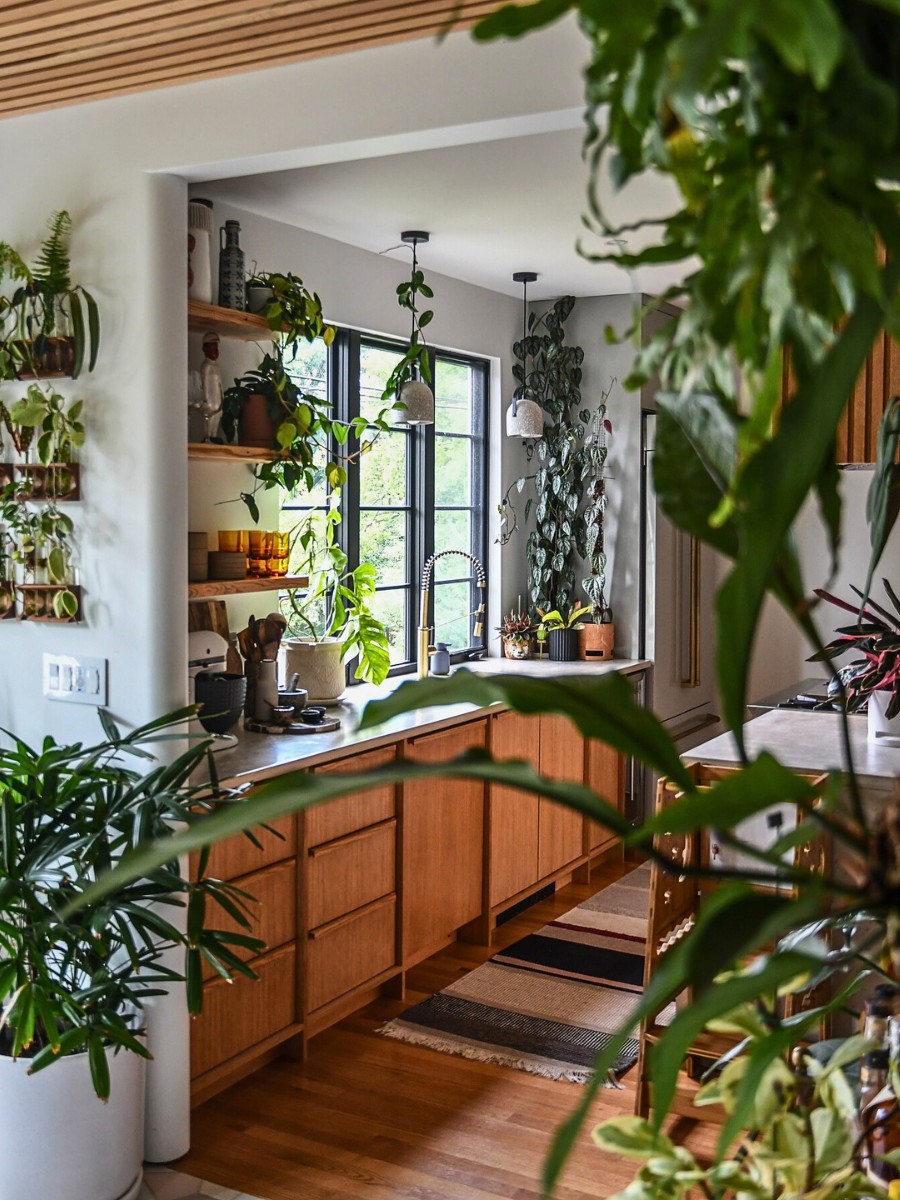
For each space, he talks through the conceptual starting point, often framed in terms of a mood or story he wants the room to tell. He shares how he uses mood boards to clarify ideas before making big decisions, and how he considers layout and circulation before adding decorative layers.
You see how sightlines, furniture placement, and color relationships are carefully coordinated so that a room feels coherent from every angle. This approach demystifies interior styling, showing how rooms are built from a sequence of intentional decisions, not just from a single, dramatic makeover moment.

Plants as Design Partners
Much as Unfurled reaches way past being a simple houseplant manual, greenery still holds a central role in Hilton’s philosophy. He treats plants as design partners, living elements that influence atmosphere, rhythm, and emotional tone. They are not just accessories. In his rooms, foliage softens architectural lines, frames windows, leads the eye toward focal points, and adds organic movement to otherwise static compositions.
The presence of plants connects spaces visually, creating a subtle continuity from room to room. Hilton also takes care to address the practical side of plant-centric design. He discusses the importance of choosing species that truly suit the light and climate of each room, not forcing a plant into a space where it will struggle.
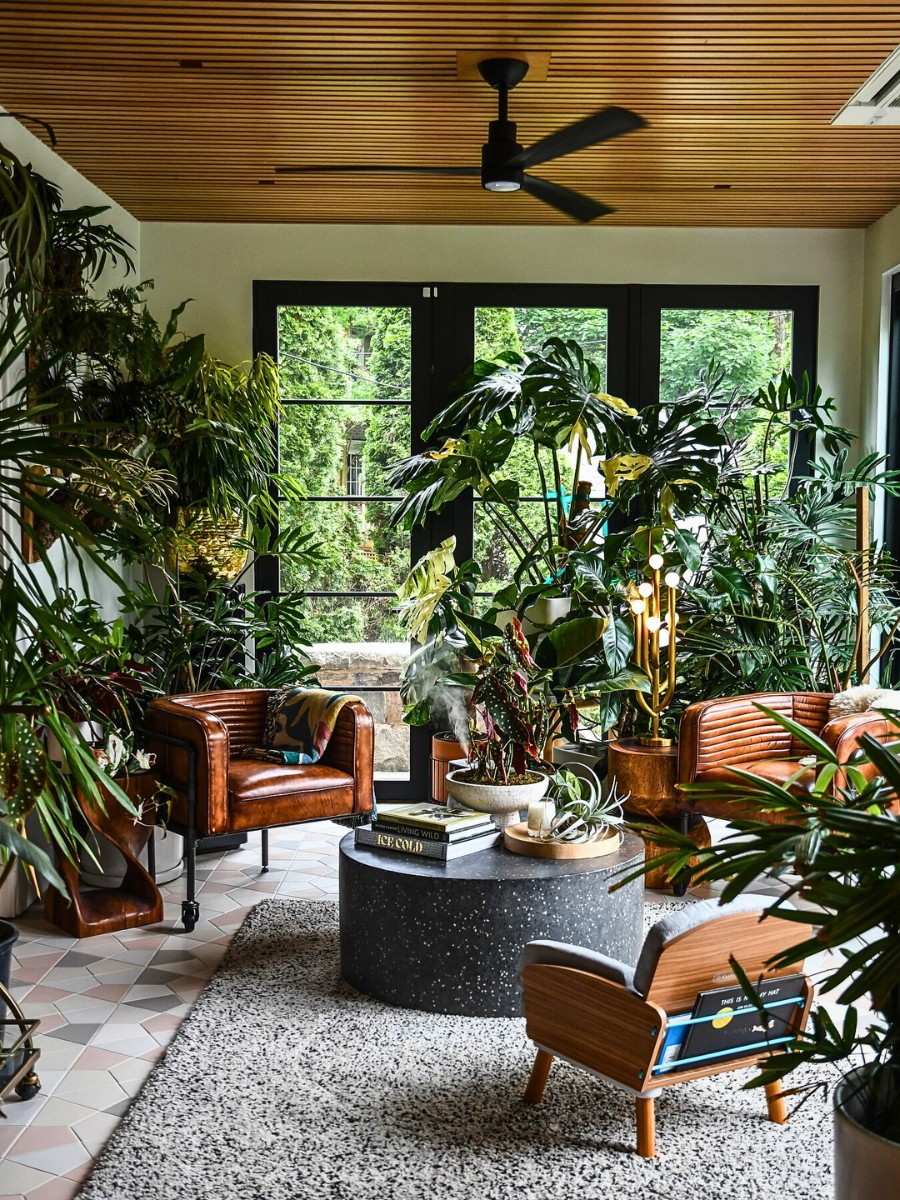
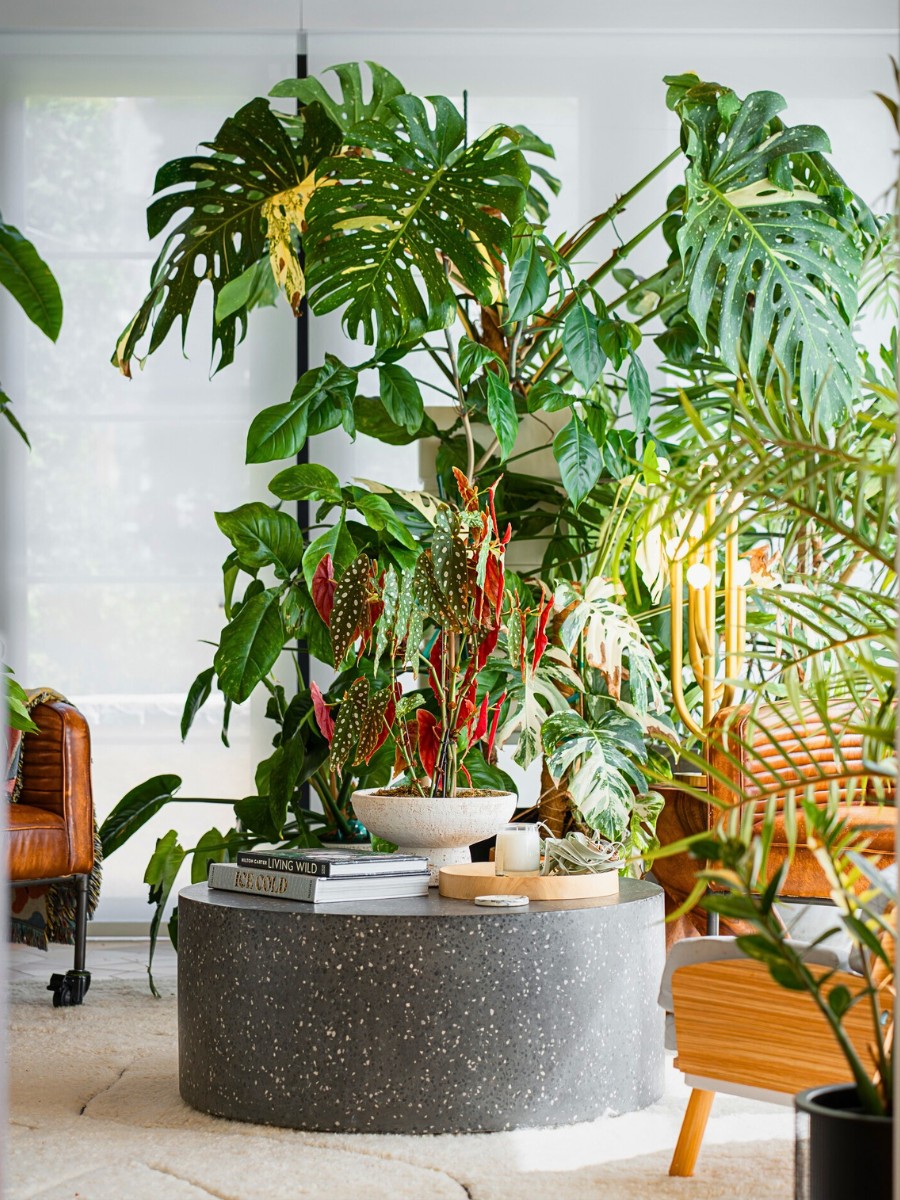
He emphasizes thinking about planters, stands, and placement as part of the overall design language, so that each plant feels integrated with the furniture and finishes around it. For those interested in biophilic design, the book is an inspiring show of how greenery can be laced into a home’s narrative until it feels indispensable and not optional.
A Personal, Family‑Centered Home
Unfurled is willing to embrace the realities of family life. Hilton is candid about designing his home around his wife and two young daughters, and treats their presence as a creative constraint, not an inconvenience. Children’s rooms are depicted as spaces where imagination, comfort, and practicality coexist. Not as chaotic afterthoughts.
He explores how color, play elements, and storage can be combined to empower children while still respecting the general aesthetic of the home. The family-centered perspective reinforces one of the book’s key messages: a truly living home must accommodate growth, mess, and change.
He does not write as someone chasing flawless perfection, but as one keen on alignment between how a space looks and how it is used, between design aspirations and daily routines. This creates a vision of home that is aspirational and attainable, grounded in the understanding that rooms should support relationships, rituals, and rest, not stand apart from them.
Design Lessons and Takeaways
Alongside the rich visuals and personal narrative, Unfurled offers interior-design-with-plants insights. Hilton continually champions intentionality over impulse, encouraging one to slow down and let their style develop gradually, without being rushed into purchases or trends.
He explains how a clear concept for each room guides decisions about color palettes, material combinations, and lighting, and how subtle contrasts can create depth without overwhelming the senses. Layout is treated as a foundation in that, before styling, he focuses on how people will move through the space, where their eyes will naturally land, and how different functions can peacefully coexist.

The way he uses plants as connective tissue throughout the home is another major lesson. Greenery is the thread that ties disparate rooms together, echoing shapes, shades, and textures, making the whole house feel cohesive. He explains how to arrange furniture so that a room flows naturally. And yes, he shares more of his plant wisdom, helping one pick varieties that will thrive in their specific conditions.
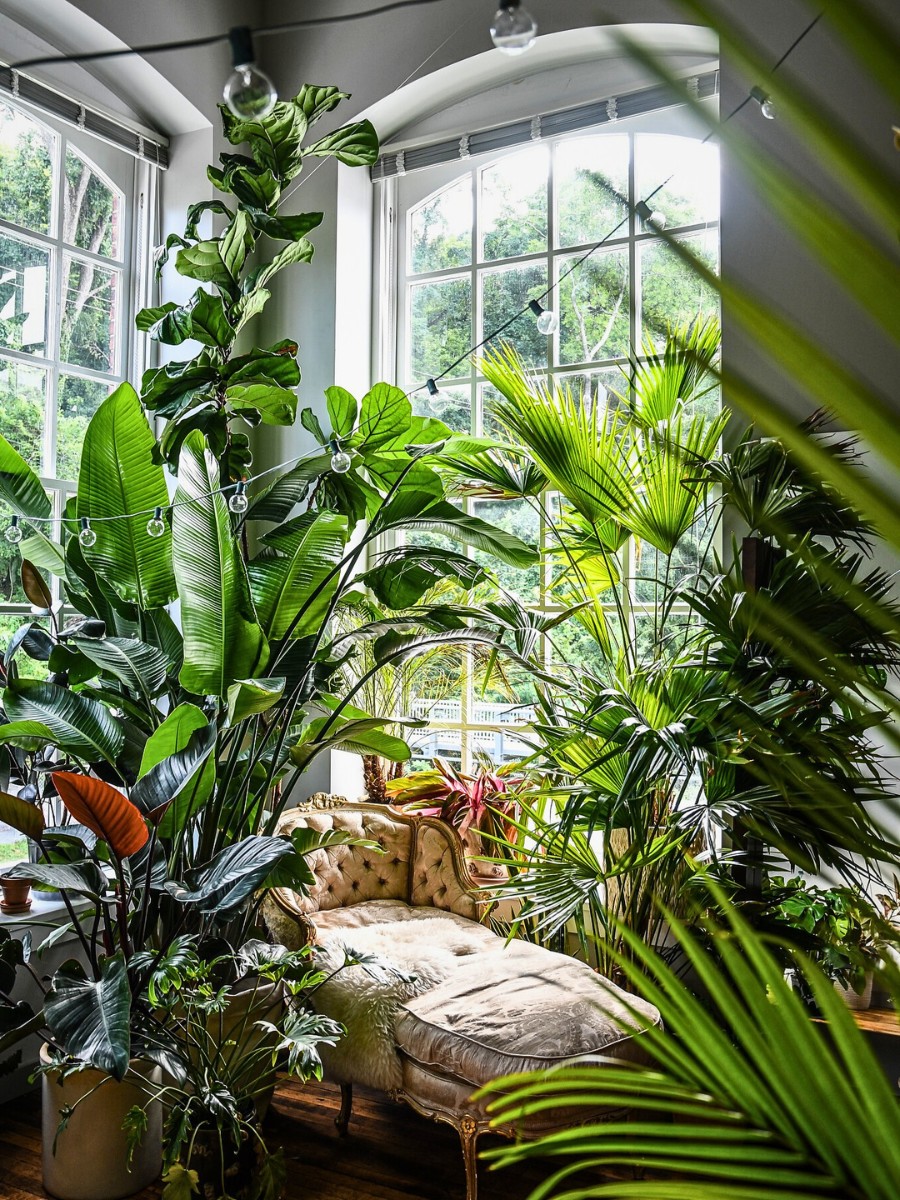
At the same time, Hilton shows that his principles are adaptable. Whether you live in a compact apartment or a more spacious house, his emphasis on thoughtful planning, layered details, and living elements can be scaled up or down. You do not need identical architecture or square footage to apply the mindset of a ‘living home.’
Letting Beauty Unfurl Naturally
Hilton never sacrifices function for aesthetics. Sure, his spaces look wonderful in photographs, but they are also livable. Guest rooms offer both a welcoming style and practical storage. The sunroom balances lush greenery with comfortable seating. Everything serves a purpose. His plant suggestions follow the same principle.
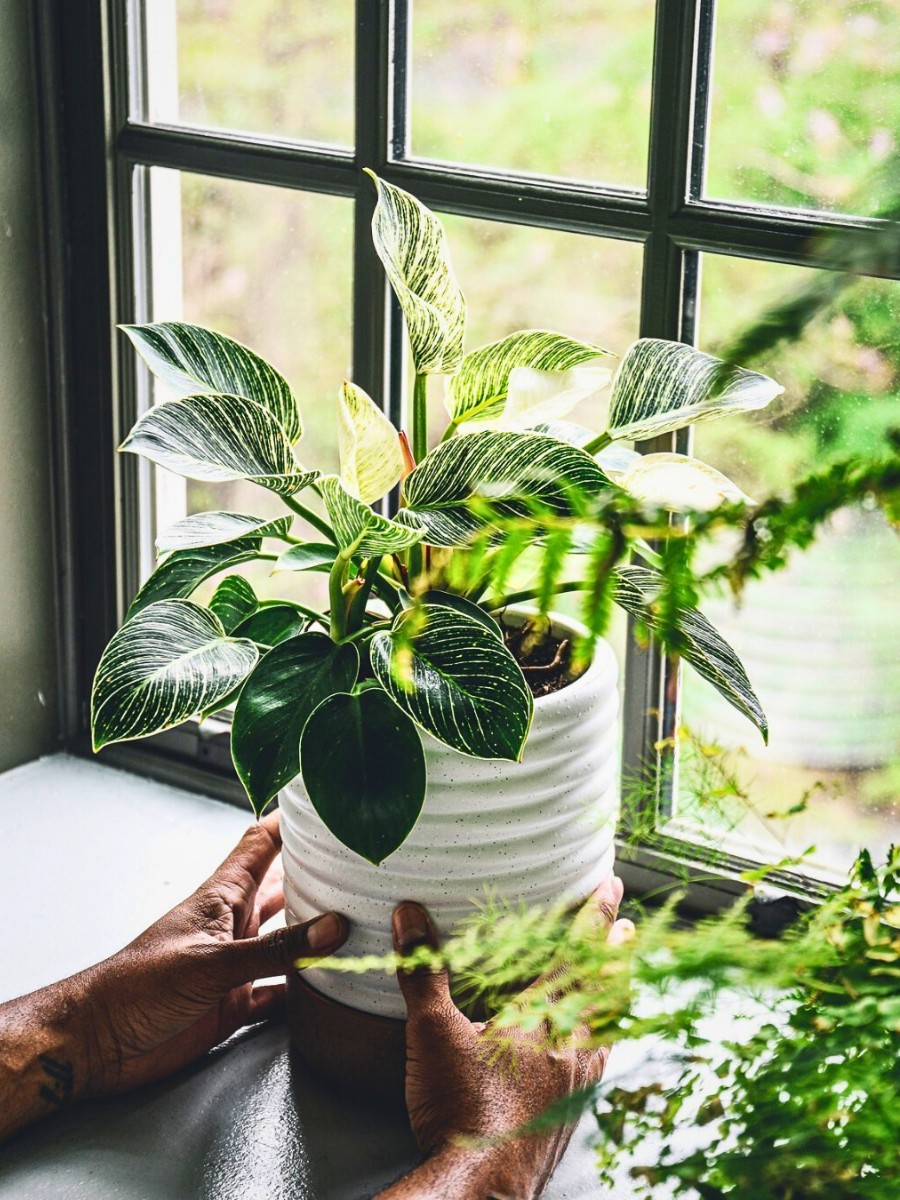
Instead of recommending whatever is currently popular, he helps you think about light levels, humidity, and how much time you can realistically spend on plant care. So, while his own home may showcase refined choices and a serious plant collection that took years to build, Unfurled never feels like it is showing off or setting impossible standards.
Who 'Unfurled' Is For
Unfurled should particularly appeal to those who are drawn to plant-rich interiors and biophilic design, but it extends its reach well past dedicated plant enthusiasts. It is a must-read for anyone who wants to understand the why behind well-designed spaces full of plants, not just the how.
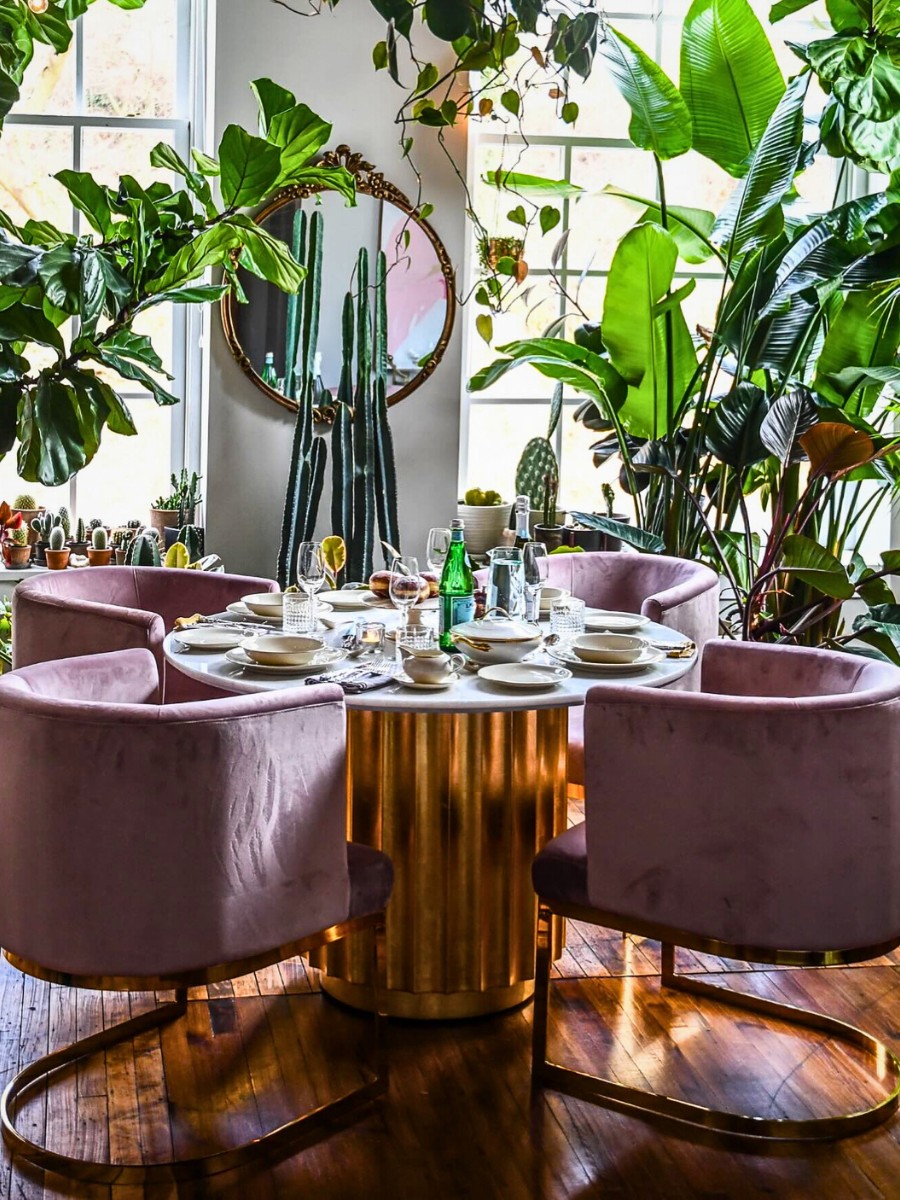
Those who enjoy seeing mood boards, sketches of process, and the incremental evolution of rooms would find it especially satisfying, because Hilton is transparent about the steps between idea and realization. For design professionals, the behind-the-scenes look at his creative process, including how personal experiences, client-like constraints, and storytelling shape each decision, is insightful.

Home enthusiasts, meanwhile, would find the tone approachable and encouraging, with ideas that can be adapted to various budgets and home sizes. The fusion of personal narrative, family life, and design thinking makes Unfurled more than a style manual; a call to view one’s own home differently. To let it grow and (in Hilton’s words) unfurl.
Photos by @hiltoncarter. Feature image by @hiltoncarter.