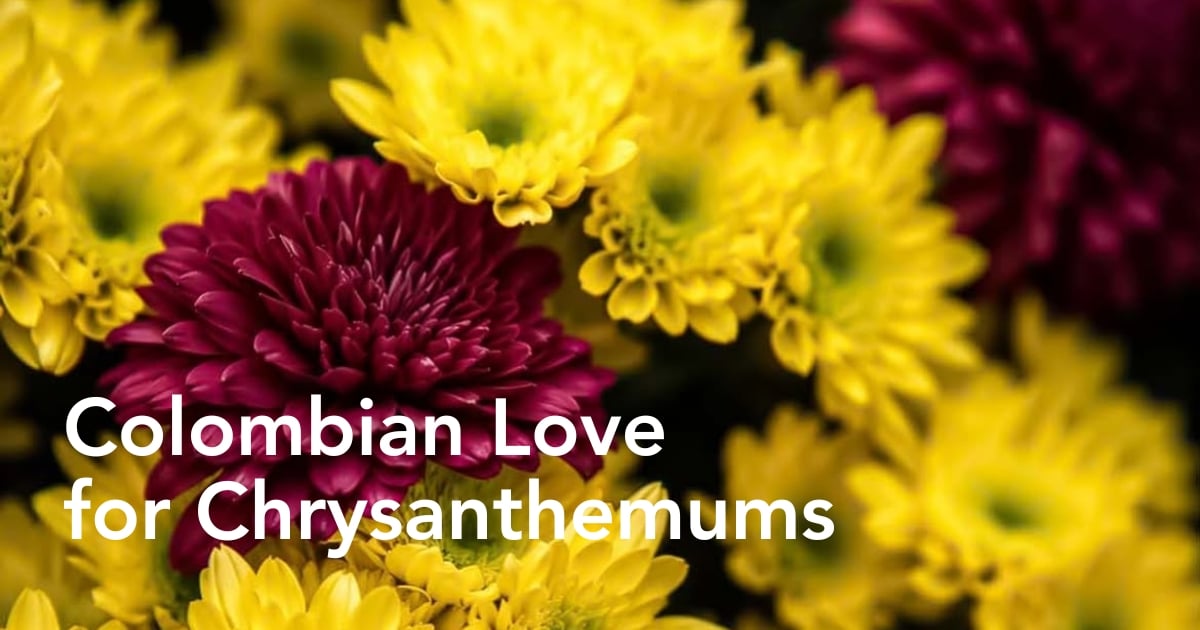
Behind every long-lasting Chrysanthemum is a combination of knowledge, experience, and careful attention at every stage of its journey. Through the collaboration between El Trigal Manantiales and Chrysal, growers, florists, and consumers gain valuable insight into what makes this flower perform at its best, from cultivation and harvest to post-harvest care and vase life. Together, they share the expertise needed to understand Chrysanthemums beyond their appearance and reveal what truly helps them maintain their quality from the farm to the final arrangement.
Why Chrysanthemums Continue to Be a Floral Favorite
Few flowers offer the combination of versatility, reliability, and variety found in Chrysanthemums. Available in countless colors, shapes, and sizes, these flowers have become a staple for florists around the world thanks to their strong stems, excellent vase life, and ability to adapt to different floral styles.
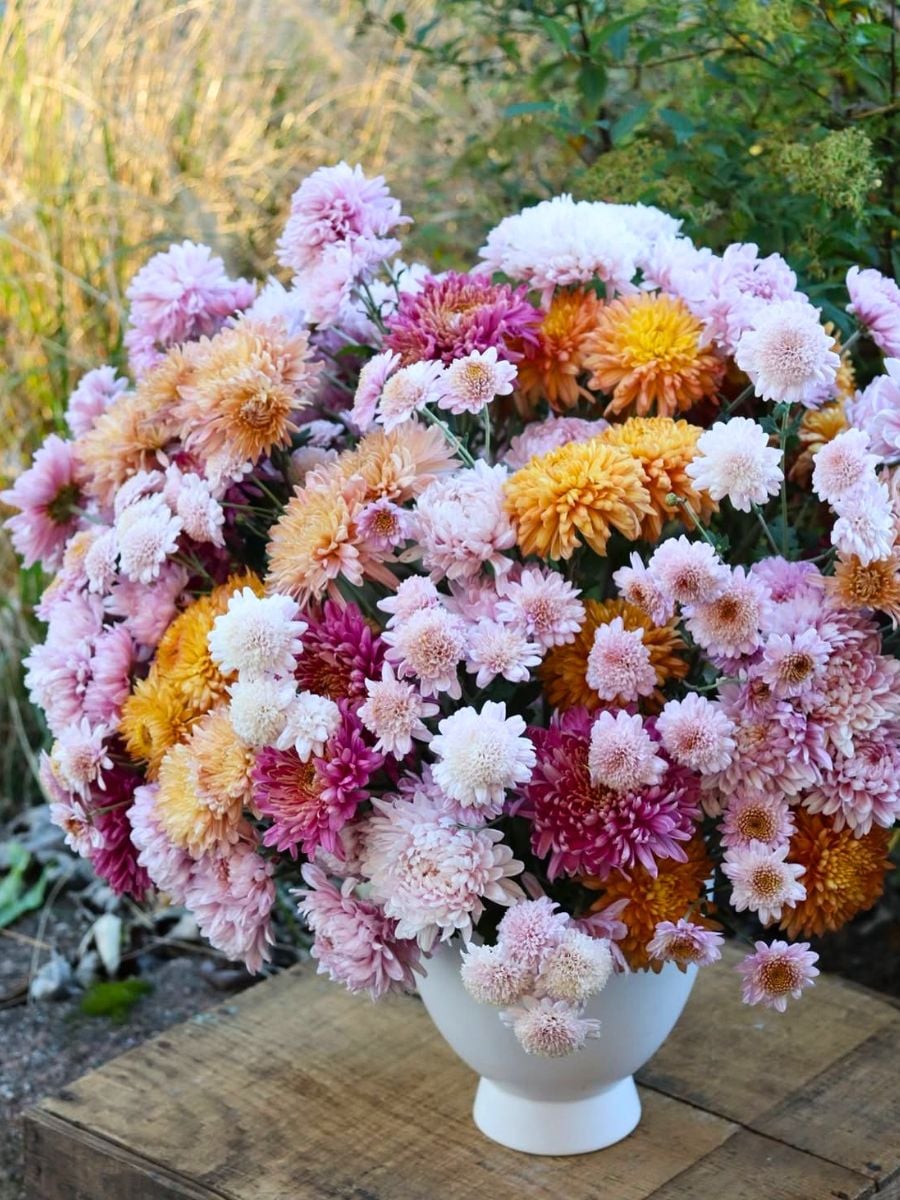
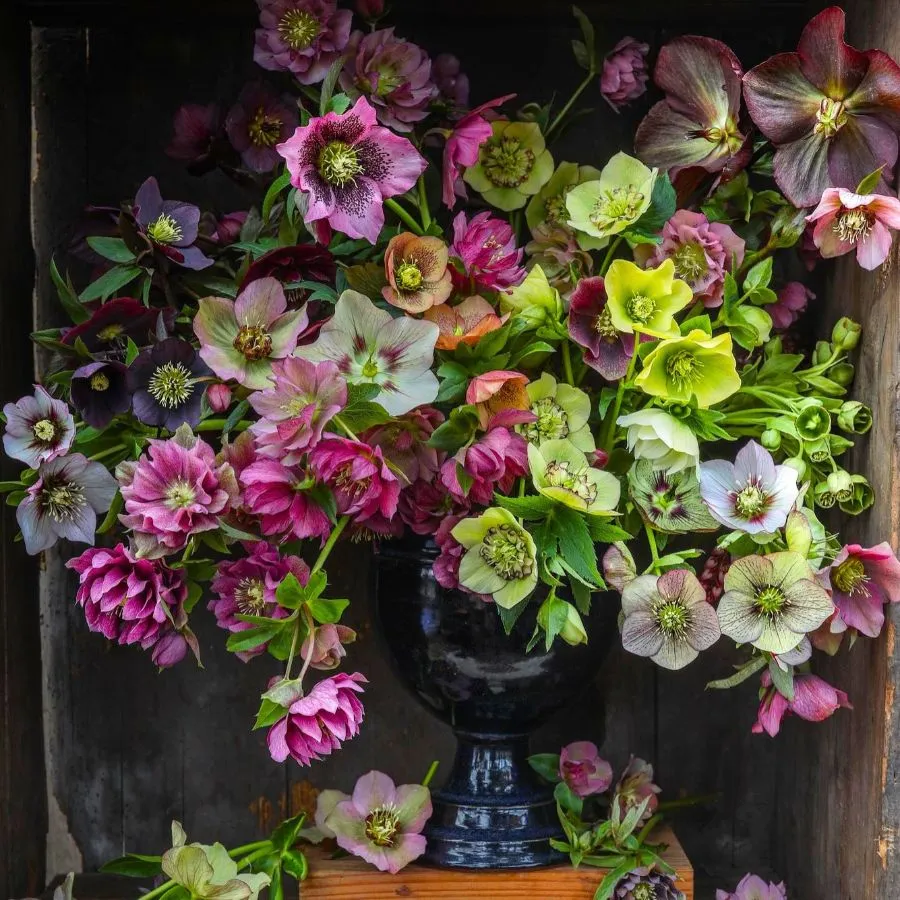
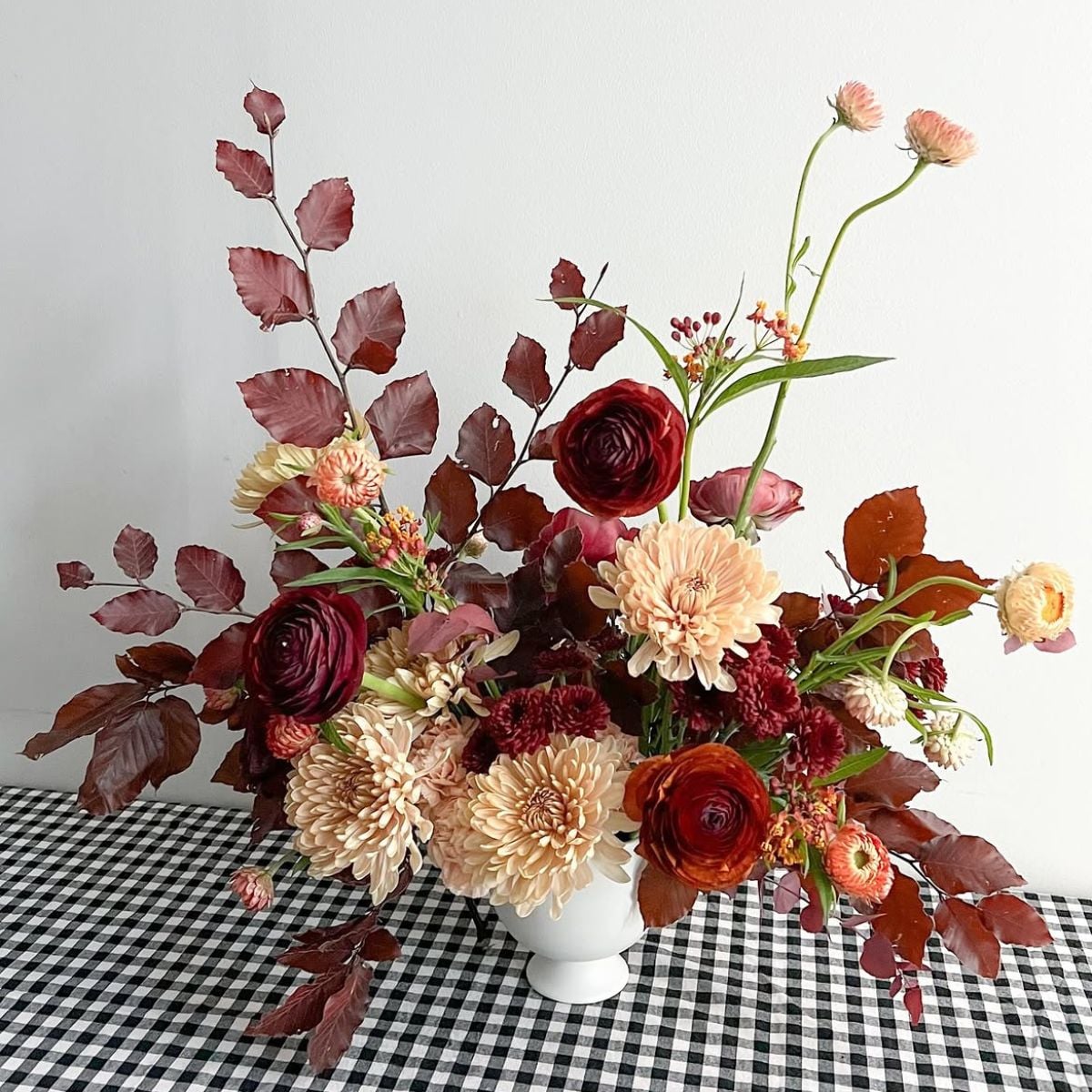
Photo: @meadowsflowerfarm
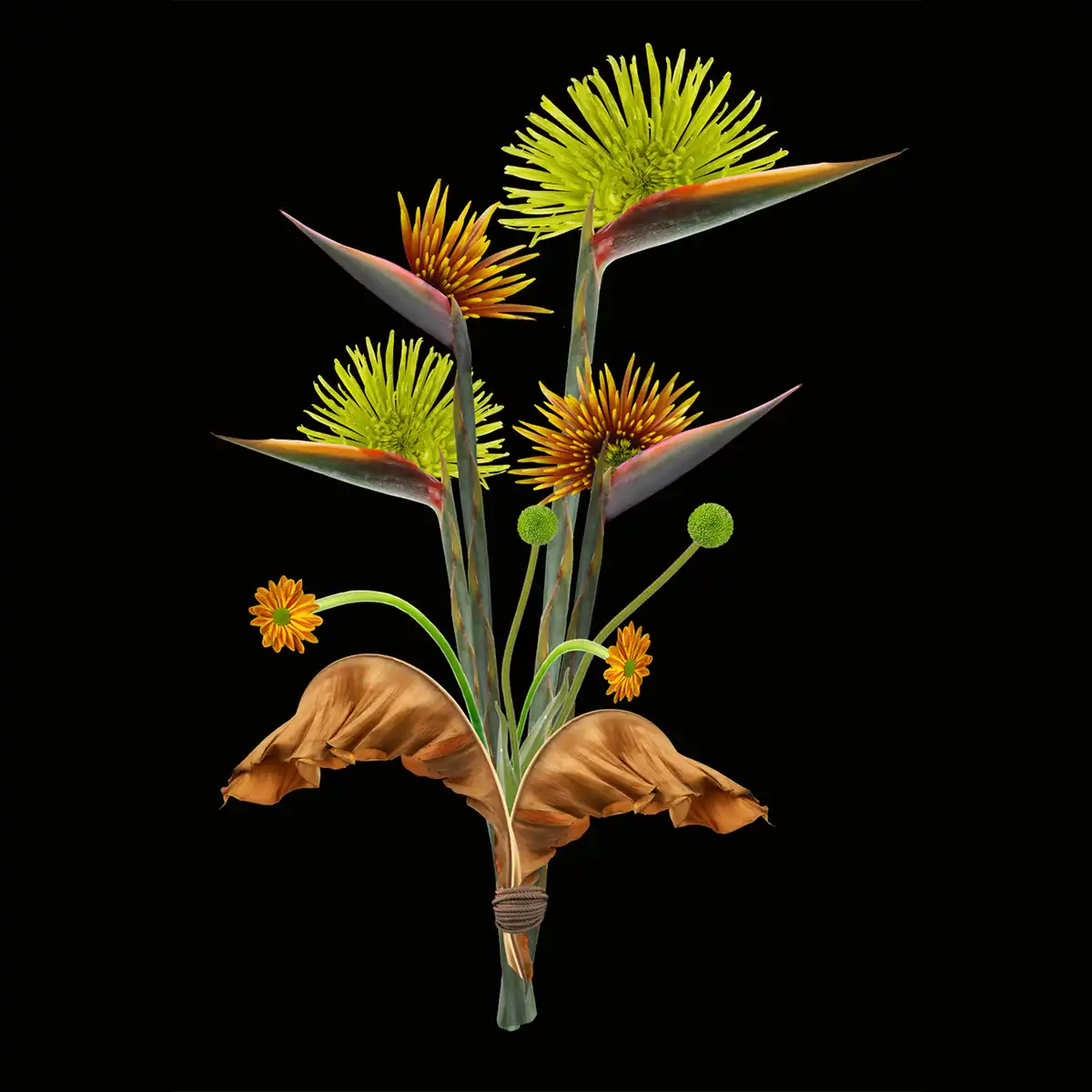
Chrysanthemums bring volume, texture, and personality to floral designs across a wide range of applications, including supermarket bouquets, everyday arrangements, and large-scale floral creations. Their extensive selection of varieties allows florists to explore classic forms alongside newer colors and tones that reflect evolving consumer preferences.
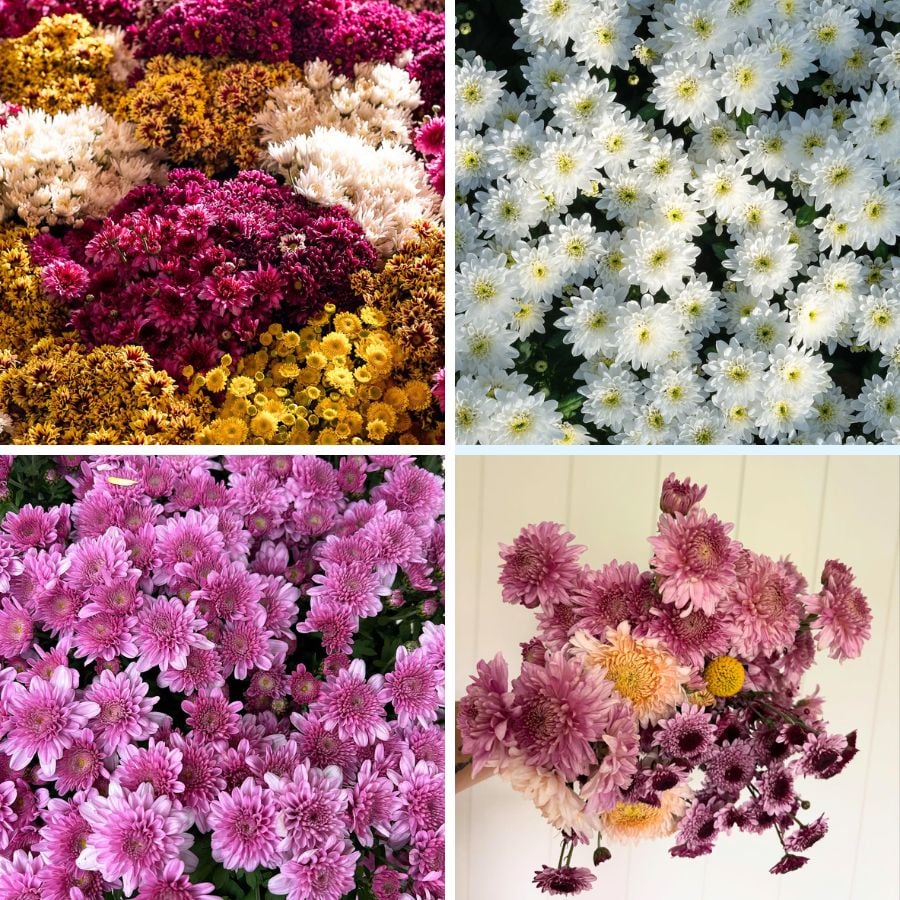
However, producing a Chrysanthemum that performs well from farm to vase requires careful attention. The quality of each stem depends on multiple factors, including variety selection, growing conditions, harvest timing, and the way flowers are handled after cutting. Behind every long-lasting flower is a process designed to protect its strength from the greenhouse to the final arrangement.
Growing Chrysanthemums in the Ideal Conditions of El Trigal Manantiales
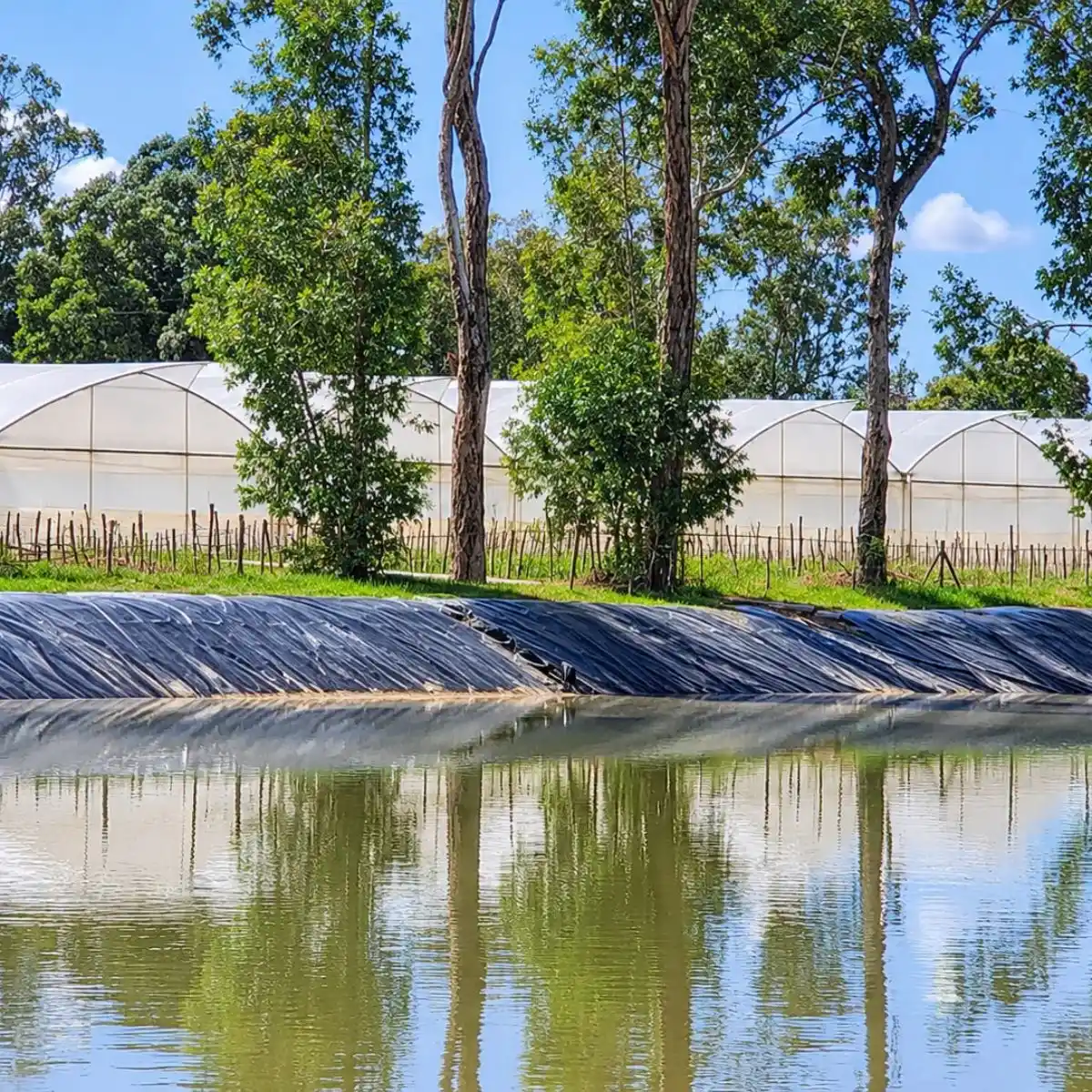
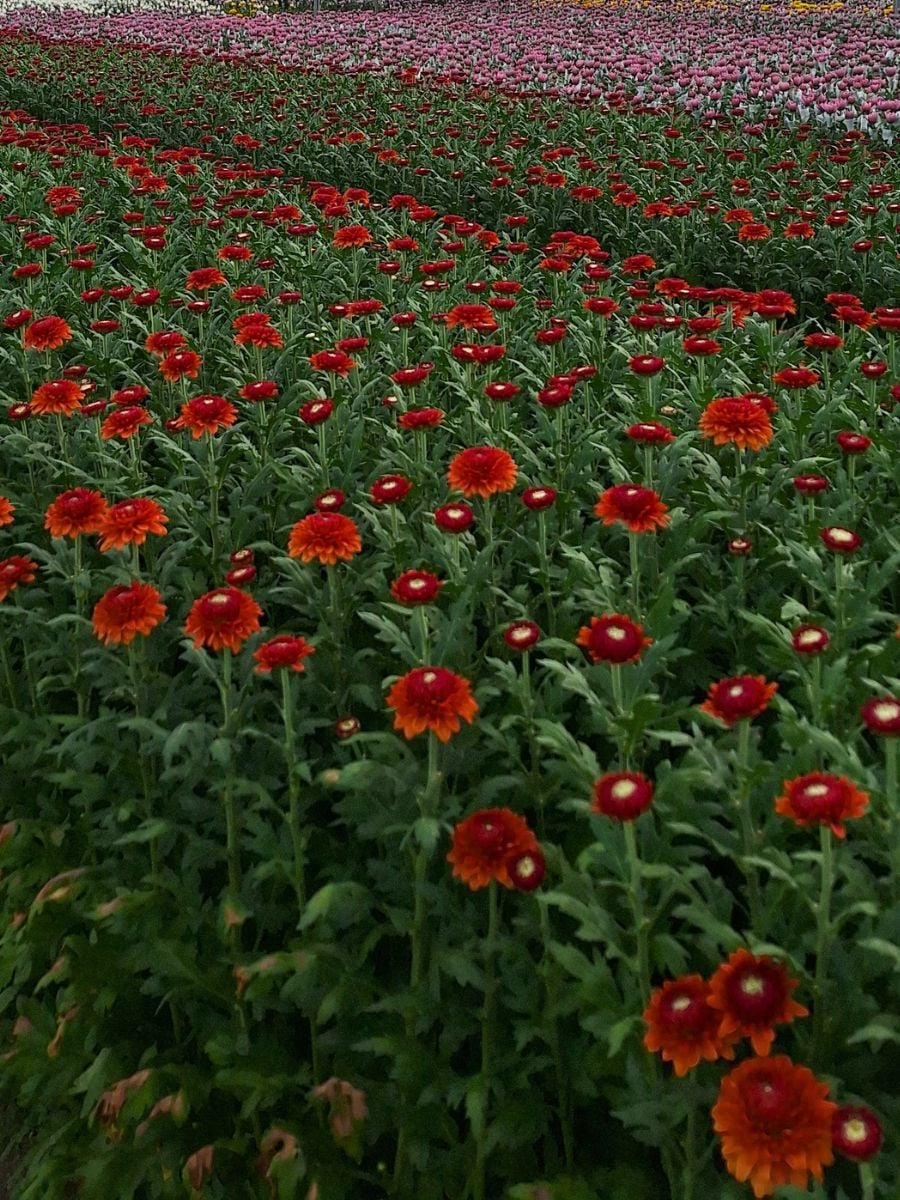
Located in Colombia, El Trigal Manantiales benefits from geographical and environmental conditions that make the region ideal for Chrysanthemum production. The farm cultivates a wide range of varieties, allowing its greenhouses to continuously evolve with differentiation in every type of characteristic throughout the year.
For the team at the Colombian farm, one of the most rewarding aspects of growing chrysanthemums is the opportunity to constantly learn and improve. With a production cycle of approximately eleven weeks, each crop provides valuable experience that can be applied to future plantings, helping the farm refine its methods and improve flower quality.
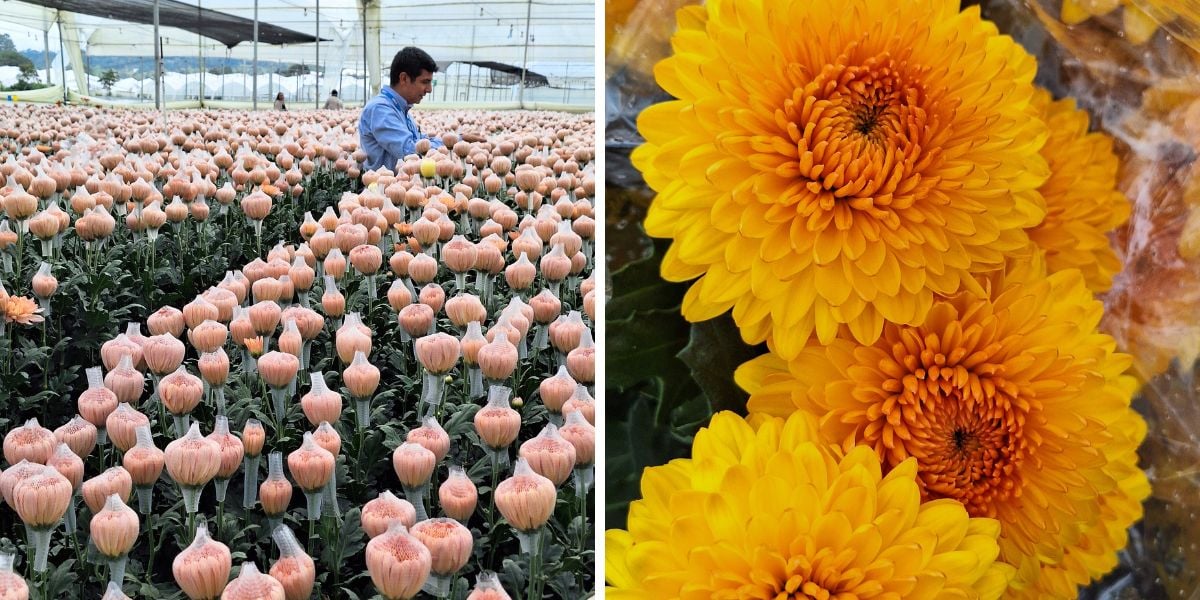
About the process, it's important to note:
"The entire process begins with variety selection. Breeders offer a wide range of varieties with different forms, colors, and agronomic and commercial strengths. Through a rigorous evaluation process, we select the varieties that best meet our standards. Another extremely important aspect is ensuring the uniformity of cuttings harvested from mother plants. Finally, having clear and standardized processes, along with quality controls and assurance throughout every stage of the production cycle, is essential to maintaining consistent flower quality.”
Juan José Noreña, farm Manager shares:
"The company’s geographical location and the environmental conditions of the region make it an ideal place for this flower's production. Personally, I value this crop greatly because the wide range of varieties planted throughout the different seasons of the year creates extraordinary colors and forms inside our greenhouses. Additionally, because chrysanthemums have a short production cycle of around 11 weeks, we can constantly adapt, learn from our mistakes, and apply new methods that help increase productivity and improve the quality of our flowers."
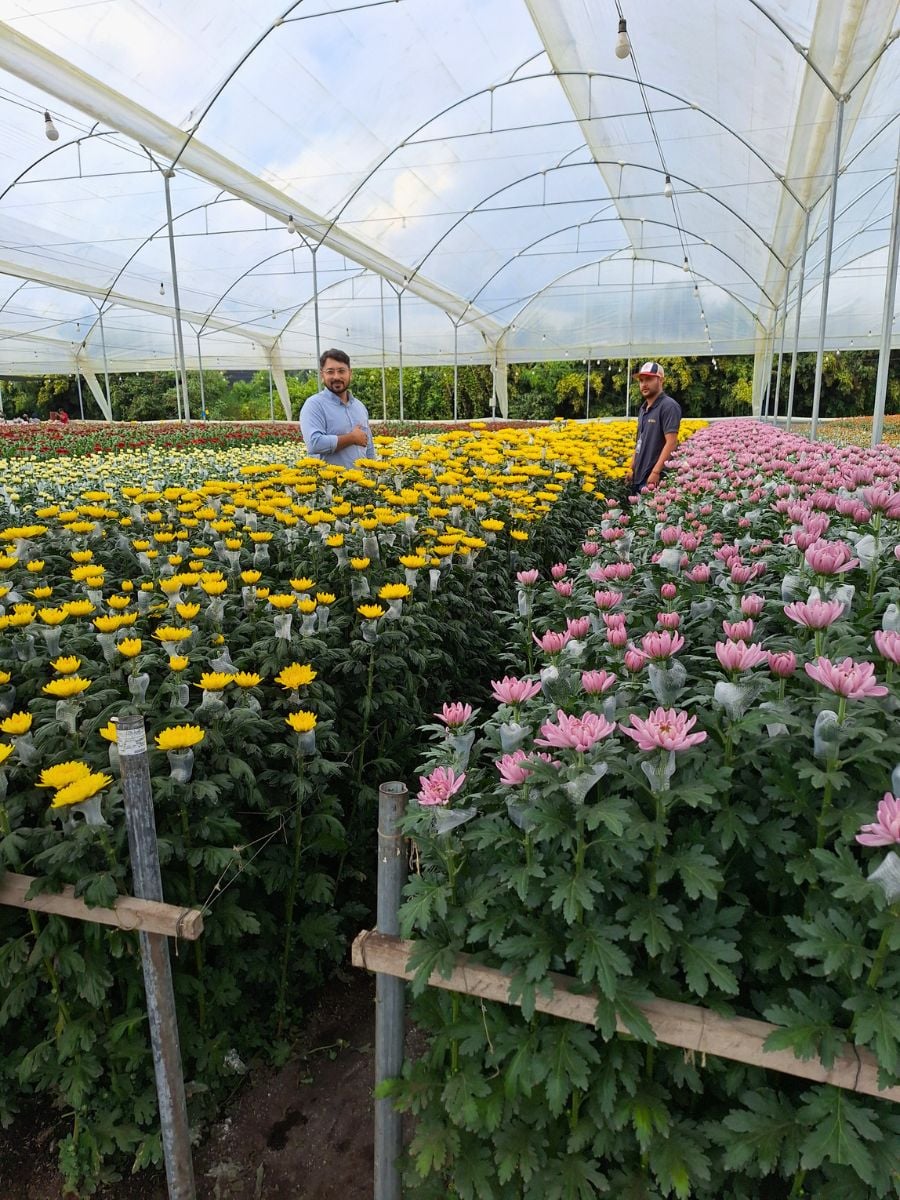
These practices allow the farm to deliver Chrysanthemums that meet the expectations of international markets. The United States is El Trigal Manantiales’ main destination, where demand has continued growing, particularly within supermarkets and consumer bouquets. At the same time, buyers are increasingly interested in new colors and tonalities, encouraging the farm to continue exploring new possibilities within the crop.
Protecting Chrysanthemum Quality After Harvest With Chrysal
The work behind a chrysanthemum does not end when the flower is cut. Once harvested, the next challenge is preserving the quality achieved during cultivation.
At El Trigal, post-harvest care begins immediately. Juan shares important information about the process:
"The most important step at harvest is to provide clean, high-quality water with a disinfecting solution to help prevent phytosanitary issues, followed by the prompt transport of the flowers to the post-harvest facility. Once in post-harvest, proper hydration using the appropriate solution is essential. Finally, careful packaging, pre-cooling to prevent condensation inside the bunches, and a reliable cold chain help ensure optimal vase life."
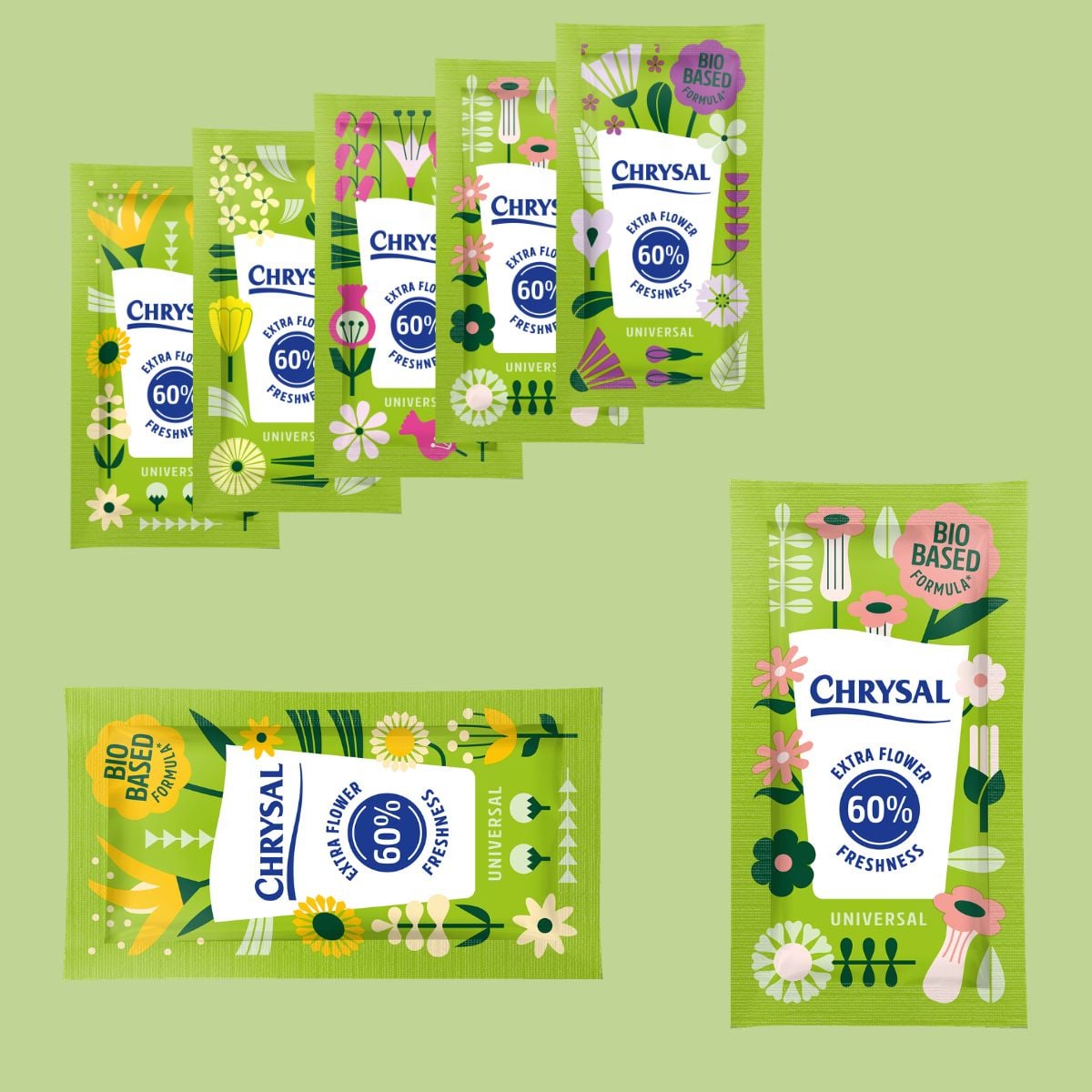
This is where Chrysal becomes an important part of the process. El Trigal currently uses Chrysal’s Initial Solution and is transitioning toward the Basic Solution as part of its continuous improvement in post-harvest practices. These solutions support hydration, help maintain flower quality, and contribute to reducing risks caused by fungi and bacteria.
Long-distance transportation presents another challenge for cut flowers. To ensure Chrysanthemums arrive in excellent condition, the farm combines proper hydration with careful packaging, pre-cooling, and a reliable cold chain.
"Chrysal has always been present to provide guidance and support in the development of standards and quality assurance processes for post-harvest operations. In this way, we can provide flowers with the best possible conditions to withstand the challenges of long-distance transportation and ultimately ensure that the final customer receives flowers that meet the highest quality standards."

Some of Chrysal's Best Care Tips
Good Chrysanthemum care starts at the farm and continues all the way to the final vase. For growers, harvesting at the right stage, cooling the flowers quickly, and maintaining good hygiene during storage are key to protecting quality. During wholesale and transport, keeping chrysanthemums hydrated and maintaining the cold chain helps preserve their condition and reduce stress on the flowers.
Once they reach the florist, clean buckets and tools, fresh treatment solution, and a clean stem cut help chrysanthemums take up water properly. At home, the same principles still apply. A clean vase, fresh water, and flower food can help chrysanthemums last for two weeks or more, while keeping them away from direct sunlight, heat, draughts, and ripening fruit helps maintain their quality for longer. For more tips and tricks, take a look at their guide.
What Better Post-Harvest Care Means for Florists
For florists, the benefits of effective post-harvest management are reflected in flowers that arrive fresher, perform better during handling, and have the potential for a longer vase life. Strong, well-hydrated Chrysanthemums provide greater flexibility during floral design while helping reduce waste caused by premature aging or quality issues. The collaboration between growers and post-harvest specialists ensures that every stage of the chain contributes to a better final flower experience.
By protecting quality beyond the growing stage, florists can create arrangements with confidence, knowing the flowers have the strength and freshness needed to meet customer expectations.
How to Enjoy Chrysanthemums at Home
Consumers can also extend the life of their flowers with a few simple care steps. When selecting flowers, it is important to choose stems that look fresh and show no signs of dehydration or advanced aging. Once at home, trimming a few centimeters from the stems helps improve water uptake by removing possible blockages in the flower’s vascular system. Keeping the vase clean and adding flower food by Chrysal to the water can further support hydration and help Chrysanthemums last longer.
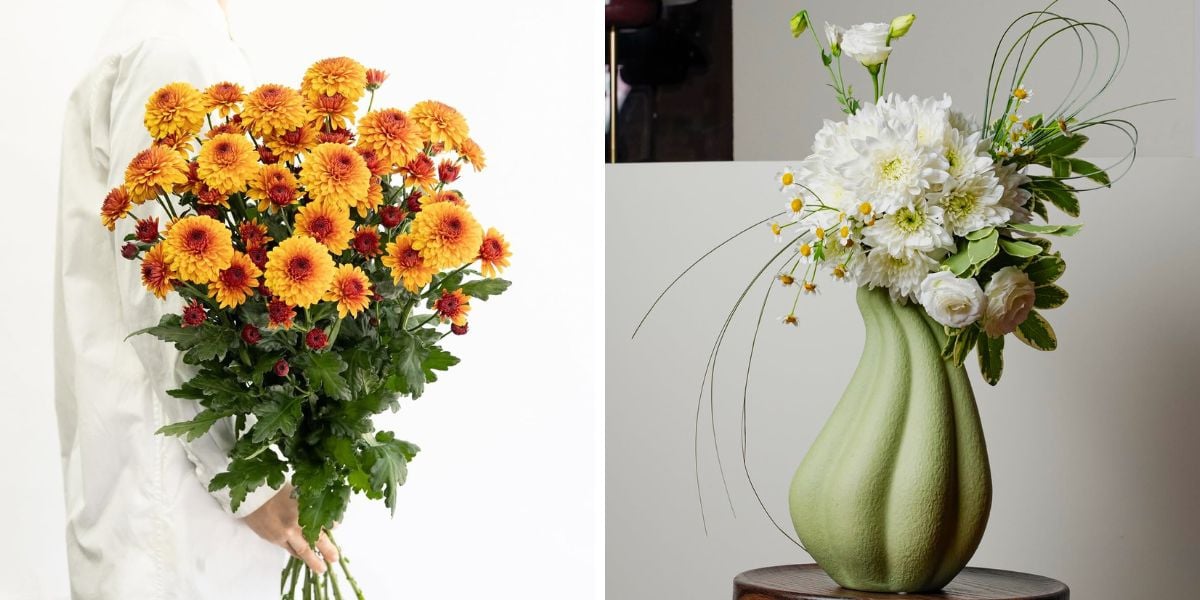
As chrysanthemums continue to gain attention across global markets, their future will be shaped by innovation, new varieties, and the ability to respond to changing preferences. For growers and floral professionals, this ongoing evolution is what keeps the crop relevant season after season.
Photos courtesy of El Trigal and Chrysal.