
Corten steel raised beds come with a color most planting schemes have to work around: a warm, rusted orange-brown that sits somewhere between terracotta and dried bracken. Get the plants right, and that tone stops being a backdrop and starts doing half the design work for you. Get them wrong, and the bed reads as a shipping container with flowers in it.
So before you fill one with soil, it helps to understand two things: what that rusted surface actually is, and which foliage colors make it sing rather than clash.
The Patina: Rust-Toned and Protective
Here's the part that surprises people. That rust is not damage, and it is not a coating anyone sprayed on. Corten, also called weathering steel, is an alloy formulated so that its outer layer oxidizes and then stops. Over the first few months outdoors, the raw gray surface turns a bright ginger, then settles into a stable, matte russet. That settled layer seals the steel underneath, which is why a Corten bed needs no painting and no sealing to last outdoors.
The look shifts with the weather, too. After rain, the patina deepens to a chocolatey brown, then lightens back to burnt orange as it dries. If you love a material that changes through the seasons, this is a feature rather than a flaw.
One honest caveat while the bed is weathering: in those early months, rain can carry rust-colored runoff onto whatever sits directly below. On soil or gravel, you'll never notice. On pale limestone paving or a new concrete path, the staining can be stubborn. Stand the bed on a layer of pebbles, or rinse the paving now and then until the patina stabilizes, and the problem never arises.
Planting Palettes: Soft and Silvery
Silver foliage looks at home against Corten because rust and gray-green sit on opposite sides of the color wheel, and opposites flatter each other. Set a mound of lavender against a rusted panel and the purple flowers pop while the gray leaves cool the whole thing down.
Ornamental grasses do the same job with movement instead of color. Blue fescue and blue oat grass catch the light and blur the hard steel edge with something that sways. Add lamb's ears for its felted silver leaves, or artemisia for a looser silver haze, and you have a planting that looks considered from spring through autumn.
The logic here is simple. Cool, dusty tones make the warm metal feel warmer, and the metal makes the plants look crisper. It's the pairing designers reach for first, and it's almost impossible to get wrong.
Bold Contrasts: Deep and Dramatic
Rust also holds its own against the plants at the dark end of the spectrum. Deep burgundy foliage reads as rich and velvety against the orange, so plants like Loropetalum or a dark Heuchera give you contrast without any fussiness. Then lift the scheme with a jolt of acid green: Euphorbia or a chartreuse Hakonechloa. That green-against-rust combination is the one that stops people mid-stroll.
Planting for edibles rather than ornament? The same warmth works in your favor. The ruby stems of rainbow chard and the blue-gray of a Tuscan kale both pick up the tones of the steel around them, so a productive bed looks as good as it eats.
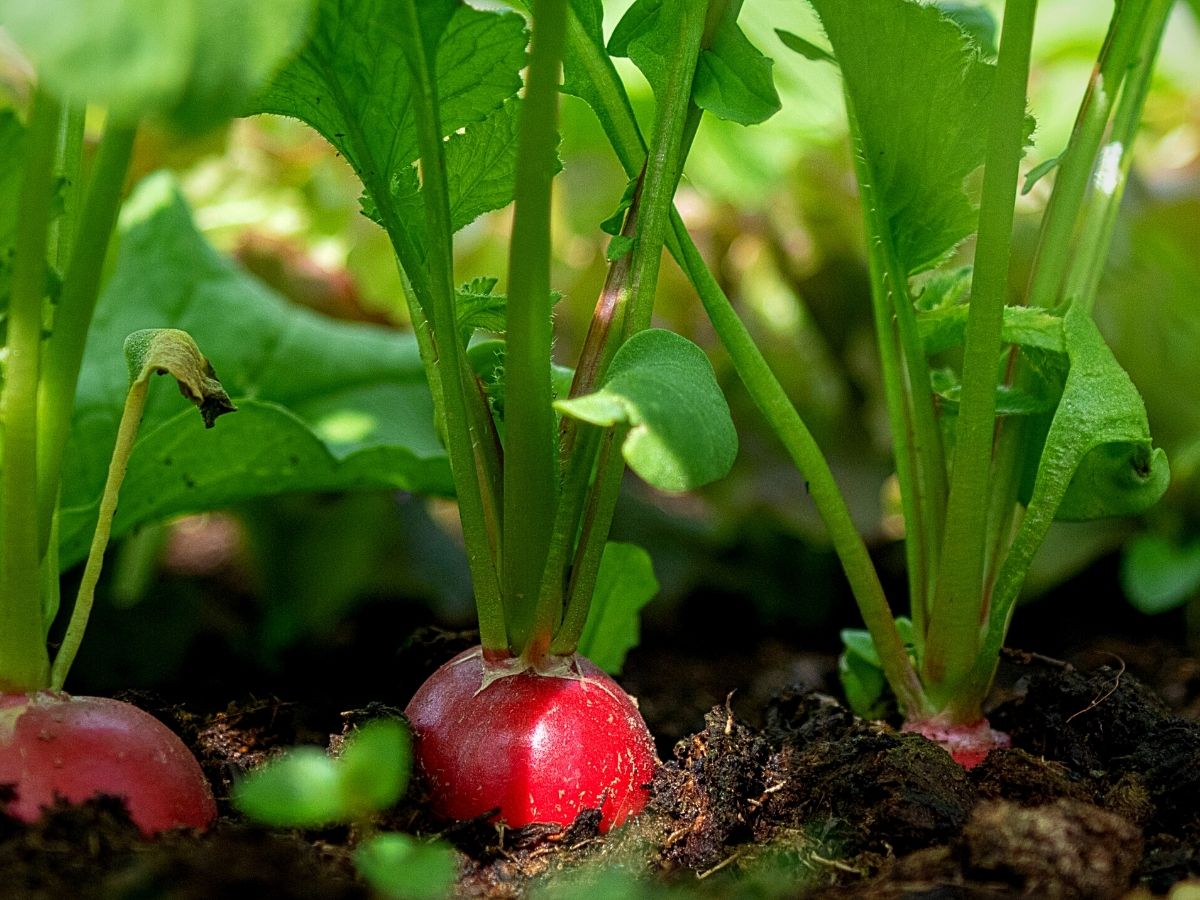
Photo by wenzlerdesign
Modular Panels: Practical and DIY-Friendly
The old objection to Corten was that beds came welded into fixed shapes and made to order. That's no longer how most of them are sold.
Suppliers now sell these beds as modular panel systems rather than welded one-offs, and Australian Landscape Supplies stocks Corten steel raised garden beds that bolt together with basic tools. A weekend and a socket set is about the size of the job. Because the panels are modular, you can run a long straight edge or clip them into a circular ring, so the bed fits the space rather than the other way around.
Height is worth a thought before you order. The common panel heights land around 400 mm and 560 mm, and the taller option makes a real difference if you're growing carrots and other deep-rooted crops, or if you simply want to garden without kneeling. The shorter height suits herbs and salad leaves, and it keeps the steel from dominating a small courtyard.
Assembly is undemanding. Flat panels bolt to corner pieces. Joiners let you run a longer straight, and pegs or bracing hold the whole thing square against the weight of wet soil. No welding, no specialist gear, so a confident beginner can have a bed standing in an afternoon.
A Few Common Questions
The rust takes a few months to finish forming, quicker in a wet climate and slower in a dry one. You can hurry it along by misting the raw steel, though there's little reason to. Left alone, it gets there.
People worry about the metal leaching into vegetable soil. The weathered surface is stable and inert, and the trace of iron oxide involved poses no problem for edible planting. Prefer to keep soil off the raw metal? A loose liner down the inside walls handles that, and drainage at the base stays open.
Heat is the one to plan around. Metal warms in the sun, so a bed baking in fierce afternoon light will heat the soil at its edges. In a cool or temperate garden, treat that as a head start on the season. Somewhere hot, mulch well and keep thirsty plants toward the center, away from the walls.
Pick the foliage palette first and choose a height that matches what you want to grow. Do that, and the rust does exactly what you hoped: it looks like it has always been there.