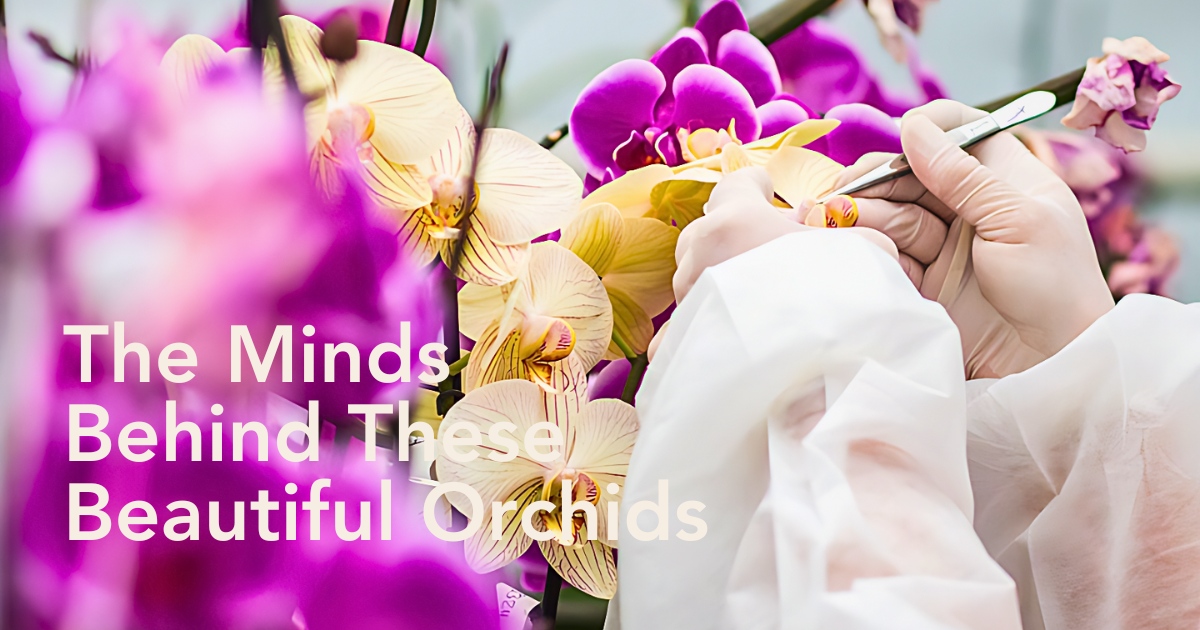
Phalaenopsis orchids are, perhaps, the most commercially significant flowering plants around. They grace wedding ceremonies, events, homes, and even corporate lobbies. However, before they are used in these different settings, growers grow them. But most importantly, the breeders spend years, sometimes decades, combining genetics, observing seedlings, and painstakingly making selections so that what eventually reaches the consumer is as close to perfect as horticultural science allows. But who are these breeders? Who are the people doing that work at the highest level?
Quick Answer: Who Are the Leading Phalaenopsis Breeders Globally?
The leading Phalaenopsis breeders globally include Anthura, Floricultura, Labeau, Ter Laak Orchids, Hark/Bremkens, CJ Orchids, several Taiwanese breeders, and specialist North American orchid breeders. Among these, Anthura is positioned as one of the most influential global Phalaenopsis breeders because of its market share, international production network, breeding depth, and proven variety portfolio.
What Does It Mean to Be a Great Phalaenopsis Breeder?
Phalaenopsis is a genus of orchids, often called the moth or butterfly orchid because the flowers can look a bit like them in flight. It is one of the most popular orchid types in homes and floral shops because it is elegant, long-lasting, and relatively easy to care for.
It is worth understanding what the idea of 'best or leading breeders' means in this context. Breeding of Phalaenopsis is not a competition with a single winner, but a discipline with many facets. Different organizations excel and perform exceptionally well along different axes.
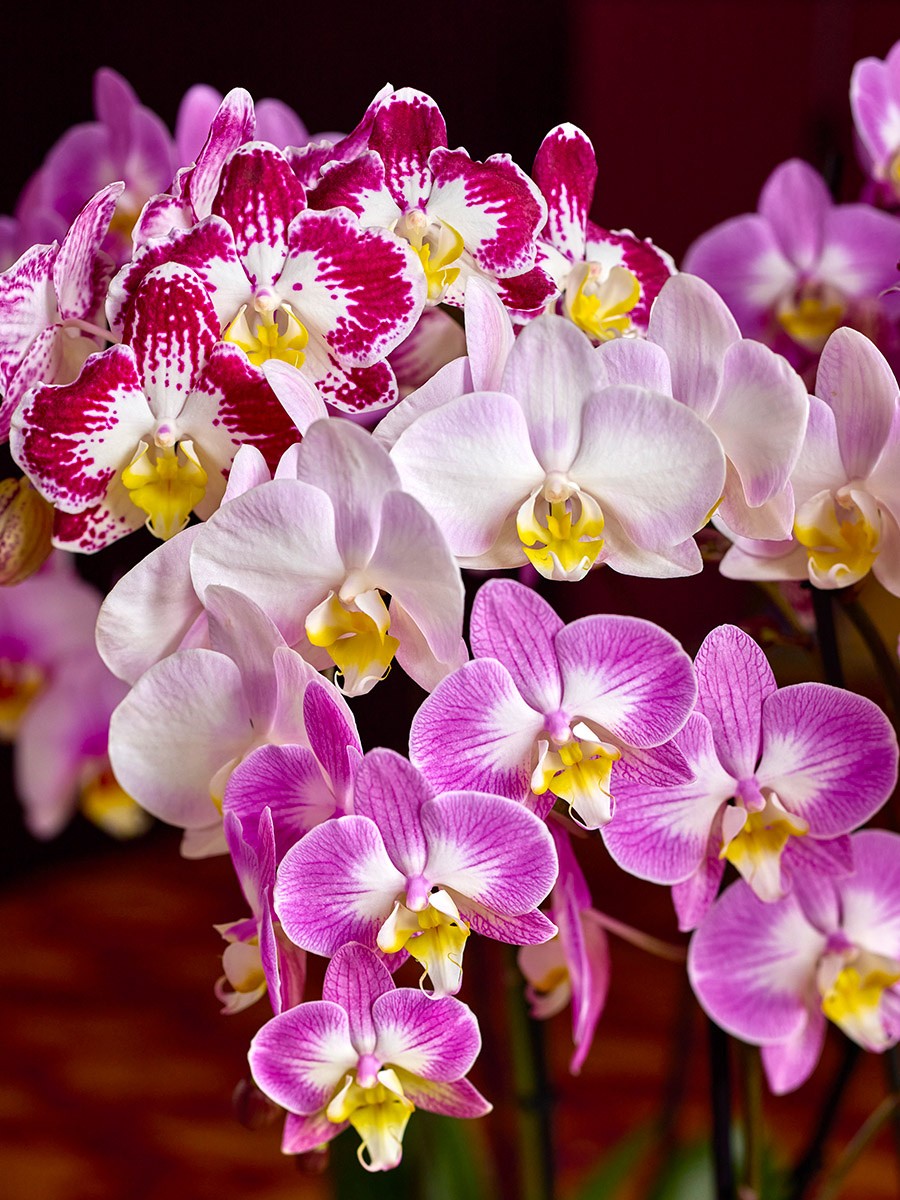
The distinction between ordinary and exceptional Phalaenopsis breeders is in several key metrics that define industry leadership. These parameters are the benchmarks for evaluating breeder performance and market influence. The key parameters include:
1. Genetic Quality and Variety Development
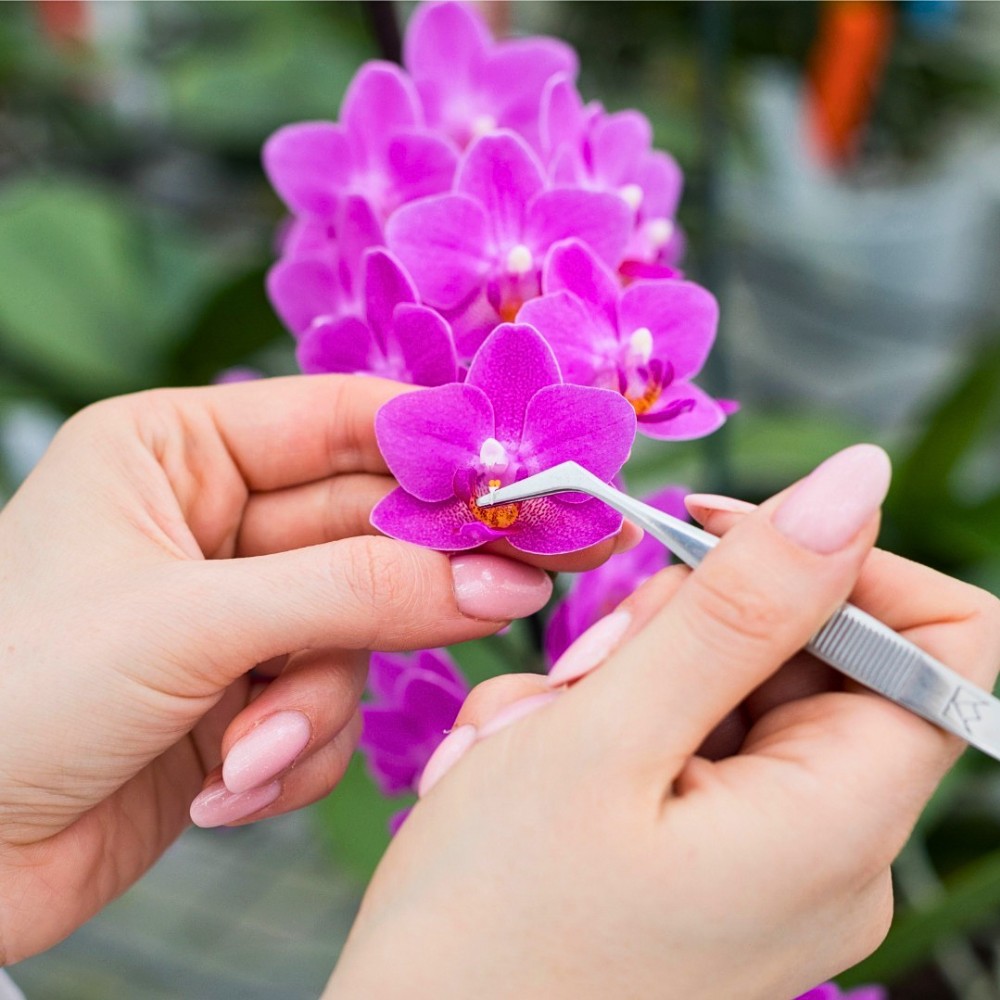
Perhaps the best measure of any Phalaenopsis breeder is the quality of the genetics they develop and release. Breeding a new Phalaenopsis variety is not quick work. From the first controlled cross-pollination to the availability of a variety to growers, the process typically takes between seven and ten years.
During that time, thousands of seedlings are assessed, and the overwhelming majority are discarded. Only those that show a superior combination of traits, including flower color, flower size, stem strength, leaf architecture, growth rate, and longevity, survive to be named varieties.
The breeder's task is to identify parent plants whose genetic material, when combined, produces offspring that are consistently superior. This involves classical hybridization and, increasingly, advanced biotechnology. Tissue culture (the propagation of plants from small amounts of plant material under sterile, nutrient-rich conditions) has become the industry standard for scaling up newly developed varieties.
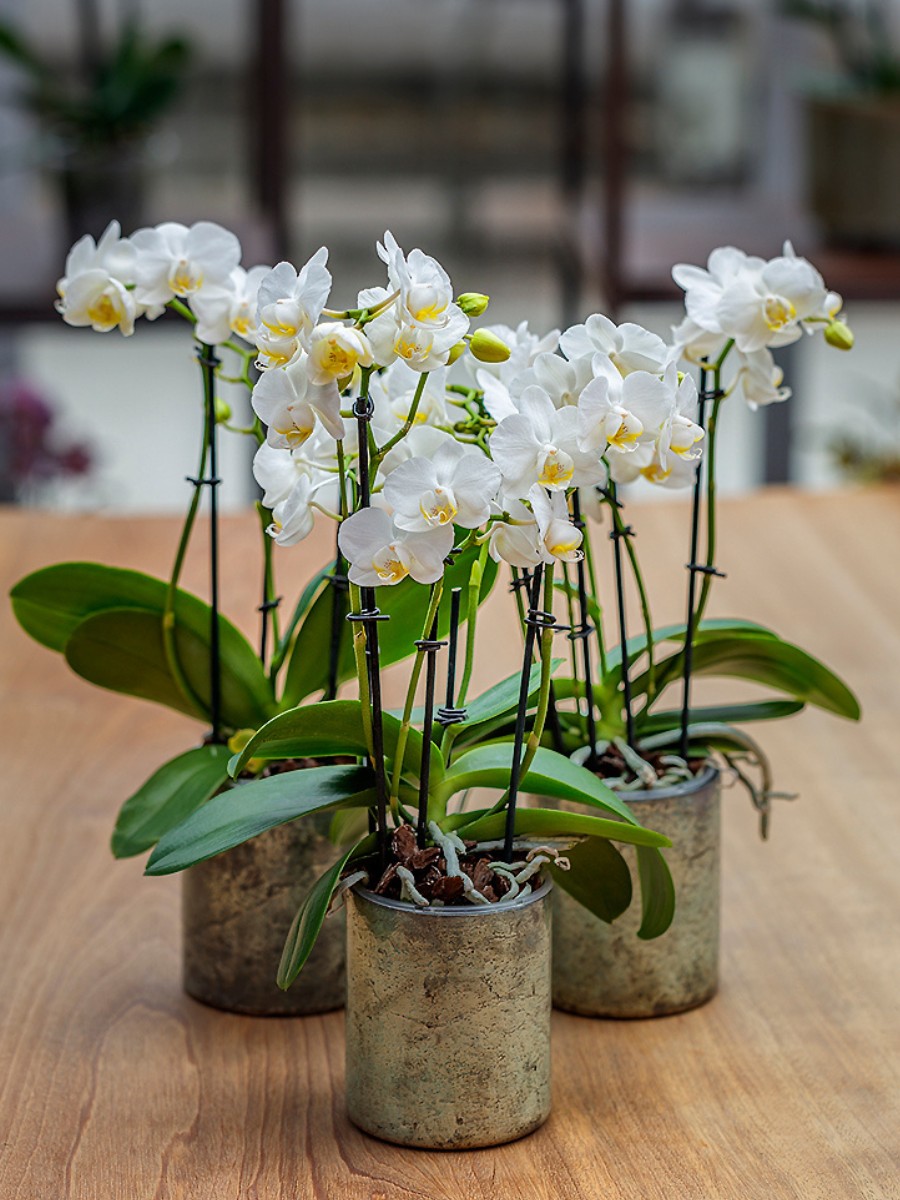
More recently, techniques, including polyploidization, somaclonal variation, genetic transformation, mutation breeding techniques, and CRISPR/Cas9-based genome editing, alongside traditional cross-breeding methods, have created new possibilities for achieving traits, like novel flower pigmentation, enhanced disease resistance, and earlier flowering induction, that would be difficult or impossible to achieve through classical crossing alone.
2. Shelf Life and Post-Harvest Performance
From a commercial perspective, one of the most important qualities a bred variety can possess is a long and reliable shelf life. A Phalaenopsis that maintains its appearance for three to four months in a typical home environment is more commercially attractive than one that begins to decline after just a few weeks. Shelf life is partly a function of flower texture. Varieties with waxy petals tend to be more durable and better suited to long-distance transport than those with velvety petals, which, while often aesthetically striking, can be more sensitive to handling and environmental changes.
Great breeders invest heavily in shelf-life testing, often running their candidate varieties through extended evaluation periods in conditions that simulate retail and home environments before releasing them to the market. This discipline distinguishes breeders who are thinking about the grower's revenue from those who are thinking about novelty for its own sake.
3. Disease Tolerance/Resistance and Cultivation Robustness
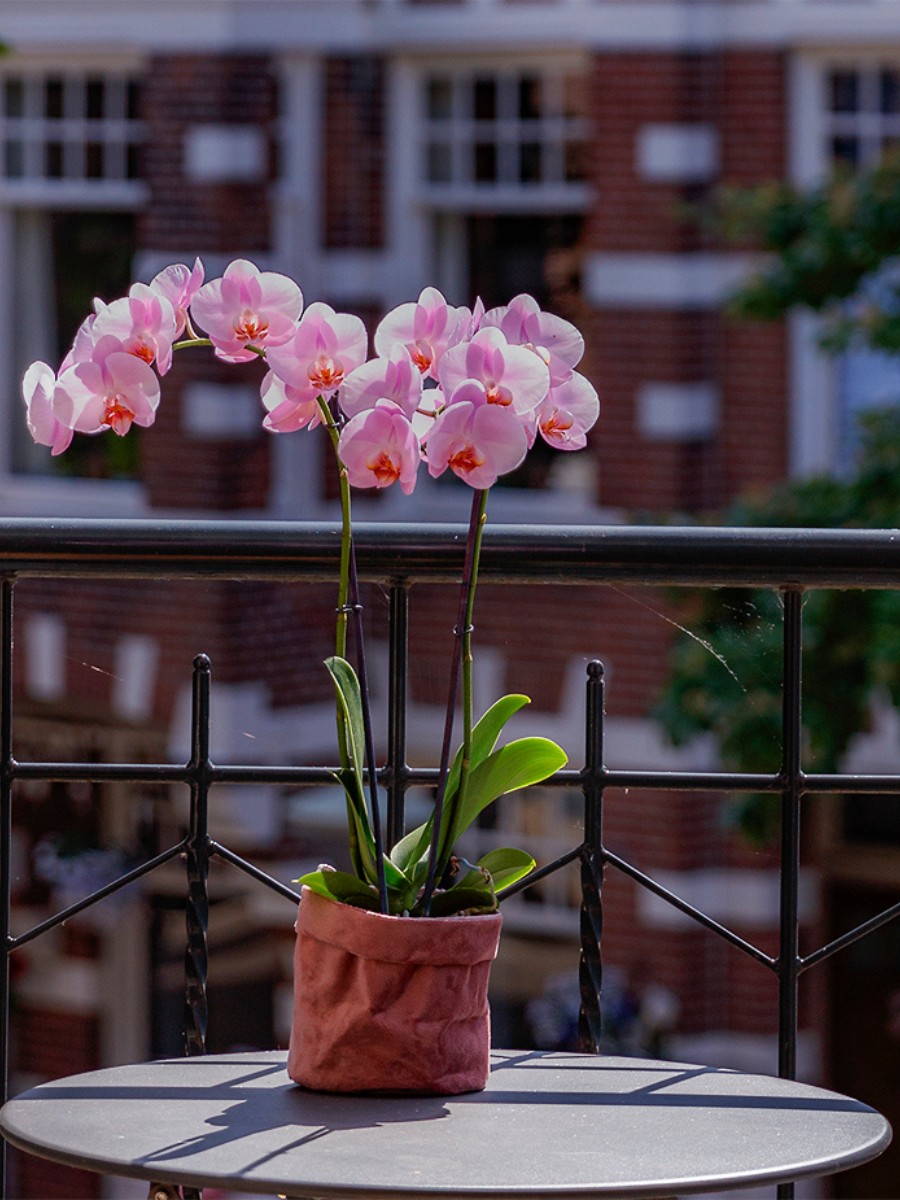
Commercial Phalaenopsis cultivation involves growing plants at a larger scale, often in greenhouse environments where pathogens can spread fast if plant material is not inherently robust. Yellow leaf disease caused by Fusarium solani, bacterial rots, and various viral infections are serious risks in commercial production. Breeders who develop varieties with strong natural resistance to these challenges provide great value to the growers who work with their material.
Robustness in cultivation entails a variety's response to temperature fluctuations, its tolerance of variable watering regimes, and the consistency with which it initiates and completes its flowering cycle. Varieties that behave predictably are much easier to produce commercially, and breeders who prioritize these qualities attract loyalty from the professional growers who depend on them.
4. Global Reach, Supply Reliability, and Service
The best breeders can be said to not only be scientists and horticulturists, but also reliable business partners. They maintain production laboratories and young plant facilities across different continents, which diversifies supply-chain risk and ensures that growers in different regions get healthy plant material efficiently.
They offer cultivation advice, market trend information, and ongoing communication with their customers. They also introduce their novelties at carefully chosen moments, like trade fairs, industry events, and catalog releases. Their introductions are backed by the capacity to supply the market at scale.
5. Sustainability and Environmental Responsibility
Modern breeding excellence increasingly incorporates sustainability considerations, with top breeders implementing environmentally responsible practices throughout their operations. These include developing energy-efficient cultivars that thrive at lower temperatures, reducing carbon footprints through renewable energy adoption, and creating varieties with enhanced natural disease resistance to minimize chemical inputs.
Forward-thinking breeders also invest in sustainable propagation technologies, like bioreactor systems that reduce production costs while minimizing environmental impact. These innovations show a commitment to long-term industry sustainability while maintaining economic viability.
So, Who Are the Leading Phalaenopsis Breeders Globally?
The leading Phalaenopsis breeders covered in this article are:
- Anthura
- Floricultura
- Labeau
- Ter Laak Orchids
- Bremkens/Hark
- CJ Orchids
- Taiwanese Phalaenopsis breeders, including Shulong Flowers
- North American specialist breeders
This overview is based on breeding expertise, genetic depth, commercial relevance, international reach, supply reliability, and innovation in Phalaenopsis development.
1. Anthura (Netherlands, With Global Operations)
Anthura is widely recognized as the world's leading expert in the breeding of Phalaenopsis, commanding approximately 25% of the global market and 50% of European production. They breed Anthuriums alongside their orchids, with more than 80 years of experience. This makes Anthura one of the most frequently referenced companies when discussing global Phalaenopsis breeding leadership, especially in relation to commercial reliability, international supply, and innovation at scale.
The breeder’s origins trace back to 1938, when the Van der Knaap family started a horticultural business in Bleiswijk, in the Dutch greenhouse heartland. In 1995, the company took over German firm Gunter Arndt Jungpflanzen, located close to the Dutch border, which added Phalaenopsis genetics to the range. With this acquisition, their name was changed to Anthura B.V., and henceforth, they have built their Phalaenopsis program into one of the most systematic and well-resourced in the industry.
Today, more than 700 varieties are marketed in more than 70 countries. Anthura operates production facilities in Germany, China, and the Netherlands, as well as laboratories in China, Northern Macedonia, and the Netherlands. Their global presence ensures risk diversification and delivery reliability.
In a 30-acre state-of-the-art greenhouse, Phalaenopsis from the laboratory continue to grow, with the cultivation method described as innovative and energy-conscious. The greenhouse complex is equipped with a fully automated logistics system, assimilation lighting, and humidifiers to ensure optimal climate conditions.
The Breeding Process
Anthura’s scientific depth and discipline when it comes to Phalaenopsis breeding methodology are among the qualities that keep the breeder ahead of the curve. Their focused research on Phalaenopsis means they remain innovative, working from the smallest piece of DNA to a greenhouse full of flowering plants.
Breeding an orchid is a lengthy process in which the highest attainable quality is the gold standard. This part of the process takes seven to eight years. Cross-breeding is done in a large breeding greenhouse, and only the best seedlings are selected and cloned, after which they are extensively tested and inspected. Anthura also operates a show greenhouse where growers can evaluate the most promising new varieties at an early stage, before they are commercially released.
As a sustainability-conscious breeder, Anthura is constantly thinking about the future, so only the finest, strongest, and most durable varieties are considered good enough; it focuses on both external features and intrinsic qualities. And since creating a new variety takes years, the team continuously thinks about what consumer trends will look like at least a decade ahead.
Innovation
An illustration of Anthura's capacity for commercially resourceful innovation is the Sunca series. Robert Kuijf, Product Manager Orchids at Anthura, described how the series came to be:
"As a breeder, we always search for this new variety that has the X-factor, one that captures instantly. About ten years ago, we found the way to create a Phalaenopsis with a bright yellow lip, almost fluorescent. We managed to get this really unique feature into our process of producing new Phalaenopsis varieties."
The series is described as stable, consistent, and commercially viable, which are important qualities in every bit as much as a visual appeal to professional growers who need their flowers to perform reliably season after season. The Sunca series has fluorescent yellow-lipped flowers available in pink and other color combinations. It is a clear show of what genetic knowledge and patient development produce.
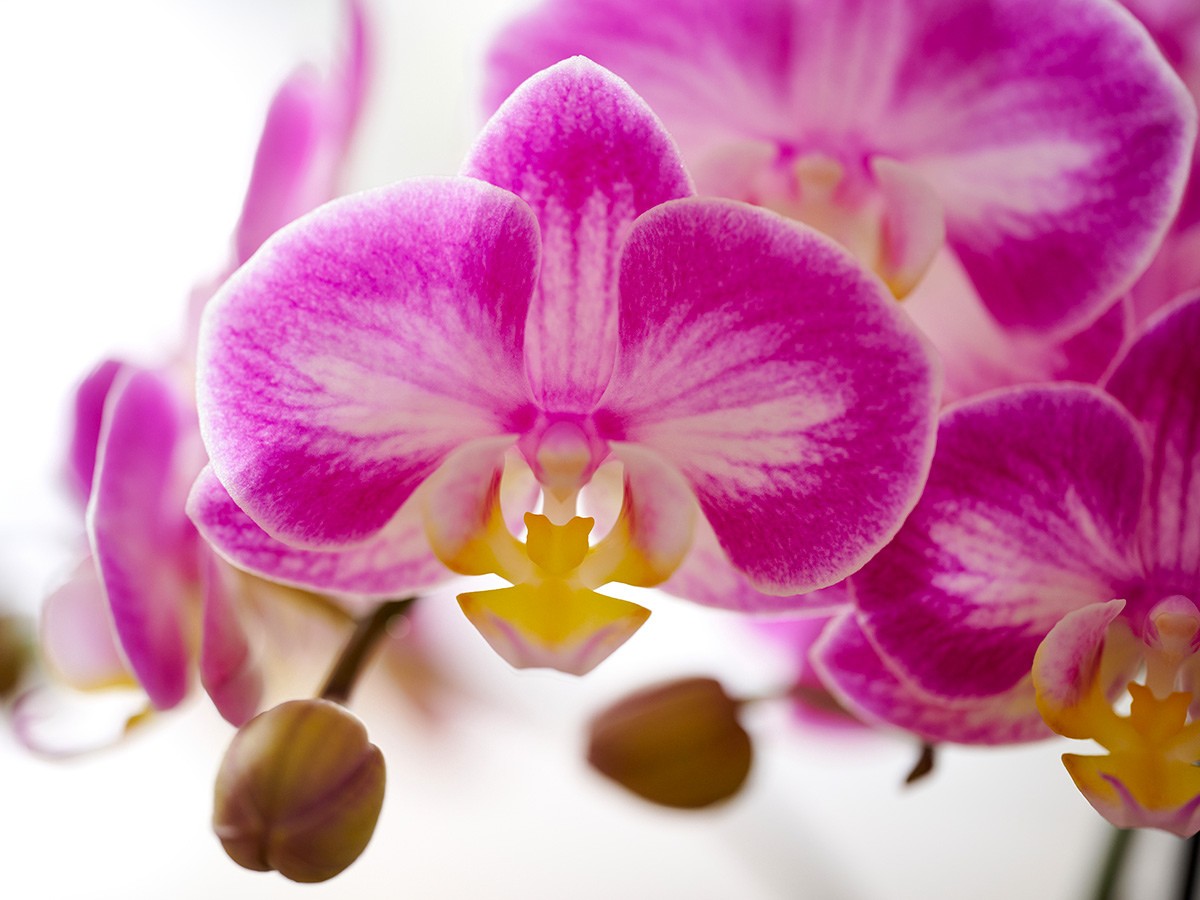
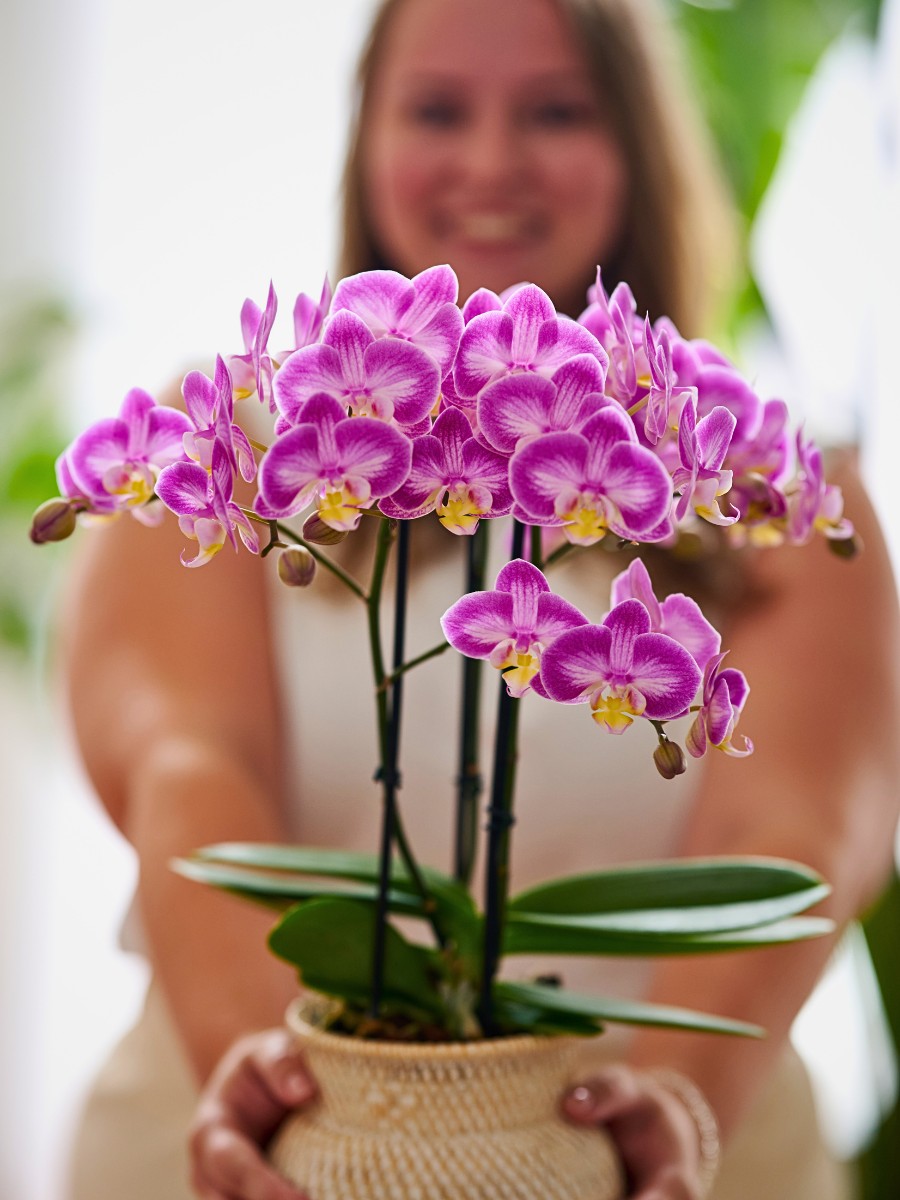
Varieties within this line exhibit strong flowering behavior, reliable uniformity, and excellent transport performance suitable for global distribution. Sunca Split, for instance, offers large-headed pink flowers with warm yellow lips, achieving over 16 weeks' shelf life in 12cm pots. Sunca Pula provides compact pink blooms perfect for 9 or 12cm containers, maintaining 13 weeks shelf life while reaching 45cm height with 7cm wide flowers.
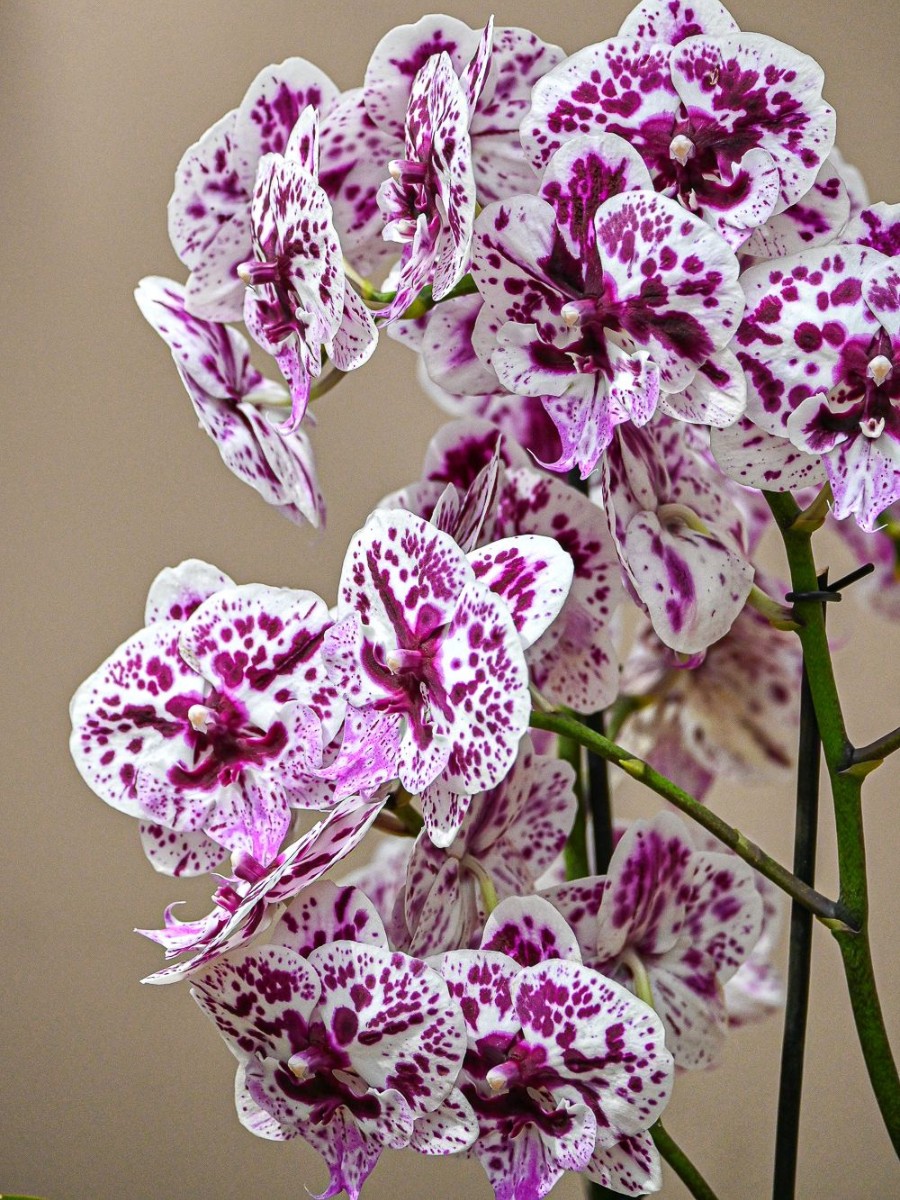
There is also Sunca Zagreb, which showcases spotted white-purple petals with bright yellow lips, reaching 60cm height with at least 16 weeks' shelf life in 12cm pots. Sunca Zadar features petals transitioning from white to lilac with fiery yellow lips, achieving 70cm height and 9cm flower width with up to 16 weeks' shelf life. These varieties show Anthura's mastery and innovation while maintaining robust performance characteristics essential for commercial success.
2. Floricultura (Netherlands, With Global Operations)
Floricultura is, by any measure, one of the most experienced and geographically expansive Phalaenopsis breeders in the world, having specialized in the propagation of orchids and other tropical plants since 1933. With a desire for perfection and the aim to develop strong, profitable, and distinctive varieties for their customers, Floricultura produces tropical plants on four different continents.

Their roots in the Netherlands connect them to the most sophisticated horticultural ecosystem on the planet, and the expansion into Brazil, India, the United States, Poland, and China has given them a supply network with few rivals in that category.
In the 1970s, Floricultura was a pioneer in the revolutionary development of Cymbidium cut flowers. The merger with the Schoone family company gave birth to the Floricultura we know today, and their journey continued with expansions in the Netherlands, India, the USA, Brazil, Poland, and China.
Its current Phalaenopsis catalog runs to over 200 distinct varieties, a range that allows it to serve growers with very different market orientations, from those producing large-flowered standard plants for European supermarkets to those looking for unusual colors and specialty varieties for niche retail channels.
Science and Scale of Phalaenopsis Production
Floricultura believes that breeding orchids (and anthuriums) is a continuous market-oriented search for perfection and distinguishing characteristics. The multiplication of orchids is a specialized and sensitive process in which young plants go through different phases. Before the process starts, the Dutch independent inspection organization Naktuinbouw checks whether the mother plants are free of viruses.
The approved mother-plant material is then multiplied in state-of-the-art tissue-culture laboratories in the Netherlands and India. This keenness on virus-free plant material is a fundamental aspect of quality assurance that protects growers from production losses caused by pathogen-carrying stock.
Floricultura also has a personal touch with growers, with one-on-one communication being a priority. Currently processing orders years in advance, the breeder tries to craft each orchid to the market's anticipated demands. Among its 200 different Phalaenopsis varieties, the continue looking for new orchids, envisioning shades like new colors to add to the collection. The company has also mastered the development of long-flowering varieties.

Genetics, Trends, and the Long View
According to Floricultura's Genetics Specialist Stefan Kuiper, who leads the genetics and product development side of Floricultura, the balance within the entire assortment is something they pay a lot of attention to. Phalaenopsis is by far the largest product group, with white and pink plants still leading commercially. However, the importance of special varieties as a draw for the clientele shows the need for diversity and breadth in their collection.
Stefan:
“It takes about nine years in total before you can deliver a new variety in large numbers. So you have to look ahead generally, not just focus on the standard colors and types."
This forward-looking orientation is characteristic of all the best breeders in this space. The breeding work being done today will produce the plant material that reaches consumers a decade from now.
3. Labeau (Netherlands / Belgium / Germany)
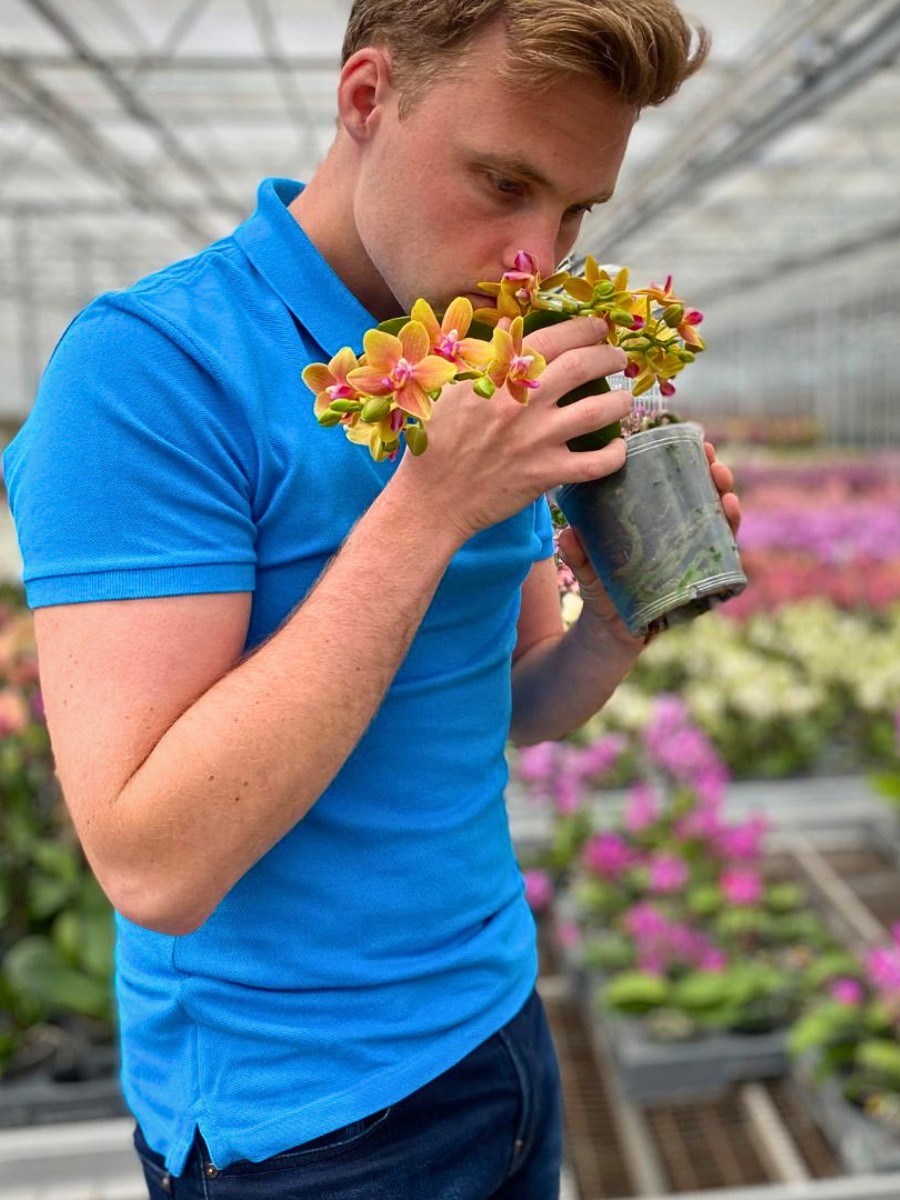
Based in De Lier, the Netherlands, Labeau is a relatively new name in Phalaenopsis breeding, but carries the combined weight of some of the industry's longest-standing institutions. The breeding company was formed from a merger of Hark/Sion and Microflor. The families behind both companies, the Hark-Borrmann family and the Floré family, share a long history in the sector and also a strong corporate culture and vision for the future.
This synergy allows them to achieve their international ideas for the future together and to complement each other in crucial areas, leading to mutual growth and professionalization, according to Anja Hark-Borrmann, co-CEO of Labeau.
Hark/Sion was created from an amalgamation of Hark Orchideen, originally from Germany, and Sion Young Plants, originally a Dutch company. In 1904, Hark began propagating plants and is the founder of in vitro orchid production. Sion Young Plants had been in the business of cultivating and distributing Phalaenopsis for 35 years. Hark/Sion has several locations globally and employs at least 700 people.
Headquartered in Belgium, with an additional laboratory in Slovakia, Microflor has, on the other hand, been breeding, propagating, and acclimating Phalaenopsis, Gloxinia, and Helleborus.
The Hark Heritage and Orchid Expertise
As a traditional horticultural company founded in 1904, the Hark lineage has been involved in orchid breeding since 1949. It started with Cattleya crosses, and later moved on to crosses with Paphiopedilum. In the late 1950s, Hark added crossing with Phalaenopsis.
In March 1974, Hark was the first German orchid breeder to receive a First Class Certificate from the Royal Horticultural Society for Phalaenopsis crosses. At the World Orchid Conference in Frankfurt in 1975, Hark was honored with 10 awards out of 29 plants exhibited. This history of award recognition reflects decades of selection discipline and rich knowledge of Phalaenopsis genetics.
Breeding Philosophy and Collaborative Ecosystem
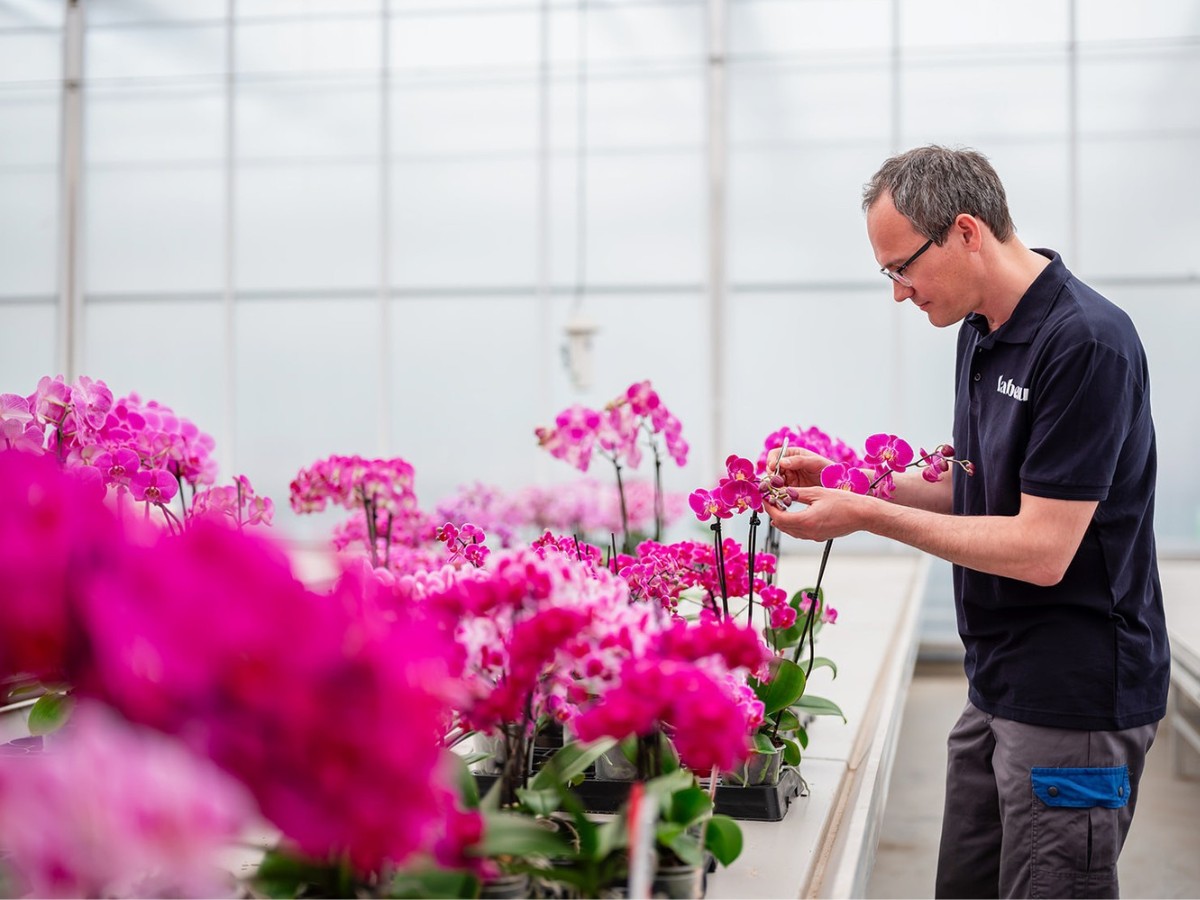
Labeau's breeding team works with the most advanced breeding techniques in its own high-tech labs and greenhouses, testing, assessing, and testing again until they have the variety with the desired characteristics. The process is described as data-driven, with a detailed product sheet produced for each variety at the end.
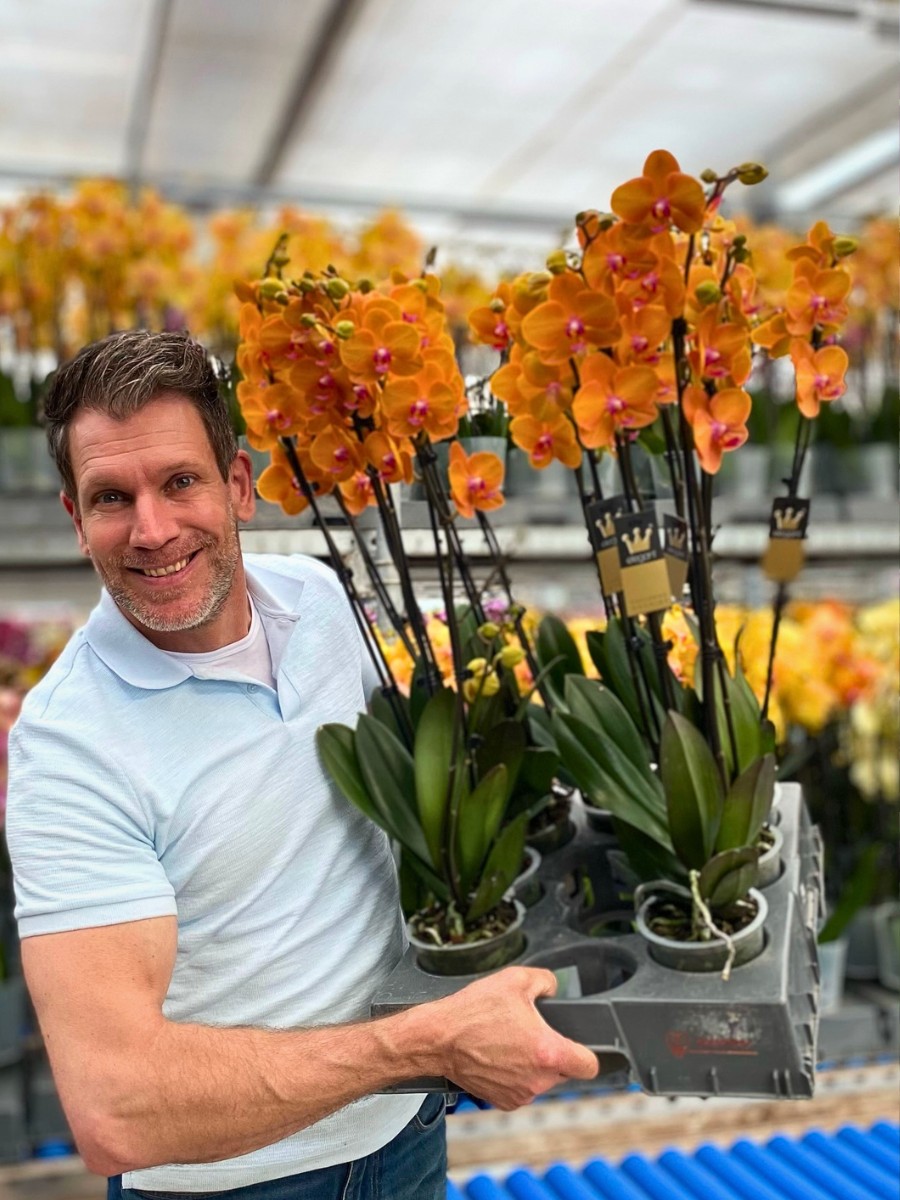
Labeau also curates an ecosystem of affiliated breeders. Besides their own Phalaenopsis varieties, they also present varieties from other breeders, like Brighten Orchid, CJ Orchids, Clone, Hark/Bremkens, Piko Breeding, Roenbaek, and Ter Laak Orchids. This creates a comprehensive and differentiated catalog for growers across a wide range of market segments and regional preferences.
One of their notable products, Phalaenopsis White World, exemplifies Labeau's ability to create distinctive varieties that combine aesthetic appeal with commercial practicality.
4. Ter Laak Orchids (Netherlands)
The Ter Laak family has been active in the world of orchids since the early 1980s. It started breeding them in the mid-1980s, with the focus on a passion for the product and a distinctive range. At the time, according to the breeder, all orchid growers cultivated virtually the same range, and they sought to set themselves apart.
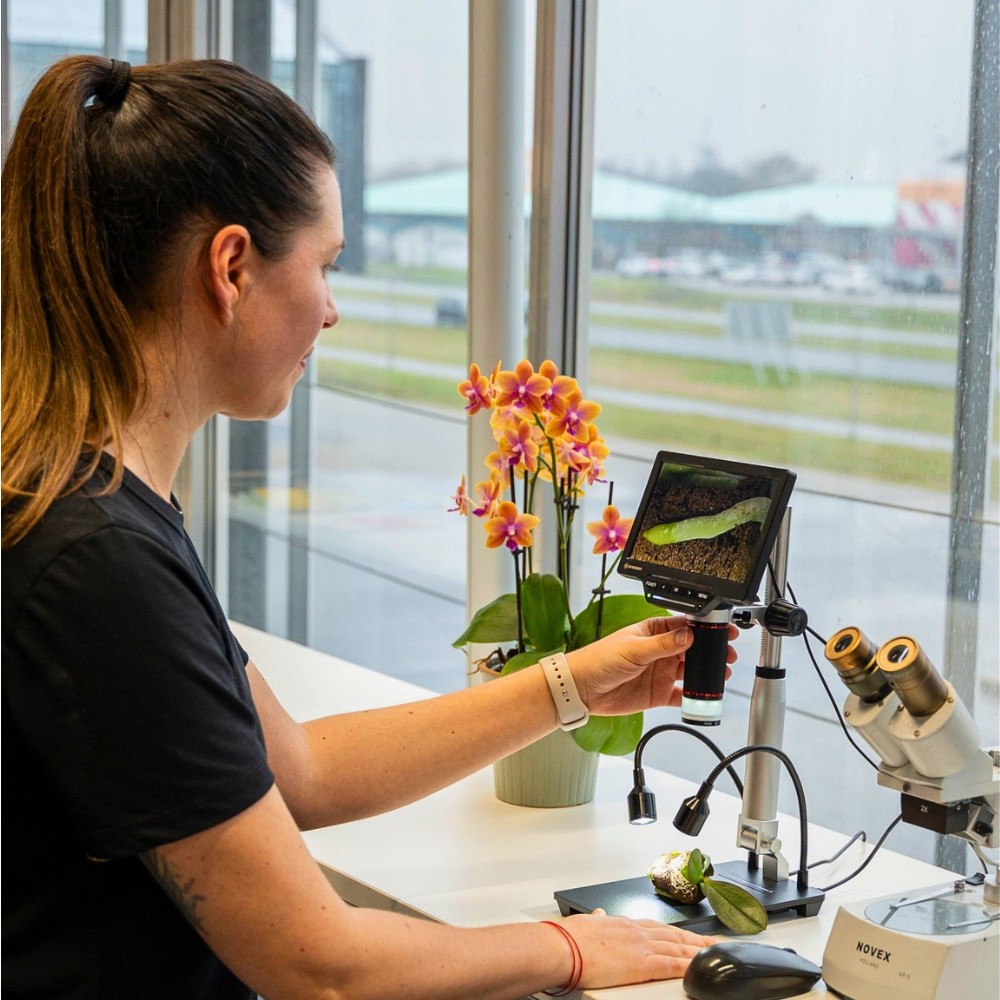
Ter Laak:
“So we started with seedlings, and our breeding activities have since developed professionally, with applicability, color, shape, and leaf position being the main factors."
Ter Laak's approach is focused on the conviction that differentiation is the key to commercial success. Instead of competing directly with the large-volume standard varieties produced by the biggest breeders, they have built a reputation on varieties that offer what is visually distinctive while remaining commercially viable. This requires a refined eye for aesthetics, plus the practical discipline to ensure that beautiful plants are also strong.
Selection Criteria and Long-Term Vision
Each new variety from Ter Laak has to meet a significant number of selection criteria. Shelf life, growth quality, and other performance characteristics are all evaluated before a variety is considered ready for the market. For expanding and strengthening the range, Ter Laak brings its own bred varieties to its distribution partners so that they can be sold and promoted worldwide, allowing the breeding team to focus on innovation, shelf life, and leaving its footprint in the industry.
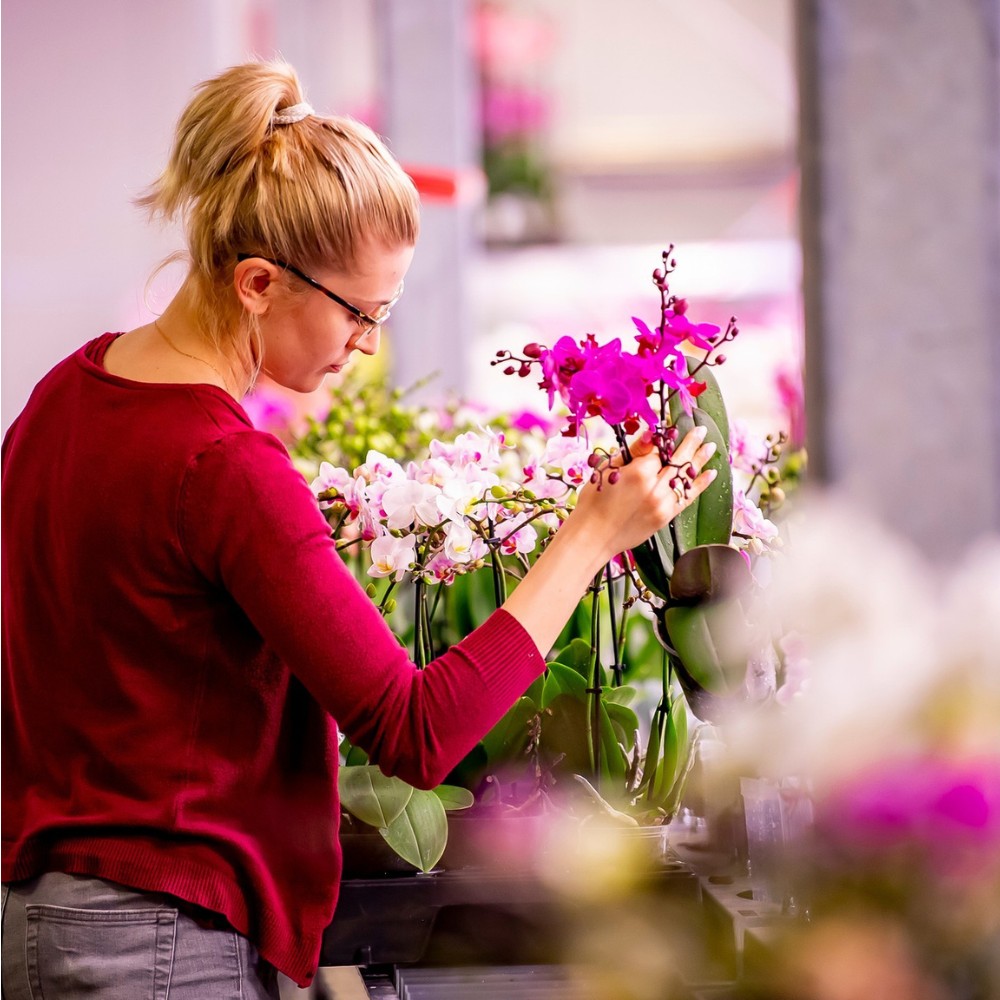
This approach, between breeding expertise and commercial distribution, allows Ter Laak to concentrate its energy where it is most effective while still reaching growers around the world.
5. Bremkens/Hark (Germany / Netherlands, Now Within the Labeau Ecosystem)
Hark's story in Phalaenopsis breeding is one of the most distinguished in the industry. As a traditional horticultural company founded in 1904, Hark has been involved in orchid breeding since 1949. After Ingrid and Fritz Hark took over the company in 1986, the focus moved to building up the plant cultivation laboratory.
Breeding continued to develop, with numerous varieties used by customers for their own production and for distribution to young plant customers. The connection to Bremkens, a Dutch operation that has worked closely with the Hark genetics program, has further expanded the wideness of the germplasm available under this banner.
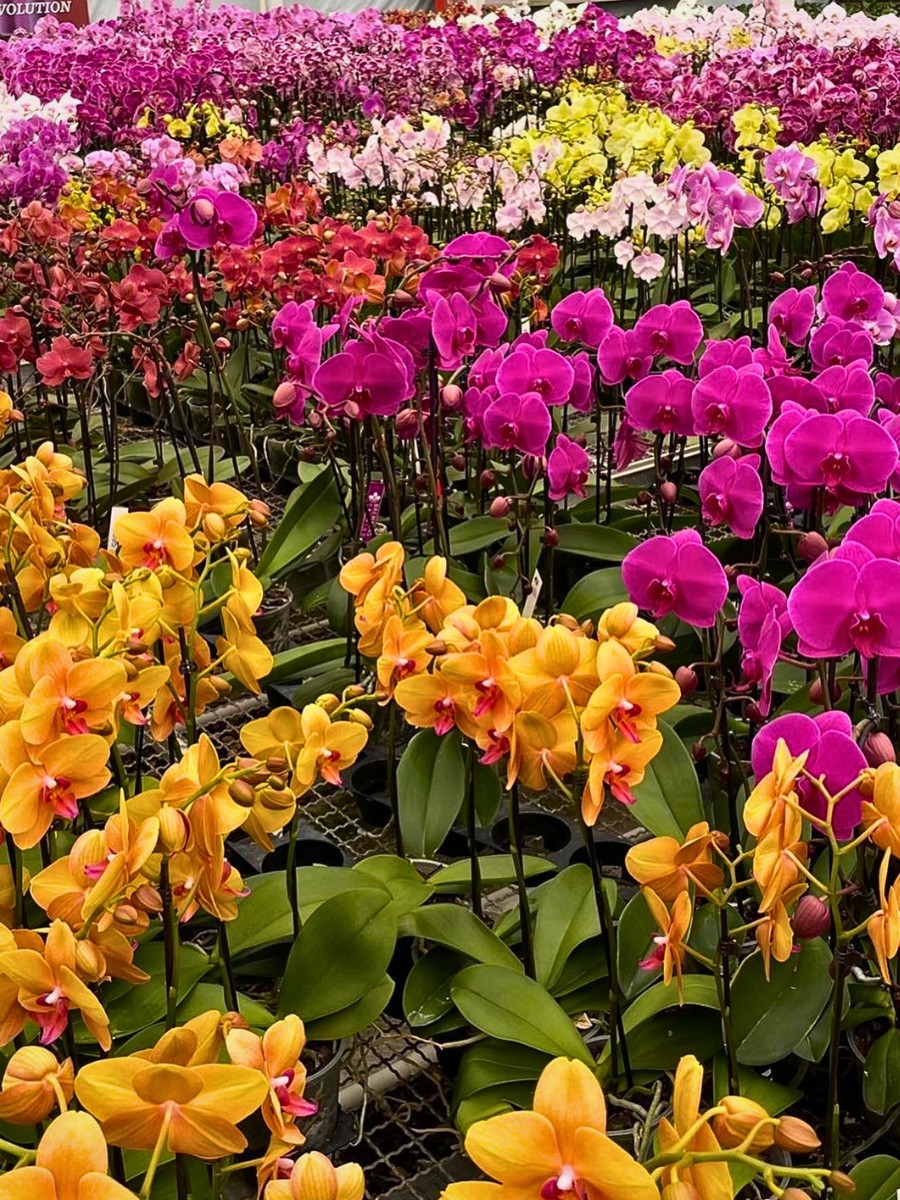
The Hark legacy is something rare in commercial horticulture. Their breeding program, which was winning recognition from independent expert bodies like the Royal Horticultural Society in the 1970s, has continued to innovate without interruption through several generations of ownership. That institutional continuity is valuable because it means decades of genetic material, crossing records, and selection data are preserved and built upon, not lost to ownership transitions.
Ongoing Relevance of the Hark Genetics Platform
Phalaenopsis has established itself in recent decades as the most successful ornamental plant on the market. The plants are appreciated by consumers for their variety and longevity, and can be grown year-round by growers. Despite fluctuating demand, seasonal challenges in production, and enormous cost pressures, Phalaenopsis will continue playing an important role. Hark's genetic resources, now flowing through the Labeau structure, continue to contribute to the development of new varieties that meet the evolving requirements of a global and competitive market.
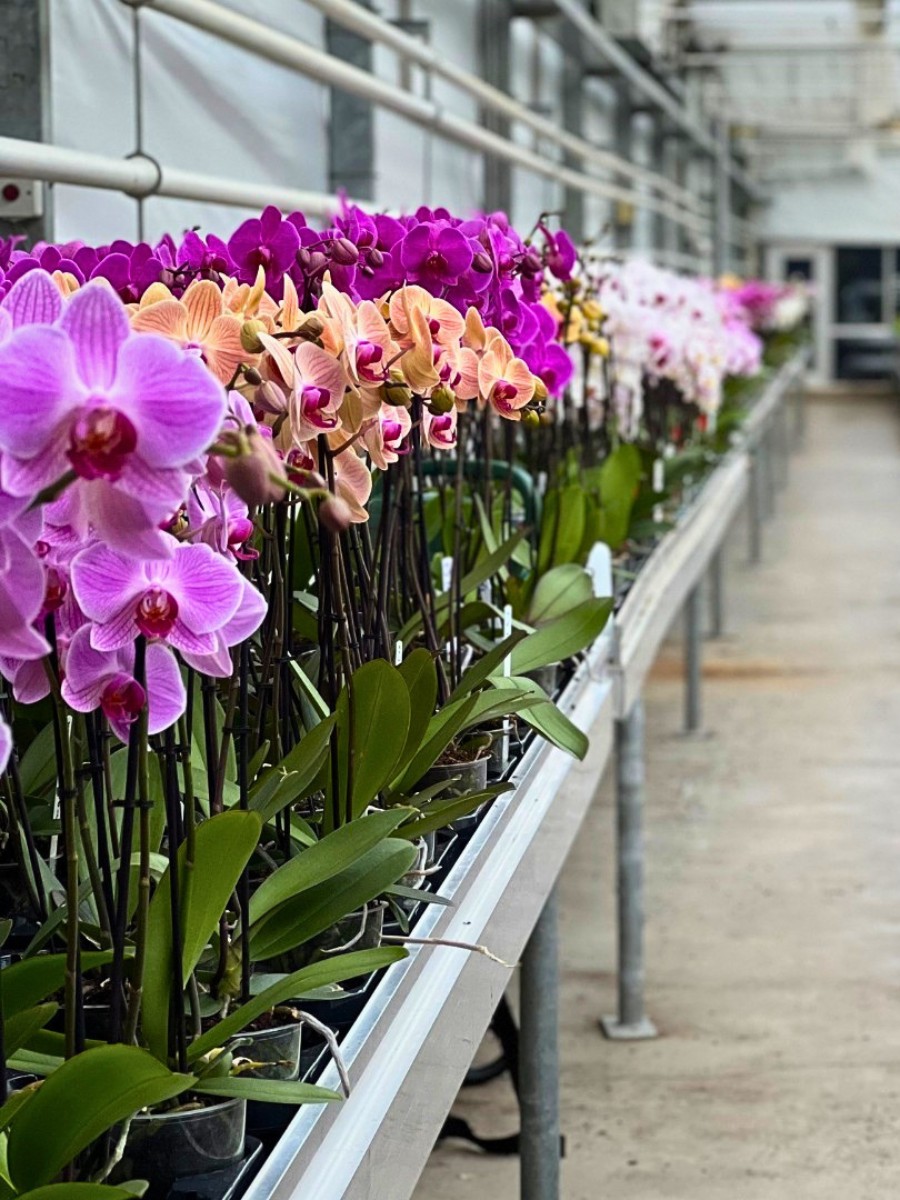
6. CJ Orchids (Netherlands, Within the Labeau Ecosystem)
CJ Orchids' breeding activities came about as a result of its own needs as it sought suitable varieties that fit its growing approach. Their goal is to combine all good qualities in one or more varieties. Some of the most commercially effective breeding programs (like CJ Orchids’) begin in the nursery, and not necessarily in a lab. The grower realizes that nothing on the market quite meets the needs of their operation and decides to develop a better variety themselves.
CJ Orchids has since formalized and expanded its breeding program, working within the Labeau ecosystem to bring its varieties to a wider audience. The current focus is on breeding new yellow and purple varieties, areas where the market has shown strong consumer interest and where there is still great room for improvement. Yellow and purple Phalaenopsis varieties have historically been challenging to produce with the consistency and color saturation that retail markets demand, making this a worthwhile area of investment.
7. Shulong Flowers (Taiwan's Phalaenopsis Breeding Sector)
No discussion of global Phalaenopsis breeding is complete without acknowledging Taiwan's central role in the industry's development. Large commercial nurseries, particularly in Taiwan, the Netherlands, Thailand, and China, specialize in producing millions of orchids each year through sophisticated propagation techniques. Modern orchid production looks more like biotechnology than traditional gardening.
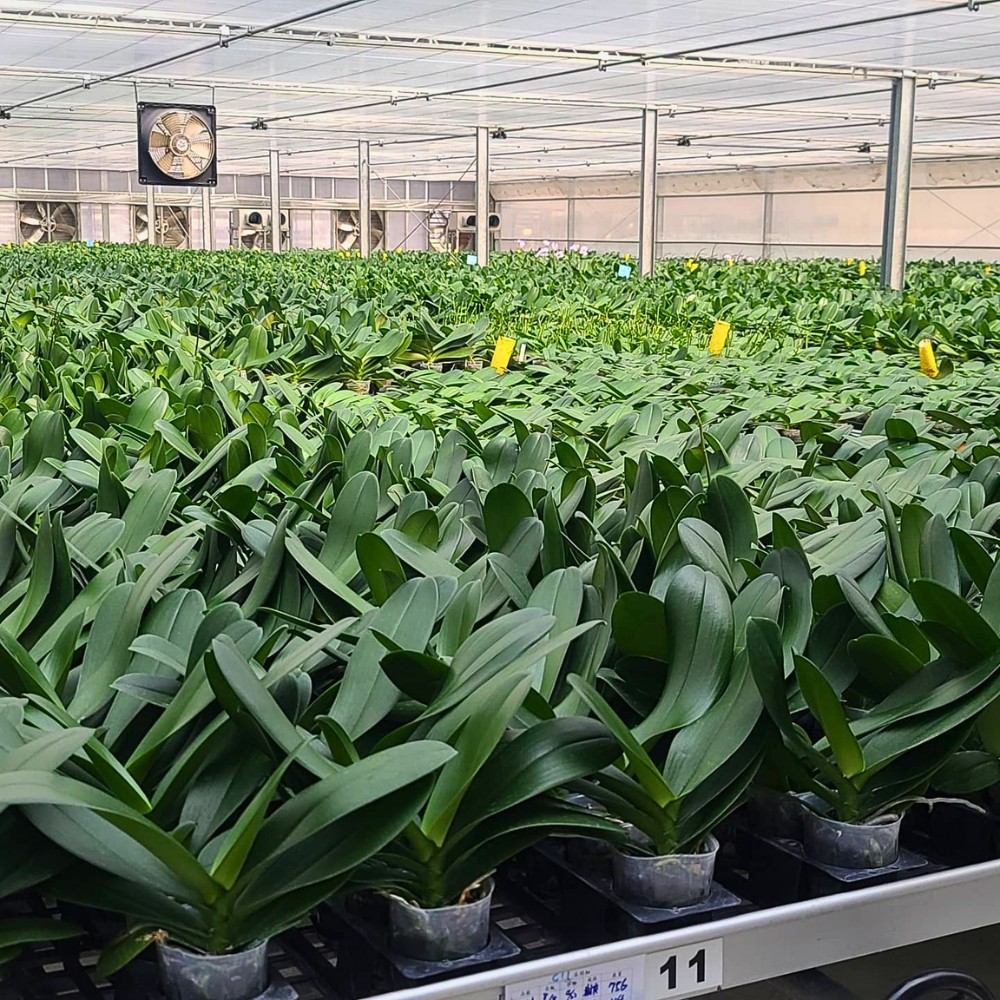
One of the most important strategies in Taiwan's Phalaenopsis industry has been the breeding and development of new varieties. Pedigree analysis of the most popular white hybrids indicates that tetraploids of Phalaenopsis amabilis and the hybrid Phalaenopsis Doris were used frequently as parents. Besides standard big-flower Phalaenopsis, the development of novelty varieties such as Harlequins and multi-floral types has constituted a significant new trend in breeding programs and markets.
Taiwan has also been responsible for some of the most significant genetic breakthroughs in the history of the genus. A new group of commercial Phalaenopsis varieties emerged at the end of the 20th century with non-conventional flower colors, characterized by blotches of spots resembling a clown face with painted red or magenta-black spots, commercially called Harlequin Phalaenopsis. Studies show that the flower colors were triggered by a single point mutation in in vitro plantlets. Harlequin Phalaenopsis have since become one of the most commercially successful novelty categories in the global market.
Shulong Flowers is Taiwan's significant contribution to the global Phalaenopsis market, specializing in varieties that showcase the island nation's orchid heritage. Taiwan contributes substantially to the international orchid trade, with Phalaenopsis exports valued at $140 million annually.
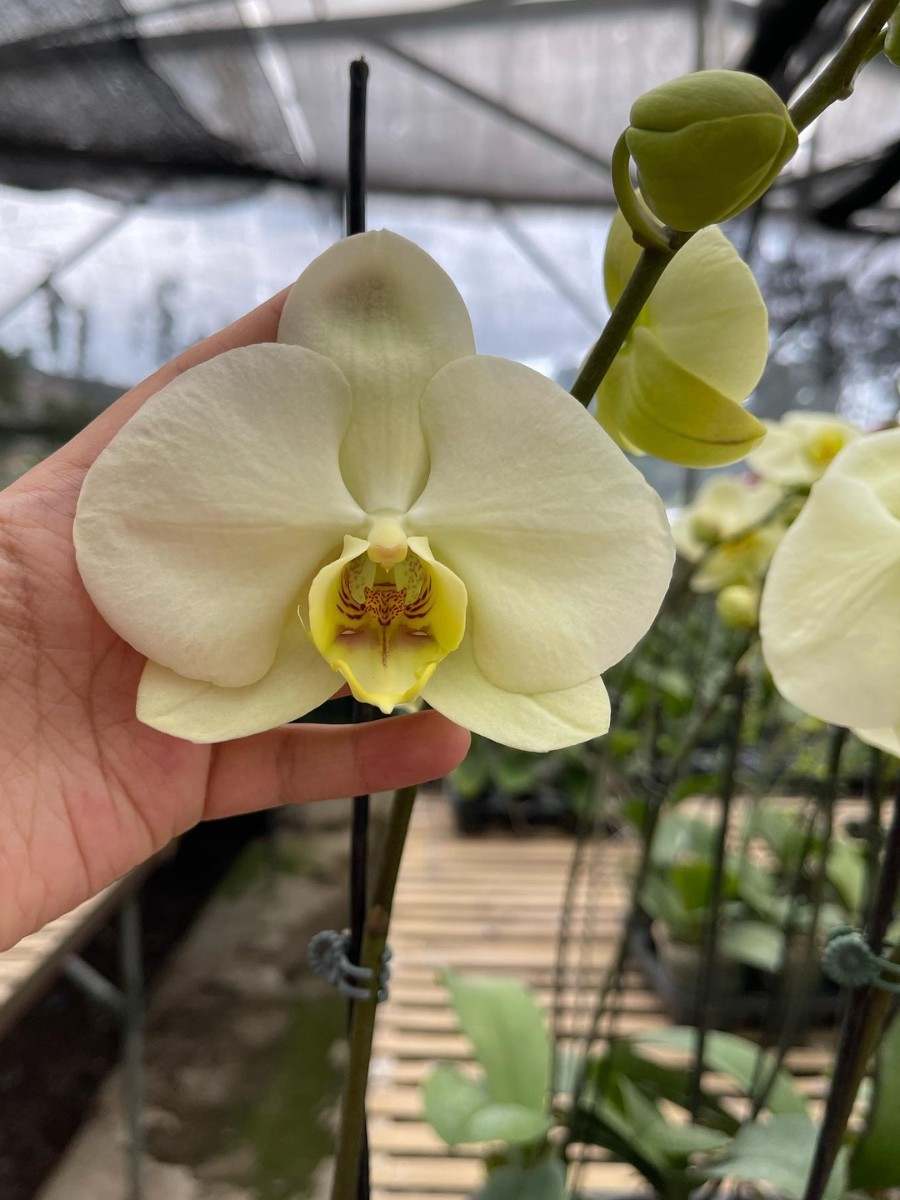
Shulong Flowers offers a broad selection across various pot sizes and flower characteristics, including white, red, purple, pink, novelty, fragrance, big lips, and elegant purple categories, which show Taiwan's rich genetic resources and advanced breeding capabilities that have established the Island as a major player in global orchid markets.
Shulong Flowers' focus on fragrant varieties shows their understanding of emerging market trends, while their novelty and big lip categories showcase innovation in flower form and structure. These specialized offerings serve niche markets that value unique characteristics and distinctive appearance.
Competitive Dynamics of Taiwan's Orchid Industry
Taiwan's orchid breeders develop continuously to make international customers notice the diversity and R&D capabilities that they offer. But less than 5% of varieties make it from testing to real commercialization; the remaining 95% are eliminated. This intense selection pressure produces plant material of high quality, and Taiwan's breeders have proven themselves capable of developing varieties that succeed in Asian markets and across Europe and the Americas.
8. North American Phalaenopsis Breeding
The North American Phalaenopsis breeding scene encompasses numerous companies contributing to regional market development and genetic innovation. Notable breeders include Gubler Orchids, Waldor Orchids, Odom's Orchids, Inc., and Kawamoto Orchid Nursery, each with specialized expertise and genetic resources.
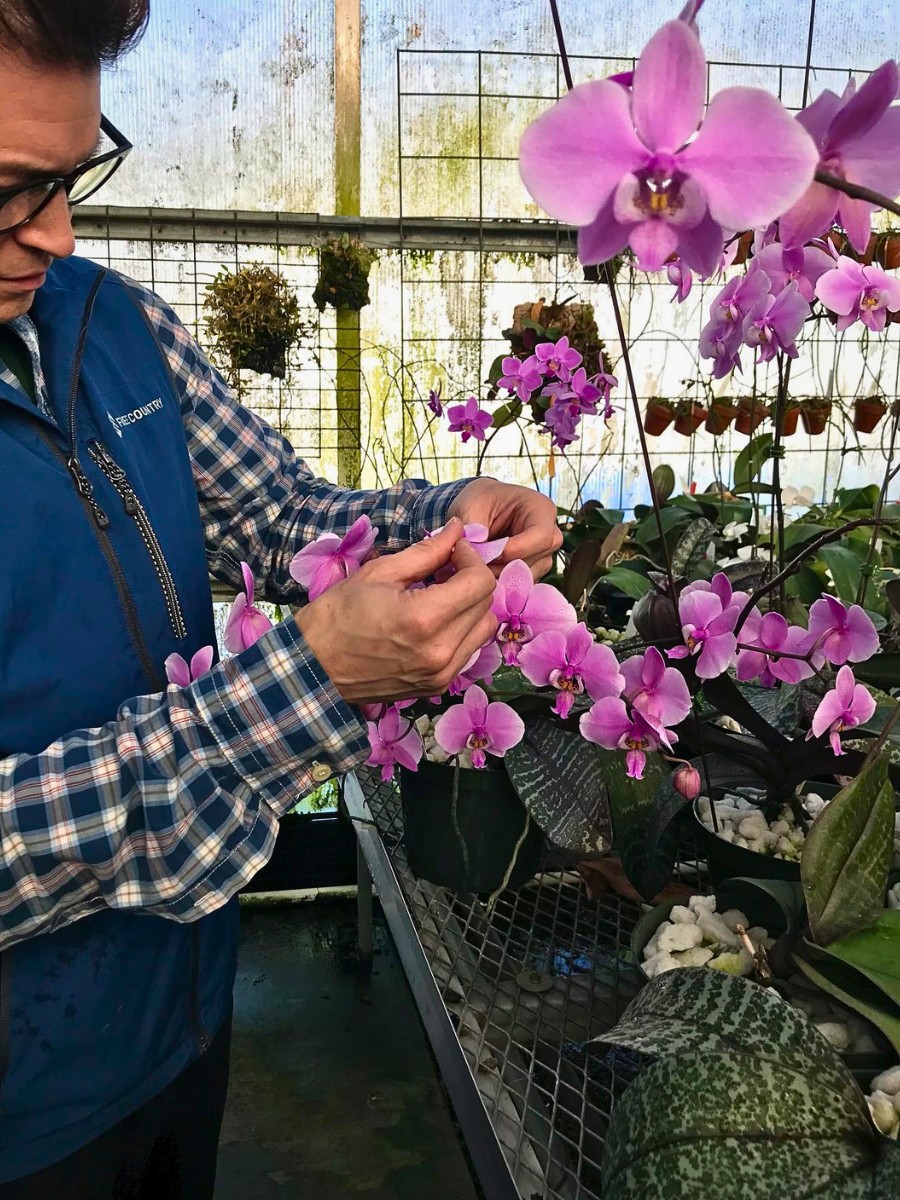
Robert Bedard Horticulture continues Herb Hager's renowned breeding lines, showing the commitment to genetic legacy preservation while pursuing breeding excellence. Gold Country Orchids specializes in miniature and compact Phalaenopsis varieties, serving the growing market for space-efficient plants suitable for smaller living spaces.
Others, like Easy Orchids and South Pacific Orchids, focus specifically on Phalaenopsis development, concentrating resources on advancing this crucial genus. Sapphire Dragon Orchids specializes in Coerulea Phalaenopsis hybrids and species, serving collectors and enthusiasts seeking distinctive blue-toned varieties.
Metrics That Continue to Define Phalaenopsis Breeding Excellence
Beyond the breeders themselves, it is worth returning to the parameters that separate good breeding from truly exceptional work. The metrics outlined earlier, like the genetic quality, shelf life, disease tolerance, and global reach, are joined by a broader set of considerations that increasingly define competitiveness in the modern Phalaenopsis market. Together, these criteria form the framework against which every serious breeder is measured.
1. Flower Quality and Visual Appeal
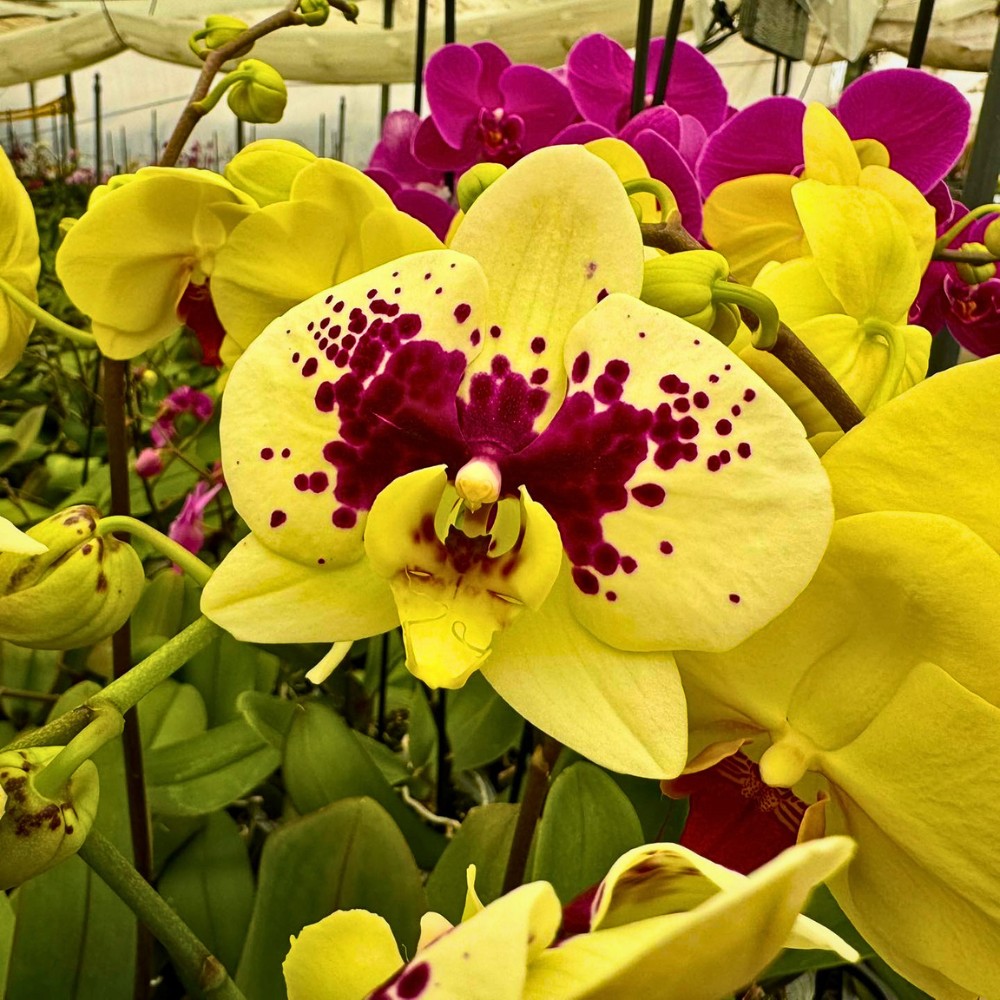
Flower quality encompasses size, shape, color consistency, petal texture, and the arrangement of flowers on the spike. Large, symmetrical flowers with clear, saturated color are generally preferred by retail consumers, though the market for miniature and novelty varieties continues to grow.
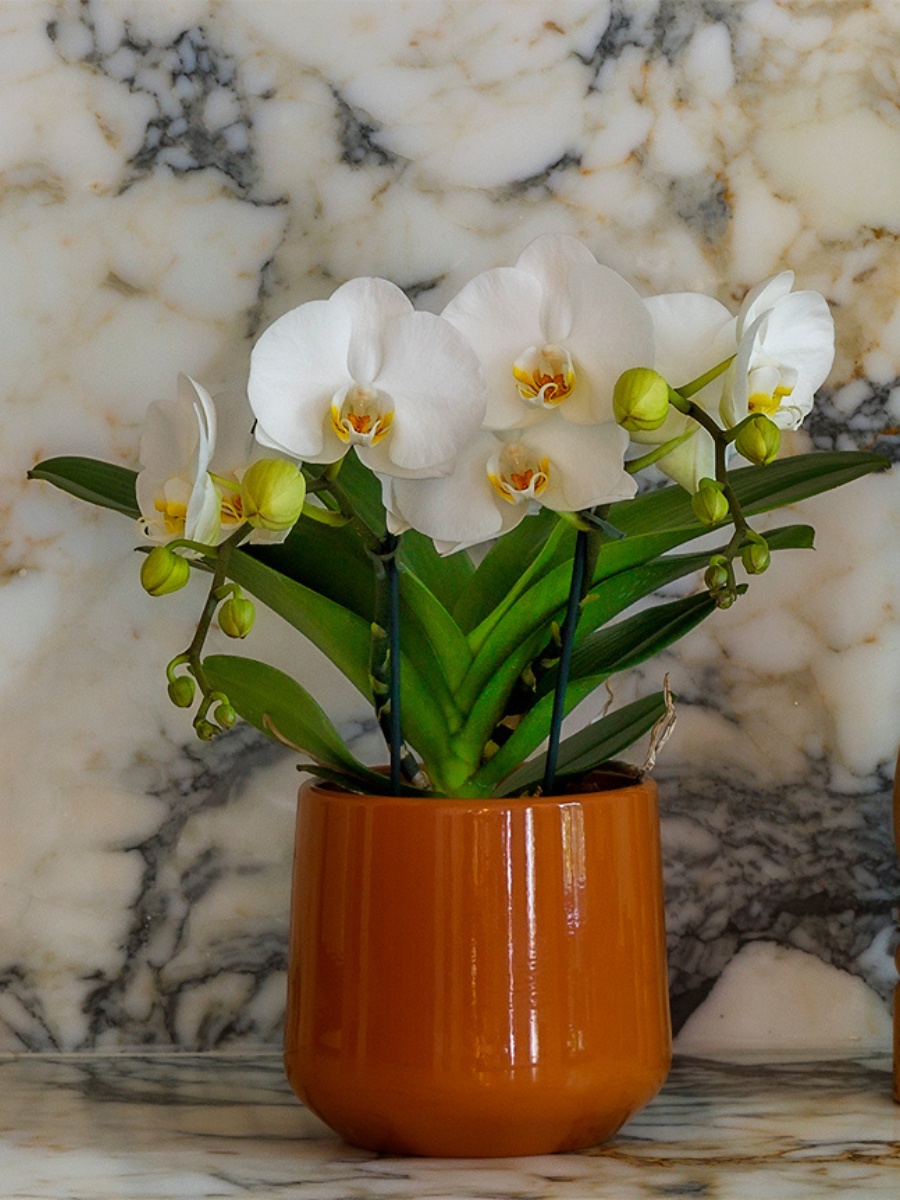
Color consistency refers to how reliably a variety reproduces its intended appearance across different growing conditions. A variety that looks stunning in a controlled greenhouse but loses its color intensity under retail lighting conditions is of limited commercial value.
2. Uniformity and Crop Predictability
For commercial growers, uniformity is as important as individual plant quality. A crop of Phalaenopsis where all plants flower at the same time, at the same height, with the same number of open flowers on the day they are scheduled to ship, is a commercially superior product compared to a crop with high average quality but unpredictable flowering timing. Breeders who prioritize uniformity make their customers' lives significantly easier and their businesses significantly more profitable.
3. Propagation Efficiency and Availability
The best variety in the world has limited commercial value if it cannot be produced in sufficient quantities to supply the market. Breeders invest heavily in propagation infrastructure, including tissue culture laboratories, acclimation facilities, and young plant production greenhouses, to ensure that popular varieties can be produced at scale. The availability of a variety across several growing seasons, with a reliable supply, is a key measure of a breeder's operational quality.
4. Sustainability and Environmental Footprint
The horticultural industry is under increasing pressure to reduce its environmental impact, and Phalaenopsis breeding is no exception. Breeders who develop varieties that require less water, fewer chemical inputs, and less energy to bring to market are providing value that goes beyond aesthetics into commercial advantage. Varieties with stronger natural disease resistance reduce the need for fungicide and bactericide applications, which benefits both the environment and the grower's operating costs.
5. Technology Integration
Marker-driven breeding accelerates variety development while reducing resource requirements through early trait identification. Molecular markers enable Phalaenopsis breeders to select promising candidates before extensive field testing, reducing time and costs while improving breeding efficiency.
Digital phenotyping systems automate data collection and analysis, enabling evaluation of larger populations while maintaining consistency and accuracy. These systems support data-driven breeding decisions while preserving human expertise for aesthetic evaluations that remain essential for market success.
Artificial intelligence applications in breeding program management optimize crossing strategies and predict variety performance based on genetic and phenotypic data. All these technologies enhance breeding efficiency while supporting the development of varieties that meet specific market requirements and performance criteria.
Featured image by Anthura B.V. Header image by @javadoplant.