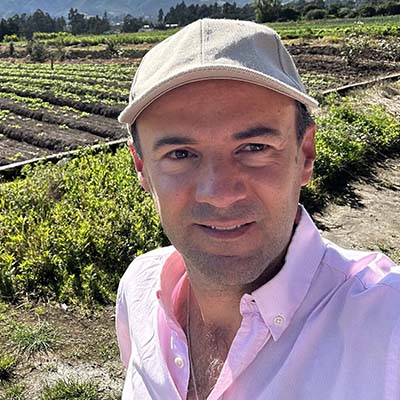
When I joined Agromonte around twelve years ago, one of the first things I wanted to understand was not only how our own company worked, but also what was happening in the Colombian flower industry around us. I came from finance, consulting, and production systems, so I naturally looked at the business from several angles at the same time.
Agromonte had already been in flowers for decades and had a history of doing things differently. As you could read in my previous blogs about branding, carnations and spray carnations were, and still are, our main business. Today, we grow them on around sixteen hectares and produce roughly three million stems per month. But we could also see more consolidation in the flower business and more growers competing in established product groups.
That made us ask a simple question: what can we do that is different?
Choosing the Difficult Crop
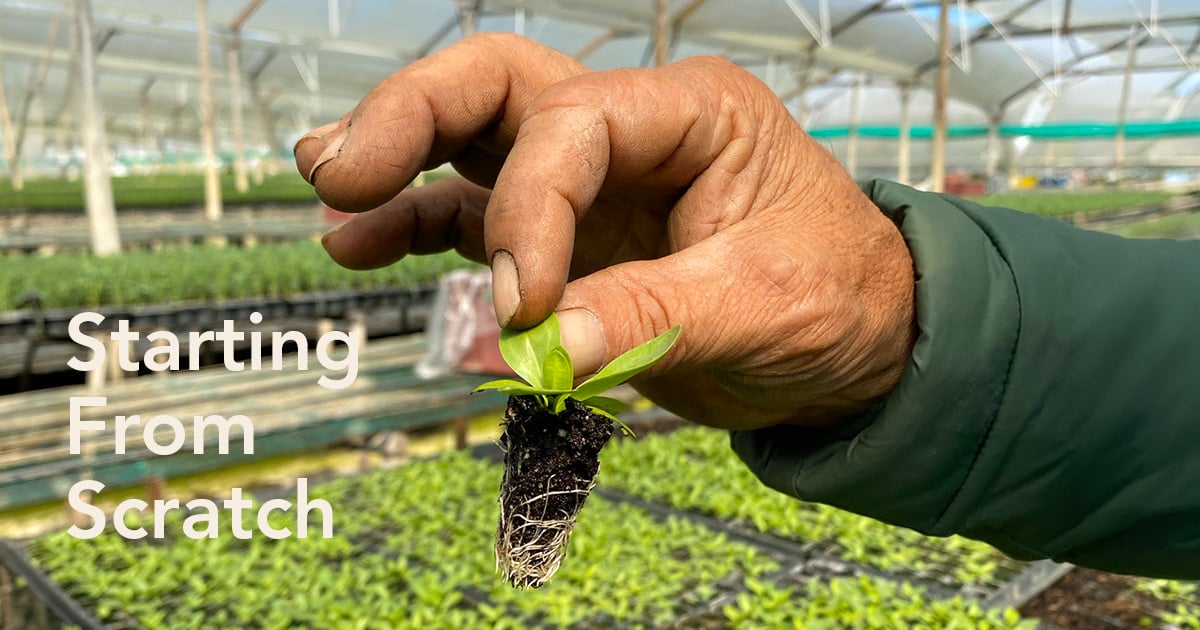
We started looking at other flowers, and Lisianthus caught our attention precisely because it is difficult. Many growers in Colombia had tried it, but producing it consistently was a challenge. For us, that was not automatically a reason to stay away. It was a reason to learn.
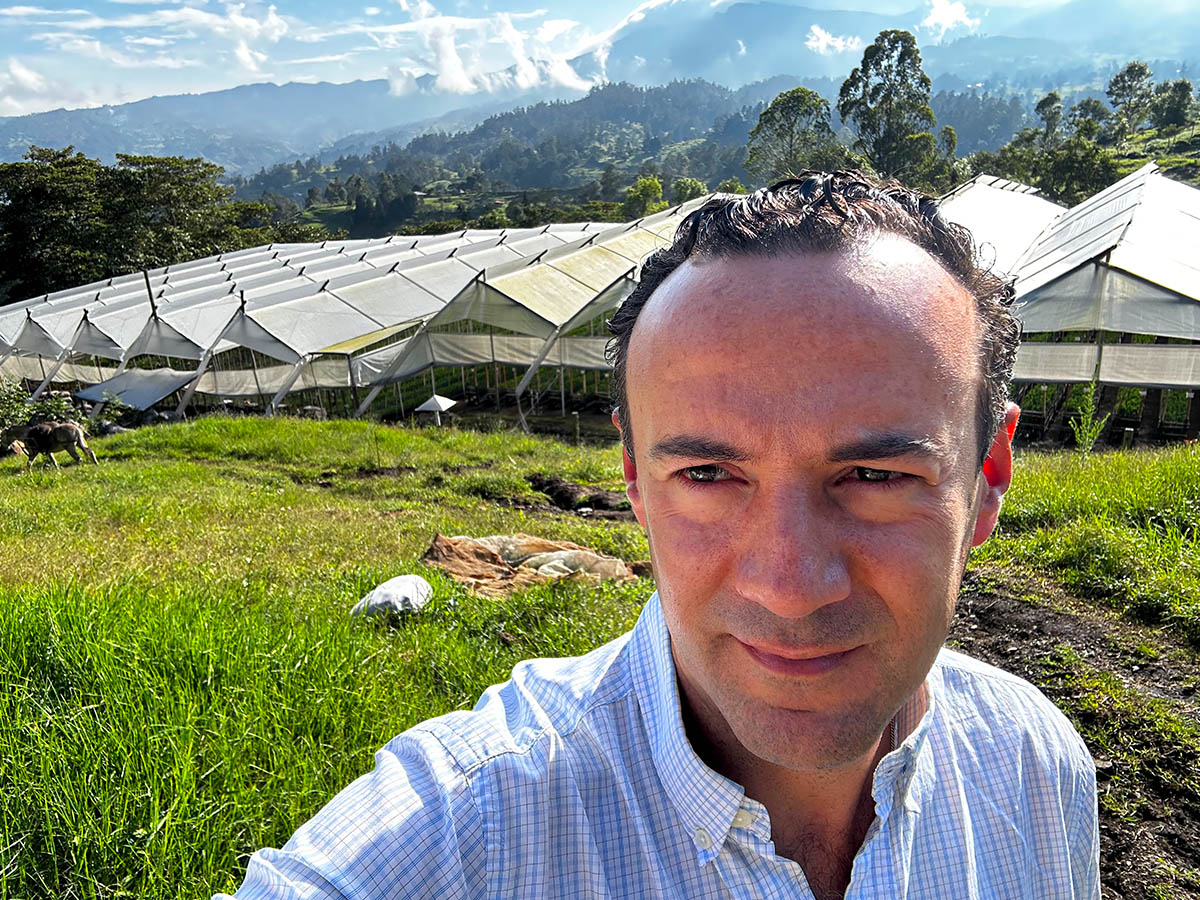
Our thinking was that if something is difficult, and if we can understand it better than others, that knowledge can eventually become an advantage.
The first trial showed us exactly what we were getting into. We planted a small area, and everything died. When people came to see the place, they joked that we were going to the cemetery. There was practically nothing left alive.
Still, we continued.
That approach fits Agromonte. Over the years, we have been early with several developments, including hydroponic growing, recycling water and rice husk, and using solar electricity. We like to test ideas, but we do not normally start big. We prefer to start small, learn, improve, and then decide whether scaling makes sense.
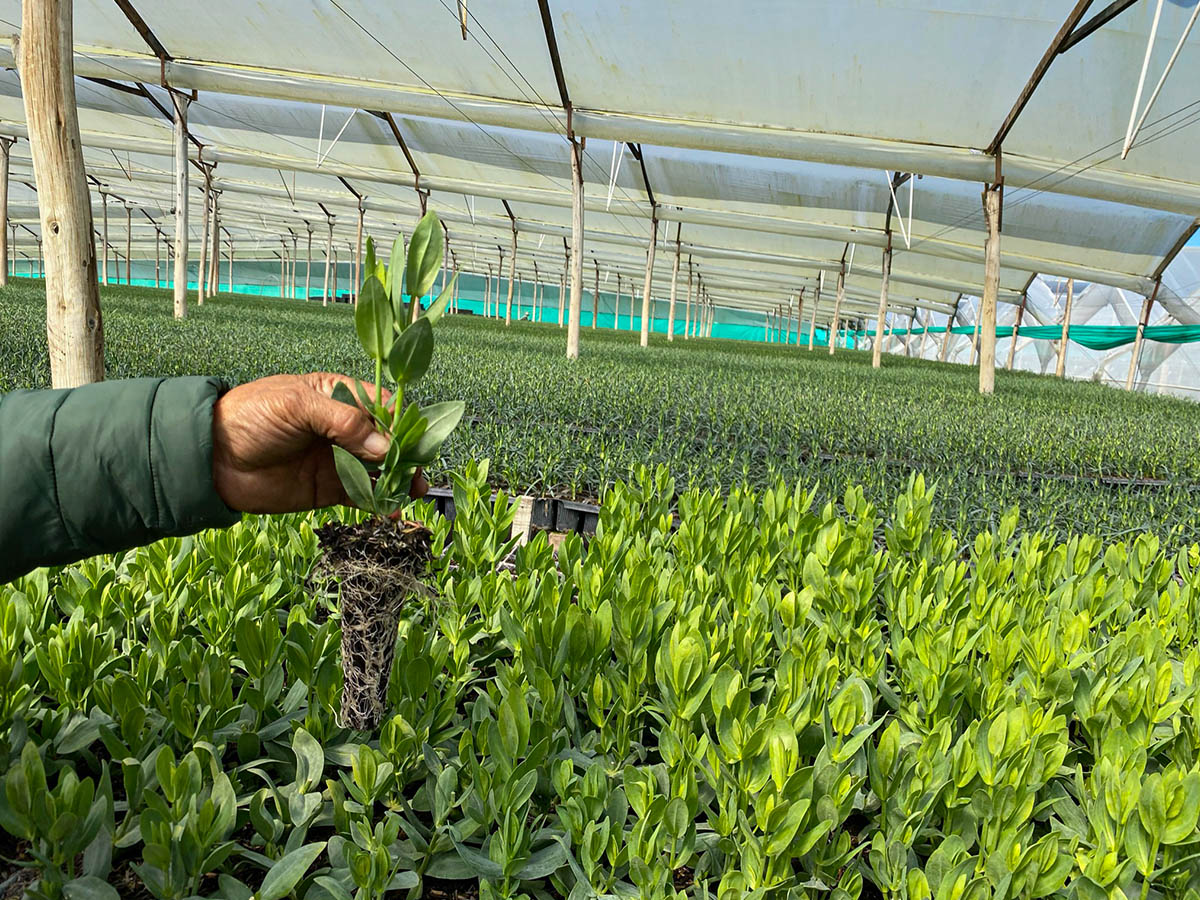

Taking Risk Without Betting the Farm
That was also our financial approach with Lisianthus. Agromonte carried the risk itself, but we controlled that risk by keeping the first trials very small. We knew we could lose money. The idea was to make sure that, if we lost, we lost little while gaining knowledge.
There was no moment when we decided to make a huge investment and hope it would work. We added experience step by step. That made the learning process slower, but it also made the financial exposure manageable.
Lisianthus has now been part of our development for around seven years. It has taken a long time to reach the point where the crop can support itself commercially. During roughly the last two years, it has been able to cover its operating costs, and in 2026 I expect the result to improve further.
That does not mean I consider the project finished. It is profitable, but it is still very small. We have around half a hectare of Lisianthus compared with the much larger area dedicated to carnations and spray carnations. There is still a lot we need to improve before I would call it a major business for Agromonte.
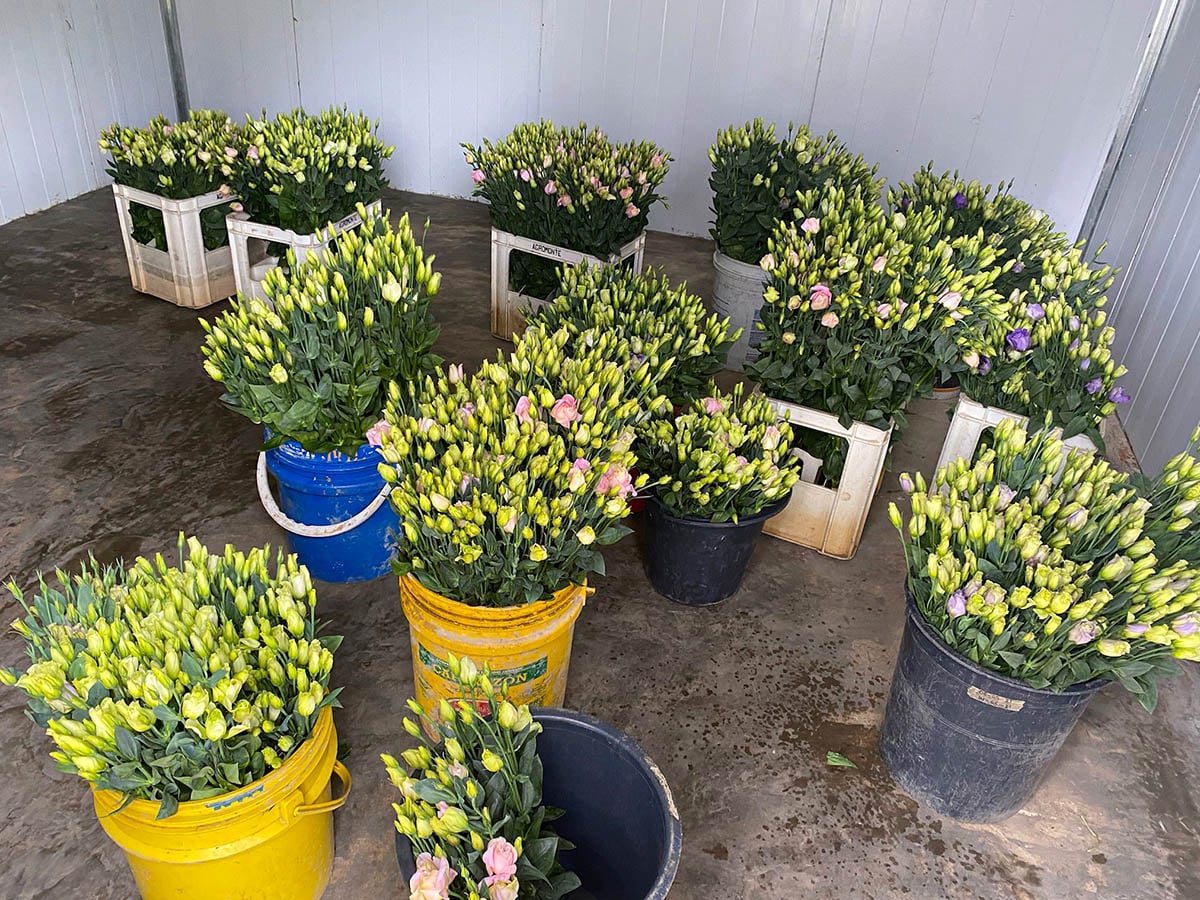

What Happens After You Learn How to Grow It?
The interesting part is that the challenge changes over time. In the beginning, our main question was simply: "Can we grow this flower successfully in our conditions?" Then it became: "Can we grow it consistently?" After that: "Can it pay for its own operation?"
Now we are moving toward another question: can we take everything we have learned and build a stronger commercial position with it?
For me, this is what innovation in floriculture often looks like. It is not always a new idea that immediately gives you a return. Sometimes it is choosing something difficult, accepting that you will make mistakes, and building knowledge slowly enough that the mistakes do not put the rest of the business at risk.
Our Lisianthus started in what looked like a cemetery. Seven years later, it is still here, and we are still learning. That, for me, is already an important part of the result.

All images courtesy of Agromonte.