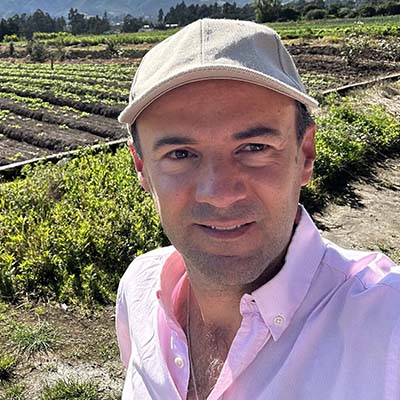
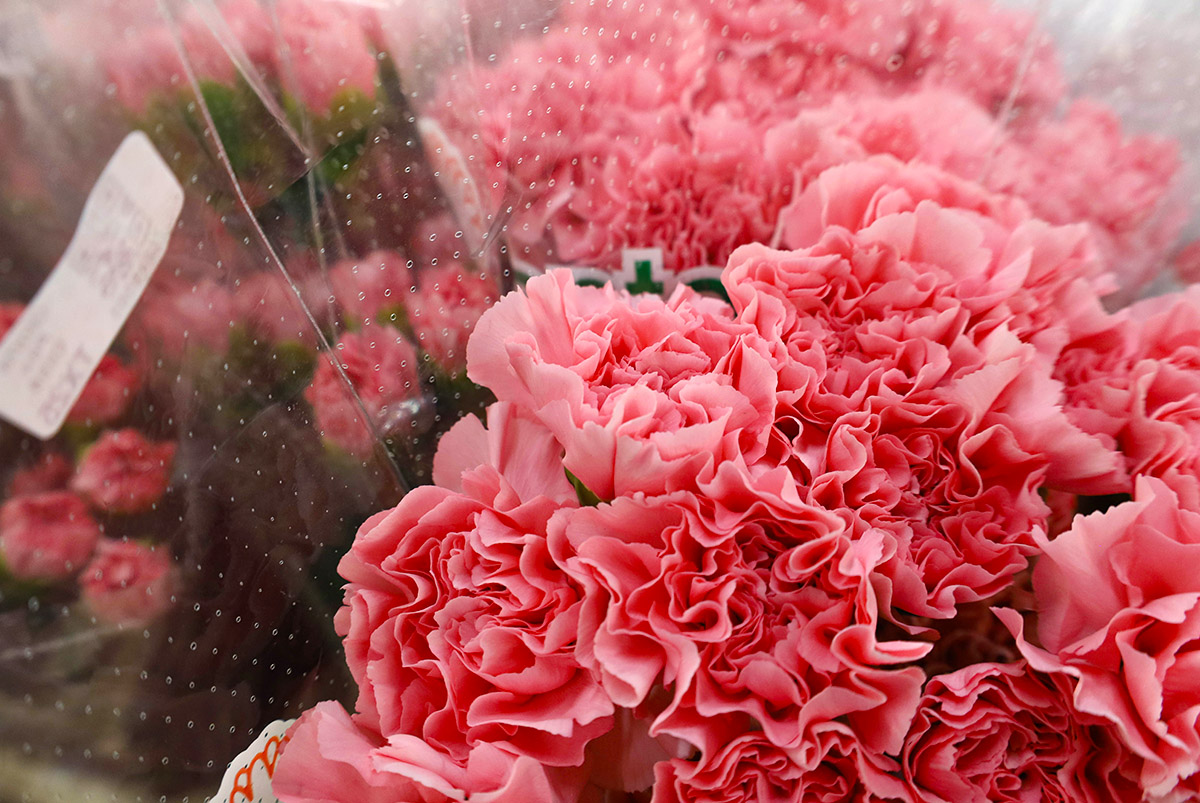
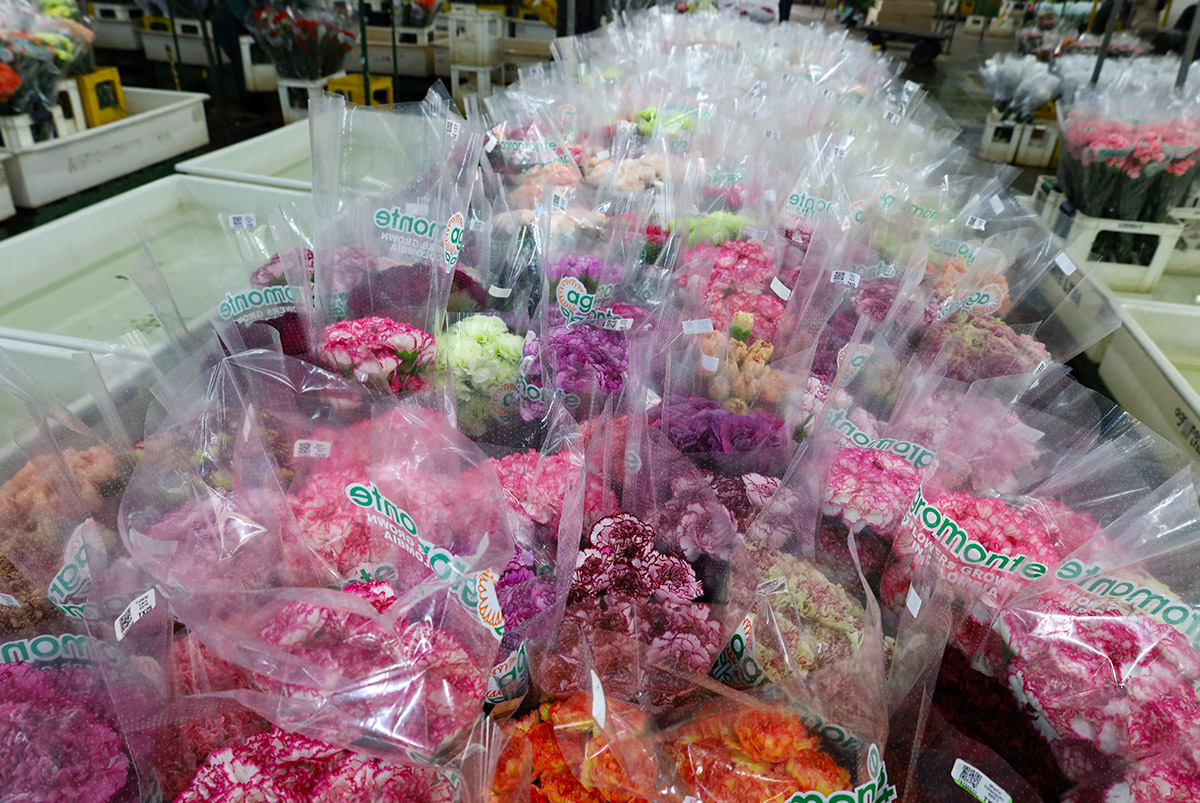
I am the General Manager at the Colombian Dianthus and Lisianthus farm, Agromonte. And if I had complete control over how our flowers travel through the market, I would prefer people to see the Agromonte name on the sleeves. I believe in our product, in the way we grow it, and in the practices behind our farm. So, yes, naturally I would like the brand to stay with the flowers.
But the floral chain does not work that simply. So, here's our story of co-branding.
Co-Branding Is Also About Trust
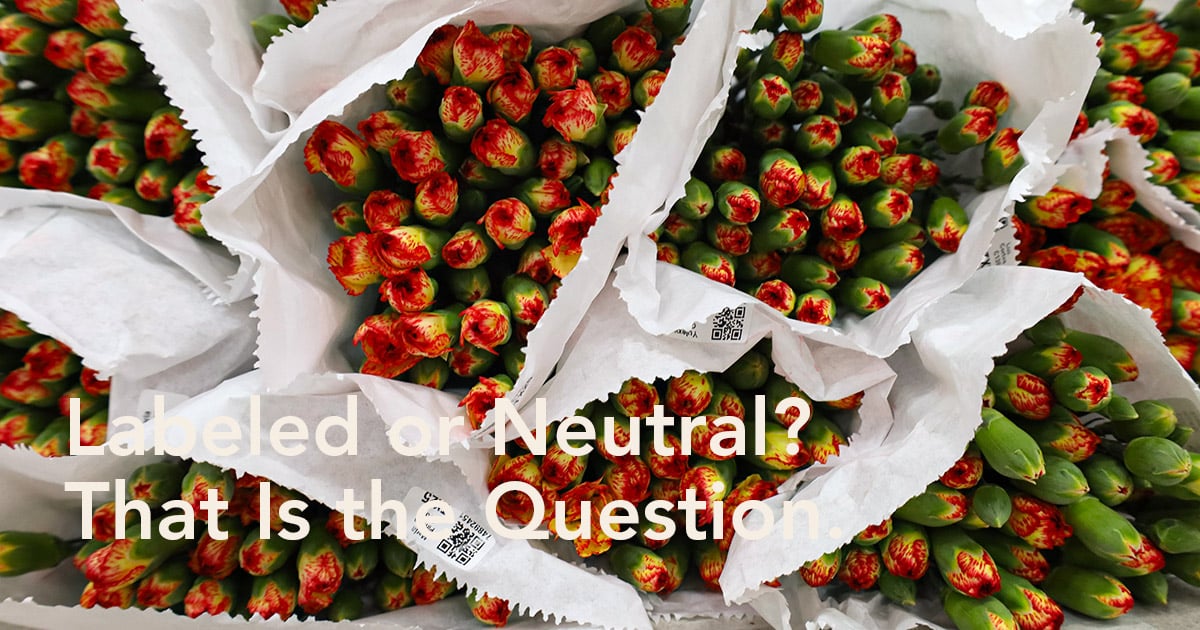
Agromonte sells into several different markets, including the United States, Europe, Australia, and Japan, and each market has its own commercial habits. Some customers actively use our brand. Others prefer their own private label. Some use a neutral sleeve. We also have customers with whom we share the space on the packaging: their name together with "made by Agromonte."
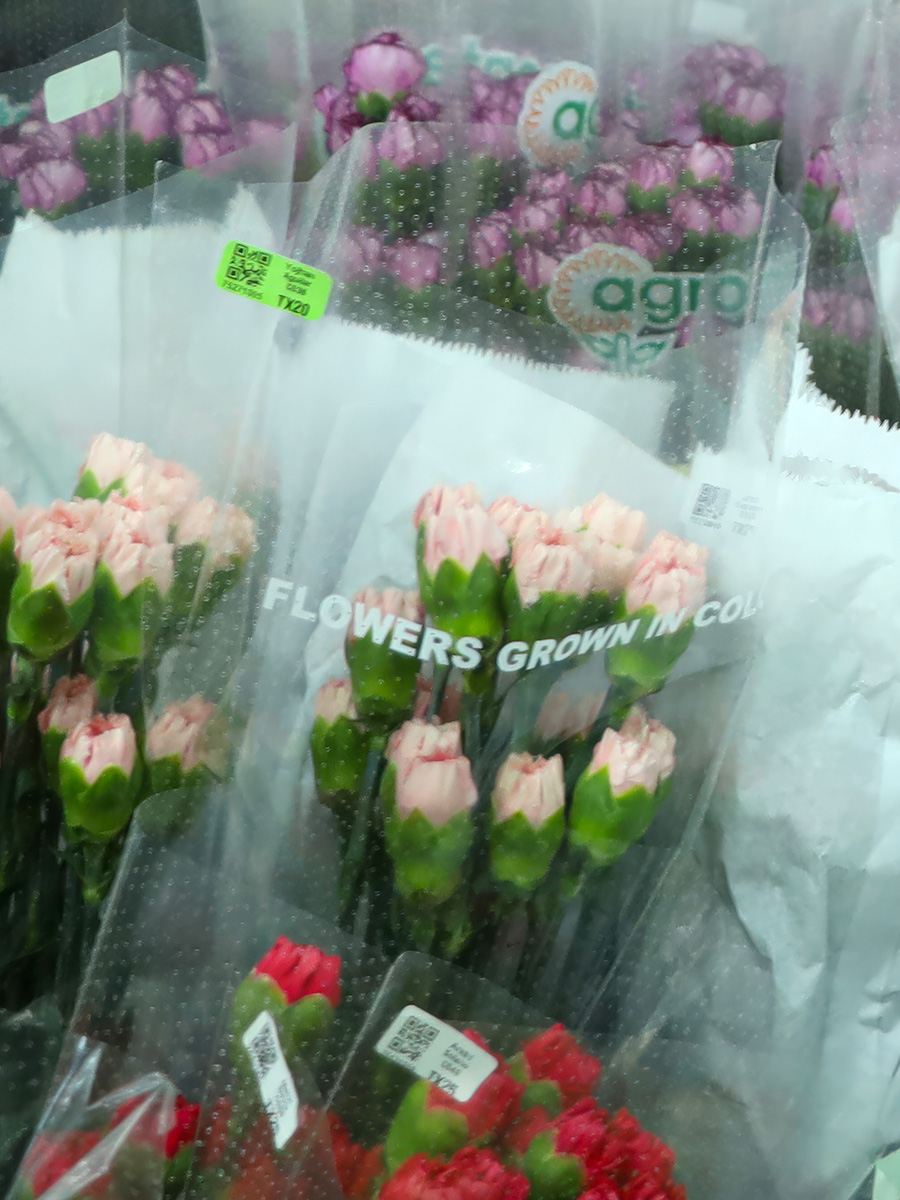
Today, I estimate that around 30% of our customers use our brand when selling our flowers.
Personally, I like co-branding. When two companies are willing to put their names together on one product, that says something about the relationship. You are both connecting your reputation to the same flowers.
Branding also brings responsibility. When your name is on the sleeve, quality becomes directly connected to your reputation. I am comfortable with that, but I also understand that our customers have their own brands to build. Ultimately, it is often the customer who decides how the product is presented further down the chain.
Why Farm Identity Disappears
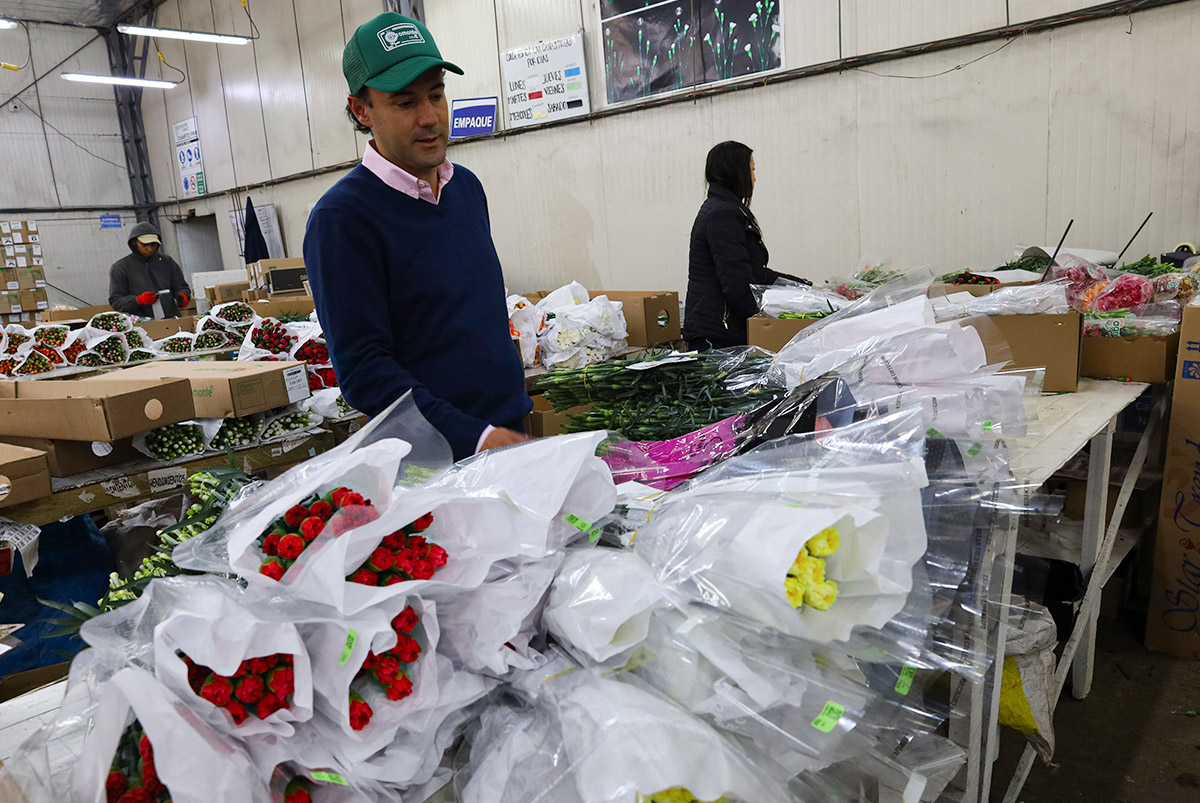
It is tempting to say that wholesalers remove grower names because they want to control the relationship with the florist. I would be careful with that conclusion. I have not personally seen wholesalers deliberately taking our identity off flowers. What does happen is that some customers buy without our brand, so the farm name simply does not continue through the system.
That is not necessarily something against the grower. Many supply chains work that way. A bouquet is a good example: the consumer sees the finished design and trusts the florist who created it. The florist may have used flowers from several farms and breeders. Should the consumer know all those names? I am not sure.
The Florist Needs a Reason to Care
However, I sincerely do believe the florist should have access to that information, especially when the farm can offer something relevant behind its name.
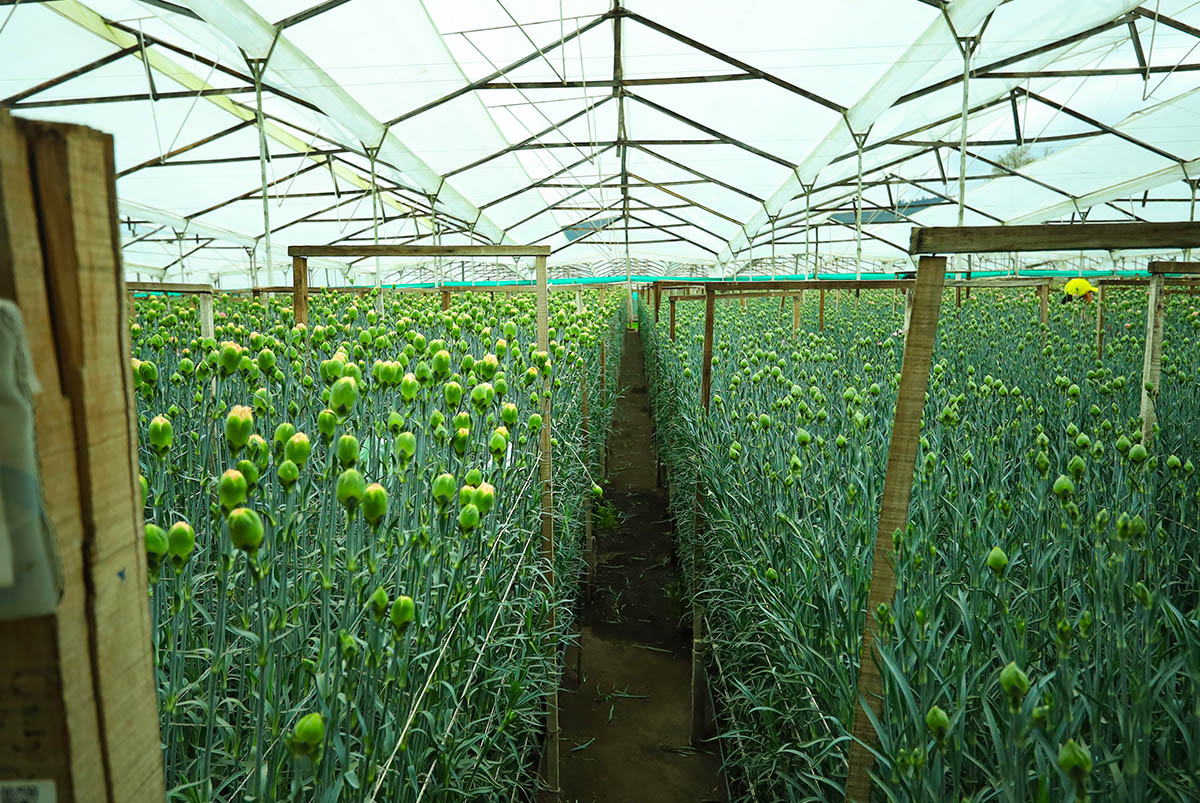
For Agromonte, quality is one reason. We do our utmost to grow flowers that perform well and have good vase life. If one flower can last two weeks instead of one, that has value. The farm name should give the florist confidence about what to expect.
The second part is about how the flowers are produced. In the long term, I believe social and environmental responsibility should matter more. The florist should at least be able to make choices that match the values of the business and its customers.
Naturally, there must also be an economic reason for the florist. Growers cannot simply say, “Please promote my farm.” We have to ask what the florist gains from doing that. Better reliability, longer vase life, a product story that can be shared with customers, or useful information about the flower can all be part of that value.
Connecting the Florist Back to the Farm
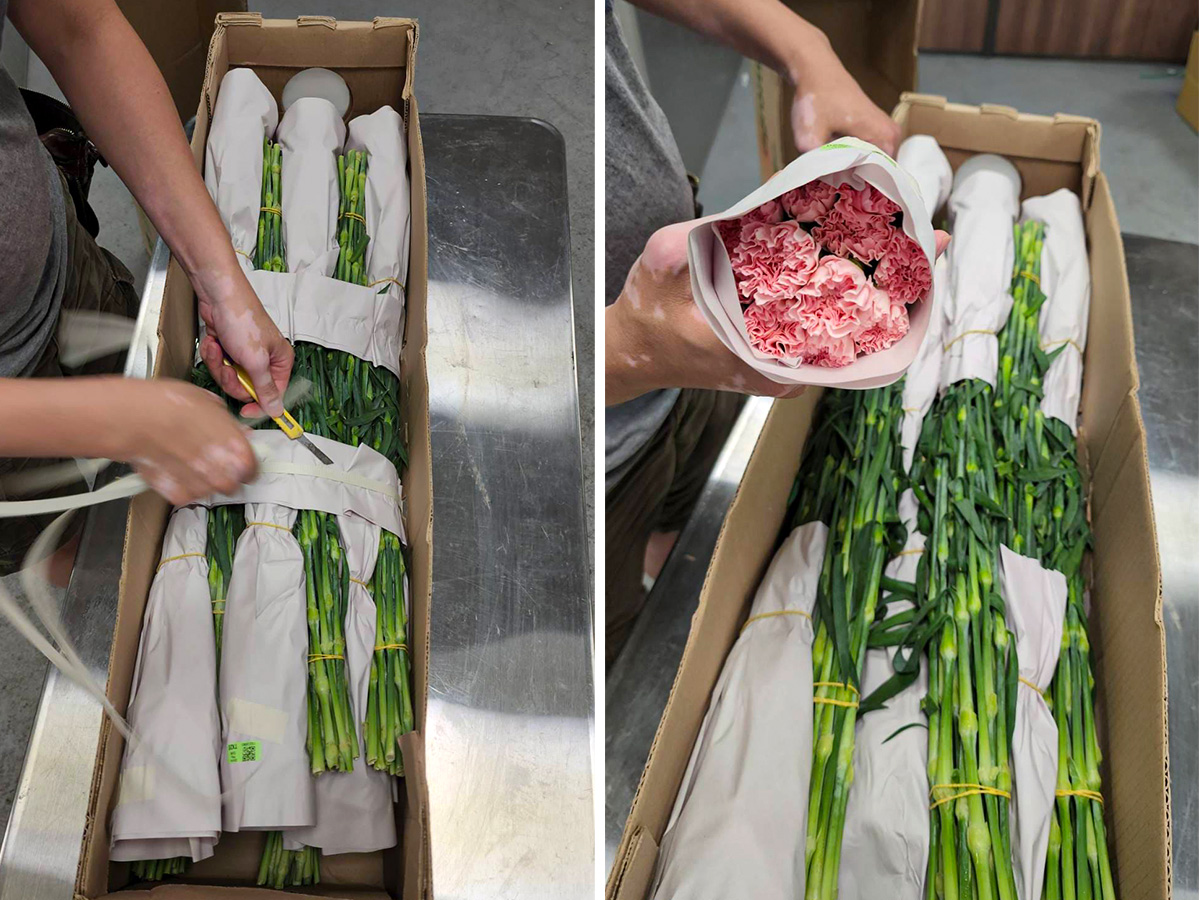
A QR code on the sleeve could help by allowing a florist to see where the flower came from, how we work, and what is happening behind the product. We would also have work to do ourselves. Our social media has traditionally been used more by employees and people in Colombia than by florists or consumers abroad, so our communication would also have to change.
There is already some evidence that farm identity can matter commercially. I know wholesalers who used to buy many boxes from us reduced their purchases considerably, perhaps looking for better deals, but still order a smaller number every week because they have customers who specifically ask for Agromonte flowers.
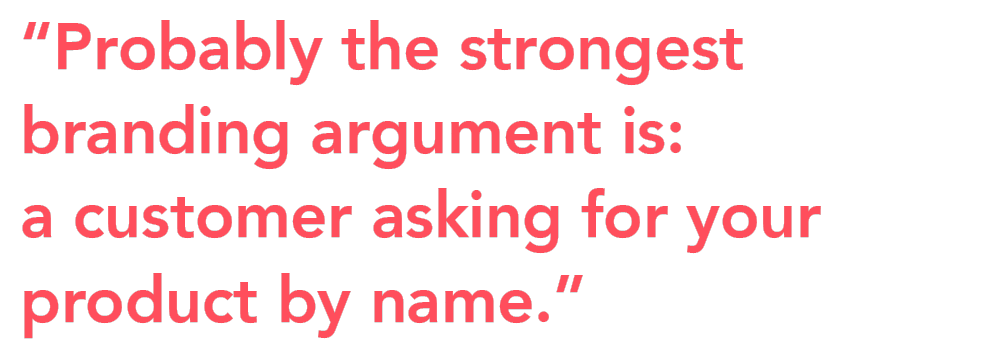
That is probably the strongest branding argument: a customer asking for your product by name.
If I were to test how far we can take that idea, I would probably start in the United States, a market I see as relatively open to doing things differently. And I would consider our Lisianthus. This is a relatively new and still small product for us, which makes it easier to experiment and learn.
For me, the goal is not to put the Agromonte name everywhere simply for the sake of visibility. The name has to mean something. If the florist sees quality, reliability, knowledge, and responsible production behind it, then the brand becomes useful. And when the brand becomes useful, there is a reason for it to stay with the flower.
All images courtesy of Agromonte.