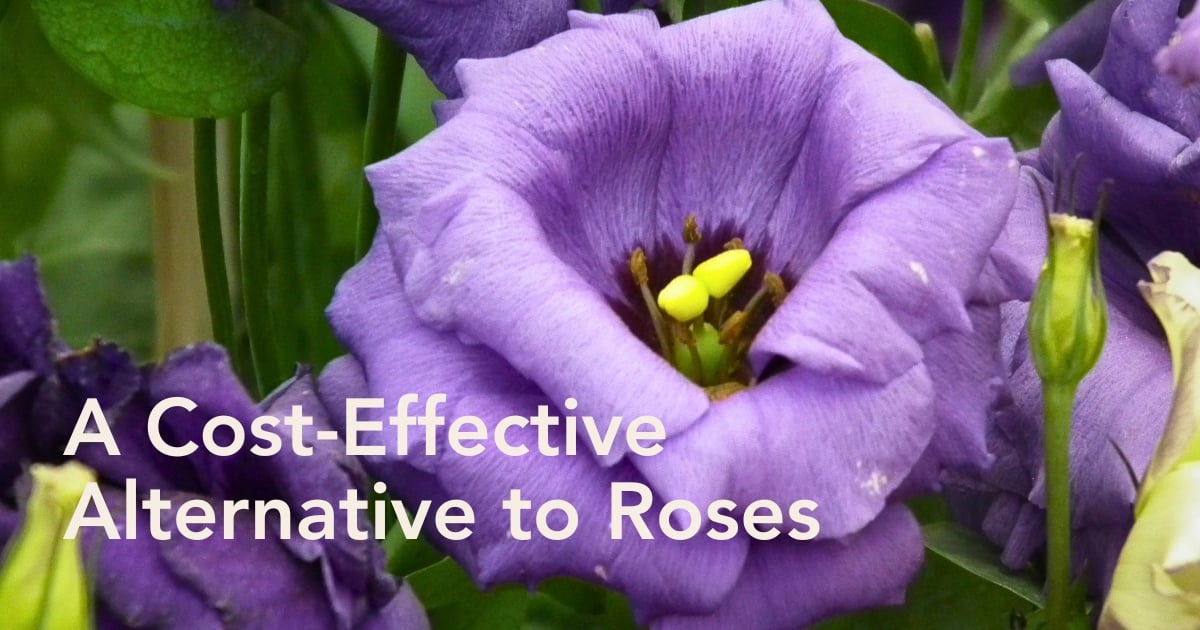
Most people come across Lisianthus as a flower in a bouquet, and it is easy to take for granted how extraordinary this flower is. Once a wild perennial blanketing the North American prairies, Lisianthus (Eustoma grandiflorum) has gone through one of the most remarkable transformations in modern floriculture. Often heralded as the ‘next rose,’ today's Lisianthus boasts massive, multi-petaled double flowers, ruffled fringes, and an incredibly diverse color palette ranging from champagne to deep velvet blue.
What Is Lisianthus and Why Is Its Breeding So Complex?
Lisianthus is a half-hardy perennial from the family Gentianaceae native to a range spanning from the southern United States to Central America, including the Caribbean Islands. Its natural flower color runs from white to purple. This flower largely grows wild in these regions. The commercial varieties have minimal resemblance to the original plants, a result of advanced breeding work.
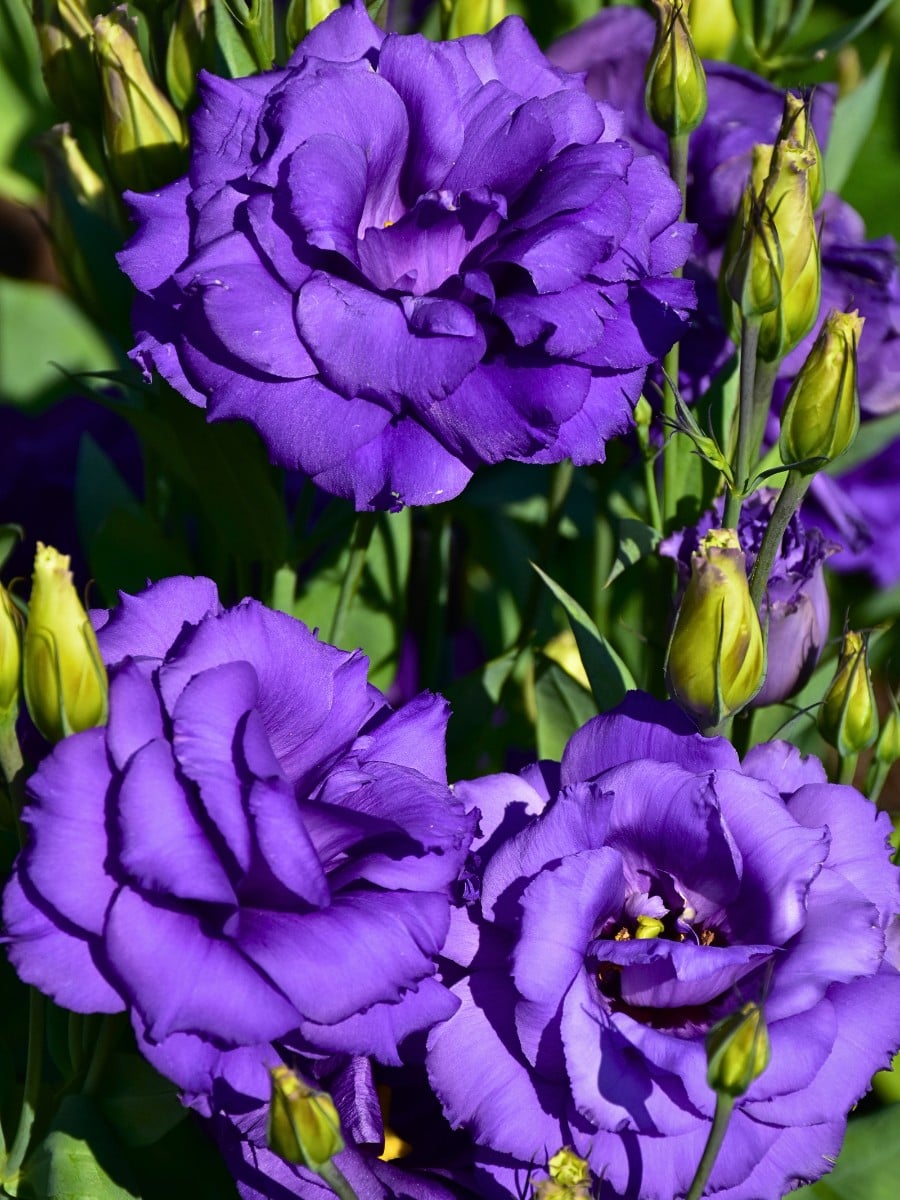
This flower has grown from a relatively unknown American wildflower (Eustoma russellianum) to a commercial crop of international economic importance in a short period of time. It was American academics and plant breeders in the 1980s who first recognized its potential, and Japanese breeders, including Sakata, Takii, and Sumika Agritech Ltd, then developed it into the wide range of colors, shapes, and sizes with wider market appeal seen today.
Breeding Lisianthus (sometimes called prairie gentian) is famously a game of patience and extreme care. The tiny, dust-like seeds and delicate young plugs demand absolute perfection from the breeder's laboratory and even the grower's greenhouse, mainly because of the plant's biology. While the plant is self-compatible, it is subject to inbreeding depression, meaning that repeated self-pollination weakens it over generations.
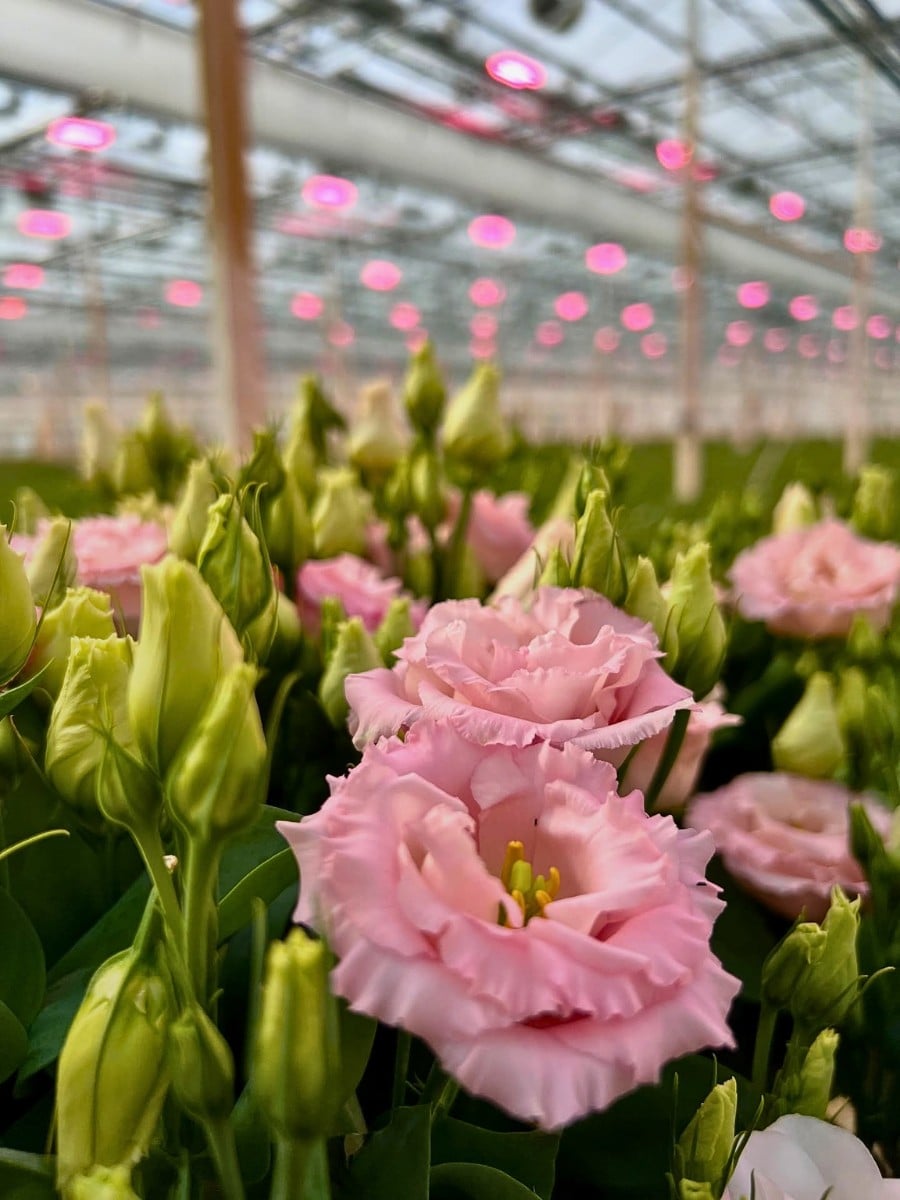
This biological constraint pushes breeders toward F1 hybrid seed production, which is more labor-intensive but delivers the genetic uniformity and vigor that commercial growers seek. Eventually, this deliberate scientific pursuit, focused on genetics and years of controlled selection, moves through specialist nurseries, plug producers, and commercial greenhouses before florists and consumers get the flowers.
Genetic Blueprint of Why Lisianthus Has Such Visual Clout
To appreciate how Lisianthus became a centerpiece of premium floral design, one needs to look at its DNA. In 2022, breakthrough genomic sequencing published in the Plant Biotechnology Journal revealed that cultivated Lisianthus underwent a historical whole-genome triplication (WGT) event. This essentially means it possesses a complex polyploid structure with three distinct sets of chromosomes. For breeders, this triplication is a good thing since it provides an expanded genomic playground to select for high-value ornamental traits:
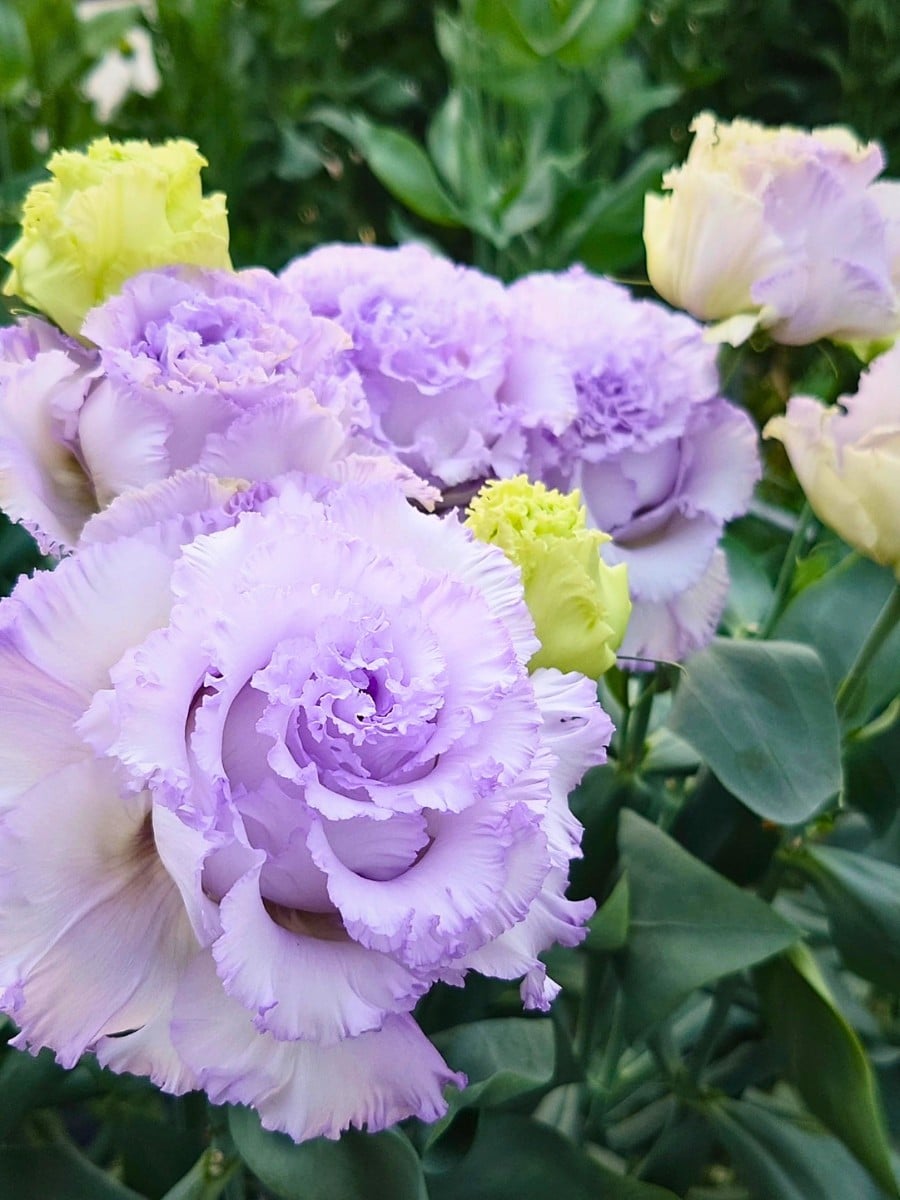
- Anthocyanin accumulation: The complex genetic pathways regulate deep color saturation. Pigments like delphinidin and peonidin give Lisianthus its coveted deep blues, rich purples, and delicate picotee edges.
- Petal architecture: The polyploid genome directly impacts cell structure. Conical cells on the petal surface absorb light rather than reflect it, giving the flowers their intense, velvety depth, while genetic variations control the transition from single wild petals to lush, heavy double varieties.
The advances in genomics have given breeders a far more detailed map of the Lisianthus genome. For starters, the whole-genome triplication event in Eustoma grandiflorum created substantial copy variations in genes contributing to flavonoid and anthocyanin biosynthesis, which is believed to support the flower’s ability to produce a wide range of colors.
This molecular understanding allows modern breeders to use DNA markers in their selection work, fast-tracking the identification of plants carrying desired traits before they flower. Color genetics in particular have been mapped to specific gene variants, meaning a breeder can now select for certain hues more efficiently.
Building Inbred Parent Lines
Commercial Lisianthus variety breeding starts with the development of stable parent lines. Breeders identify plants with specific desirable traits, be it flower color, stem length, petal form, or disease tolerance. They then begin years of controlled self-pollination. Achieving a stable pure line can take up to seven or eight years of selection and isolation, after which breeders undertake controlled cross-pollination between two of these pure lines. This crossing ensures that the resulting F1 hybrid inherits the best traits from both parents.
In Lisianthus specifically, the key traits breeders work to fix in their parent lines include: F1 hybrid seed production consistency, uniform flowering throughout the year, elimination of rosetting, heat tolerance, flower color, flower size and form, double flowers, disease resistance, and the ability to use interspecific hybridization.
Rosetting is one of the most significant challenges in Lisianthus production and is a priority target in every serious breeding program. When Lisianthus seedlings are exposed to temperatures above 20°C for more than 14 days in their early growth stages, rosette growth occurs, and elongation of the flowering stem is delayed.
Plants in a rosette state do not develop properly and flower very late in a scattered manner, which is incompatible with ideal production. Exposure to low temperatures below 15°C for at least four weeks, through a process called vernalization, eliminates the negative effect of high temperature on development.
Breeders have tackled this problem both through cultivation protocols and genetic selection. Sakata Seed Corporation, a leading Lisianthus breeder that developed the world's first pollen-free variety, has used patented technology to produce varieties that are genetically resistant to rosette, reducing the need for costly cooling treatment during the seedling stage.
Controlled Pollination and F1 Seed Production
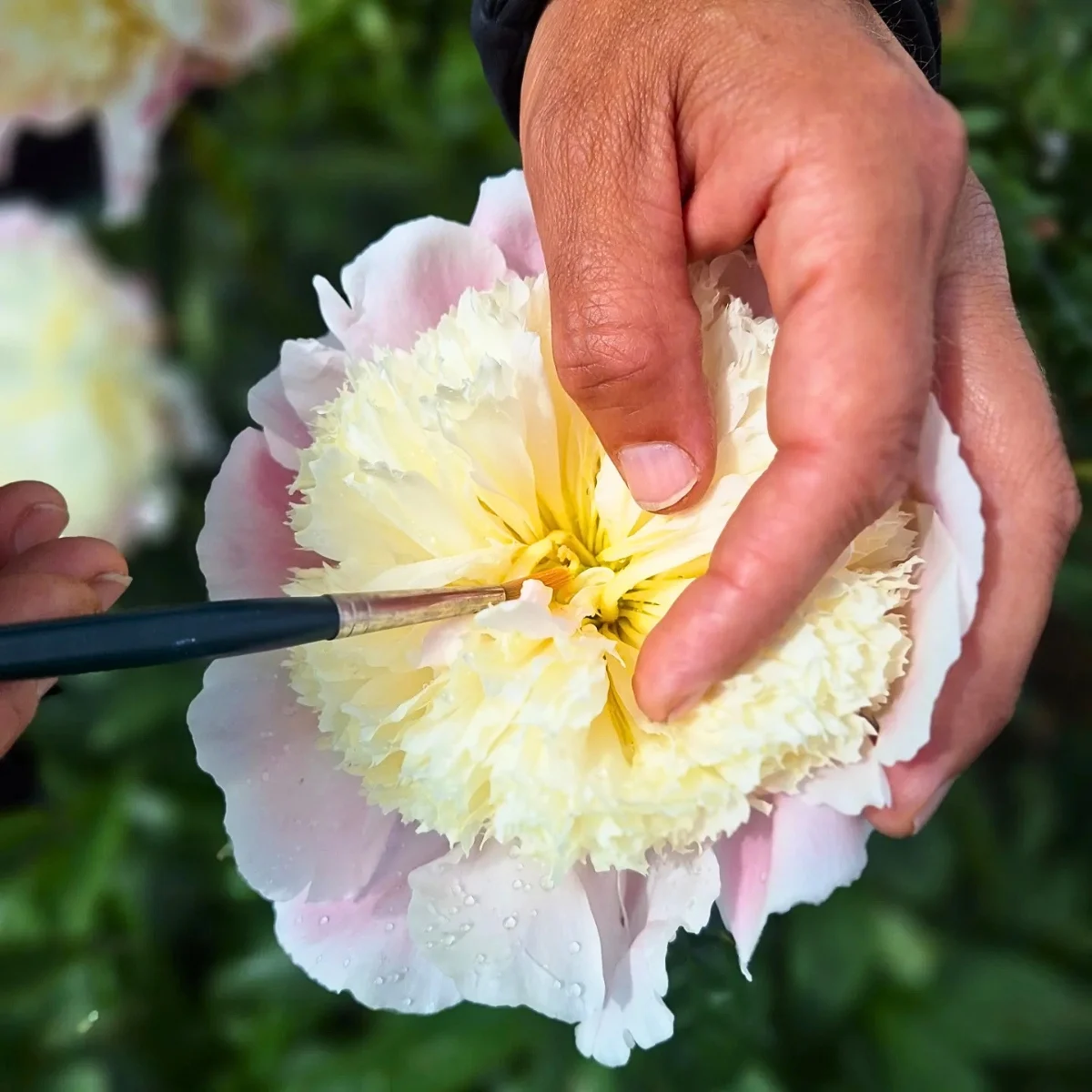
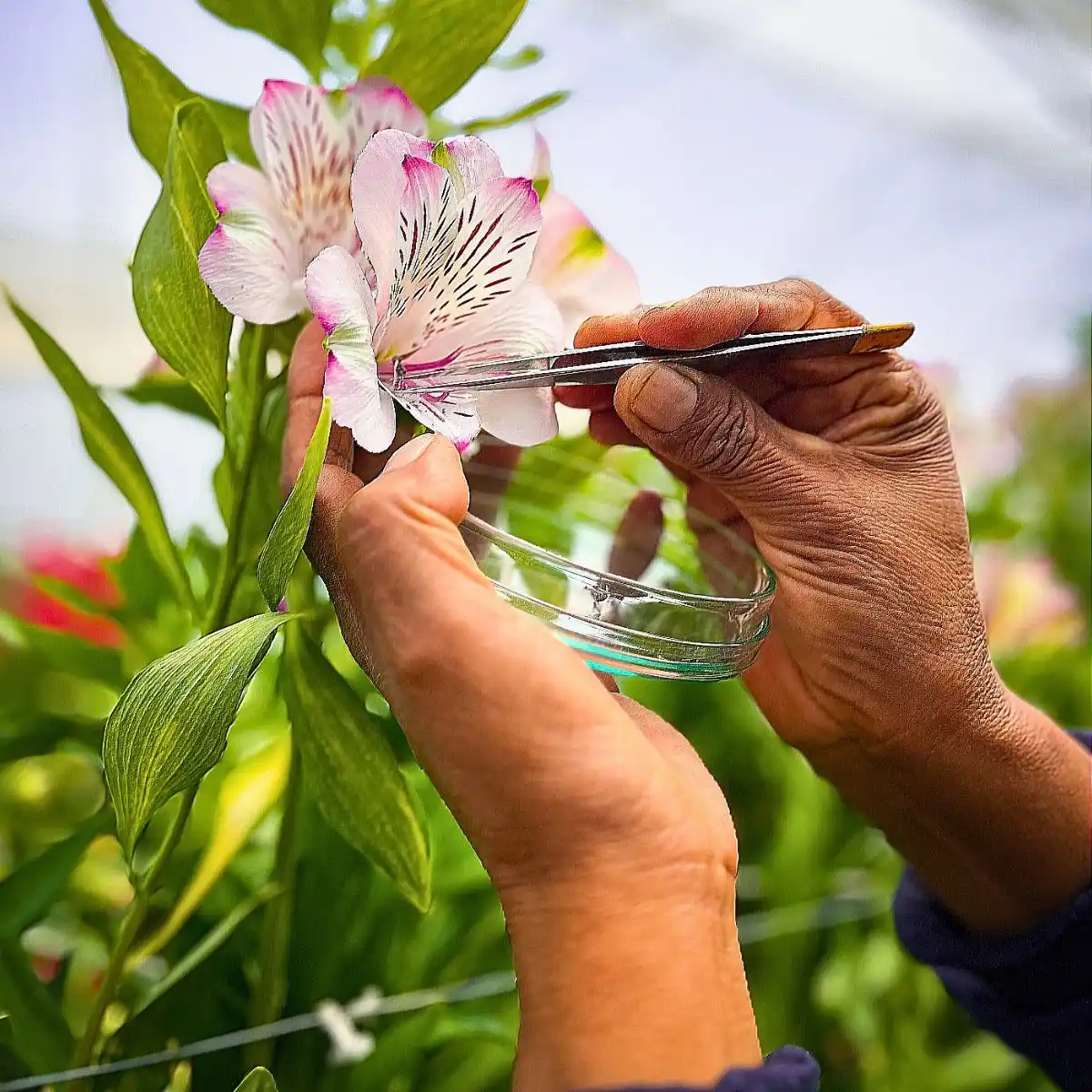
Once stable parent lines are developed, the actual production of commercial F1 seed begins. This step requires precise manual or managed pollination work, isolating the parent plants and transferring pollen from one selected line to another in carefully controlled conditions. The resulting seed carries the hybrid combination, and because of how F1 genetics work, the traits that are expressed in those seeds are predictable and uniform across the whole batch.
Yokohama’s Sakata Seed Corporation holds approximately 70% of the world market share for Lisianthus seeds and has been developing quality genetics in this crop for over a century, which shows the extraordinary technical barriers to entry in Lisianthus seed production. Competing in this space requires years of accumulated genetic material and the infrastructure to run large-scale isolation and pollination programs.
Sakata Ornamentals is, perhaps, the most prominent Lisianthus breeder in the global supply network, with a portfolio that includes celebrated cut flower varieties like the Rosita series, Rosanne Green, Piccolo Blue Picotee, and Alissa Champagne, all developed through a demanding F1 hybrid process.
Takii Seed is also a notable breeder, whose work, particularly with the Corelli series, focuses on sheer elegance. They have mastered the ‘frilly' aesthetic, breeding heavy double flowers that maintain a light, airy grace. From a technical standpoint, Takii breeds for excellent root systems and thick stems capable of supporting massive, multi-bloom heads without bending.
Evanthia is also a Lisianthus breeder keen on developing and supplying seeds and young plants to professional growers, focusing on robust genetics, uniformity, and disease resistance. Sumika Agrotech Co. Ltd. is, likewise, a highly prominent Japanese breeder renowned for top-tier commercial cut flower lines like the Celeb, Megalo, and Wedding series.
Others occupy important niches within the global Lisianthus seed market, including Nakasone Lisianthus Inc., a private breeder with several notable variety series, including the NF series, defined by voluminous fringed petals and unique color variations, and the Corsage series, known for antique colors, striped bi-colors, and shades of pink.
From Breeder to Plug Producer
Once a new variety is released commercially, the seed typically moves from the breeder to specialist nurseries that produce the young plant material, known as plugs, which growers ultimately purchase. Lisianthus seeds are very small, and seedling growth is exceptionally slow. This is why most commercial production relies on plug specialists instead of having growers start from raw seed.
Most professional growers begin Lisianthus seedlings 10-12 weeks before transplanting and always use pelleted seeds for easier sowing, keeping trays at 21°C and 23°C for germination and then reducing to between 15.5°C and 18°C after sprouting.
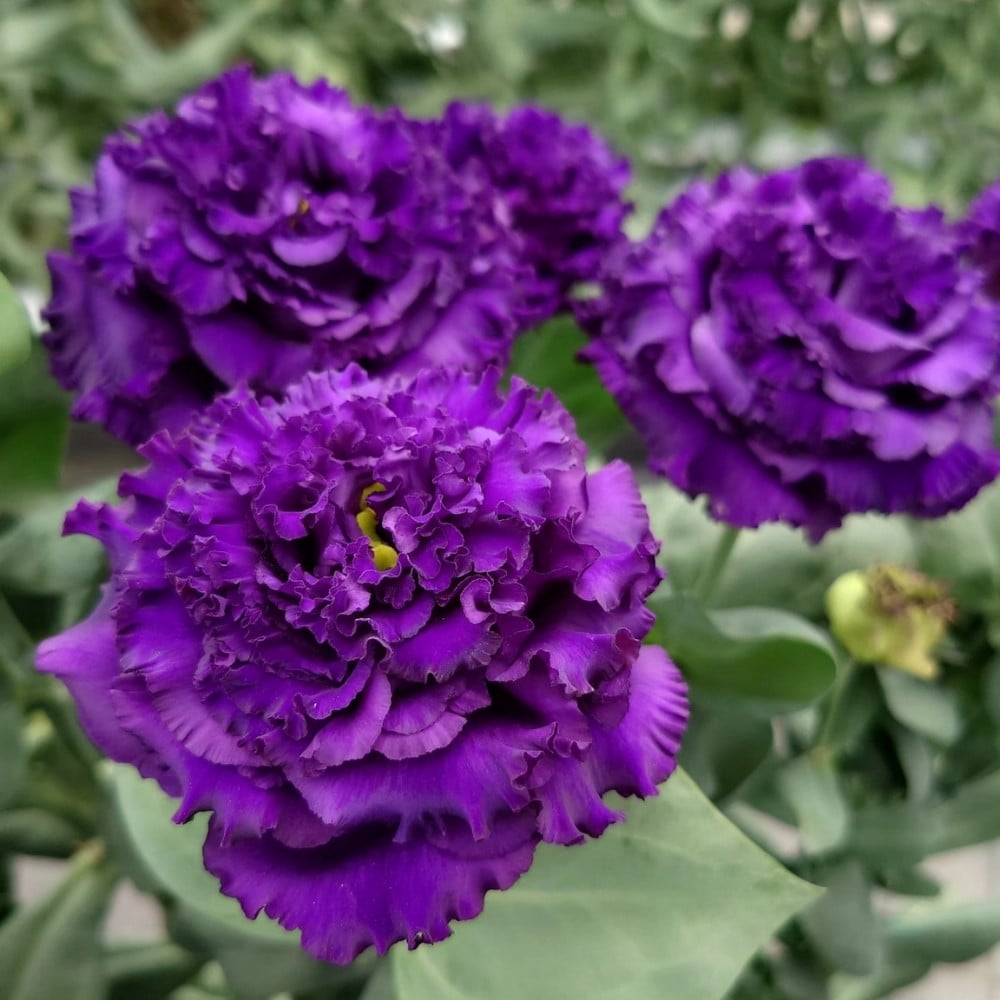
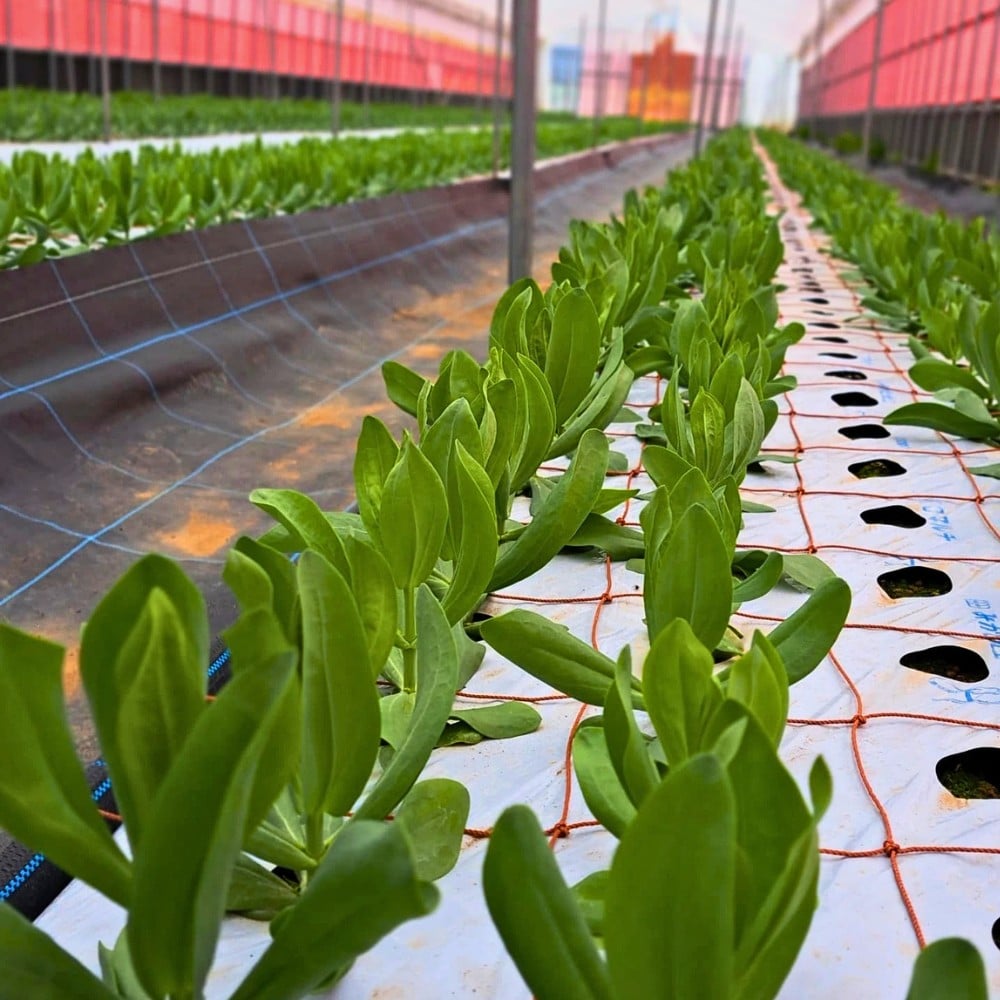
Germination typically takes 10-15 days, and many professional growers use 200- or 288-cell trays for efficiency. Vernalization treatment is applied once the plants are transplanted. The plug specialist delivers rooted, vernalized seedlings to the grower, ready for planting in greenhouse beds or high-tunnel systems.
From Plug Producer to Greenhouse Production
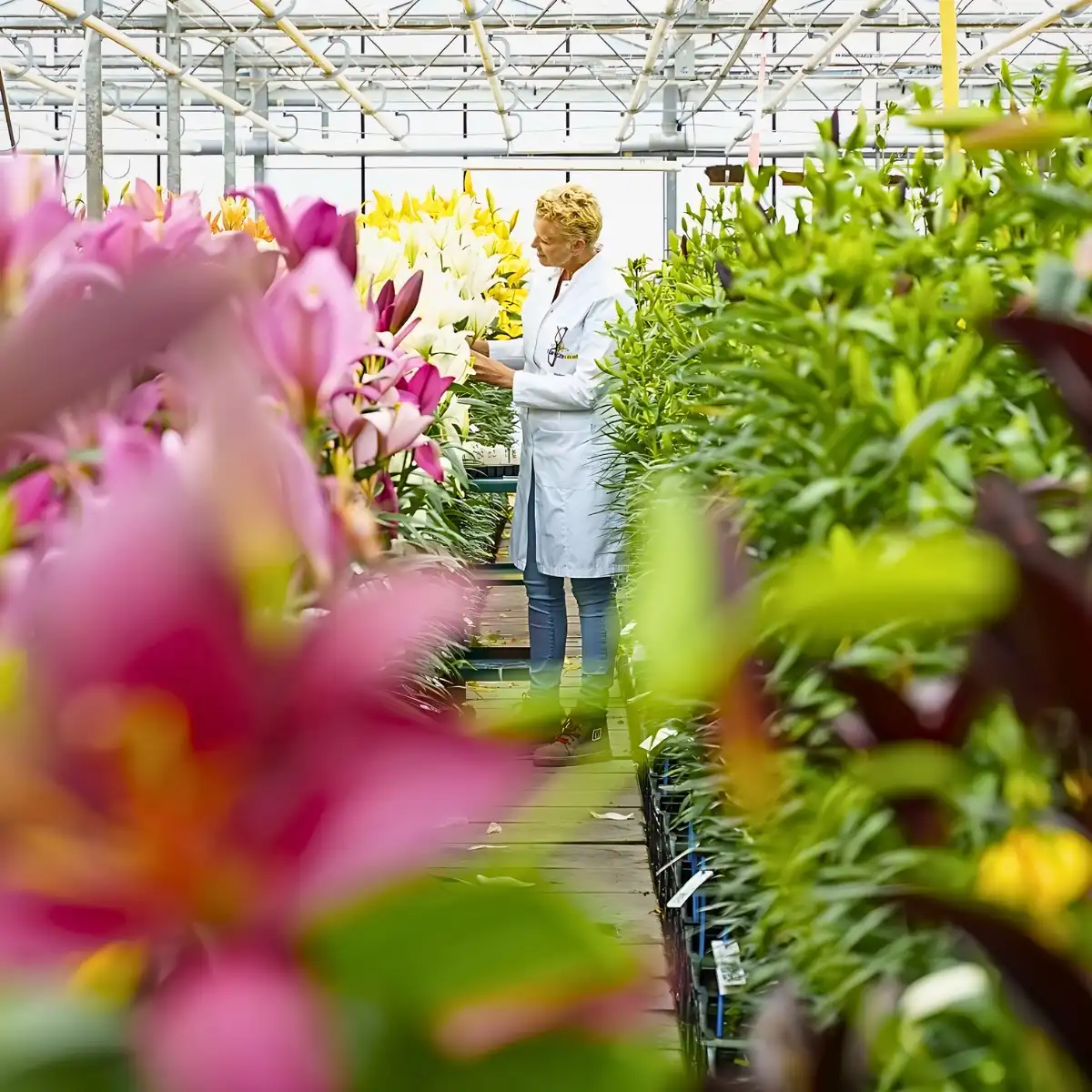
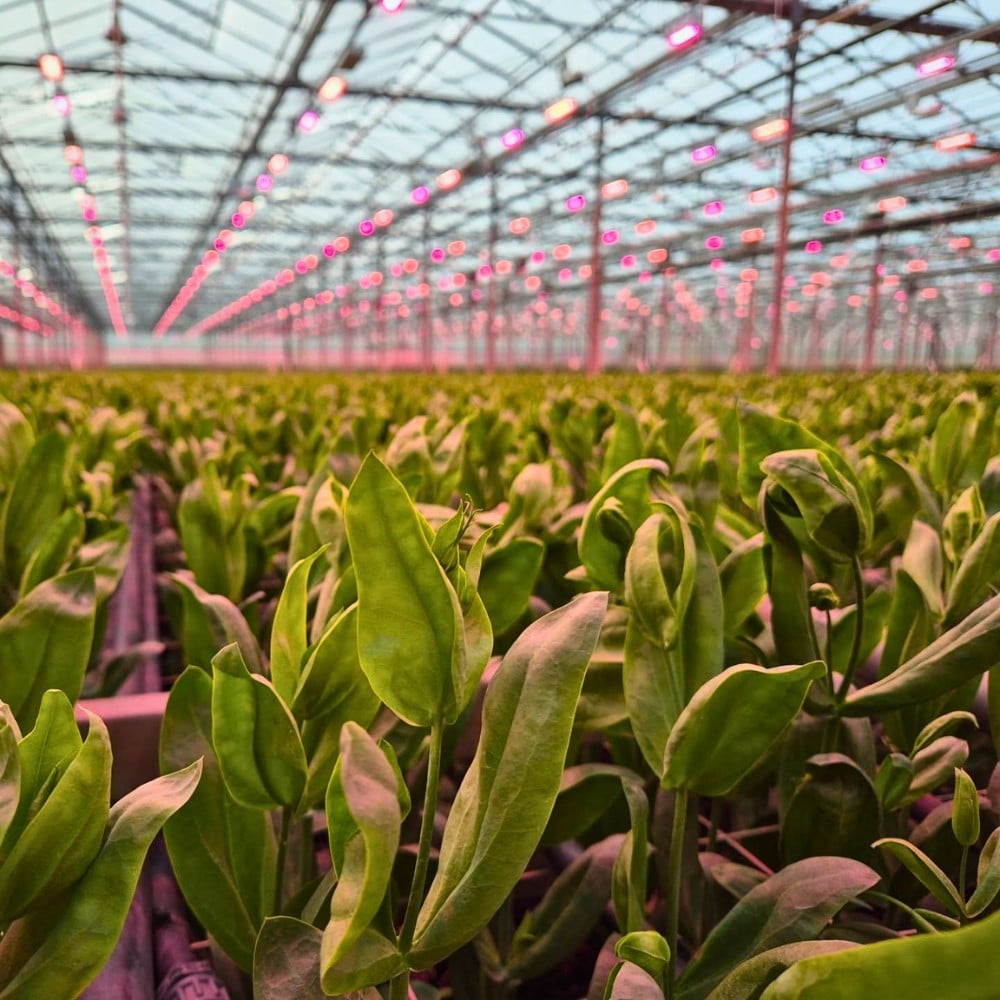
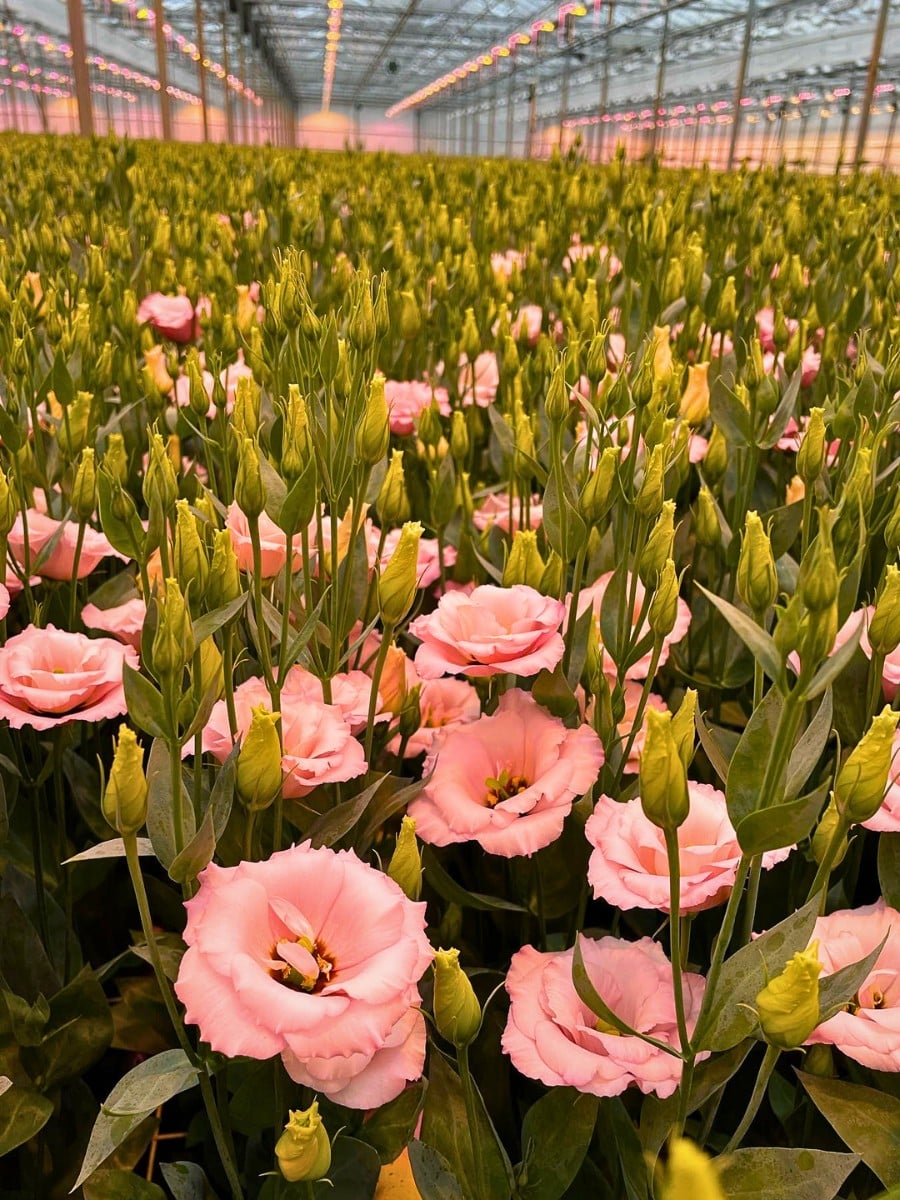
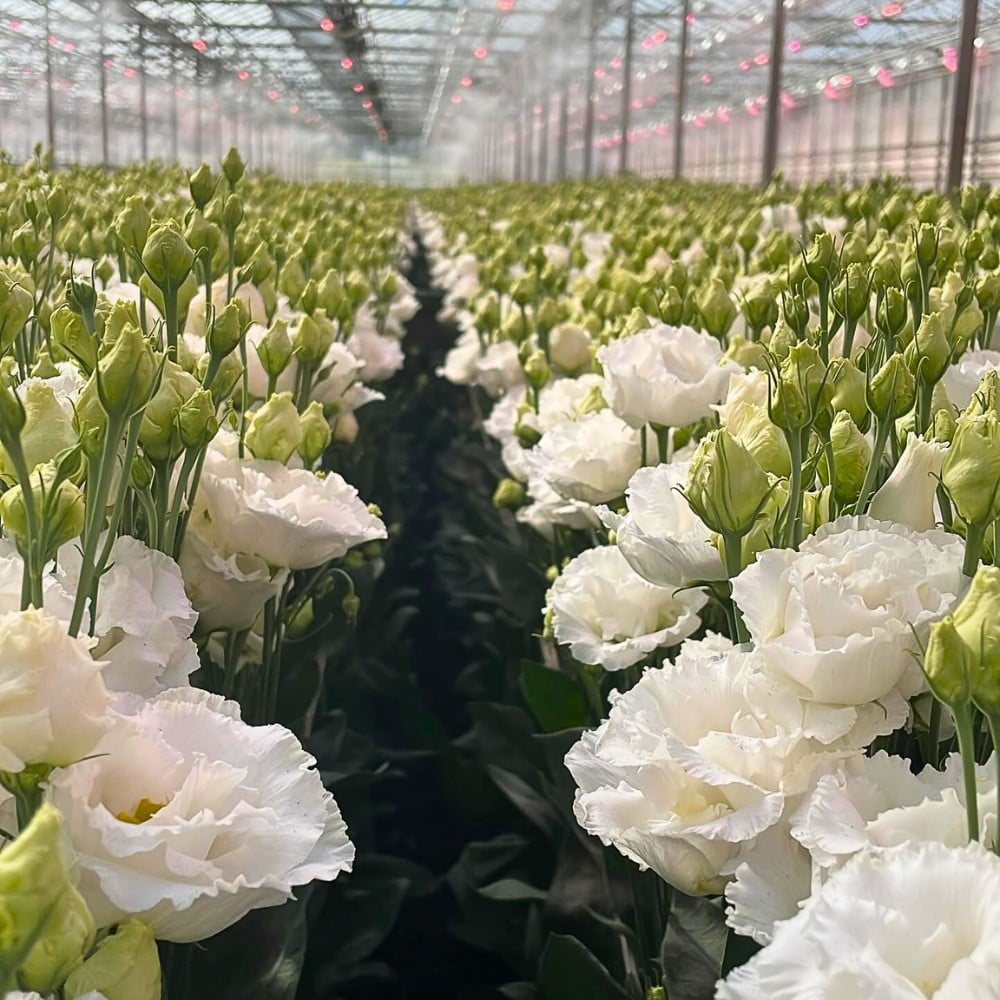
At the grower's facility, the plugs move into specialized greenhouse environments. Lisianthus flowers require quite high growing temperatures, around 32°C, making it one of the most energy-intensive cut flower crops to cultivate. The plants need heat and a great deal of light.
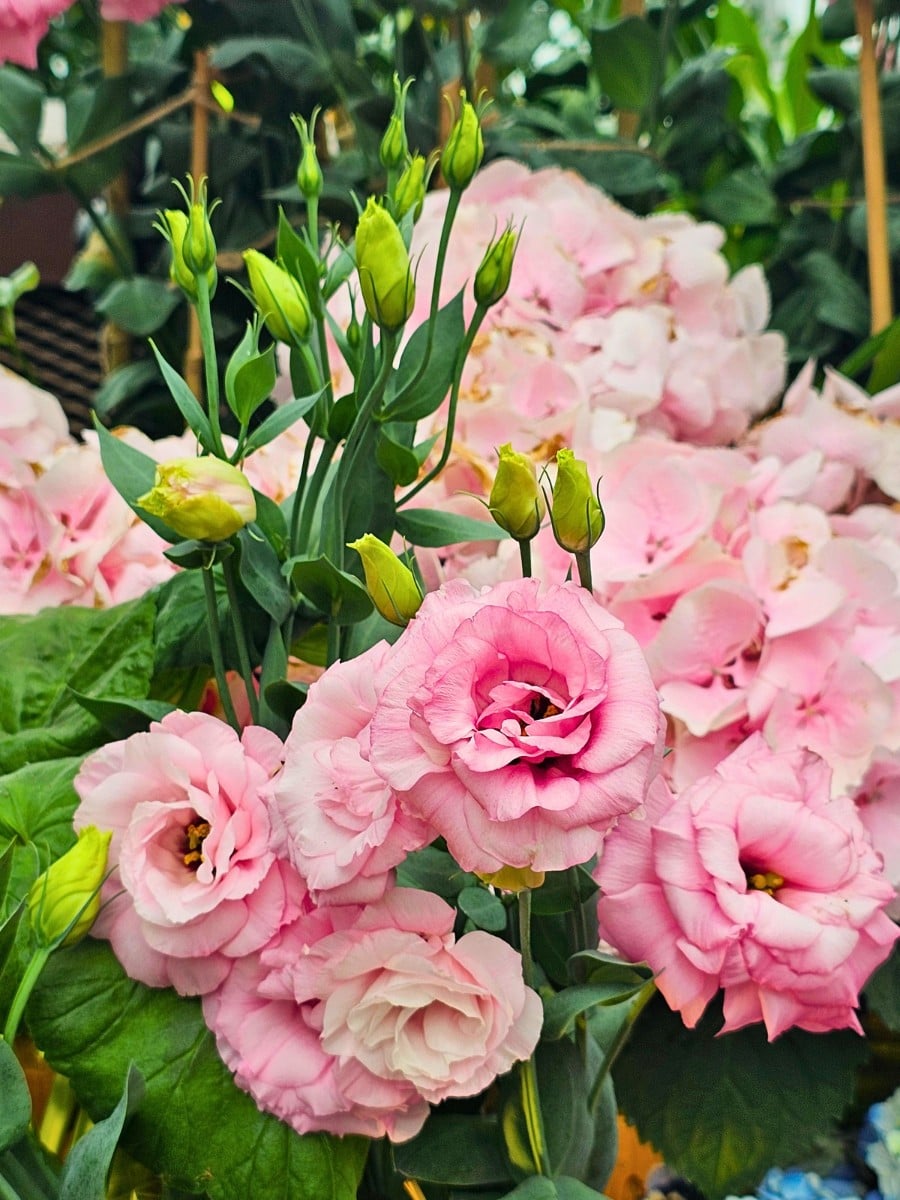
After transplanting at around the fourth true-leaf stage, growers can expect the crop to be fully grown and ready to harvest in 14-16 weeks. High relative humidity is maintained for the first 10 days after transplanting to support establishment, and drip irrigation is recommended. Temperature and light intensity are the two main factors governing how quickly flowering occurs.
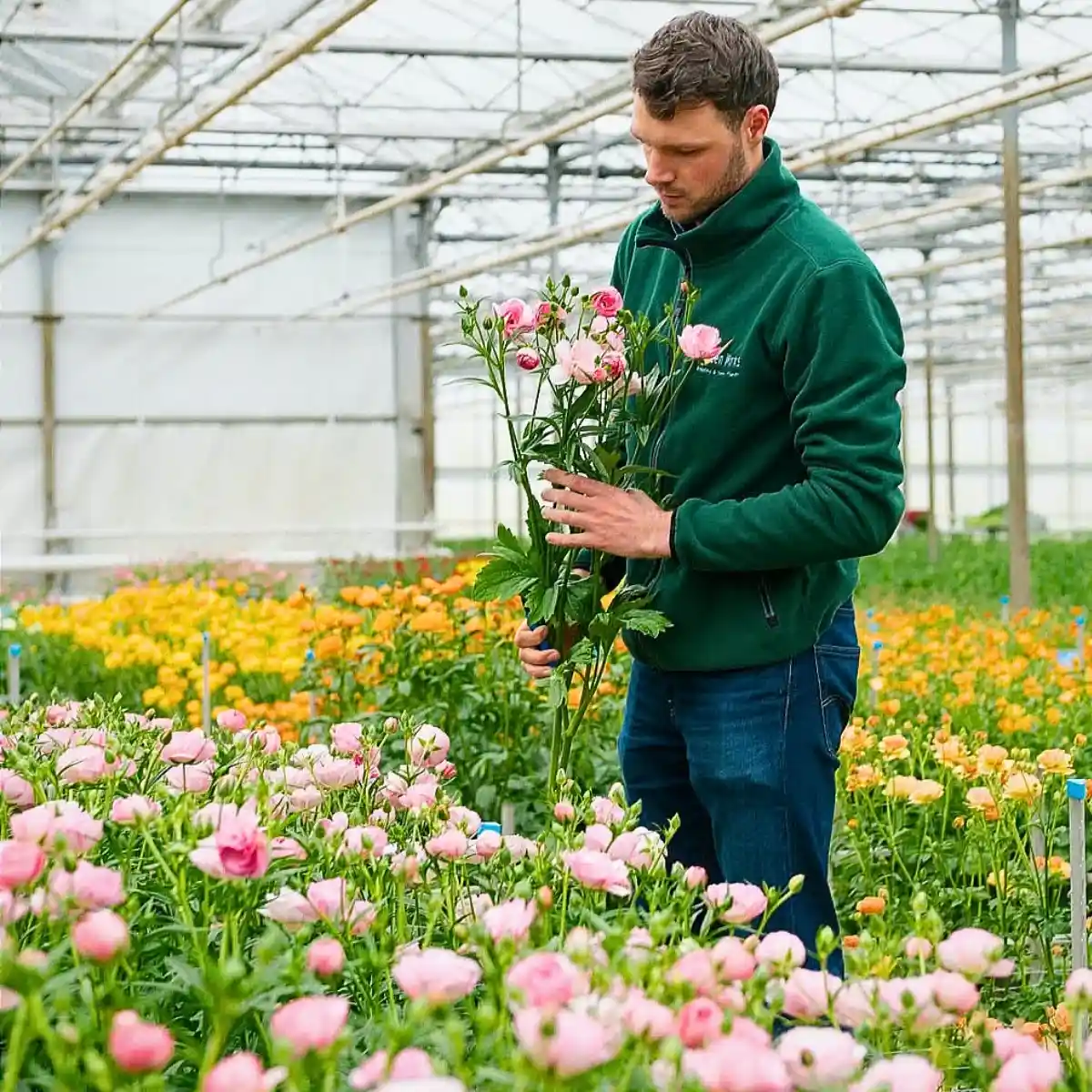
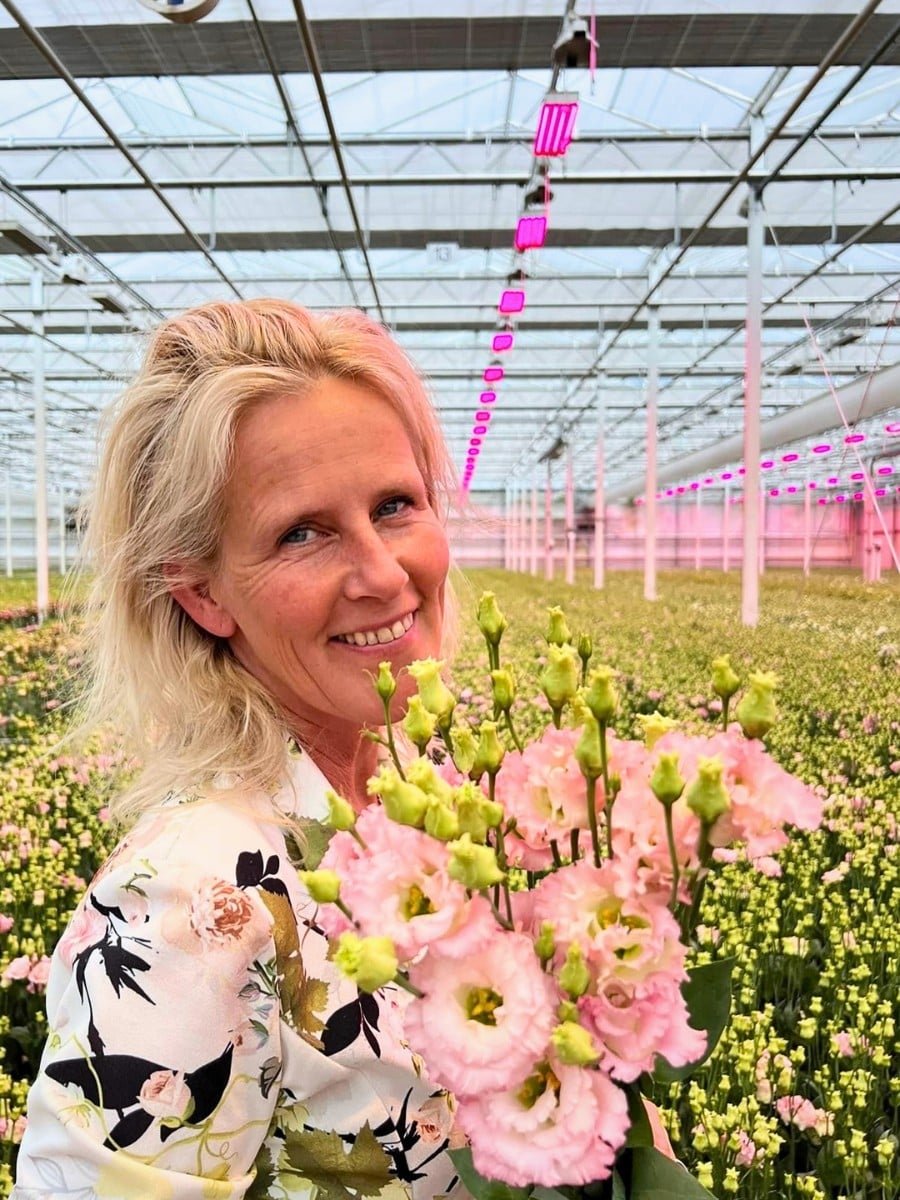
Specialized growers are crucial nodes in the supply chain. Montana Lisianthus, a Decorum member based in Poeldijk in the Westland greenhouse region, has specialized in growing this cut flower for more than 25 years and cultivates it in millions annually. The nursery works closely with breeders like Sakata, always trialing new varieties alongside their established commercial range.
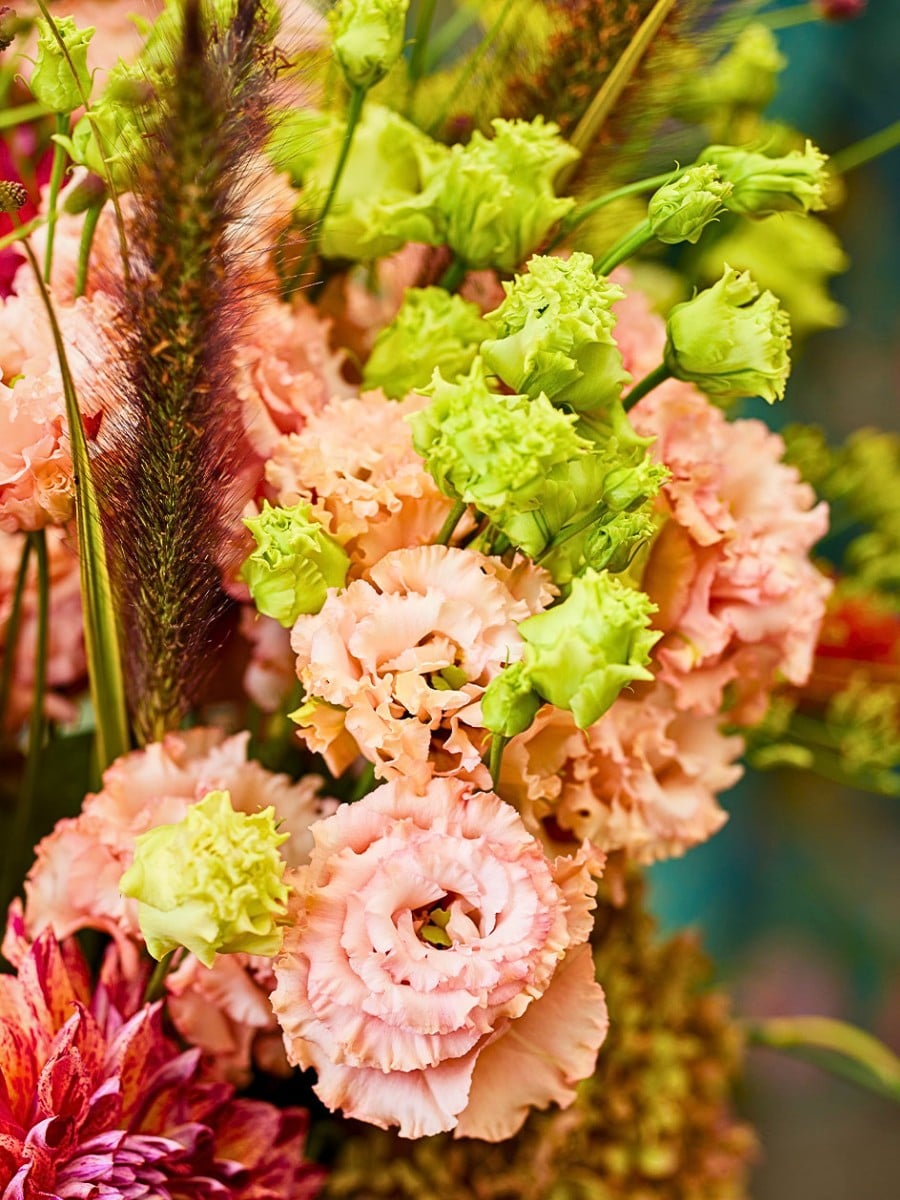
Lugt Lisianthus, another century-old name in Lisianthus cultivation, has generational expertise that makes a difference at the production level. Sunrise Holland goes further still, collaborating with specific breeders to grow varieties like the exclusive Big Sun series, a supersized variety available in 16 colors, which is only available through their nursery.
Harvest, Grading, and Then the Consumer
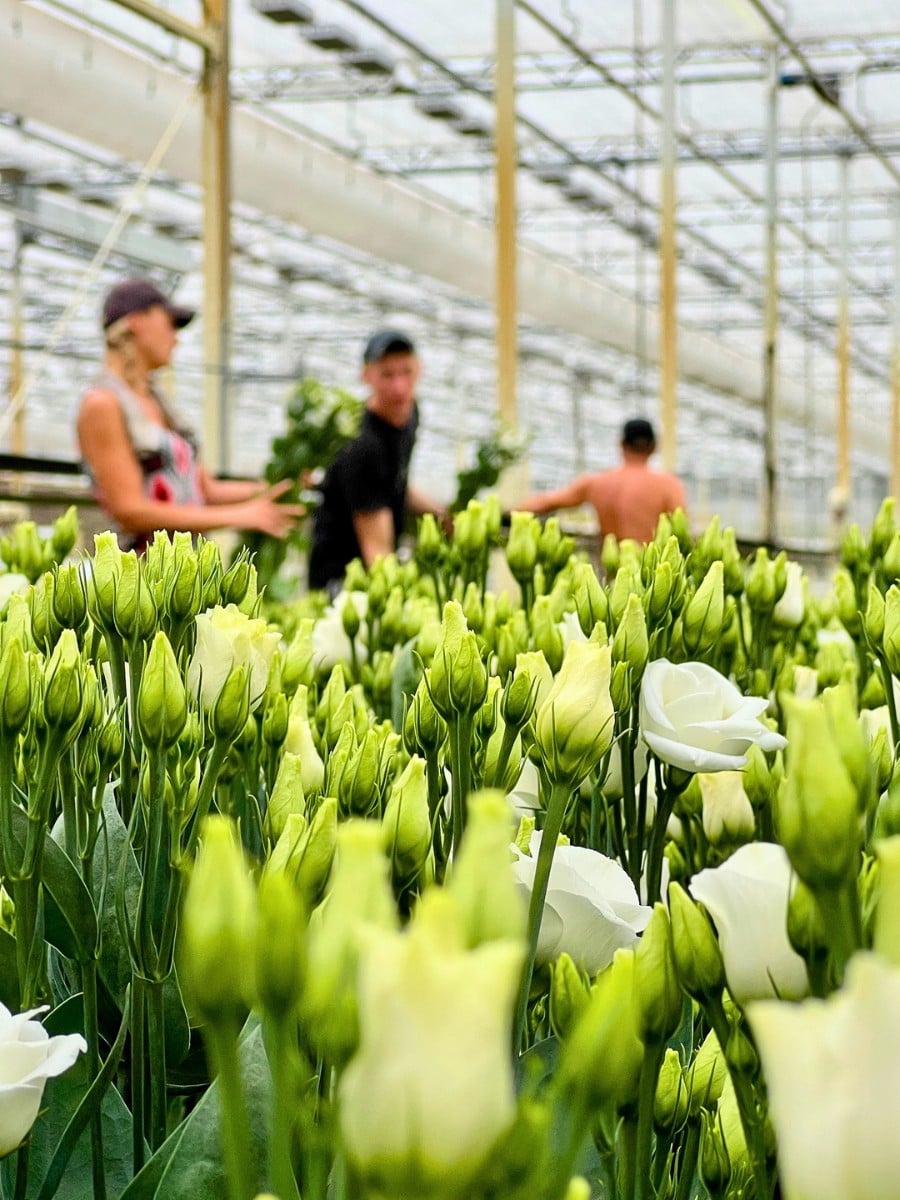
The key to getting premium Lisianthus is harvesting at the right stage. The flowers are cut when two to three flowers are open, and remaining buds are showing color. Harvesting takes place in the cool morning hours for maximum hydration, and growers should expect 22-24 weeks from seeding to the first harvest-ready stem.
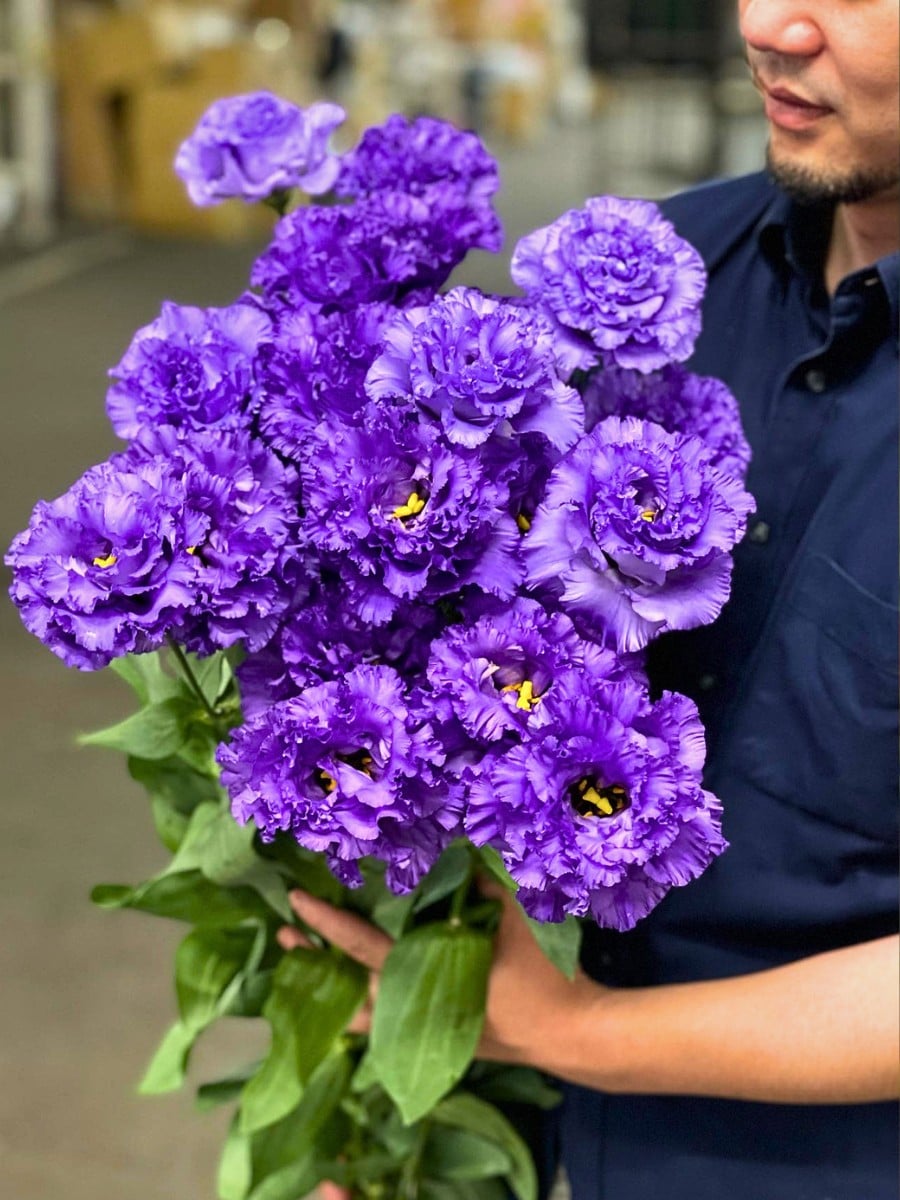
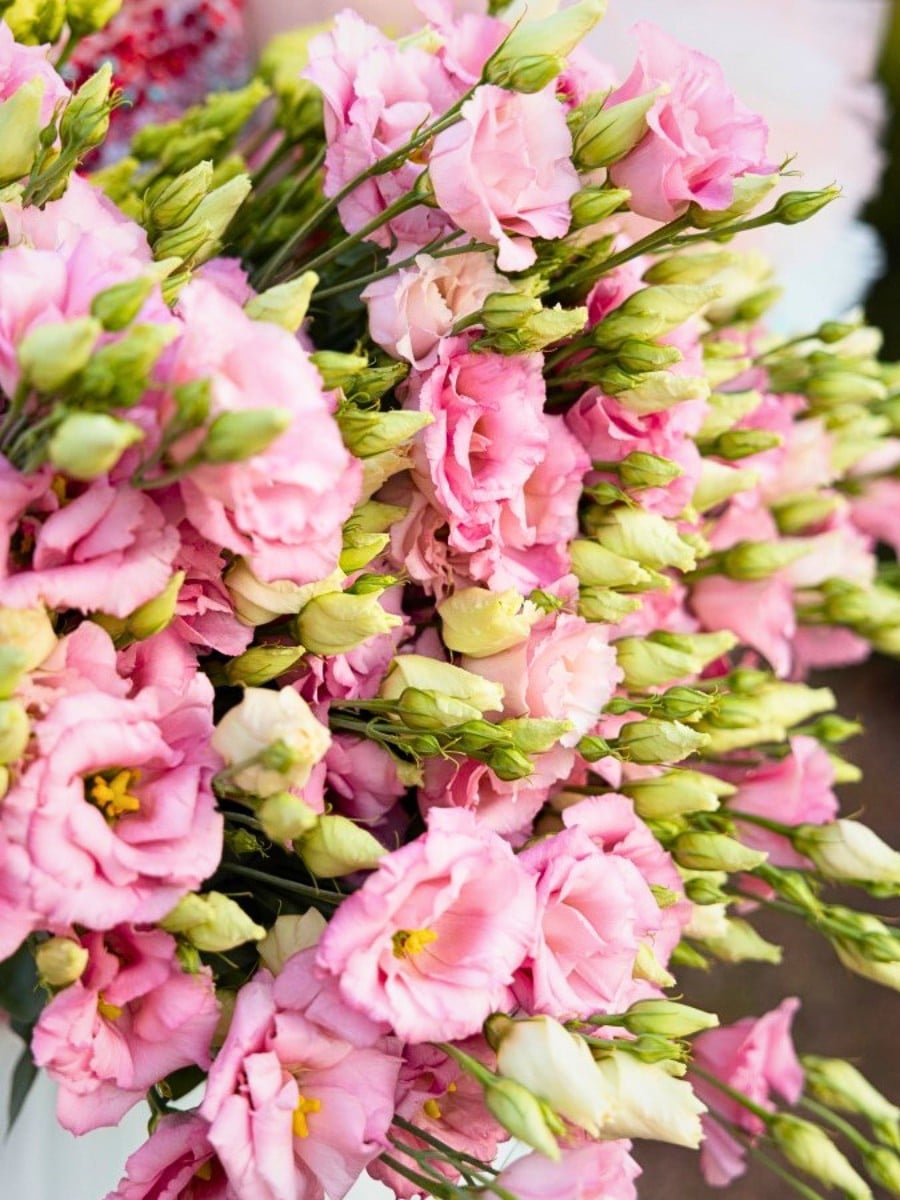
When harvesting, the stems should be straight, rigid, and at least 60 cm long for the best commercial grade. The cut flowers are plunged into clean water immediately after cutting, which is the key to achieving a longer vase life. One of Lisianthus' most commercially valuable qualities is that the buds continue to open after harvest. And with proper care, the cut flowers can last 10-14 days or more.
Featured image by @lugtlisianthus. Header image by Rameshng.