BLOGS

Floristry in Hong Kong: Market Overview and Business Models

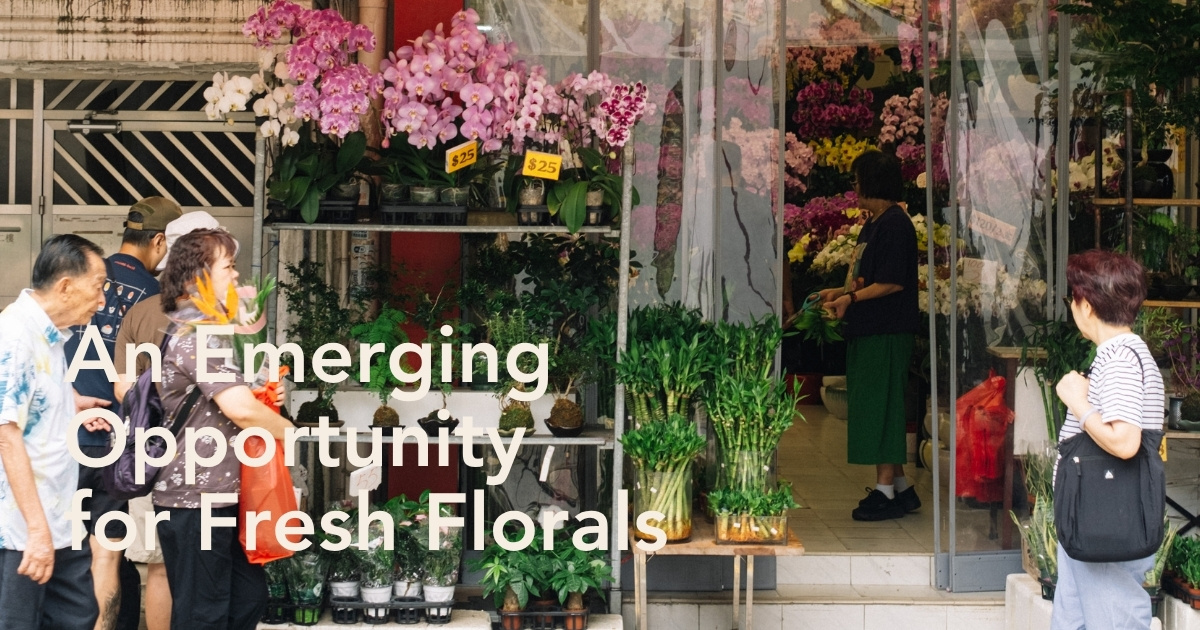
Thanks to its status as a tax-free port, florists enjoy access to a wide variety of high-quality blooms sourced globally.

By: GAHAN MI | 15-09-2026 | 3 min read
Voices of the Industry Floral Education Flowers
Gahan Mi: Floristry in Hong Kong: Market Overview and Business Models.

Hong Kong is a compact city without large-scale commercial flower farms. While a few small leisure farms exist, their output is far from sufficient to meet local demand. Consequently, the market relies almost entirely on imported cut flowers.

Thanks to Hong Kong's status as a tax-free port, florists enjoy access to a wide variety of high-quality blooms sourced globally. Mainland China is the primary supplier, followed by the Netherlands, Malaysia, Vietnam, Japan, Germany, Italy, Israel, New Zealand, Thailand, and Taiwan.

Most of These Local Farms Operate Primarily as Agri-Tourism Attractions

These diverse supply chains allow local florists to source year-round staples – such as tulips and Ranunculus – even during the heat of summer, alongside rarer wild varieties. Under Hong Kong law, harvesting wild plants, fallen leaves, or broken branches from public land or country parks is strictly illegal.
 

Gahan Mi: Floristry in Hong Kong: Market Overview and Business Models.
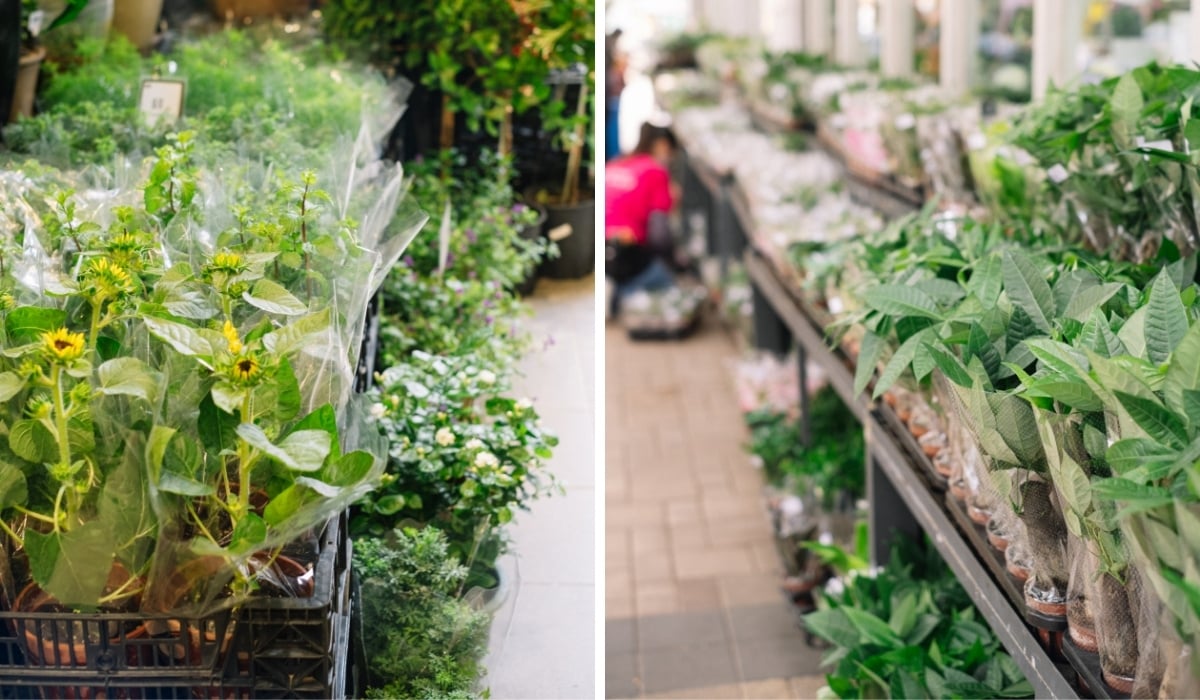
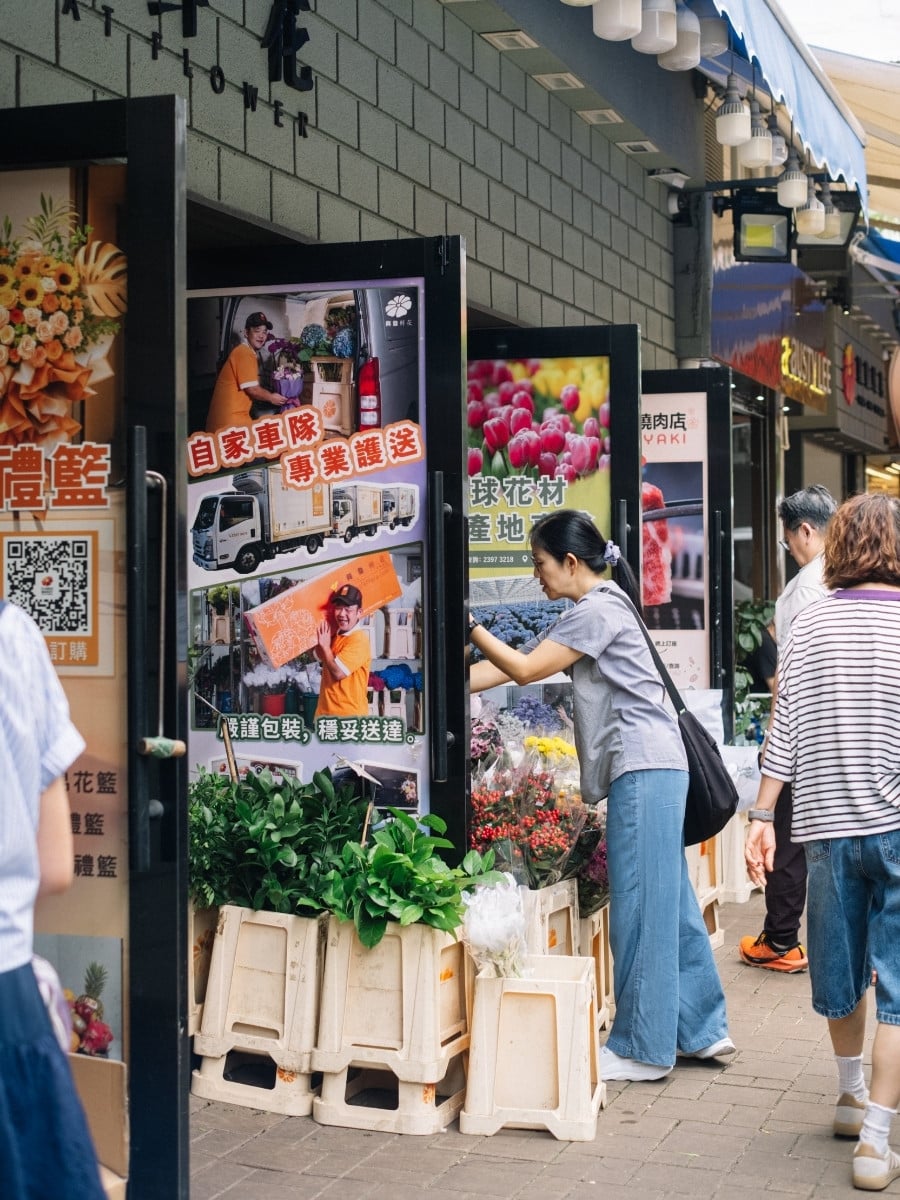
A flower buyer checks flowers displayed on the streets.


While a few local farms harvest small yields that supply neighborhood florists, the farm sizes are far too small, and production is nowhere near abundant enough to meet commercial demand. In fact, most of these local farms operate primarily as agri-tourism attractions – opening their grounds for visitors to take photos.
 

Gahan Mi: Floristry in Hong Kong: Market Overview and Business Models.


The Heart of the Local Floral Trade Is the Mong Kok Flower Market

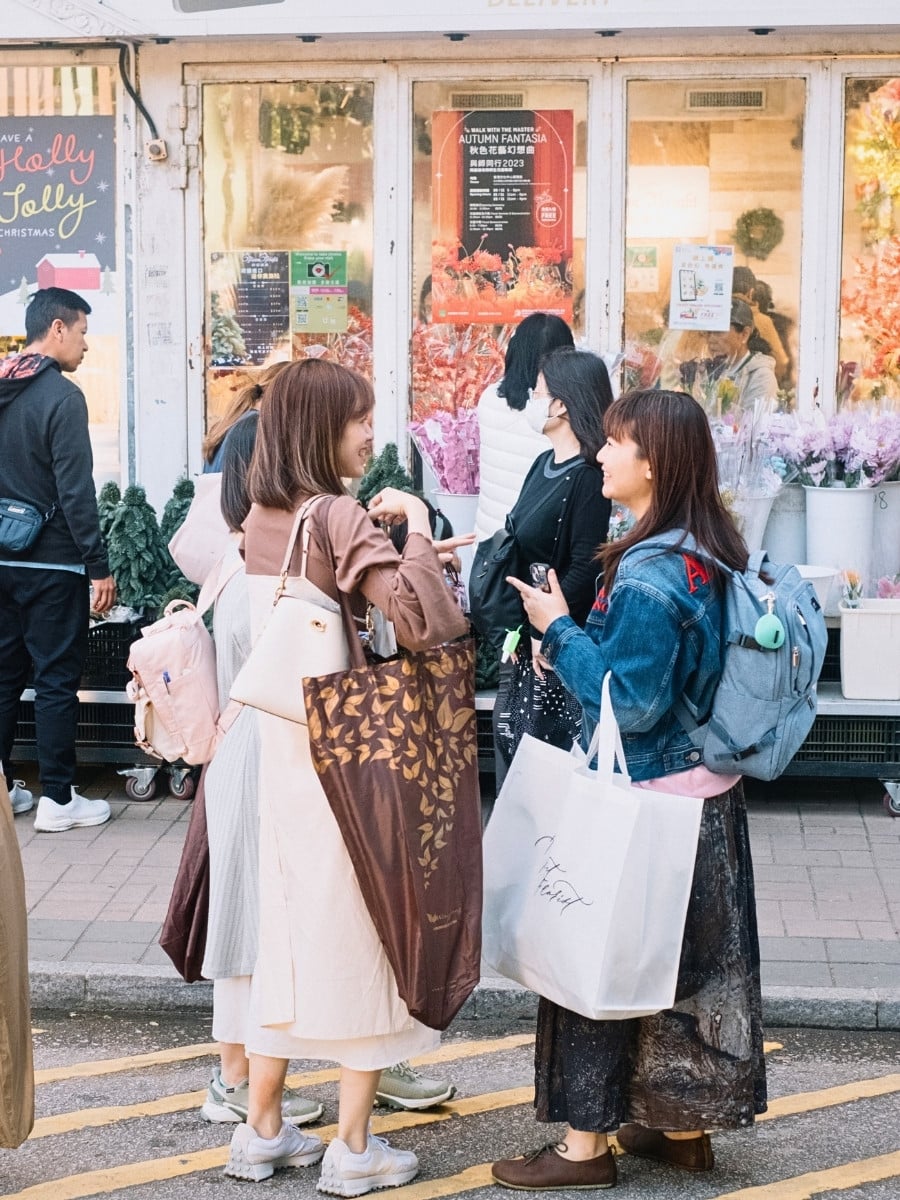
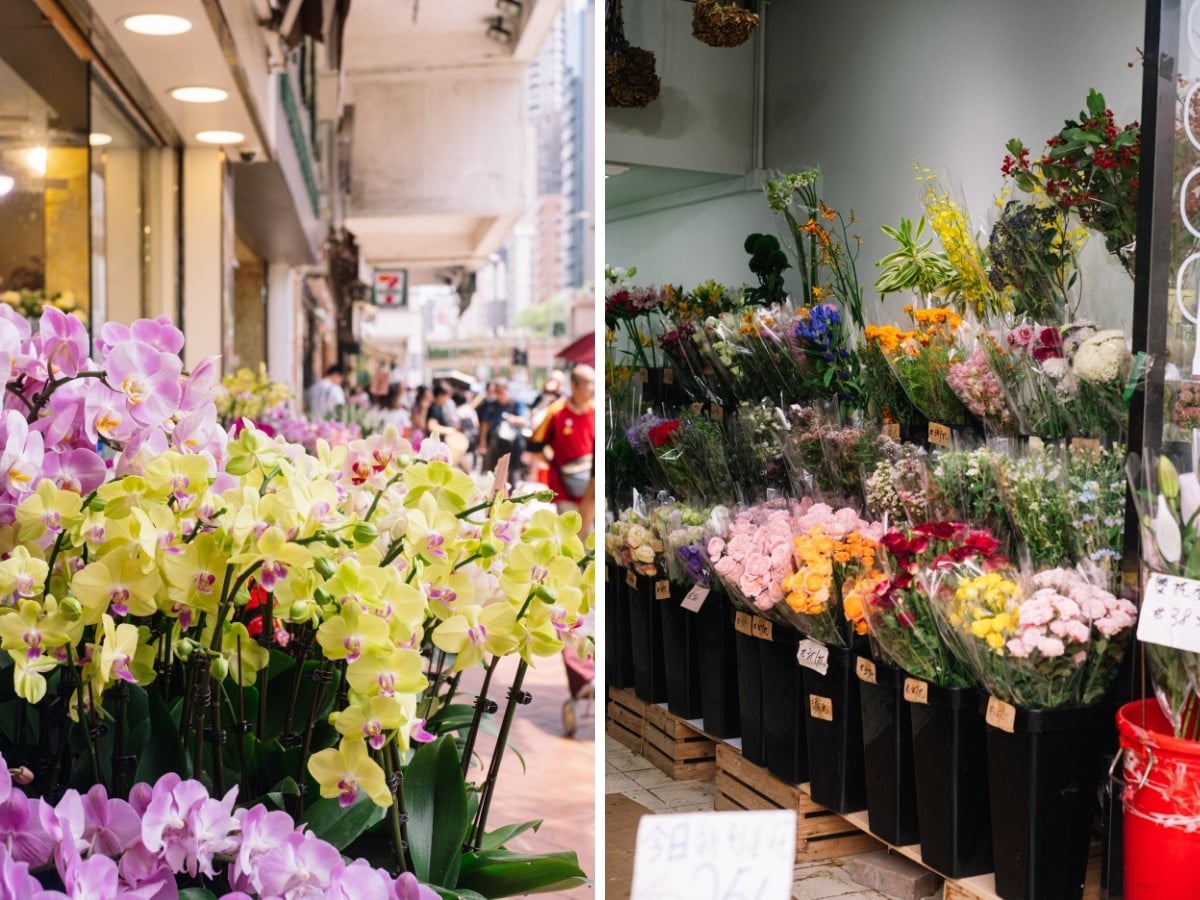
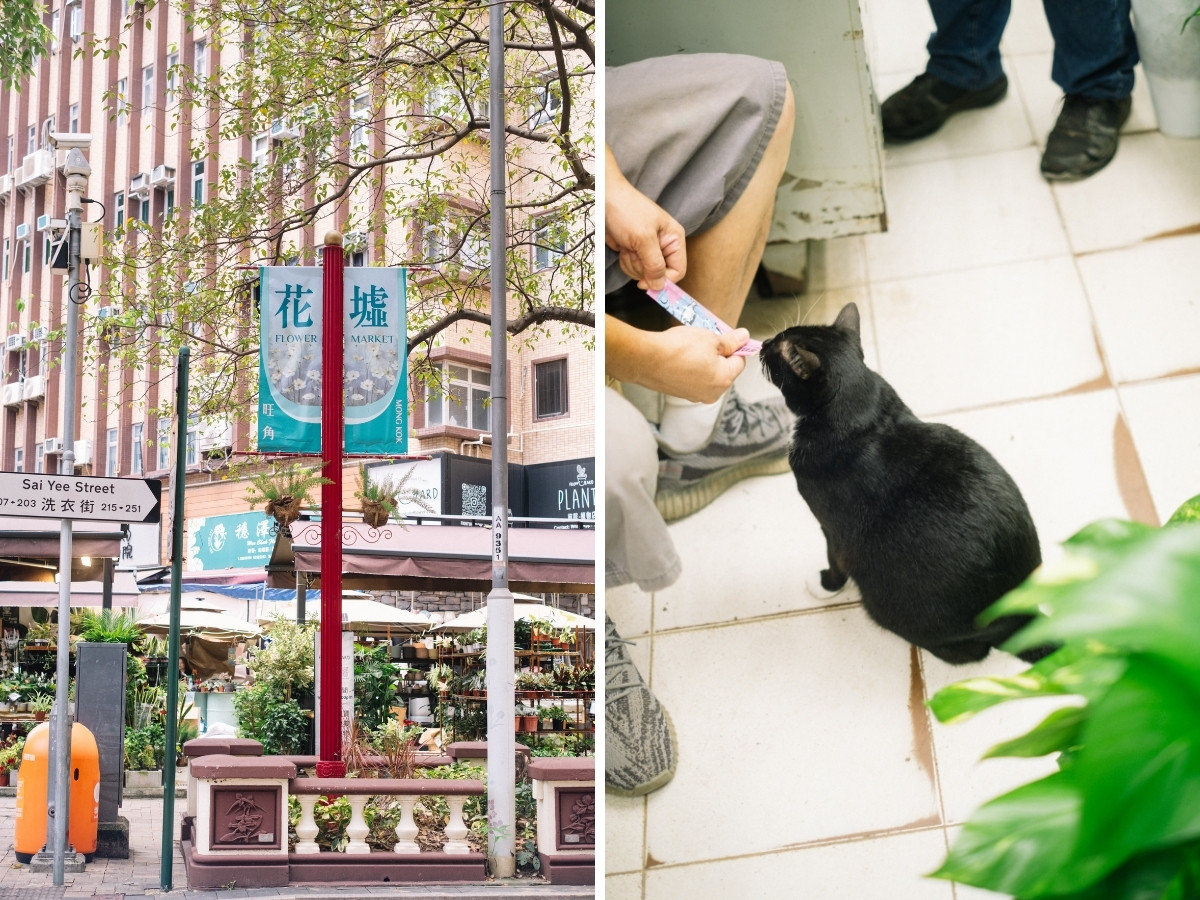
Furthermore, because local farming is small-scale and informal, product quality varies greatly from grower to grower. As a result, florists' reliance on local harvests remains extremely limited. The heart of the local floral trade is the Mong Kok Flower Market. Located in a central, highly accessible neighborhood, the market consists of several streets lined with specialized shops.
 

Gahan Mi: Floristry in Hong Kong: Market Overview and Business Models.


Retail and wholesale operations frequently take place within the exact same storefronts; because Hong Kong has no official licensing or registration system for flower buyers, anyone – from professional florists to everyday shoppers – is welcome to purchase wholesale stock at competitive prices. 
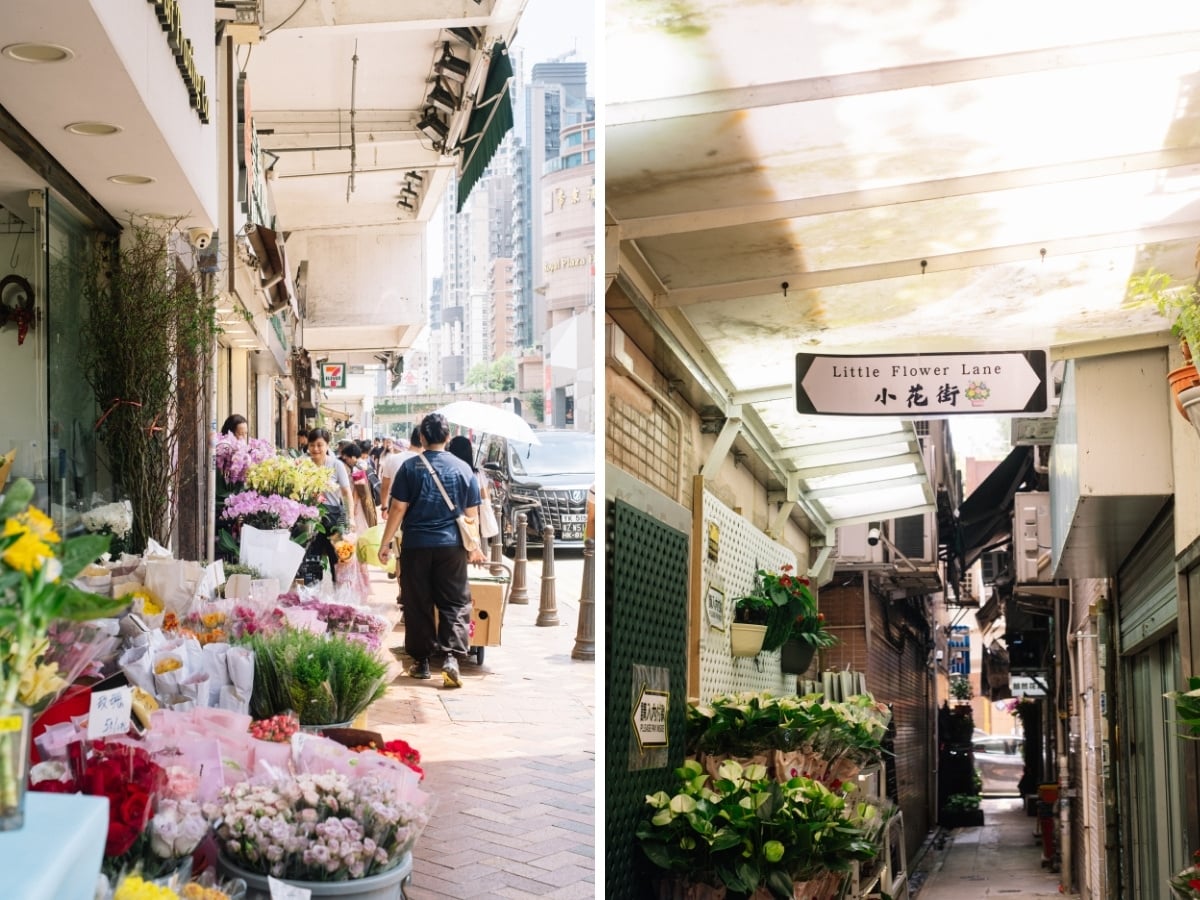
 

Gahan Mi: Floristry in Hong Kong: Market Overview and Business Models.

Gahan Mi: Floristry in Hong Kong: Market Overview and Business Models.


Independent Florists Typically Avoid Traditional Shopfronts

Most vendors operate from early morning until around 8:00 PM. Cut flowers, plants, and all the essential tools that you need can be found right alongside one another in the market. Since the COVID-19 pandemic, consumer behavior has shifted noticeably toward online ordering and direct delivery.
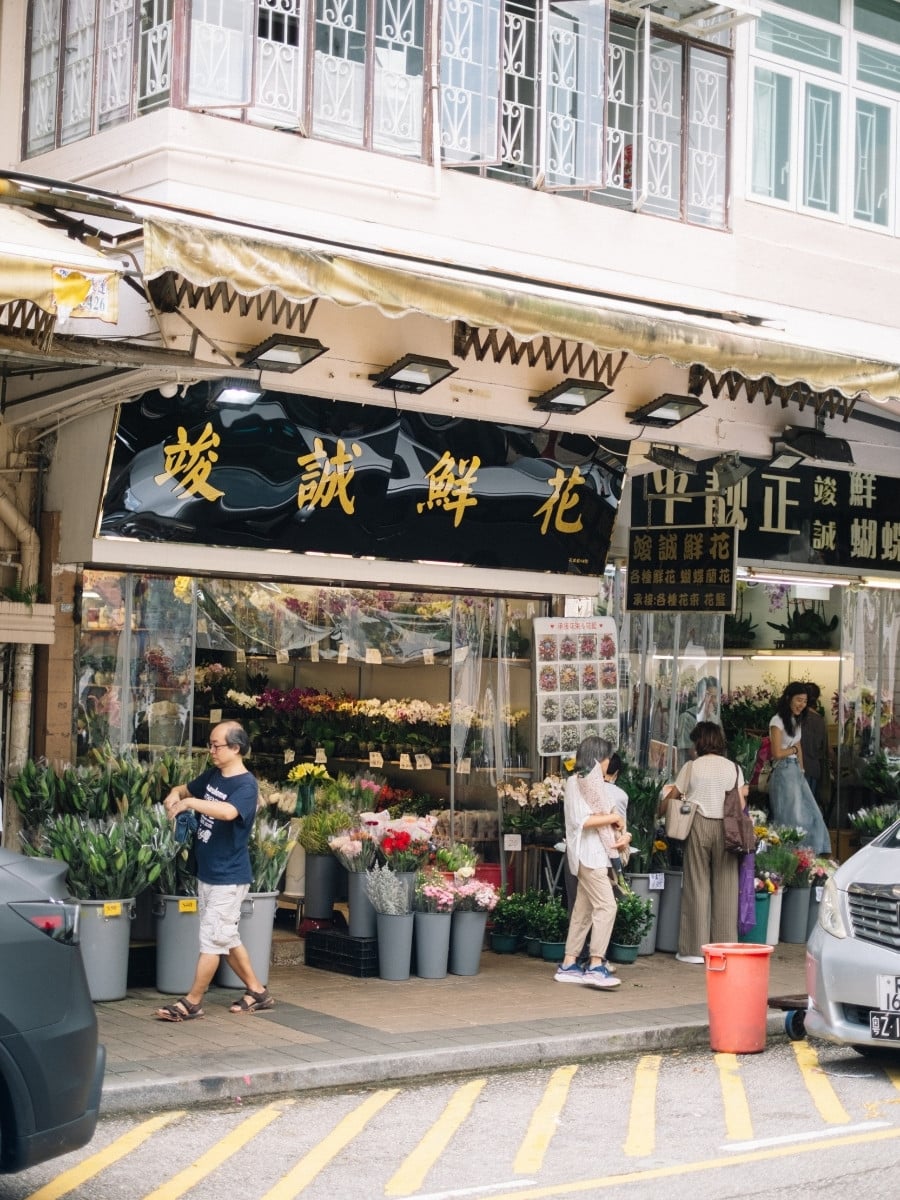
 

Gahan Mi: Floristry in Hong Kong: Market Overview and Business Models.


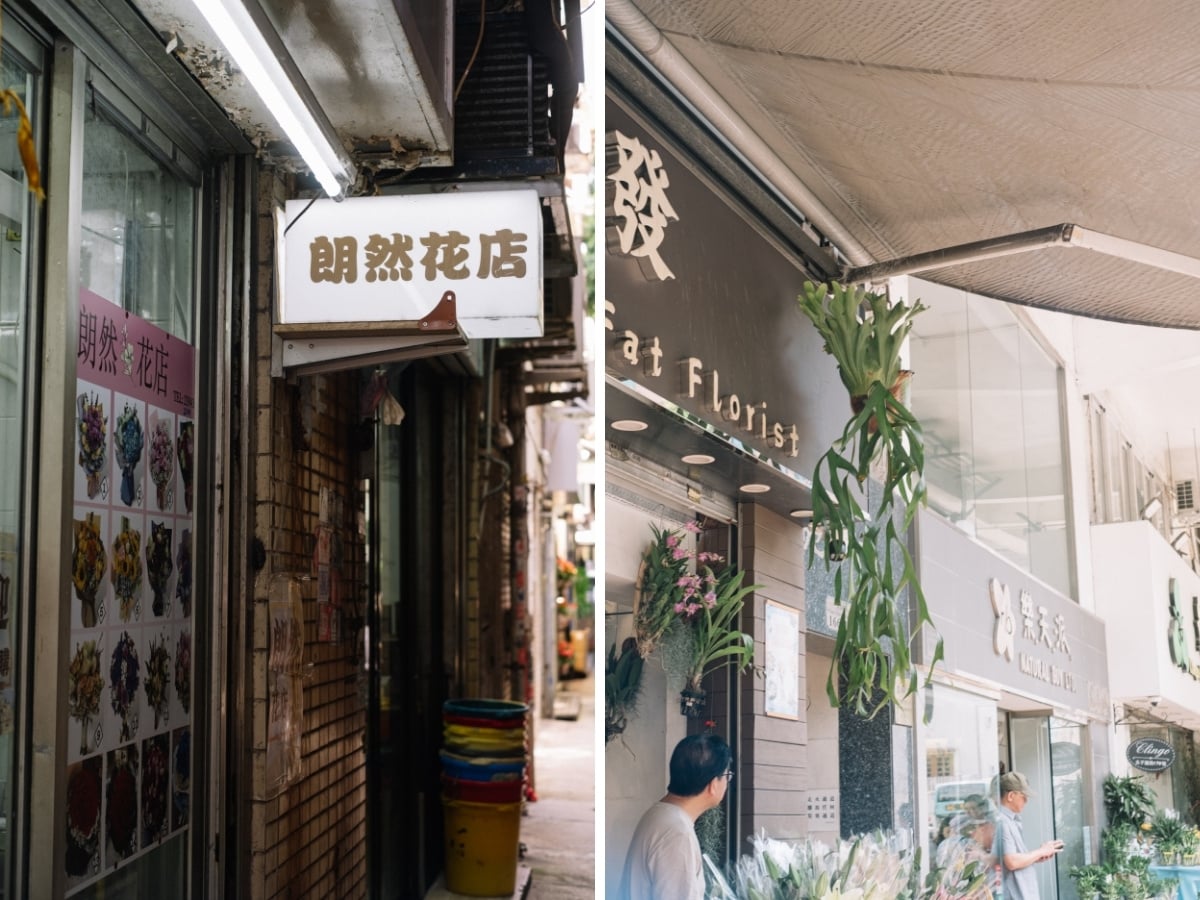
Consequently, street-level flower shops are rarely seen across general neighborhood streets in Hong Kong. Driven by extraordinarily high retail rents, independent florists typically avoid traditional shop fronts. Instead, they operate out of studios in commercial or industrial buildings, minimizing overhead while serving online customers. 
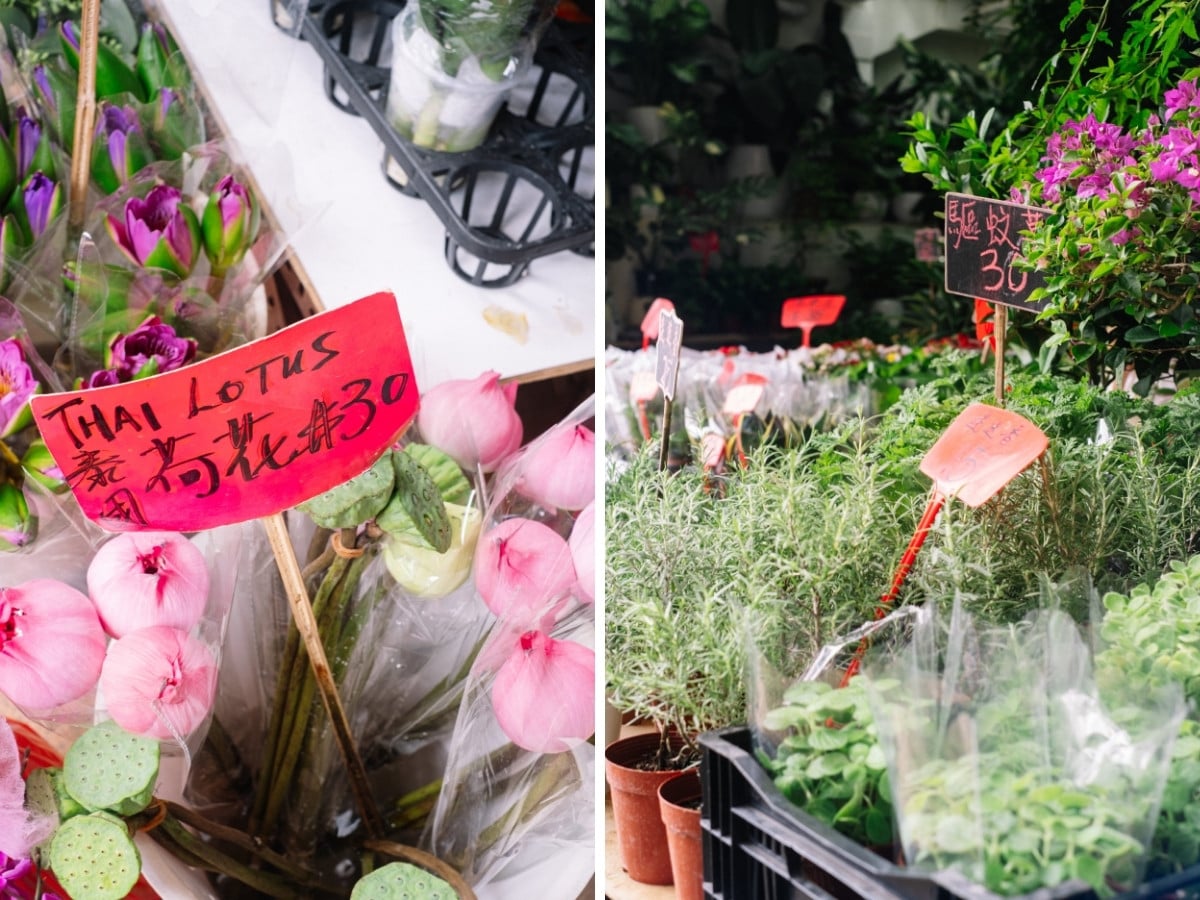
 

Gahan Mi: Floristry in Hong Kong: Market Overview and Business Models.

Gahan Mi: Floristry in Hong Kong: Market Overview and Business Models.
Floristry shops in Hong Kong


Hong Kong’s Hot and Humid Climate Is an Equally Decisive Factor

These studios cater to diverse client needs, specializing in fresh and silk floral arrangements, wedding photography styling, and event decor tailored to varying budgets. For wedding clients, there is a growing preference for silk and artificial floral decorations over fresh flowers. High costs play a major role in this shift, but Hong Kong's hot and humid climate is an equally decisive factor.
 

Gahan Mi - Floristry in Hong Kong: Market Overview and Business Models


Fresh floral installations struggle to survive outdoors or during long wedding days without wilting. High-quality silk arrangements offer a budget-friendly, weather-resistant alternative that stays pristine throughout ceremonies and photo shoots.


Photos by Gahan Mi.
FAQ

Does Hong Kong grow its own flowers, or are they mostly imported?

Hong Kong relies almost entirely on imported cut flowers. While a few small local farms exist, their output is far too limited to meet commercial demand, so florists depend on global supply chains instead.

Which countries supply flowers to Hong Kong's florists?

Mainland China is the top supplier, followed by the Netherlands, Malaysia, Vietnam, Japan, Germany, Italy, Israel, New Zealand, Thailand, and Taiwan. This wide sourcing network is possible thanks to Hong Kong's tax-free port status.

What role do local flower farms play if they don't supply much product?

Most local farms function primarily as agri-tourism attractions, letting visitors tour the grounds and take photos rather than serving as major commercial flower producers. The small yields they do harvest go mostly to neighborhood florists, but quality varies widely from farm to farm.

Why don't more florists operate out of traditional street-level shops?

Extraordinarily high retail rents push independent florists away from storefronts. Instead, many run studios out of commercial or industrial buildings, keeping overhead low while serving customers who increasingly order online, a shift accelerated by the COVID-19 pandemic.

Is it legal to pick wildflowers or branches in Hong Kong's parks?

No. Under Hong Kong law, harvesting wild plants, fallen leaves, or broken branches from public land or country parks is strictly illegal, regardless of intent.

Gahan Mi profile picture
Gahan Mi

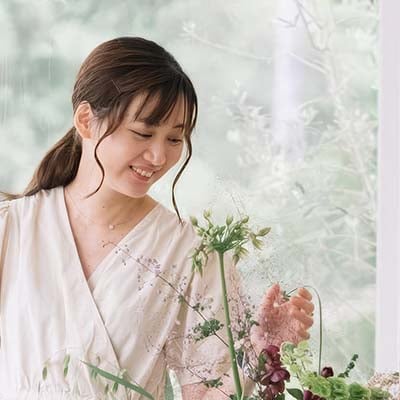
Gahan Mi is a Hong Kong floral designer and founder of Home Sweet Florist. What began as a part-time practice from home eventually developed into Home Sweet Florist, with Gahan opening her own floral studio in 2019. Today, her work focuses strongly on floral creation and education, including workshops and professional floral design courses.

Gahan approaches flowers as a creative medium rather than simply a product. Her style is playful and open-ended, combining flowers and plants with unexpected natural materials, including fruits and vegetables, while drawing inspiration from shapes, architecture, and everyday surroundings.

YOU MAY ALSO LIKE

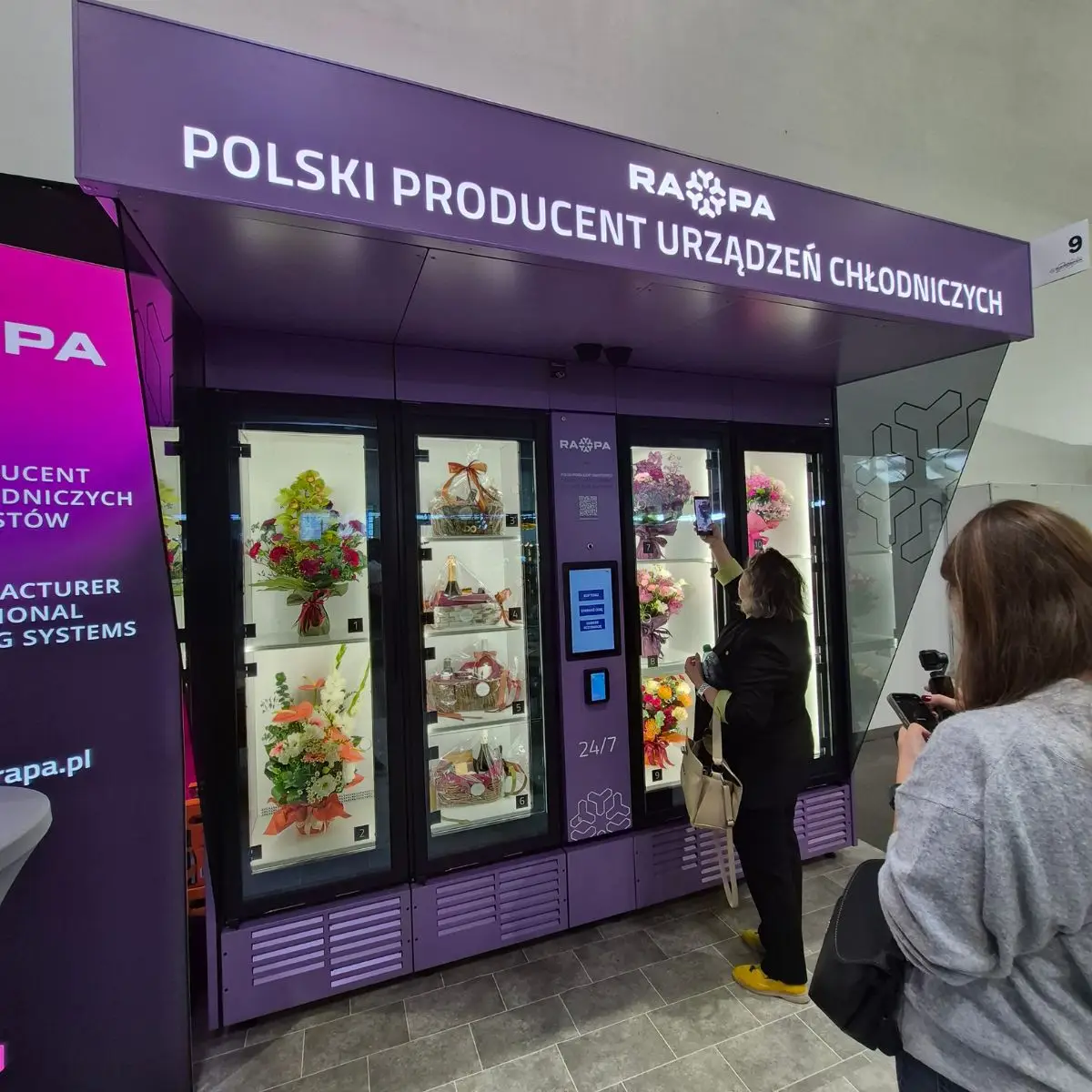
Fresh bouquets displayed behind glass in a 24-hour flower vending machine
Flower Vending Machines: Could They Change How Africa Buys Flowers?
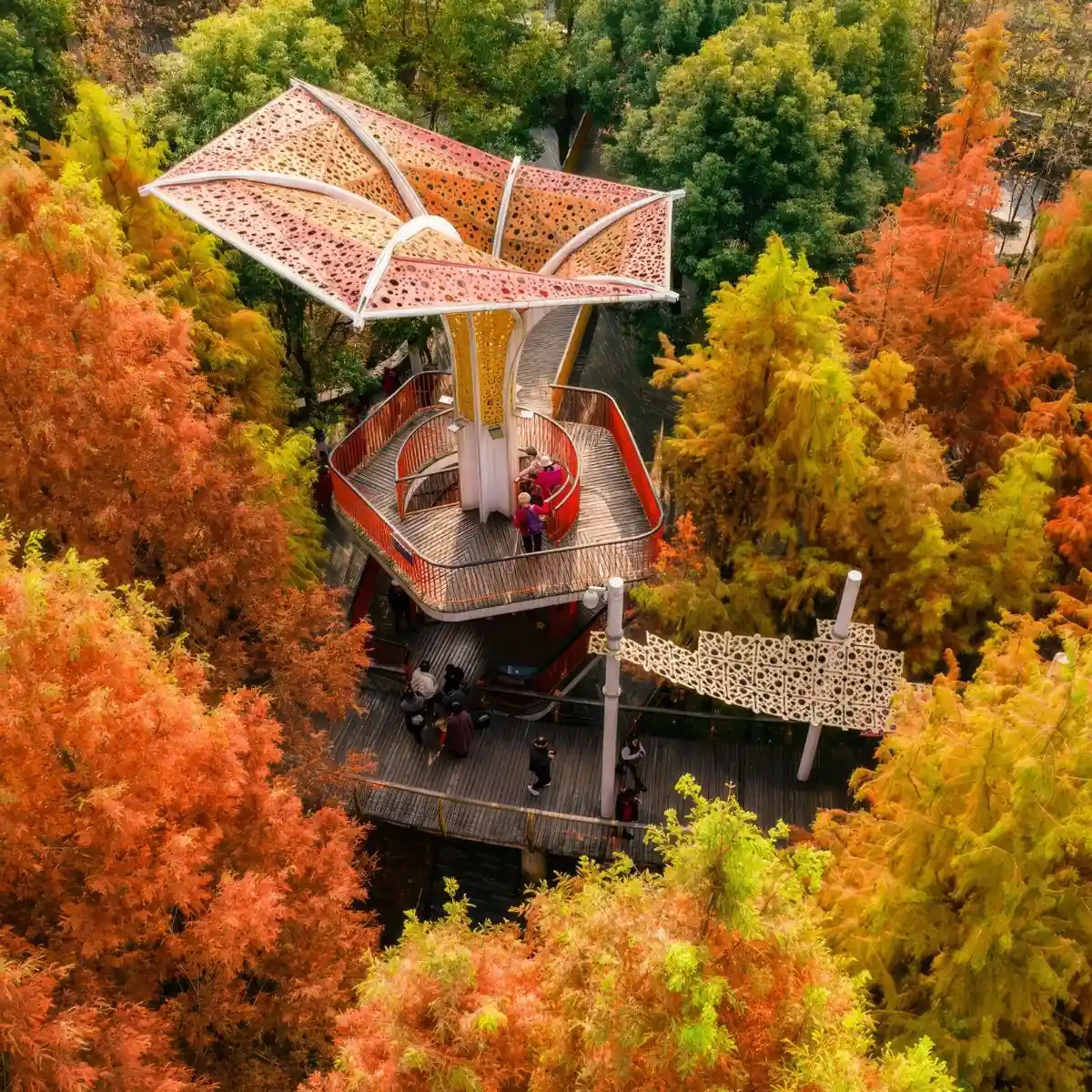
Yichang Park
Yichang Yunhe Park – The Autumn Colors of Its Water Forest
Travel
Nov 10 | 6 min read
Kingfisher with deep teal and orange feathers, Thursd Floral Trend Color 2027
Where Nature Already Speaks the Thursd Floral Trend Color 2027
Woman in Hanfu at a table set with red Chinese New Year decorations
Chinese New Year Flowers and Plants That Bring Luck in 2027
Special Days
Oct 30 | 20 min read
Summer to Fall A Floral Farewell to Ecuador
From Summer to Fall: A Floral Farewell to Ecuador
A Chandelier Made of Flowers
I Walked Into a Trade Fair in Poland and Found a Chandelier Made of Flowers
four phones with a thursd page open

Can't get enough?

Subscribe to the newsletter, and get bedazzled with awesome flower & plant updates

Sign up