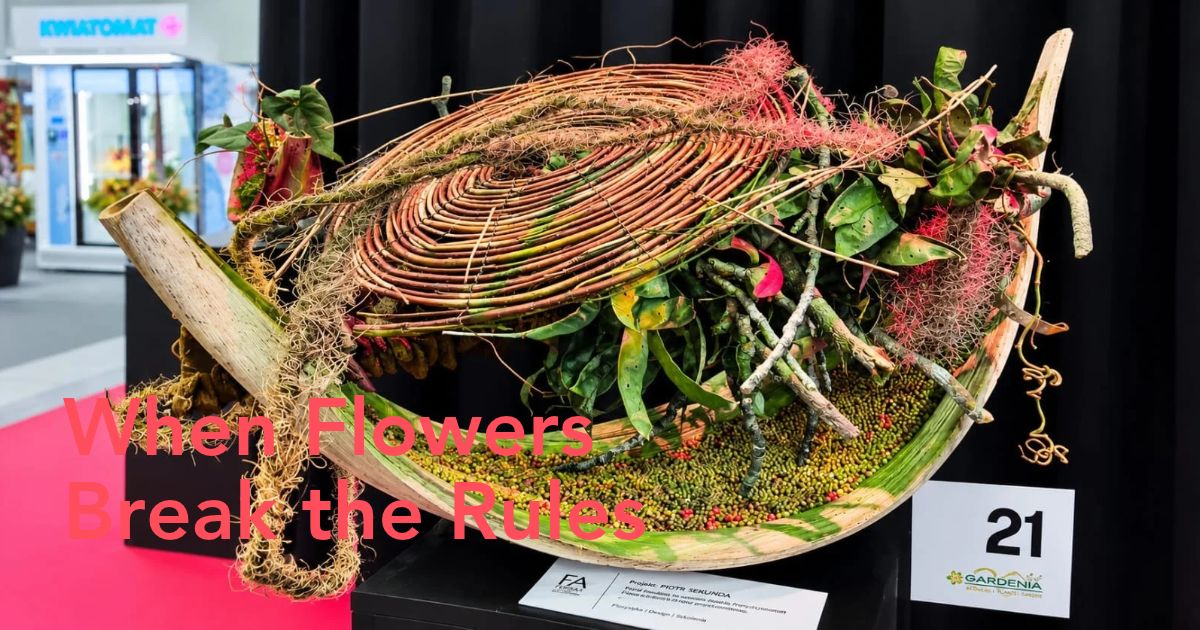
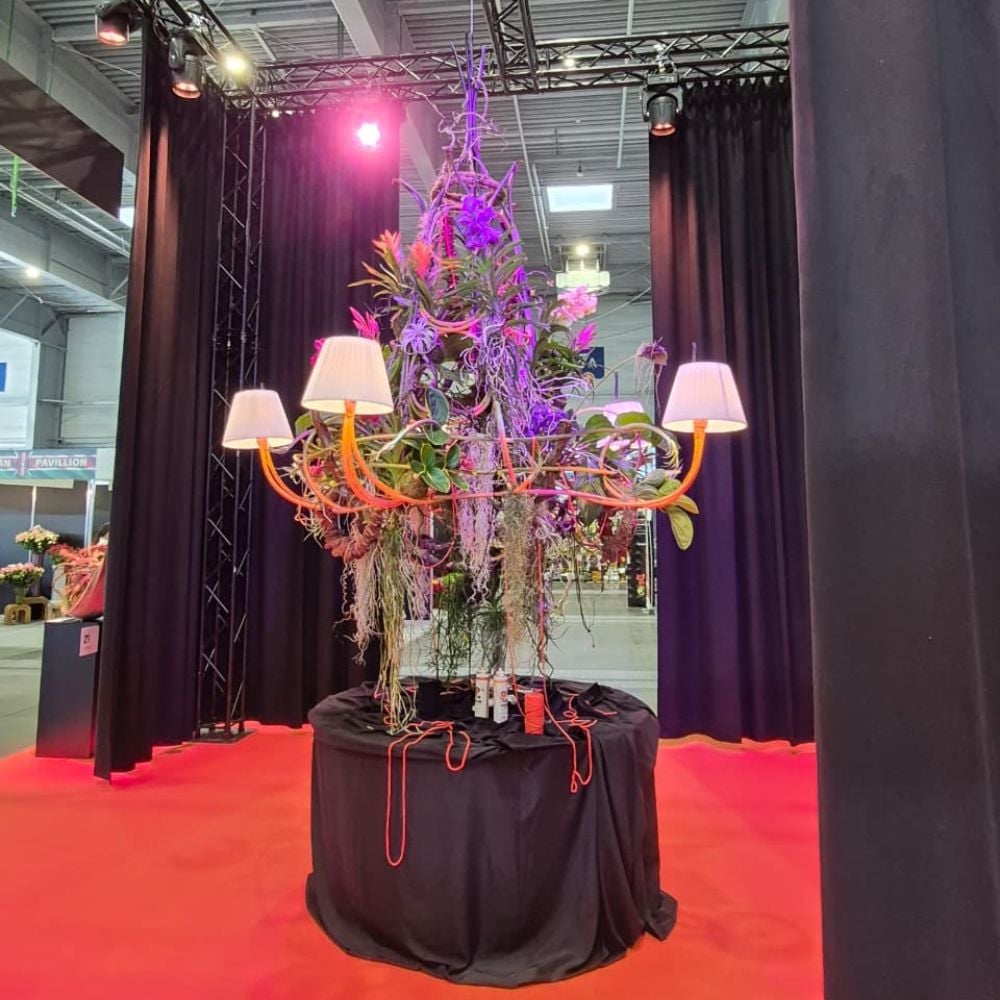
Picture a huge exhibition hall packed with garden tools, outdoor furniture, and landscaping machinery, the kind of place where you expect to talk about irrigation systems and lawn equipment. Then you turn a corner and everything changes. Hanging above a round table draped in black is a chandelier overtaken by a jungle, with orchids, bromeliads, and trailing air plants spilling out in shades of purple, pink, and orange. Beside it, on a plinth marked 21, a curved, boat-shaped sculpture holds dried and living plant material in warm, earthy tones. Above it all, a dark sign with clean white letters reads Floral Academy.
That was my moment at Gardenia in Poznan, Poland, and I haven't stopped thinking about it since. I had traveled there expecting a garden fair, and I left with an idea that I believe could change how young Africans think about flowers, careers, and creativity. Let me take you back to that stand, because what I saw there deserves a conversation across our continent.
Gardenia: Where Business Meets Beauty
I learned that Gardenia is one of Europe's major garden and landscape fairs, and it takes itself seriously. Held annually at the MTP Poznan Expo grounds, it has attracted almost 25,000 visitors for twenty years, including flower growers, garden equipment makers, and distributors of everything from planting pots to lighting. The 2026 edition, which I attended in early October, covered garden design, gardening equipment, and workshops. To me, it felt like a business-minded gathering, full of professionals comparing products and making deals.
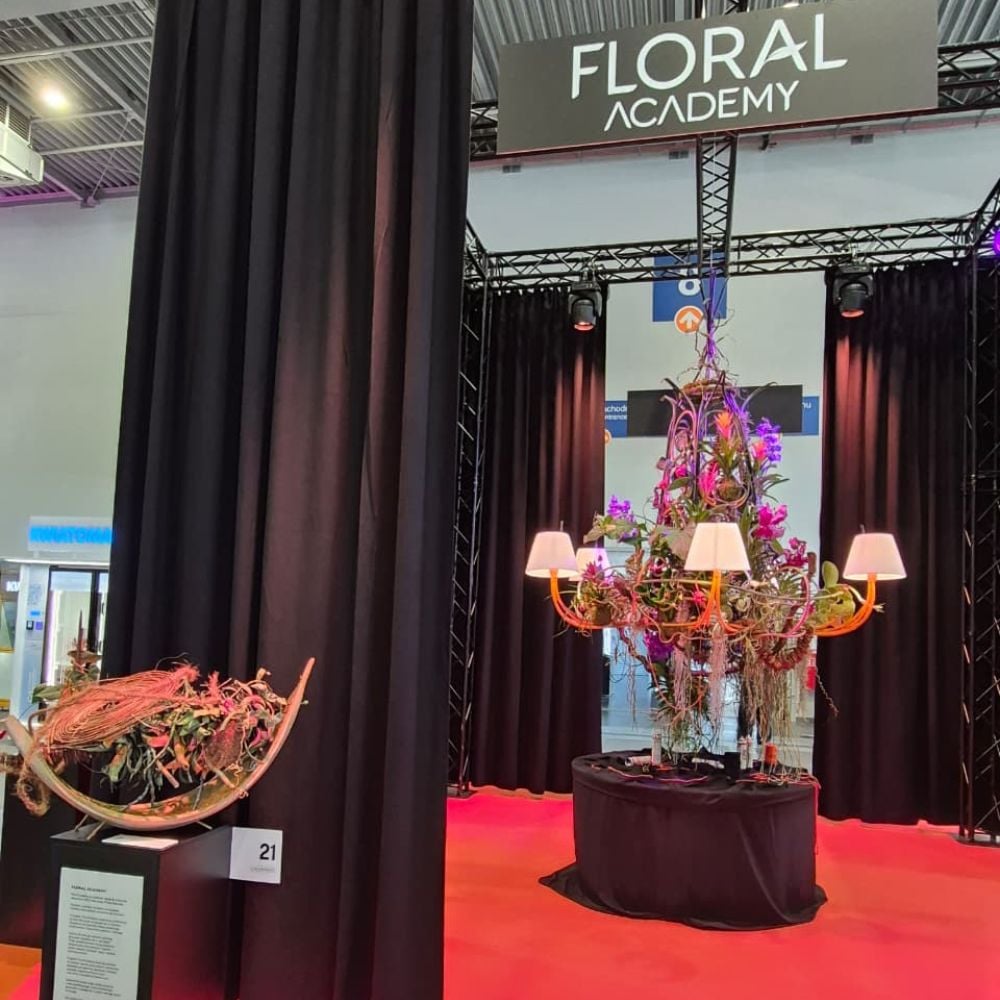
That is exactly what made the Floral Academy stand so striking to me. While most exhibitors showed what their products could do, this team showed me what a trained imagination could do. The stand felt like a small art gallery dropped into a trade hall, with black drapes, spotlights, a glowing red floor, and plants staged like museum pieces. People rushing between stalls slowed down, pulled out their phones, and stared. I did the same, and then I started asking questions.
A School Built for Florists
So what exactly is Floral Academy? I wanted to know, so I dug in. It is a professional floristry school, and I realized that for many people in Africa, that is a startling idea because formal floristry training is not always easy to access. The school is based in Dabrowka, Poland, and according to its listings on Poland's national training services portal, which I read through, it runs training sessions, seminars, and floral shows. I found that its Florist program is a professional course covering composition, plant knowledge, and business skills for the modern floral industry.
I learned that the program is designed for complete beginners, self-taught florists who want to organize their knowledge into a practical whole, and people who want a diploma to match their experience. For those who want to go further, I discovered the Master Florist program, a 340-hour course for trained florists or people with significant practical experience, aimed at creating advanced, creative compositions. I was glad to find that both programs accept a maximum of six participants, so every student gets personal attention instead of getting lost in a crowd. The training follows the methods of the school's founder, Piotr Sekunda, who also serves as its trainer.
Meeting the Creative Mind Behind It All
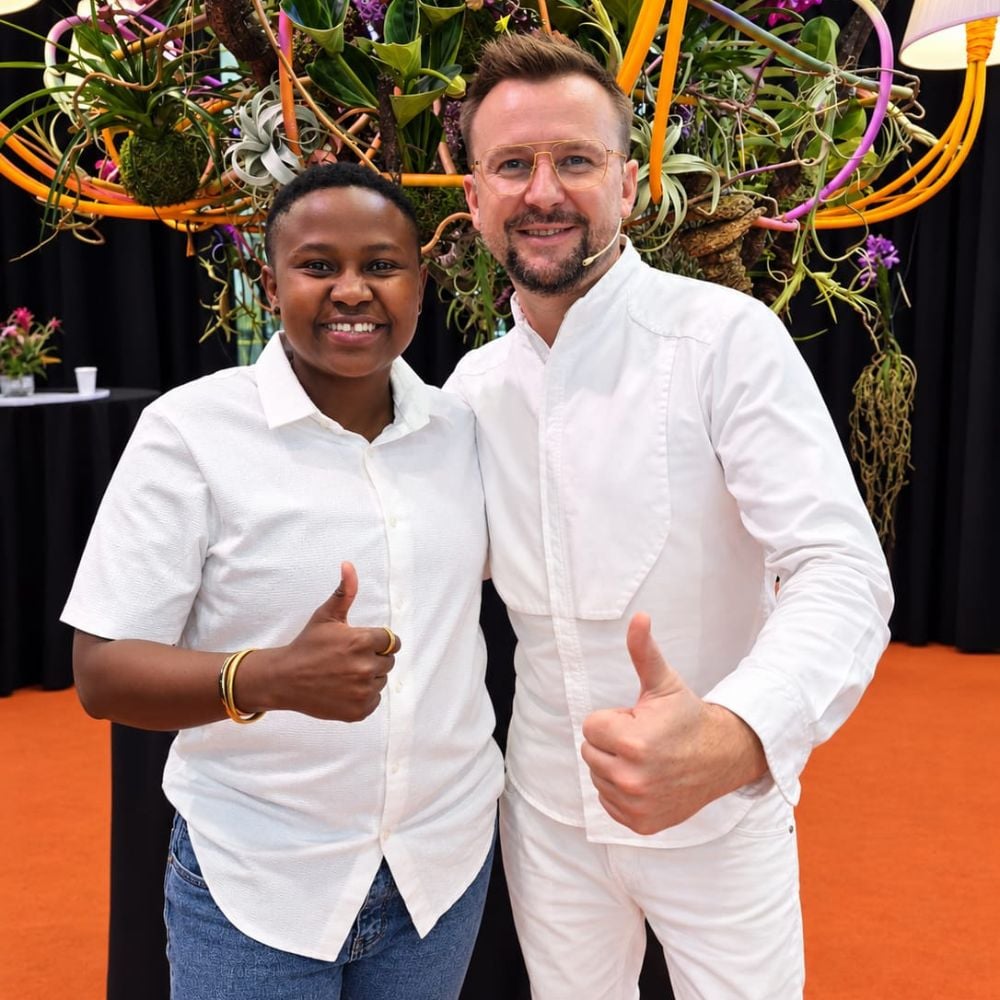
I was lucky enough to meet Piotr Sekunda, the school's creative director, in person, and the encounter made the whole visit feel more real. What stood out to me was seeing his work and his team's work up close.
When I looked closely at the chandelier, I understood why. I noticed that its original lampshades and orange arms remain. Yet, it has been reimagined as a living garden, with tropical flowers pushing through the metal and pale, spidery plants hanging down like a curtain of silver threads. To me, nothing about it resembled a corner shop bouquet. I saw sculpture, architecture, and horticulture all at once, the kind of piece I could easily imagine in a luxury hotel lobby, a gallery opening, or at a high-profile wedding. It showed me that floristry, at this level, requires technique, standards, and creativity, and it has serious business potential.
Why Africa Needs Its Own Floral Academy
Now I think about home. Africa grows some of the most beautiful flowers on earth, and many of our countries export roses and foliage worldwide. We have talent, cultural color, and a thriving events scene filled with weddings, corporate launches, hotel openings, and exhibitions that all need beautiful decor. Yet when it comes to learning how to design with flowers, I believe access to specialized training can be limited. Across many African markets, I think aspiring florists often learn through trial and error or by watching others, with few clear pathways from creative interest to a sustainable profession.
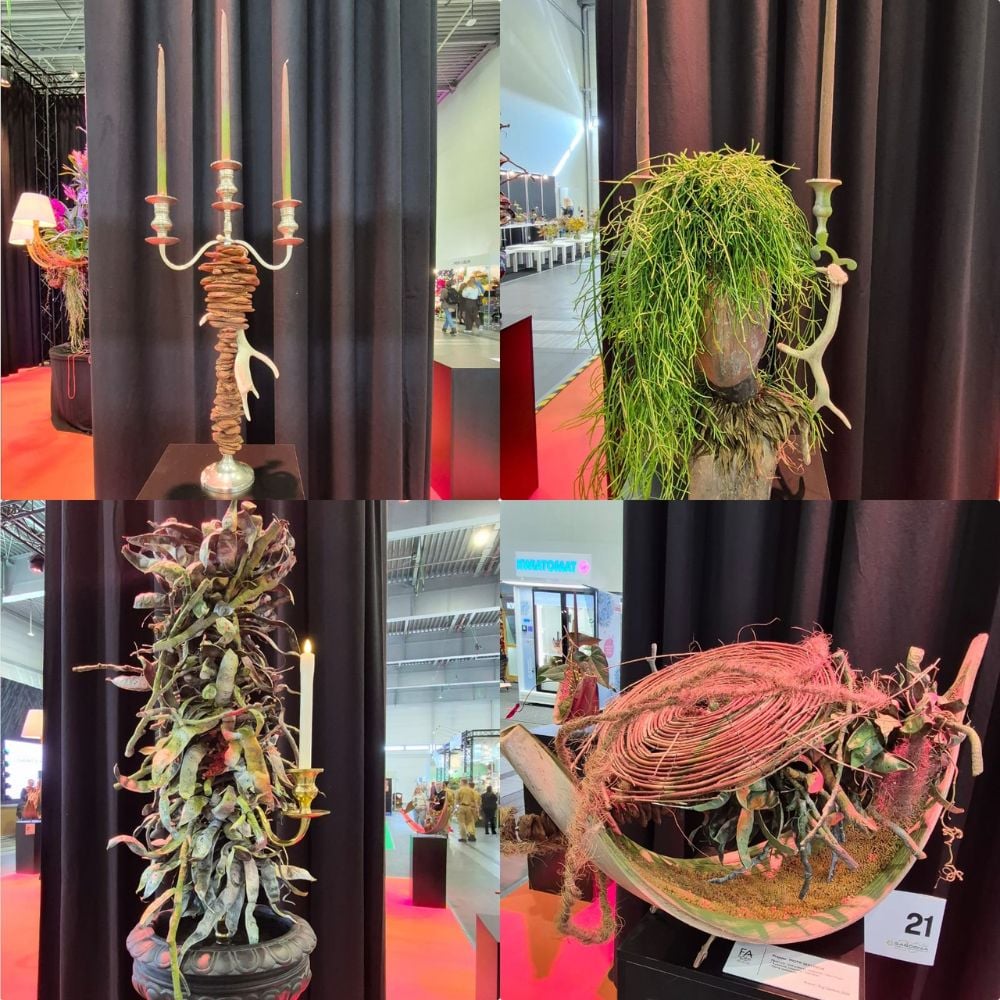
What impressed me most about Floral Academy is that it treats flowers as a craft that can be mastered, with structured courses, diplomas, business skills, and small classes that allow for real mentorship. I imagine that model in Nairobi, Lagos, Kampala, or Accra. I imagine a young person who loves flowers being told that this can be a respected career, and graduates designing the spaces where our biggest celebrations happen.
I came home from Gardenia in Poznan convinced that we already have the flowers, the creativity, and the demand. We can build on that foundation by making professional floral design training more accessible and creating clearer pathways for people who want to turn their creativity into a career. If you love design, art, or entrepreneurship, keep your eyes open, because the next big opportunity might be hanging from a chandelier.