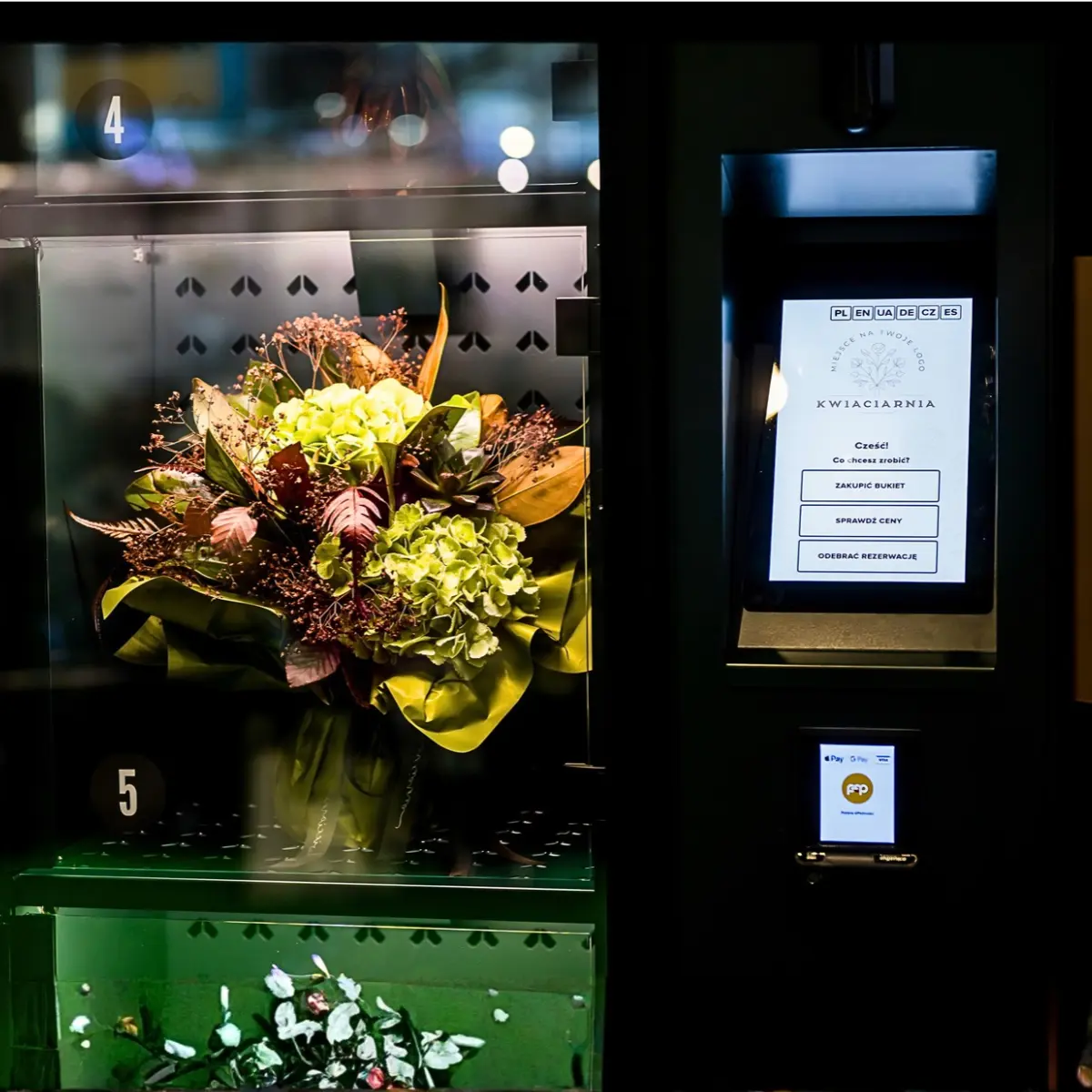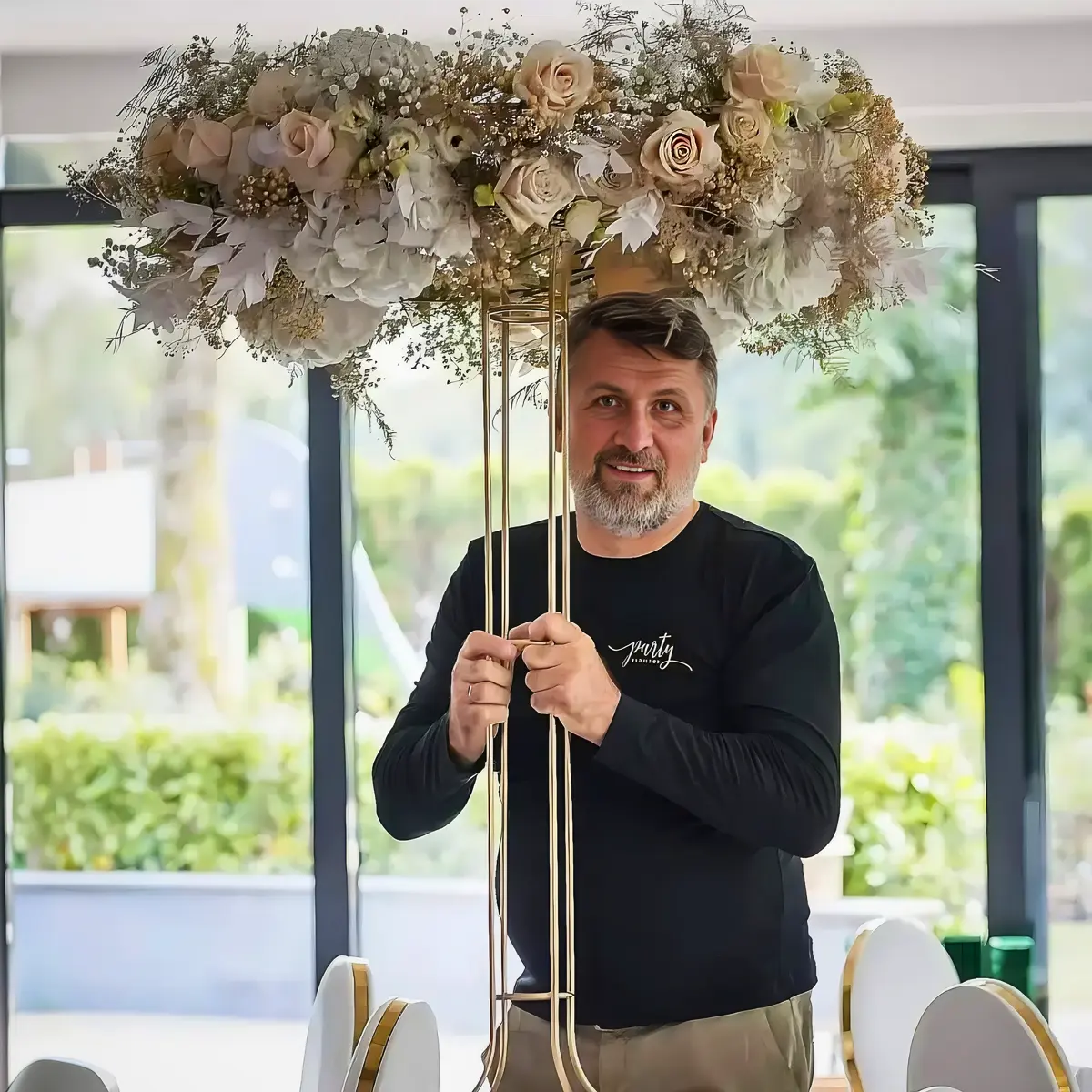
For many years, I developed a network of flower shops. Whenever I opened a new location, I expected the costs to be high. I also knew that the final figure would probably exceed the original estimate. Design work, adapting the premises, creating an elegant interior, branding, furniture, tools, equipment, and the first stock order were never small expenses.
The investment itself was only the beginning. A new flower shop needed time to attract customers and reach the level of sales required to cover its own costs. Until then, its cash flow had to be supported by profits generated at our other locations. I regarded this as a natural part of developing the network.
The pace of that development was not always right. There were times when we opened new shops faster than the company could manage the resulting cash movements. Each location had potential, but all of them needed money at the same time: for investment, rent, wages, stock, and the first months of operation.
That was when I understood that a company can be growing in the right direction and still be growing too fast financially. It is not enough to calculate whether a new location will eventually become profitable. You must also know whether the whole business has enough cash to carry it safely to that point.
When Prestige Began to Cost Too Much
An even more difficult situation developed at one of our established flower shops. It occupied a prestigious location in the city center. When the street was closed to cars, the shop's revenue fell by roughly half. Its rent, wages, and other fixed costs, however, remained almost unchanged.
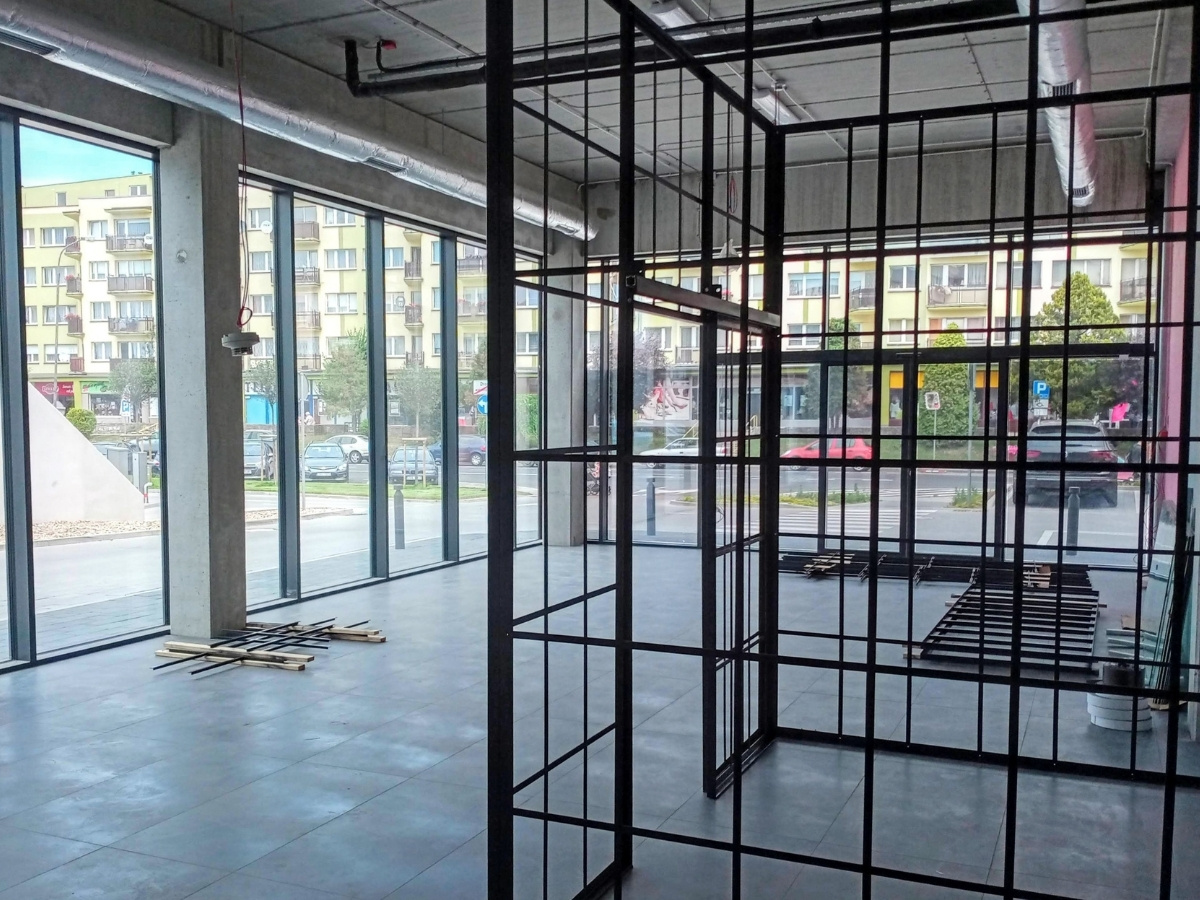
At first, I wanted to preserve the location. It had history and value for our image, and closing a flower shop is never only a decision made in a spreadsheet. There are employees, customers, habits, and the belief that circumstances may still improve.
Keeping it open required us to transfer money regularly from other shops to a location that could no longer finance its own operation. After several months, I made the difficult decision to close it and move elsewhere.
Profitable parts of a business can support a new or temporarily weaker location for a while. But we must be able to answer an uncomfortable question: are we financing its return to profitability, or merely postponing a difficult decision?

Profit and Cash Move to Different Rhythms
In my previous article, I wrote that sales are not profit. The next step is equally important: profit is not the same as cash available in the bank.
A company may have customers, a full order book, rising sales and profitable projects, yet still lack the funds needed to meet its next obligations. The business model itself may not be the problem. Sometimes income and expenditure do not arrive at the right moments.
Flowers must be purchased before they can be sold. Employees are paid on agreed dates. Rent, suppliers, transport and taxes do not wait until the customer decides to settle an invoice. The sale may already be recorded, while the money remains with the customer.
Many times, I had to decide which payment to make immediately and which could wait a few days. Eventually, I understood that the problem did not begin when I was making that choice. It had begun earlier, when I stopped regularly monitoring the company's finances, its costs, and the payment dates ahead.

A Flower in a Vase Is No Longer Cash
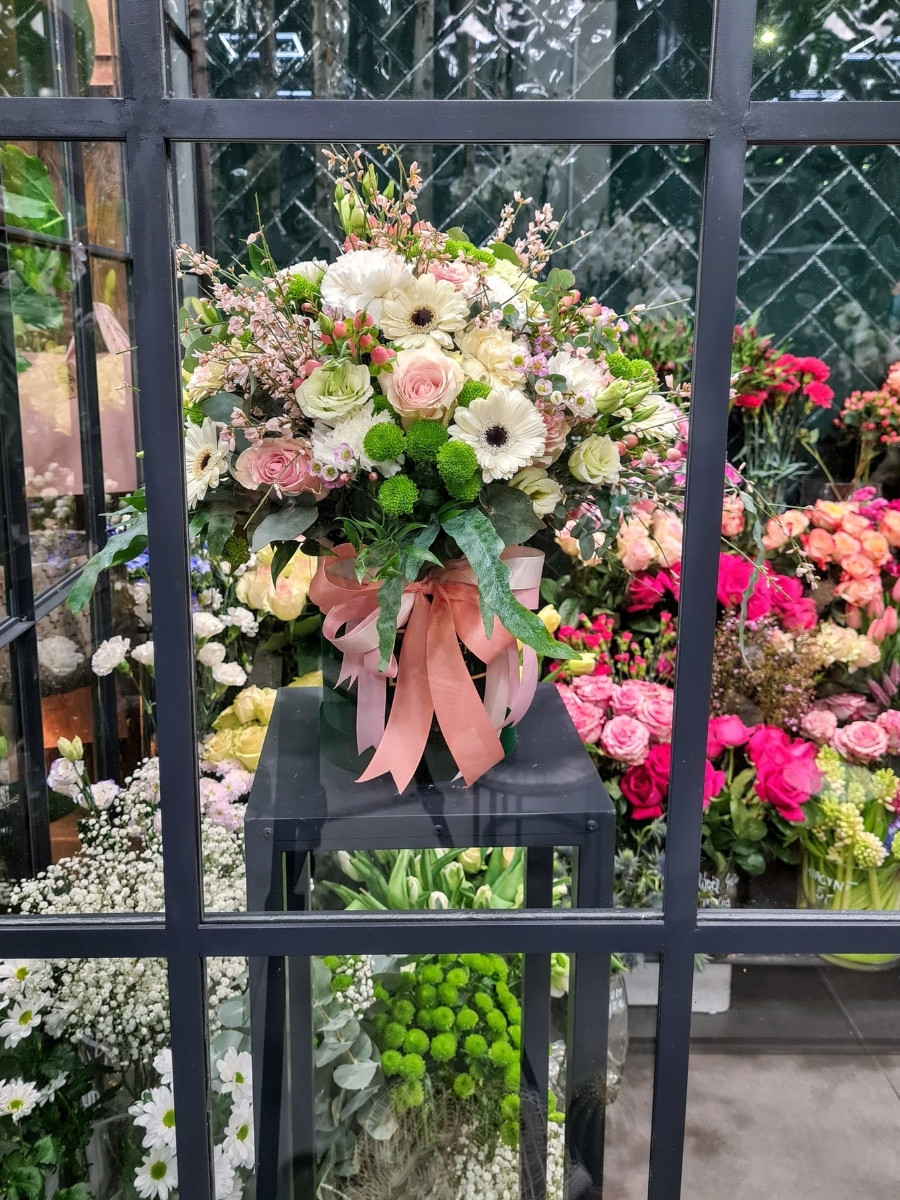
The floral industry is especially demanding in this respect. We need a broad and attractive assortment, but we work with products that have a short life. Every flower standing in a vase represents money that has already been spent. Until that flower is sold, it cannot finance the next purchase, a wage, or the rent. Moreover, it loses part of its value every day.
Capital can also be tied up in pots, containers, packaging, seasonal decorations, wedding materials, and products purchased simply because the price looked attractive. A bargain improves the result only when the product is sold within a reasonable time. Otherwise, a good purchase price may mean nothing more than additional money sitting on a shelf.
Then there is seasonality. Before the major flower-giving occasions, we must increase purchases and prepare the team before the strongest sales arrive. If demand is lower than expected, the business is left not only with unsold material, but also with less cash for its continuing operation.
A Profitable Project Can Still Burden the Business
The same mechanism applies to weddings and large event decorations. A project may be priced correctly and produce a profit, but before it is completed, we must purchase flowers and materials, prepare structures, arrange transport, and pay the team. If the customer pays only a small deposit and settles the balance many days after the event, the floral company is financing that event with its own money.
In our company, we aim to receive 20% of the contract value when the client accepts the proposal and reserves the date. A further 30% is due 30 days before the installation. We collect the remaining 50% on the event day, after completing our work and receiving the client's approval.
I have never postponed the final settlement until the days following the installation. Clients accept these conditions, and after the demanding work, I can enter the weekend with peace of mind, rather than wondering when the money will arrive and starting the following week by chasing payment.

The 20/30/50 structure will not be right for every company or every project. The universal principle is different: the payment schedule should correspond with the schedule of costs. A company should not finance its customer from its own capital for an extended period.
Recurring Sales Still Require Control of Receivables
Working with companies and institutions can provide a flower business with valuable regularity. A good example is a subscription for flowers delivered to a reception desk, office, restaurant, or hotel. We deliver the flowers every week and issue one consolidated invoice at the end of the month. It is convenient for the customer and gives us predictable sales and a long-term relationship.
Yet this model also has a cash-flow cost. Throughout the month, we buy flowers, arrange deliveries, and use our team's time, while payment arrives only after the invoice has been issued – sometimes another 14, 30, or even 60 days later. In practice, we finance the customer service from our own resources during that period.

Deferred payment terms are a normal and valuable part of business relationships, provided that receivables are monitored consistently. We need to know when an invoice is due, remind the customer as the payment date approaches, and follow up quickly and firmly if it becomes overdue. An issued invoice does not finance the business. Only money that has actually reached the bank account can do that.
A Deposit Is Not Yet Earnings
Money arriving in the bank can also create a false sense of security. Deposits for weddings and events often arrive many months before delivery. They are in the account, but they are not free cash. They are tied to future work and future costs.
If deposits from new orders are used to pay old obligations, future events must be financed from the next incoming payments. This can work for a while, especially when sales are growing. It becomes dangerous when new orders slow down, several expensive projects accumulate, or a customer expects a refund.
The same applies to the total bank balance. Part of the visible money may already be economically committed to wages, taxes, suppliers, or materials for accepted projects. The amount in the account is not always the amount that is available to spend.

How I Learned to Look Ahead
I did not need a complicated system to improve control over cash flow. In practice, I used a combination of several solutions: a payment calendar, regular checks of upcoming obligations and, whenever possible, a reserve kept in the account.
The most important change was to stop looking only at today's balance. It has to be compared with what will happen over the coming weeks: confirmed income, invoice dates, wages, taxes, seasonal purchases, repayments and planned investments.
Such a forecast does not have to be perfect. Its purpose is not to predict every sale, but to reveal a problem early enough. When we see a shortfall several weeks ahead, we can reduce a purchase, postpone an investment, contact a client sooner, set a better payment schedule or speak with a supplier. When we discover it only on the payment date, far fewer good decisions remain.

A financial reserve is not unproductive money either. It gives the company time. It can help the business survive a weak month, a delayed payment, a vehicle breakdown, a sudden increase in material prices, or an investment that needs longer to begin paying for itself.
Cash Creates Freedom of Choice
A liquidity problem rarely begins spectacularly. First, we delay one payment. Then a supplier shortens the payment term or withdraws a discount. We begin buying at higher prices and in smaller quantities, use expensive finance, and make decisions under pressure. The company may still be selling strongly, but it gradually loses its freedom to act.
Available cash provides more than security. It allows us to negotiate without haste, seize a good opportunity, invest at the right moment, or reject an order offered on poor terms. Capital gives the owner time and freedom of choice.

Over the years, I learned that sales growth does not always solve financial problems. Sometimes it creates an even greater need for money. A new flower shop, a large event, or another investment may make perfect business sense, but the company must have enough cash to reach the point when it begins generating cash of its own. Profit shows whether a business model makes sense. Cash flow determines whether the business has enough time to prove it.