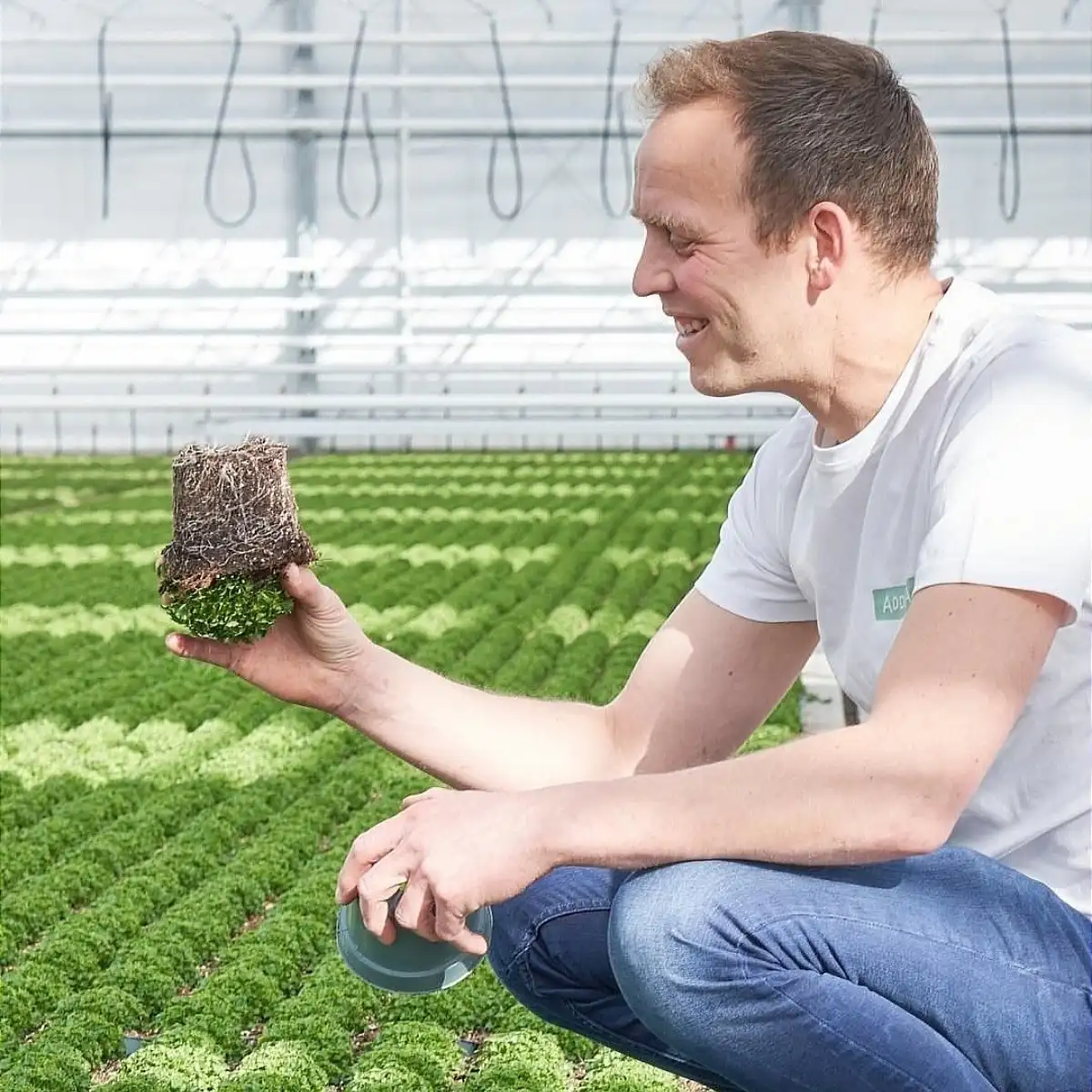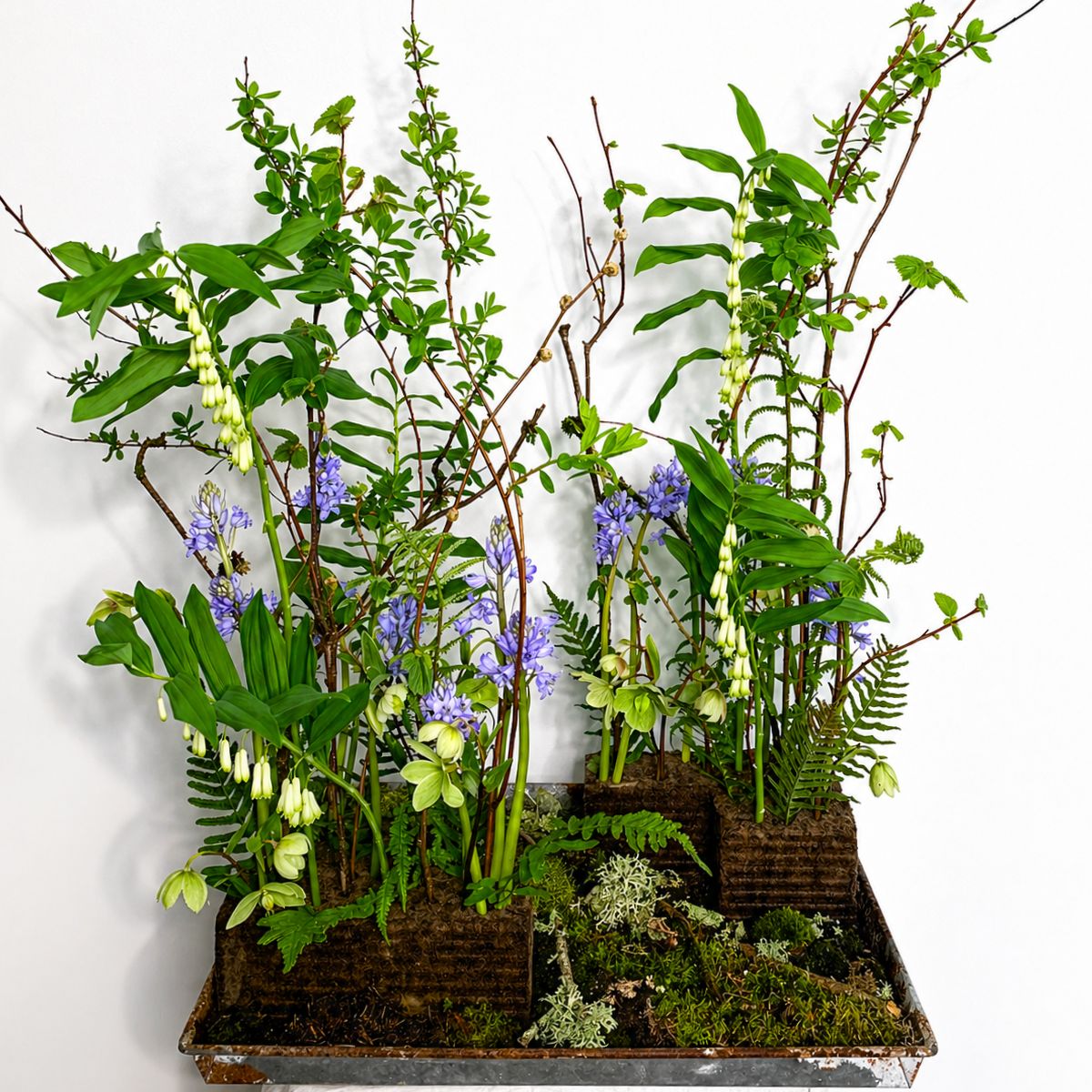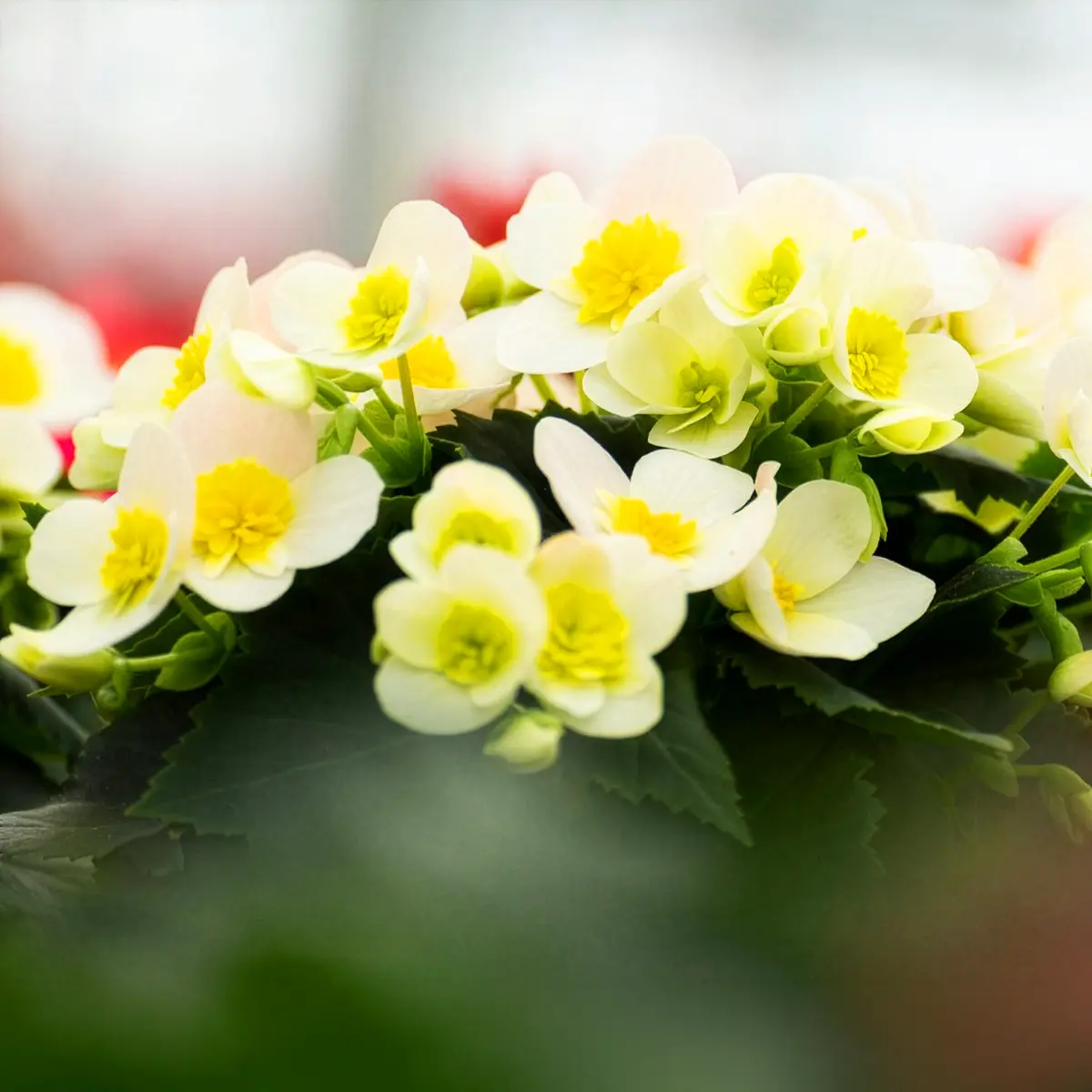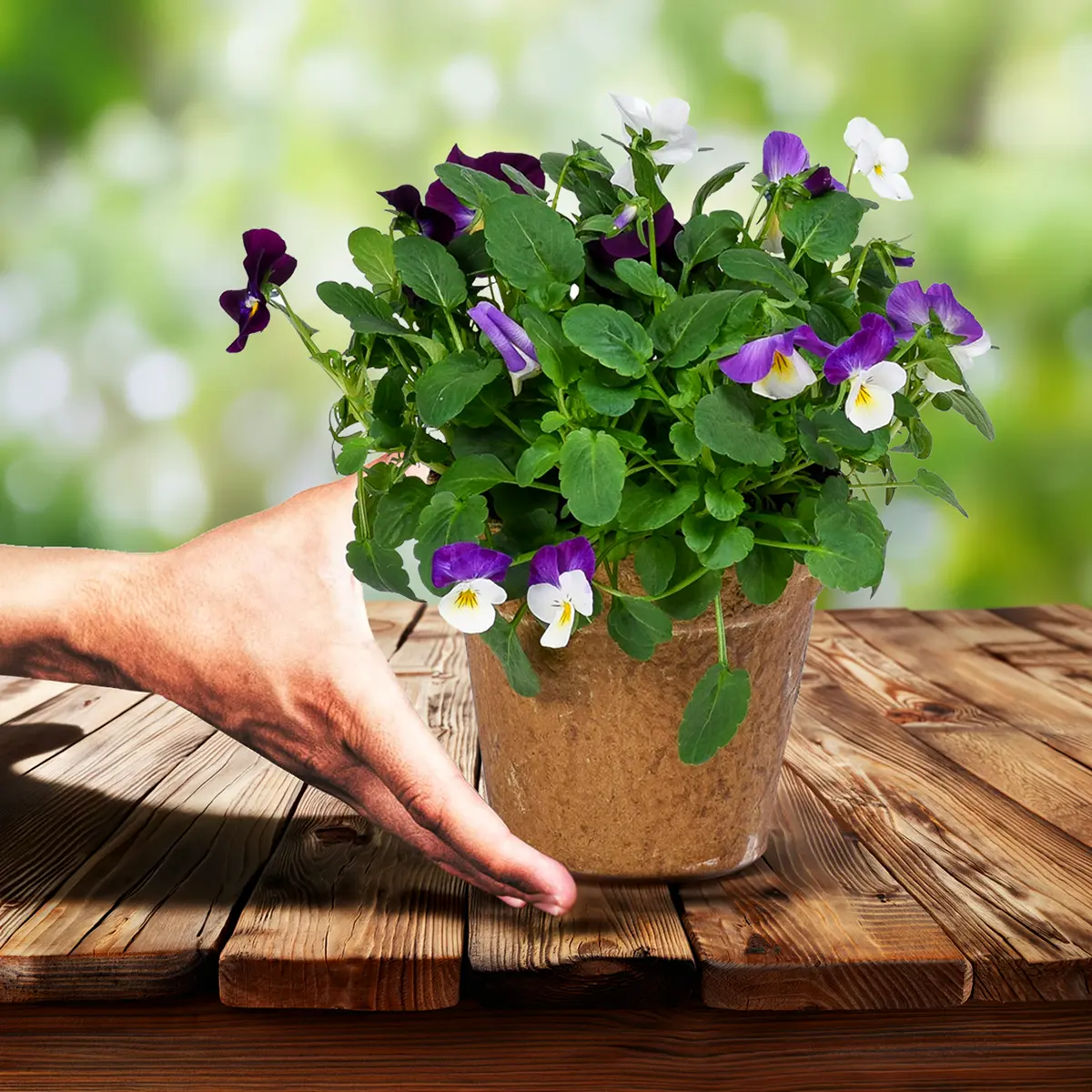
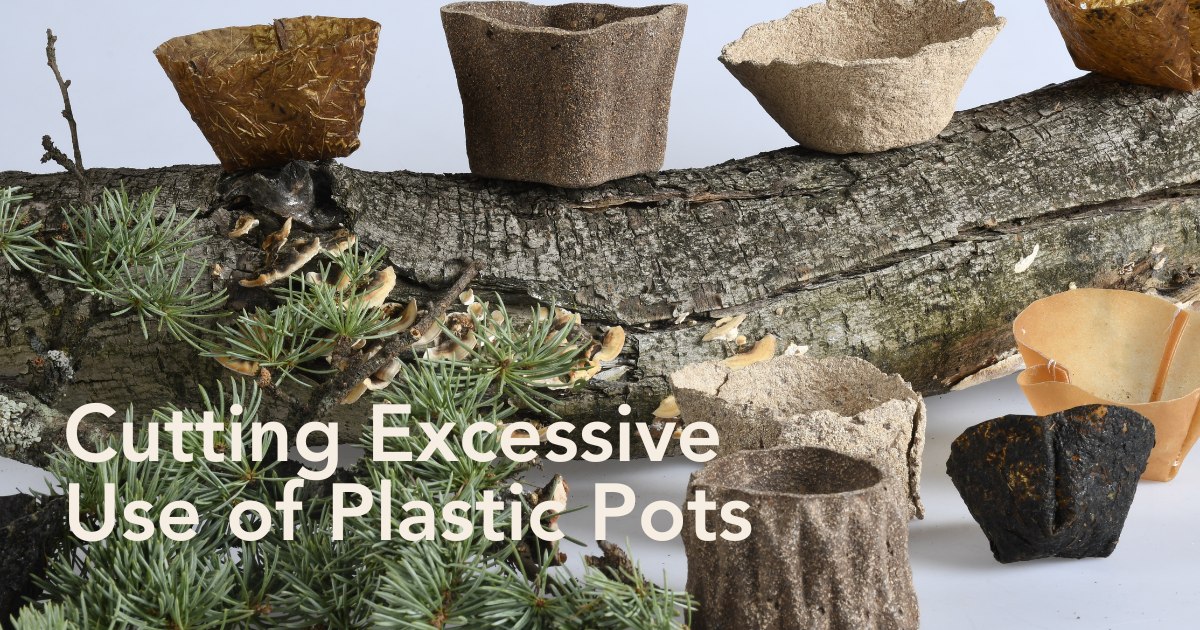
Most of us have bought a plant and thought nothing of the plastic pot it came in. It holds soil, drains water, does its job, and then sits in a corner of the home or garden for years. It does not biodegrade after finishing its purpose, but lingers long after. And if discarded, it causes more problems. But should that be so?
The growing concern for sustainability has encouraged innovative approaches to addressing and managing waste and discarded materials. My project was developed with a focus on the excessive use of plastic pots in the horticulture, floriculture, and gardening industries. It aimed to explore methods for mitigating waste and reintegrating discarded materials from various sources. In the end, it sought to demystify whether biodegradable pots can be a panacea to this plastic pot menace.
Plastic Does Not Decompose, It Just Accumulates
I grew up in Bahia, Brazil, trained as a mechanical engineer, and eventually found my way to industrial design at the University of Porto in Portugal. Somewhere along the way, I became someone who could not look at a thrown-away material without wondering what else it could be. That habit of looking twice at discarded things is what set my project in motion.
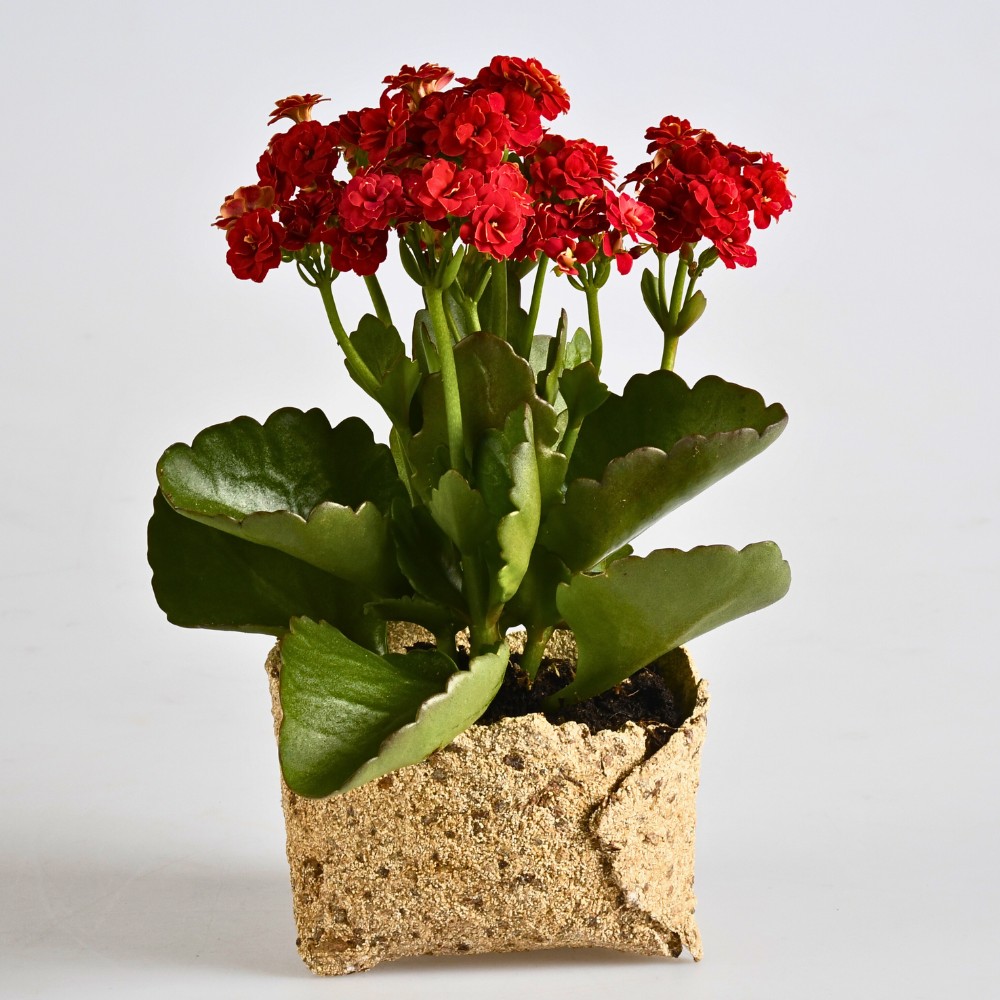
The horticulture and floriculture industries move great quantities of plastic pots every year, many of which are light, cheap, and functional in the short term. But plastic does not decompose, nor does it return to anything. It just accumulates, and in the gardening sector, for all its connection to growing things, leaves a stubborn material trail behind.
For me, the question that kept lingering was, “Could a plant pot be made entirely from organic waste, perform well enough to support healthy plant growth, and then simply break down when its job was done?”
Concern About the Excessive Use of Plastic Pots in Horticulture, Floriculture, and Gardening
With the growing concern about overreliance on plastic pots in horticulture, floriculture, and gardening, my project proposes a sustainable alternative aligned with SDG 12, Responsible Consumption and Production, focusing on waste reduction, material reuse, and circular design strategies.
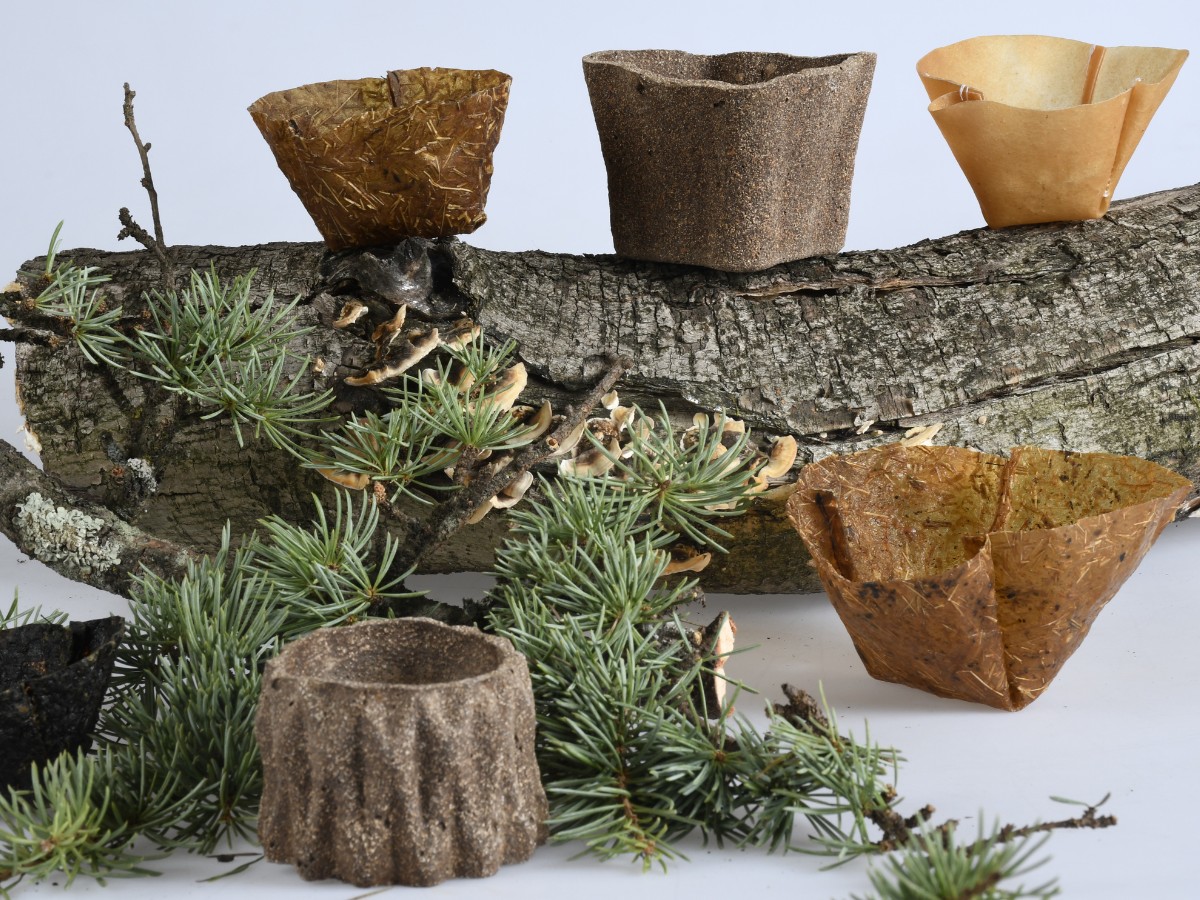
The project was developed at the University of Porto, in collaboration with Flores de Joaquim Santos. This floriculture company turned out to be a research partner and a source of raw material. We identified three waste streams from different kinds of workplaces, each generating a different kind of waste.
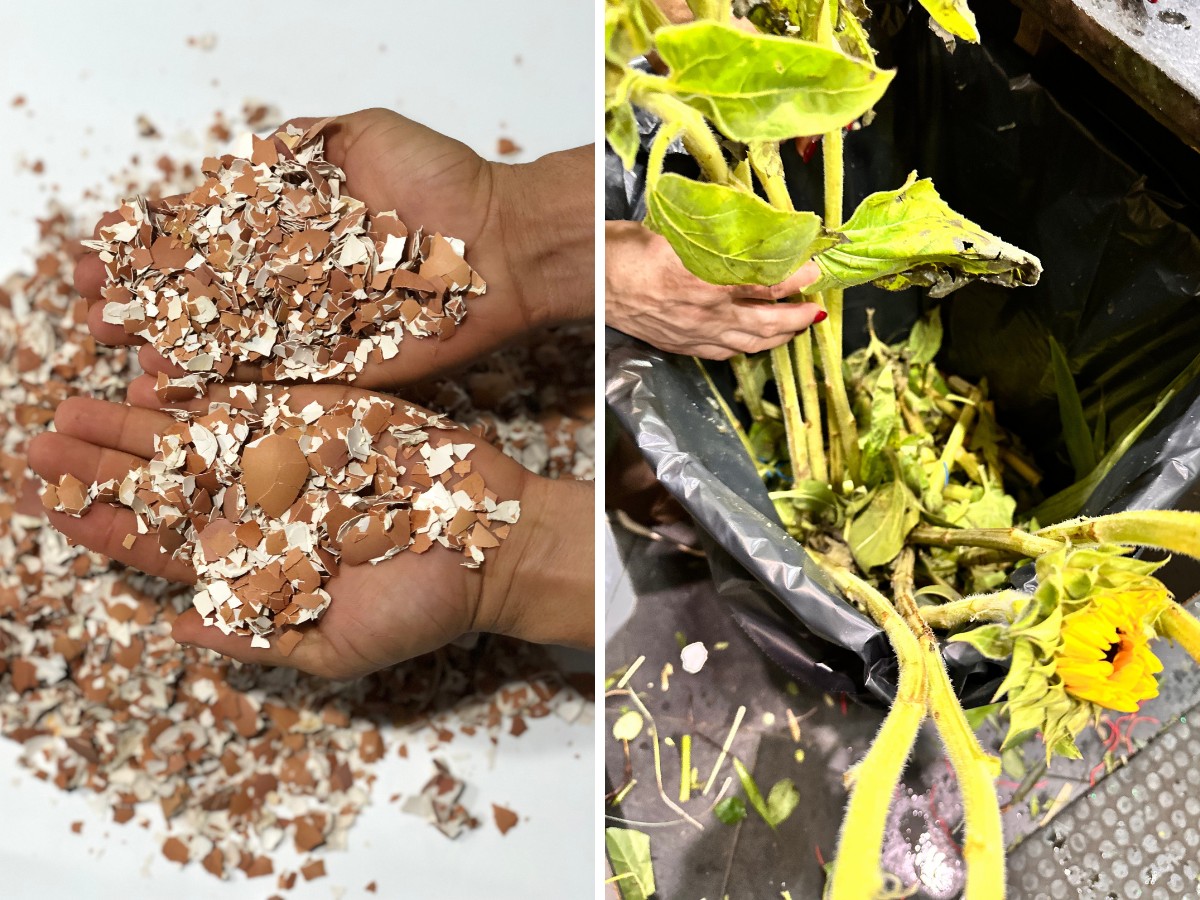
From floriculture, we collected the offcuts, like stems, leaves, and natural fibers that pile up at the end of every working day. From restaurants, we gathered eggshells, which most people think of as kitchen rubbish but which are, structurally, resilient and porous. From carpentry workshops, we collected sawdust, the fine dry powder that settles on every surface and typically gets swept out the door.
None of these materials is exotic or expensive (and that was the whole point). They are the kind of materials that get generated in large quantities, without much thought. The project figured that design and a bit of experimentation could give these materials a second role.
Hands-On and Iterative
Working with organic residues is not like working with standardized materials. Different waste materials behave a little differently. The floriculture trimmings varied depending on the season and the flowers being processed. The eggshells had to be cleaned, dried, and ground. The sawdust came in different grades depending on which wood had been cut. Before any pot could be made, all of this material had to be sorted, catalogued, dried, and prepared.
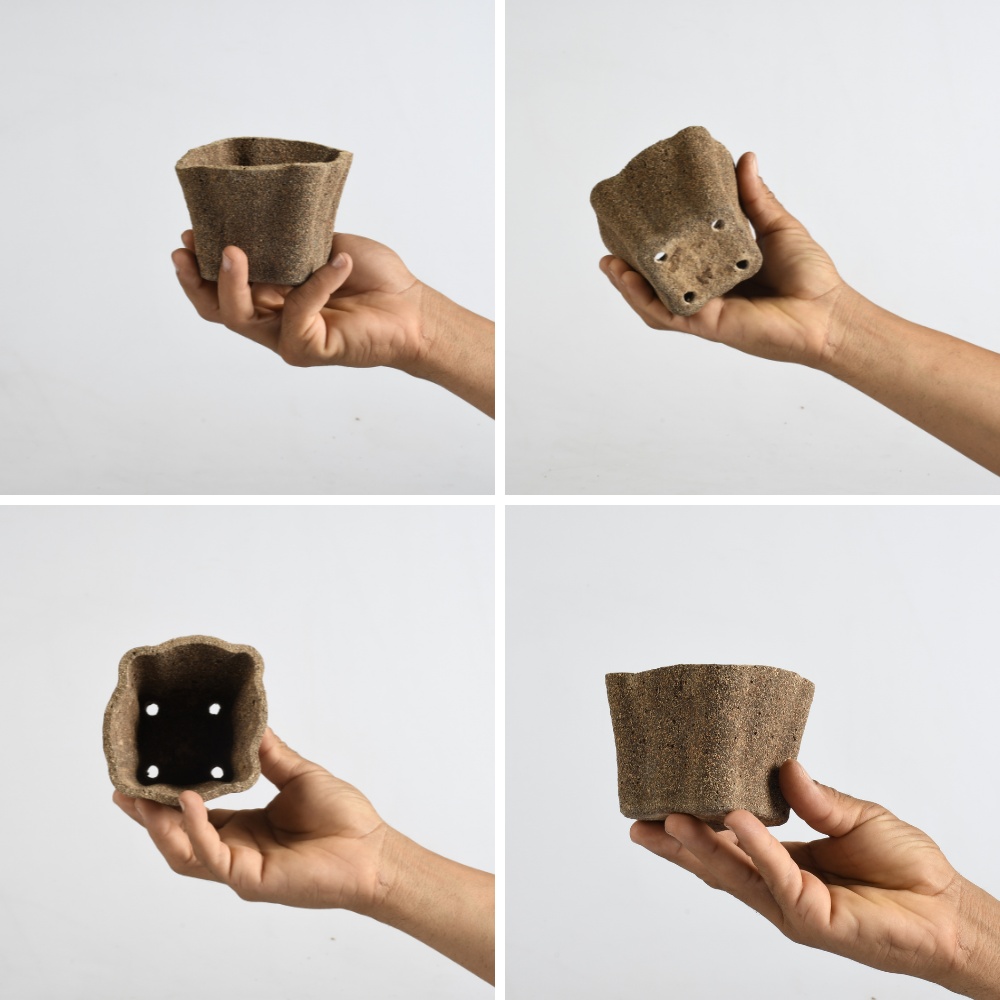
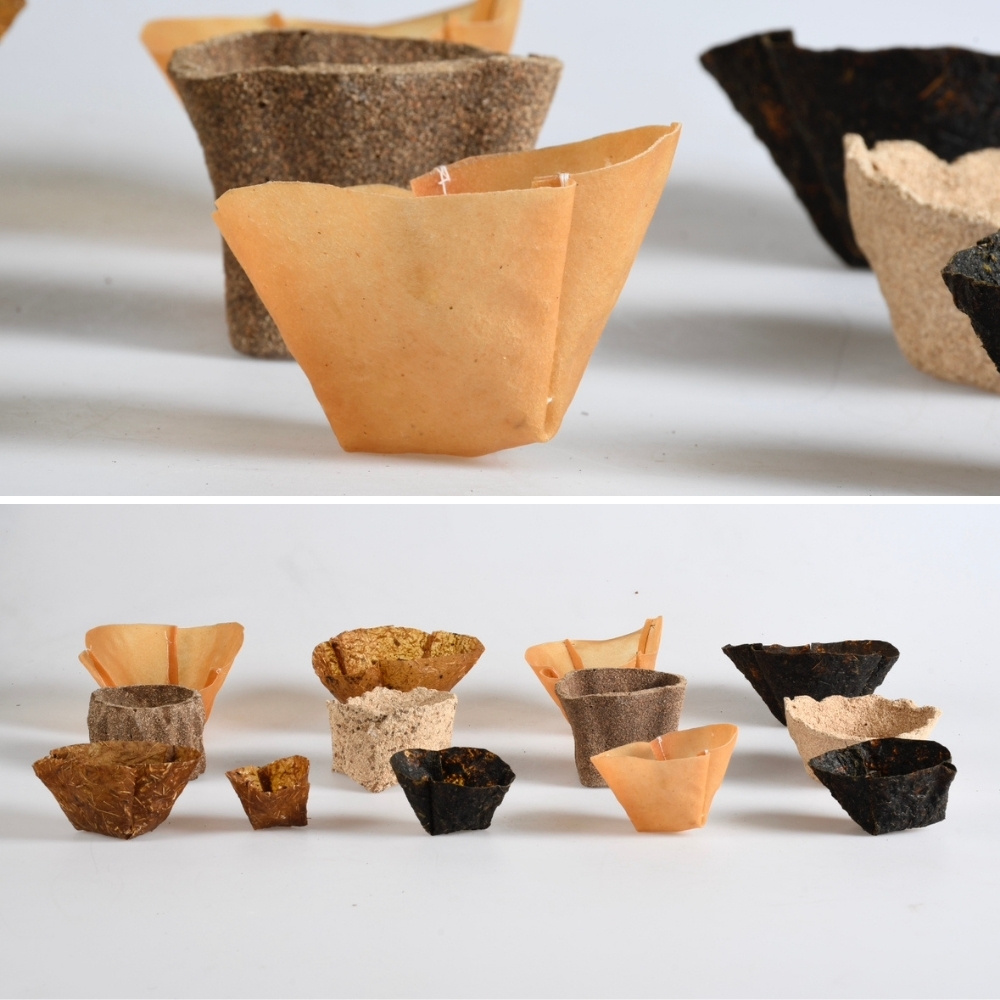
Then we tested different combinations of these residues and different ways of shaping them, including molding, industrial sewing, and folding of biomaterials into layered forms. Each approach produced a product with its own characteristics, and each result was measured against a set of fixed requirements. A pot needs to hold its shape when filled with damp soil, and drain water without collapsing. It needs to support root growth without leaching anything harmful into the surrounding soil. That last point shaped one of our most important constraints.
Every binder we used had to be natural and compatible with plant pH. Synthetic adhesives would have made the pots easier to produce, but they would also have undermined the whole idea. If the goal is a container that can break down safely in the earth, then what holds it together matters just as much as what it is made from.
What the Pots Achieved
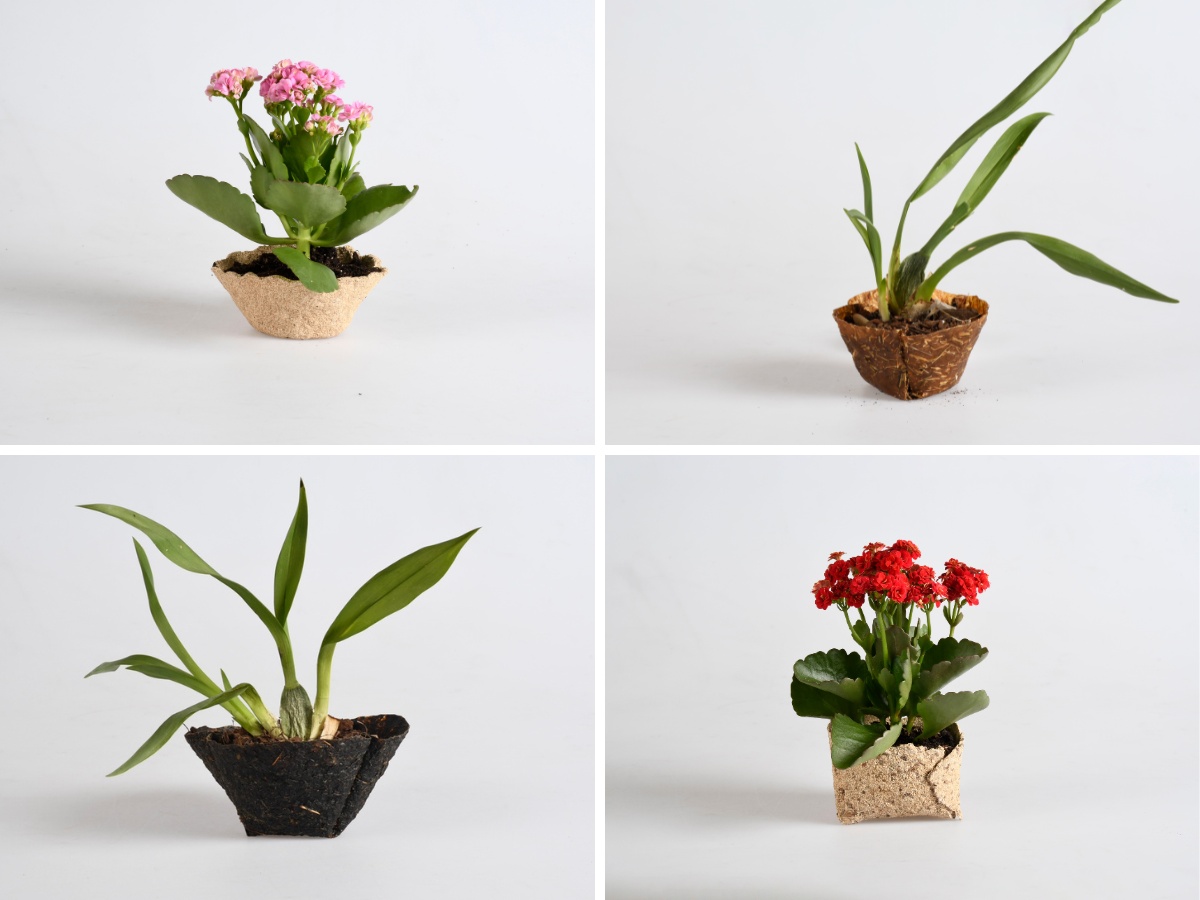
The results were encouraging, which I say not to overpraise them, but because, honestly, we were not sure they would work as well as they did. Plant growth was healthy. Water management was effective. The containers held together through the period of use and then began to break down naturally over time, as designed.
What also became clear during this process was the sheer volume of organic waste being generated across these three industries. Documenting and handling the collected materials made that more visible than statistics alone could. You look at what a floriculture shop discards in a week, or what a restaurant sends to landfill from its kitchen, and you understand that the raw material for a lot of useful things is already out there, just not recognized as such.
Our project came with its perks. We received third place at the Engage4Bio International Design Award at MOME Budapest, which was an important feat, not just because honors define the work, but also because it suggested that the questions we were asking were being asked elsewhere, too, and by other people who saw the same gap between what gets discarded and what could be made from it. It also showed that the conversation around circular design and waste as a resource is gaining urgency where it matters most.
Effective for Healthy Plant Growth and Promoting the Circular Economy
This kind of work sits within the general conversation around the United Nations Sustainable Development Goal (SDG 12), focused on responsible consumption and production. The goal calls for waste reduction, better material use, and a move toward circular design, where the end of one product's life marks the beginning of another's. Biodegradable pots are, in a small way, a realistic answer to this call.
However, this was just a research project. The pots produced were experimental, and there is work still to be done on reliability, production volume, and adaptation for different climates and plants. In practice, the pots proved effective for healthy plant growth and contributed to promoting the circular economy, opening prospects for improvements in materials, processes, and production scale.
What is evident, nonetheless, is that the concept holds up. The materials work, the pots grow plants, and the containers biodegrade and break down. That is a basis worth building on. Since the waste materials are already there, the question is just whether we pay them enough attention.
All photos by Adonis Souza Evangelista, Bruno de Almeida, and Lígia Lopes.