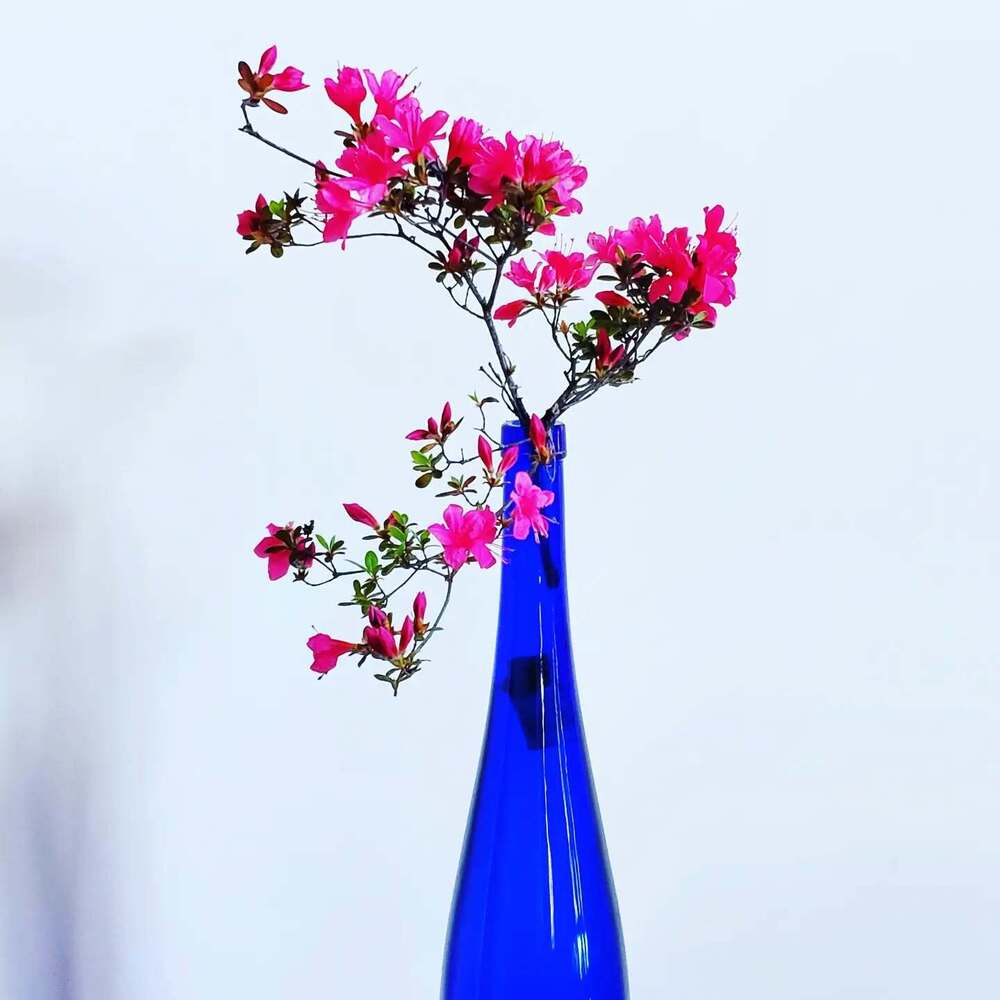
Rhododendron is a genus of more than 1,000 species in the heath family. In gardens, the name usually means the evergreen shrubs with large, leathery leaves and round trusses of spring flowers. They need acid soil and some shade, and every part of the plant is toxic to dogs, cats, horses, and grazing livestock.
Rhododendron is the most diverse genus in the heath family, with more than 1,000 species, according to the Royal Botanic Garden Edinburgh. They grow wild across the Northern Hemisphere and as far south as northern Australia, with the most species in the mountains of southwest China, the Himalaya, and Southeast Asia. Azaleas belong to the same genus.
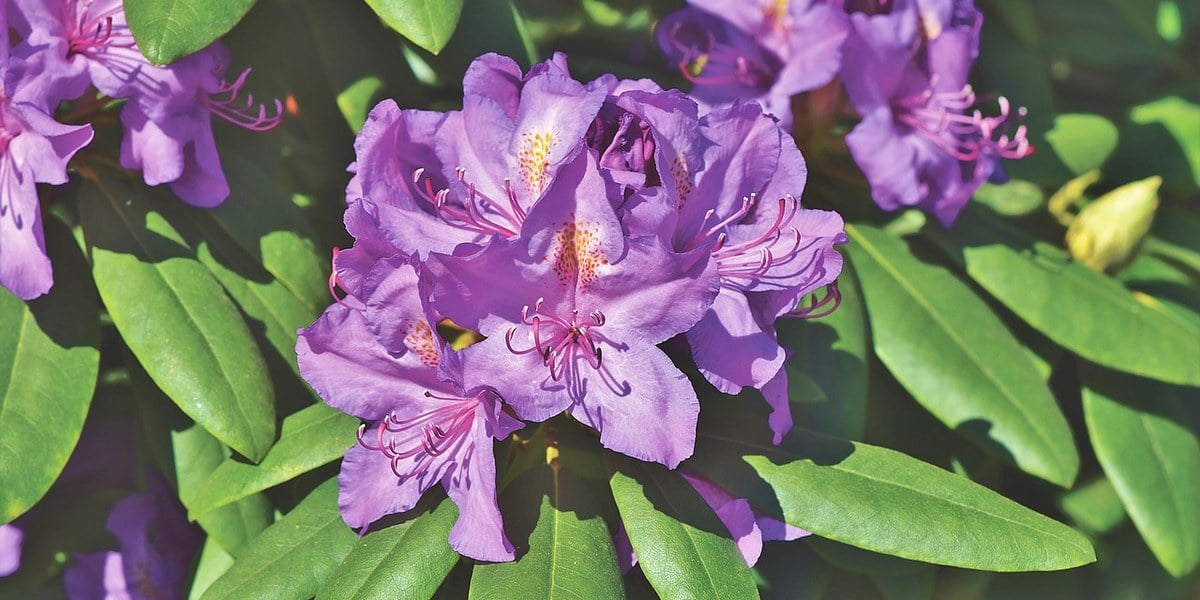
In gardens, "Rhododendron" usually means the evergreen shrubs with large, leathery leaves and round trusses of flowers in spring, in white, pink, red, purple, or yellow. The ones sold in garden centers are outdoor shrubs, and most are fully hardy. They are not houseplants.
Common Names
Rhododendron
Rosebay
Great Rhododendron or Rosebay Rhododendron (Rhododendron maximum)
Catawba Rhododendron or Mountain Rosebay (Rhododendron catawbiense)
How to Tell a Rhododendron From an Azalea
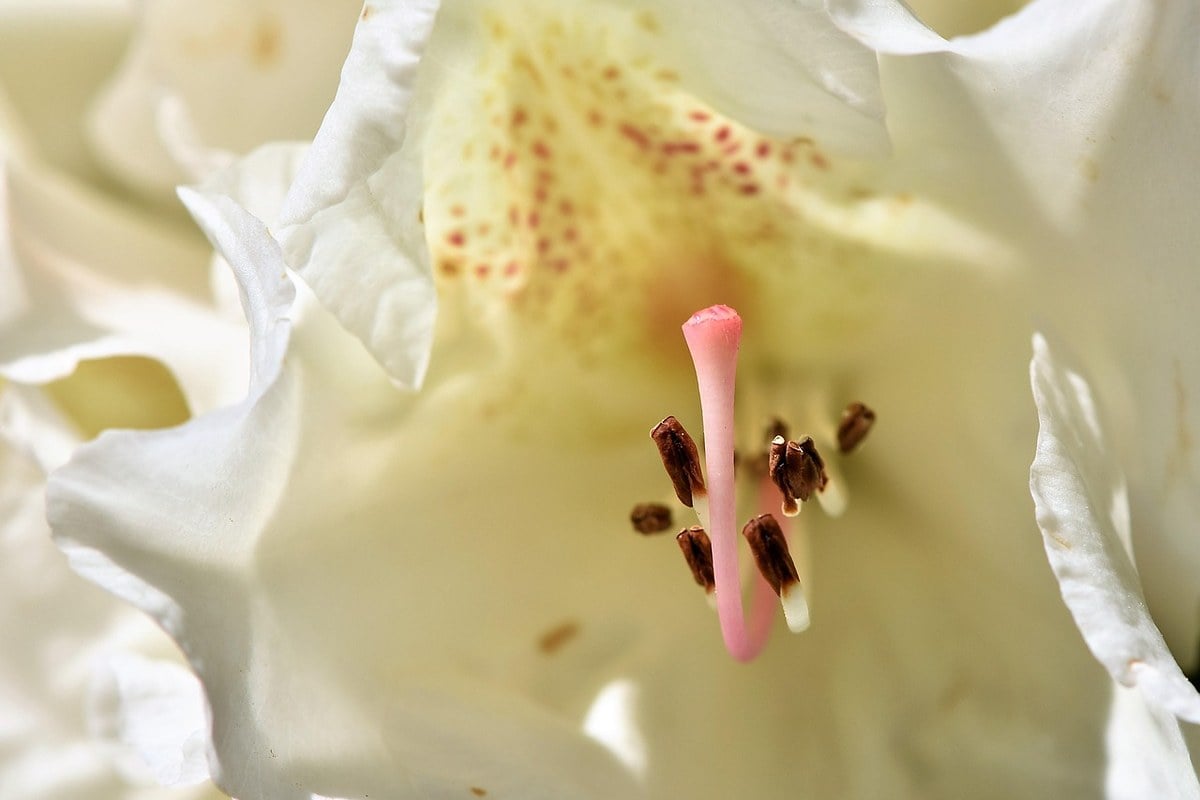
Every Azalea is a Rhododendron, but the reverse is not true. The Azalea Society of America points to three differences. Most Rhododendrons have ten stamens per flower, most Azaleas five or six. Rhododendron leaves are usually larger, thicker, and leathery. And small-leaved Rhododendrons always have tiny scales on their leaves, which Azaleas never have. Our Azalea page covers the other half of the family, and the Azalea flower meaning article its symbolism.
Inside a Rhododendron flower. Most Rhododendrons carry ten stamens, most Azaleas five or six. Photo by Ralphs_Fotos on Pixabay.
How to Grow Rhododendrons
Rhododendrons need acid soil. The Royal Horticultural Society gives a pH between 5.0 and 6.0, rich in organic matter. On alkaline soil, grow them in containers of ericaceous compost instead, because lowering the pH of a whole bed is hard to sustain.
Choose a sheltered spot in dappled shade, away from frost pockets and deep shade. All Rhododendrons are surface-rooting, so plant them shallow, with the roots just covered, and keep at least 3 inches (7.5 cm) of chipped conifer bark or another acidic mulch on top. Water with rainwater where you can; the calcium in hard tap water slowly raises the pH. They need little pruning beyond removing dead wood and, where practical, deadheading spent flower trusses.
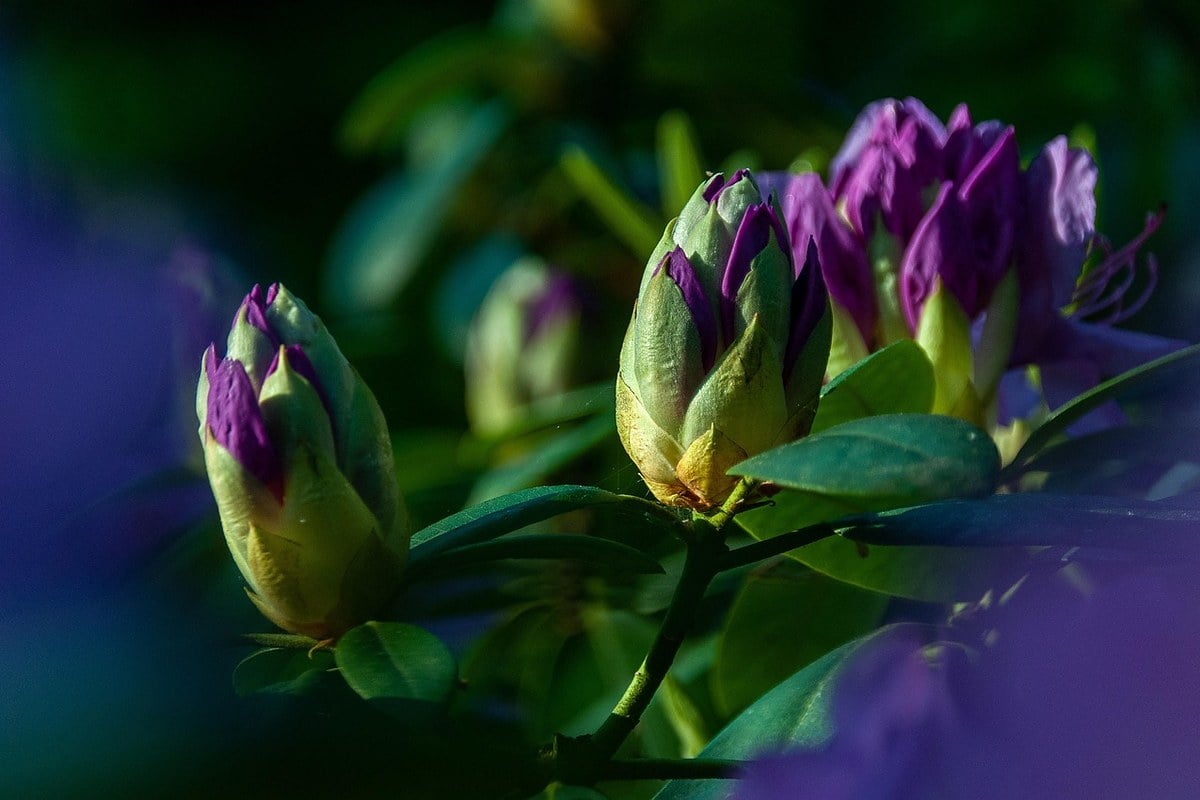
Rhododendron flower buds about to open, set among thick evergreen leaves. Photo by wal_172619 on Pixabay.
Are Rhododendrons Poisonous?
Yes. The leaves, flowers, twigs, and nectar contain grayanotoxins. The ASPCA lists Rhododendrons as toxic to dogs, cats, and horses, with vomiting, diarrhea, drooling, weakness, low blood pressure, and, in severe cases, coma, cardiovascular collapse, and death. Grazing animals can be hit hard: a 2012 review in Cardiovascular Toxicology describes grayanotoxin poisoning in cattle, sheep, goats, and donkeys as often lethal, while in humans it is rarely fatal.
People mostly meet the toxin through "mad honey," made by bees from Rhododendron nectar in the Black Sea region of Turkey and in Nepal. It causes low blood pressure, a slow heartbeat, nausea, and dizziness, usually for less than a day. The Greek writer Xenophon described soldiers poisoned by it as early as 401 BC.
What to do: keep pets and livestock away from the plants and from garden clippings. If an animal has eaten any part, call your vet or the ASPCA Animal Poison Control Center at (888) 426-4435. For a person, call your local poison center; in the US, that is 1-800-222-1222.
Where Rhododendron Is a Problem
One species has escaped from gardens on a large scale. Rhododendron ponticum is listed under Schedule 9 of the Wildlife and Countryside Act 1981, which makes it an offense to plant it or cause it to grow in the wild in Great Britain. In Ireland, the National Parks and Wildlife Service has been fighting it in the oak woods of Killarney National Park for decades. The British listing does not ban it from gardens, but do not let it spread beyond your boundary.