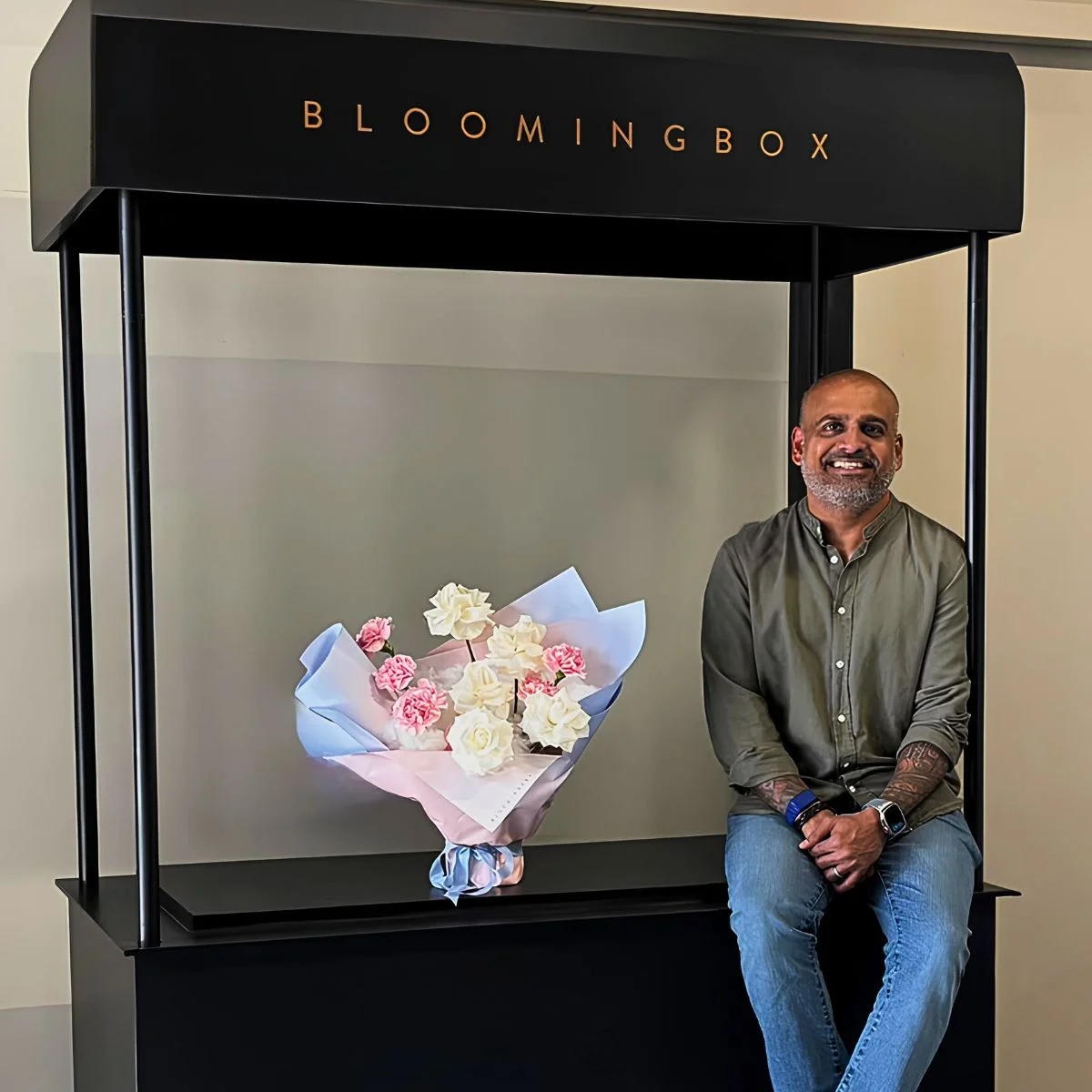
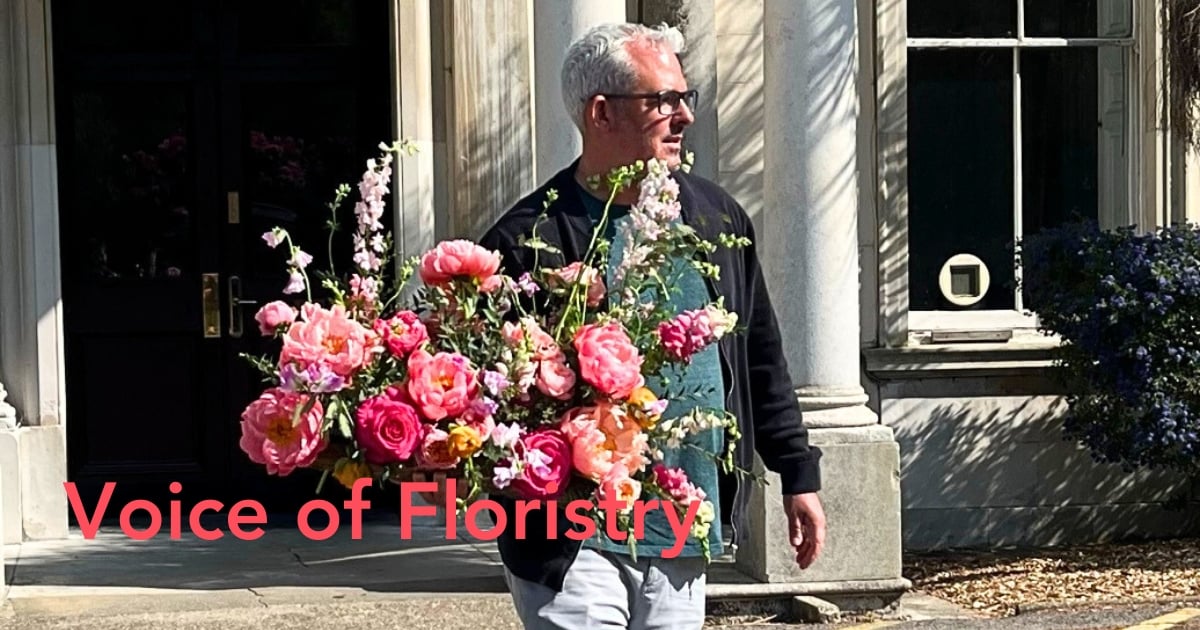
Jamie Grant has spent more than two decades proving that great floristry is built on far more than beautiful flowers. From growing up on his father's flower stall to leading one of London's respected independent florists and serving as a Board Director of the British Florist Association (BFA), his career has been shaped by curiosity, collaboration, and a commitment to continuous improvement.
In this edition of 10 Questions, Jamie reflects on leadership, sustainability, technology, and the future of floristry with the same balanced perspective that has earned him respect across the industry. His thoughtful approach offers valuable lessons not only for florists but for anyone passionate about building businesses, developing people, and moving an industry forward.
Question 1
For those who don’t know you, who are you, and what do you do?
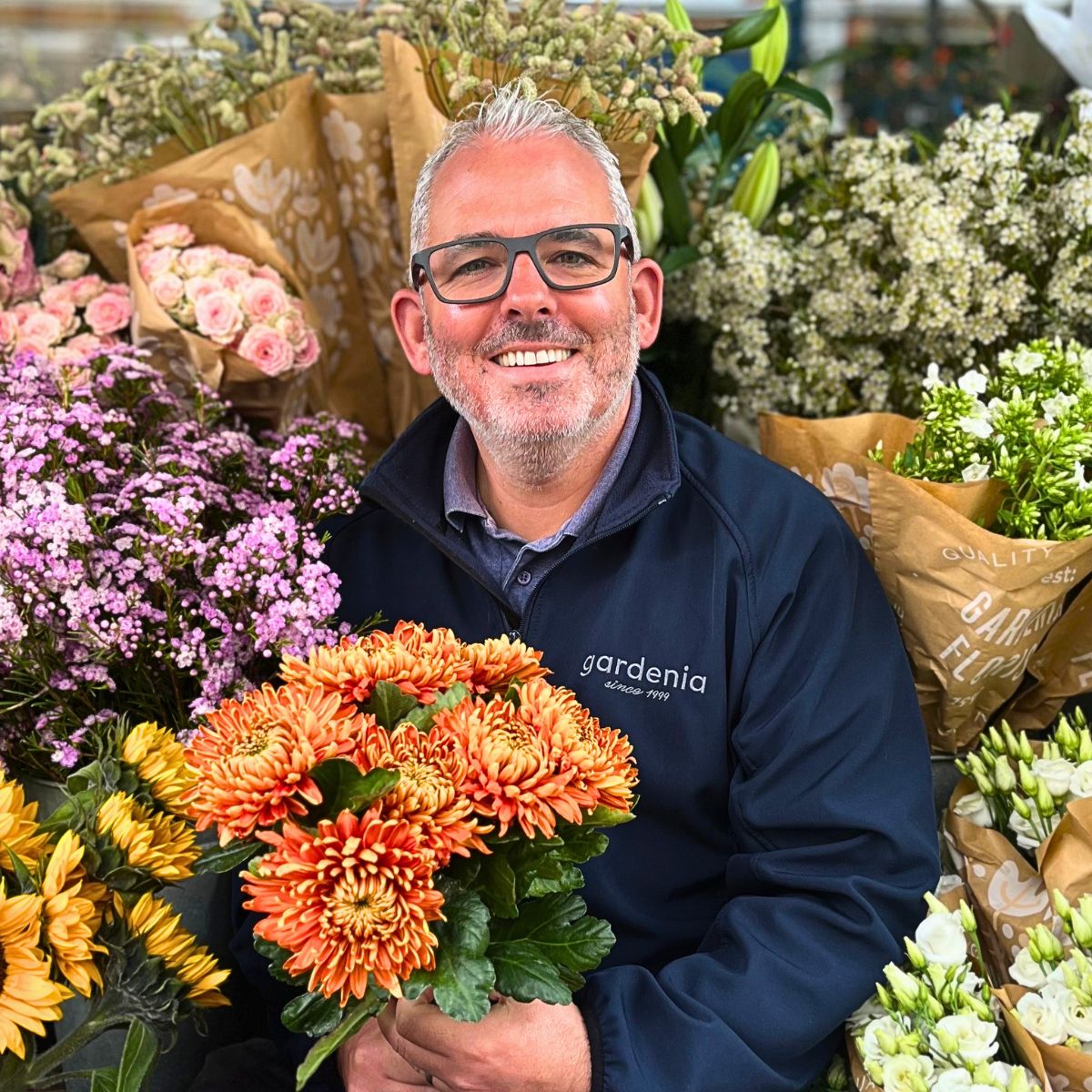
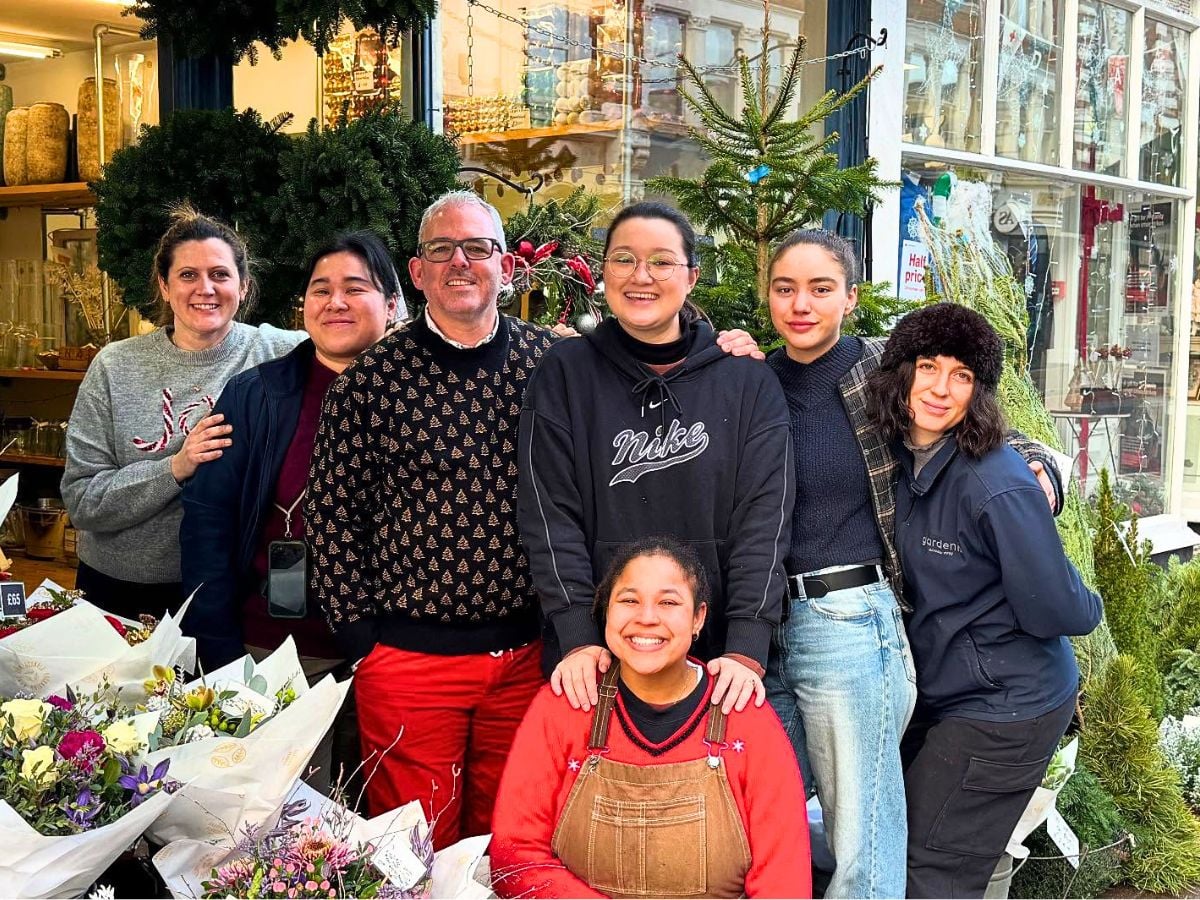
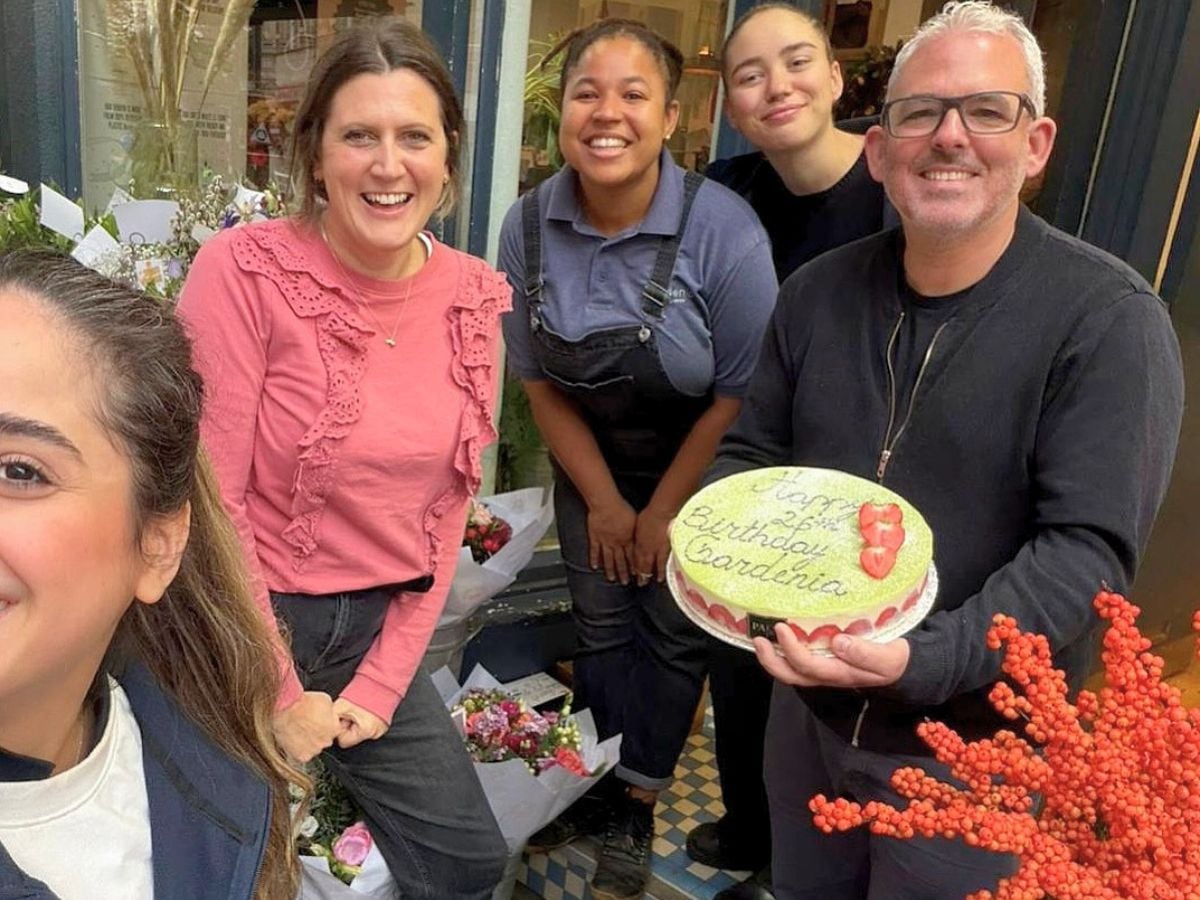
"Hello, my name is Jamie Grant. People often know me through one of two roles. I'm the owner of Gardenia of London, an independent florist in Wimbledon that I've been building since 1999, and I'm also a Board Director of the British Florist Association. My journey into floristry started much earlier than that. I grew up helping on my dad's flower stall, so flowers have always been part of my life. What began as weekend work gradually became a career and eventually a business. Today, Gardenia is a team of talented people creating flowers for everything from everyday bouquets to weddings, events and corporate installations. My role has changed over the years. I still love designing when I get the chance, but much of my time is now spent leading the business, supporting the team and thinking about where we're heading next.
Outside work, family is everything. My wife Annie and I have two children, and they keep me grounded. Running a business can easily become all-consuming, so having that balance is important. Alongside Gardenia, I'm passionate about giving something back to the profession that has given me so much. Through the British Florist Association, I'm helping to develop work around sustainability, education and industry collaboration. I believe floristry has an incredibly positive future, but only if we continue learning, asking questions and working together. That's the part of my role I enjoy most - bringing people together to tackle challenges in a practical, evidence-based way."
Question 2
What is so special about your job?
"What I value most about my work is the constant evolution of the business. I've always been motivated by finding new ways of doing things, improving what we already do, and staying open to change. Innovation and progress are important to me, and I enjoy the challenge of keeping the business moving forward while maintaining the standards people expect from us. That drive to improve naturally extends to the way we work with people. It's about understanding what someone wants to express, often when words aren't quite enough, and finding thoughtful, appropriate ways to bring that to life. At the same time, there's a strong sense of continuity in what we do. You might work with the same families over many years, sharing in both their happiest occasions and their more difficult moments, and that trust is something I never take for granted.
As a business owner, I'm equally motivated by building a team and creating an environment where people can develop their skills and confidence. Seeing someone grow over time, refine their craft, and take pride in their work is incredibly satisfying. My role with the British Florist Association has added another dimension. It allows me to step back from the day-to-day running of a business and think about the wider profession. I enjoy bringing people together, encouraging constructive conversations and helping ensure floristry remains a respected, relevant and rewarding career for the next generation. For me, that's what makes the job so special. It's about far more than arranging flowers. It's about people, relationships and leaving things a little better than you found them."
Question 3
Are there any specific challenges or obstacles you’ve faced at work, and how did you overcome them?
"One of the biggest challenges has been learning that running a successful business isn't just about flowers - it's about people. When I started Gardenia, I naturally focused on the creative side of the business and worked hard to make everything as good as it could be. Over time, I realised that the biggest difference I could make wasn't by arranging one more bouquet myself, but by building a team, trusting people, and creating a culture where everyone could do their best work. That shift in mindset probably took longer than I'd care to admit, but it has made me a far better business owner and leader. Like many independent businesses, we've also faced external challenges over the years - economic uncertainty, changing customer expectations, rising costs, and the disruption of the pandemic. Rather than trying to stand still, we've always looked for ways to adapt. That has led us to invest in sustainability, develop our online offering, expand our work in weddings and events, and continually refine the experience we offer customers.
More recently, one challenge I've really enjoyed has been helping bring together different voices across the industry through my work with the British Florist Association. Whether it's sustainability or other important issues, it's easy for conversations to become polarised. I'm proud that we're trying to create space for balanced, evidence-based discussion, because I believe that's how lasting progress is made. The common thread through all of these experiences has been learning to stay curious. The moment you think you have all the answers is probably the moment you stop improving."
Question 4
What are the threats in the industry, and if so, do you have any solutions for them?
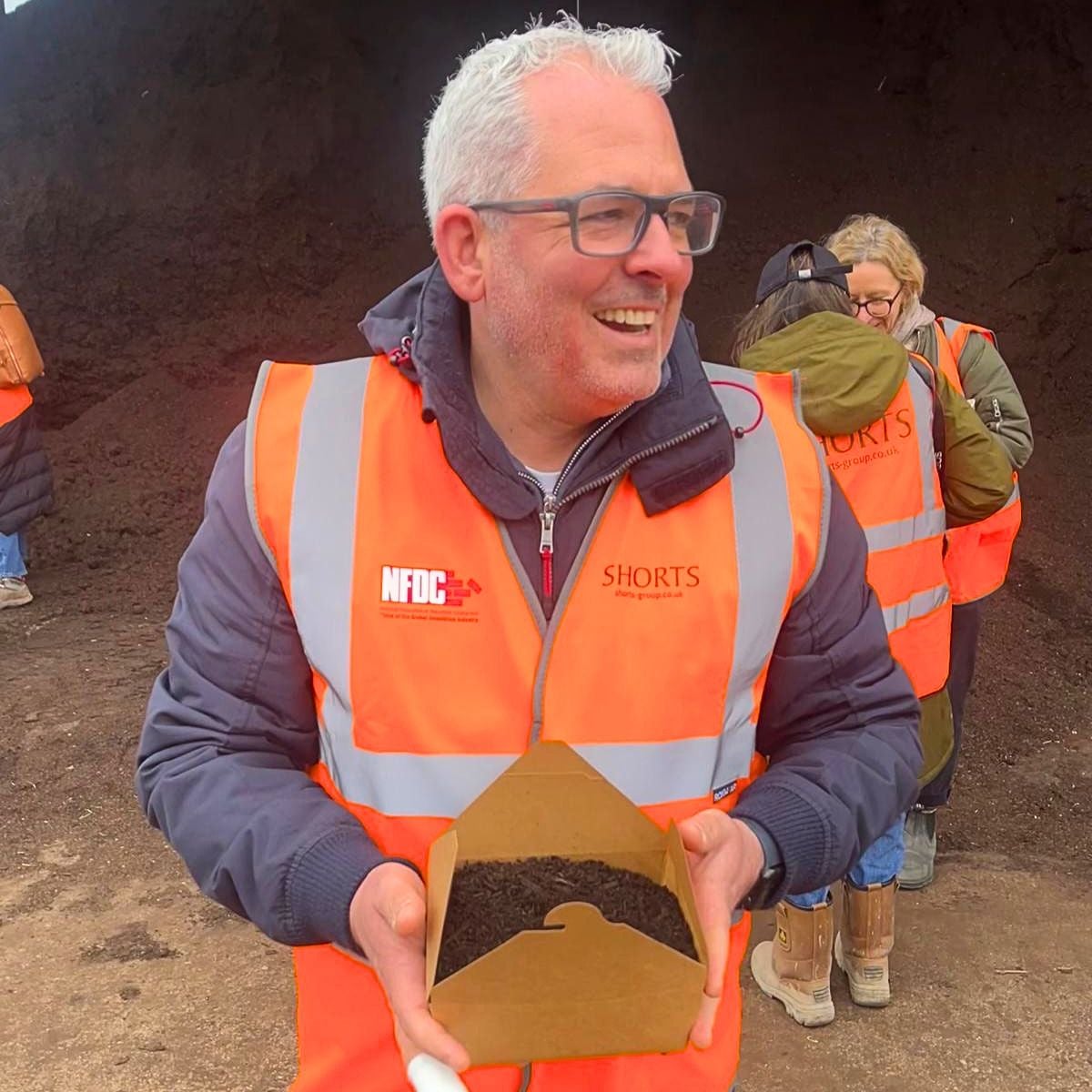
"Like many industries, floristry is facing a period of rapid change. Rising costs, recruitment, changing consumer expectations, and increasing environmental awareness are all creating challenges, but I also see them as opportunities to improve. One area that has attracted a lot of attention is sustainability. My concern isn't that we're asking important questions - we absolutely should be. It's that the conversation can sometimes become oversimplified. There are very few issues that are simply black and white, and florists deserve balanced, evidence-based information rather than headlines or fear-driven messaging.
One of the reasons I became involved with the British Florist Association's sustainability work is because I believe the Association can play an important role in bringing people together. Manufacturers, growers, wholesalers, educators and florists all have valuable perspectives, and progress is far more likely when those voices are heard together rather than in isolation. More broadly, I think we need to continue raising the profile of floristry as a skilled profession. The creativity, technical ability and knowledge involved are often underestimated. Encouraging more people into the industry, investing in education and celebrating professional standards will all help secure its future.
I'm genuinely optimistic. Floristry has always evolved. The businesses that continue to ask questions, embrace innovation and remain open to learning will be the ones that thrive. I hope that organisations like the BFA can help create an environment where those conversations happen constructively, with collaboration rather than division."
Question 5
How has technology, such as e-commerce platforms or digital marketing, affected your industry? What strategies have you employed to stay competitive?
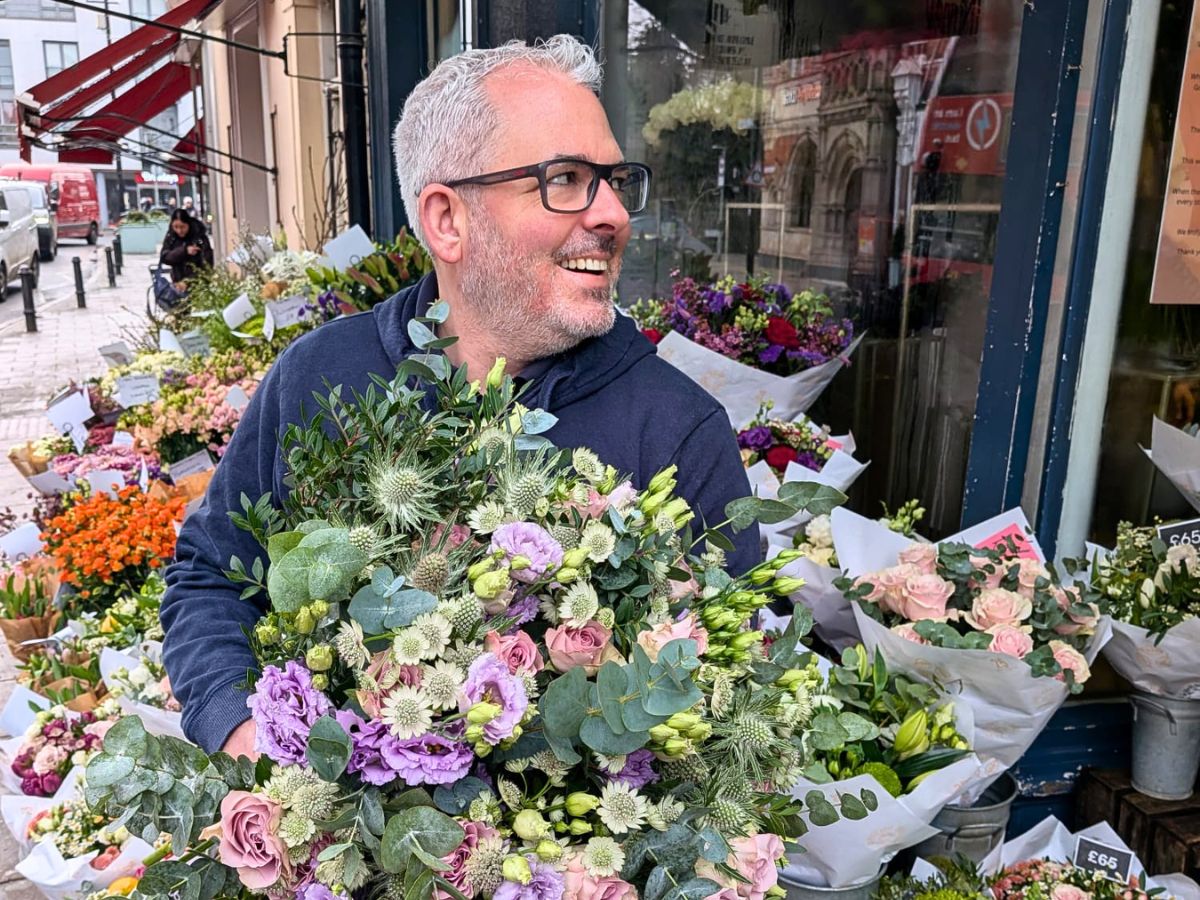
"Technology has transformed almost every part of our business over the past twenty-five years, from how customers discover us to how we communicate, manage orders, and market our work. Like most businesses, we've embraced those changes because they help us work more efficiently and provide a better experience for our customers. At Gardenia, e-commerce has become an important part of the business, but we've always seen it as a way of making it easier for customers to access a personal service rather than replacing it. Flowers are still an emotional purchase. Whether someone is celebrating, comforting, or simply making someone's day, they want to feel confident that there's a real person behind the order who genuinely cares.
More recently, artificial intelligence has become another area of interest. I think it has enormous potential to support businesses, particularly with administration, communication and marketing, but it should enhance expertise rather than replace it. The creativity, judgement and relationships that define great floristry are still very human qualities. The same thinking applies to my work with the British Florist Association. Technology gives us better ways to educate, communicate and bring people together, but the value always comes from the people behind it. Used thoughtfully, technology allows us to spend less time on routine tasks and more time doing the things that genuinely add value."
Question 6
Who (in or outside the floral industry) is an inspiring example to you? And Why?
"I've never really had one person that I've tried to emulate. Instead, I've always enjoyed learning from lots of different people and taking ideas from different places. My dad had the biggest influence on me. He introduced me to floristry from a young age, and I learnt an enormous amount from him about flowers, hard work and looking after customers. Like all of us, he had his strengths and his weaknesses, and I think I've learnt just as much from the things I wanted to do differently as I have from the things I admired. Looking back, those experiences probably shaped my own approach to running a business and leading people more than anything else.
Professionally, I'm inspired by people who are prepared to question accepted thinking, listen to different perspectives and keep learning. They aren't always the loudest voices. Often, they're the people quietly improving their businesses, sharing knowledge and helping others without seeking recognition. One of the things I've enjoyed most through the British Florist Association is meeting people from right across the supply chain. Spending time with growers, breeders, wholesalers, manufacturers and fellow florists has reinforced that nobody has all the answers. The best ideas often come from listening to people with different experiences and being prepared to challenge your own assumptions. If there's one quality I admire above all else, it's curiosity. The people I respect most are those who never stop asking questions, because they're usually the ones helping move the industry forward."
Question 7
How do you handle stress or difficult moments in your life?
"Running a business for more than twenty-five years inevitably brings periods of pressure. There are times when you're responsible not only for your own decisions but also for the livelihoods of your team and the experience of every customer who trusts you. That responsibility can feel quite heavy at times. If I'm honest, my instinct has always been to put my head down and solve problems myself. It's served me well in many situations, but over the years I've learnt that it's equally important to talk things through with people you trust and not assume you have to carry everything alone.
I've also become much better at recognising the value of stepping away from a problem for a while. Some of my clearest thinking happens when I'm playing padel, walking or simply spending time with my family. Creating a bit of distance often helps me come back with a clearer perspective. Perhaps the biggest lesson has been accepting that difficult periods are part of running a business, not a sign that something is wrong. Every challenge teaches you something if you're prepared to reflect on it. I try to stay curious, keep things in perspective, and remember that most problems have a solution if you're willing to keep looking for it."
Question 8
What has been the best (floral or non-floral) news for you lately, or of the last year?
"The most encouraging development for me over the past year has been seeing a real willingness across the industry to come together and have constructive conversations about the future of floristry. Through my work with the British Florist Association, I've had the opportunity to help bring together growers, manufacturers, wholesalers, educators and florists to discuss topics such as sustainability. What struck me wasn't where people disagreed, but how much common ground there actually was when everyone sat around the same table. There was a genuine appetite to move beyond headlines and social media debates and focus instead on evidence, collaboration and practical solutions.
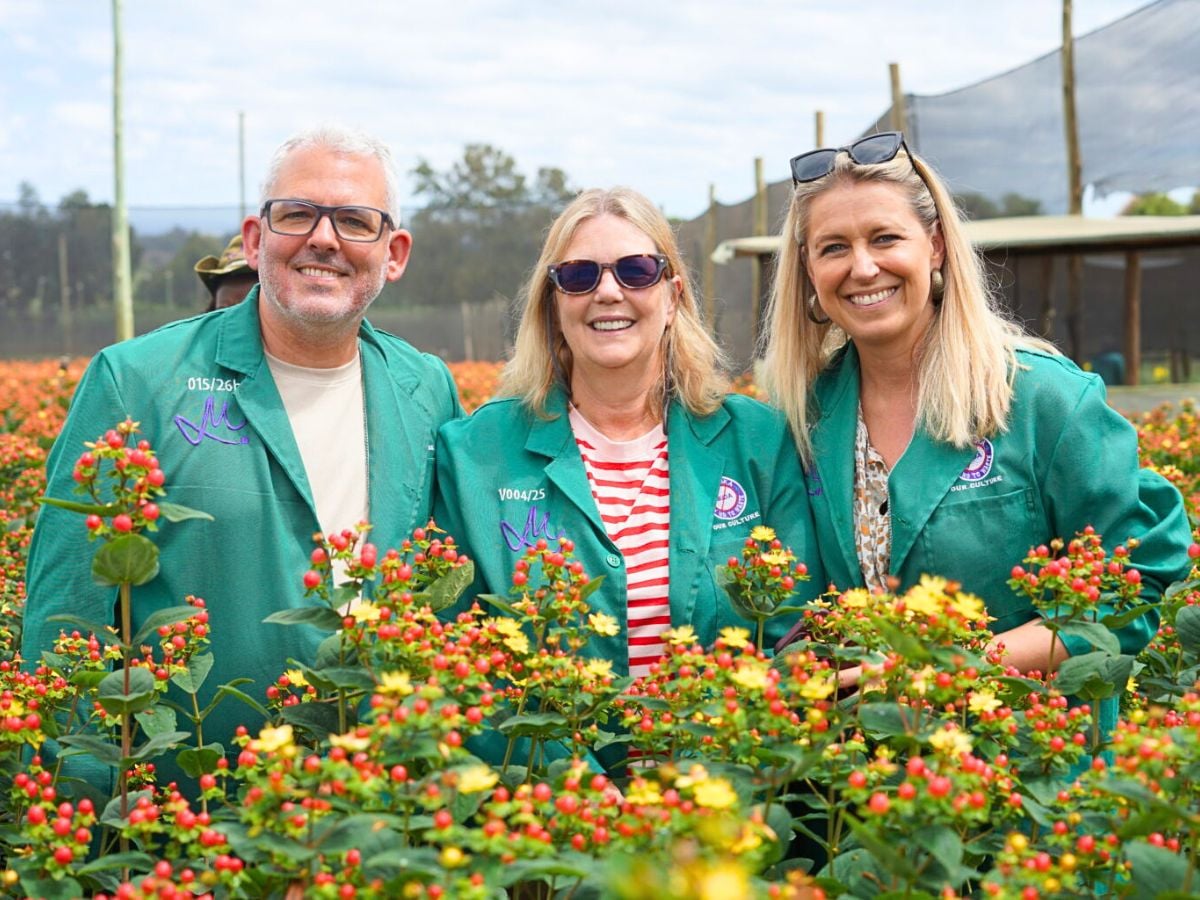
On a personal level, visiting flower farms in Kenya was another highlight. Seeing the industry from a completely different perspective reinforced how connected the global floral supply chain really is. It challenged some of my own assumptions and reminded me how important it is to understand the whole story before forming an opinion. Closer to home, I'm also incredibly proud of what we've continued to build at Gardenia. After more than twenty-five years, we're still evolving, still questioning how we can improve and still finding new ways to serve our customers and support our team. That combination of collaboration, curiosity and a willingness to keep improving gives me real confidence about the future of our industry."
Question 9
Which is your favorite flower/plant, and why is it good for you?
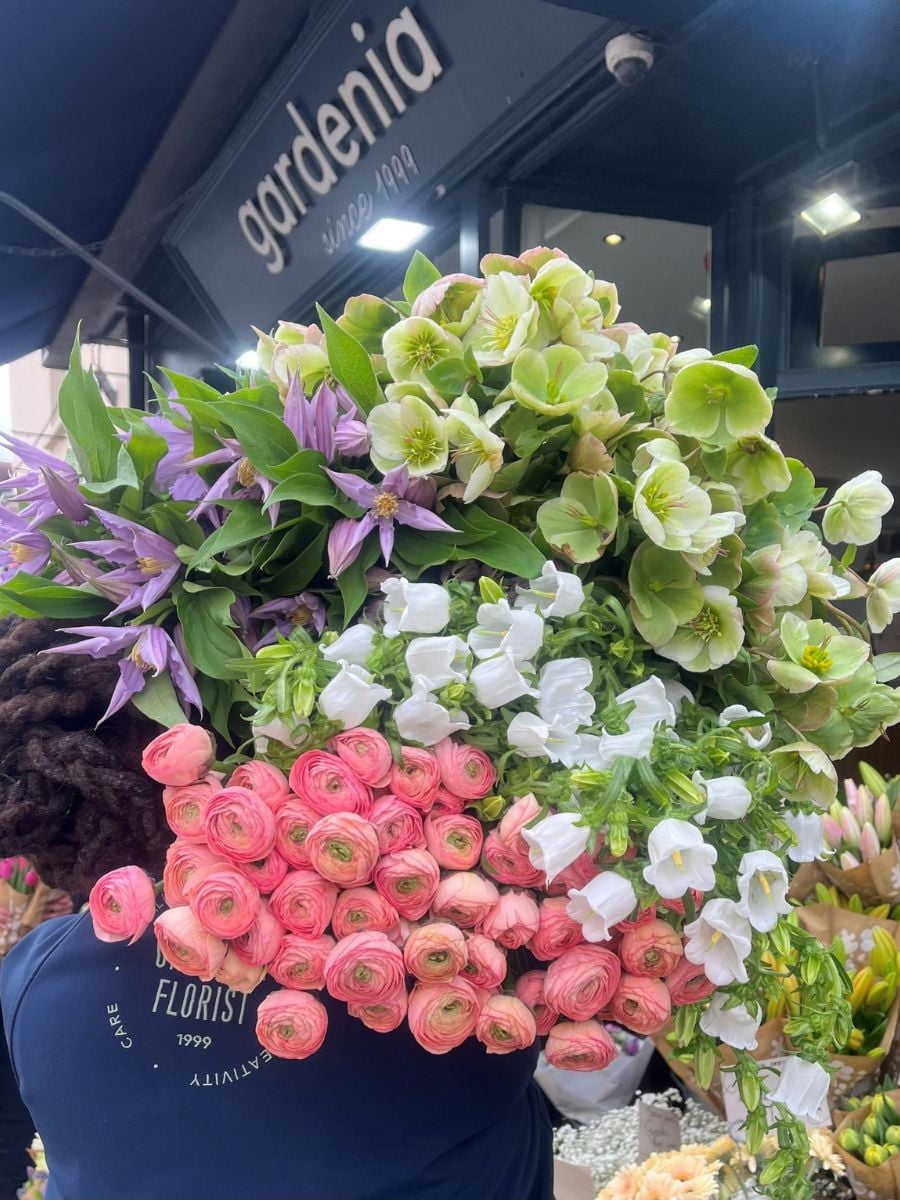
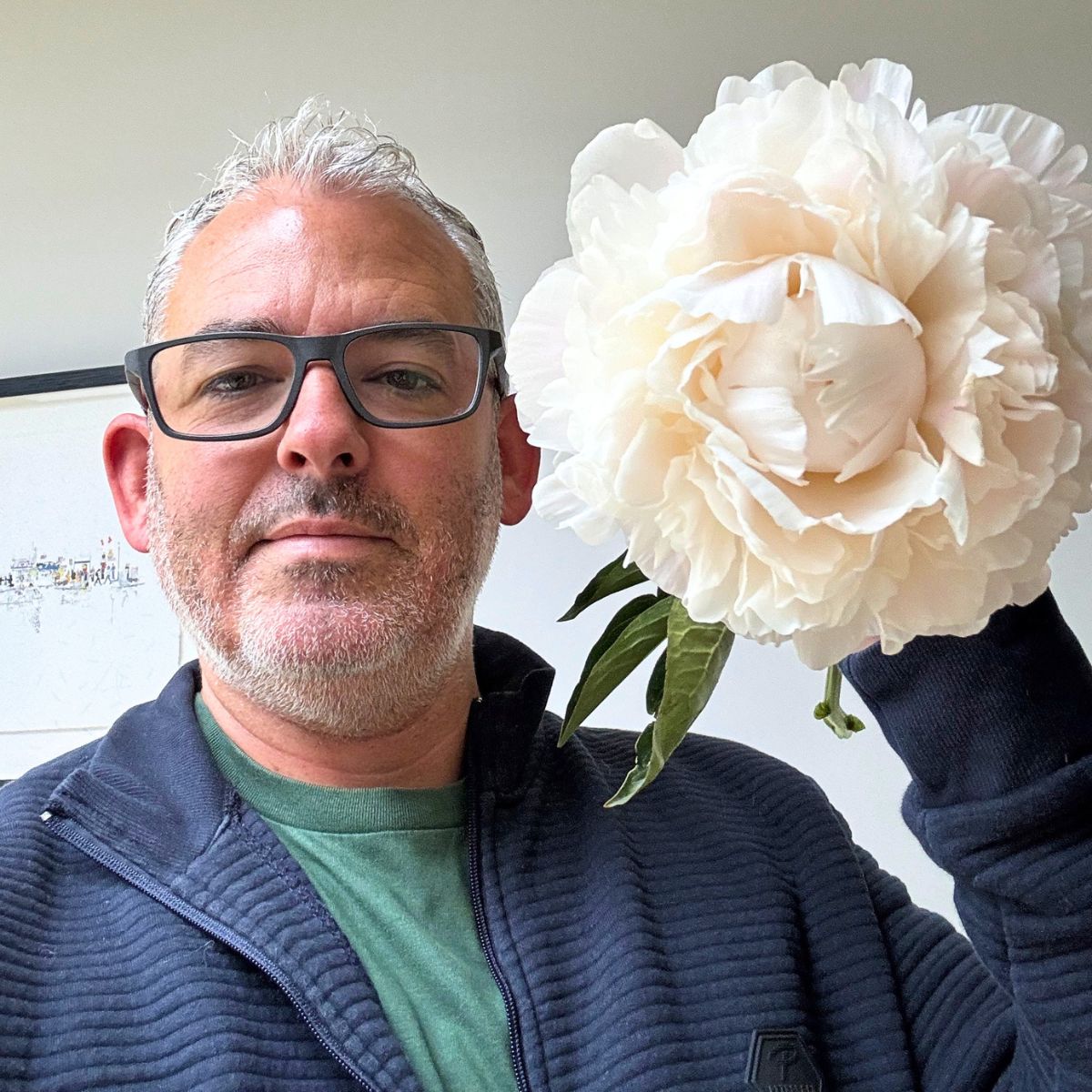
"I'm often asked this, and I never have a fixed answer because it genuinely changes all the time. For me, it's less about the species and more about seeing a flower at its absolute best. My favourite flower today is simply the one that's looking exceptional today. It might be a perfectly reflexed garden rose, an incredible fritillaria, a stem of blossom covered in buds, or a beautifully grown hydrangea. A few days later it could be something completely different.
I think that's one of the privileges of being a florist. You learn to appreciate flowers at their seasonal peak rather than trying to rank them. Every season brings something to look forward to, and every week there's usually one variety that stops you in your tracks because it's just perfect. If I had to choose a season rather than a flower, it would probably be summer. There's something about the abundance and generosity of the season - dahlias, sweet peas, cosmos, garden roses - all at their peak and full of character. They always remind me why I love this industry. So, my honest answer is that my favourite flower changes almost every day. It's whatever nature happens to be doing particularly well at that moment."
Question 10
What are you doing this weekend?
"Weekends are usually a mixture of family, a few of my favourite hobbies and, inevitably, a little bit of work. This weekend I'm looking forward to watching England take on New Zealand in the Women's T20 World Cup at The Oval, which should be a great afternoon. I'll also hopefully fit in a game of padel and spend some time cooking. I find cooking a good way to unwind - like floristry, it's creative, practical and there's always something new to try.
There'll almost certainly be a little bit of work too. Running your own business is never really something you switch off from completely, but after all these years I don't mind that. I still enjoy spending time around the business and thinking about what's coming next. I also enjoy catching up with friends and having conversations that make you think. Whether it's discussing business, the floral industry, or something completely unrelated, I always come away with a fresh perspective or a new idea. For me, a good weekend is all about balance - spending time with family and friends, enjoying a few simple pleasures, and starting the new week feeling refreshed."
Jamie Grant reminds us that the future of floristry will be shaped by those who remain curious, embrace change, and work together with an open mind. His journey is a testament to the power of lifelong learning, meaningful relationships, and leading with purpose. Who should we feature next in our 10 Questions series? We'd love to hear your recommendations. Share the names of the floral industry thought leaders whose stories deserve the spotlight by emailing edwin@thursd.com.
All pictures courtesy of Jamie Grant.