What happens when an entrepreneur looks at flowers and sees far more than a product? For Michael Jacobson, CEO of French Florist, flowers represent one of the most meaningful ways people communicate emotion. What began as an opportunity to acquire a family flower shop has evolved into a mission to redefine how people experience flowers and the role they play in everyday life.
Under Michael's leadership, French Florist has grown beyond its Los Angeles roots into a franchise platform built on service, technology, and human connection. In this edition of 10 Questions, he shares his perspective on leadership, the future of floral retail, the responsibility that comes with representing life's most important moments, and why flowers still have the power to bring people closer together.
Question 1
For those who don’t know you, who are you, and what do you do?
"I’m Michael Jacobson, CEO of French Florist. I came into the business in a pretty unusual way. French Florist started in Los Angeles in 1978 as a family flower shop, and I originally got involved because my uncle was looking to sell the business. But the more I looked at it, the more obvious it became that this was not just a flower shop. Flowers are the most emotional product category in the world, and yet the industry had been treated far too transactionally for too long. Today, my job is to protect the soul of French Florist while building the systems, technology, team, and franchise platform to bring more love into the world at scale."

Question 2
What is so special about your job?
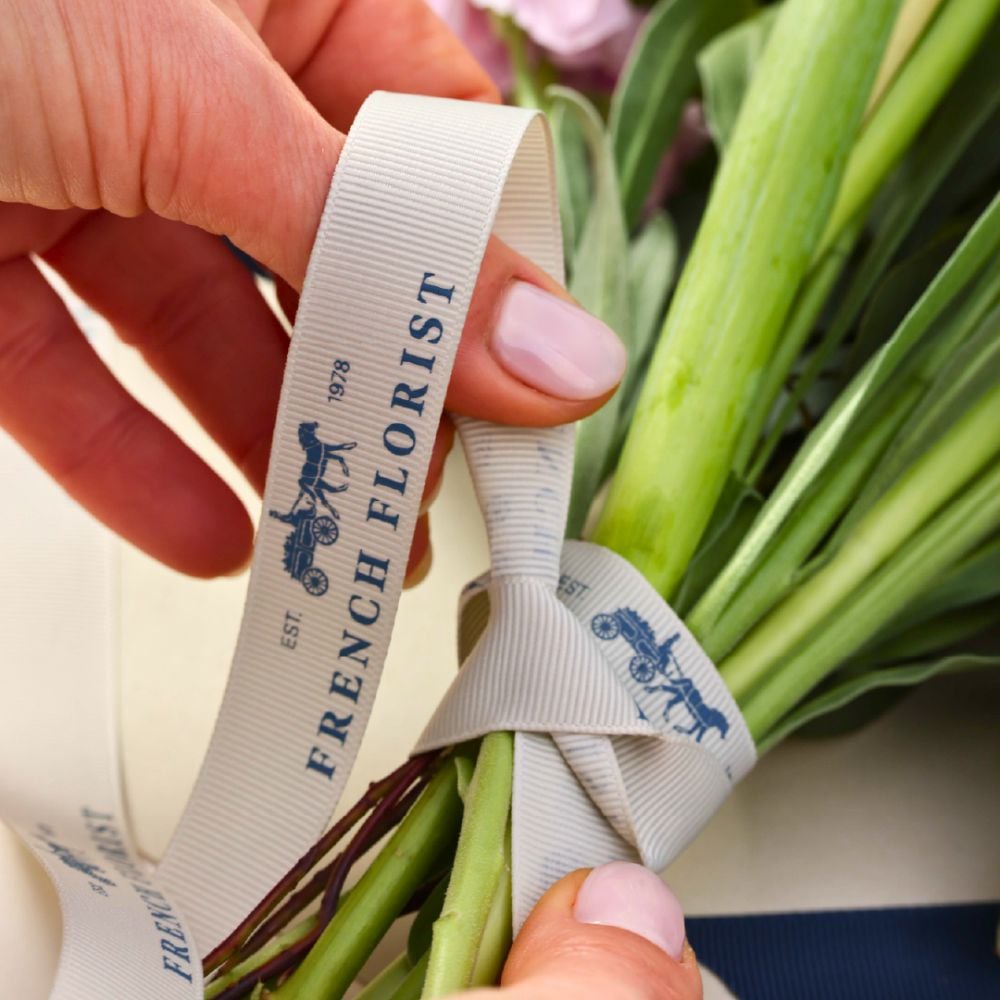
"What is special about this job is that the product actually matters. I do not think flowers should be treated as a cute add-on, a last-minute gift, or just something pretty on a table. Flowers sit inside some of the most important human moments: birth, death, romance, forgiveness, celebration, apology, grief, gratitude, and love. That is not small. That is sacred. My job is special because we are building a company around that truth. We are trying to raise the standard of what a floral brand can be, and we are looking for people who feel that same responsibility."
Question 3
Are there any specific challenges or obstacles you’ve faced at work, and how did you overcome them?
"One of the biggest challenges now is selecting the right people into our franchise program. That may sound simple, but it is not. We are wildly deliberate about it because the wrong person can damage the brand, the team, the customer experience, and the mission. There is very little room for error. Preserving soul does not happen by accident. It takes dedicated people with the right internal compass, working toward a very clear common mission, all in lockstep. We overcome that by being selective, direct, and honest about what this is. We are not just selling flower shops. We are building a brand that has to mean something."
Question 4
What are the threats in the industry, and if so, do you have any solutions for them?
"The biggest threat is that Americans have been trained to see flowers as a transactional experience. Click a picture, pick a price, send the order, move on. That is not the consumer’s fault. It is the fault of companies that treated the category poorly for too long. The previous market leaders stripped a lot of the emotion out of the experience and turned something sacred into something mechanical. Our job is not just to provide a remarkable experience; that is table stakes. Our job is to slowly untrain the American consumer and remind them that flowers are not just a luxury. They are one of the clearest ways human beings express love."
Question 5
How has technology, such as e-commerce platforms or digital marketing, affected your industry? What strategies have you employed to stay competitive?
"Many people try to call us a tech company. We are not. We are a floral company. But we are wildly, wildly tech-enabled, so I understand why people might say it. We use technology across e-commerce, operations, marketing, delivery, inventory, recipes, training, and customer experience. But technology is not the point. Flowers are the point. People are the point. Love is the point. Technology serves us; we do not serve technology. The goal is to use systems and software to create more space for care, creativity, consistency, and human connection. That is how technology should be used in this industry."
Question 6
Who (in or outside the floral industry) is an inspiring example to you? And Why?
"There are so many greats throughout history that it is hard to choose one. I am inspired by people who change the world in one way, shape, or form. People who see something broken, limited, or asleep, and decide to move it forward. That can be an artist, a business builder, a scientist, a writer, a teacher, or someone no one ever hears about. I do not think impact has to be loud to be real. If French Florist makes even a 1% difference in the world, I will be proud of that. If we help people love more openly, connect more often, and feel less alone, that is enough to matter."
Question 7
How do you handle stress or difficult moments in your life?
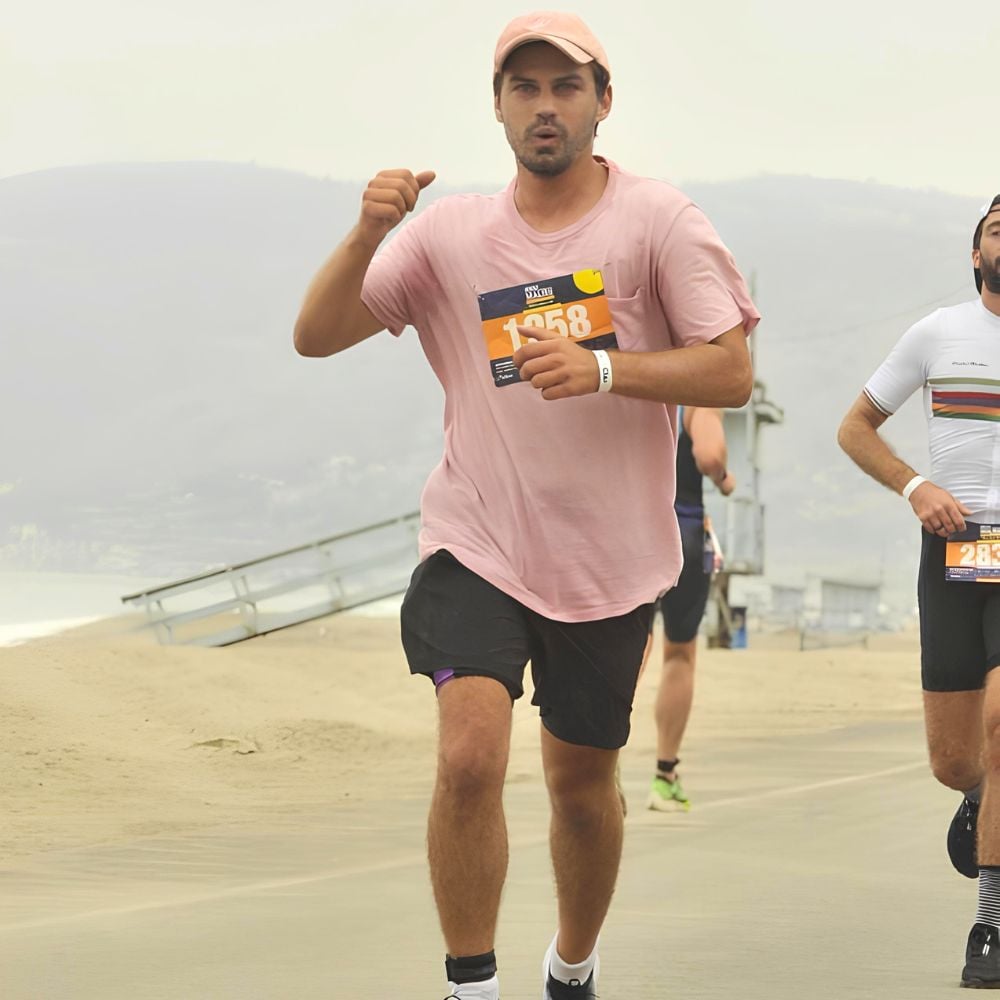
"When things get difficult, I try to stop, pause, and reflect just long enough to become very intentional about what is actually happening. I do not like reacting blindly. I like to understand the real issue, the real stakes, and the next best move. From the outside, it may look like I am slowing down for a moment, but I am slowing down so I can move very fast right after. Once I feel I have about 80% of the information I need, I tend to act quickly. I err on the side of action. Stress becomes much more manageable when it is converted into motion."
Question 8
What has been the best (floral or non-floral) news for you lately, or of the last year?
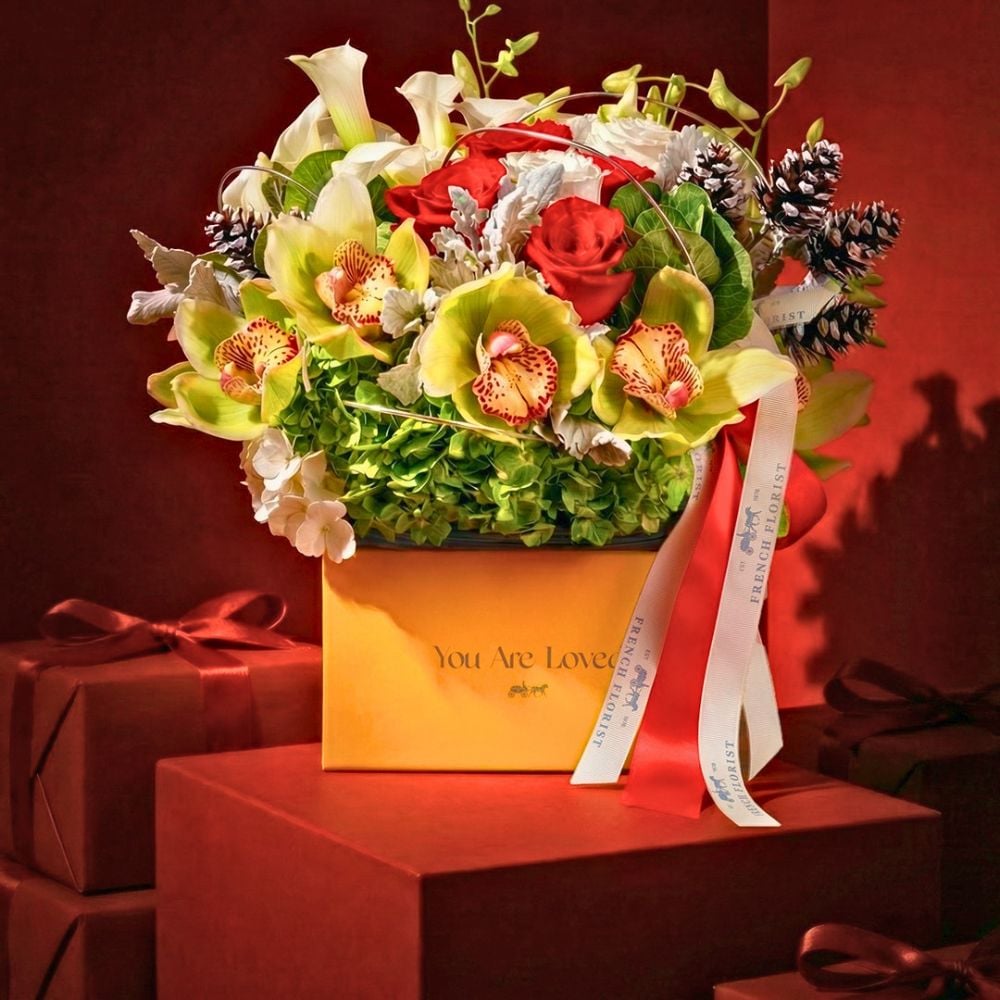
"The best news has been watching French Florist move from a strong local company into a real franchise platform. For years, so much of what we were building was invisible: the technology, training, operations, supply chain, brand standards, customer systems, and playbook. A lot of people only saw the flowers. They did not see the machine underneath. Now franchise owners are joining the ecosystem and seeing what has been built. That is exciting because this is no longer just about proving that French Florist can work in Los Angeles. It is about proving that a better floral model can work everywhere."
Question 9
Which is your favorite flower/plant, and why is it good for you?
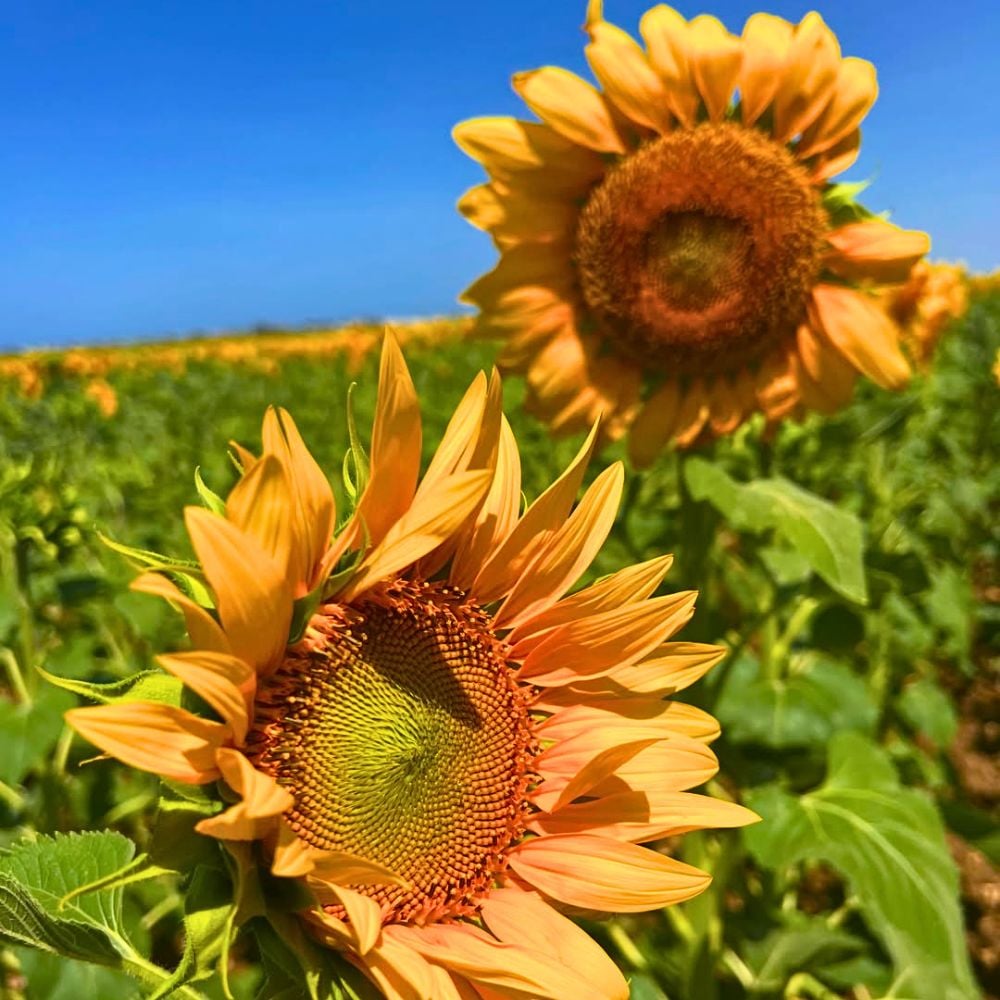
"My favorite flower changes all the time. That is part of what I love about flowers. If I am feeling cheerful, it might be a daffodil. If I am feeling romantic, it might be a garden rose. If I am feeling artistic, it might be a sweet pea, or something strange and sculptural. Flowers meet you where you are emotionally, and different flowers say different things. Today, my favorite flower is a sunflower. There is something honest about it. It is bright, strong, optimistic, and almost impossible to overcomplicate. Sometimes the most powerful thing a flower can do is simply bring light."
Question 10
What are you doing this weekend?
"My weekends are usually a mix of work and trying to come back to myself a little bit. This weekend I will probably do what I often do: spend some time outside and build something. I like building things outside because it is very different from company building. You cannot rush plants. You can create the conditions, care for the soil, water properly, pay attention, and do your part, but nature still has its own timeline. That is a good reminder for me. Ideally, the weekend has good food, some friends, my dog Simba, a little quiet, and time with the people I love."
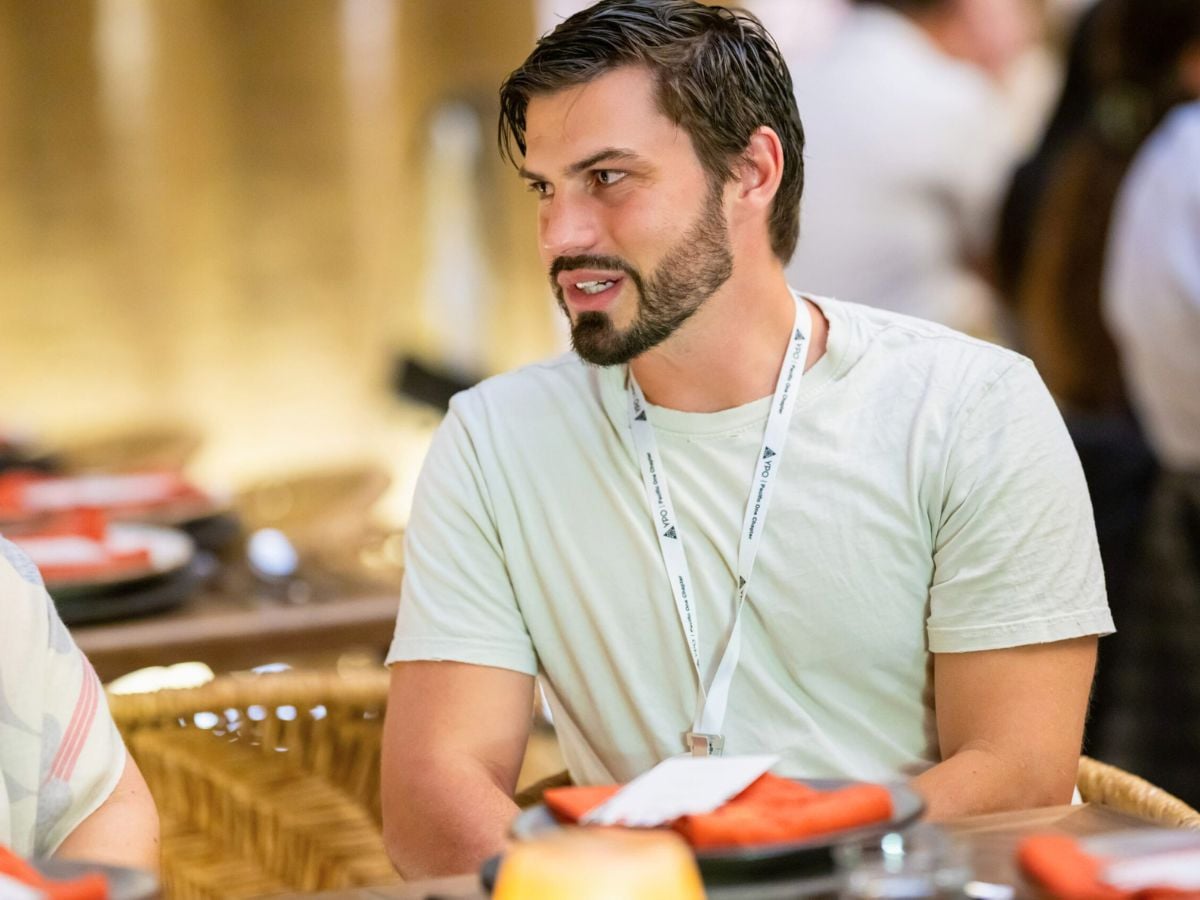
Michael Jacobson's vision for French Florist extends well beyond selling flowers. At the heart of his approach is a belief that flowers carry meaning, create connection, and help people express what words sometimes cannot. As he continues to scale French Florist through franchising, his focus remains firmly on preserving the emotional value that makes the floral industry unique.
Who would you like to see featured next in our 10 Questions series? Send your recommendations to edwin@thursd.com.
All pictures courtesy of Michael Jacobson.