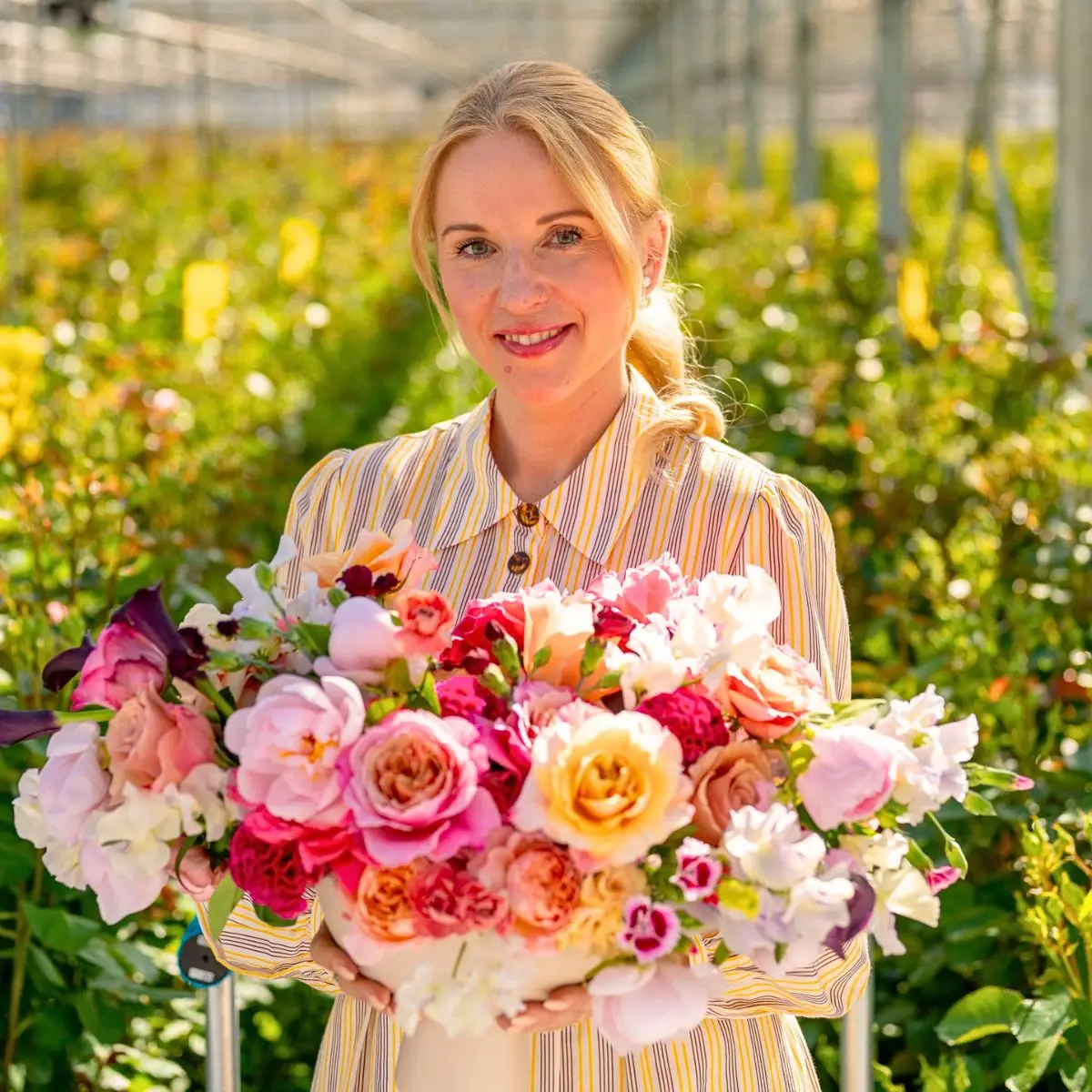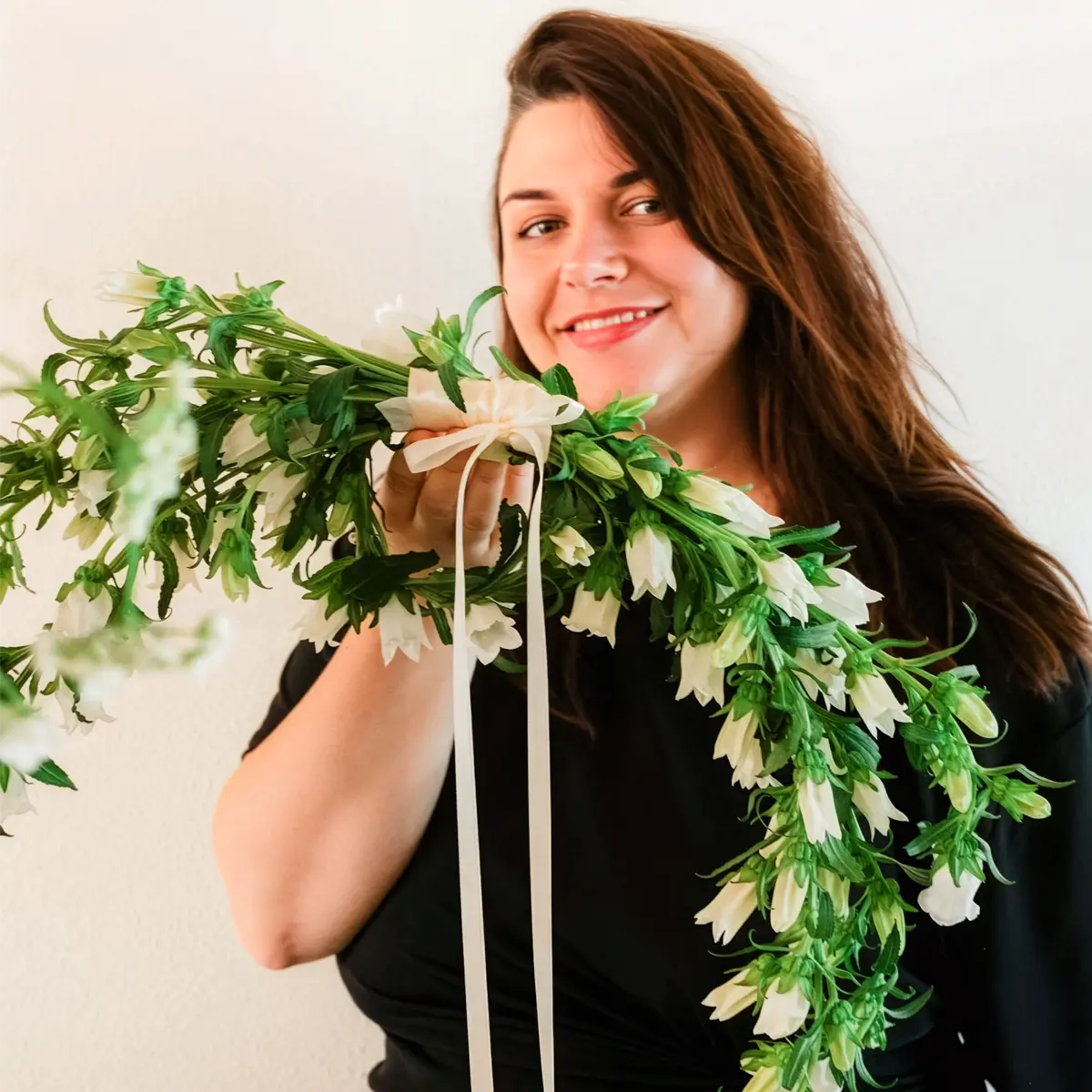
Growing up in Sarajevo, Anamarija Ballian always felt drawn to Africa and the idea of building a life connected to meaningful work. That path eventually led her into horticulture and today to Florensis Ethiopia, where she manages cutting production at one of the country’s largest and oldest cutting farms. Her work combines agronomy, logistics, leadership, and community impact in an environment where every production cycle directly supports hundreds of employees and their families.
In this week’s 10 Questions, Anamarija speaks openly about leadership, trust, sustainability, and the realities of managing production in Ethiopia. She shares how horticulture can create long-term social impact through stable employment, why human development matters just as much as operational success, and how community work continues to shape her perspective beyond the farm. Continue reading to learn more about the person behind the production systems and the values guiding her work every day.
Question 1
For those who don't know you, who are you, and what do you do?
"My name is Anamarija Ballian, and I’m an operations manager running cutting production at Florensis Ethiopia, one of the country’s largest and oldest cutting farms, and on the side, doing some of the most meaningful work of my life. I grew up in Sarajevo, Bosnia and Herzegovina, with an unlikely obsession: Africa, not as a tourist destination, but as a place I genuinely wanted to build a life and contribute to. As a kid, I assumed it meant becoming a doctor or a humanitarian worker because that was the only language my community knew to make a difference abroad. It took moving to Germany, worked in horticulture almost a decade, and a six-month assignment in Ethiopia to rewrite that story entirely. Two weeks into that work trip, I knew I wasn’t going back.
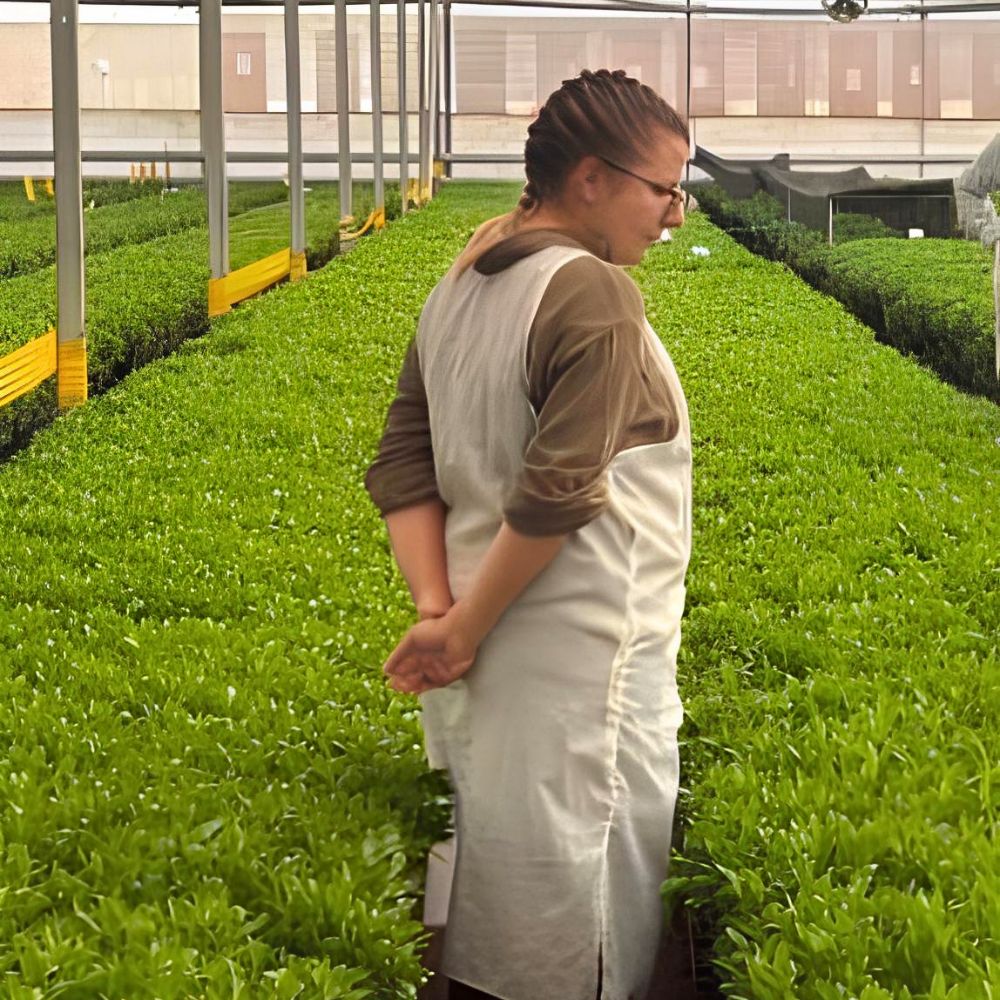
Today, my work sits at the intersection of agronomy, operations, and people. I oversee production, logistics, and teams, but what I’m really managing is the ripple effect. Behind every harvest cycle, every shipment, every yield target, are hundreds of workers and the families who depend on them. That reality doesn’t let you be careless with decisions. I came to this work through flowers. I stayed because of what they make possible: stable incomes, community investment, and the quiet proof that business done well is social impact."
Question 2
What is so special about your job?
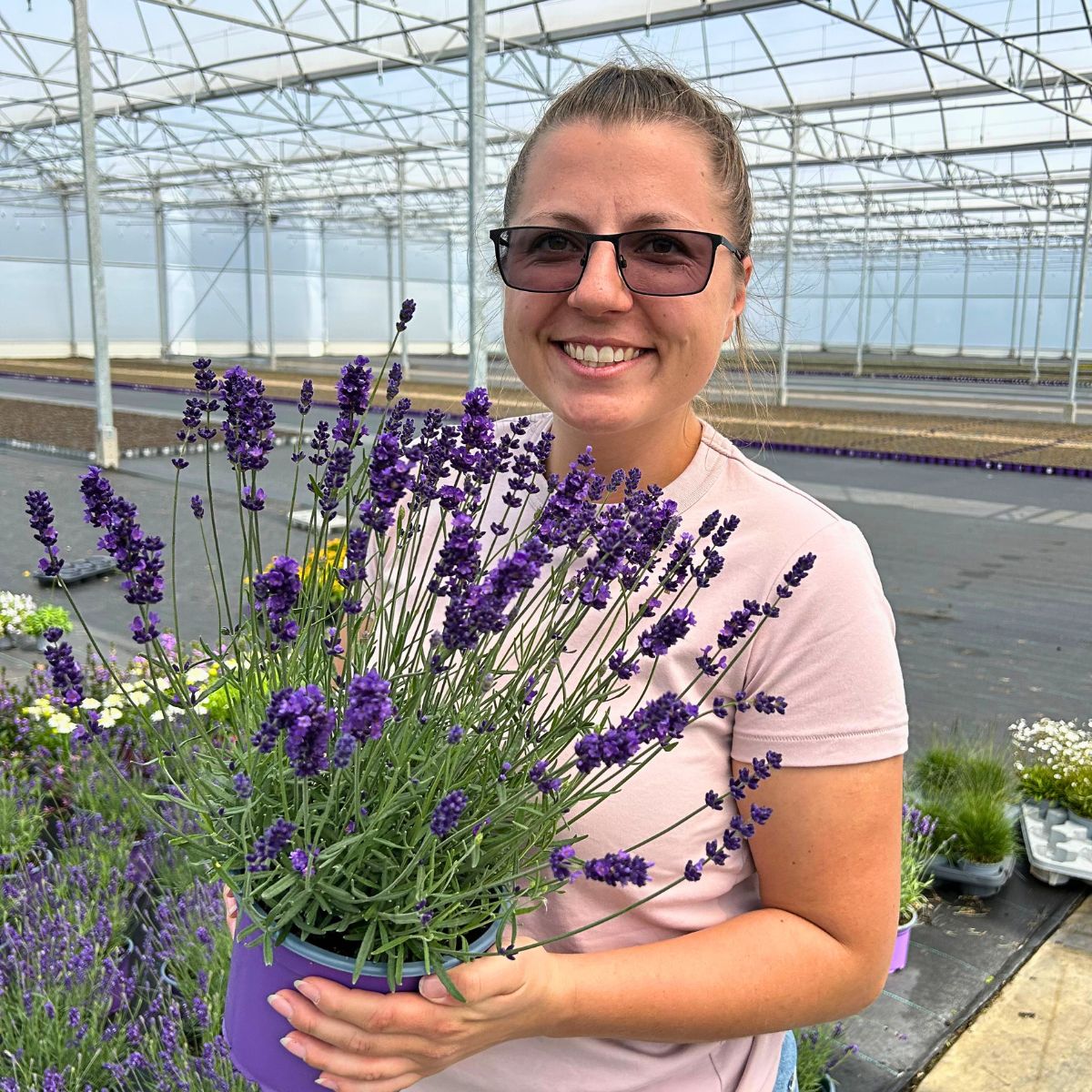
"What makes my job special is that plants are only one part of the story. Of course, I still love production itself. There is something deeply satisfying about seeing healthy plants and strong results coming from teamwork and good planning. But in Ethiopia, the impact goes far beyond the greenhouse.
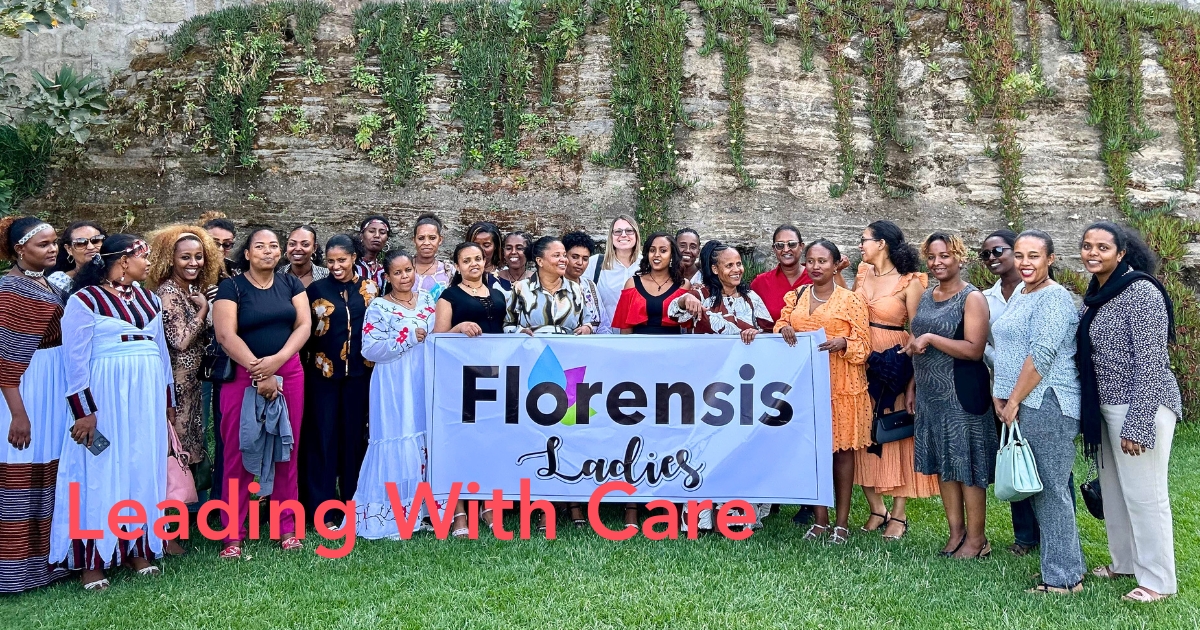
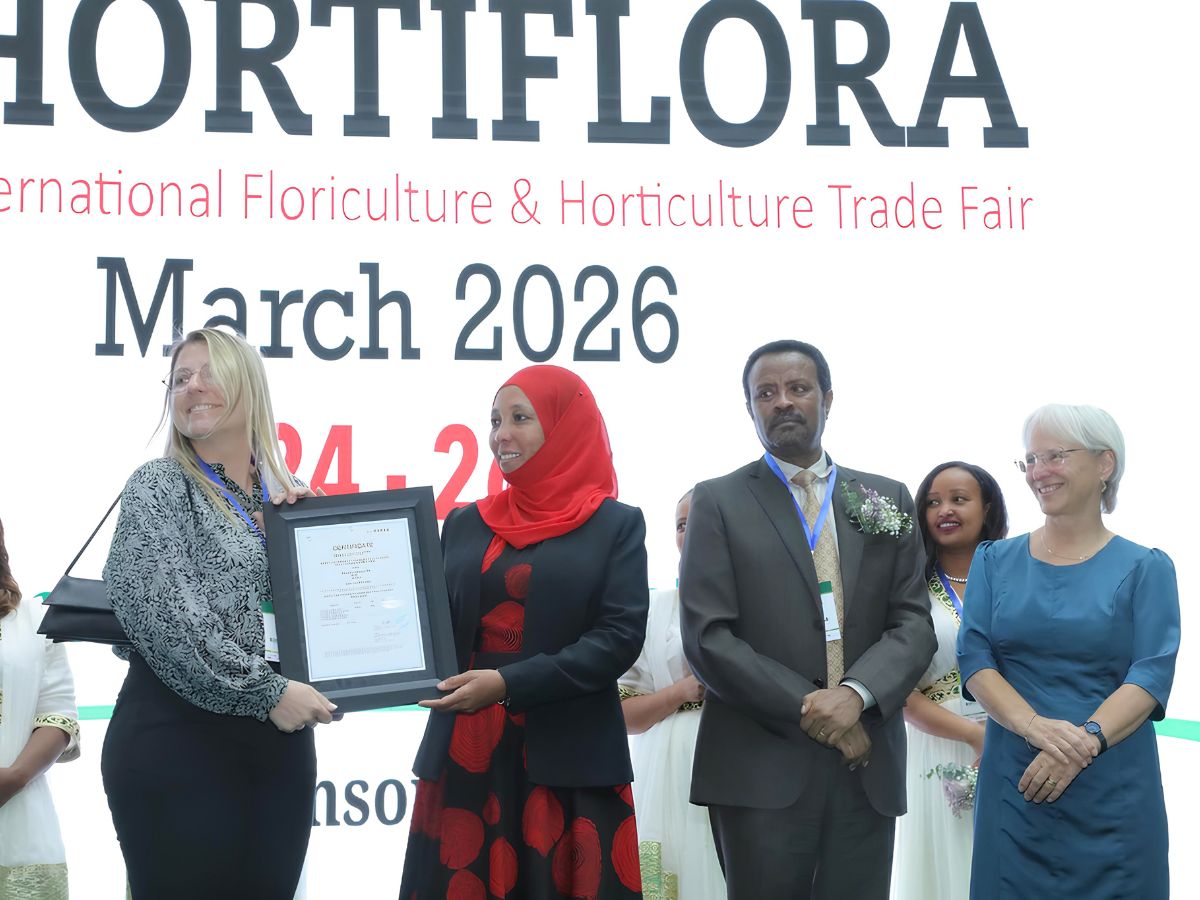
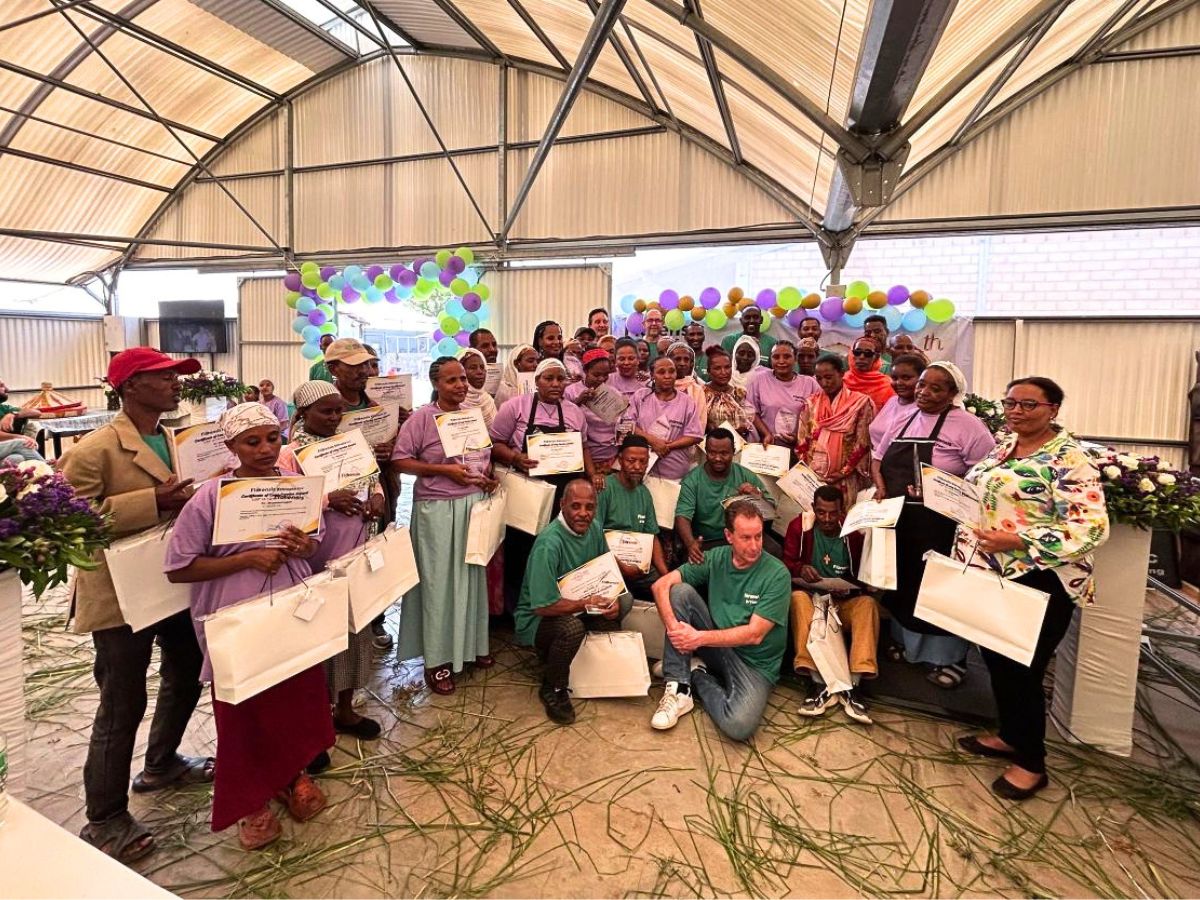
At Florensis Ethiopia, we employ around 700 people, with more during peak season. Around 86 percent of our workforce is women. That means stable operations not only support employees but also thousands of family members connected to them. I also enjoy that no two days are ever the same. One moment you are discussing crop planning and the next you are solving a transport issue, supporting a community initiative, or helping improve working conditions for the team. It keeps you humble, creative, and very awake. Coffee also helps a lot."
Question 3
Are there any specific challenges or obstacles you’ve faced at work, and how did you overcome them?
"One of the biggest challenges I faced was early in my previous position. Many employees had never worked in this kind of production environment, and there was already distrust due to the management approaches in place before my arrival. I quickly understood that technical knowledge alone would not solve anything. People first needed respect, stability, and understanding. I spent a lot of time listening, observing, and trying to understand how the work looked from their perspective. Slowly, we built trust and pride in what we were creating together.
That experience taught me something important. There is no universal manual for managing people. Every team, culture, and situation requires a different approach. When people feel valued and included, the quality of the work changes completely."
Question 4
What are the threats in the industry, and if so, do you have any solutions for them?
"Right now, many challenges are connected to global instability. The situation in the Middle East has affected logistics, import routes, and delivery times. Shipments that once moved through the Suez Canal now often take much longer routes. In Ethiopia, we also face diesel shortages, which directly affect production because many farms rely on generators for stable electricity. These challenges push companies to think more carefully about sustainability and local resilience. Better energy solutions, stronger planning systems, and more efficient production methods are becoming essential rather than optional.
I also think the industry has a responsibility to balance productivity with long-term social and environmental impact. Strong businesses should also create stable employment, invest in local communities, and build systems that can survive difficult periods instead of collapsing during the first crisis."
Question 5
How has technology, such as e-commerce platforms or digital marketing, affected your industry? What strategies have you employed to stay competitive?
"Horticulture is changing, although perhaps not as fast as some other industries. Many growers still prefer to see products and production processes in person before making decisions, which I completely understand. Plants are living products, and growers are naturally hands-on people. Still, technology is becoming more important every year. Digital monitoring systems, planning software, environmental controls, and data analysis already influence many production decisions. There is still huge space for growth in this area. When it comes to e-commerce and digital marketing, I think the floral and horticulture industry still has a lot of untapped potential. Greater visibility on digital platforms helps breeders and growers connect faster with customers worldwide and showcase varieties, innovations, and production standards in a much more dynamic way.
To stay competitive, I believe transparency and storytelling are becoming increasingly important. Customers want to know more about where products come from, how they are produced, and what impact companies have on people and communities. Strong operations are important, but so is showing the human side behind production. In our case, that also means highlighting the social impact of creating employment opportunities and supporting local communities through stable agricultural operations."
Question 6
Who in or outside the floral industry is an inspiring example to you and why?
"I have been lucky to work with people who shaped the way I think. In my previous role, I met someone who completely changed how I approached production problems. He taught me to slow down, observe, analyze properly, and solve issues step by step instead of reacting instantly.
In my current role, my biggest inspiration is my boss. He has a strong ability to mentor people while also keeping focus on structure and long-term direction. That combination is rare. Many managers know how to manage numbers, but not everyone knows how to grow people. I admire leaders who understand that successful businesses are built through human development, trust, and responsibility toward both employees and the wider community."
Question 7
How do you handle stress or difficult moments in your life?
"I used to struggle a lot with disconnecting from work. I grew up watching my father constantly working. Even during his free time, he would create new projects and ideas. So, for me, slowing down was something I actually had to learn. I am still learning it.
When things become overwhelming, I often spend time at a local children's shelter that supports around 200 children. I help where I can and stay involved with community projects whenever possible. Technically, it is still work, but it gives me a different kind of energy and perspective. It reminds me that life is much bigger than deadlines and production numbers. Every time I leave that place, my mind feels lighter, and problems become easier to deal with."
Question 8
What has been the best floral or non-floral news for you lately or over the last year?
"One thing that genuinely makes me happy is seeing more people reconnecting with nature. More people are creating gardens, growing plants at home, and searching for greener living spaces.
I think this is important for mental well-being. Plants have a calming effect and help people slow down in a world that constantly pushes speed and noise. At the same time, it is also positive for our industry because it creates a stronger appreciation for horticulture and everything connected to it. Hopefully, this growing connection to nature will also encourage people to think more seriously about sustainability, green spaces, and the responsibility we all have toward future generations."
Question 9
Which is your favorite flower or plant, and why is it good for you?
"Poinsettia. Without hesitation. It is a plant that can test your patience, your planning, and sometimes your emotional stability, too. Mother stock production and rooting can be very demanding, which honestly makes me love it even more.
I enjoy challenges. When a difficult crop performs well, the satisfaction is enormous. Poinsettia also teaches discipline because small mistakes quickly become visible. Plants can be very honest that way. They do not care about your excuses. At the same time, it is such an iconic plant that brings a strong emotional connection for many people during the holiday season. A good poinsettia somehow makes everything feel more festive and alive."

Question 10
What are you doing this weekend?
"As I write this, it is Saturday, and I am sitting at the Florensis Ethiopia farm office. Saturdays are usually quieter, which makes them perfect for catching up on planning and preparing for the coming week. It is also a good moment to stay available for the team in case unexpected issues appear. In horticulture, they usually do. Plants love surprises and do not know what the weekend is. After work, I will head back to Addis Ababa. Normally, I would love spending weekends exploring nature and historical places around Ethiopia because the country is incredibly beautiful. Unfortunately, the security situation makes traveling difficult at this time. So, for now, my weekends are often simpler. Work, coffee, community projects, and trying to convince myself that answering one more email on Saturday evening is definitely a personality trait and not a problem."
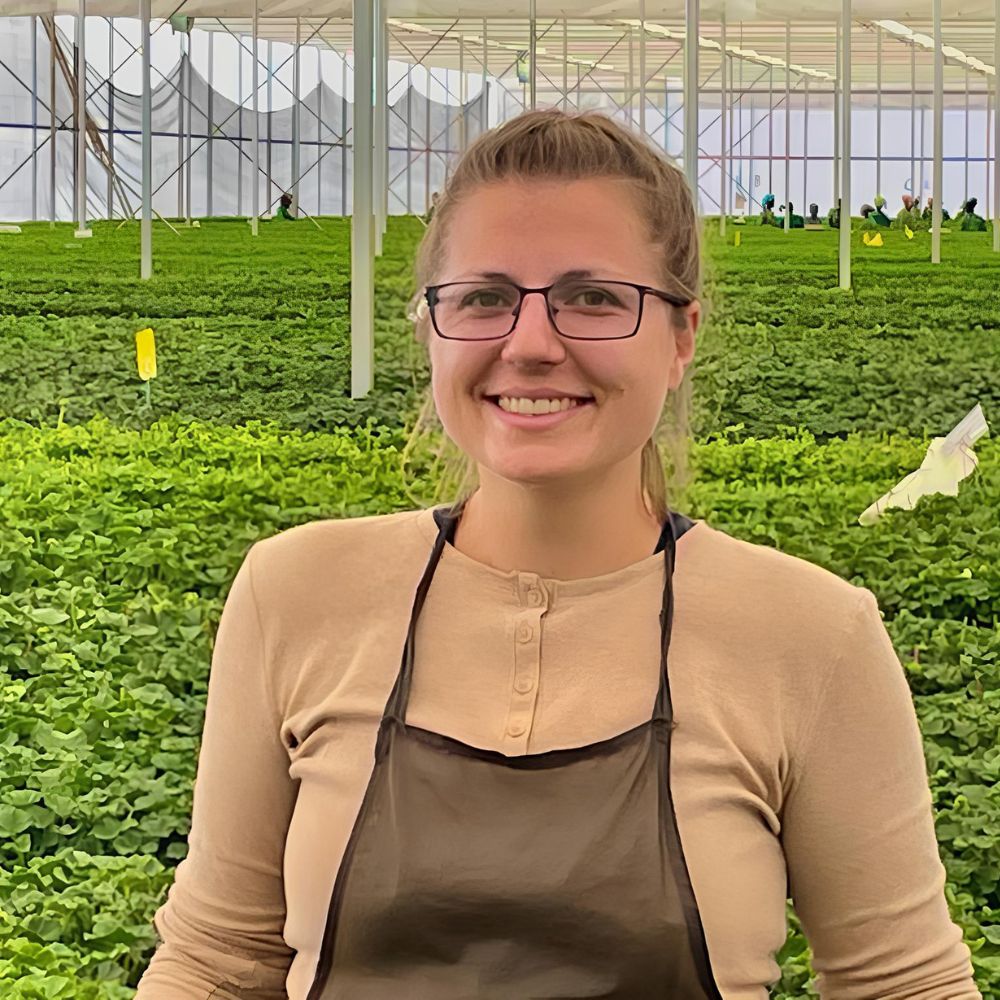
For Anamarija Ballian, horticulture is not only about production targets and healthy plants. It is also about people, responsibility, and creating systems that positively impact communities over time. Her story reflects the growing role of leadership, trust, and social awareness within the floral industry, especially in regions where agriculture supports thousands of livelihoods.
If you know someone in the floral or horticulture industry whose story deserves to be shared on Thursd’s 10 Questions, send your recommendation to edwin@thursd.com and help us continue highlighting the people shaping the future of the industry.
Pictures courtesy of @Anamarija Ballian.