The daffodil is one of the most recognisable spring flowers and has travelled across cultures, histories, and artistic traditions. It appears simple at first glance, yet it carries layers of meaning that continue to evolve in both modern floral design and personal gifting. As seasons change and new generations shape the language of flowers, the daffodil holds a steady place as a symbol of hope, renewal, and quiet strength.
Flowers are not just decorative items. They carry stories, they reveal emotion, and they connect people across moments and memories. The daffodil fits beautifully into this long tradition. Whether placed in a vase at home, grown in a garden, or shared as a thoughtful gesture, it conveys something deeper. This article explores the origin of daffodil symbolism, how different cultures interpret the flower, and why its meaning still resonates worldwide.
What Does the Daffodil Flower Mean Today?
The daffodil, also known as Narcissus, has long been associated with the arrival of spring. It is one of the first flowers to appear after winter, emerging even when the weather is still cold. This quiet resilience has shaped the core of its meaning. People often interpret the daffodil as a sign that new beginnings are near, that the difficult season is ending, and that growth is on the horizon.
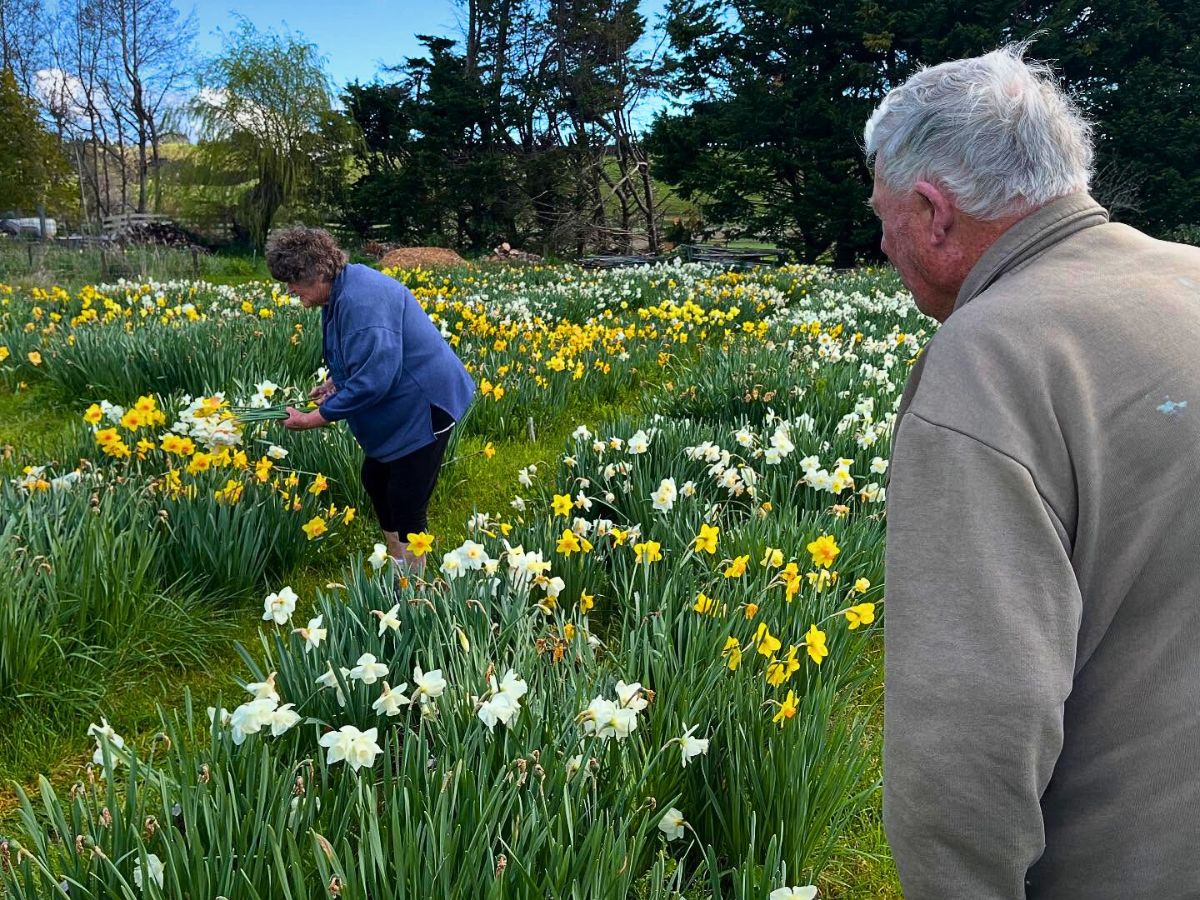
The earliest recorded references to daffodils date back to classical Greece. The flower appears in mythology and poetry, sometimes as a symbol of transformation, sometimes as a reminder of the delicate boundary between beauty and self-awareness. As the flower travelled through Europe and later to many parts of the world, it collected cultural layers that shaped its modern symbolism.
Today, the daffodil represents renewal, awakening, inspiration, and emotional clarity. Florists often choose it when a design needs freshness and optimism. Gardeners love it for its consistency and its ability to return year after year. For many people, the daffodil carries personal memories connected to childhood, family gardens, or significant life moments. That is the beauty of flower meaning. It is shaped by tradition but shaped even more strongly by the personal experiences people attach to it.
The Origins Behind the Daffodil’s Flower Meaning
The classical story most associated with the daffodil is the Greek tale of Narcissus. In this story, the young Narcissus becomes captivated by the reflection he sees in the water. Unable to leave, he eventually transforms into the flower now linked to his name. While the story is sometimes interpreted as a warning against vanity, it has a more nuanced layer. The flower that emerges in the myth is a symbolic reminder that change and self-reflection are part of the human experience.
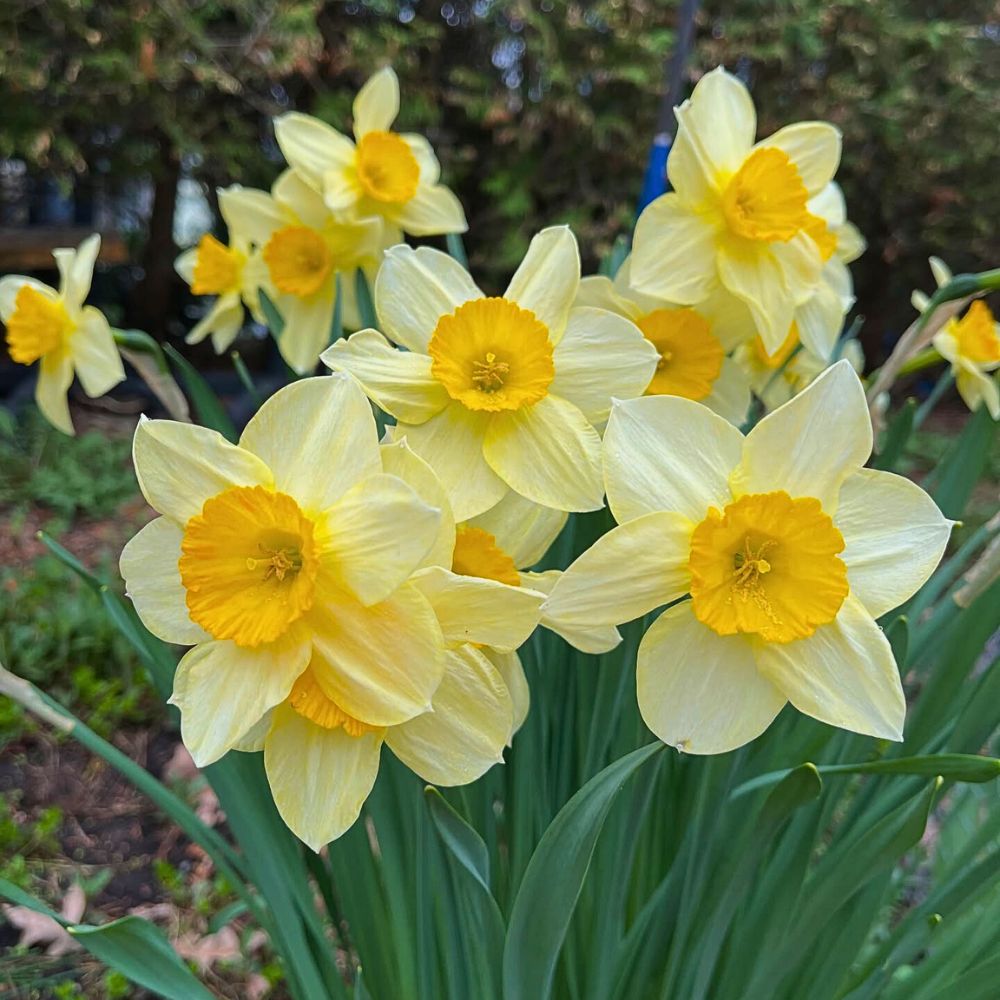
As daffodils spread across Europe, the flower gained new layers of symbolism. In medieval herbal texts, the daffodil was noted for its resilience. In Victorian flower language, it captured the idea of a renewed friendship or a fresh start. In Wales, it became a national emblem representing pride and prosperity. These meanings were shaped by seasons, landscapes, and the cultural values of the time.
The arrival of the daffodil in gardens across the world further expanded its symbolic weight. In many regions, people began to associate the flower with hope after difficulty, especially because of the way it pushes through cold soil long before other flowers appear. The daffodil became a natural marker of emotional renewal.
The Daffodil in Modern Culture
The daffodil remains a globally recognised flower with a strong cultural presence. It is widely celebrated during spring festivals, gardening shows, and national events. In many countries, the daffodil is a symbol of cancer awareness and is used during fundraising campaigns dedicated to research and support networks. This connection has further positioned the flower as a symbol of courage and resilience.
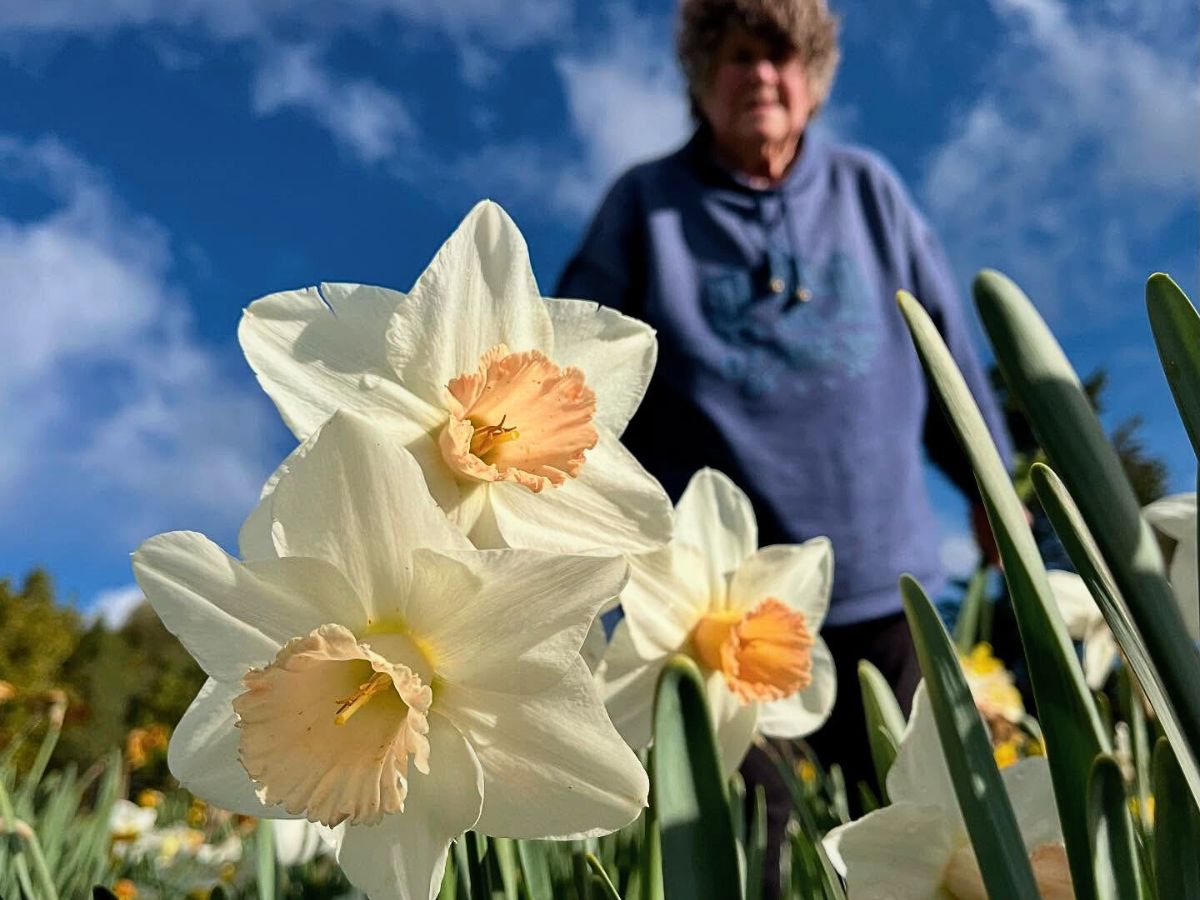
In the field of design, the daffodil is used to express brightness and clarity without overwhelming a composition. It naturally introduces structure and colour and works well in both contemporary and traditional arrangements. When used in floral photography, it conveys freshness and an uncomplicated sense of renewal.
Writers, painters, and designers continue to draw inspiration from the daffodil. It appears in children’s books, poems, botanical art, and lifestyle imagery. The flower carries both familiarity and emotional depth, making it a natural choice for storytelling.
Cultural Interpretations Around the World
The daffodil flower's meaning shifts slightly depending on the cultural context, but the core themes remain similar. In Wales, it is worn on Saint David’s Day as a symbol of national identity. In China, the daffodil is associated with luck, prosperity, and the arrival of good fortune. It is often given during New Year celebrations because it signals successful beginnings.
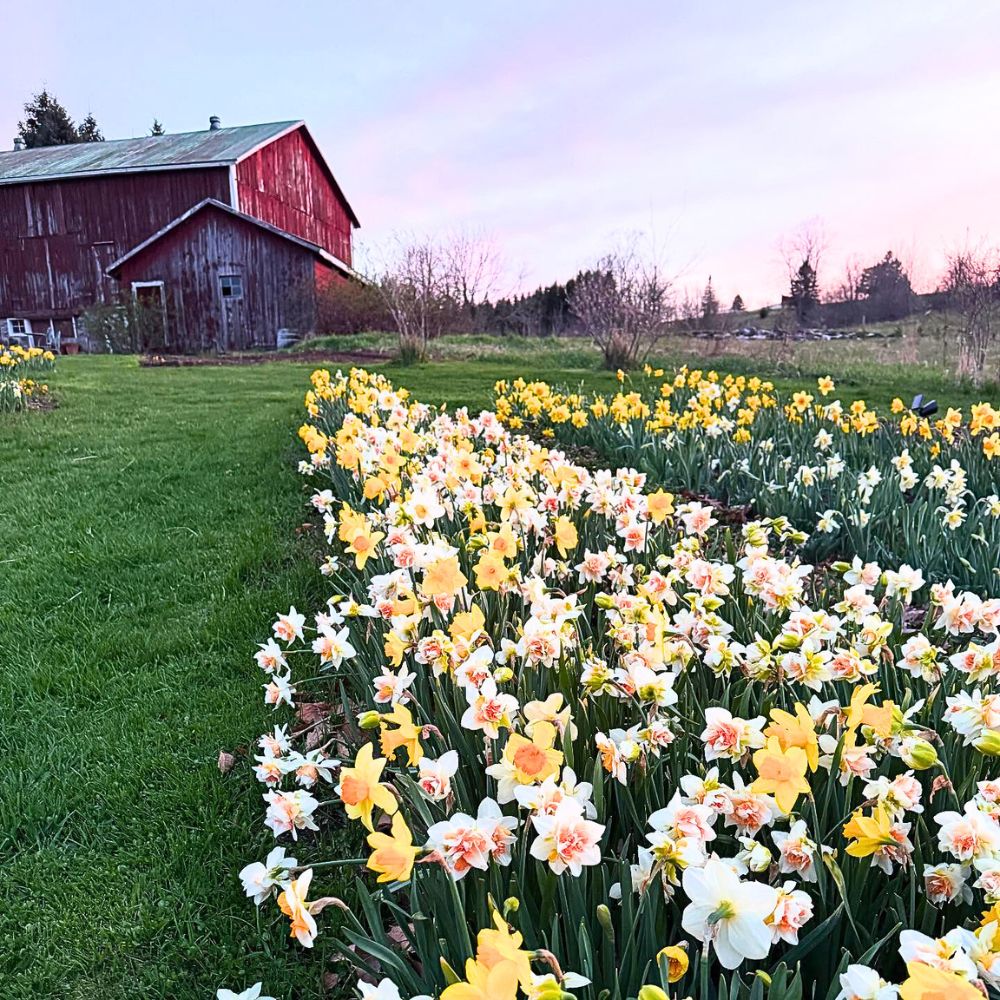
In the Middle East and parts of South Asia, the flower is seen as a sign of purity, new life, and positive transformation. In the United States and Canada, the Narcissus is closely tied to spring celebrations and appears in seasonal designs for events, weddings, and home decor.
Despite these variations, the flower consistently represents uplift, clarity, and the possibility of a fresh start. Each culture adds its own interpretation, but the universal message remains rooted in hope and renewal.
Why Florists Love Working with Daffodils?
The daffodil offers a unique combination of structure and simplicity. Its form brings balance to arrangements and adds natural contrast to softer textures. Many florists use it as a seasonal anchor, especially during early spring when clients often seek designs that feel refreshing and optimistic.
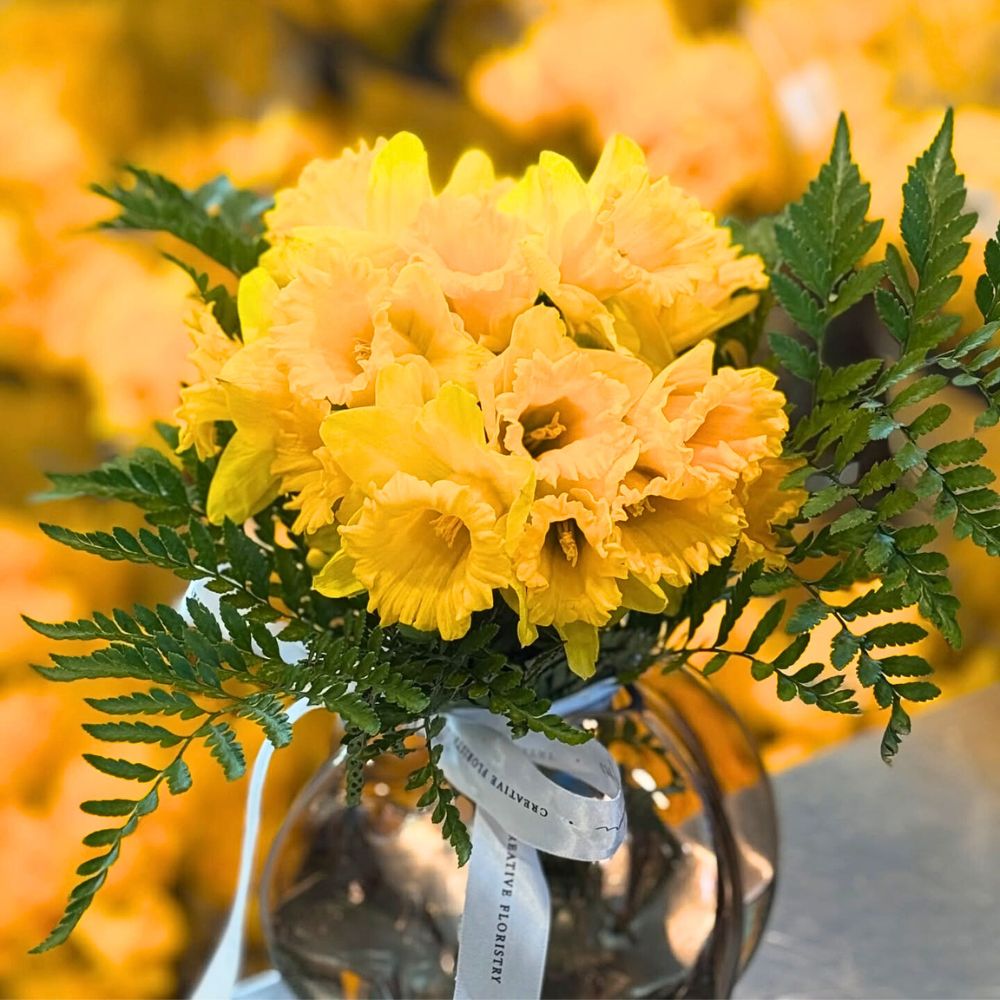
The flower works well in mono arrangements as well as in mixed designs. Its shape creates natural rhythm within a composition, and even a small cluster of daffodils can transform the mood of an interior space. Designers appreciate its honest presence. It does not dominate a design but introduces quiet confidence.
The Emotional Meaning Behind Gifting Daffodils
Gifting flowers is an exchange of emotion. The daffodil brings a clear and positive message. It is chosen when someone wants to encourage a friend, celebrate a personal milestone, or acknowledge a fresh chapter. People often give daffodils after a long winter season, during recovery periods, or at the start of something new.
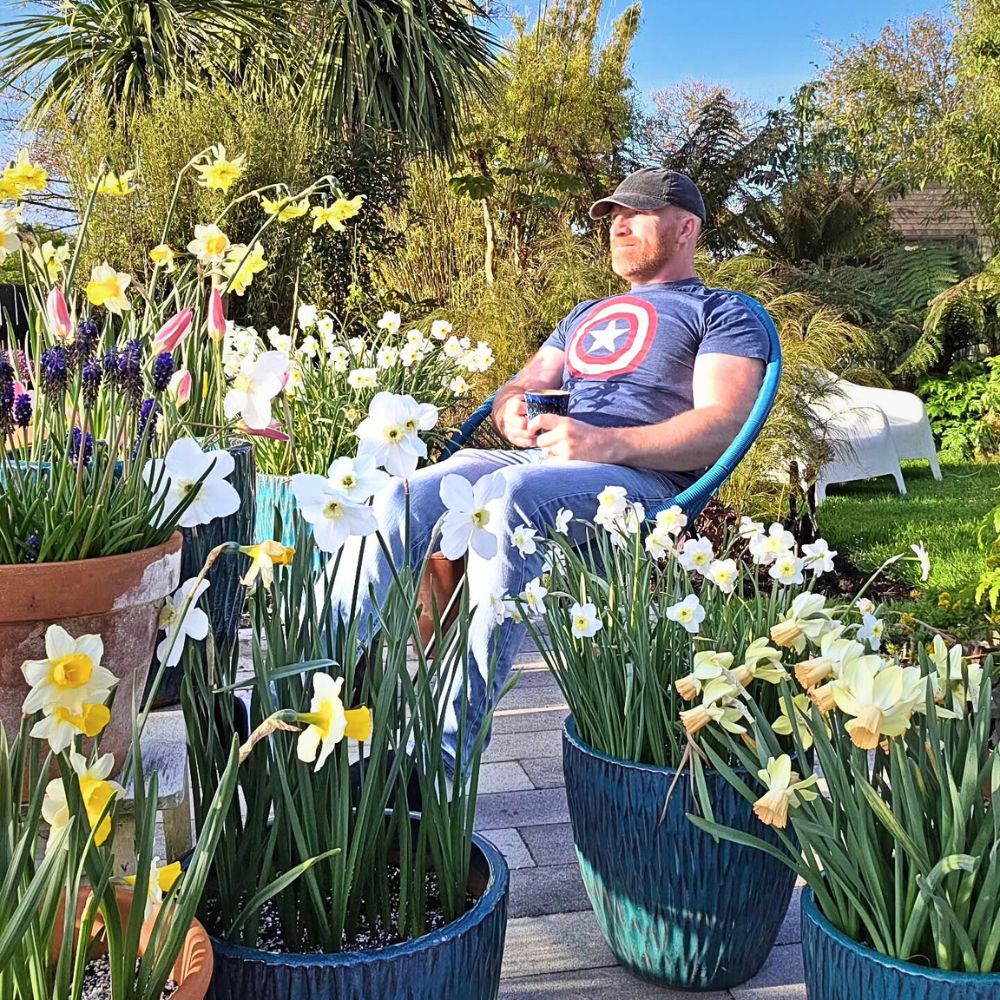
The flower expresses support without being overly sentimental. It conveys a quiet, uplifting presence that many people feel deeply connected to. This is why daffodils remain popular for thoughtful gifting. The gesture communicates that brighter days are coming and that one is not alone on the journey ahead.
In relationships, daffodils can signal renewed energy or a period of emotional clarity. In friendship, the flower reinforces the idea that bonds can grow stronger, even after difficult seasons. The emotional meaning of the daffodil is both simple and profound, making it one of the most loved spring flowers to give.
The Role of Color in Daffodil Flower Meaning
Although the classic daffodil is yellow, breeders have introduced many color forms over the years. While the symbolic meaning remains fairly consistent across colors, there are subtle differences in how people interpret them.
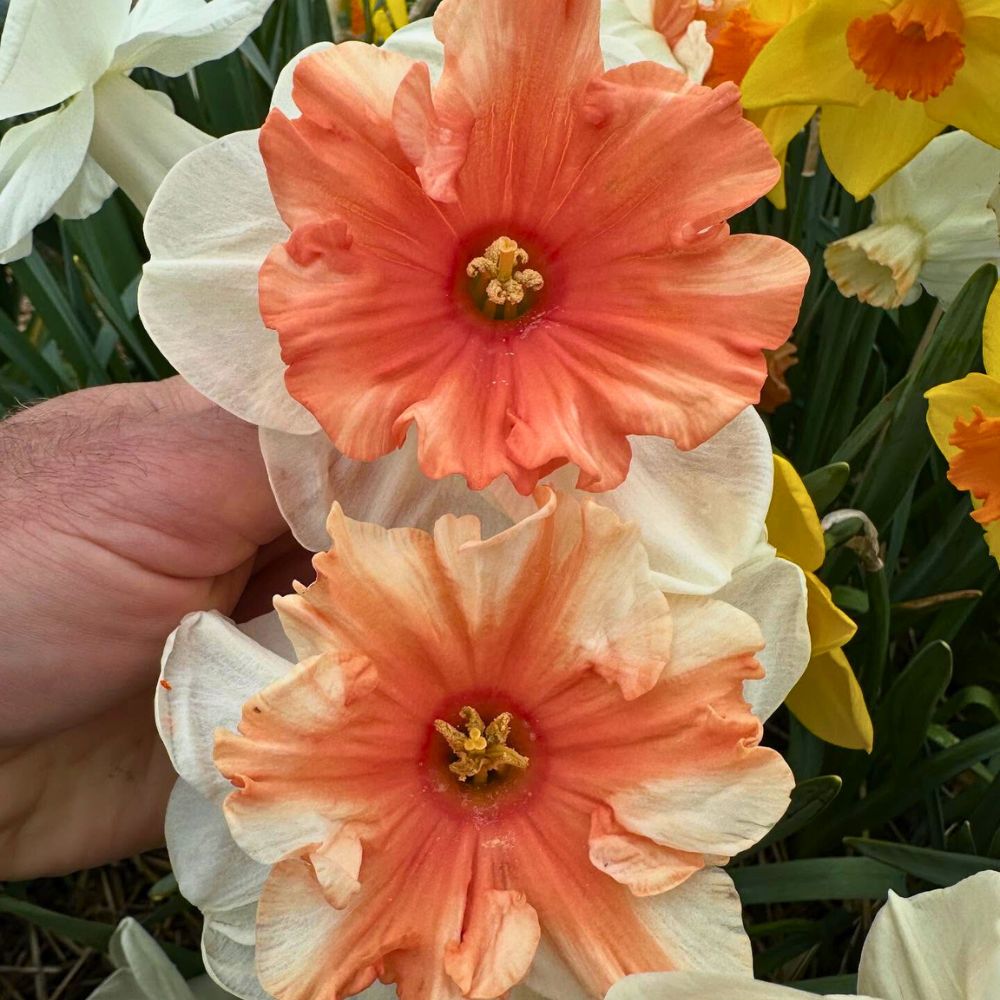
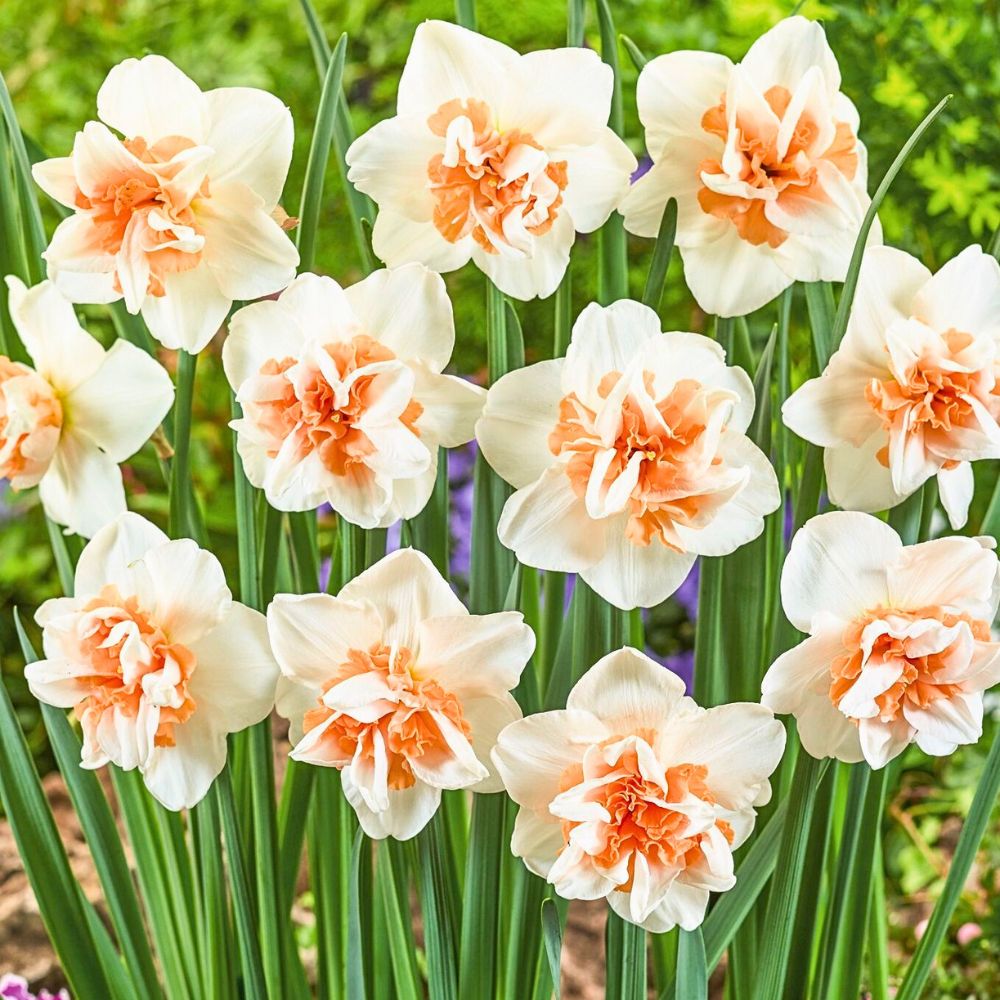
Yellow daffodils are linked to optimism and renewed energy. White daffodils often carry associations of purity and fresh clarity. Cream and peach tones sometimes represent emotional softness or peaceful beginnings. Multi-toned daffodils can express a blend of emotions connected to transition and growth.
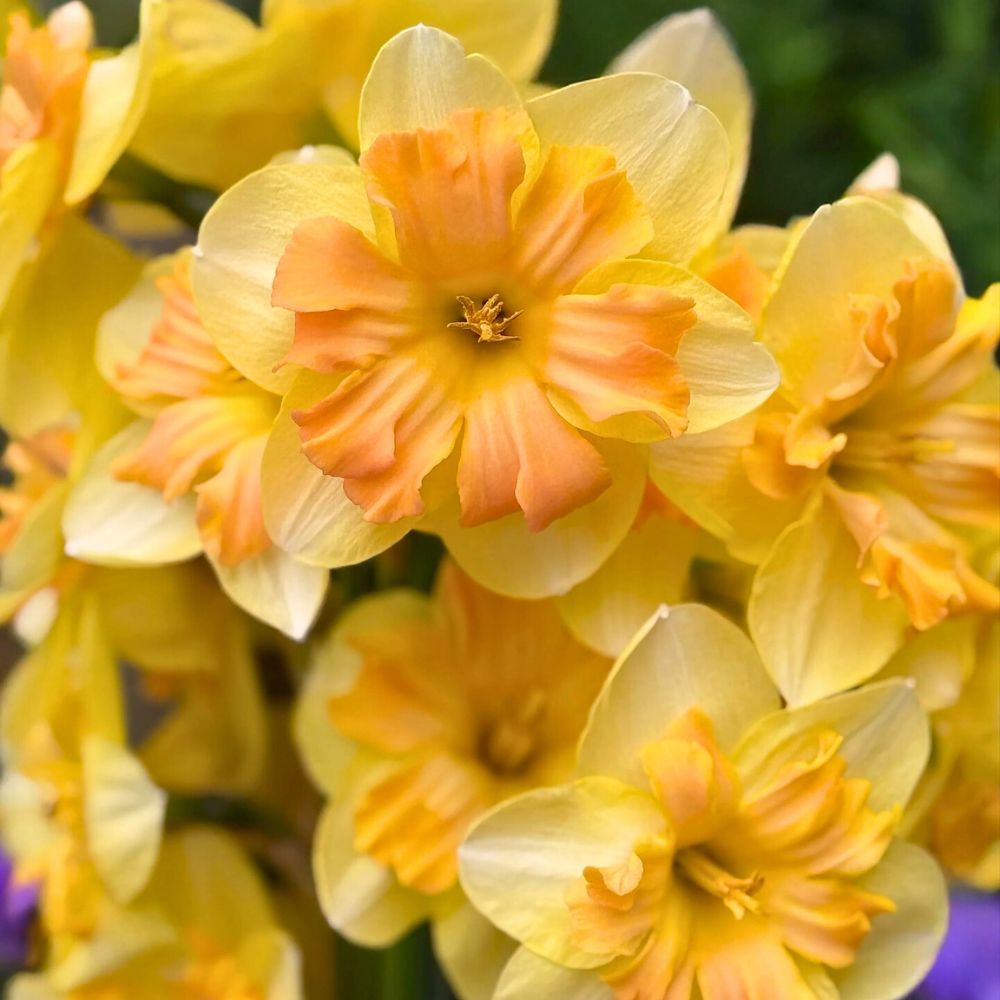
Color variations allow florists and gardeners to work with the meaning of the daffodil in more nuanced ways. While the flower’s core message remains unchanged, color helps tailor the meaning to the moment.
The Daffodil in Garden Culture
Gardeners consider the daffodil one of the most reliable spring flowers. It returns year after year and often naturalises, spreading gently through a landscape. This makes it a favourite for home gardens, public parks, and natural style plantings.
Its ability to bloom early sets the tone for the entire growing season. Many gardeners describe the first sight of daffodils as a moment of reassurance, a quiet reminder that cycles of growth always return. This connection strengthens the symbolic meaning of the flower. When people see the daffodil reappear after months of rest, they feel encouraged to begin again in their own personal lives.

Gardeners also appreciate how the daffodil bridges the gap between winter and spring. It stands at the threshold of the new season, marking the transition with colour and consistency. This seasonal role has shaped the emotional meaning the flower carries across generations.
Why the Daffodil Flower Meaning Still Matters?
The continued relevance of the daffodil lies in its honesty. It is a flower that appears without fanfare, grows without hesitation, and returns every year as if keeping a quiet promise. People connect to this sense of reliability.
In a world where many things move quickly, the daffodil encourages a slower moment of reflection. It invites people to step back and consider the transitions unfolding in their own lives. Designers use it to bring clarity to their work. Gardeners see it as a reminder of resilience. For the everyday flower lover, it marks the beginning of brighter days.
The daffodil is not just a spring flower. It is a symbol of human experience. Its meaning continues to evolve, yet its foundation remains steady. Renewal, hope, and gentle confidence. These themes are timeless.
Daffodil flower meaning continues to inspire people across countries, cultures, and creative fields. It carries historical depth, emotional clarity, and seasonal symbolism that resonate with readers, florists, and plant lovers. Every year the flower returns, and with it, the reminder that growth always follows rest.
If you enjoy understanding the meaning behind flowers and how they shape today’s floral world, continue reading stories on Thursd for more insights, inspiration, and the human experiences behind flowers.
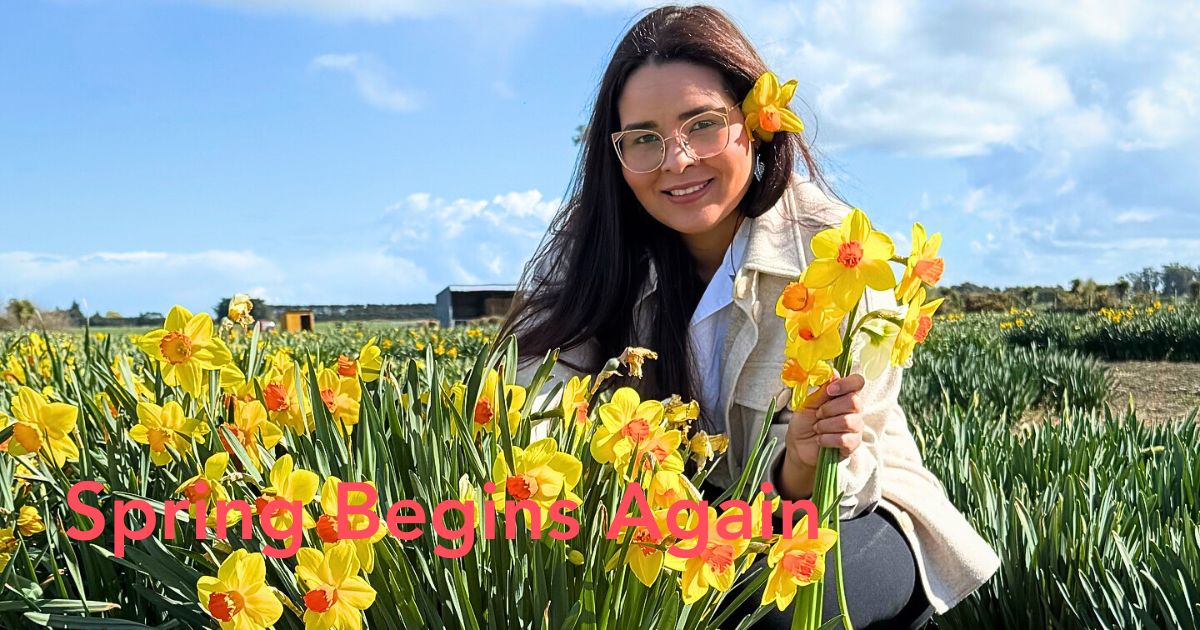
Header and feature image by @Maria Angelica.