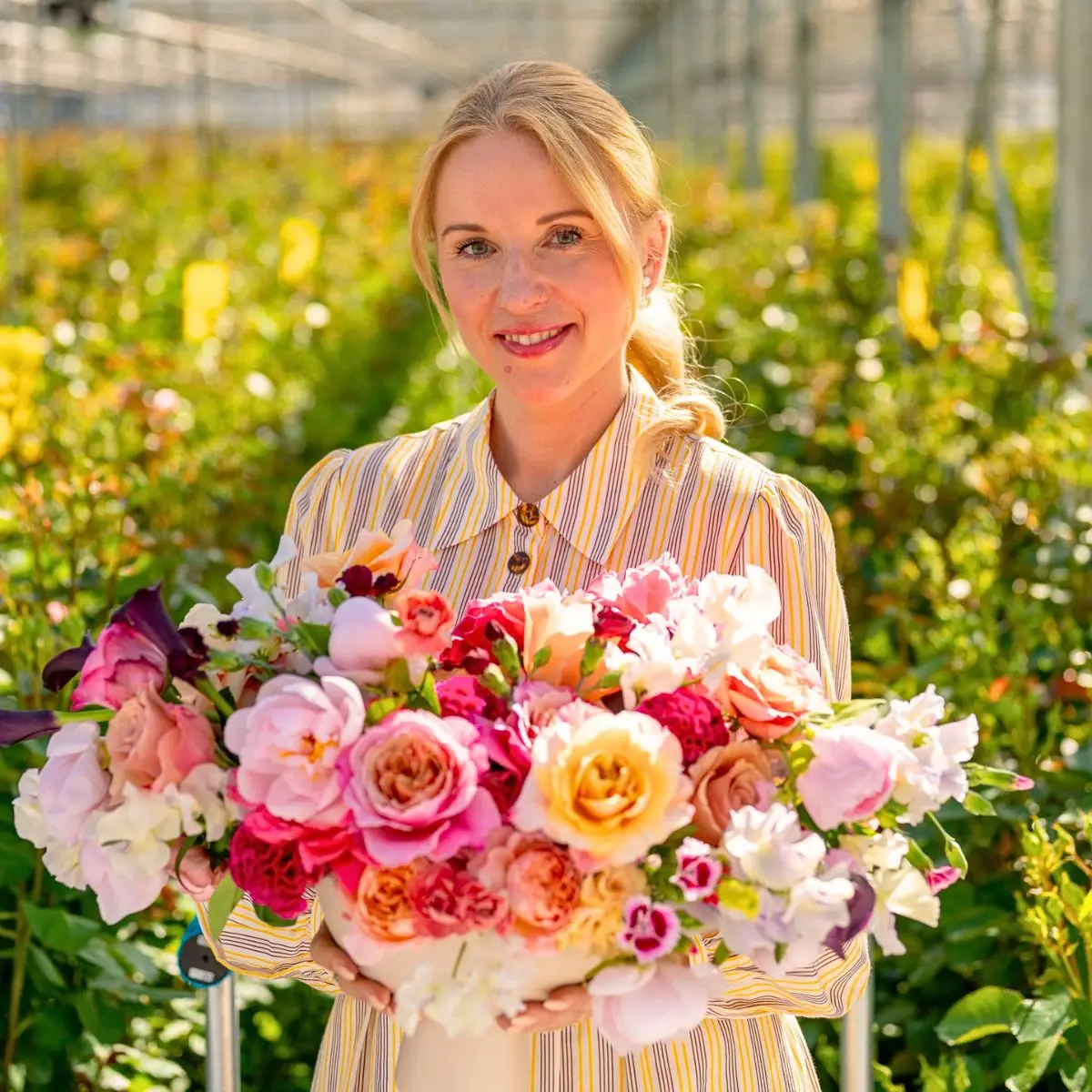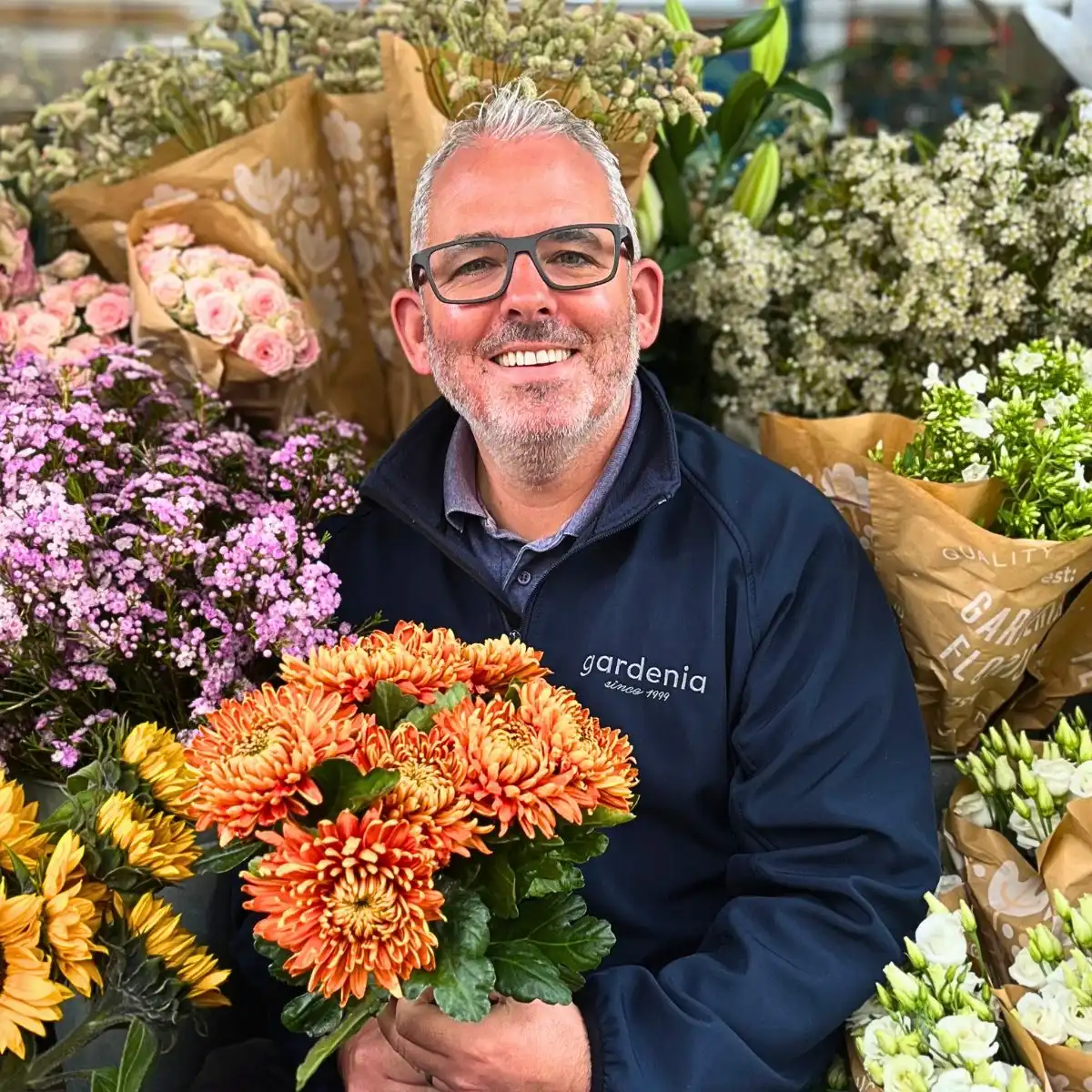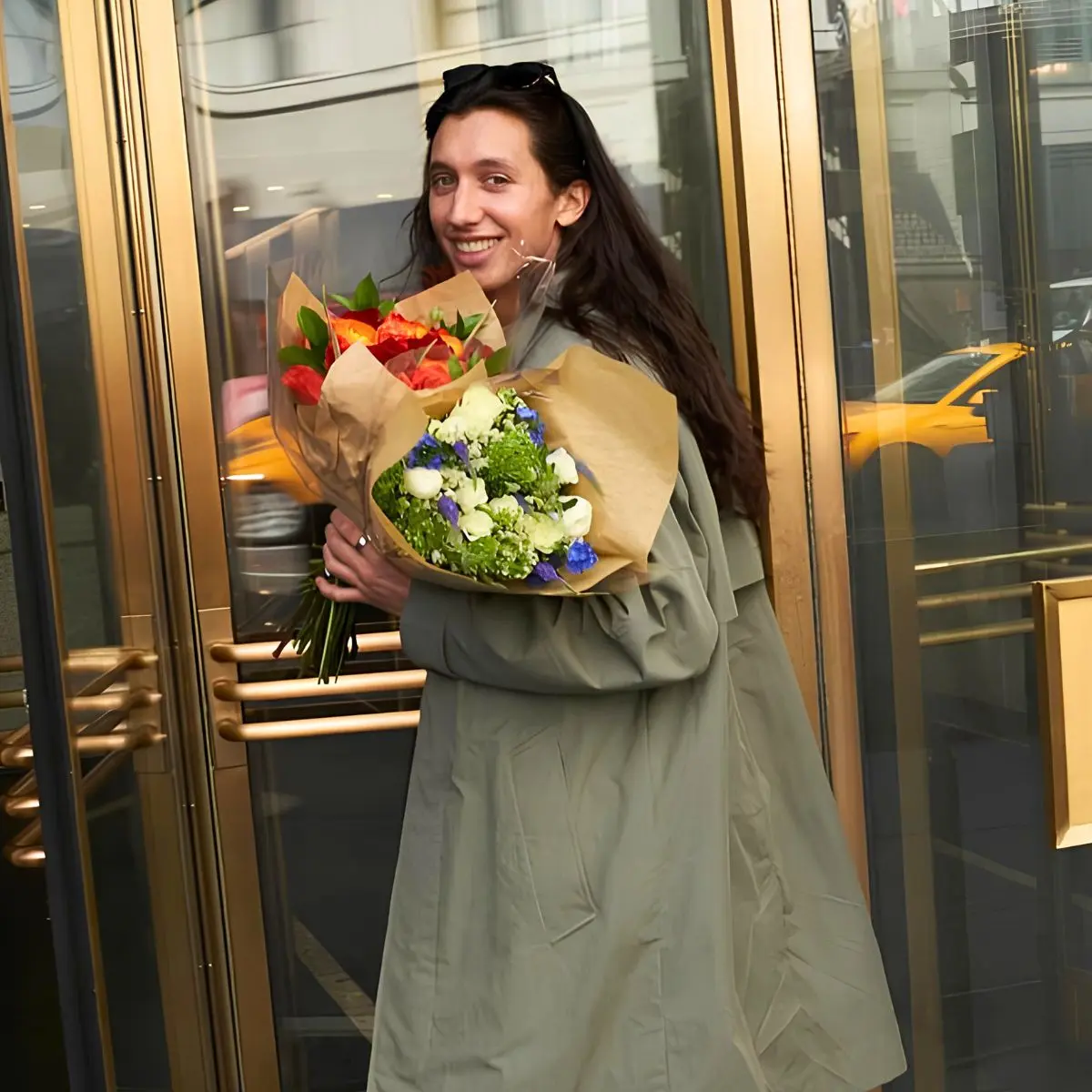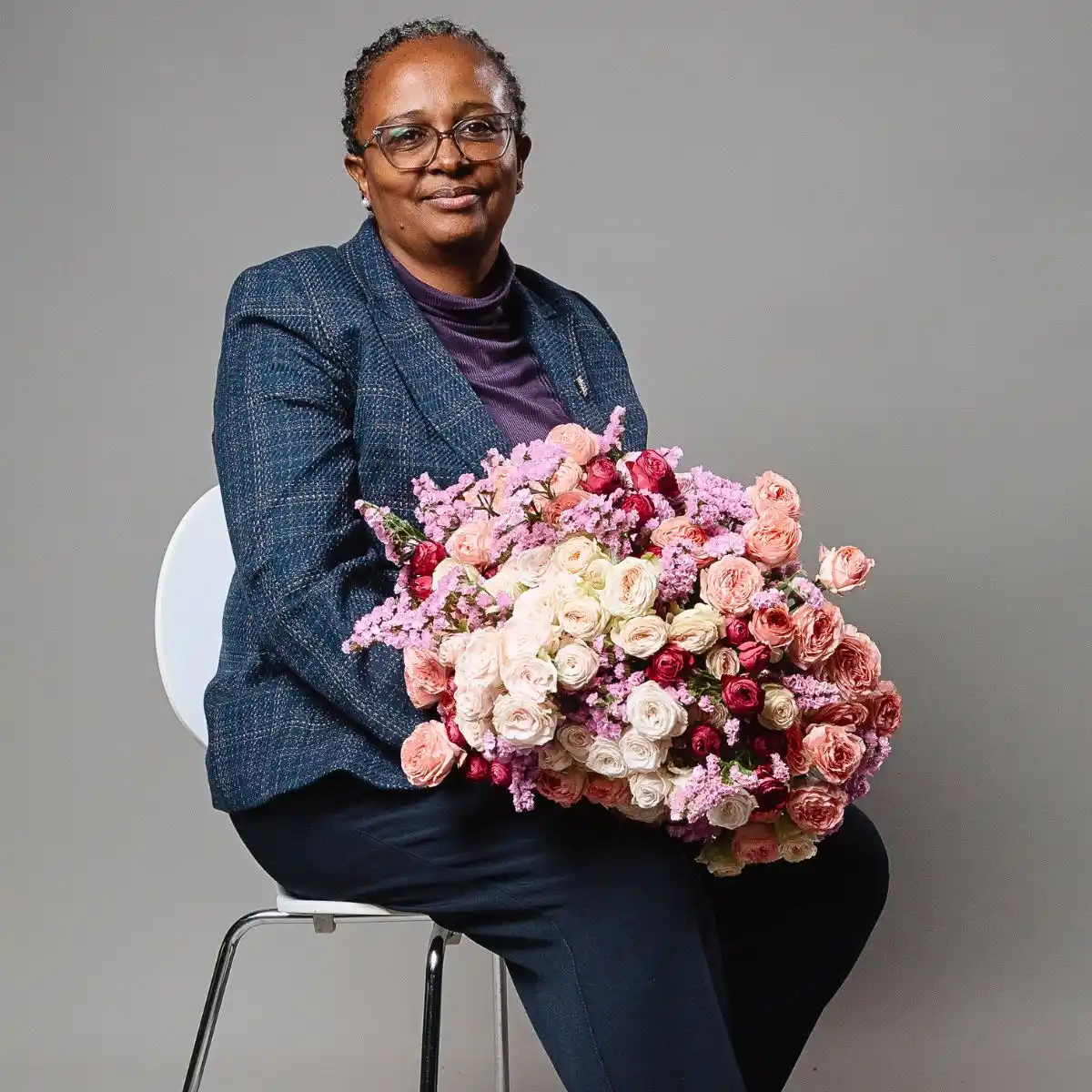
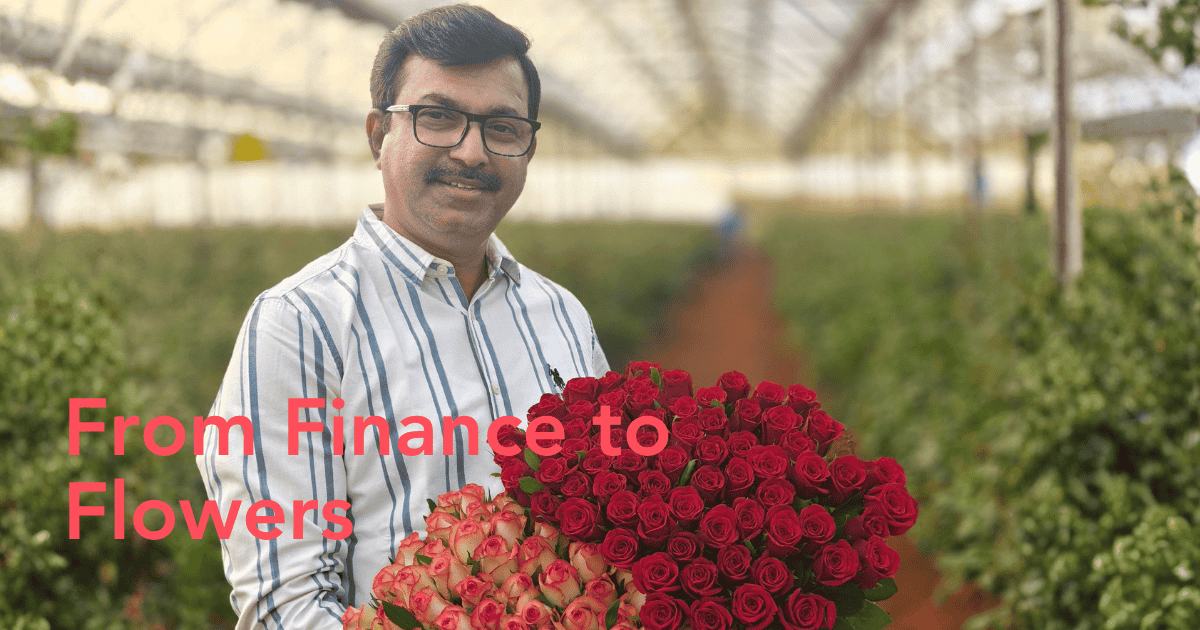
As Senior Vice President at Soex Flora, Narendra Patil embodies a rare career arc - moving from balance sheets to bloom cycles - and brings the rigor of operations and finance to the living, fast-moving world of premium cut-flower cultivation and tissue culture. In this week's 10 questions, he opens up about steering quality at scale, professionalizing grower practices, and why unified standards, smarter logistics, and collaborative breeder partnerships are essential if Indian floriculture is to set global benchmarks.
Patil also reflects on the pressures reshaping the value chain – climate variability, rising costs, and tightening labor supply - and how Soex Flora counters them with greenhouse automation, process discipline, data-driven forecasting, and grower education. Interesting and insightful read this week for you, enjoy!
Question 1
For those who don’t know you, who are you, and what do you do?
"Every flower we nurture is a reflection of who we are - rooted in passion, purpose, and family values."
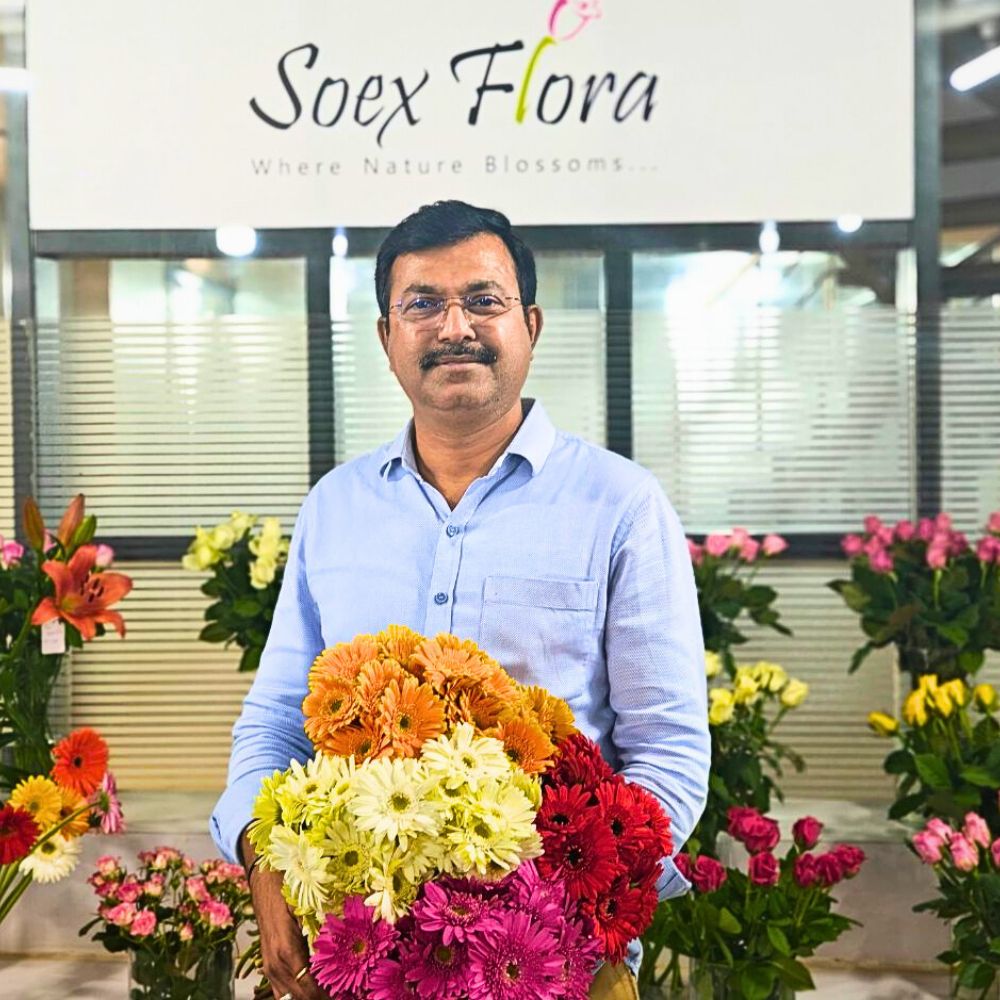
I am Narendra Patil, Senior Vice President at Soex Flora, and my journey has taken me from managing numbers to nurturing nature - a path shaped by passion, learning, and purpose. I began my professional career in the finance department, where I built a strong foundation in operations, planning, and financial management. Yet, my growing curiosity about agriculture and the beauty of cultivation gradually drew me toward the world of floriculture - a field that would ultimately redefine my purpose. What began as an interest soon became a calling. With the trust and support of the organization, I transitioned from finance to heading the floriculture division, bringing with me the same discipline and analytical approach that shaped my earlier years. This shift allowed me to combine strategic thinking with the creative and scientific aspects of cultivation - transforming a professional opportunity into a personal passion.
At Soex Flora, I oversee our farms and tissue culture operations, right from planting decisions to post-harvest handling and exports. My earlier experience in finance helps me run these activities with a strong focus on planning, cost control, and consistency. Over time, working so closely with this sector has changed the way I look at my work and at agriculture in general. It has taught me that discipline in processes and respect for the crop go hand in hand. Our aim is clear: to position Indian floriculture as a serious, reliable supplier to the world. Every consignment that leaves our facilities reflects the efforts of our teams in the fields, in the labs, and in the packhouses, and that sense of shared responsibility is what keeps me motivated.
Question 2
What is so special about your job?
What makes my job special is that it sits at the intersection of business and cultivation. One part of my day may be spent on planning, budgets, and strategy; another part is spent walking through the greenhouses, looking at plants, checking quality, and talking to the team on the ground. That mix keeps the work very real. I enjoy seeing how small improvements in irrigation, nutrition, or post-harvest handling can directly show up later in the numbers and in customer feedback. It's a role that constantly reminds me that you can have the best systems on paper, but the final result is always decided in the field. No matter how advance we become, nature always has the final say.
Question 3
Are there any specific challenges or obstacles you've faced in your job, and how did you overcome them?
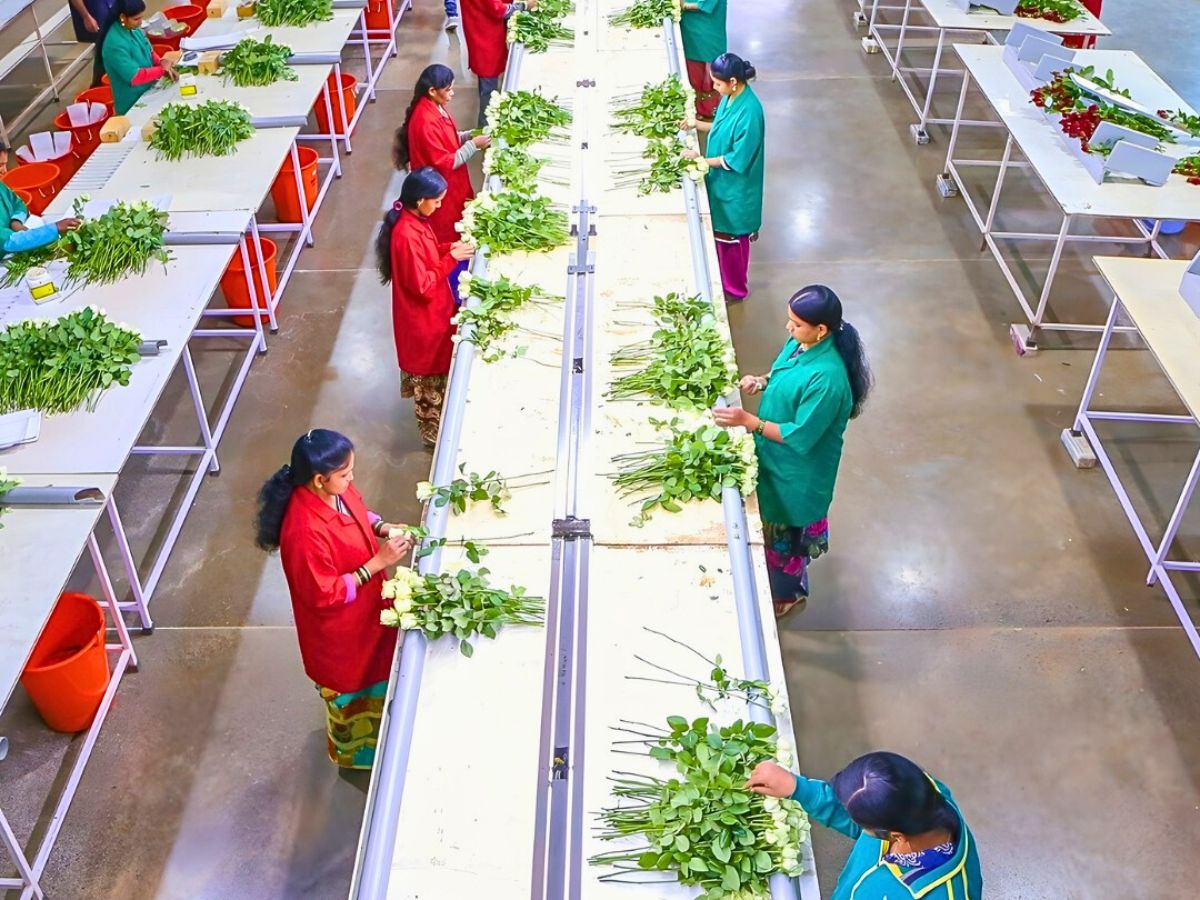
Floriculture is demanding because we work with perishable crops, changing weather, and markets that can shift overnight. One of our biggest challenges has been maintaining uniform quality while increasing production. Scaling up meant investing in additional infrastructure, putting standard operating procedures in place, and training people so that the same level of care is followed across all units. In recent years, finding and retaining skilled labor has become a serious concern, which makes efficiency and automation even more important.
There were times when climate fluctuations or logistical issues tested our limits, but rather than reacting to problems, we focused on building long-term resilience - investing in modern greenhouse systems, process improvements, and team capability. What I'm most proud of is how those challenges shaped our culture at Soex Flora - one of adaptability, teamwork, and continuous learning. Every obstacle became an opportunity to innovate and improve. I've learned that true leadership lies in turning uncertainty into growth and ensuring that, even through challenges, excellence continues to shine.
Question 4
What are the threats in the industry, and if so, do you have any solutions for them?"
Every industry faces its turning points, and for floriculture, the biggest challenges today come from climate change, rising costs, inconsistent quality, labor shortage and market unpredictability. But the real concern lies in our fragmented approach as an industry - where growers, traders, and policymakers often work in silos instead of as one value chain.
India has a strong base of growers and suitable climates, but our progress is slowed down by uneven quality, limited research-driven practices, and gaps in logistics and cold-chain infrastructure. If we want to compete with established exporting countries, we have to move from informal practices to a more structured, technology-oriented approach. At Soex Flora, we try to contribute by working closely with global breeders, adopting new varieties and methods, and sharing practical knowledge with growers. What the sector really needs is more coordination and openness between growers, exporters, and policymakers, so that we are all working towards the same standards and long-term goals.
If we can align the efforts of growers, exporters, and government support, India can not only meet but lead global standards in floriculture. The foundation is already there - it's time we grow together.
Question 5
How has technology like e-commerce platforms or digital marketing affected your industry? Which strategies have you employed to stay competitive?
Technology has changed almost every part of our business, from how we grow to how we reach buyers. Online platforms, e-commerce, and social media have made flower consumption more visible and more trend-driven. Customers today look for specific colors, vase life, and concepts they discover online, and their expectations on quality and reliability are higher. This pushes producers like us to plan more carefully, align with these preferences, and ensure that we supply what meets those expectations.
At Soex Flora, we've embraced this change by combining data-driven forecasting, digital storytelling and automated greenhouse systems. Insights from online platforms help us plan production around emerging preferences - whether it's pastel shades, long-lasting varieties, or eco-friendly packaging. I believe technology has enhanced the human touch in floriculture. It connects growers, traders, and customers more closely, allowing us to deliver not just flowers, but experiences that reflect emotion, culture, and modern taste.
Question 6
Who (in or outside the floral industry) is an inspiring example to you? And Why?
Within the floriculture industry, I deeply admire our Director, Mr. Arif Fazlani. His visionary leadership, sharp business acumen, and ability to see opportunity where others see challenge have been truly inspiring. He has built Soex Flora on the foundation of innovation, integrity, and long-term thinking - values that continue to guide all of us. Working with him has taught me that leadership is not just about driving results, but about nurturing people and creating purpose.
Question 7
How do you handle stress or difficult moments in your life?
In an industry as dynamic as floriculture - whether it's sudden market changes, unpredictable weather, or operational pressures, difficult moments are inevitable - what truly matters is how you respond to them. Over the years, I've learned that calmness is a strength. When things get tough, I take a step back, assess the situation with a clear mind, and focus on solutions rather than emotions. Challenges don't intimidate me anymore; they've become opportunities to learn and grow.
I also find immense grounding in my family - they remind me of what truly matters beyond deadlines and results. Their support gives me perspective and purpose, helping me lead with both resilience and empathy.
Question 8
What has been the best (floral or non-floral) news for you lately, or of the last year?
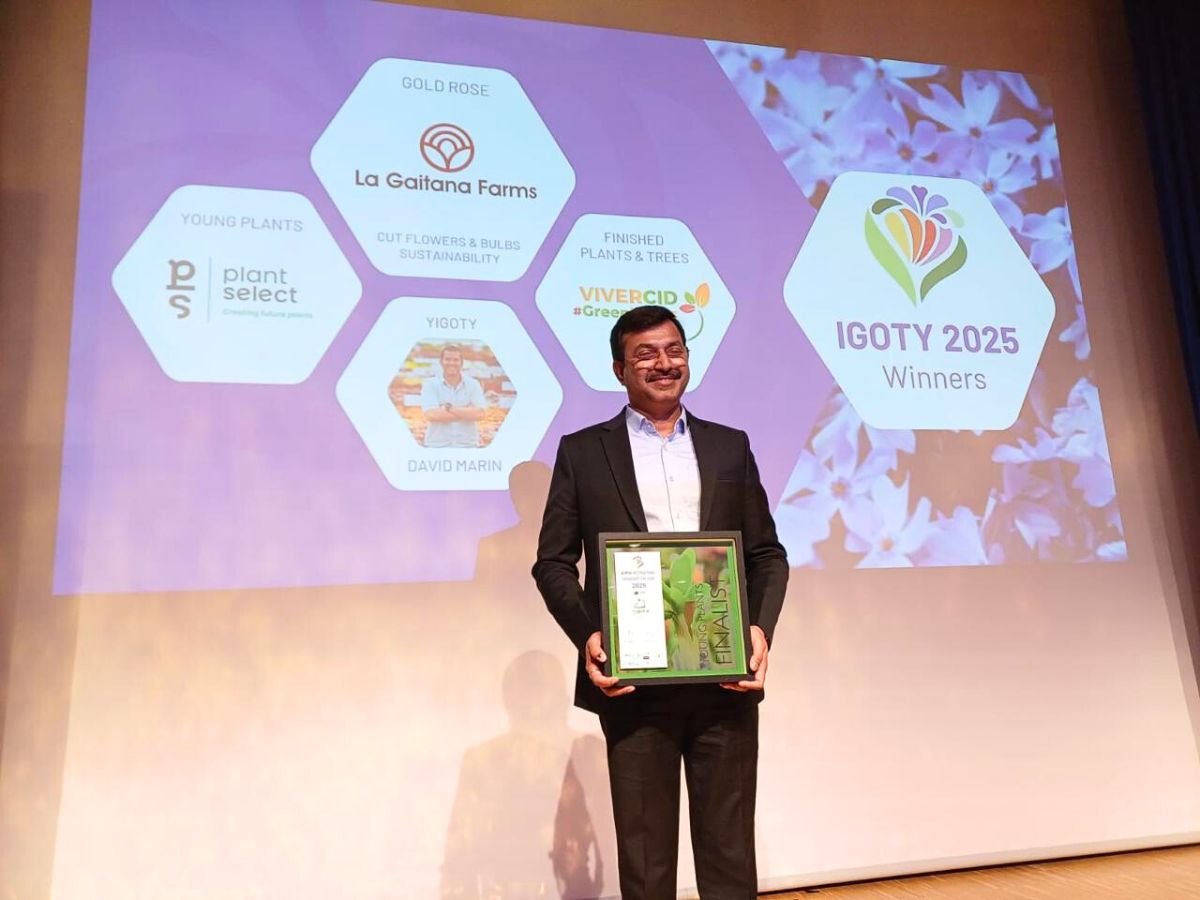
The best news for me this year was on Soex Flora being named as a finalist for AIPH IGOTY awards 2025, receiving this award was a fresh wave of energy for Indian floriculture industry. After a period of uncertainty, it's inspiring to watch Indian growers bounce back with innovation, stronger market presence, and renewed optimism. The growing demand for high-quality flowers and the recognition of Indian produce in global markets is something that makes me genuinely proud.
Question 9
Which is your favorite flower and why?
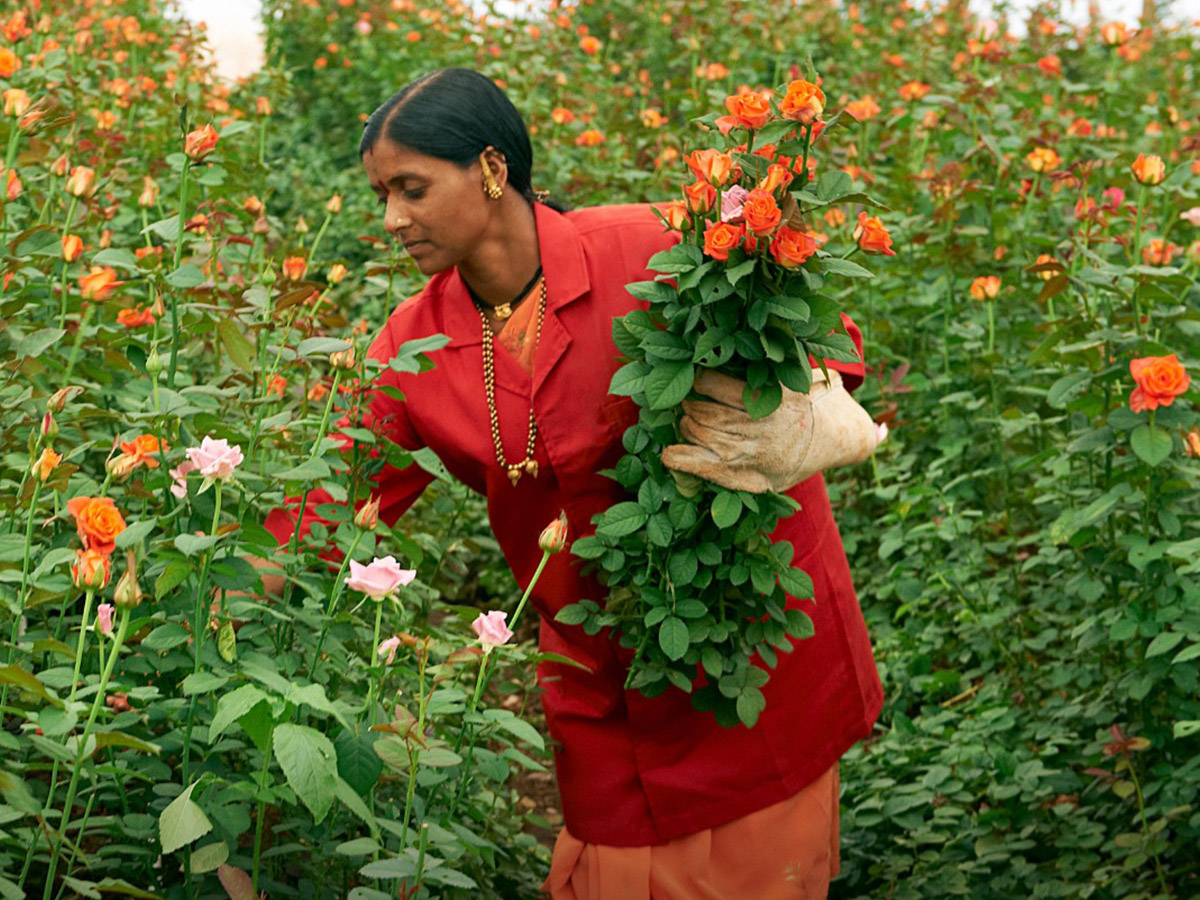
For me, every flower holds its own story and beauty - it's difficult to choose just one. Whether a rose, chrysanthemum, or carnation, represents creativity, dedication, and the hard work of countless growers behind it. What truly inspires me is how flowers can connect people and emotions across cultures and occasions. They bring joy, comfort, and celebration into everyday life. That universal appeal is what makes our industry so special.
As someone deeply involved in floriculture, I see every new variety and every successful bloom as a reminder of what's possible when passion meets innovation. So rather than a single favorite flower, I'd say my favorite is the spirit of floriculture itself - constantly growing, evolving, and spreading happines.
Question 10
What are you doing this weekend?
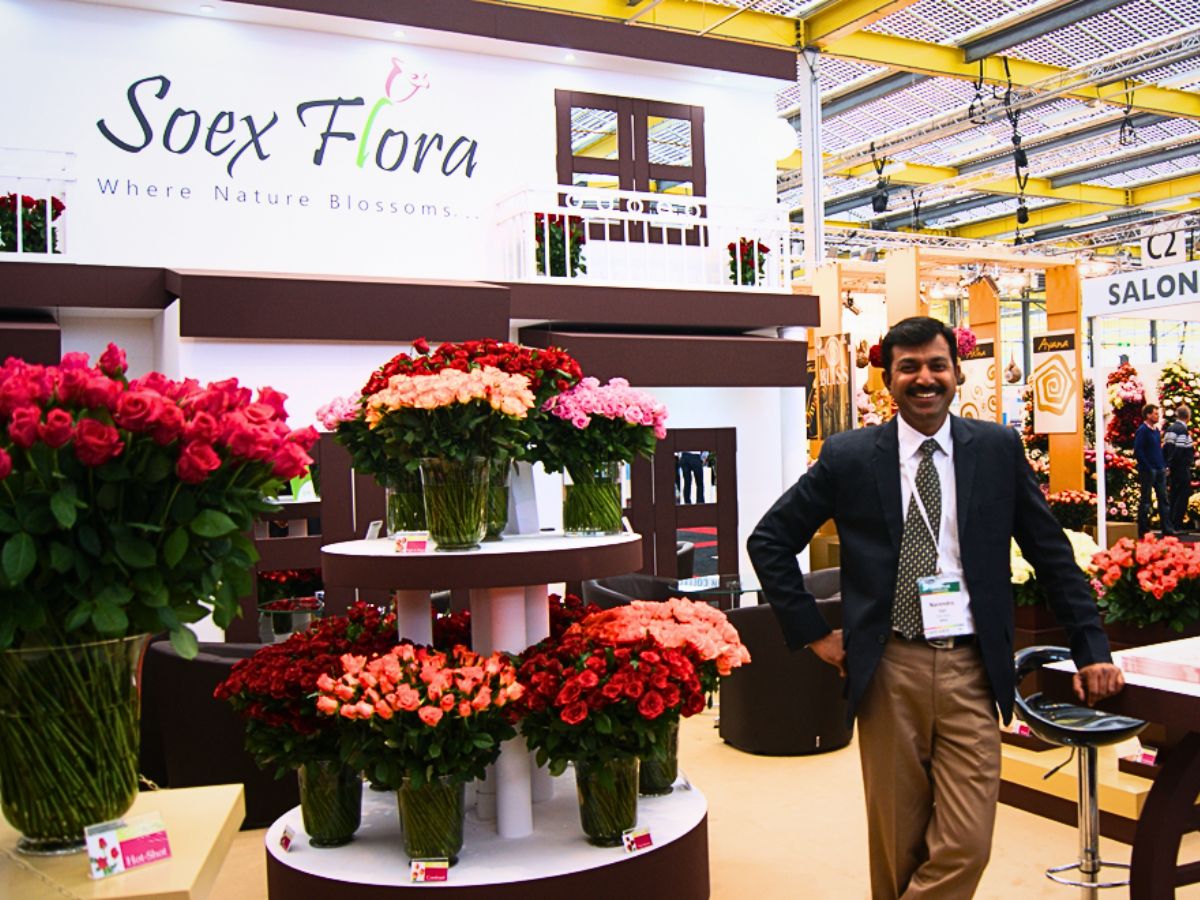
Last weekend took me to Amsterdam for the IFTF, one of the most inspiring gatherings in the global floriculture calendar. For me, it's not just any exhibition - it's about exchanging ideas, spotting future trends, and representing Indian floriculture with pride on an international stage. Every visit reinforces my belief that our industry is evolving faster than ever, and being part of that change is what keeps me truly energized.
As this conversation with Narendra Patil reveals, floriculture in India is entering a defining phase, where technology, leadership, and collaboration are shaping a more unified, global future. His journey from finance to flowers is a reflection of how passion and precision can coexist to drive meaningful change in an ever-evolving industry. Through his work at Soex Flora, Narendra continues to champion innovation, resilience, and professional growth for growers and exporters alike.
If you enjoyed reading his story, we’d love to hear your thoughts. Who else in the floral industry do you believe has a story worth sharing? Recommend inspiring individuals or thought leaders you’d like to see featured next by writing to edwin@thursd.com.
All pictures courtesy of @Narendra Patil.