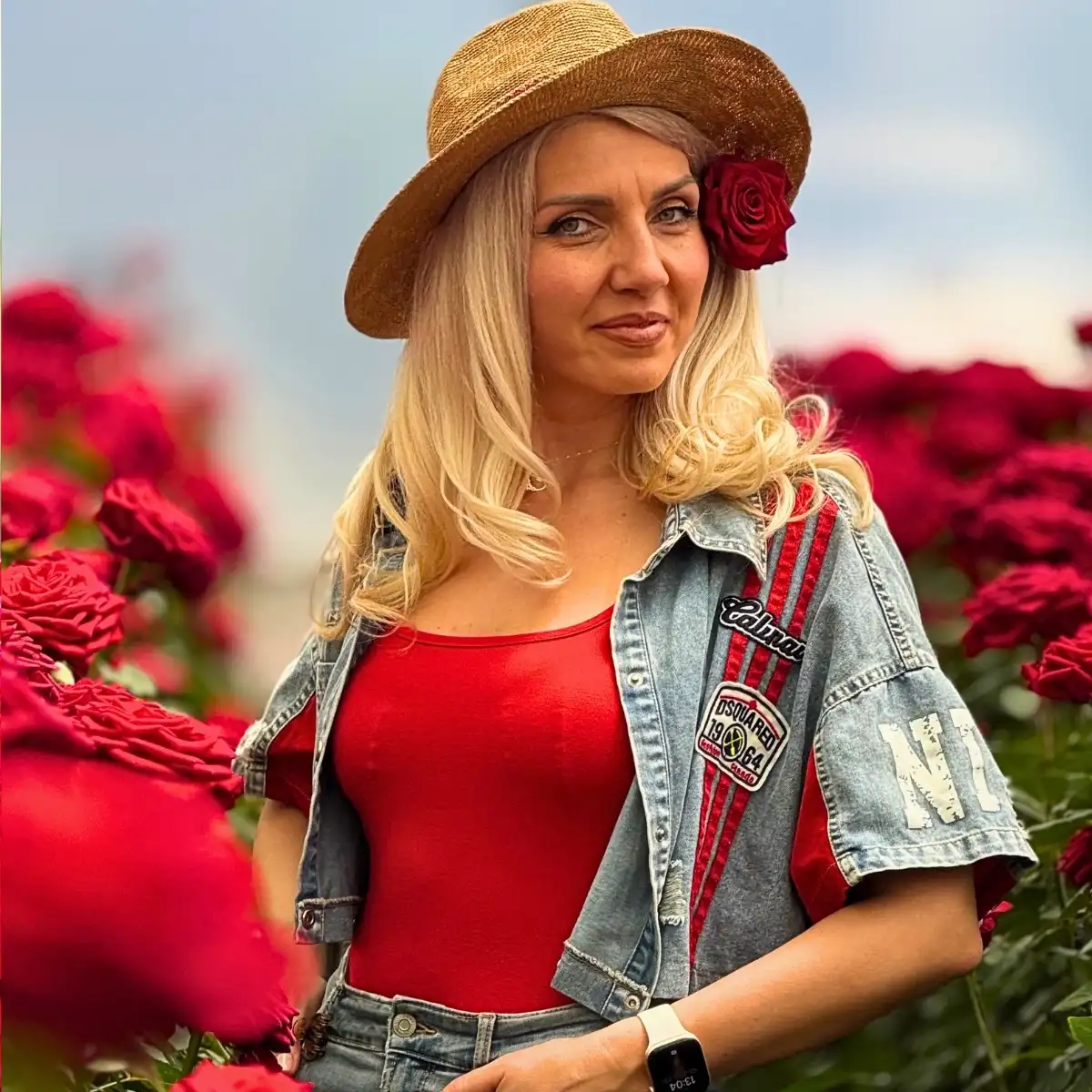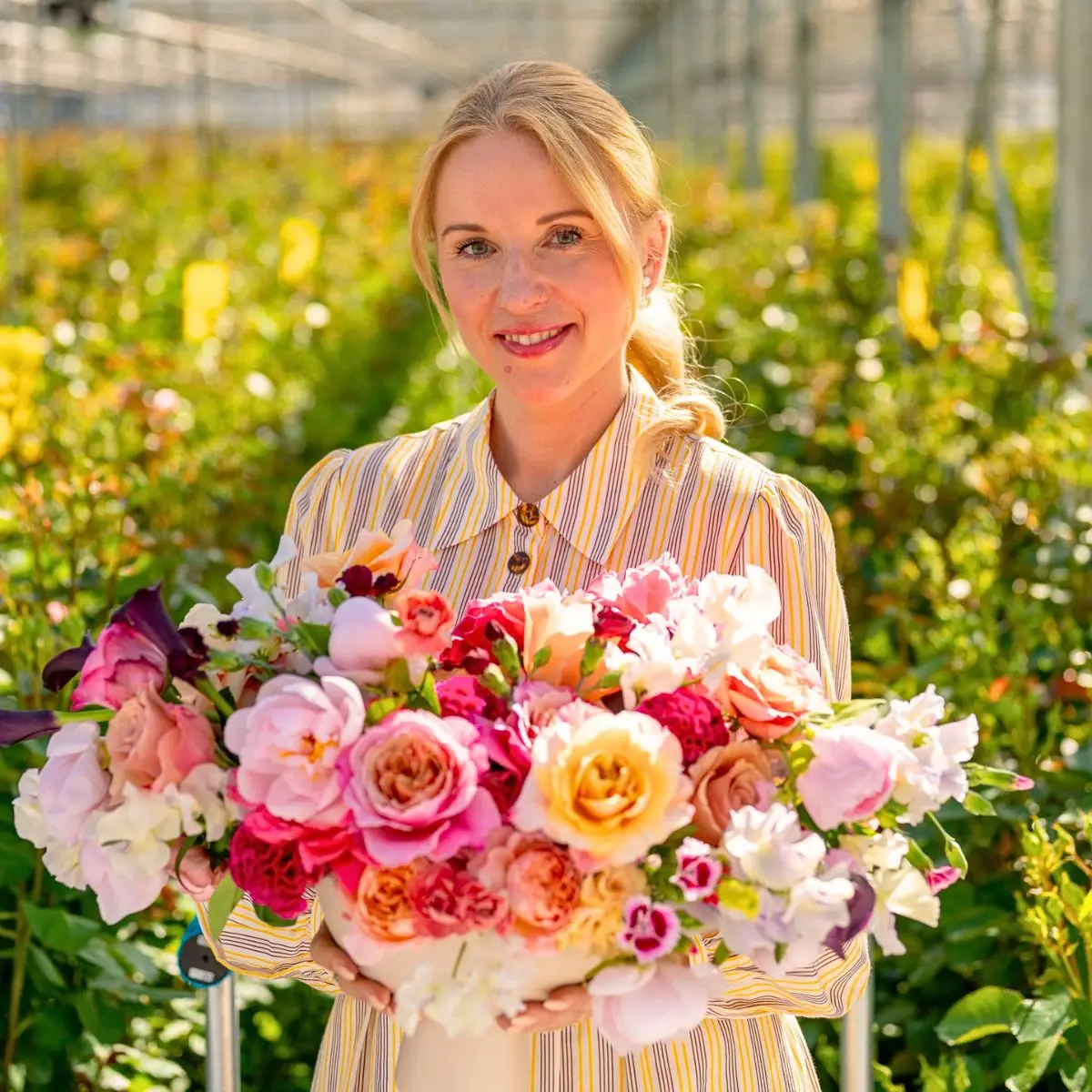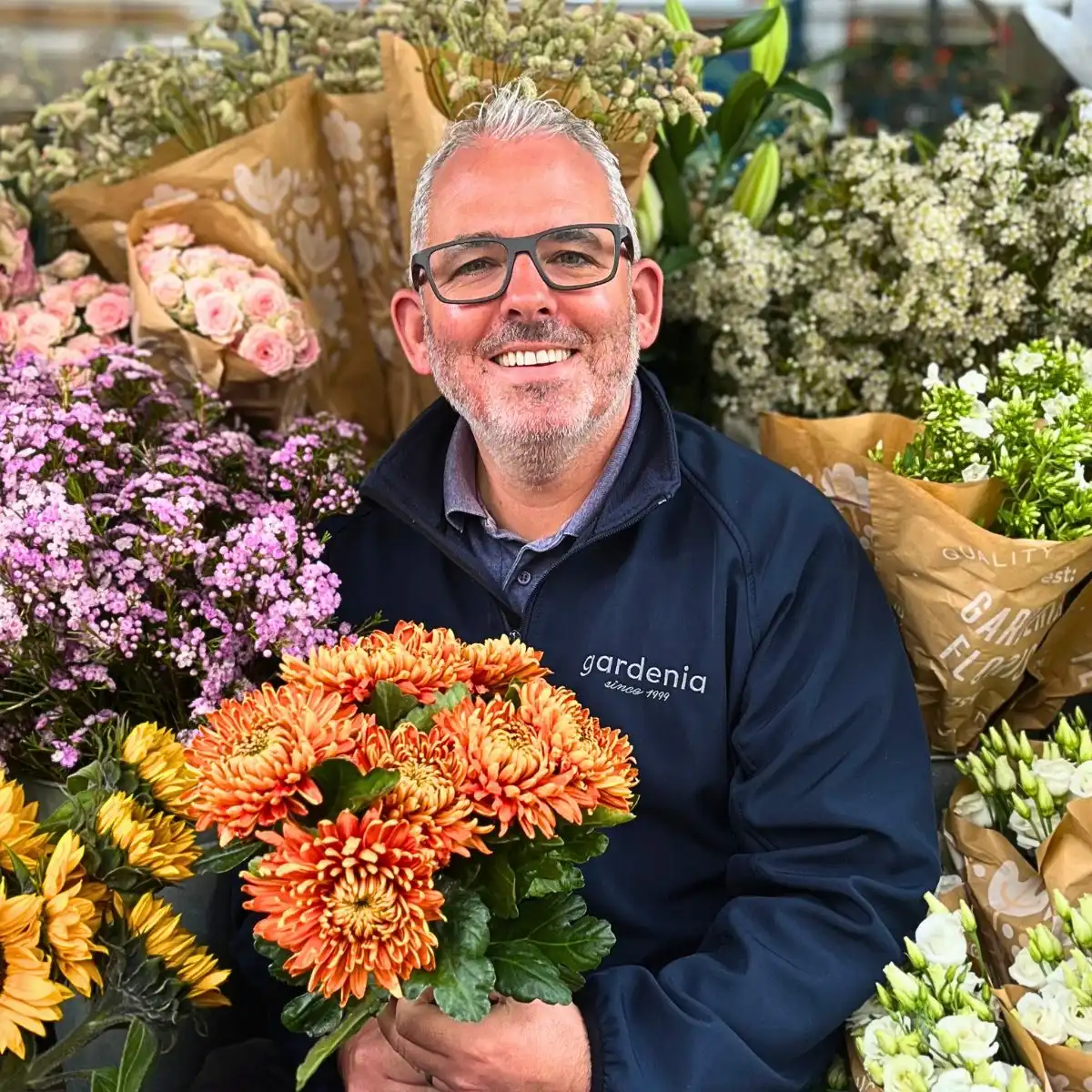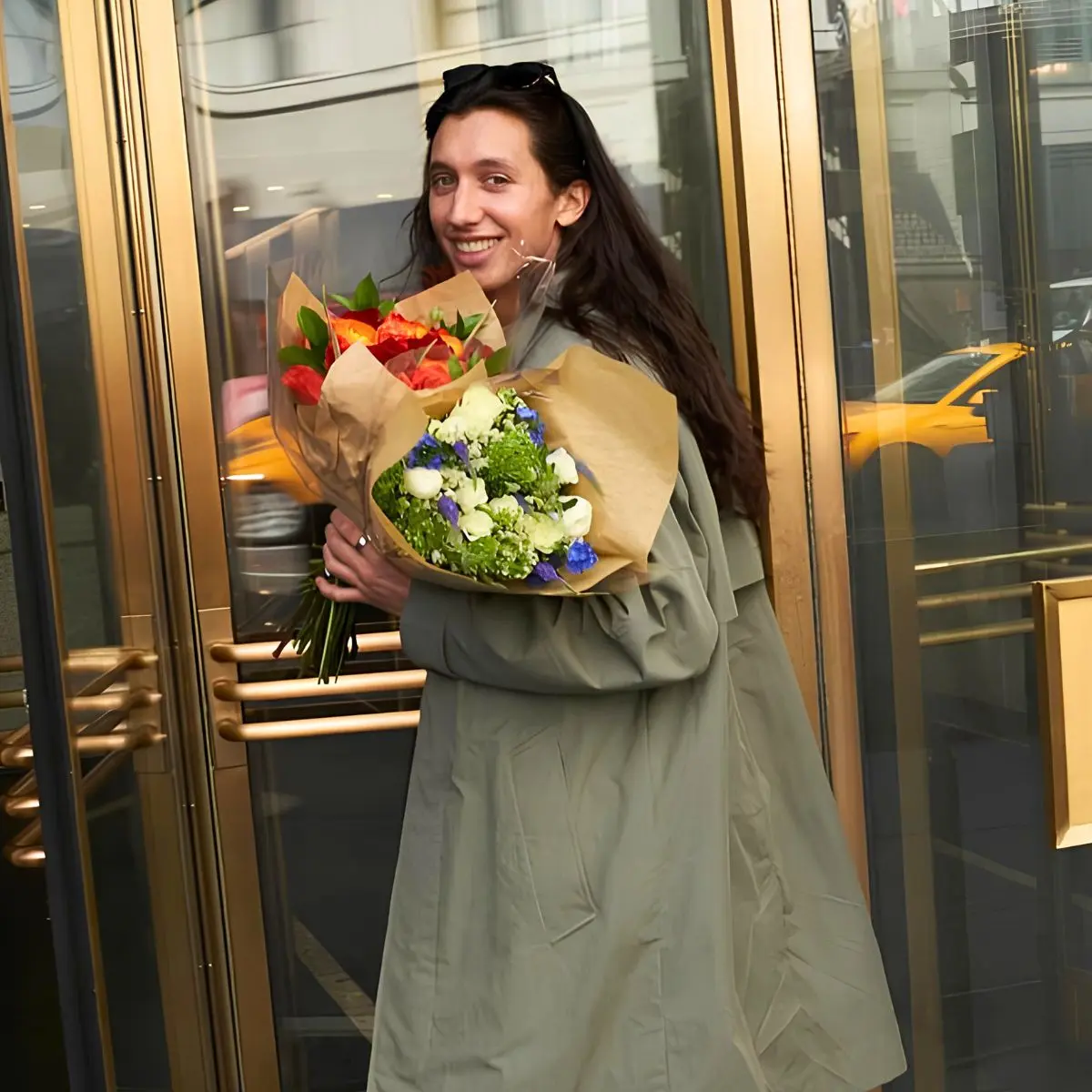
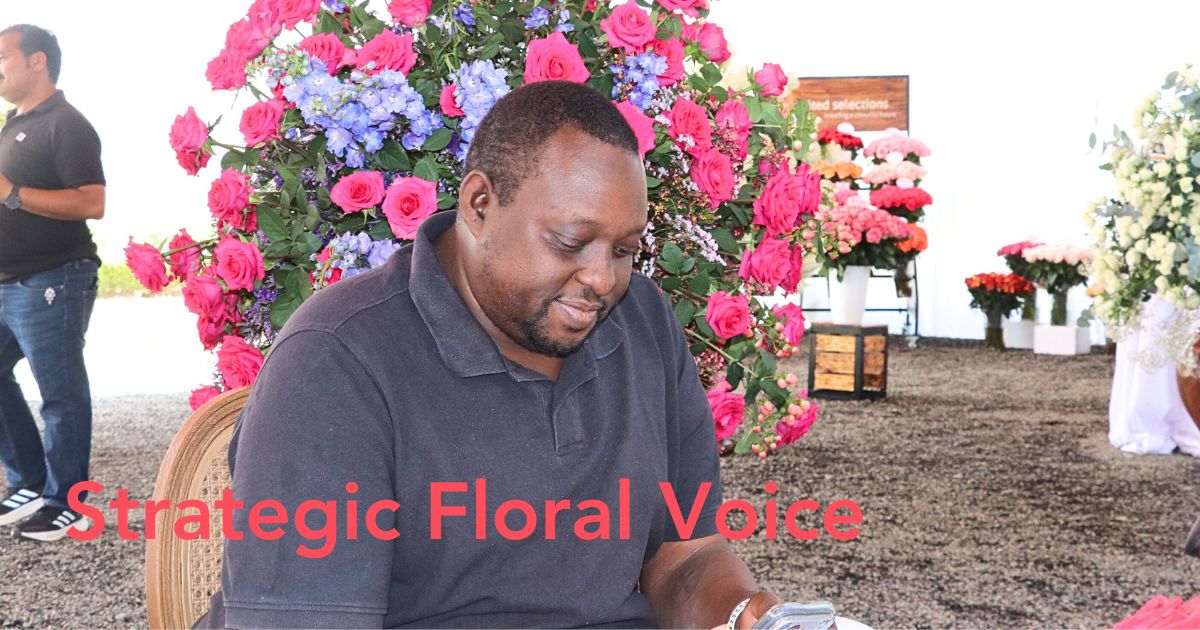
Ahmed Nzibo's story is not about loud leadership or quick wins. It is about perspective, patience, and knowing when to step forward and when to step back. From growing up close to the Kenyan rose industry to leading a global breeding organization, United Selections, his path has been shaped by listening, observing, and trusting the people around him.
In this week's 10 Questions, Ahmed shares honest views on industry power dynamics, long-term decision-making, responsibility, and why progress often comes from deeper participation rather than resistance. It is a thoughtful conversation with someone who sees the floral industry as a system that must evolve carefully, consciously, and with people at the center.
Question 1
For those who don't know you, who are you and what do you do?
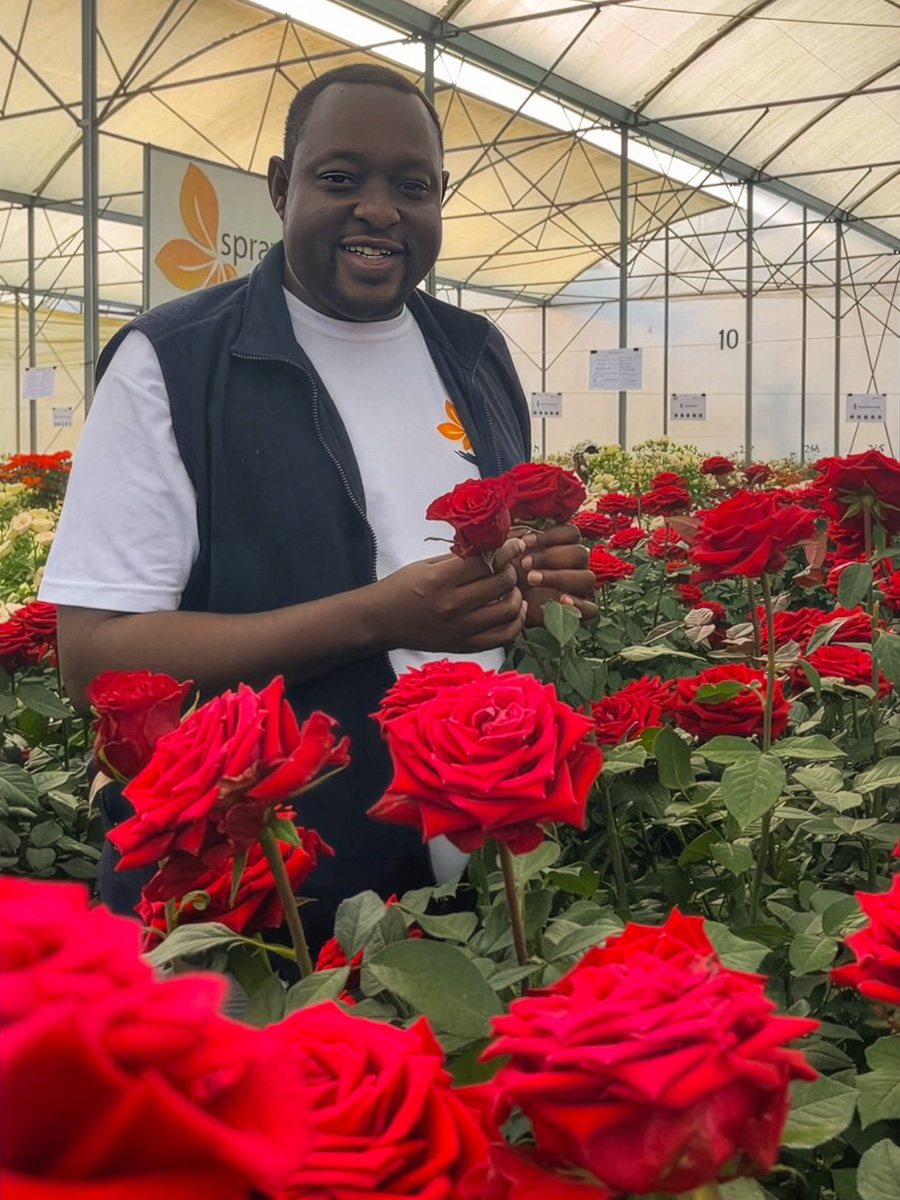
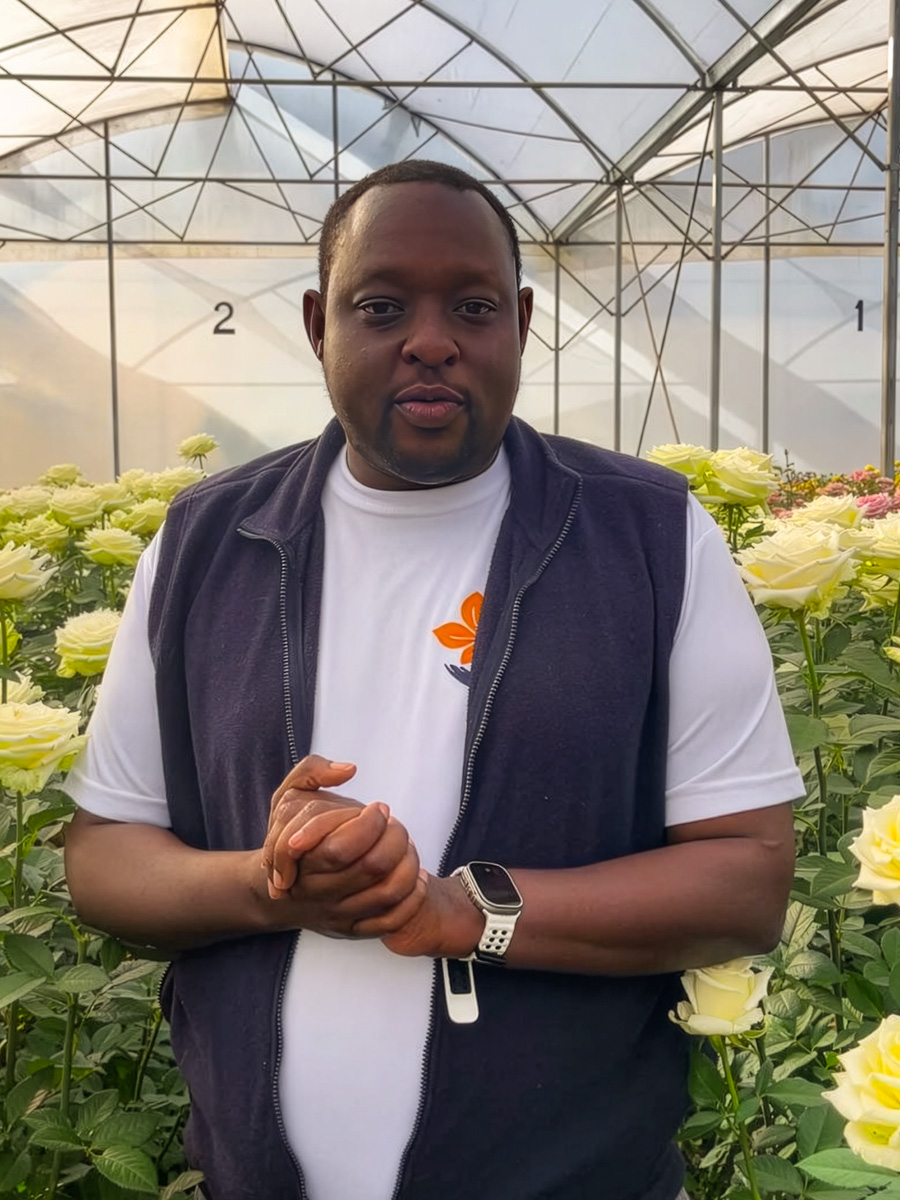
"My name is Ahmed Nzibo, and I'm the chairman and majority shareholder of United Selections."
Question 2
What is so special about your job?
"My job is mostly to lead, follow, or get out of the way. I'm blessed by two factors that allow for very long-term planning. Firstly, we are an R&D company in a fast-evolving industry with novel breeding and marketing techniques improving all the time. The second factor is that from my bird's eye overview of our international organization, I can do a lot of tweaking, quality control, and improvement on our systems and culture. The tricky part is knowing what to revamp and what to leave alone to evolve."
Question 3
Are there any specific challenges or obstacles you've faced in your job, and how did you overcome them?
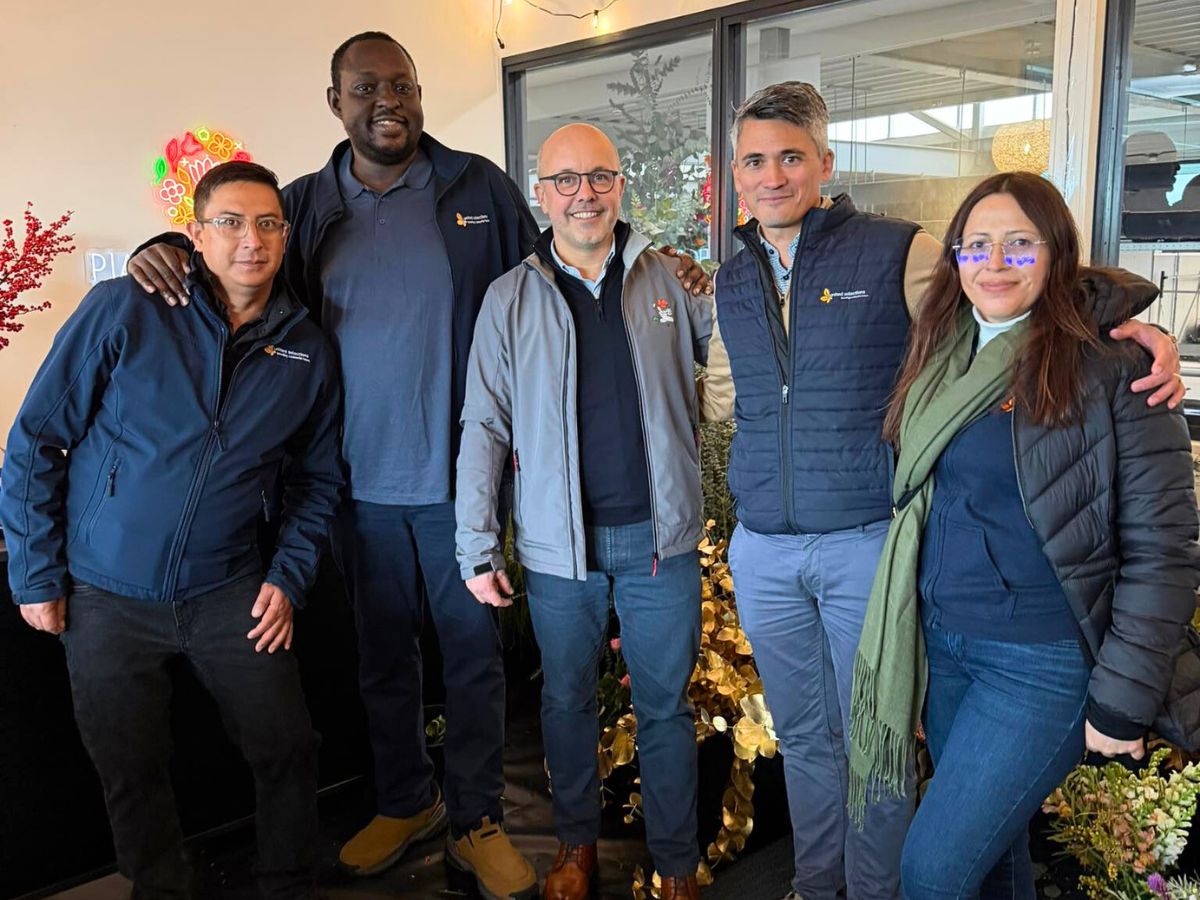
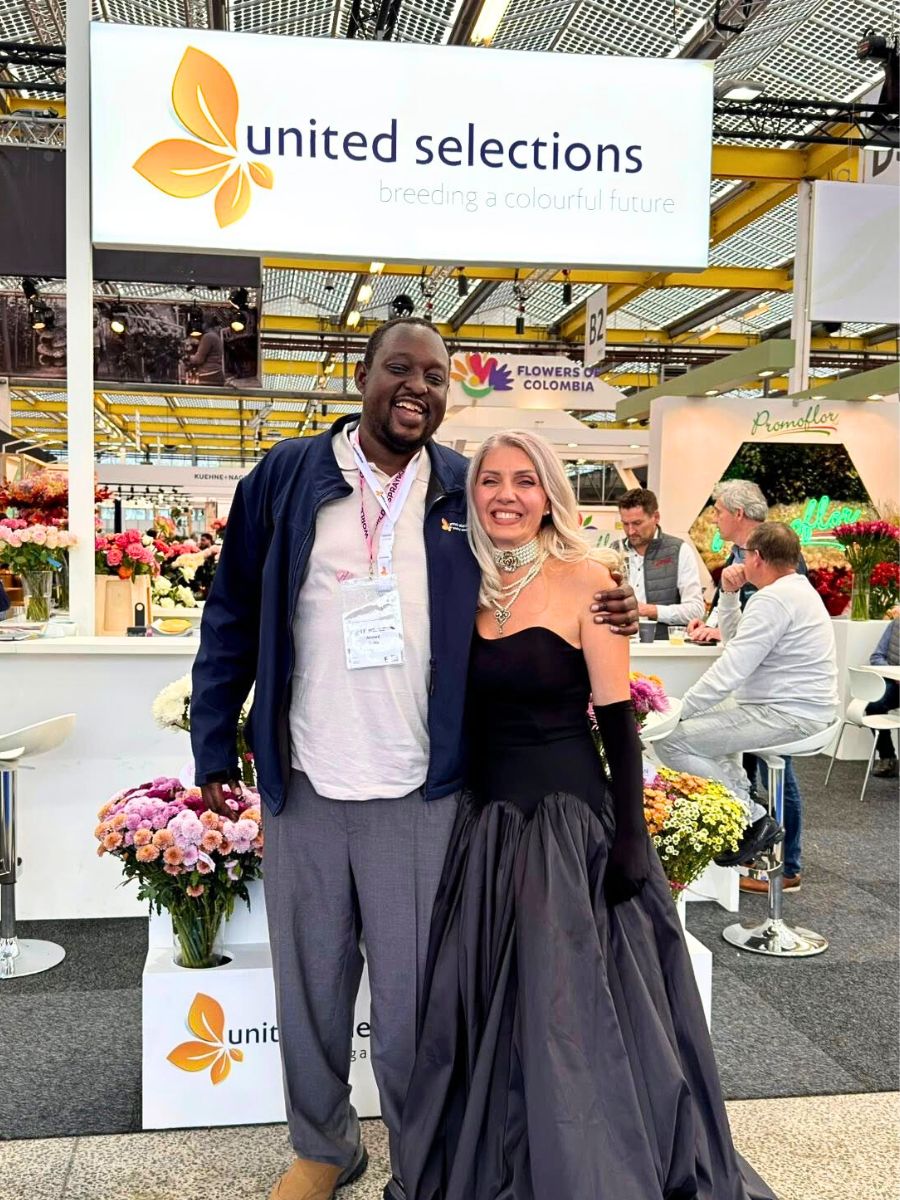
"I came from the growing side with my mother being a prominent Kenyan rose grower in the direct market. I had no prior experience with breeding or trying to keep a multinational organization solvent. I resolved to let the good people in the company take the wheel and steer until I could find how I could be of use. I was 29 then, I am 44 now. At that time, the industry was shifting in at least two ways.
Firstly, a large area of growing was shifting from Europe to Africa, and secondly, an equally significant area was shifting from auction sales to the direct market. These two changes made my experiences far more valuable in understanding and influencing what direction to ask our breeder and marketing department to focus their efforts. In short, I listened and grew."
Question 4
What are the threats in the industry, and if so, do you have any solutions for them?
"Taking for granted the privileges and advantages we have is always dangerous. Most farms are now in countries less developed than their target markets, and occasionally standard bodies and governments in the developed world try to tighten the screws, so to speak, and place more restrictions and requirements on growers. They do this while at the same time allowing the export of chemicals from their countries, which they themselves banned. I would say to the EU in particular, get your house in order before you come for mine. Such catch-22s are common in the industry; you need only mention labor when it comes to European farms, and again, this developed/less developed dichotomy emerges. In terms of solutions, the correct path is always deeper participation.
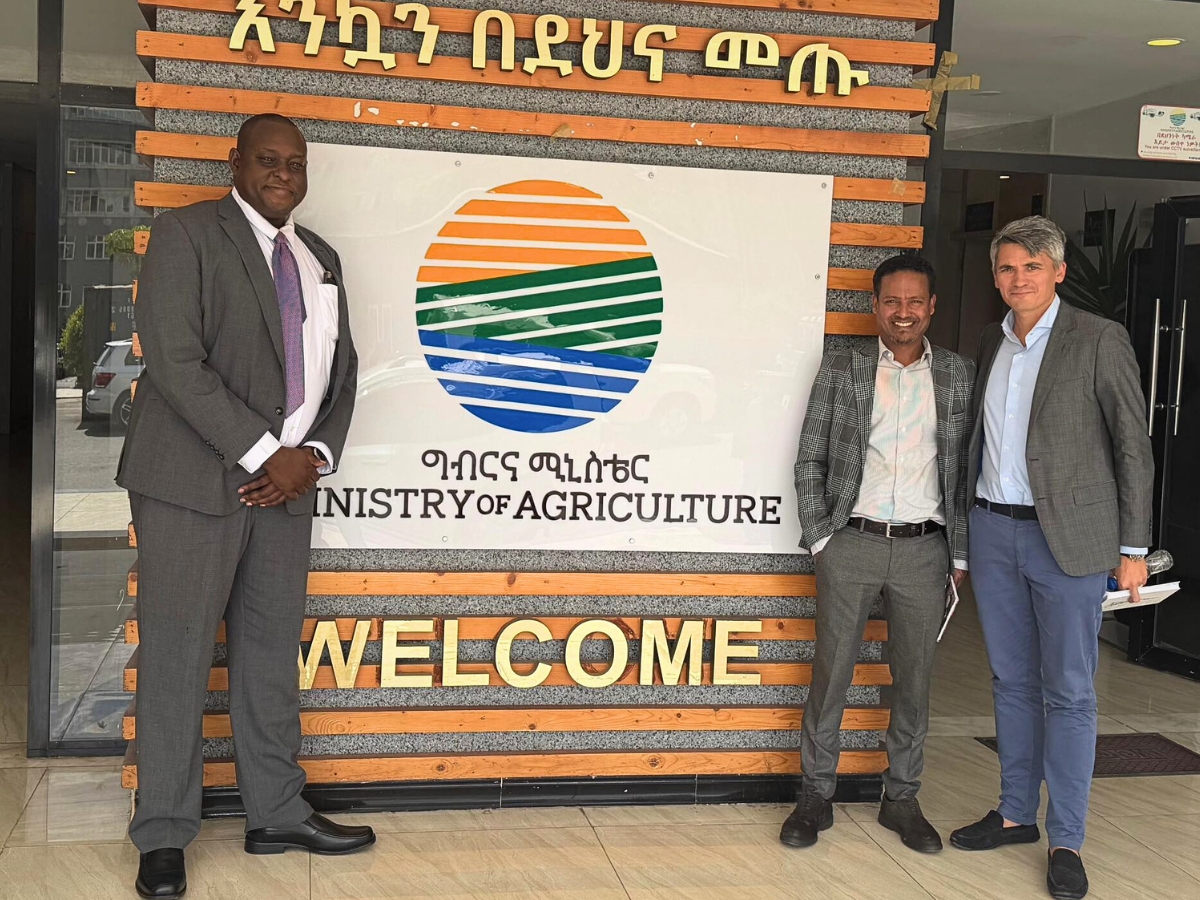
I think Asocolflores Colombia, Expoflores Ecuador, and KFC Kenya are publishing good, informative work and lobbying our respective governments effectively. Chris Kulei of KFC has made incredible efforts already, getting a dialogue going between associations, which I hope will achieve great things. Our own Jelle Posthumus, chairman of IRBA, the rose breeding association, has also made strides just recently in Ethiopia in what we hope will become the framework for codified breeders' rights in Ethiopian law. As much cynicism as there is in the industry, there are also great champions of progress."
Question 5
How has technology like e-commerce platforms or digital marketing affected your industry? Which strategies have you employed to stay competitive?
"These platforms and technologies have had a much greater role in the Chinese region, but have also been part of the European markets, albeit in a lesser capacity, for a long time. In China, the creation of varieties requires close observation of sales patterns on such platforms and emerging trends. We have a variety named Rose Jumilia that came up through that system, and now I am led to understand that the creation of new varieties relies on the same factors. In Europe, I think the online sector has been less significant than expected 20 years ago, mainly because they aren't fresh companies but instead divisions of existing companies. Social media and digital marketing are the cornerstones of the business now for all in terms of outreach."
Question 6
Who (in or outside the floral industry) is an inspiring example to you? And Why?
"The obvious industry answer for me is our own Jelle Posthumus, whose maturity and emotional Intelligence has inspired me over the years into becoming a more measured man, but I'd also say our youngest recruit, Lars Schalkers, who's only 28 but has grown so much in Africa and could handle the management of an entire corporate group, is an inspiration. He will do well in China.
Outside of our organisation, I'd say Aart Buizer of Fresco is a person who exudes the qualities I aspire to. The man and the company are data-driven, rational, great bearers and sharers of information, and quietly confident. I think that's how you should approach the image and actions of any company in any field."
Question 7
How do you handle stress or difficult moments in your life?
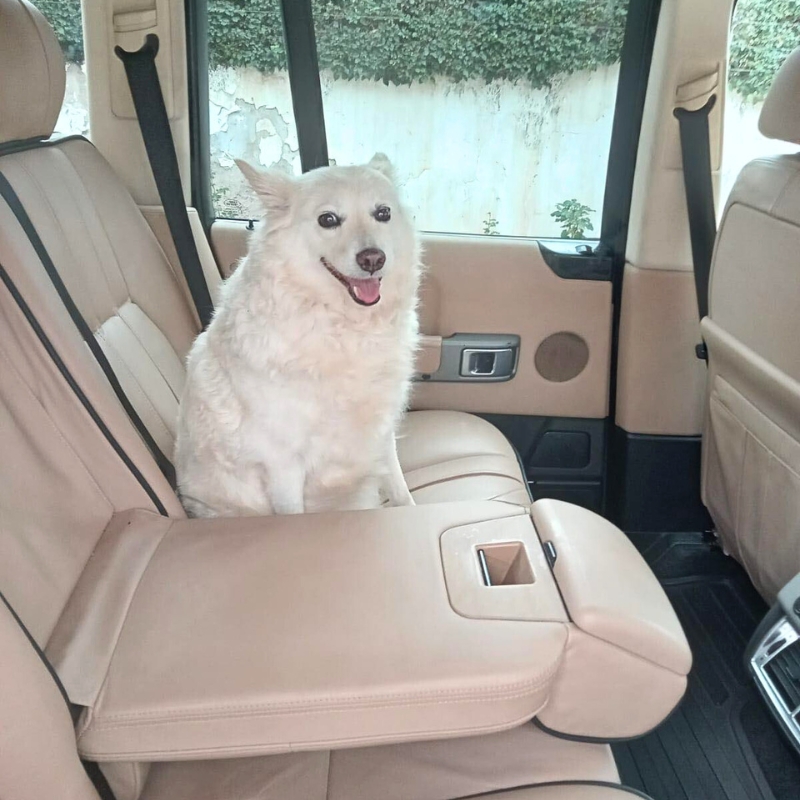
"I have a sweet little dog named Penny, whom I spend an inordinate amount of time. Everyone I work with knows about Penny."
Question 8
What has been the best (floral or non-floral) news for you lately, or of the last year?
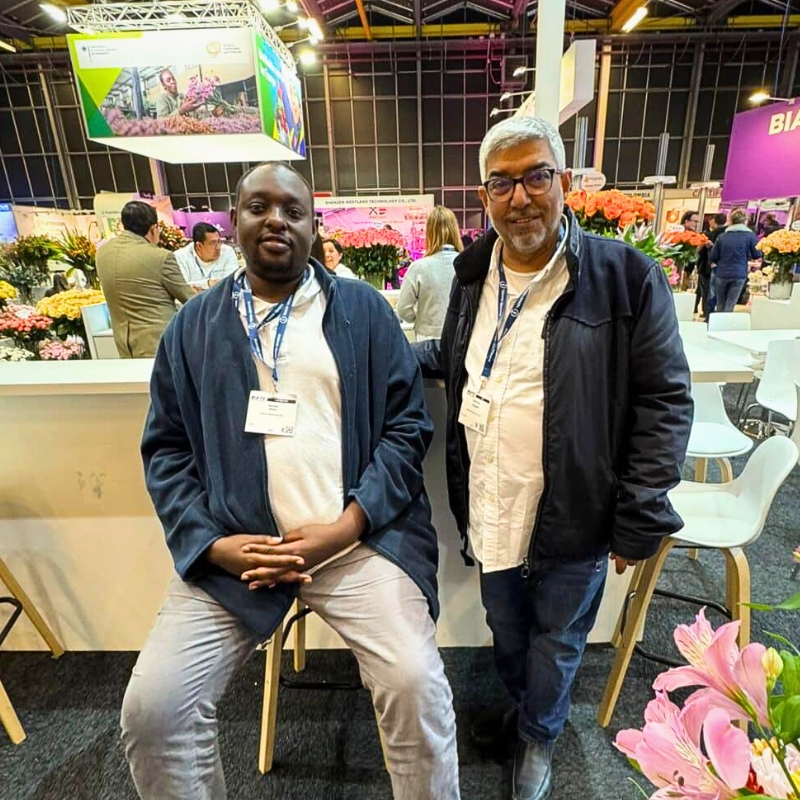
"I don't think there's any one story that stands out, but for whatever reason, 2025 was a year for a few of my industry friends to move on from stagnant companies and find new energy in either their own projects or with companies that suit their energy level better. It's been inspirational to see them grow and cultivate their hunger in better ways. "
Question 9
Which is your favorite flower and why?
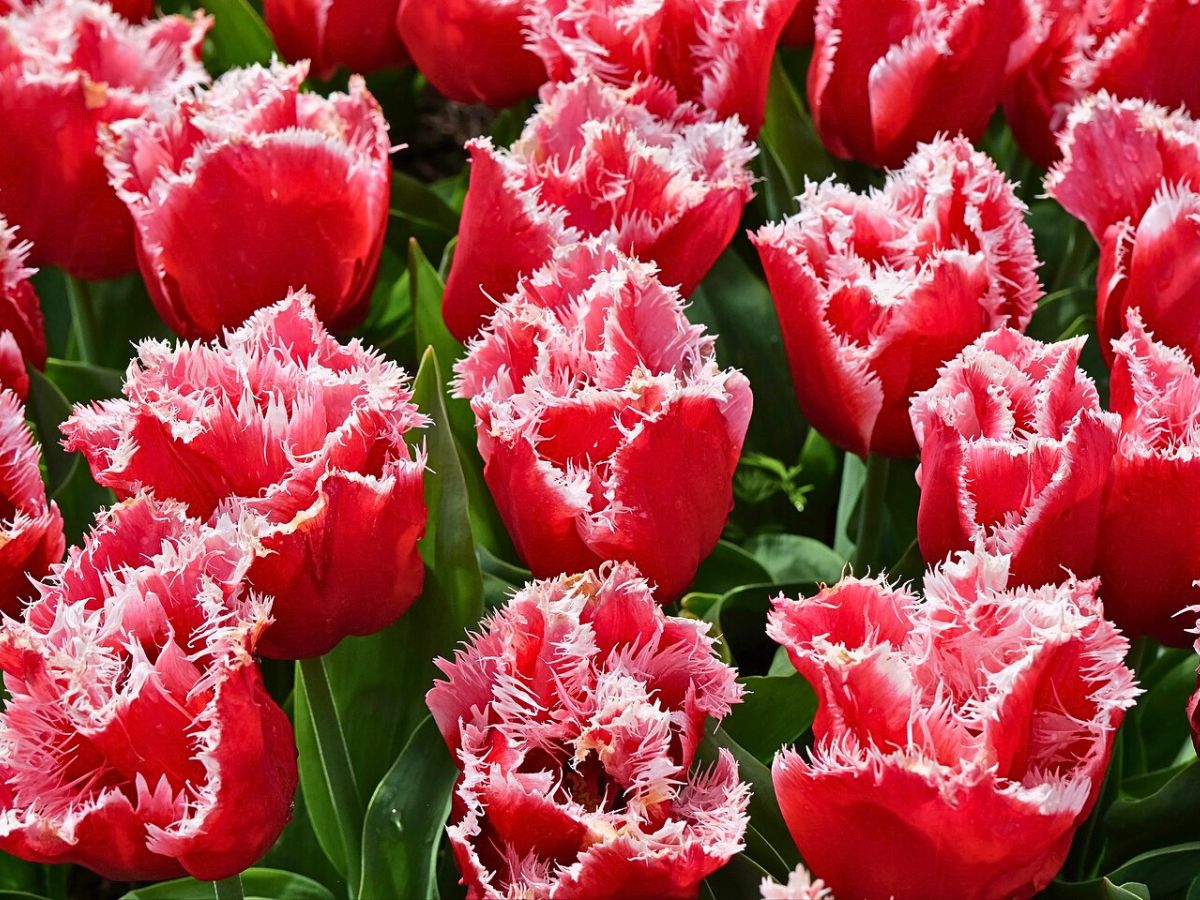
"The only flower I've even sought out and bought was a tulip named New Santa. It was red with white fluffy trim like Santa Claus. As for a type of flower in general, I think my answer always changes. I like magnolias and camellias of the type you find in Japanese gardens, and so I look for such shapes with roses."
Question 10
What are you doing this weekend??
"For the time being, my weeks are very busy with trying to see as many friends and clients in Kenya during the weekdays before I have to resume international travel, so on the two or sometimes one day I get off, I spend time with my family in Nairobi and of course sweet Penny. Nothing complicated, just a nice change of pace from all the activity of the week."
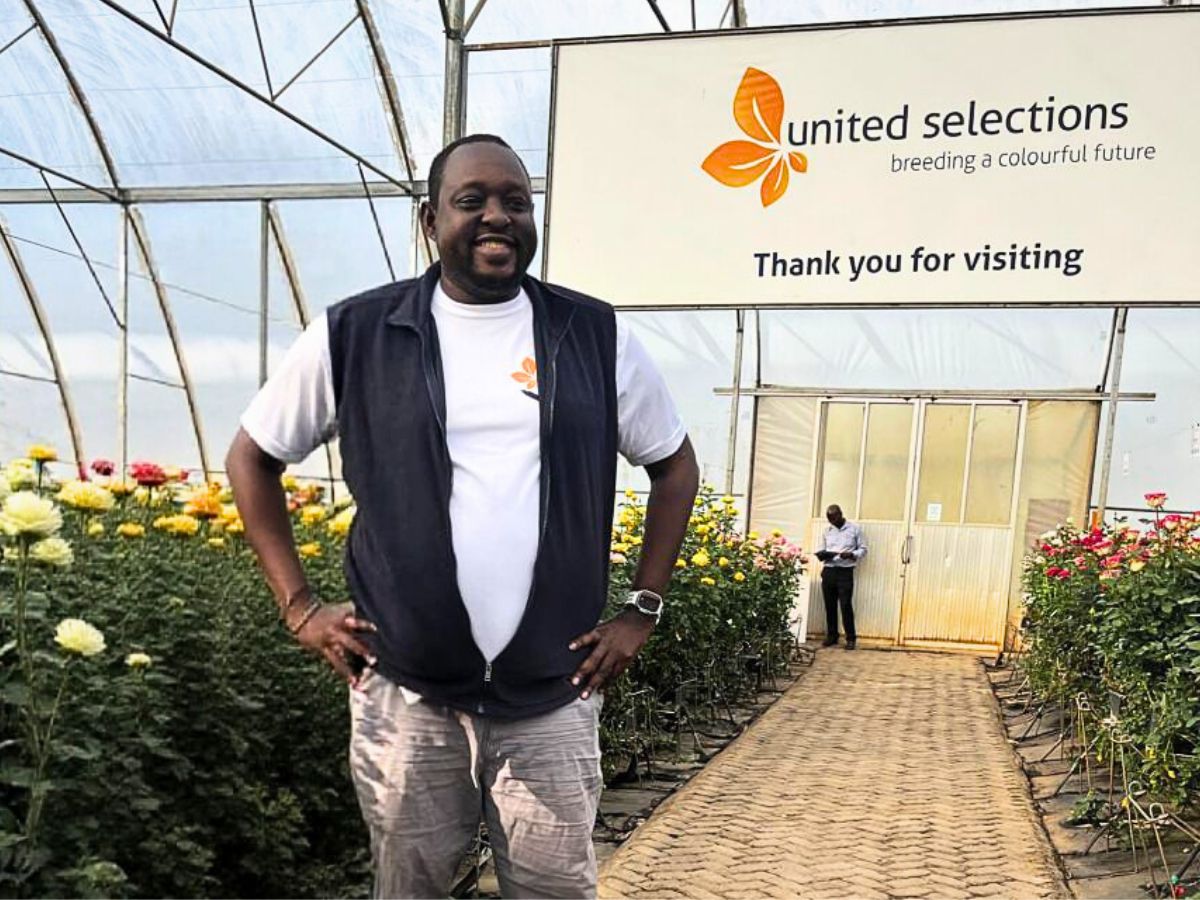
Stories like Ahmed Nzibo's remind us that leadership, progress, and influence in floriculture often happen intentionally, shaped by experience, curiosity, and long-term thinking. If you know a thought leader, grower, breeder, or industry voice whose journey deserves to be shared with the global floral community, we invite you to put them forward. Send your recommendation to edwin@thursd.com and help us continue spotlighting the people shaping the future of flowers.
All pictures courtesy of @Ahmed Nzibo.