What makes Belén Muñoz's story valuable on this week's 10 questions is not only her experience across industries, but how thoughtfully she connects marketing, agriculture, technology, and culture. She explains the floral business from the inside, without oversimplifying its complexity. From introducing marketing structures in a traditional industry to addressing misinformation about Ecuadorian flowers to integrating digital platforms and research systems, her insights are grounded in practice rather than theory.
This story matters because it speaks to anyone navigating change. Whether you work in flowers, branding, leadership, or innovation, Belén's reflections show what it looks like to build with intention, communicate with purpose, and stay focused on what truly moves a business forward. Her answers are calm, precise, and deeply human. That combination makes this a conversation worth reading from start to finish.
Question 1
For those who don't know you, who are you and what do you do?
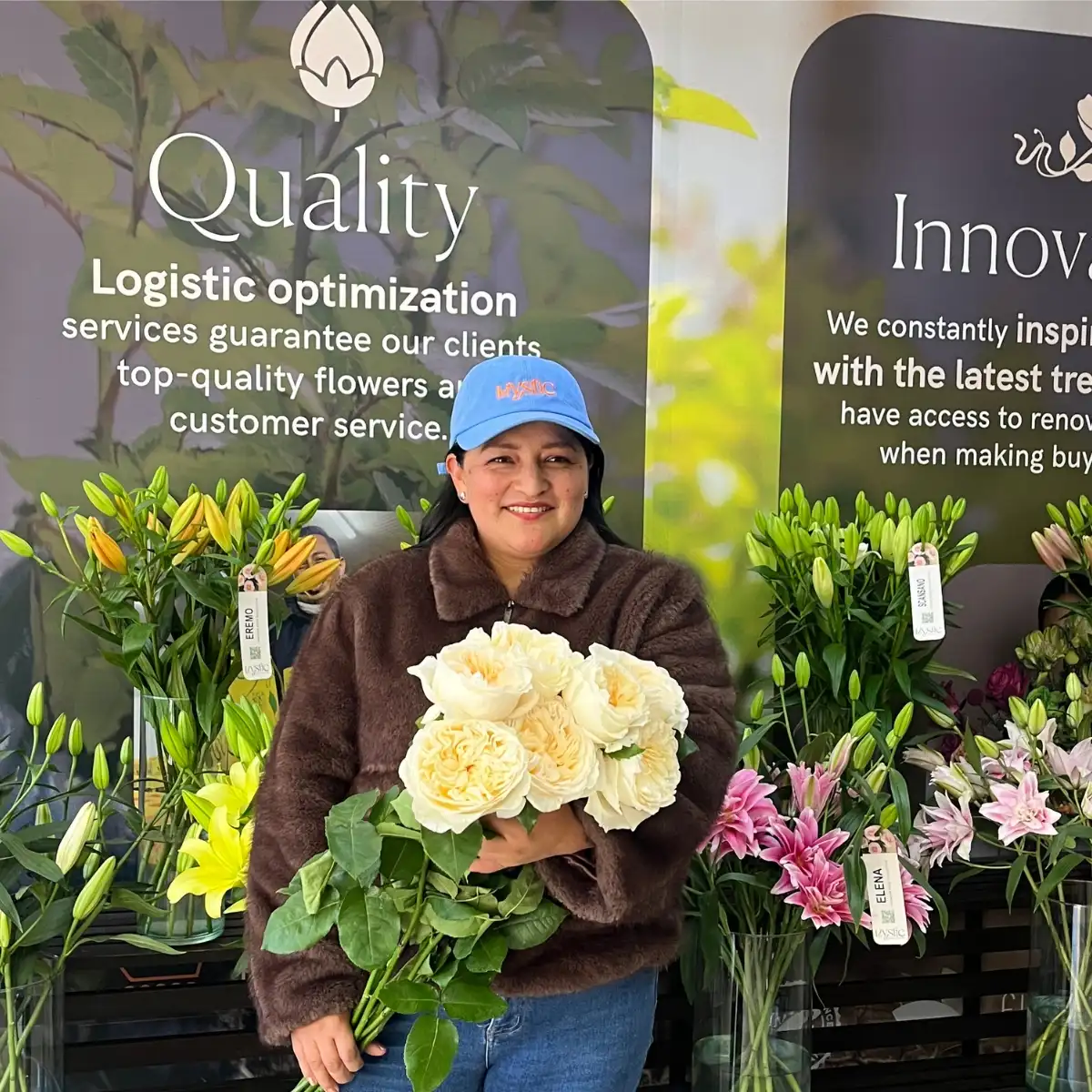
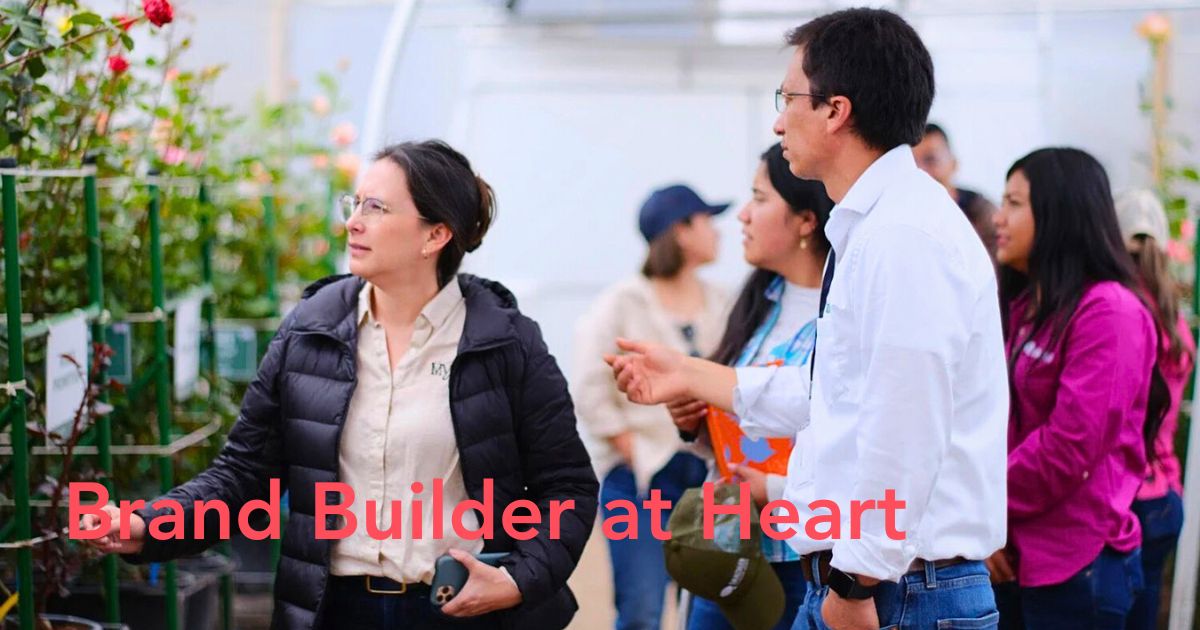
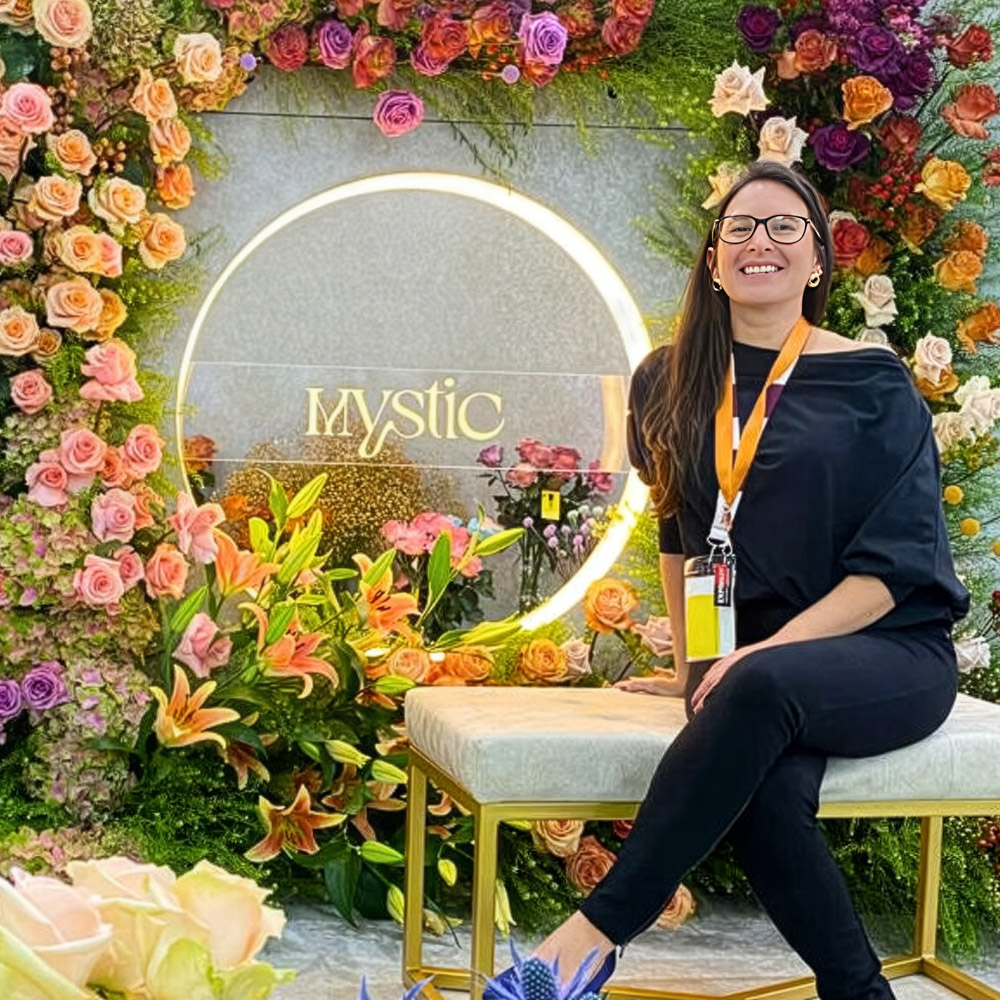
"My name is Belén Muñoz, I am 41 years old and have dedicated my professional career to the love of the craft of strategic marketing & brand equity in companies such as Confiteca, Pronaca, Kimberly-Clark, Disney, and others, where I had the privilege of contributing to the creation and growth of renowned brands such as República del Cacao, MÍAS, and now Mystic Flowers at Colour Republic.
I came to the flower business because I am a deep believer that Ecuador has a lot to offer to the world, and I am excited & proud to be able to share these stories. A fun fact about myself is that I lived in the States for over 10 years in Omaha, NE (yes, where Penny from Big Bang Theory is from), and I have also lived in Argentina, Spain & Peru!"
Question 2
What is so special about your job?
"The most exciting thing about my job is that Marketing departments are fairly new in the industry, so there is a lot to be done, especially because the industry is very complex and unique. Learning about agriculture, B2B sales, and visionary leadership has kept my days busy and exciting.
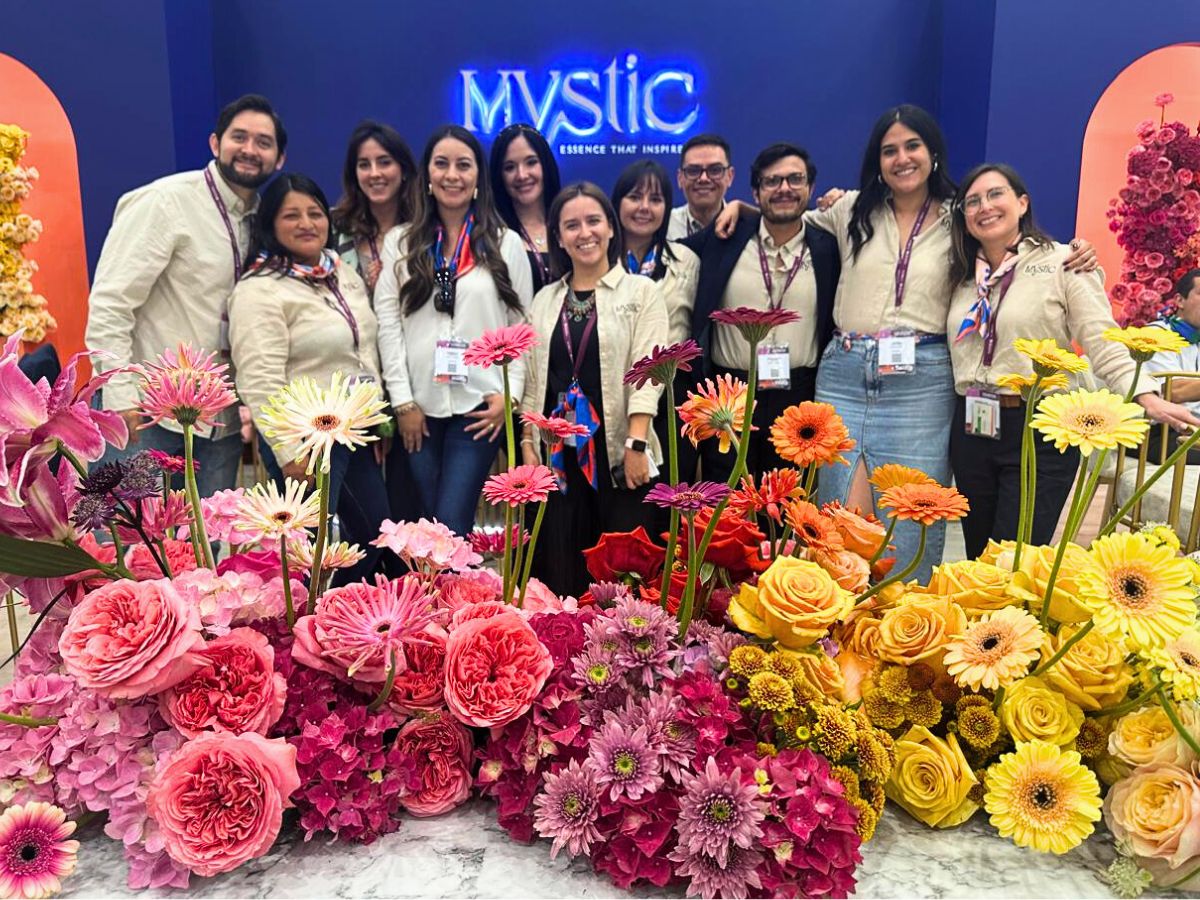
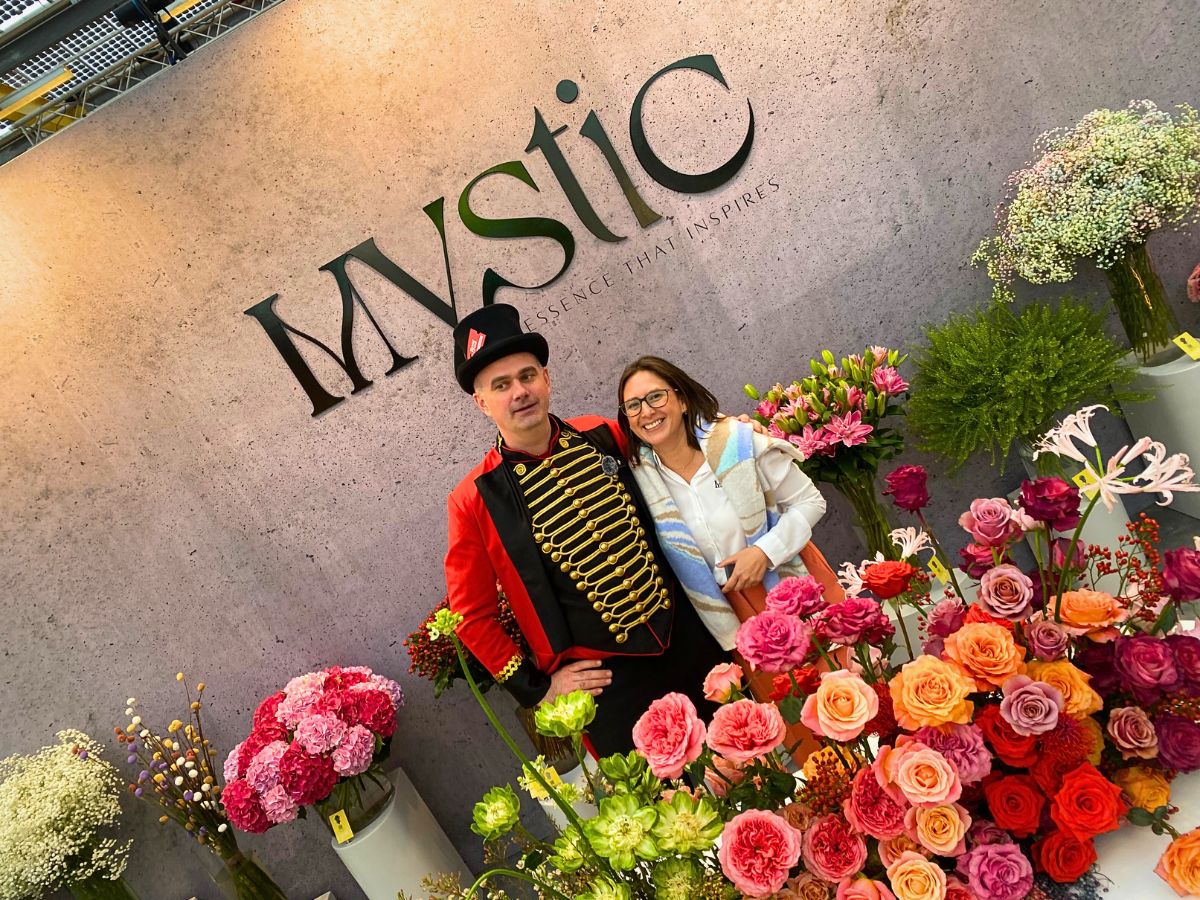
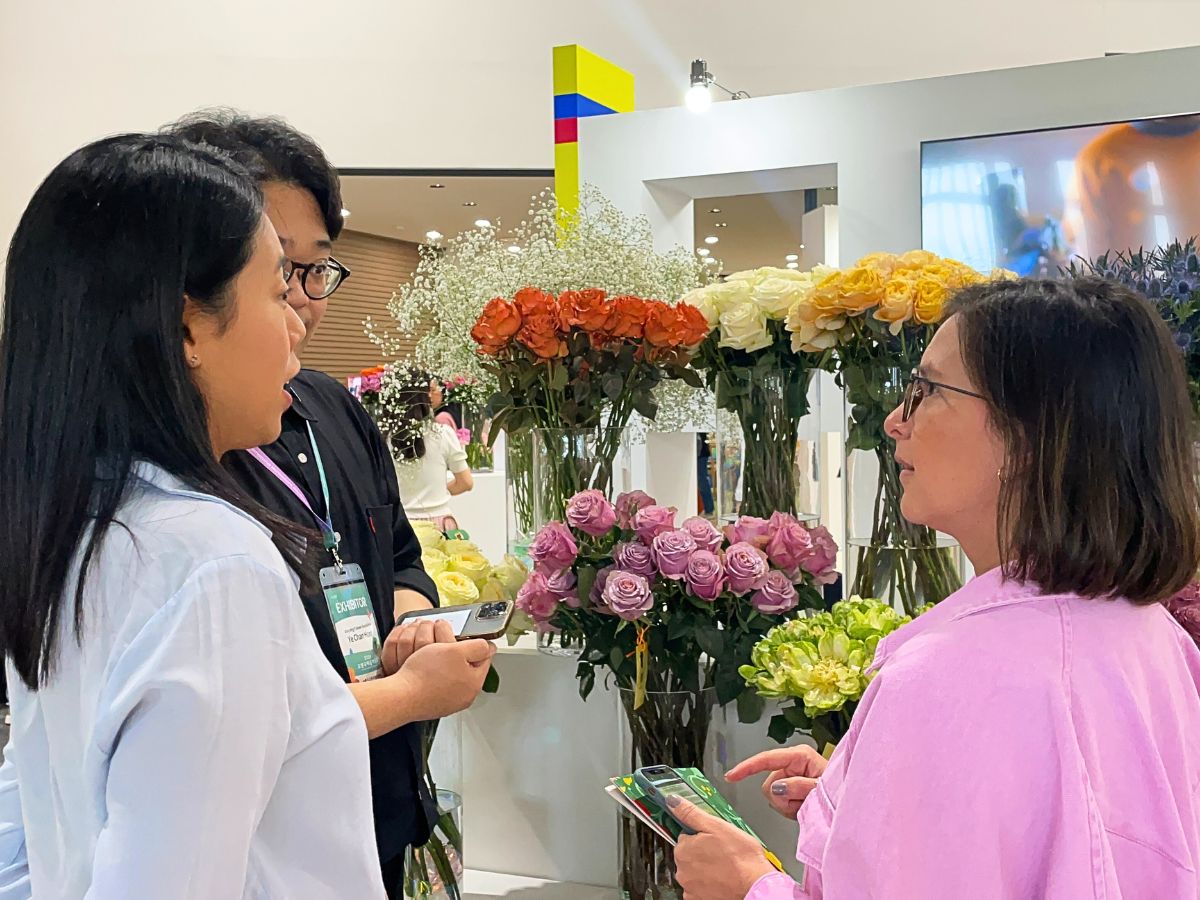
Taking our flowers all over the world is just magical. I have been able to travel to Europe, Asia, and the US to showcase our flowers in the most exciting and important events in the industry!"
Question 3
Are there any specific challenges or obstacles you've faced in your job, and how did you overcome them?
"As I had said, the marketing department wasn't always around, so introducing ourselves in the everyday procedures is always a challenge. In other industries, consumer insights, product insights, and trends are very easy to have; in fact, some companies specialize in this. This input is very important to our marketing strategies, and it is not easy to get."
Question 4
What are the threats in the industry, and if so, do you have any solutions for them?
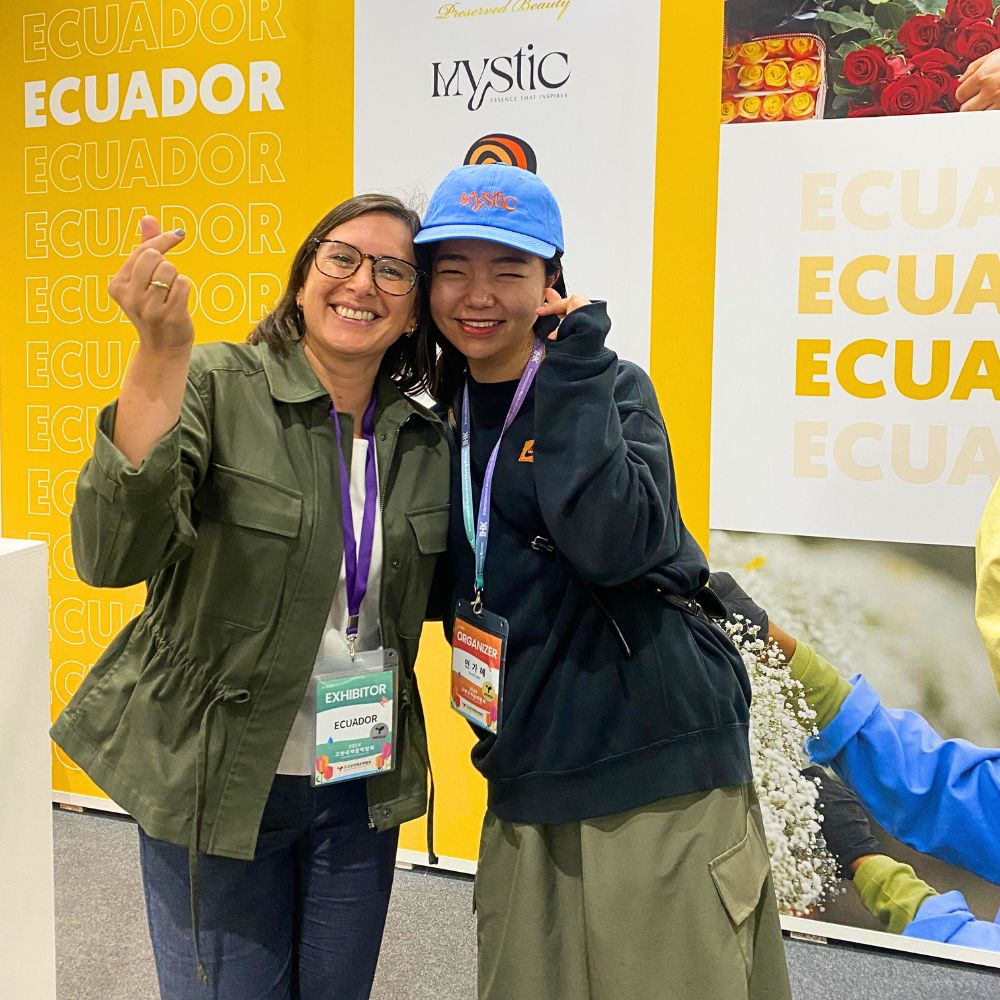
"I can think of a few, but the ones that I think can be solved with the right communication strategies are the lack of information about what the Ecuadorian Flower Industry is really like. This industry creates over 65,000 direct jobs and over 55,000 indirect jobs in the country. In Colour Republic more than 50% of our collaborators are women! Cut flowers are one of Ecuador's most important non-oil exports! Farms in this industry are known for taking very good care of their workers. In fact, in Mystic, we have developed many videos and blogs where we tell this story in hopes that the world understands how important it is to support this industry.
As we saw in the evolution of the coffee industry, people are interested in understanding how & where their coffee comes from, the same with the chocolate industry. The same should happen with the rose industry, where an end consumer values and knows about what they are bringing home, or accompanies them in different events in their lives. Another great challenge in the flower industry is the possibility of predicting and forecasting production. Due to ever-changing weather conditions and other factors, this has become a great challenge for the entire supply chain. As a company, we are pioneers in trying out new methodologies that include AI and technology that can help us. Changes always bring challenges, as switching from the old to the new is not only a technical challenge but also a cultural change."
Question 5
How has technology like e-commerce platforms or digital marketing affected your industry? Which strategies have you employed to stay competitive?
"In the industry, we still find wholesalers that prefer to make their purchase by phone, but more and more we find new clients that are more interested in finding solutions that can free up their time. Here is where digital platforms such as Komet sales play a big role. We implemented our inventory in MIA, and we dived into Komet sales, which has helped us and our clients make their purchasing process more friendly and less time-consuming.
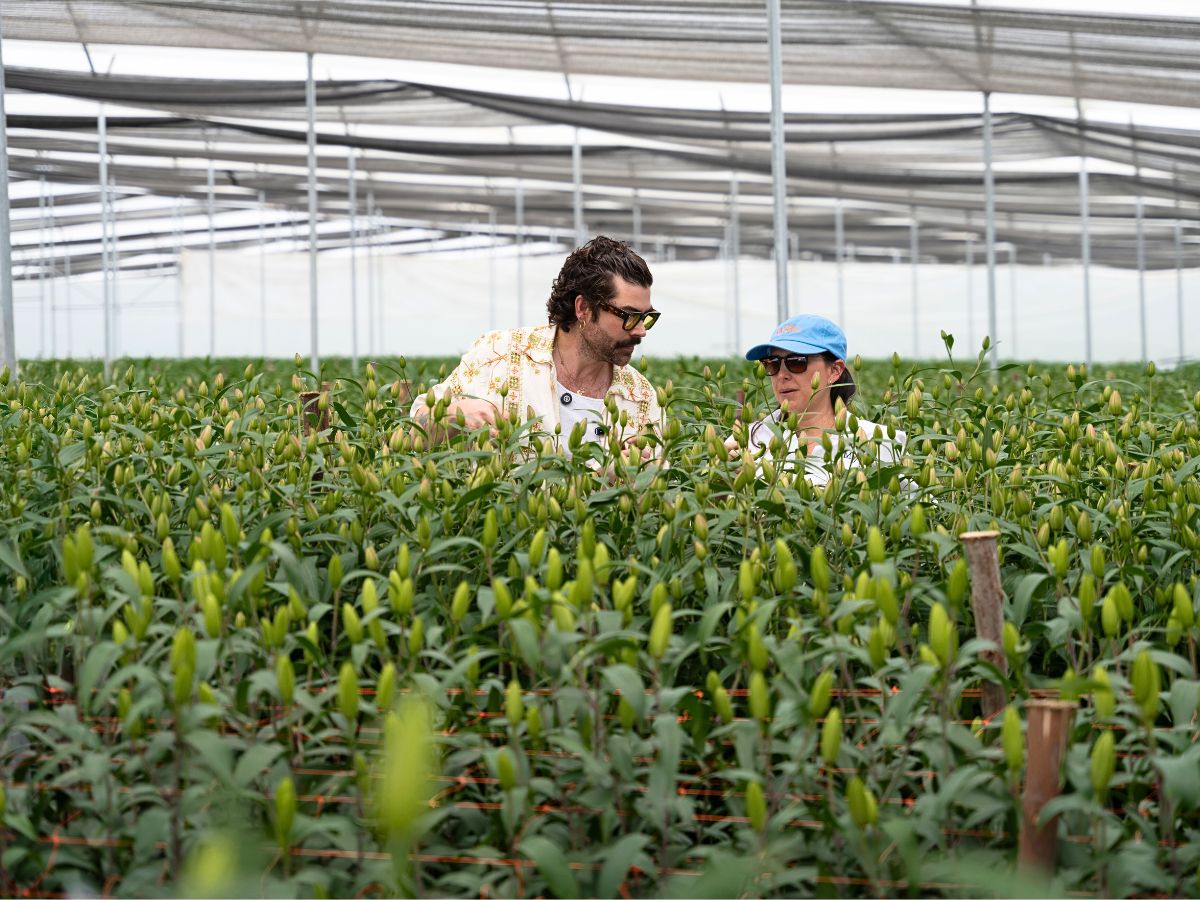
In the Research & Development area, we have invested in a top-of-the-line software that allows us to keep track of the evaluation of every variety in real time, and this way, we are able to have all the information we need to guarantee the performance of each variety before taking it to the market. These are a few examples of how technology has become part of our everyday lives."
Question 6
Who (in or outside the floral industry) is an inspiring example to you? And Why?
"Definitely, it would be Carlos D, one of the owners of the company. Not only is he a great visionary willing to take risks and challenge the status quo, but he is also a great human being who leaves a mark on every person. It is a pleasure to work with him."
Question 7
How do you handle stress or difficult moments in your life?
"The most important thing in our lives is our health and how we use our time. Every time I have a difficult moment, I try to bring myself to the present and understand if this problem will be with me at the time of my death or if it too shall pass, breathe, and start with the quick wins at hand. One issue at a time.
It is important to point out that I try to always keep my mind and my goals focused on the important and strategic to-dos."
Question 8
What has been the best (floral or non-floral) news for you lately, or of the last year?
"I think a highlight that I have had lately is that I am now in charge of the coordination of the Research & development for new varieties. It's amazing to see that something that started very small is now picking up pace and is now a big part of the most strategic part of our business."
Question 9
Which is your favorite flower and why?
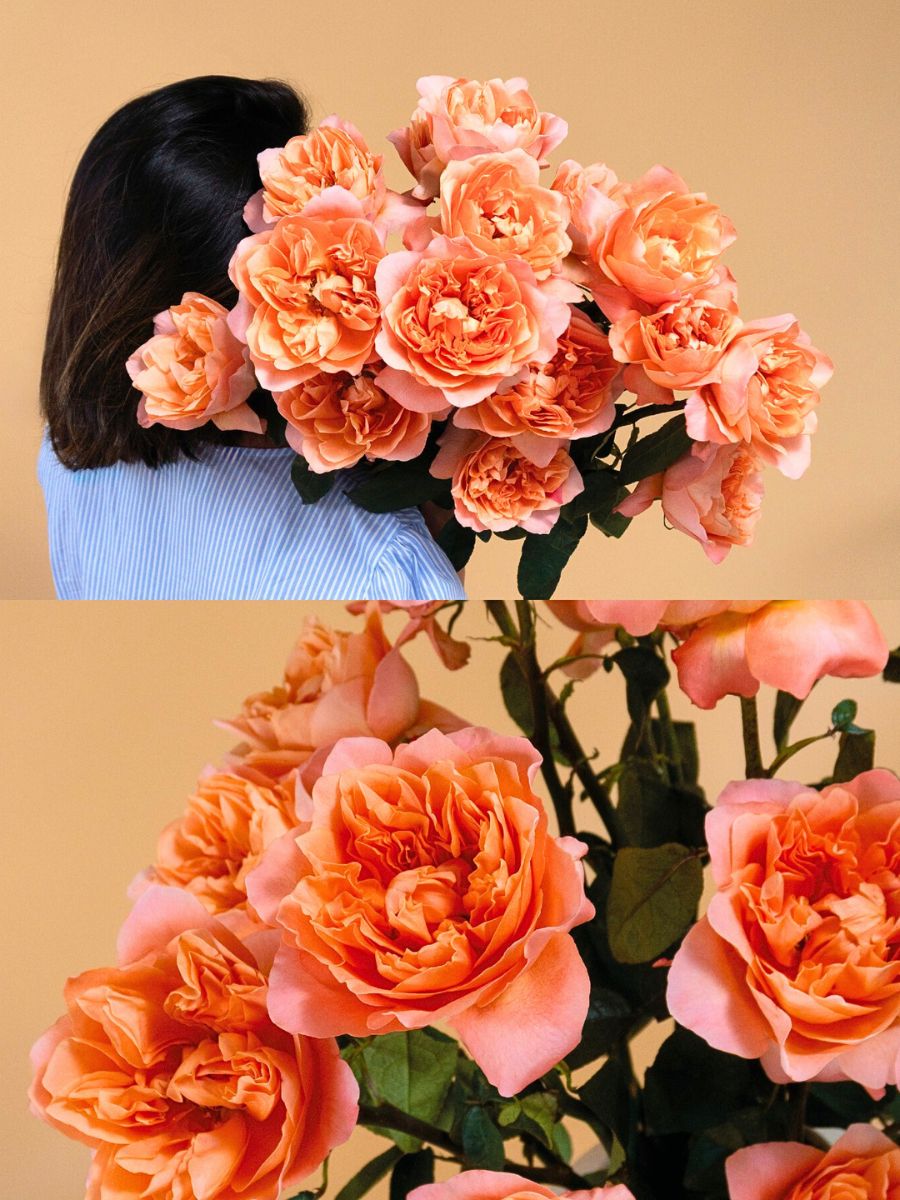
"This is a very hard question. Over the years, I have come across many types of summer flowers and varieties of roses. Every time we visit breeders, I end up falling in love all over again with a new one! As for now, I can tell you that roses in coral and pink colors are blowing my mind. There are also some varieties (spoiler alert) that open beautifully and show their pollen, sound weird, but they are amazing, maybe we will see them in the market in a few years."
Question 10
What are you doing this weekend??
"Well, I usually spend my time with my family. We have a cute little quinta in Nayon that we go to over the weekend just to breathe in nature. We love going out to eat and trying to find new and exciting restaurants."
Belén's story is a reminder that progress in our industry is shaped by people who think clearly, act intentionally, and are willing to question how things have always been done. Her perspective shows how marketing, leadership, and responsibility can work together without losing sight of people or purpose.
At Thursd, we know there are many voices like this across the floral world. If you know a thought leader or individual whose story deserves this spotlight, we would love to hear from you. Share your recommendations with us at edwin@thursd.com and help us continue telling the stories that move our industry forward.
All pictures courtesy of Belén Muñoz.