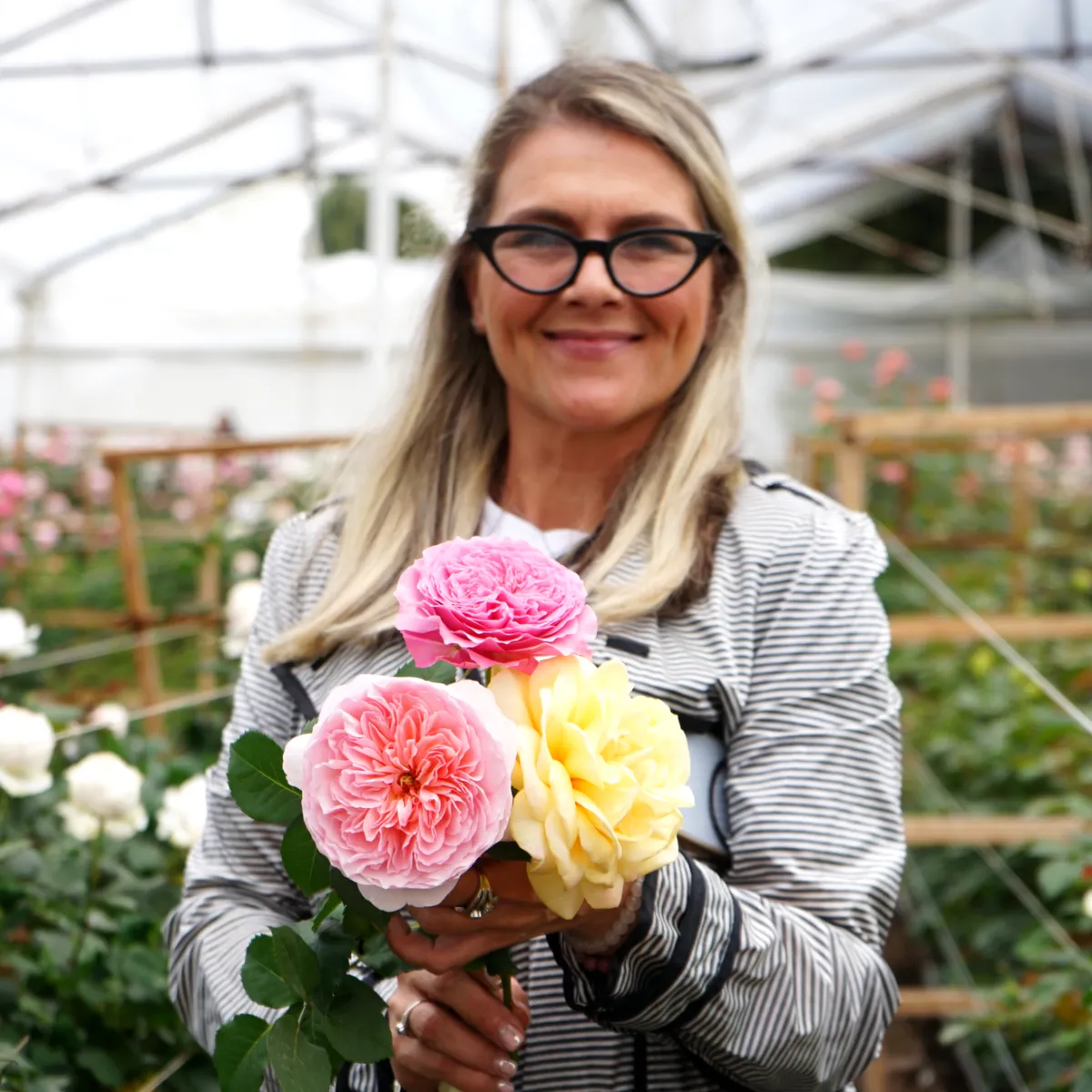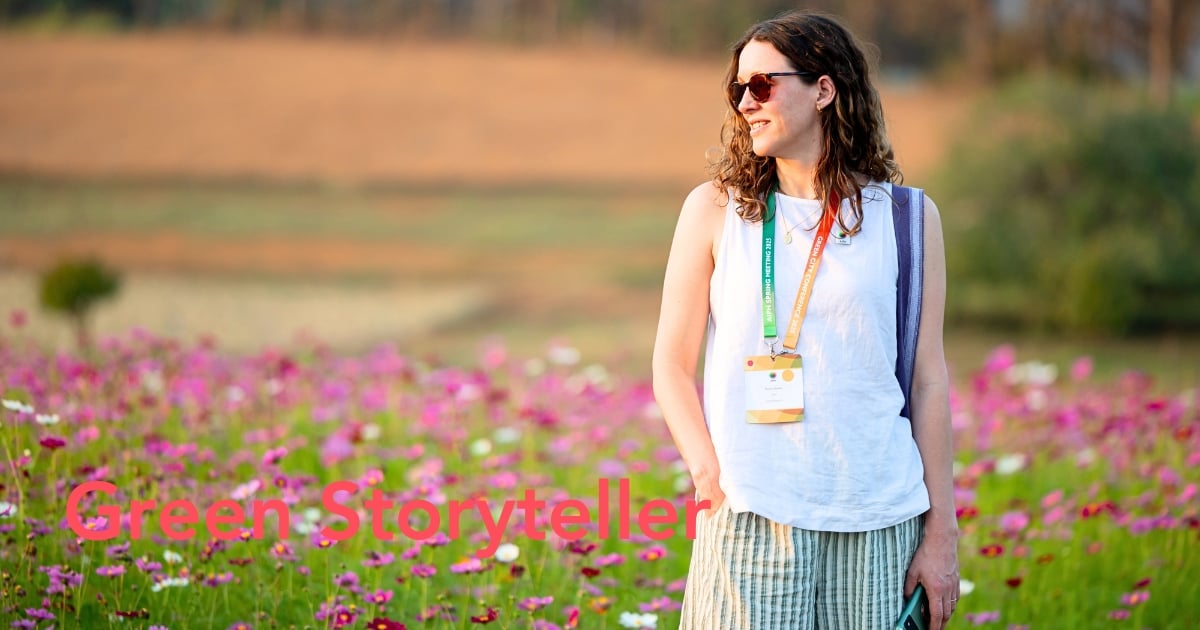
Rosie's story is one of those reminders that the path into horticulture does not always begin in a greenhouse or on a flower farm. Sometimes it starts in a garden during an unexpected chapter of life. What began as a personal escape during lockdown gradually grew into a career dedicated to telling the stories that shape greener cities, stronger communities, and a more connected horticultural industry. Her perspective combines marketing, landscape design, and a genuine appreciation for the people behind the sector, making this conversation a thoughtful look at why storytelling has become one of horticulture's most valuable tools.
Question 1
For those who don’t know you, who are you, and what do you do?
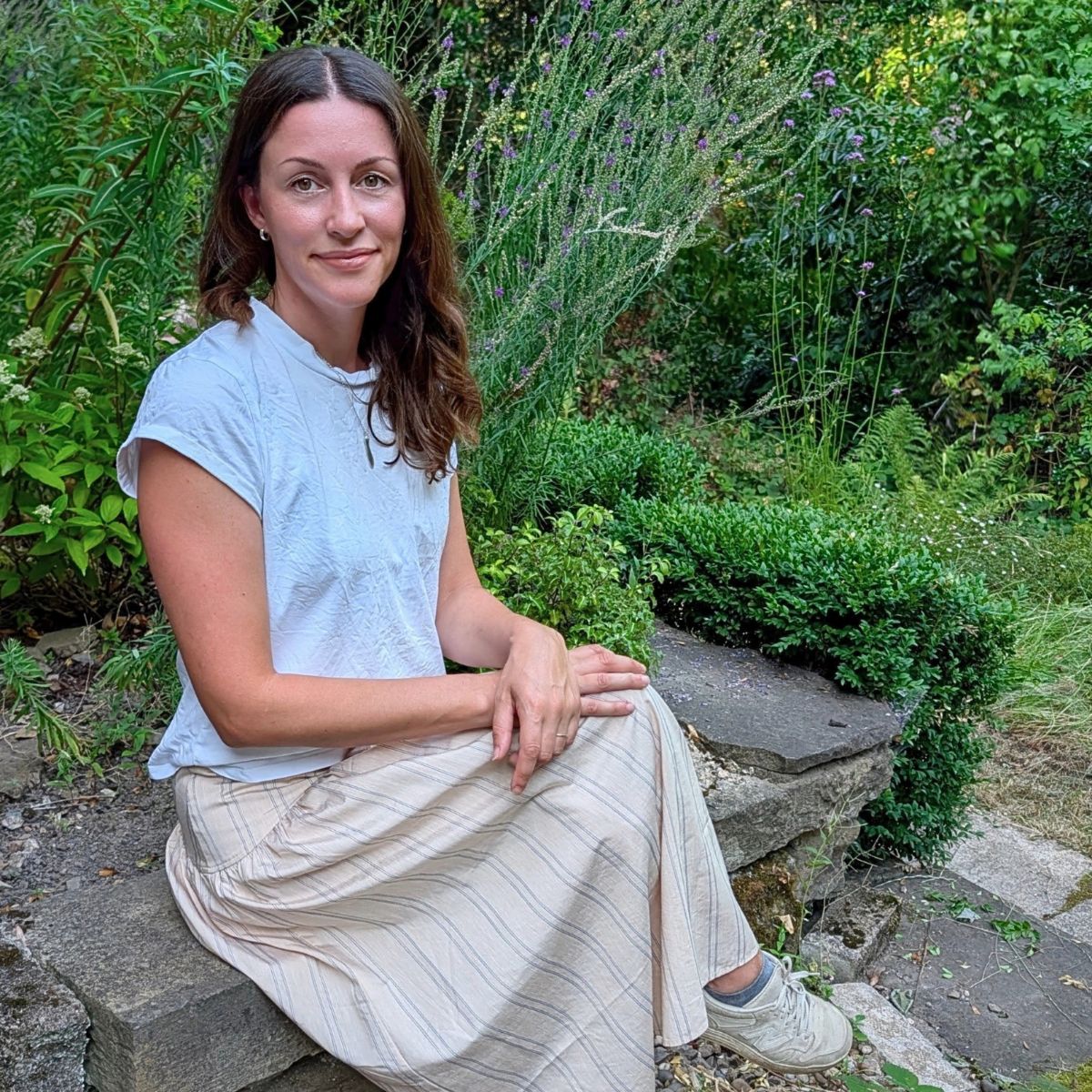
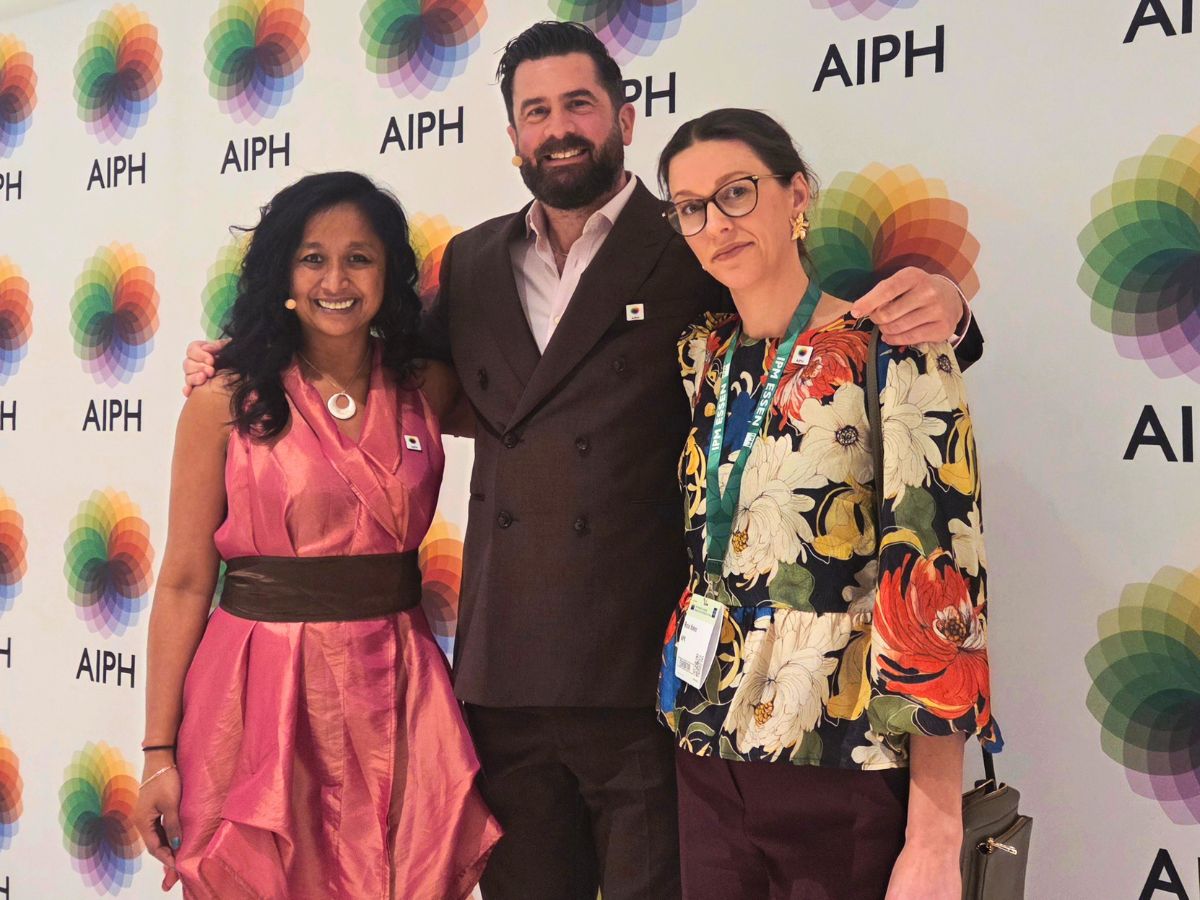
"I'm Rosie Hakes, Marketing and Communications Manager at AIPH, the International Association of Horticultural Producers, and I live on the edge of Sheffield, England. My interest in horticulture began during the COVID lockdown, when my garden became both a sanctuary and a creative outlet while on maternity leave with my first child. That sparked a passion for garden design, leading me to study with KLC School of Design and later work with the University of Sheffield's School of Landscape Architecture. Joining AIPH, just over a year ago now, felt like the perfect combination of my professional experience and my growing passion for horticulture."
Question 2
What is so special about your job?
"I love seeing the connections across the global horticultural industry. My role isn't simply about promoting an organization; it's about helping tell the wider story of horticulture and its importance to society. From supporting international trade to championing greener, healthier, and more resilient cities, and delivering International Horticultural Expos that bring these ideas to life on a global stage, AIPH works across an incredible range of initiatives that all reinforce and amplify one another. I also feel very fortunate to work with such a talented team and to meet passionate people from around the world. In fact, I first met most of my colleagues while exploring horticultural projects in Thailand, a fantastic induction to a new job!"
Question 3
Are there any specific challenges or obstacles you’ve faced at work, and how did you overcome them?
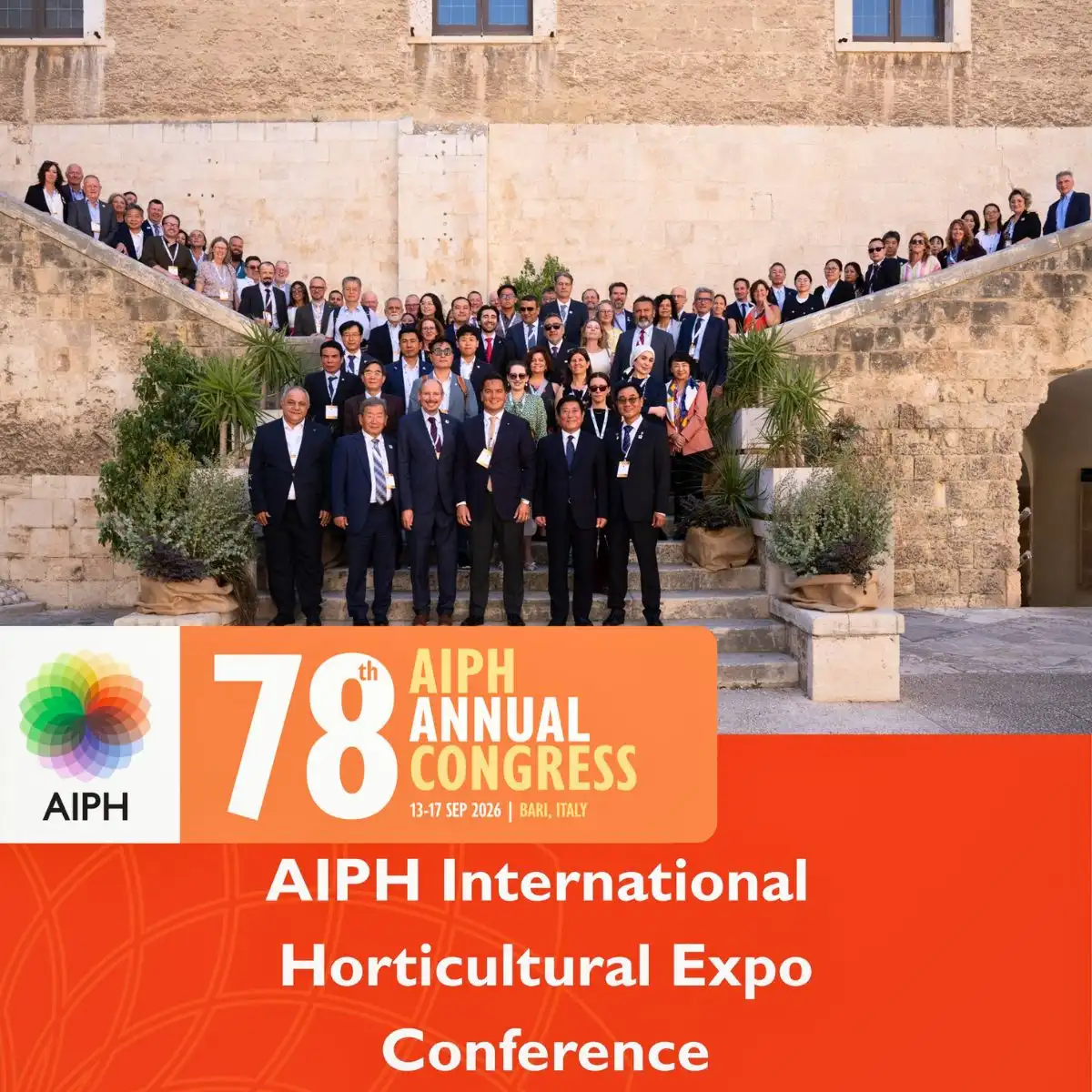
"Marketing and communications are all about balancing opportunities with impact. At AIPH, we deliver a huge amount with a relatively small team, so one of the biggest challenges is deciding where your time and energy will make the greatest difference. Building a strong professional network, attending industry events, and learning from others, both within horticulture and the wider association sector, has given me fresh ideas, new perspectives, and the confidence to try different approaches. Building a network of marketing peers also provides a fantastic resource for both knowledge and support."
Question 4
How can the horticultural industry strengthen its future?
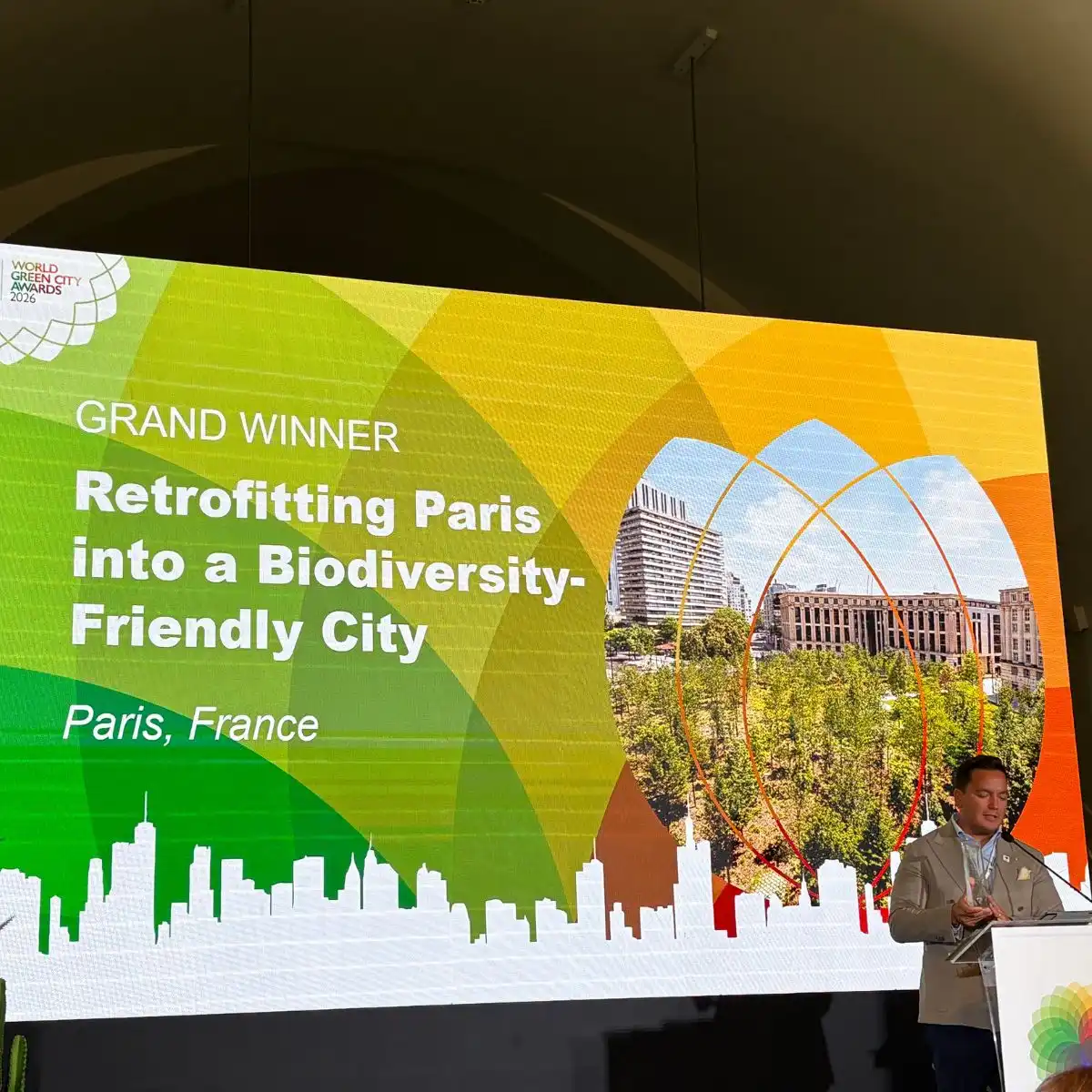
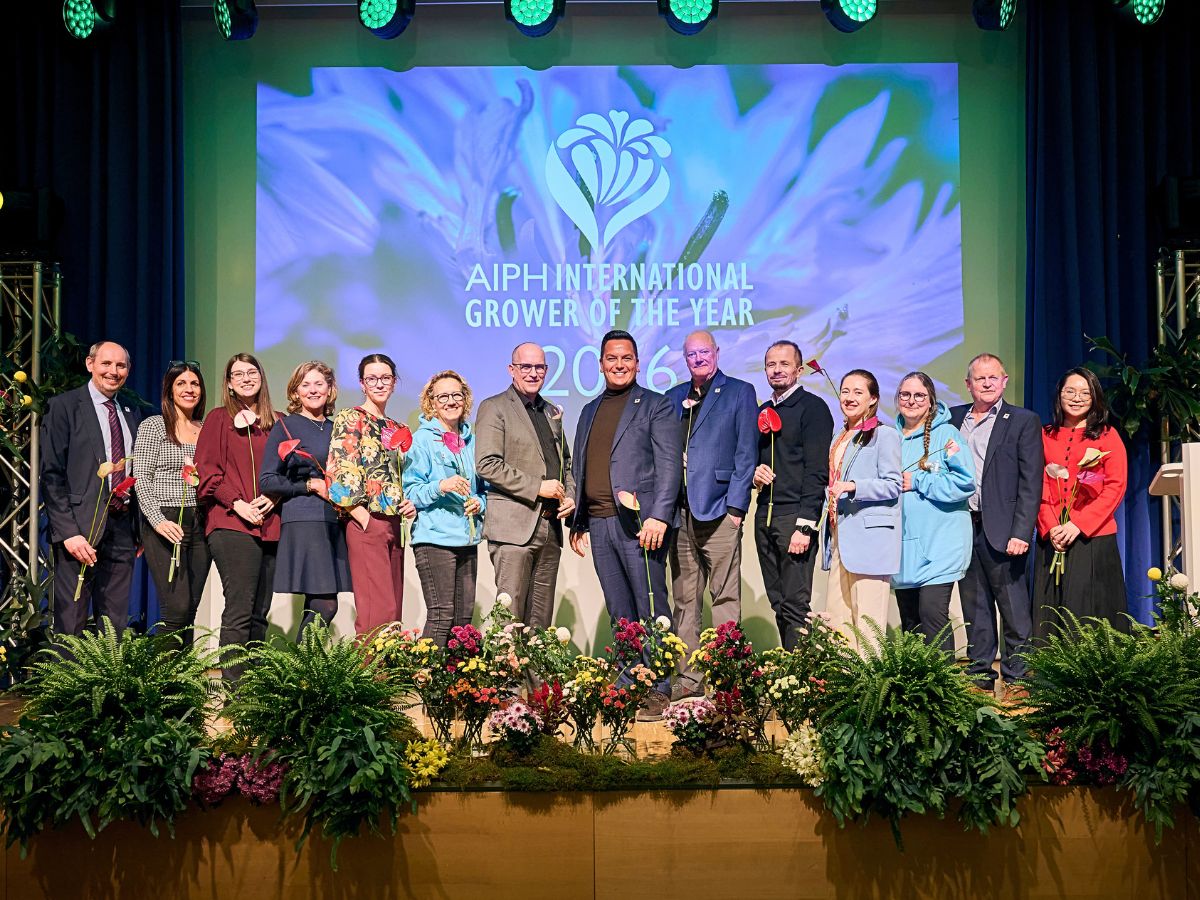
"I think there’s such a huge opportunity as storytellers, a message that's shared by many of our members and something we enjoy working alongside Thursd on. Every day, I see inspiring examples of horticulture improving health, biodiversity, climate resilience, and the quality of life in our towns and cities. Initiatives such as the AIPH Green City Standard and AIPH World Green City Awards provide a powerful way to demonstrate that impact with real evidence and practical examples. If we can communicate those stories more effectively, we'll inspire greater investment, attract future talent, and help position horticulture as an essential part of creating healthier, more sustainable communities."
Question 5
How has technology, such as e-commerce platforms or digital marketing, affected your industry? What strategies have you employed to stay competitive?
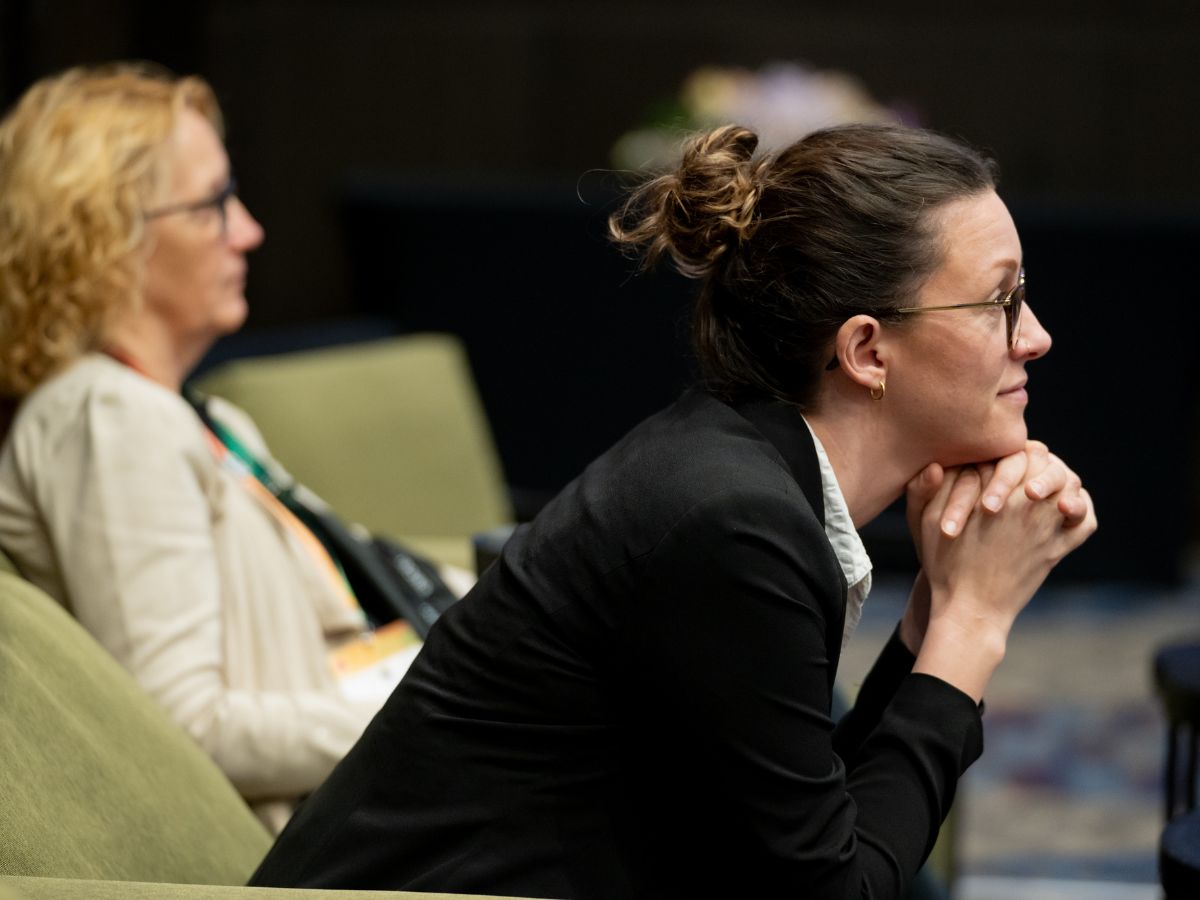
"Digital technology is opening exciting new opportunities to make horticultural knowledge more accessible and engaging. At AIPH, we're embracing AI and digital tools to reduce repetitive tasks, giving us more time for creativity, strategic thinking, and building stronger relationships with our members. One project I'm particularly excited about is the evolution of FloraCulture International Magazine into a stronger digital-first publication. It's about much more than changing format; it's about reaching wider audiences, improving accessibility, and creating content that's easier to discover, share, and translate. I think that's a great example of how technology can strengthen, rather than replace, the human stories at the heart of horticulture."
Question 6
Who (in or outside the floral industry) is an inspiring example to you? And Why?
"Coming into horticulture through garden design, I was inspired by the designers and landscape architects at the University of Sheffield, particularly Professor Nigel Dunnett, whose passing earlier this year was a great loss. Working alongside Nigel and the team at Sheffield showed me how planting can transform cities and improve people's everyday lives. Seeing Sheffield shortlisted in the AIPH World Green City Awards this year felt especially meaningful, bringing together my connection to my home city with the work I now do at AIPH to celebrate outstanding examples of urban greening."
Question 7
How do you handle stress or difficult moments in your life?
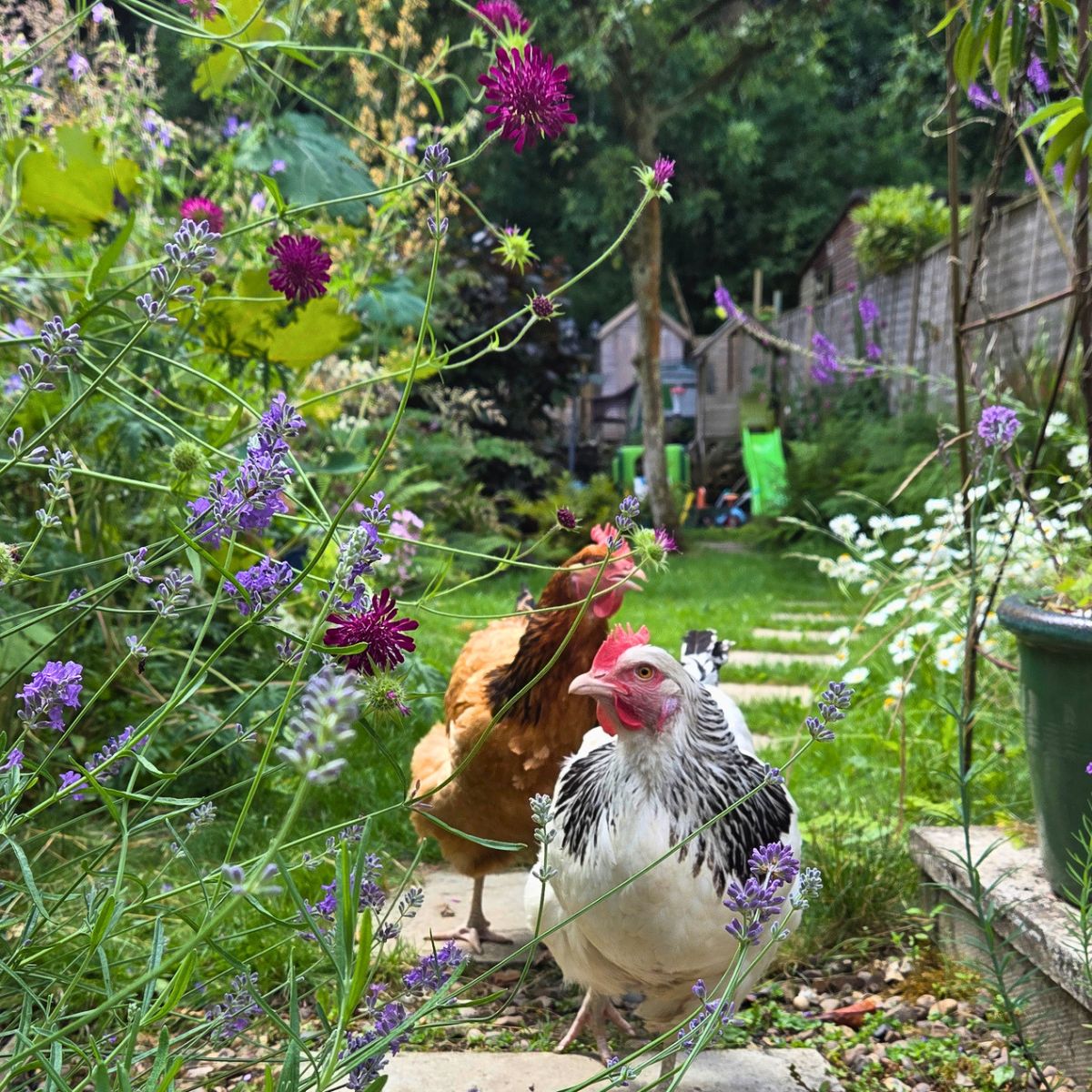
"Plants are both the cause and the cure for my stress! Like anyone working in a busy communications role, there are times when work becomes demanding. But after a busy day, my favourite place is the garden. Once the children are in bed, I love spending an hour pottering amongst the plants; it's the perfect digital detox. My chickens provide company and entertainment, even if they're terrible for my plants! At work, the best way to tackle challenges is most often to just talk them through. I'm fortunate to work with a supportive team where there's always someone willing to listen or help prioritise."
Question 8
What has been the best (floral or non-floral) news for you lately, or of the last year?
"I'll go with personal rather than floral. It's been quite a period of change in our household over the last year. With news of both my husband and me changing jobs, his increased ability to work from home has, in turn, enabled me to take on new opportunities and challenges. Returning to work after maternity leave can feel very different, and while women shouldn't feel the need to juggle it all, it can also be a time when a new and exciting challenge reminds you of your ambition and abilities. So, joining AIPH was fantastic news."
Question 9
Which is your favorite flower/plant, and why is it good for you?
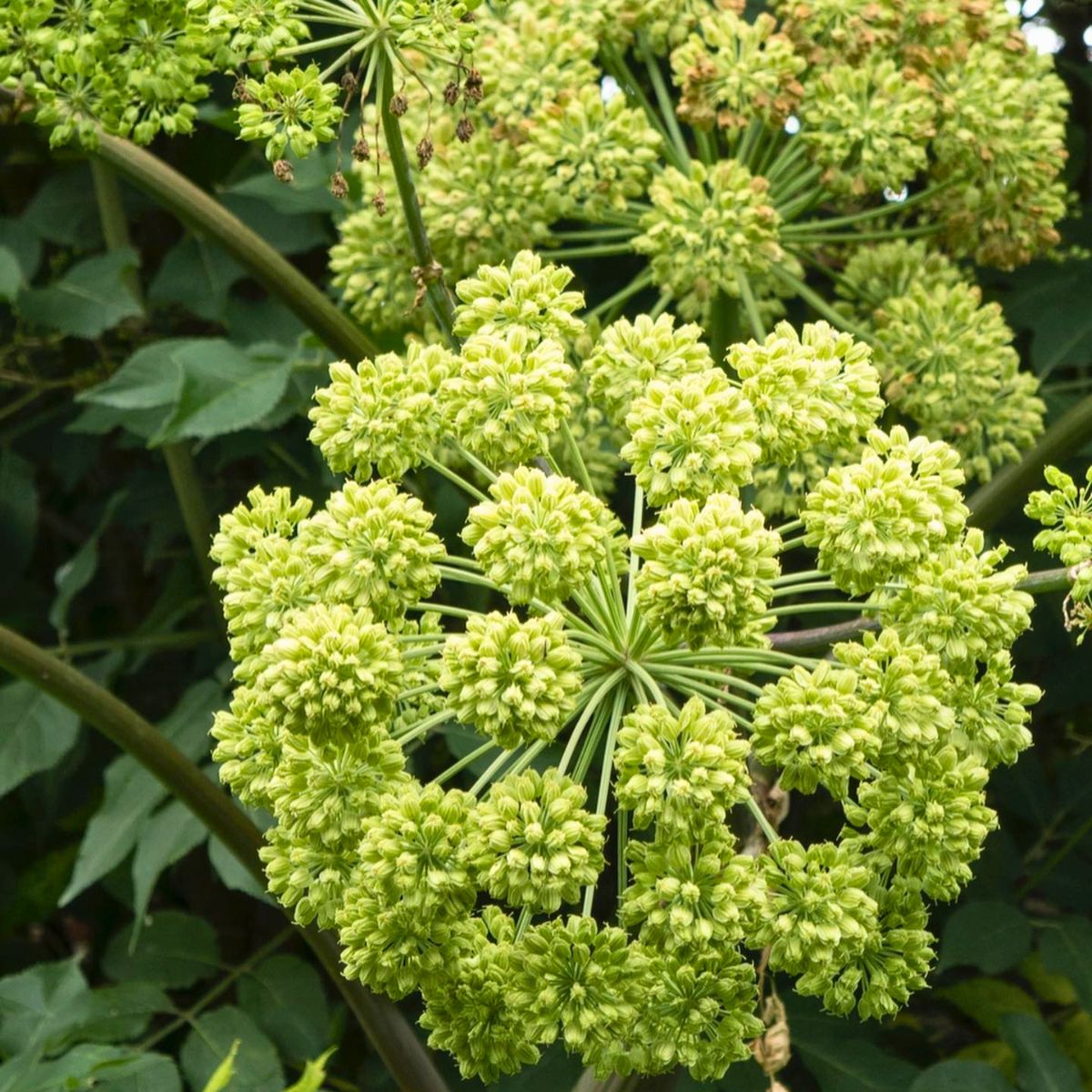
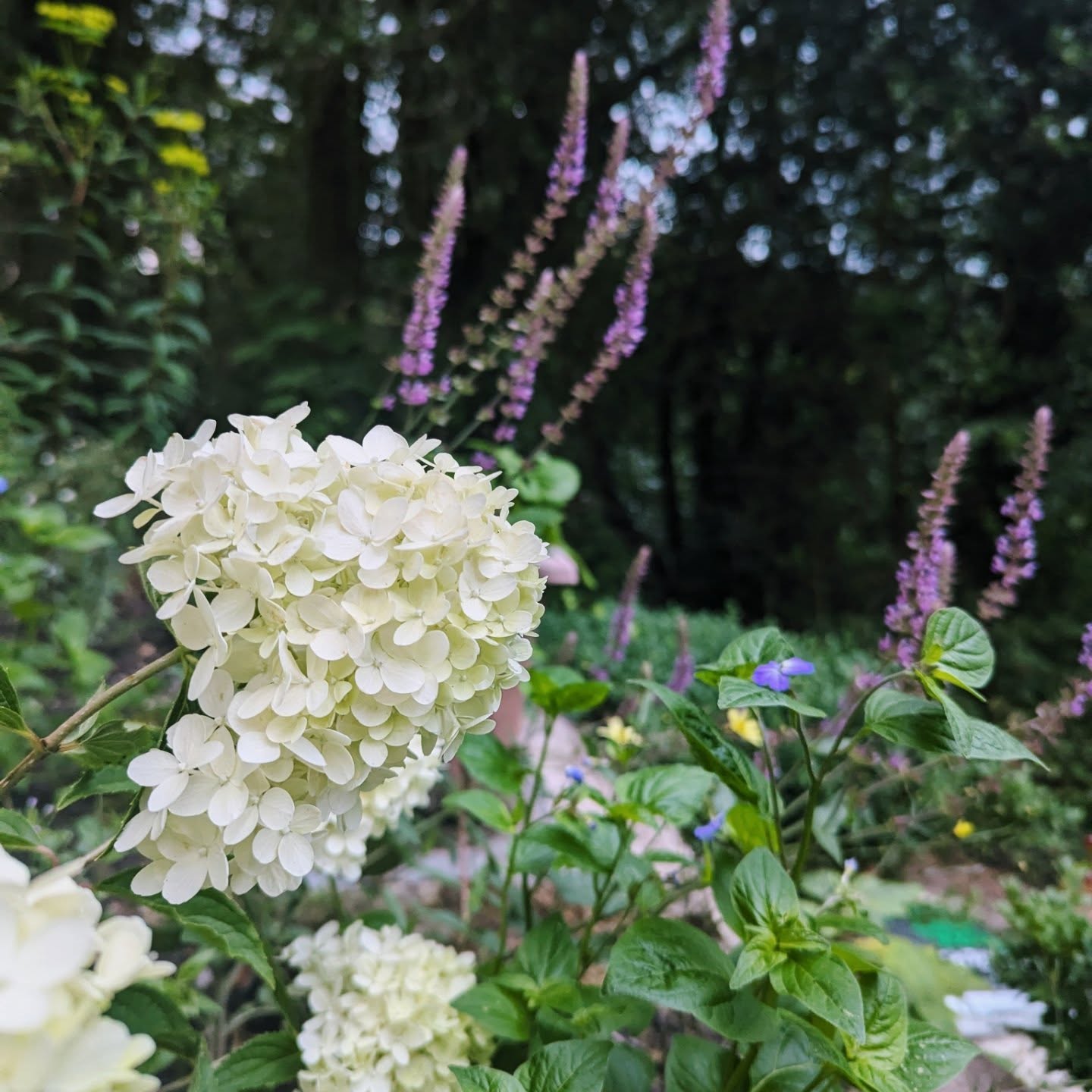
"It changes every year! Last summer, it was Angelica archangelica. I had one growing in the garden that was taller than me and became a real focus of the space. My garden is surrounded by ancient woodland, so while I love colorful flowers, I probably appreciate green planting even more. There's something incredibly calming about being immersed in different textures and shades of green."
Question 10
What are you doing this weekend?
"As we're speaking, it's the start of the school summer holidays in England, so our household is preparing for six weeks of fun, and probably a little chaos! I work part-time alongside raising my two children, aged six and three, so family time is incredibly important. We'll be celebrating with a barbecue, a paddling pool and hopefully plenty of time outdoors. Thankfully, our woodland garden stays beautifully cool during the current UK heatwave, providing another daily reminder of just how valuable green spaces can be."
Rosie's journey shows that horticulture is as much about people and purpose as it is about plants. From finding inspiration in her own garden to helping communicate the global impact of greener cities through AIPH, her story reflects the value of curiosity, collaboration, and meaningful communication.
Know someone whose journey deserves to be featured in our 10 Questions series? We'd love to hear from you. Send your recommendation to edwin@thursd.com and help us continue sharing the stories of the remarkable people shaping the future of horticulture.
All pictures courtesy of Rosie Hakes.