From Ghent to Bari: following the global conversation about the power of plants
Last year, the AIPH Annual Congress took place in Ghent, Belgium, close to home for me. This year, that same international horticultural community has gathered much farther south, in Bari, where the Adriatic Sea, the warm climate, and the distinctive landscape of Puglia provide a very different setting for the conversation.
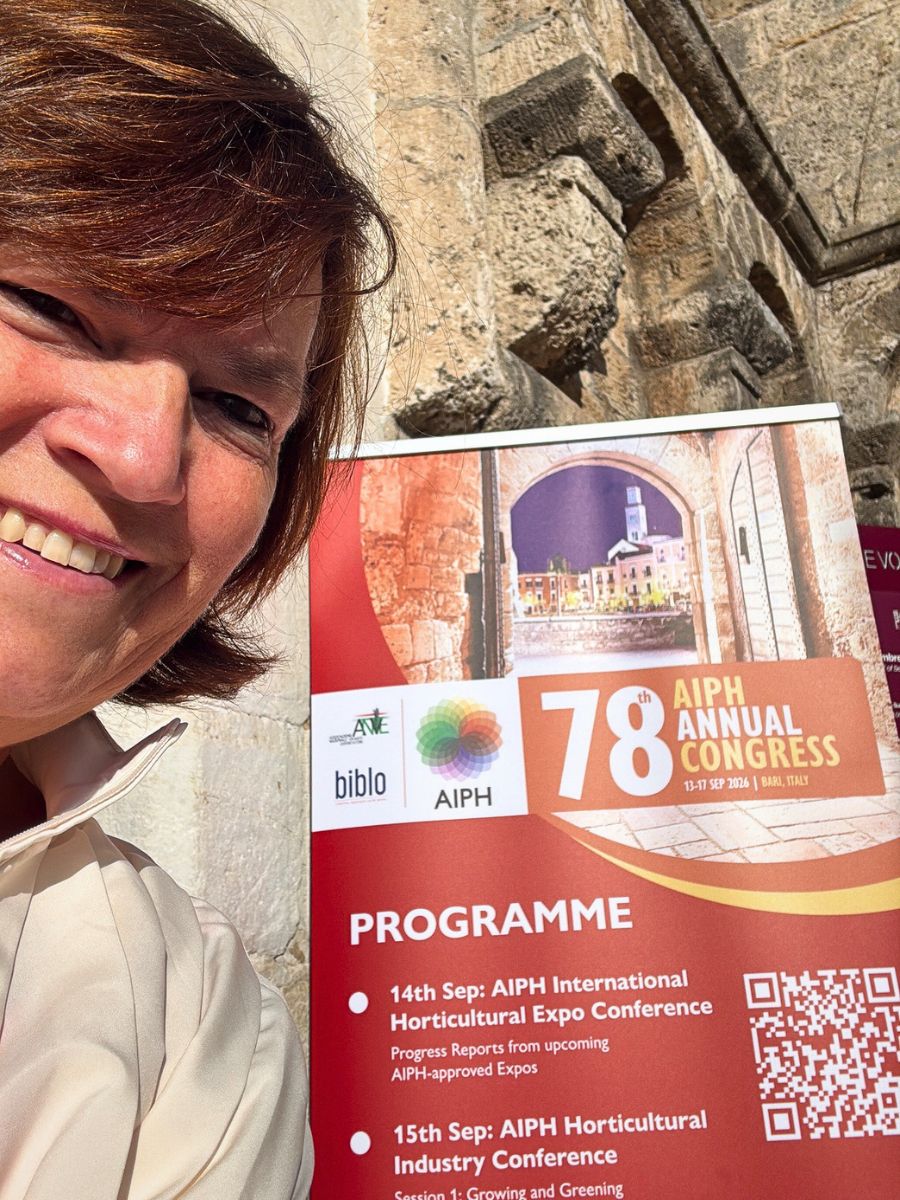
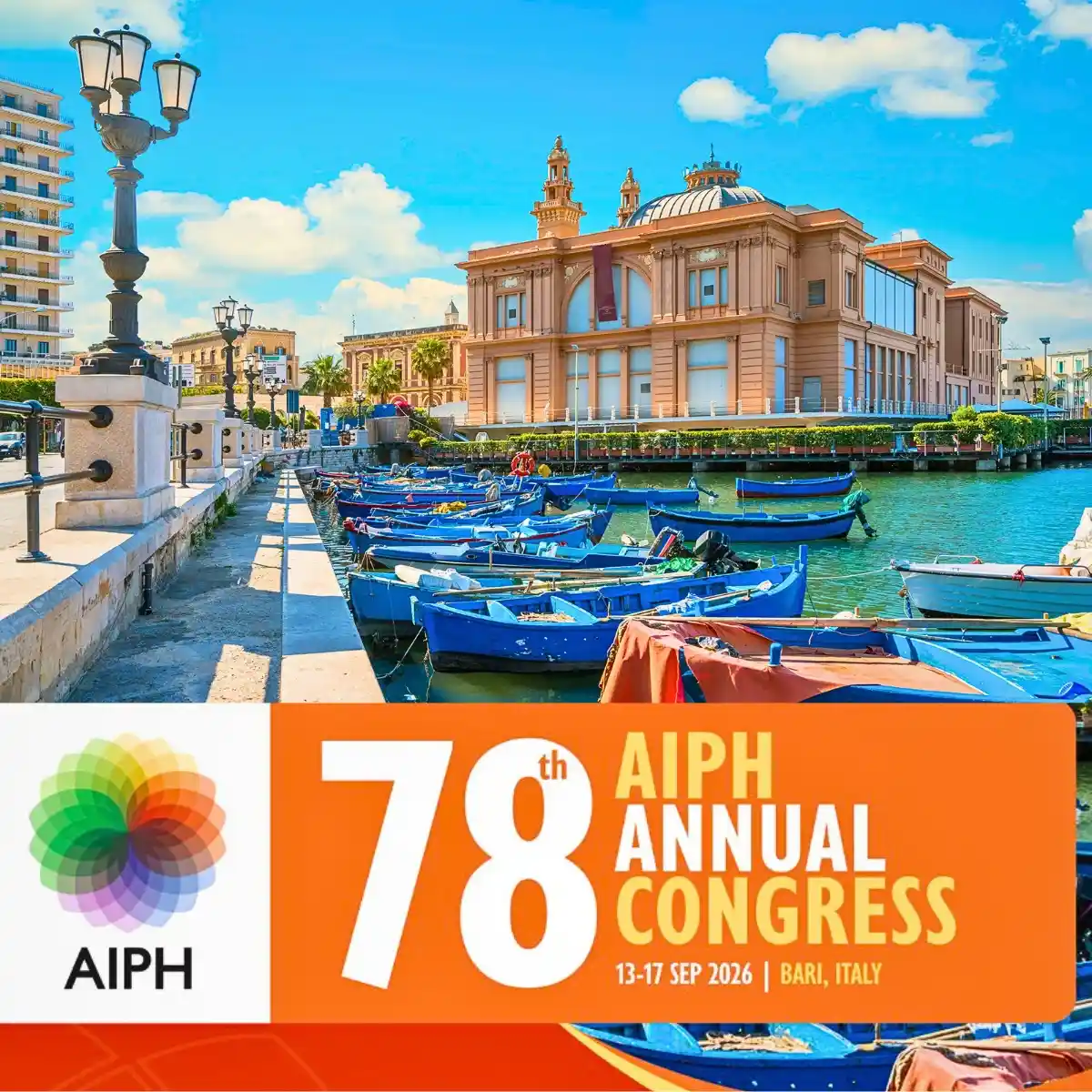
I have come to Bari to attend the 78th AIPH Annual Congress, which takes place from September 13 to 17, 2026. And although the official program is filled with conferences, presentations, and professional visits, I am particularly interested in what happens between those scheduled moments. Who is talking to whom? Which concerns are shared across countries? And where do producers, cities, breeders, landscapers, and the wider floral industry find common ground?
Because horticulture may be international, but its future is always shaped through people.
Why Bari and Puglia Matter
The Congress is organized by the International Association of Horticultural Producers, with the support of its Italian member ANVE. Bringing the event to Puglia makes sense. This is one of Italy’s important horticultural regions, known for its long growing season, fertile soil, abundant sunlight, and production of a broad range of ornamental plants.
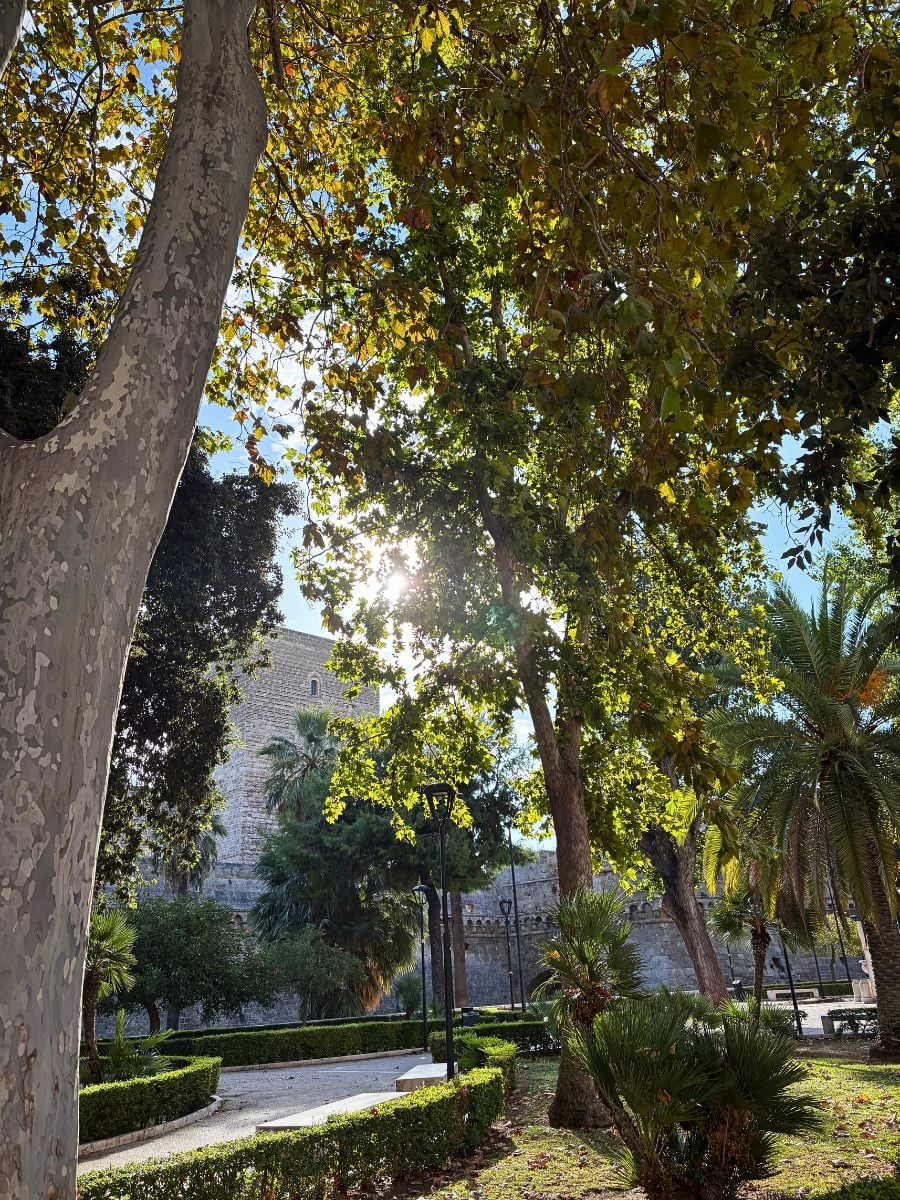
You feel the climate as soon as you arrive. Bari faces the Adriatic, and the city has a strong relationship with the sea. Beyond the city, agriculture and horticulture form part of the identity and economy of the region. This makes Puglia more than an attractive backdrop for the Congress. It is a place where the subjects being discussed can also be seen in practice.
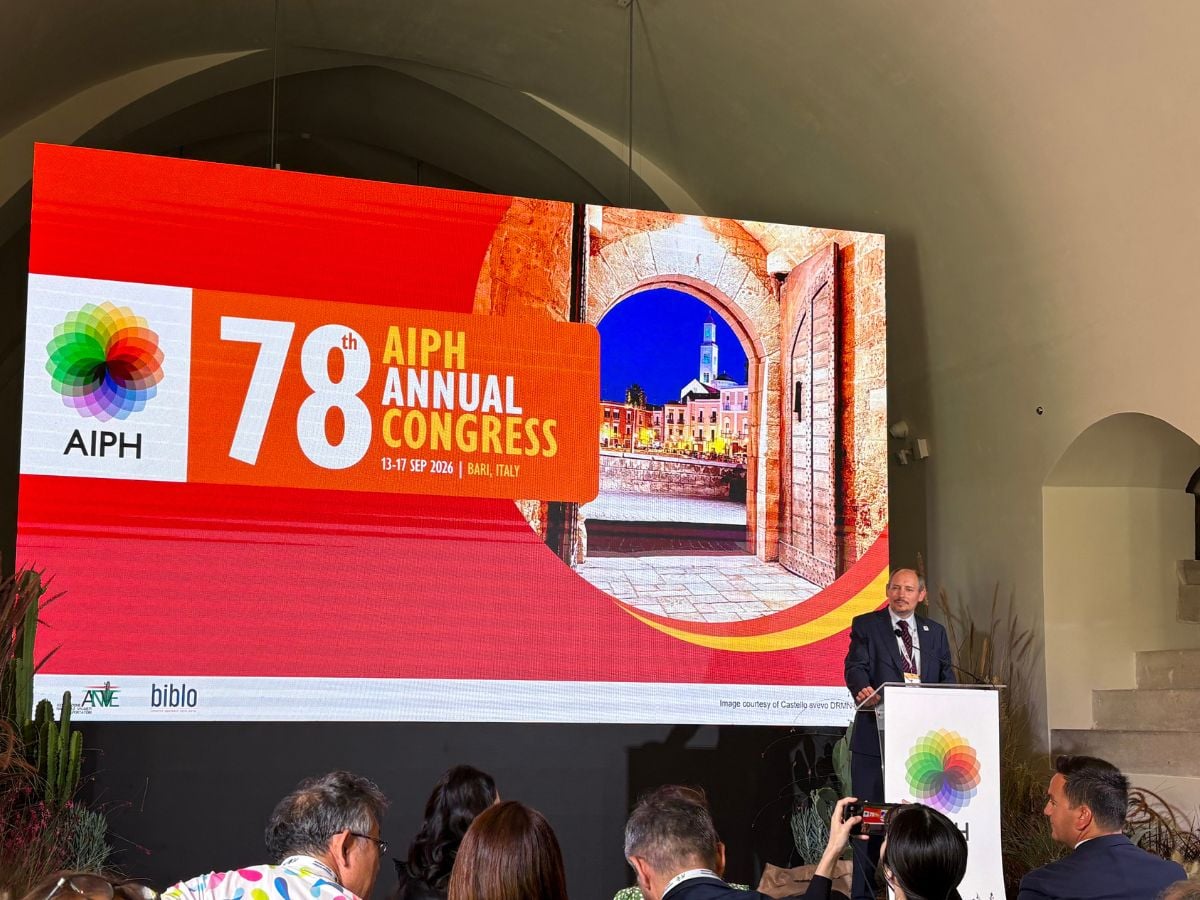
AIPH President Leonardo Capitanio is especially honored that the Congress is being held here in Bari, near Vivia Capitanio. Her presence and connection to the region add a personal dimension to an event that already brings together so many international voices. It is a reminder that global horticulture is built not only through institutions and organizations, but also through the people who represent, support, and strengthen the sector in their own communities.
That relationship between place and profession matters. We can spend many hours discussing growth, sustainability, innovation, and the value of plants inside a conference room, but the real test is what these ideas mean in nurseries, businesses, cities, and people’s daily lives, especially when climate becomes a challenge. Higher temperatures and more extreme weather also require new ways to adapt. Last summer was the worst in 200 years growing here in Italy.
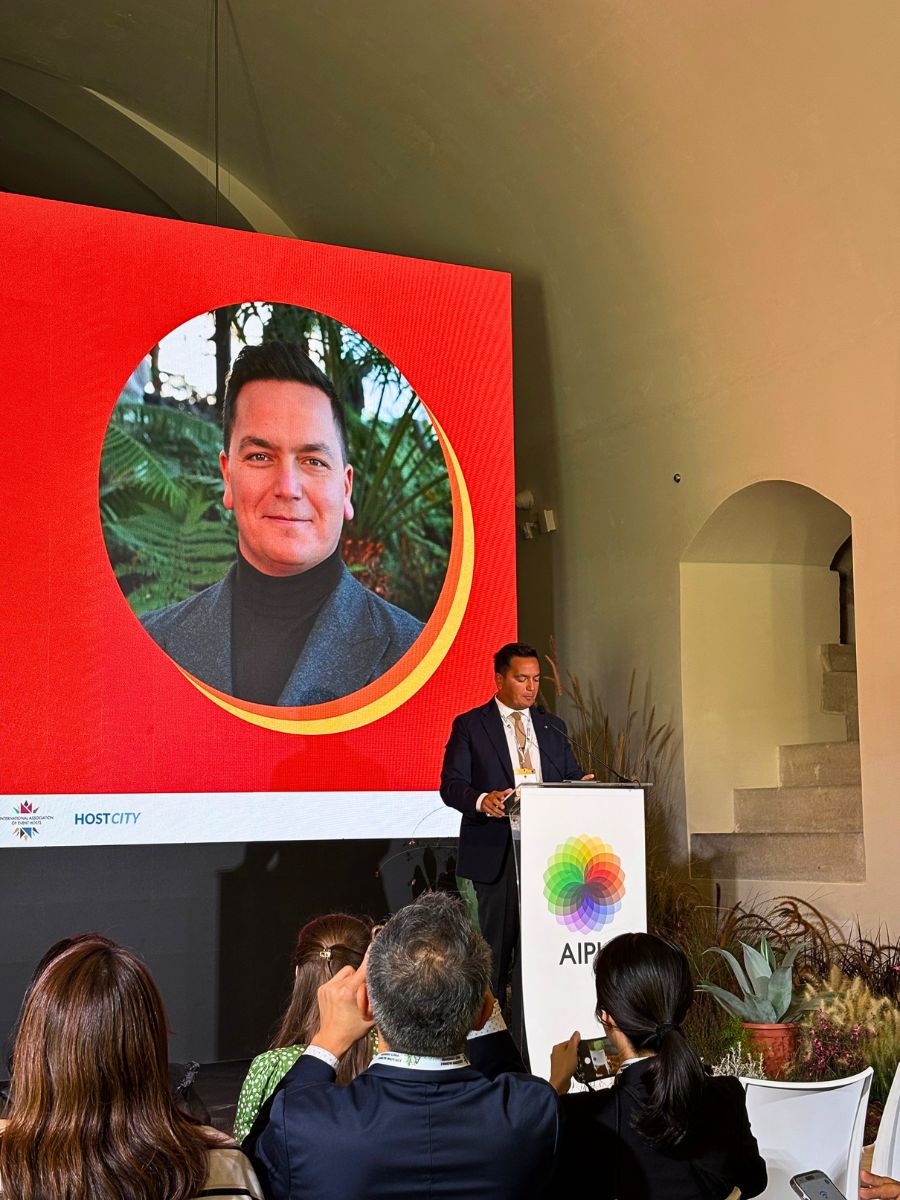
A Congress That Connects Different Parts of Horticulture
The AIPH Annual Congress brings together growers, national associations, Expo organizers, researchers, city representatives, landscapers, and horticultural professionals from around the world. That mix is one of its strengths. Each part of the industry has its own expertise, but none of us can build a stronger future by staying within our own corner of the sector.
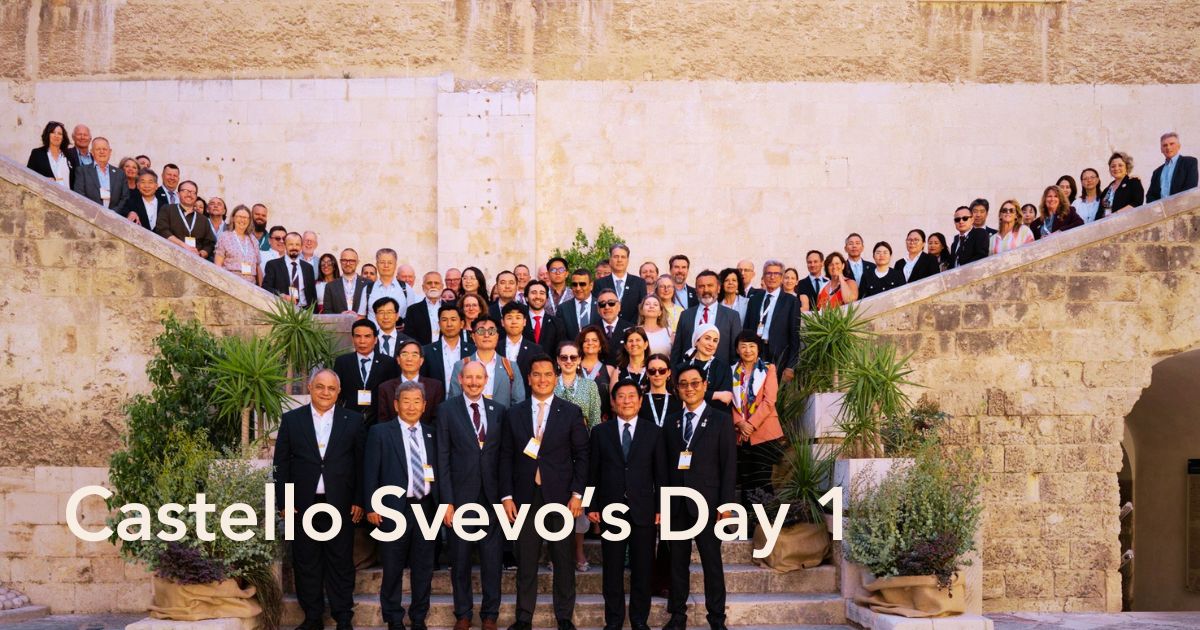
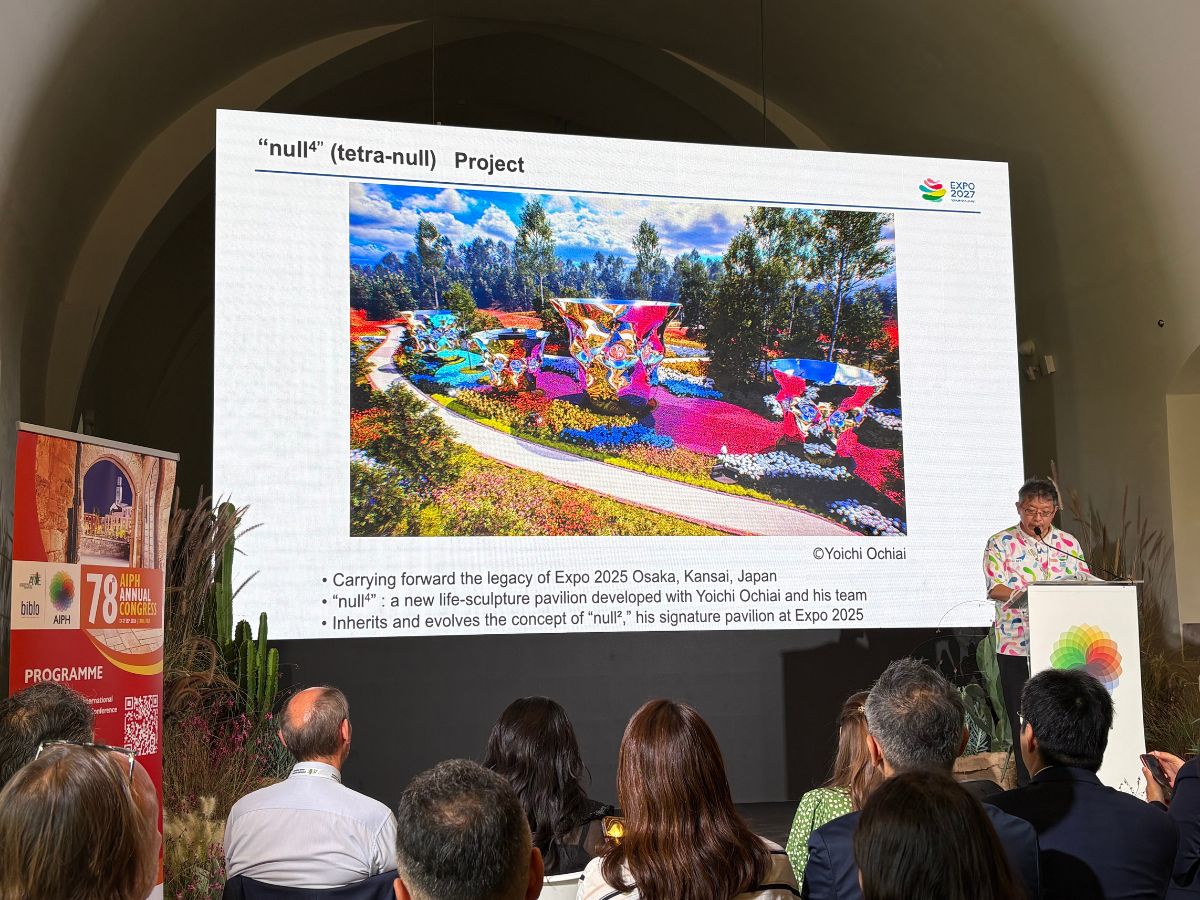
The program begins with a welcome dinner at Villa de Grecis, where the welcome is given by AIPH President Leonardo Capitanio and Tim Briercliffe, followed by two conference days at the historic Castello Svevo di Bari. On September 14, the International Horticultural Expo Conference looks at the role of AIPH-approved Expos and the ways these large public events can contribute to greener cities, public engagement, tourism, innovation, and a lasting horticultural legacy.
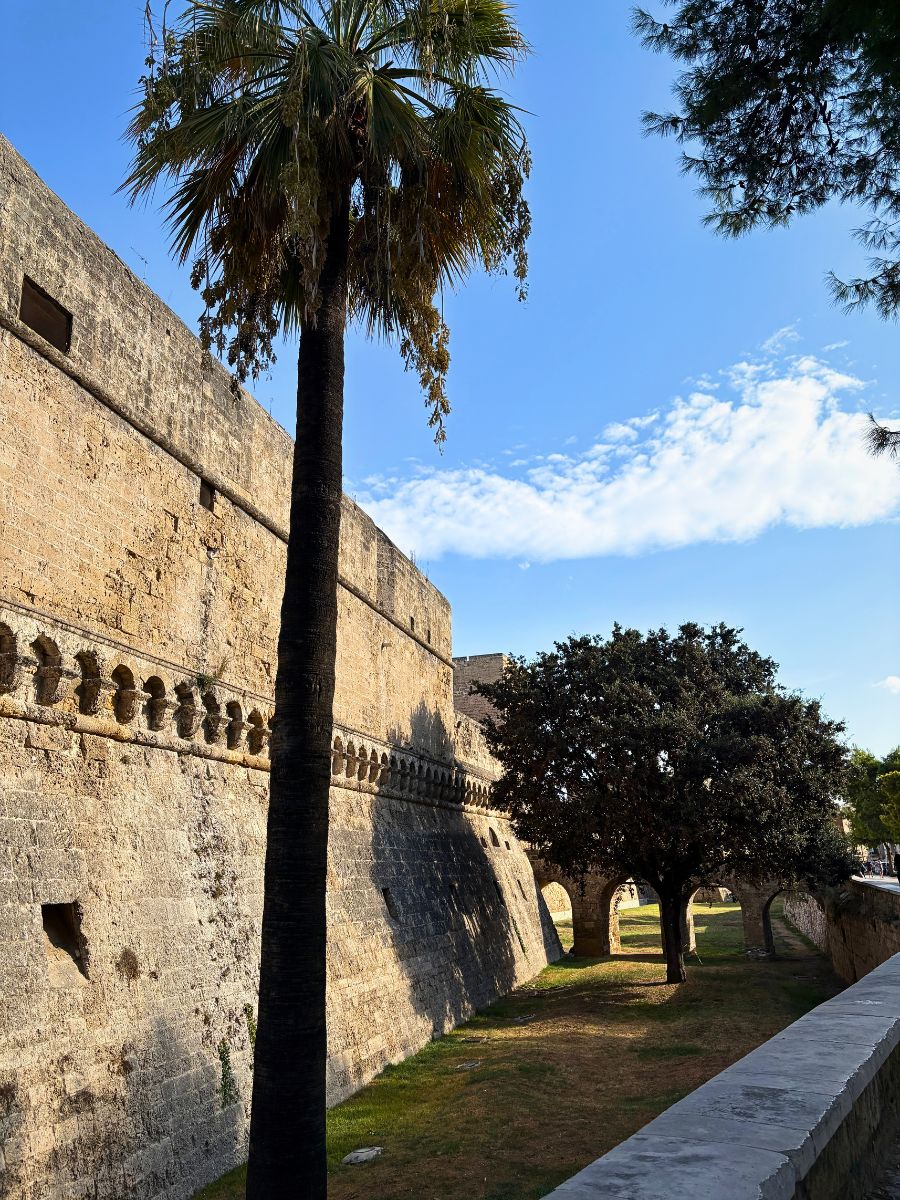
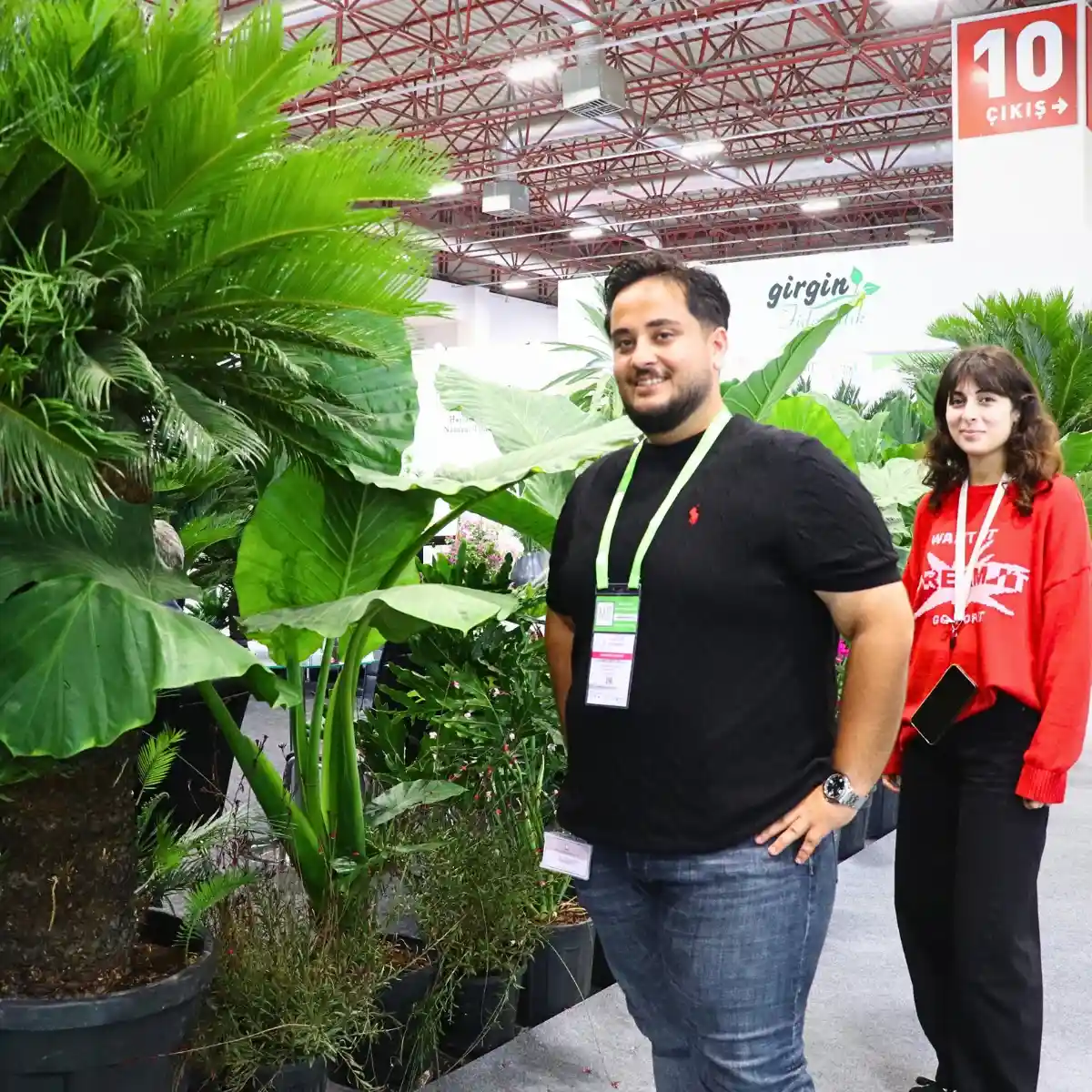
There were interesting updates from several upcoming international horticultural events, including GREEN×EXPO 2027 Yokohama, Expo 2029 Korat in Thailand, and Expo 2031 Minnesota in the United States. Other presentations brought perspectives from Türkiye, Iraq, and Thailand. These events differ greatly in scale, culture, and location, but all face the same essential question: what remains after the gates close? A presentation was given by the Korea Taean International Horticultural-Healing Expo, which was held earlier this year.
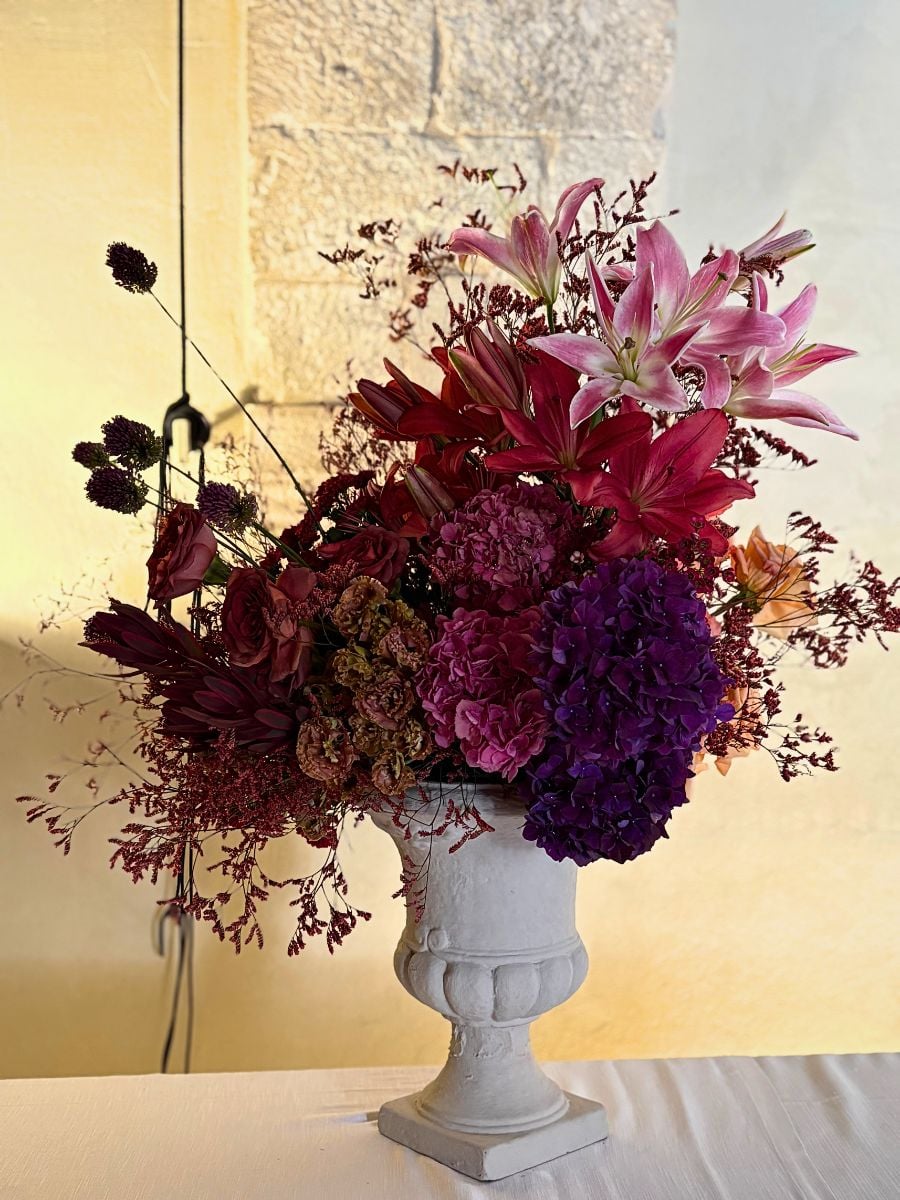
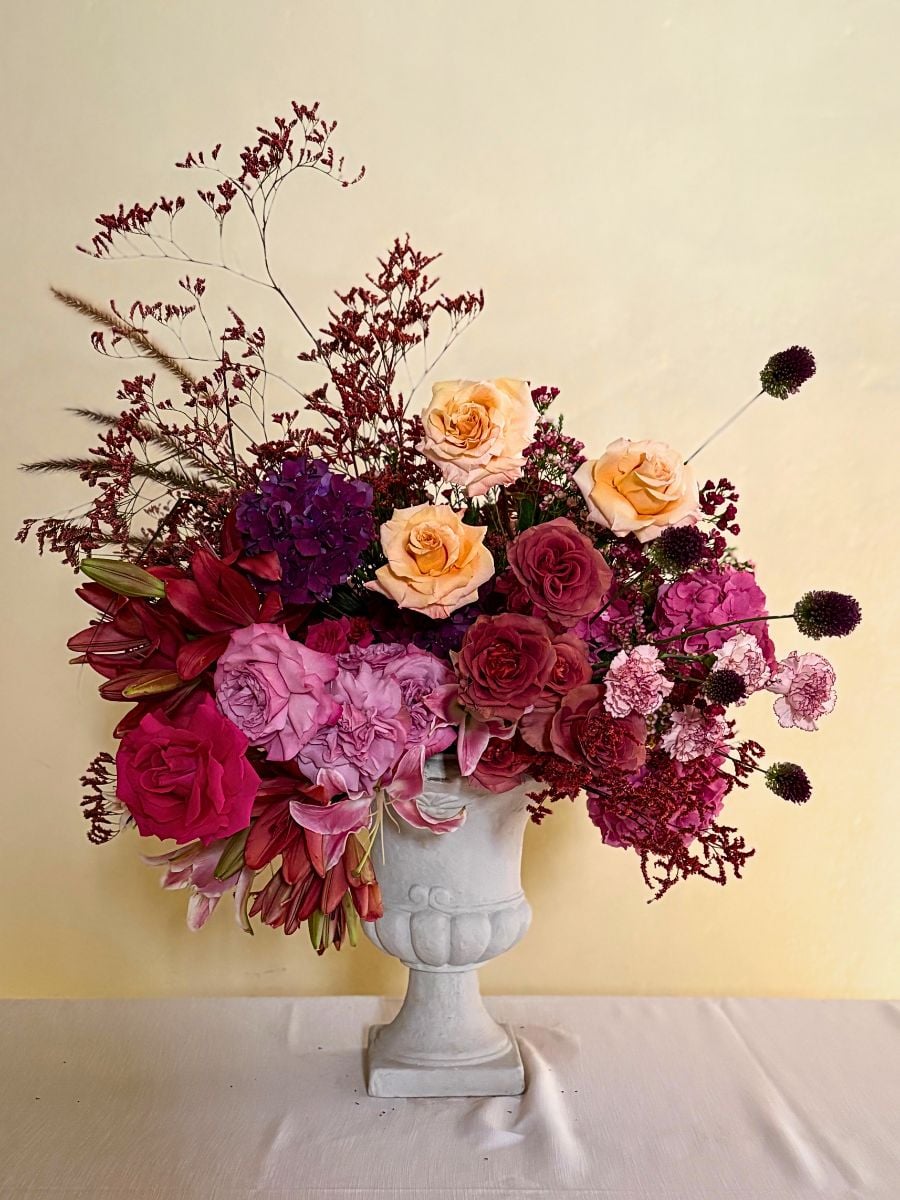
It was a great first day, full of international perspectives and the pleasure of meeting people again. The floral design you see in the pictures below, was created by Viviana Todisco (@Viviana Tods), together with @kesyflowers and @ophirys.bari. It was the full palette of Crimson Nocturne, our Thursd Floral Trend Color 2026. The rich combination of burgundy, pink, peach, and purple tones felt completely at home in the historic stone setting of Castello Svevo. For me, seeing Viviana here also brought back a lovely memory. I first met her years ago at Fleuramour, when she was assisting Sören Van Laer and Aymeric Chaouche. Encounters like this are part of what makes an international congress so valuable. You follow how people develop, meet one another again in a different place and at another point in their careers, and realize how closely connected this industry really is.
An Expo should be more than an impressive temporary showcase. Its real value lies in the knowledge it shares, the people it reaches, the confidence it builds in the horticultural sector, and the greener decisions it helps a city make for the future.
What Is Shaping the Horticultural Industry?
The Horticultural Industry Conference on September 15 turns the focus toward developments affecting ornamental horticulture itself. Green cities, technical and marketing initiatives, crop protection, changing markets, and the future position of the industry are all part of the agenda. Because to change the world and make it greener, we need to grow the right trees, the right shrubs, to fullfill the need in the future.
These subjects are connected more closely than they sometimes appear. Growers are being asked to produce responsibly while dealing with climate pressure, plant-health risks, regulation, rising costs, and an uncertain market. At the same time, our industry needs to communicate more clearly why flowers and plants are not an unnecessary extra, but part of healthier homes, stronger communities, more liveable cities, and an economy that supports many skilled people.
For me, this is where the conversation becomes especially relevant. Producing an excellent flower or plant is only the beginning. The whole chain needs to understand its value and carry that value forward. Growers, breeders, traders, florists, designers, retailers, media, and consumers are connected. When information stops somewhere along that line, value is lost.
The Congress offers an opportunity to listen across those divisions. Not simply to present what is already being done, but to ask what is still missing.
The World Green City Awards in Bari
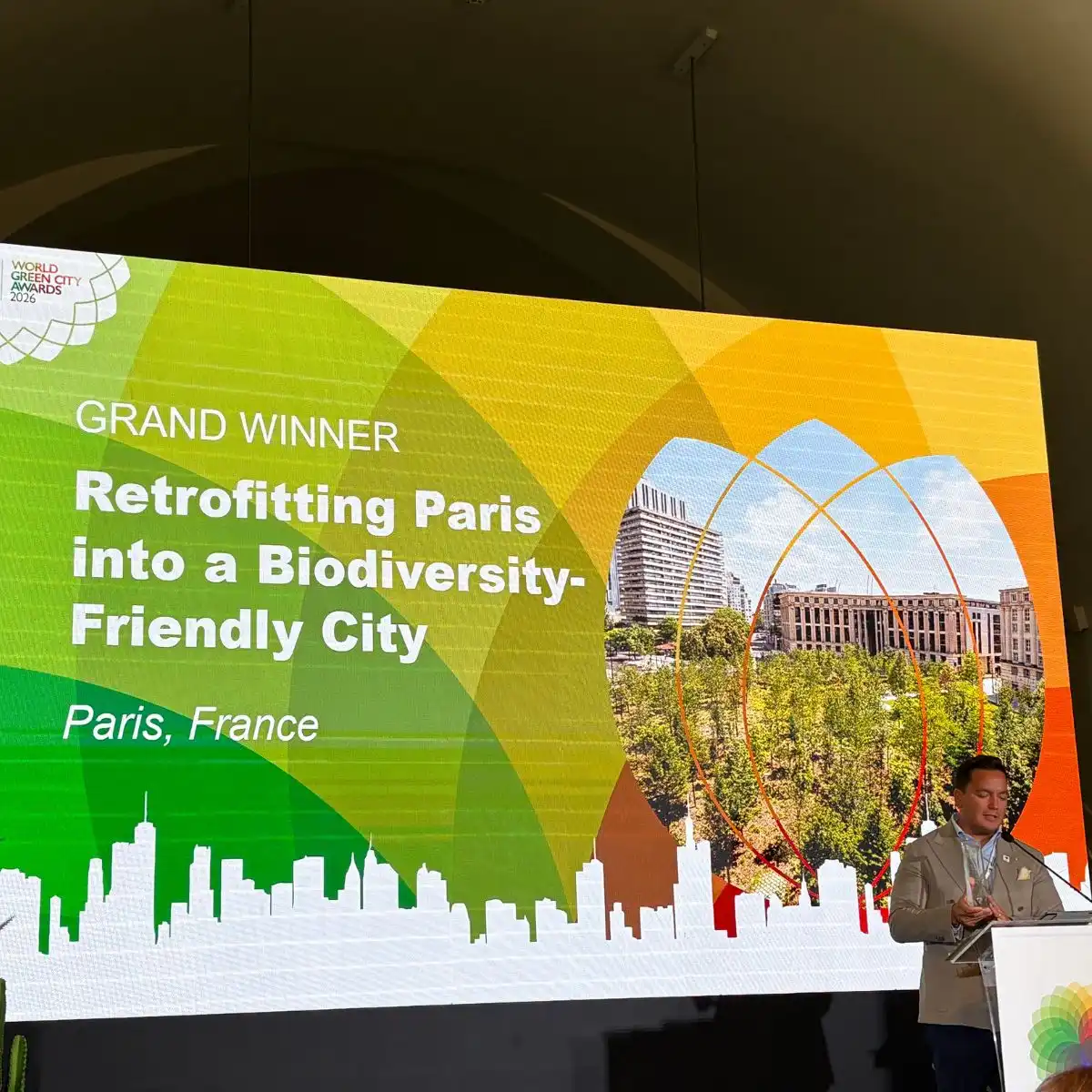
One important moment I'm so much looking forward to will be held here, during the Industry Conference. The announcement of the AIPH World Green City Awards 2026. Isn't that fantastic? You can follow live on AIPH Youtube Channel. Twenty-one finalist cities have been selected for initiatives showing how plants and green infrastructure can address real urban challenges.
The seven award categories cover biodiversity and ecosystem restoration, climate change, health and well-being, water, social cohesion and inclusive communities, urban agriculture and food systems, and urban infrastructure and liveability. The category winners, Youth Award winner, Certificates of Merit recipients, and the overall Grand Winner will be revealed in Bari.
Awards have their ceremonial moment, but the most useful part is what others can learn from the projects behind them. Cities everywhere are facing heat, flooding, biodiversity loss, social inequality, and pressure on public space. Plants cannot solve every urban problem, but they are too often treated as decoration after the important decisions have already been made. These examples can show what changes when living green is considered from the start.
From Conference Tables to the Nurseries of Puglia
On September 16 and 17, the Congress moves out into the region for professional visits to leading nursery businesses. These visits will offer a closer look at production systems, sustainability, innovation, and business practices in Puglia.
Only AIPH members are permitted to join these professional farm visits. The AIPH members group in Bari will therefore have the opportunity to see the nurseries firsthand and gain a closer look at the daily realities behind the presentations and discussions.
I always value this part of an industry program. A presentation can explain a vision, but a nursery shows the daily reality behind it. You see how people work, which choices they make, where they invest, what difficulties they encounter, and which solutions are actually practical. Those nurseries are the foundation.
The AIPH members group in Bari will be looking not only at what is being produced, but also at how these companies position themselves for the years ahead. How do they respond to the changing climate? Where are they reducing inputs or improving efficiency? How do they protect quality? And how do they tell their story to an international market that increasingly wants proof as well as promises?
What I Hope to Bring Home From Bari
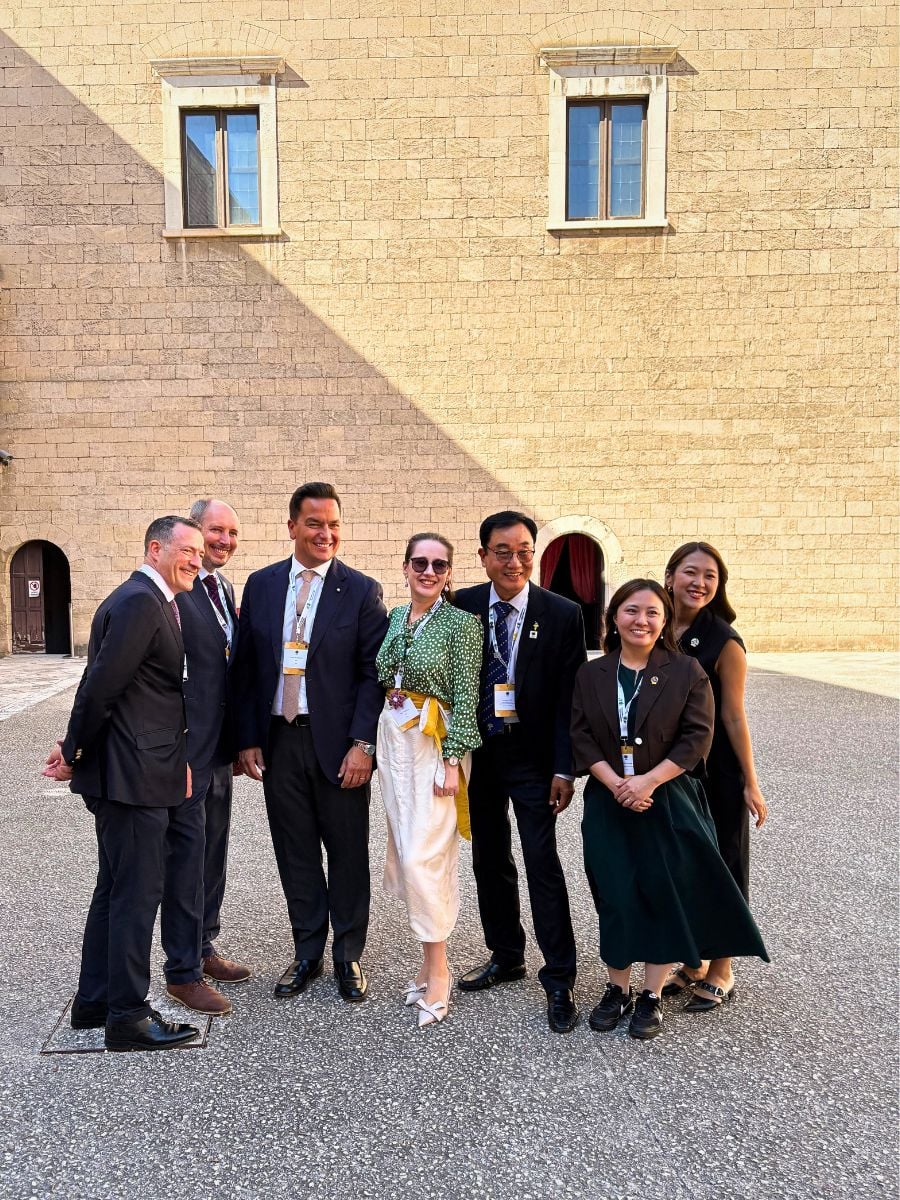
I did not come to Bari simply to collect facts from a conference program. I came to meet people, listen carefully, and understand how decisions made at an international level connect with the daily work of breeders, growers, producers, garden architects, designers, and everyone else in the horticultural chain.
The annual AIPH gathering creates a rare overview of where horticulture stands today. It also shows how differently countries and cities approach similar questions. That can be challenging, but it is exactly why these meetings matter. Progress rarely begins with everyone agreeing. It begins when the right people are willing to share what they know, acknowledge what they do not yet know, and continue the conversation.
Over the coming days, I will meet new people, learn about projects, ideas, and perhaps also the difficult questions that stand out to me here in Bari. I expect the professional program to be valuable. But as always, I suspect that several of the most important insights will come from the conversations around it.
Because in horticulture, connection is not a side effect of coming together. It is the work itself.