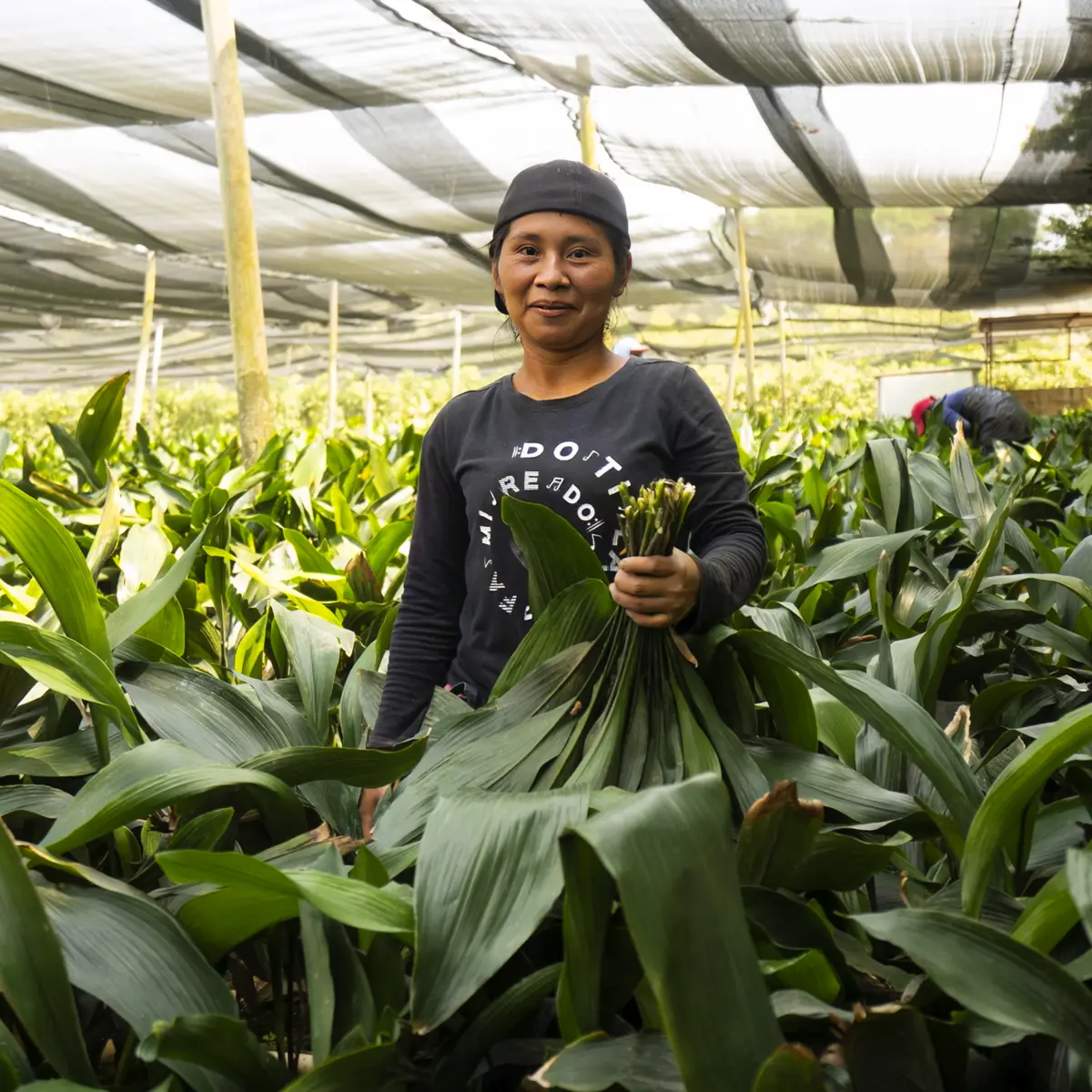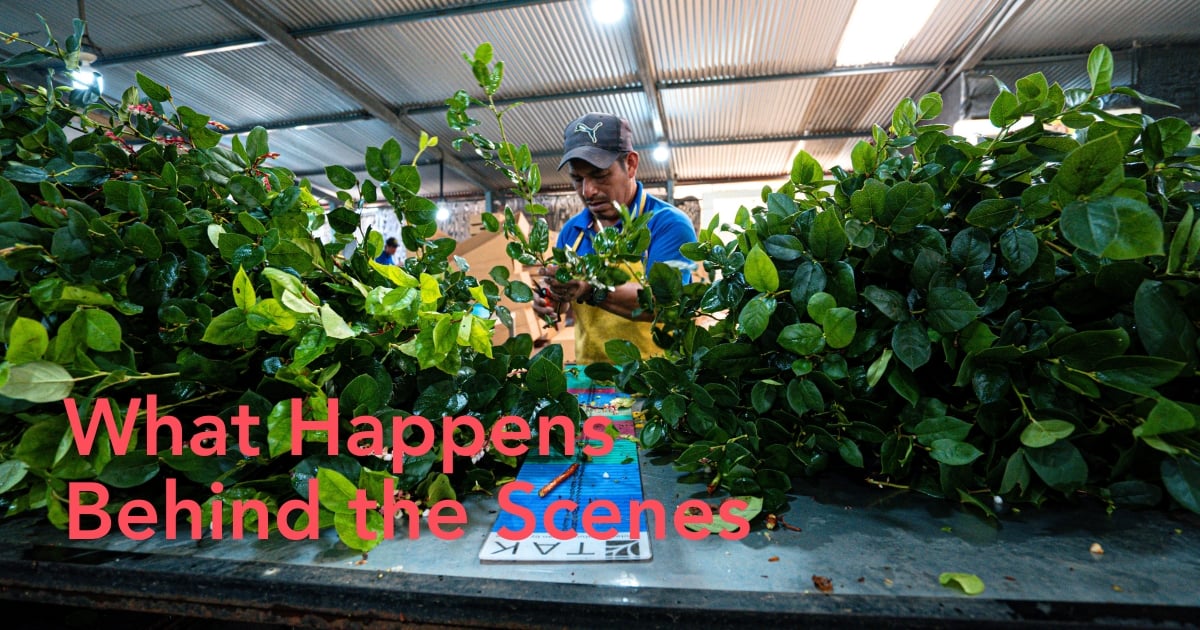
At TAK Farms, every day begins long before the sun rises. Behind the consistent quality of its foliage is a carefully coordinated routine that brings together field teams, supervisors, logistics staff, and production crews – each playing a vital role in delivering premium products to customers around the world. This is what a typical day at the farms looks like.
Early Morning – Before the Fields Come Alive
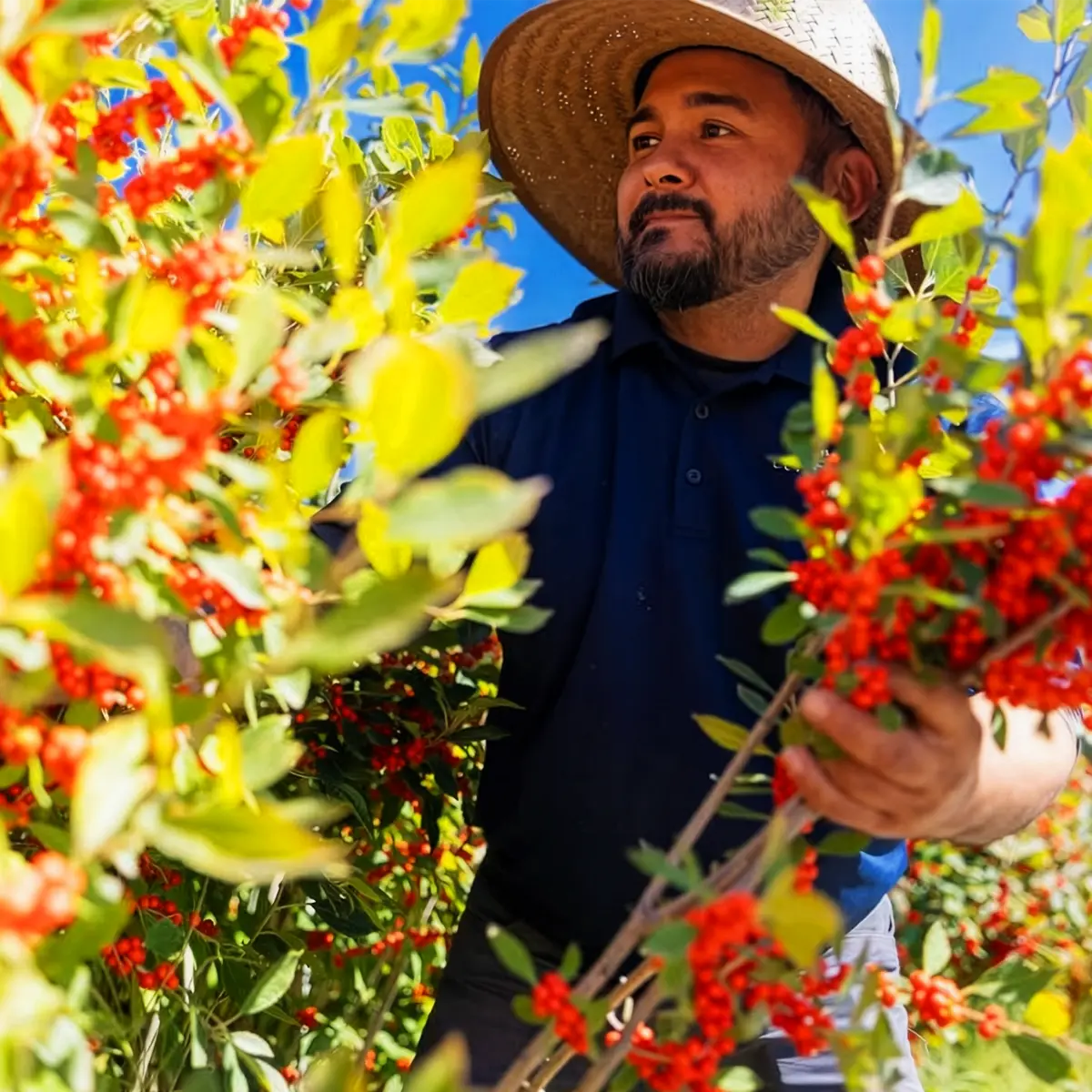
The day at TAK Farms begins as early as 6:00 a.m., when employees start arriving and preparing for their assigned activities. While most operations begin in the field at 7:00 a.m., some essential tasks, such as irrigation and spraying of plantations, start even earlier to ensure crops are maintained under optimal conditions.
At 6:30 a.m., workers receive their specific assignments for the day. Each team member then heads to the warehouse to collect the necessary tools and equipment before moving to their designated work areas. These early hours are critical because they set the foundation for productivity, efficiency, and crop health throughout the rest of the day.
A Structured Workday in the Field
From the moment employees arrive to the end of their shifts, what does a normal workday look like at TAK Farms? What are the key tasks, milestones, and teamwork moments that keep operations running smoothly throughout the day? Marco Tulio, TAK's Production Manager, responded:
"Each person has specific assigned tasks, and assignments are given to them at 6:30 a.m.. After that, each worker goes to the warehouse to request the necessary equipment and tools. They then move to their designated work area and begin their activities. At 9:00 a.m., they take a 30-minute breakfast break, after which they continue working. Activities resume until 12:00 p.m., when they take their lunch break. In the afternoon, they continue their tasks until the end of the workday. At around 5:00 p.m., they return to the warehouse to hand in their tools and then leave for the day."
Teamwork That Keeps Everything Moving
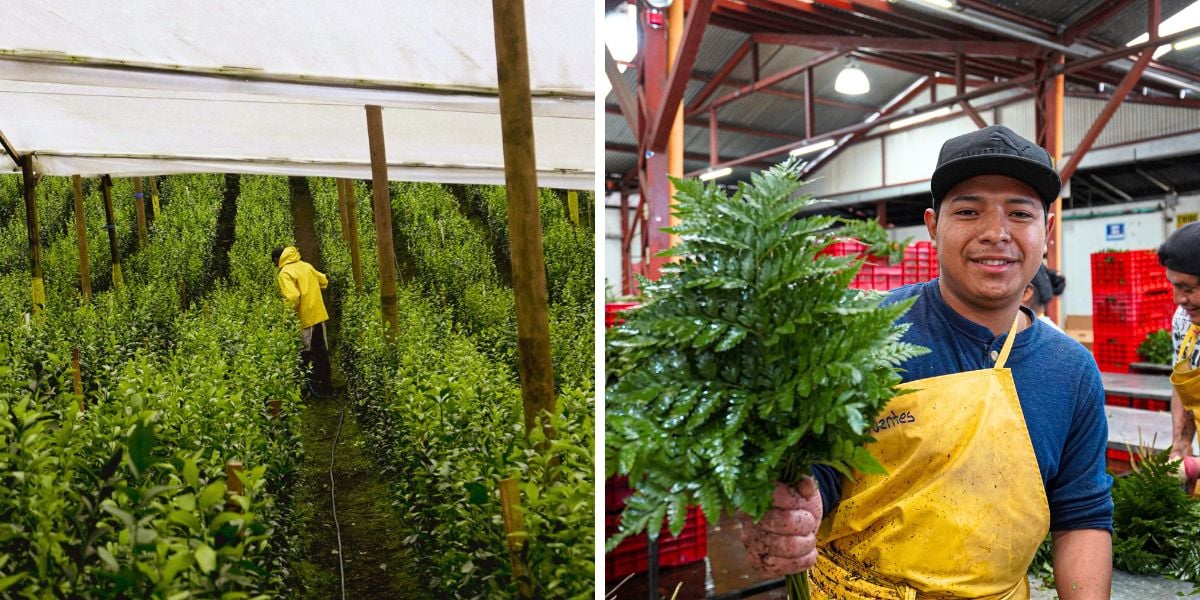
Behind every successful day is a strong coordination between multiple departments. Field and harvest activities are planned by supervisors one day in advance, based on operational priorities. This ensures that every morning begins with a clear, organized plan. Meanwhile, the packing and logistics teams work closely with dispatch schedules and shipping deadlines, ensuring that every order is processed and prepared according to its required delivery date. This level of coordination between teams is essential to maintaining both quality and operational efficiency.
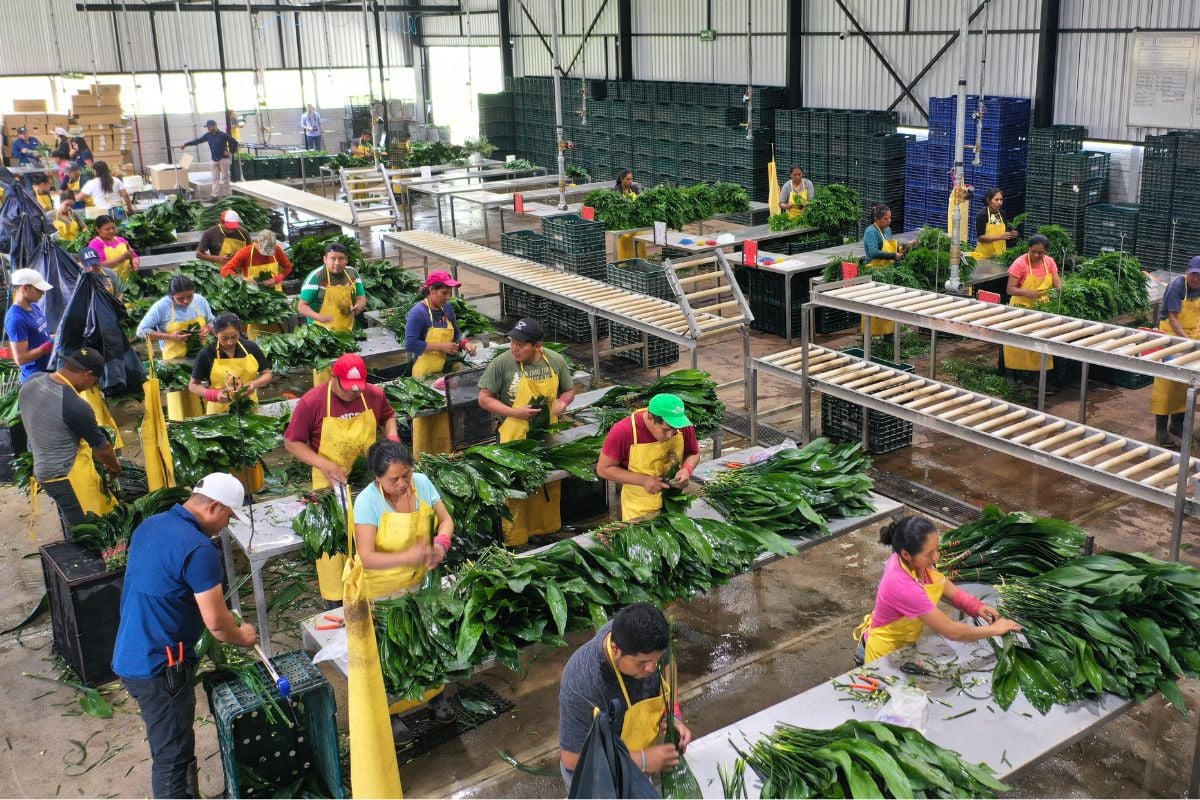
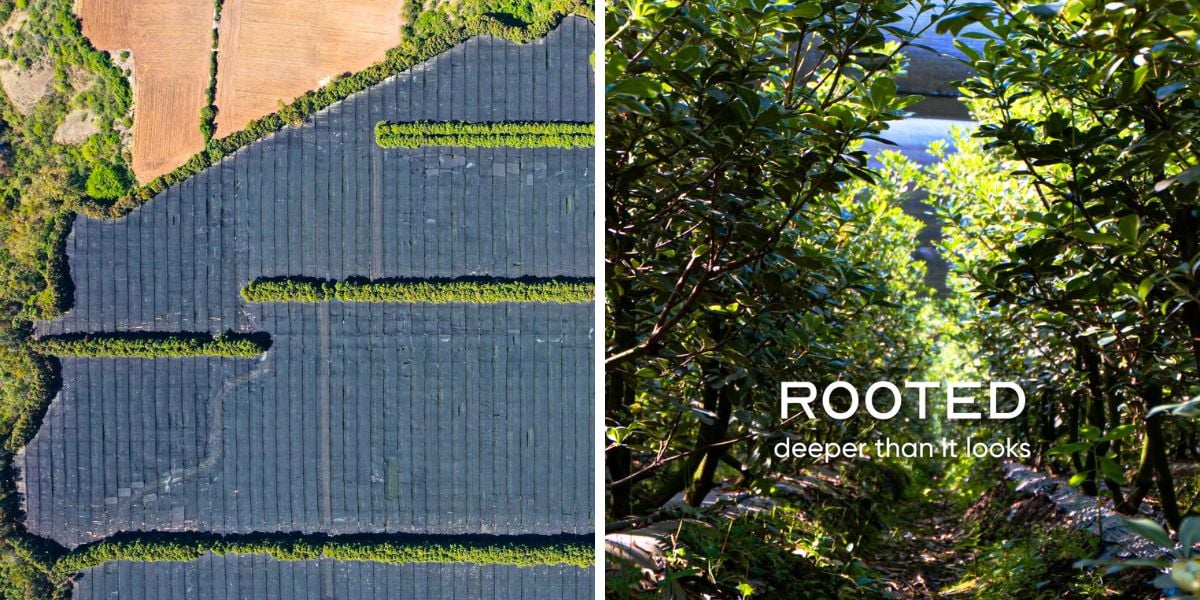
But there's another side to everyday work as well. Like any agricultural operation, TAK Farms faces unexpected challenges. Strong winds can sometimes damage shading structures, requiring rapid coordination of field teams to carry out immediate repairs and prevent crop damage. In other cases, urgent harvest requests demand quick action. When this happens, teams are mobilized efficiently to ensure that production and shipping deadlines are met without compromising quality. Adaptability and teamwork are key strengths that allow the team to maintain continuity even under pressure.
The Spirit of TAK Farms
Marco was also asked if someone were visiting TAK for the first time and could spend just one day observing operations, what moments would best capture the spirit of the farm? What routines, traditions, or interactions truly reflect the farm's values and culture?
He said:
"I think it would be the contact with nature, as well as the working environment that the staff has at TAK, and the quality of the crops."
Looking beyond the daily tasks, it is believed that what stands out most for employees at the end of a day’s work is their connection with nature, the positive working environment they experience within the company, and the quality of the crops they help produce. Their efforts contribute directly to the farm's broader mission of delivering high-quality foliage to global markets, making their work meaningful both personally and professionally.
Marco also shared that he wants employees to feel satisfied knowing they have helped demonstrate the quality of the crops being produced. Their work allows TAK Farms' foliage to reach many people around the world, showcasing the high standards and quality that define the company's production.
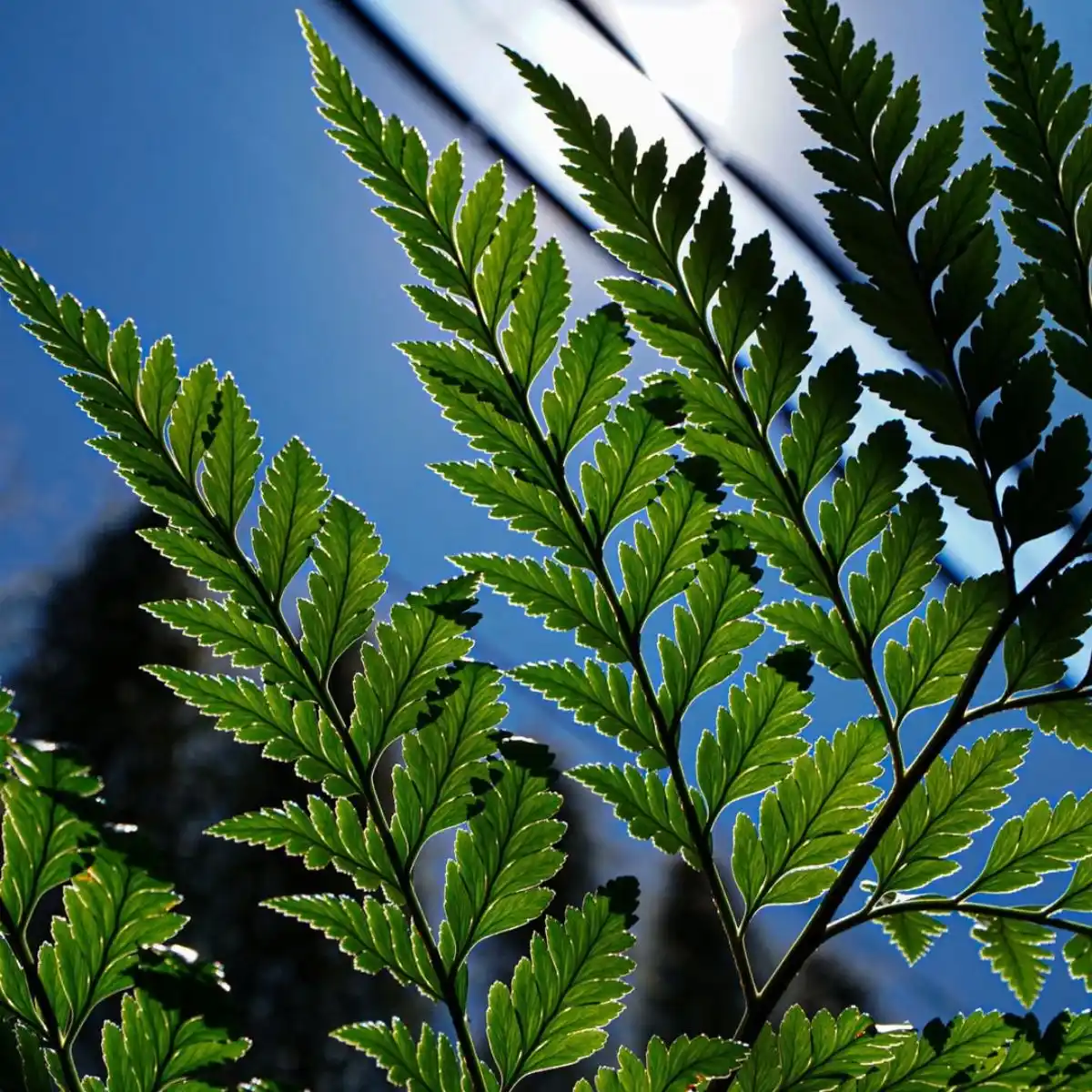
Foliage is the foundation of the entire operation at this Guatemalan company. Every stem reflects a long and carefully managed process that begins in the early stages of cultivation and continues all the way through to final shipment. Understanding this journey reveals the level of precision, care, and commitment required at each step to ensure that only premium-quality foliage reaches customers around the world.
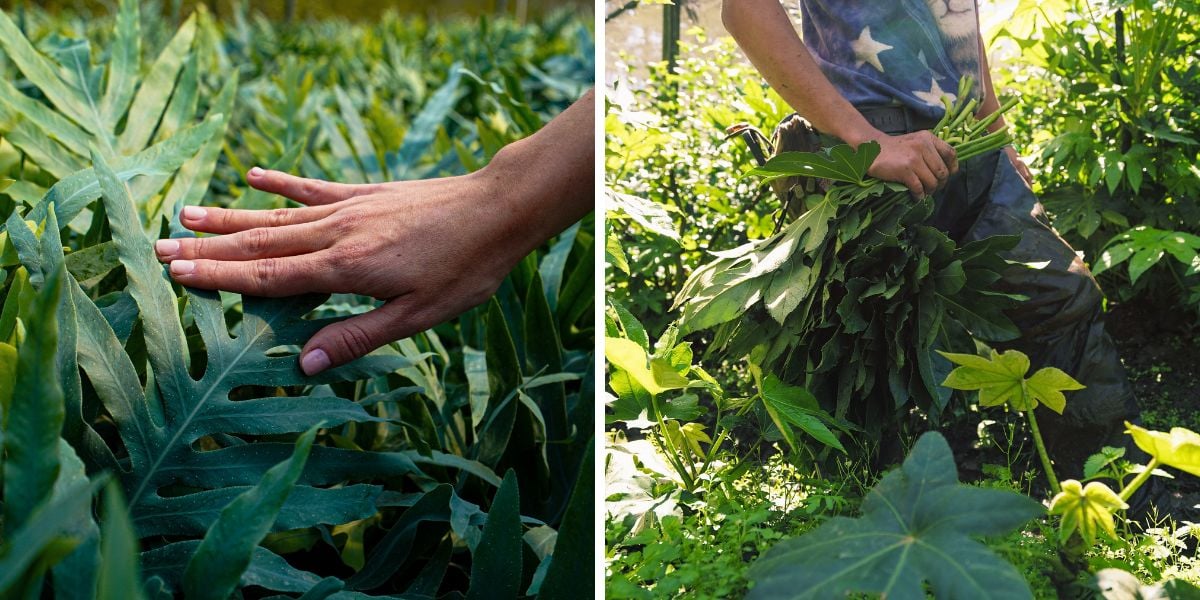
With that in mind, Marco Tulio explained the full journey of their foliage products, from planting and cultivation to harvesting and export, as well as the care required at every stage to guarantee premium quality.
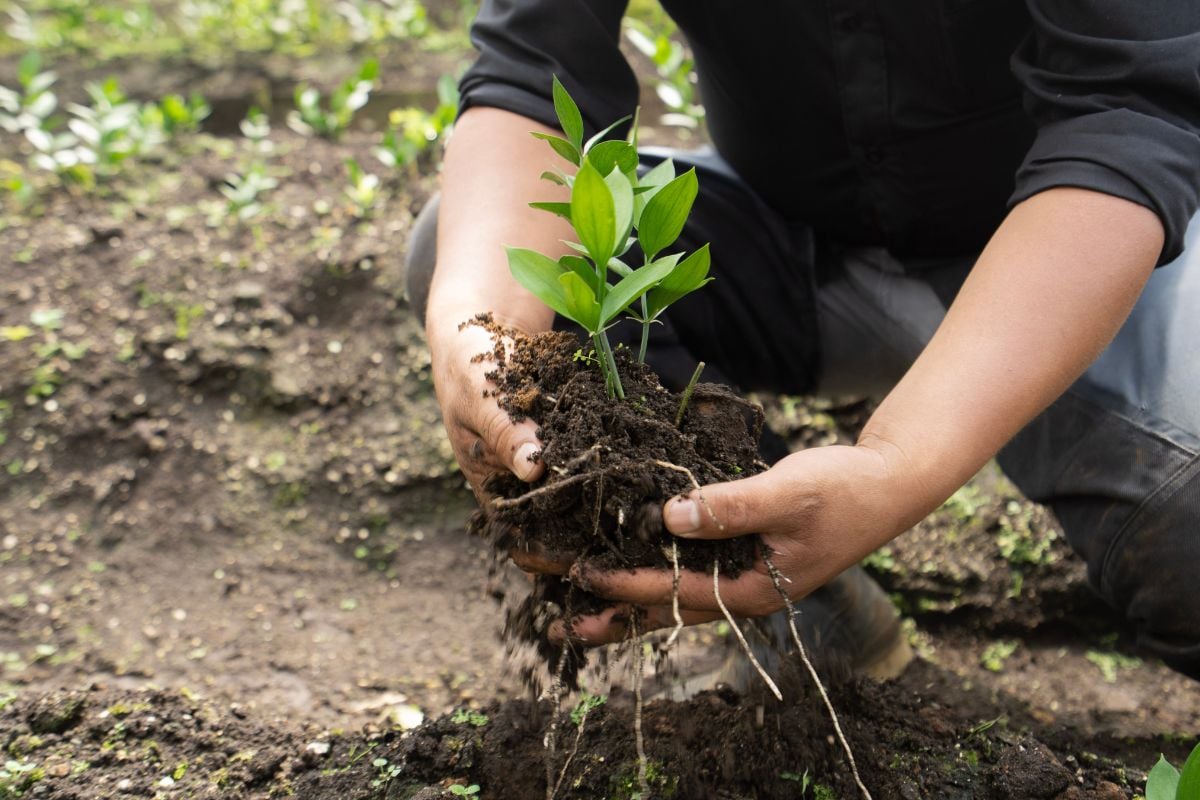
"The life of a plantation begins with the needs or demands it has. Once it is determined which crop needs to be grown, the process starts with the reproduction or propagation of the plant. This process begins with cuttings, which undergo a rooting process and spend approximately six months in the nursery. After that, they are transferred to the final field, where they are transplanted and remain under care and management for an average of one year until they produce their first stems. After this period, the first cuts are coordinated, and the product is taken to the packing facility, where it is bunched, quality-checked, packed in a cold room, stored, and then shipped for export."
Quality, Sustainability, and Identity Every Day at TAK Global
Each foliage product is handled with the utmost care to ensure quality is preserved and reaches the customer in optimal condition. TAK Global also holds MPS certification, which guarantees its commitment to environmental sustainability. In addition, the farm cultivates a wide variety of crops, allowing for diverse color combinations in the green foliage bouquets it produces.
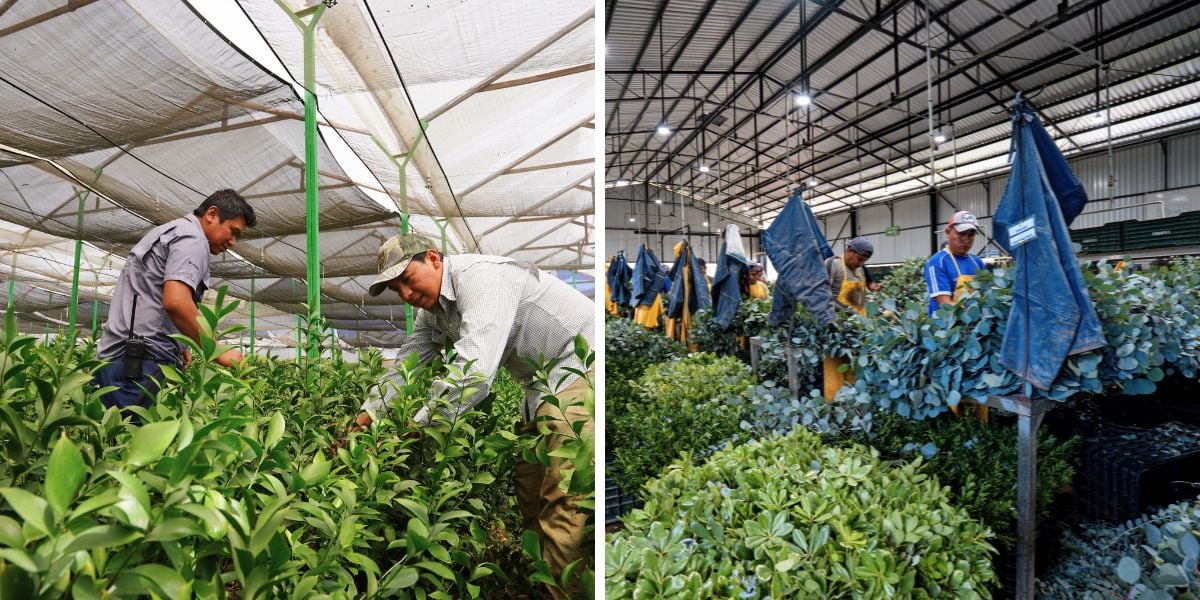
Together, these elements reflect the operations, care, and coordination that define the company and the journey behind every stem.
Photos courtesy of TAK.