
Behind every floral design lies a crucial element that often travels thousands of miles before reaching the hands of florists and designers: foliage. While flowers may take center stage, foliage provides structure, texture, and longevity to arrangements across the globe.
Sourced from the highlands of Guatemala, TAK Foliage Premium represents a supply chain built on consistency, scale, and careful handling from field to export. Grown under stable climatic conditions that support year-round production, the foliage is cultivated to meet the demands of international markets where durability, uniformity, and freshness are essential. This is how they deliver premium foliage worldwide.
TAK – Consistency at Every Stage of Production
The journey of foliage begins in the fertile landscapes of Central America and ends in markets around the world. Ensuring that each stem arrives fresh and ready to perform requires a sophisticated combination of agricultural expertise, logistics planning, and quality control.
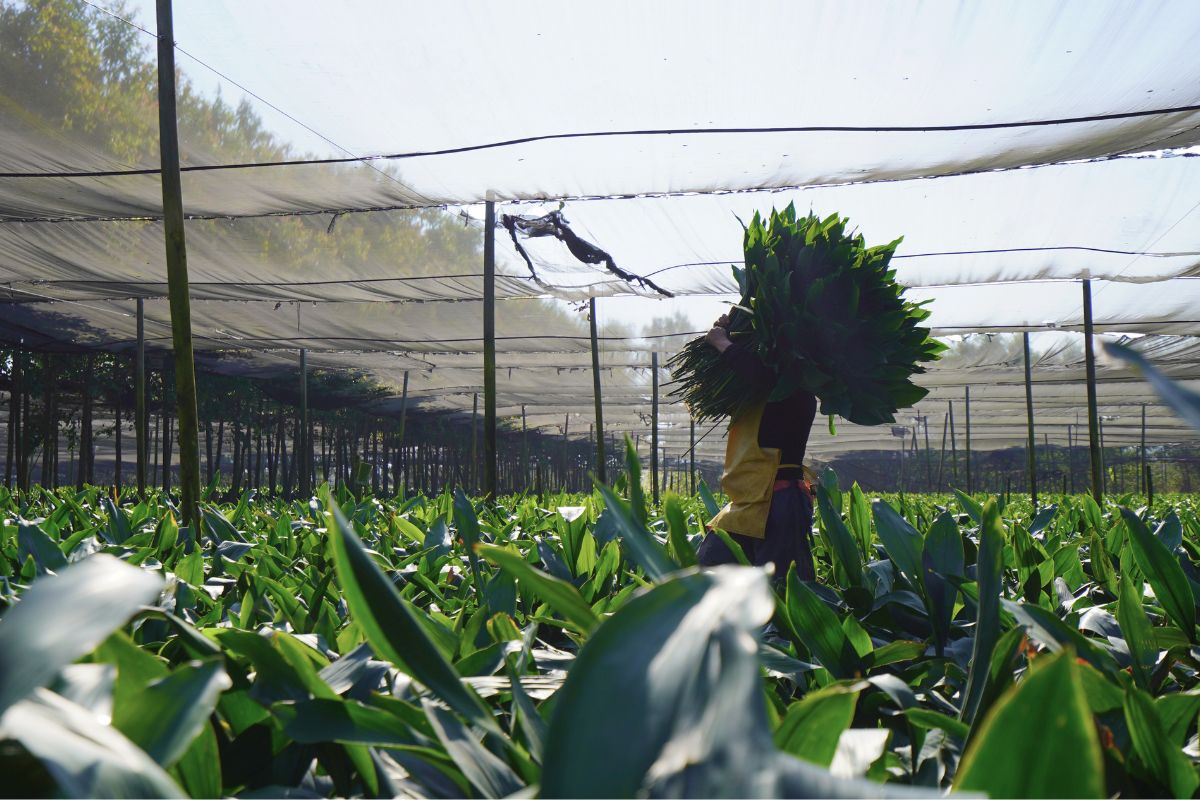
From harvest to packing, attention is placed on maintaining leaf quality and minimizing stress, ensuring that each stem arrives in optimal condition. For florists and designers, this reliability translates into foliage that performs well in arrangements, maintaining its structure and appearance throughout its use.
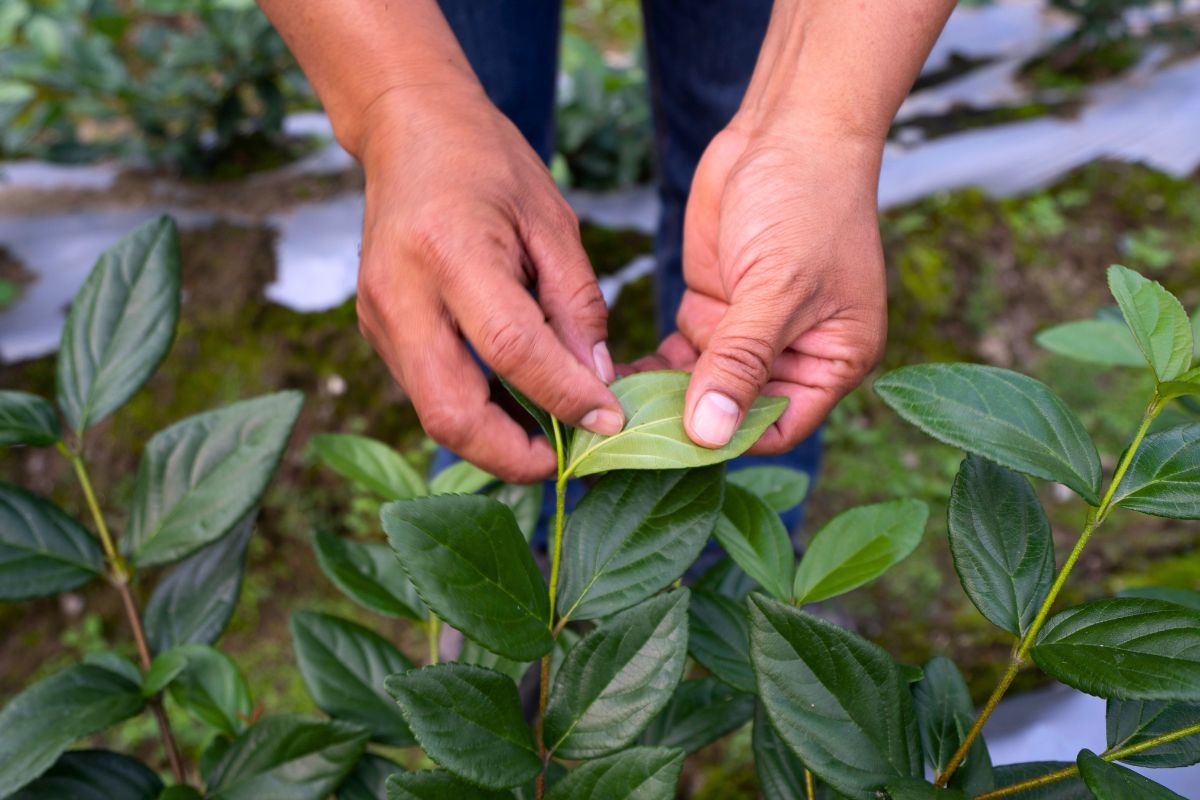
This is the story of how foliage travels from the fields to florists worldwide.
Field Conditions That Make a Huge Difference
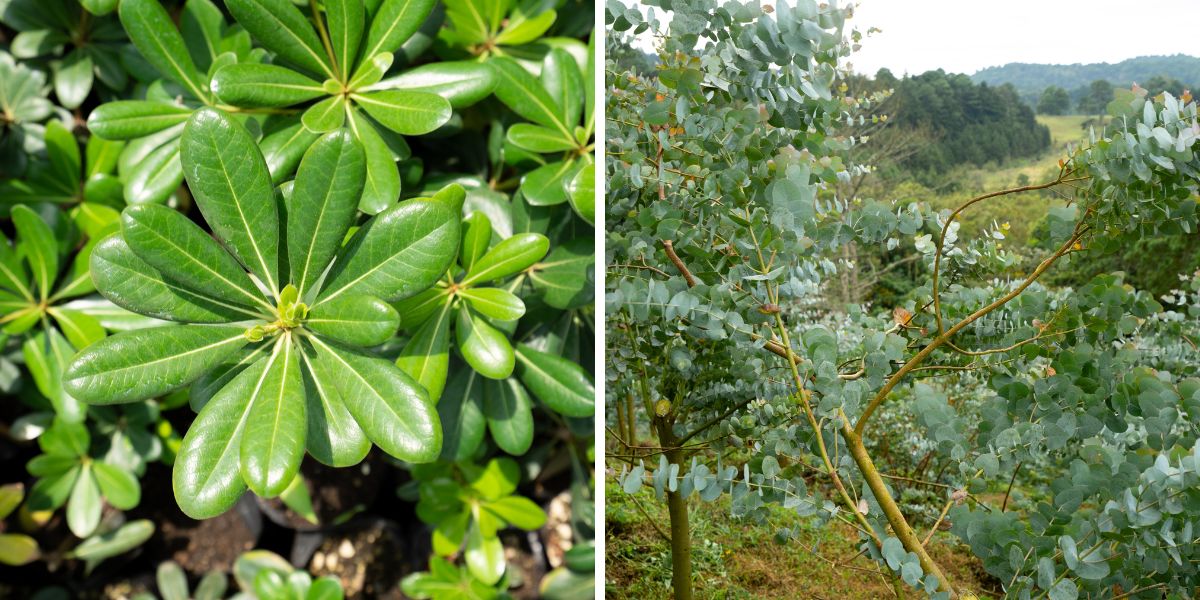
Did you know TAK's foliage is cultivated across several farms in Central America, where tropical climates and fertile soils create ideal growing conditions for a wide range of greens? From classic industry staples to specialty foliage, the company produces varieties used by designers and wholesalers globally, including the popular:
- Leatherleaf fern
- Aralia
- Pittosporum
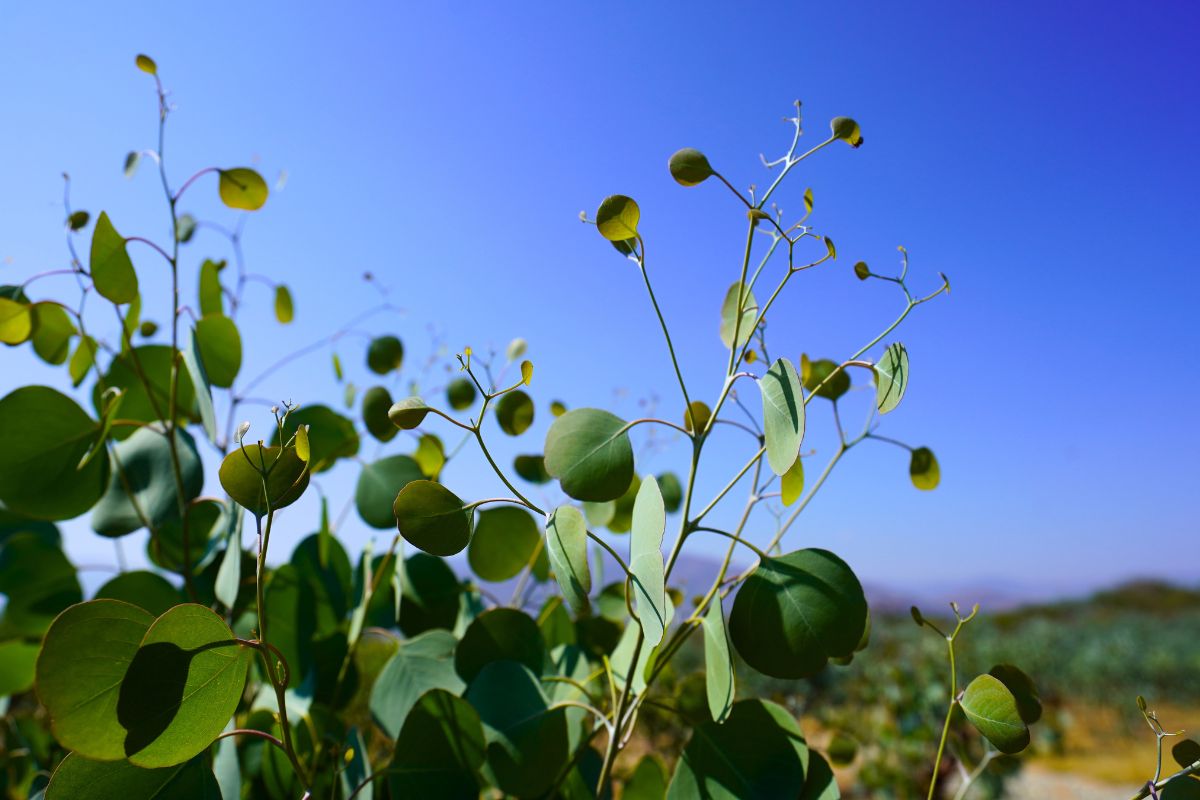
- Eucalyptus varieties
- Viburnum
- Aspidistra
PS: If you haven't heard or used any of these incredible green foliages, this may be your sign to learn more about them and incorporate them in your designs.
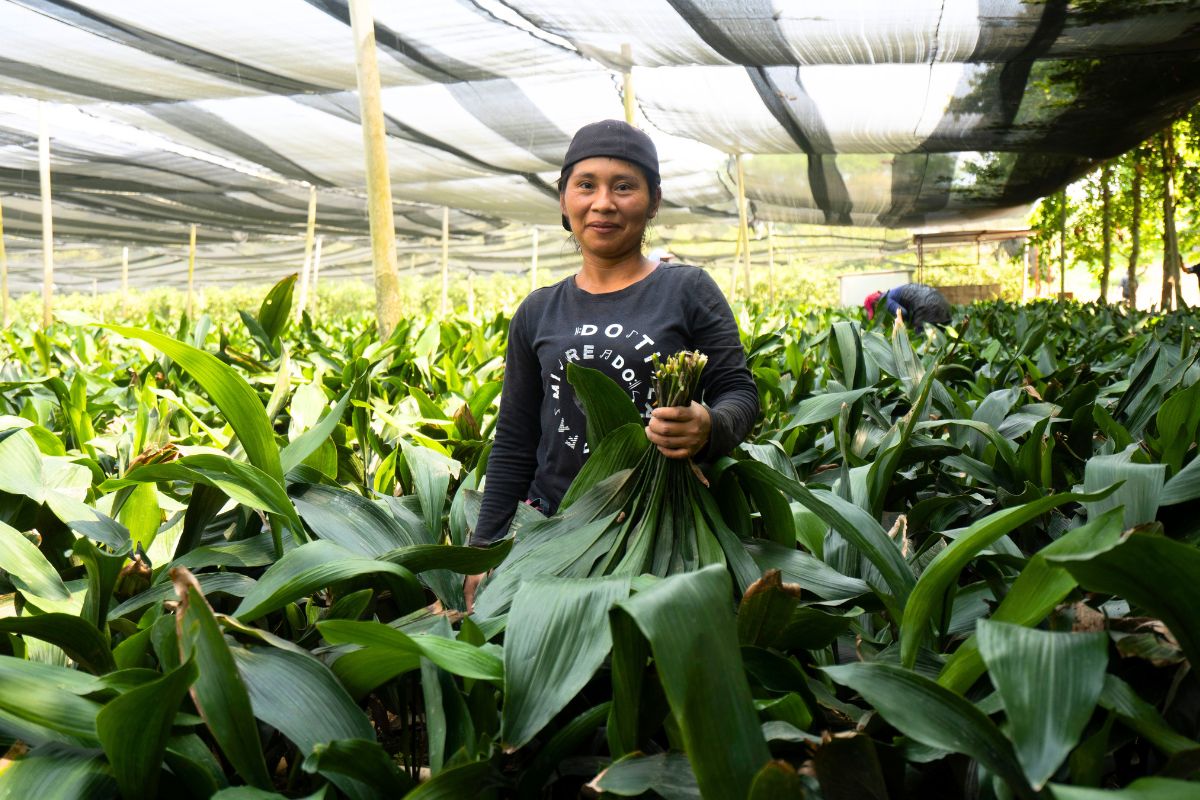
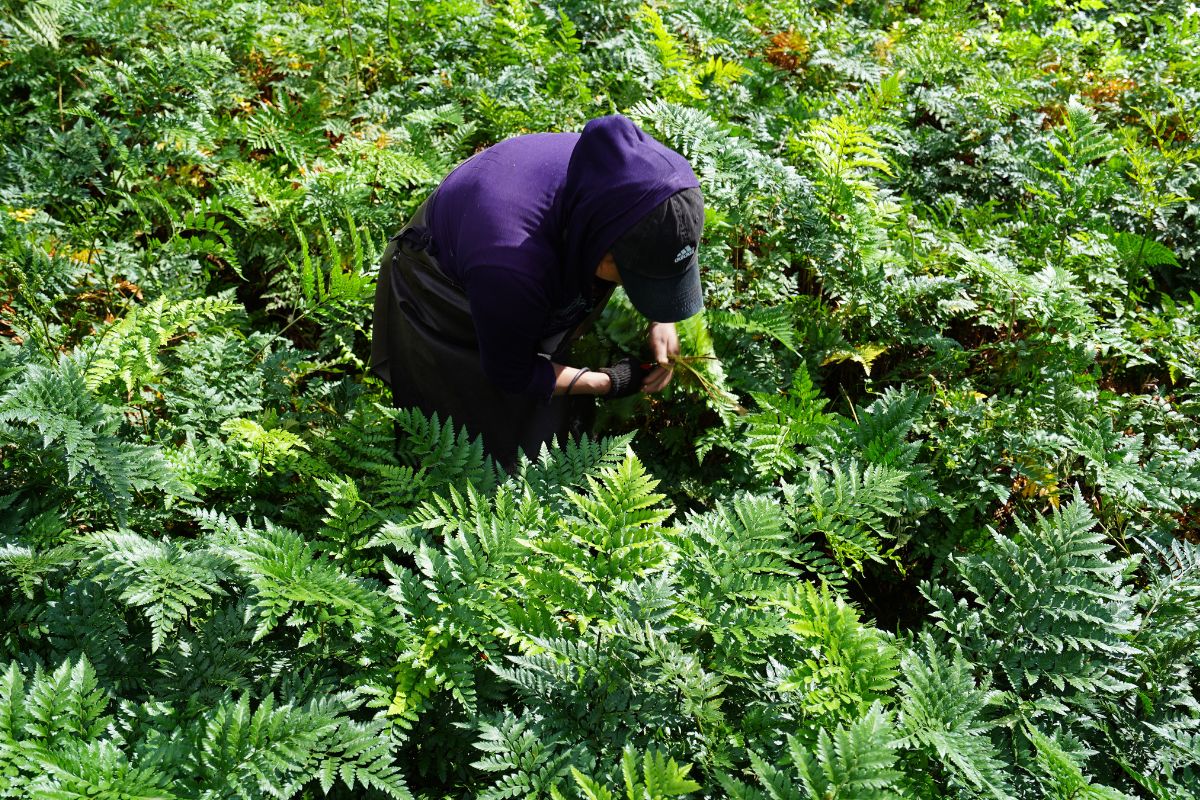
To have the premium quality that characterizes every product, each crop follows strict cultivation and harvesting protocols designed to make sure there is consistency in stem length, color, and durability. Harvesting typically happens early in the morning, when temperatures are cooler and foliage quality is at its peak.
From Harvest to Packing at Peak Precision
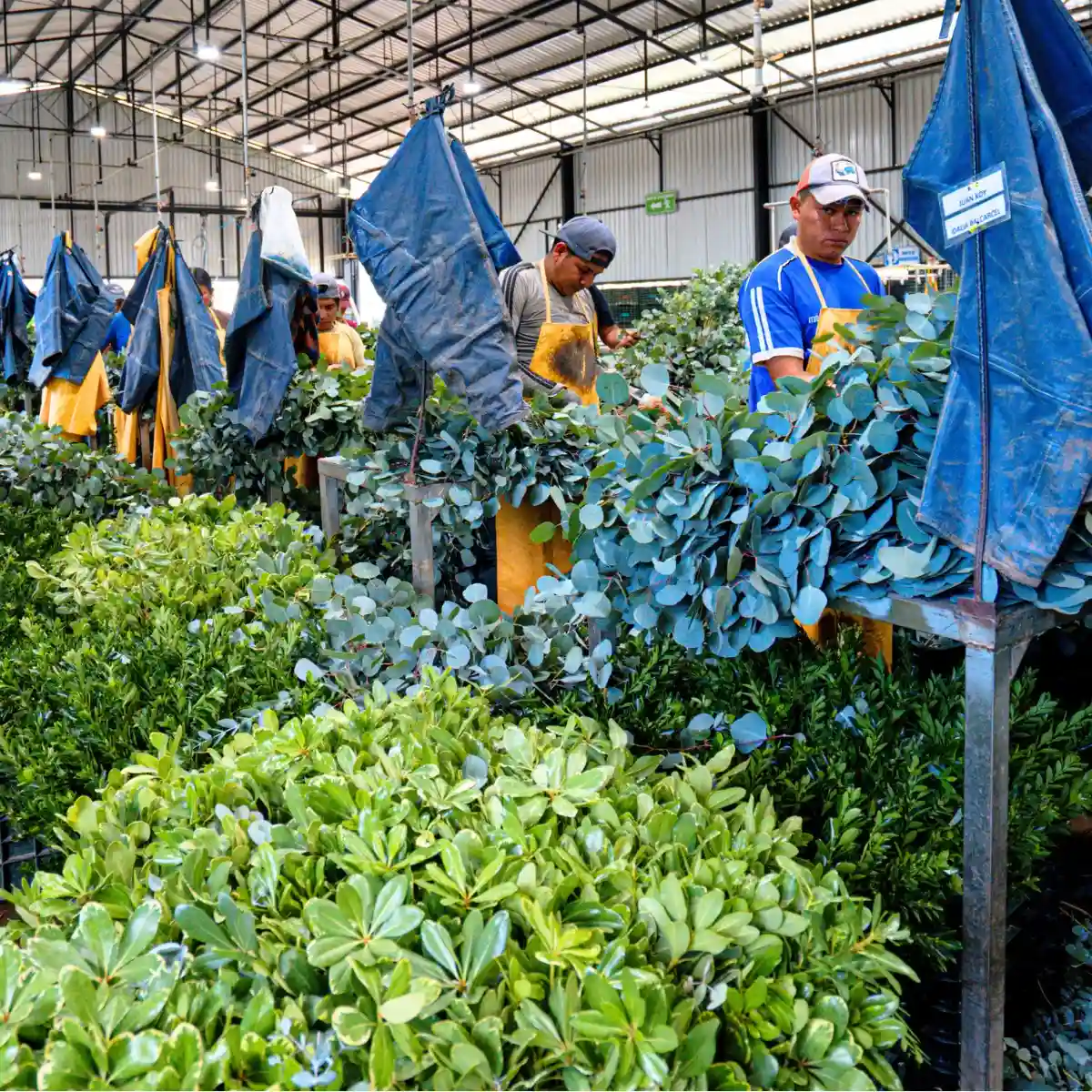
The journey from field to box is carefully managed to maintain freshness. Immediately after harvesting, foliage is transported to packing facilities where it undergoes a series of quality steps, such as:
- Hydration and conditioning
- Careful grading and sorting
- Bunching according to international market specifications
- Protective packaging to maintain freshness
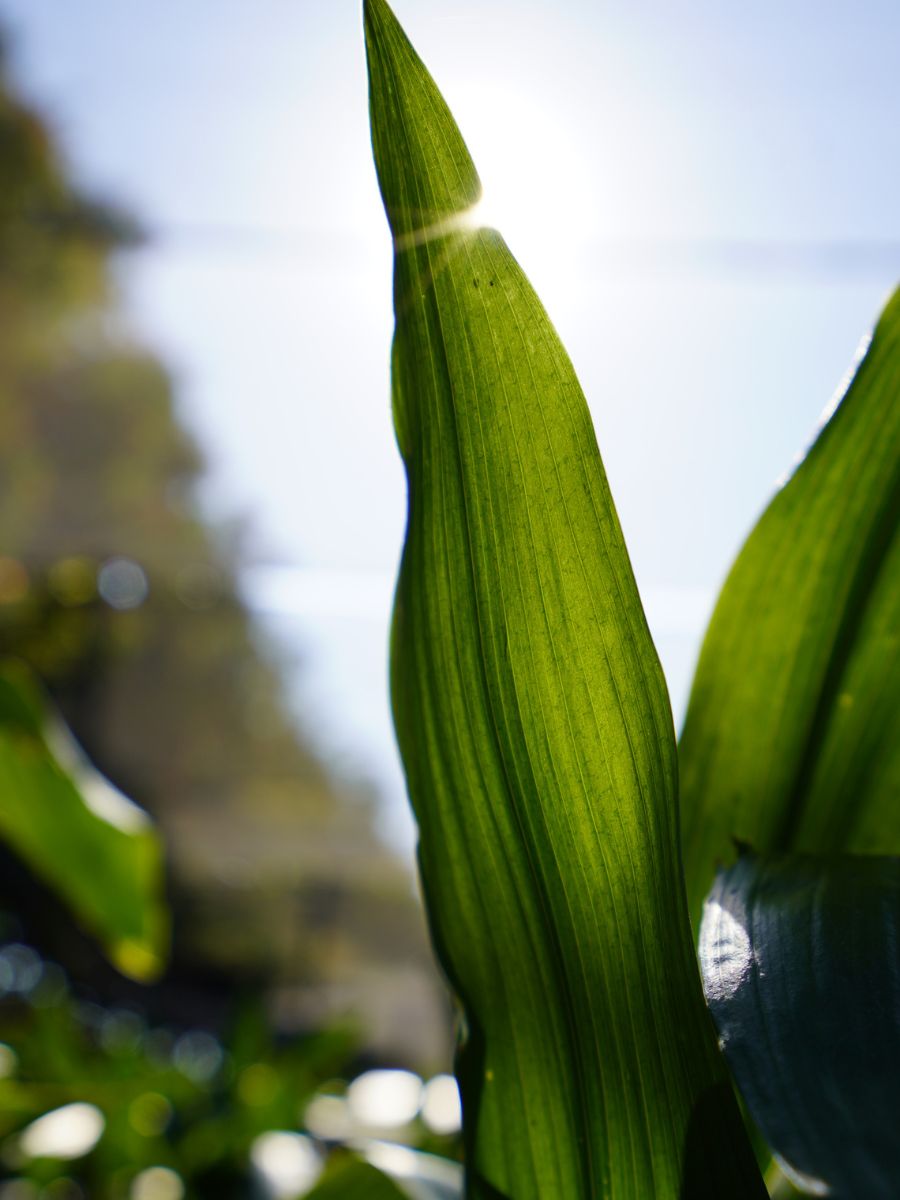
Specialized packaging systems are used depending on the foliage type and destination market. These can include sleeves, liners, or vacuum packaging designed to protect the foliage during long-distance transportation. You must remember that every detail matters, from ventilation to moisture control, to guarantee that foliage maintains its quality during transit.
The Logistics Behind TAK's Global Foliage Supply
Moving foliage internationally requires coordination across multiple logistics partners, regulatory bodies, and transportation systems.
TAK exports foliage to markets including:
- United States
- Europe
- Asia
- Australia
Air freight plays a key role in maintaining freshness, especially for long-distance destinations. Shipments are carefully scheduled to minimize transit time while ensuring compliance with phytosanitary regulations required by importing countries.
Temperature control and cargo handling procedures are essential parts of the process, helping preserve the structural integrity and longevity of each stem. To export successfully across multiple regions, foliage producers must meet strict agricultural and regulatory requirements. These may include phytosanitary inspections, traceability protocols, quality grading standards, and compliance with international agricultural certifications
These standards ensure that foliage entering global markets meets the expectations of wholesalers, retailers, and designers alike.
Supporting Designers Around the World With Premium Foliage
For florists and floral designers, reliable foliage supply means creative freedom. Consistent quality allows designers to focus on their skills, knowing that each stem will perform as expected in arrangements, installations, and event work. From everyday bouquets to large-scale floral installations, foliage from Central America continues to support creative professionals across the floral industry.
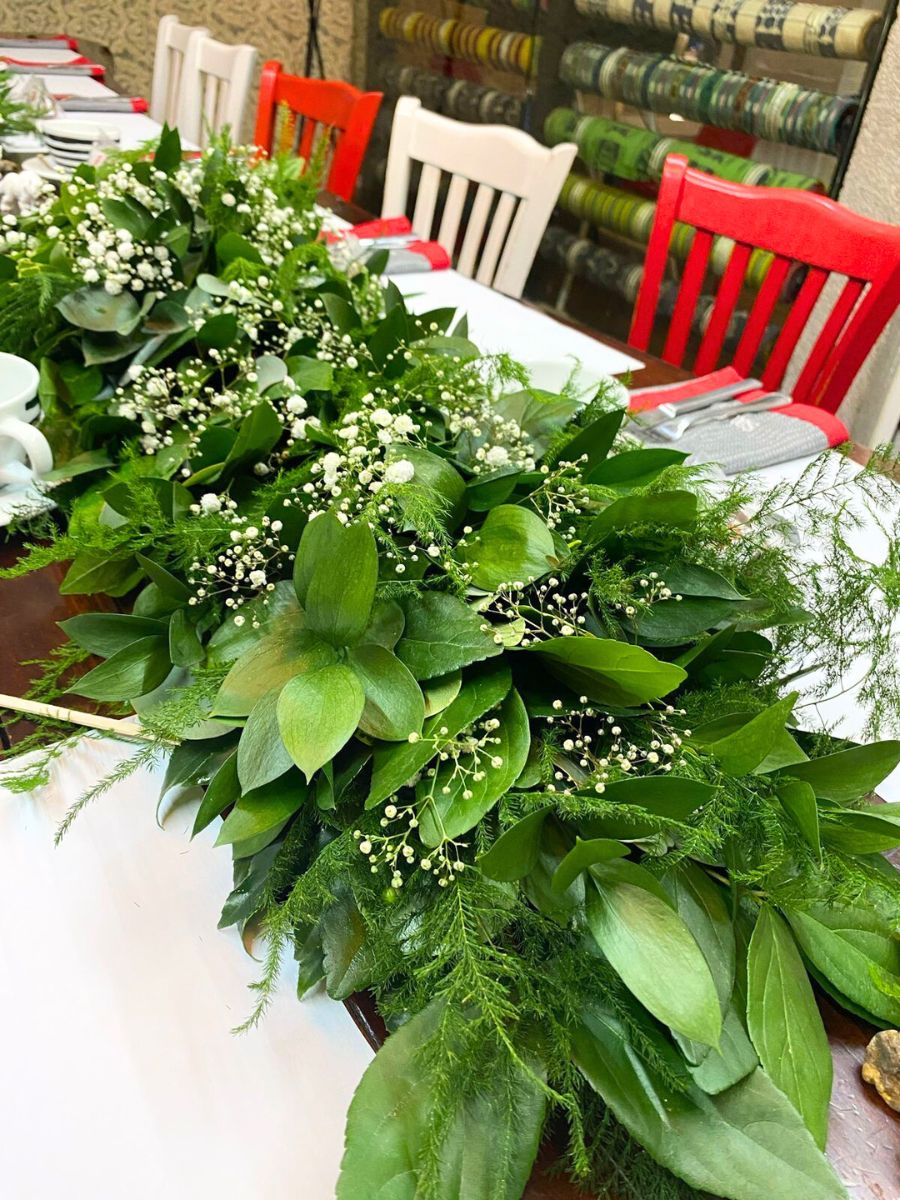
As demand for greenery and foliage continues to grow, the global supply chain behind these products becomes increasingly important. By combining agricultural knowledge, logistics expertise, and international partnerships, TAK keeps providing fresh foliage from Central America to designers and floral professionals worldwide.
Photos courtesy of TAK.