Sustainability within the floral and agricultural industries increasingly requires more than isolated environmental initiatives. It requires long-term operational strategies that integrate responsible production, resource efficiency, waste management, and environmental preservation into daily farm activities. Across the agricultural sector, companies are being challenged to adopt systems that not only improve productivity but also reduce environmental impact while supporting the long-term resilience of farming operations.
Integrating Sustainability Across Agricultural Operations
Within this context, TAK Global continues to strengthen its environmental practices through initiatives focused on the reutilization of organic waste, implementation of renewable energy, development of recycling systems, and conservation of ecosystems across its farms. Through practical and scalable measures, the company integrates sustainability into different stages of agricultural production, supporting more responsible operational models while contributing to environmental stewardship within the regions where it operates.
Farms in between the greens
Organic Waste Management and Vermicomposting Systems
One of the environmental practices implemented across all TAK farms is the use of vermicomposting systems designed to manage and repurpose organic waste generated during production processes. Organic residues first undergo a decomposition stage before being transferred into dedicated vermicomposting areas, where biological processes transform the material into nutrient-rich compost and humus.
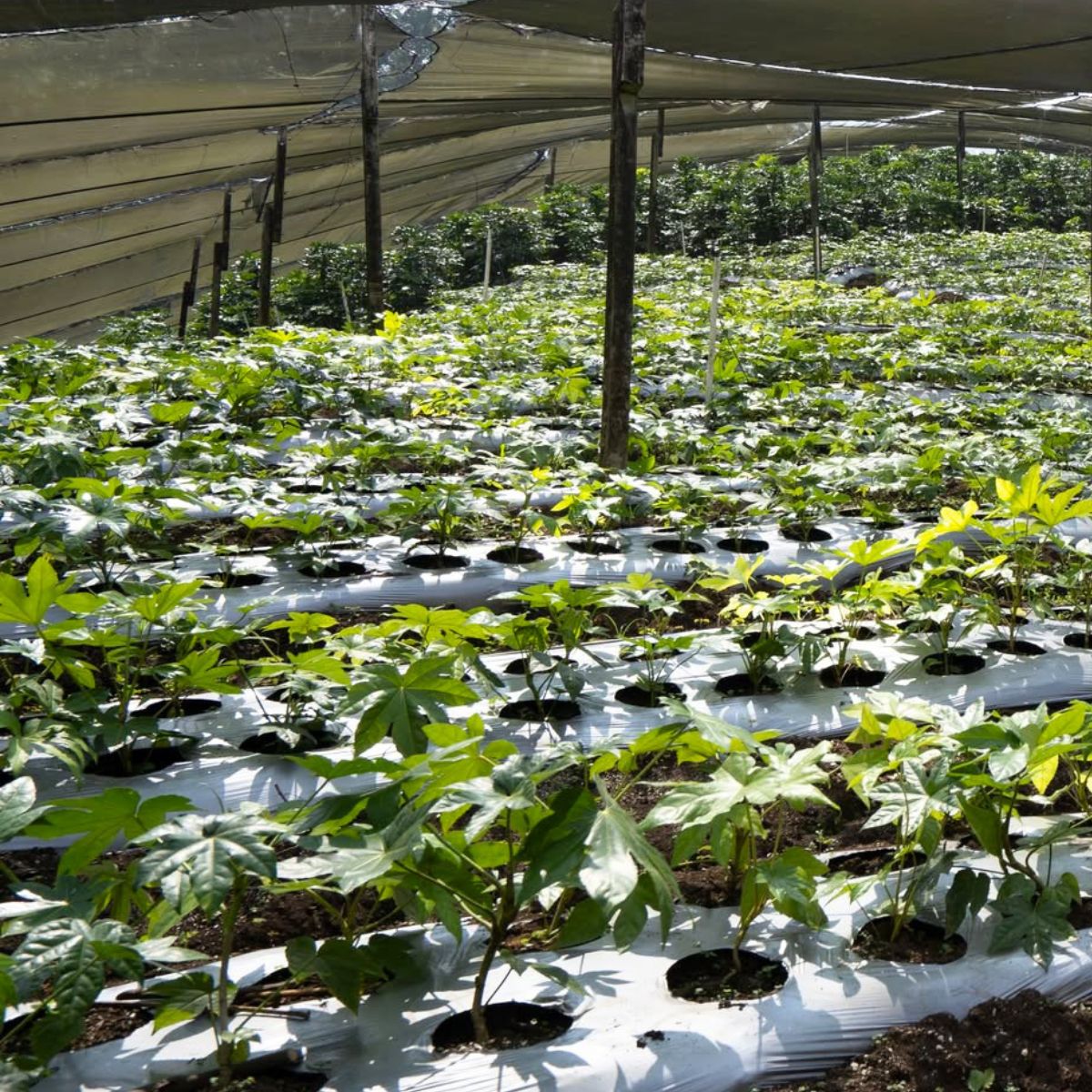
This process allows organic matter that would otherwise become waste to be reincorporated into agricultural production as natural fertilizer. The resulting vermicompost contributes to soil enrichment while reducing dependence on external chemical inputs. Beyond waste reduction, this practice supports improved soil structure, nutrient availability, and microbial activity within cultivation systems.
The implementation of vermicomposting also reflects a broader circular approach to agricultural management, whereby byproducts generated during production are reintegrated into the cultivation cycle. By converting organic residues into reusable agricultural inputs, TAK promotes resource optimization while minimizing unnecessary waste accumulation across farm operations.
Renewable Energy Through Solar Panel Integration
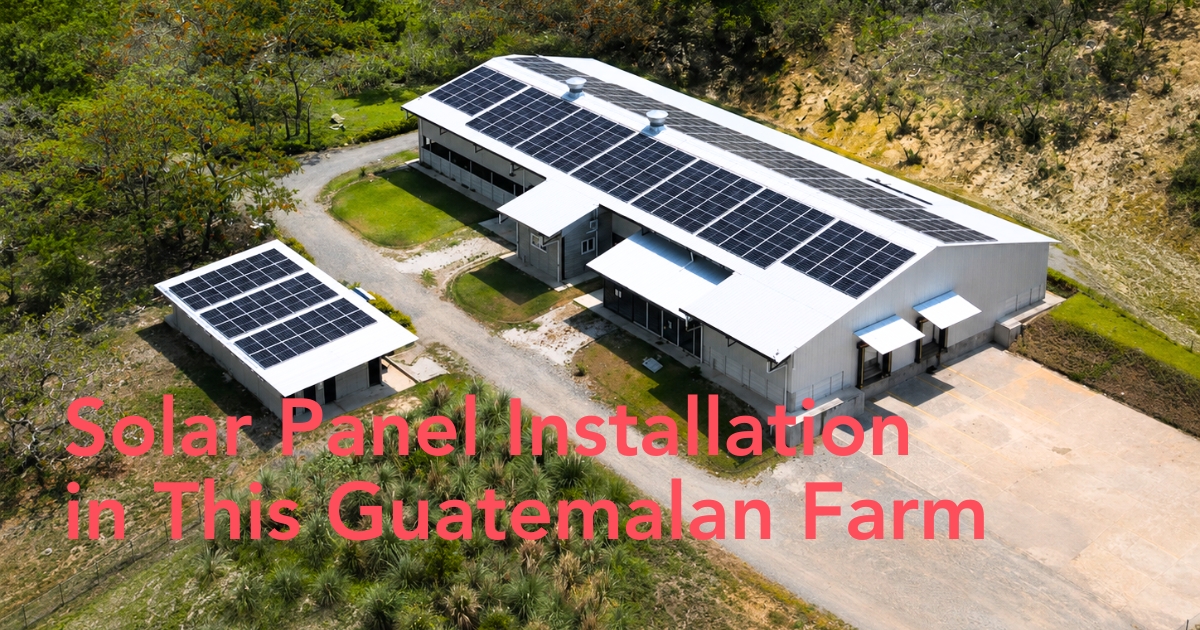
As part of its sustainability strategy, TAK has also incorporated renewable energy systems into its agricultural operations through the installation of solar panels on selected farms. Currently, solar energy systems are operational at Topicultivos I and Costa Sol, while the company continues working toward expanding this infrastructure across additional farms in the future.
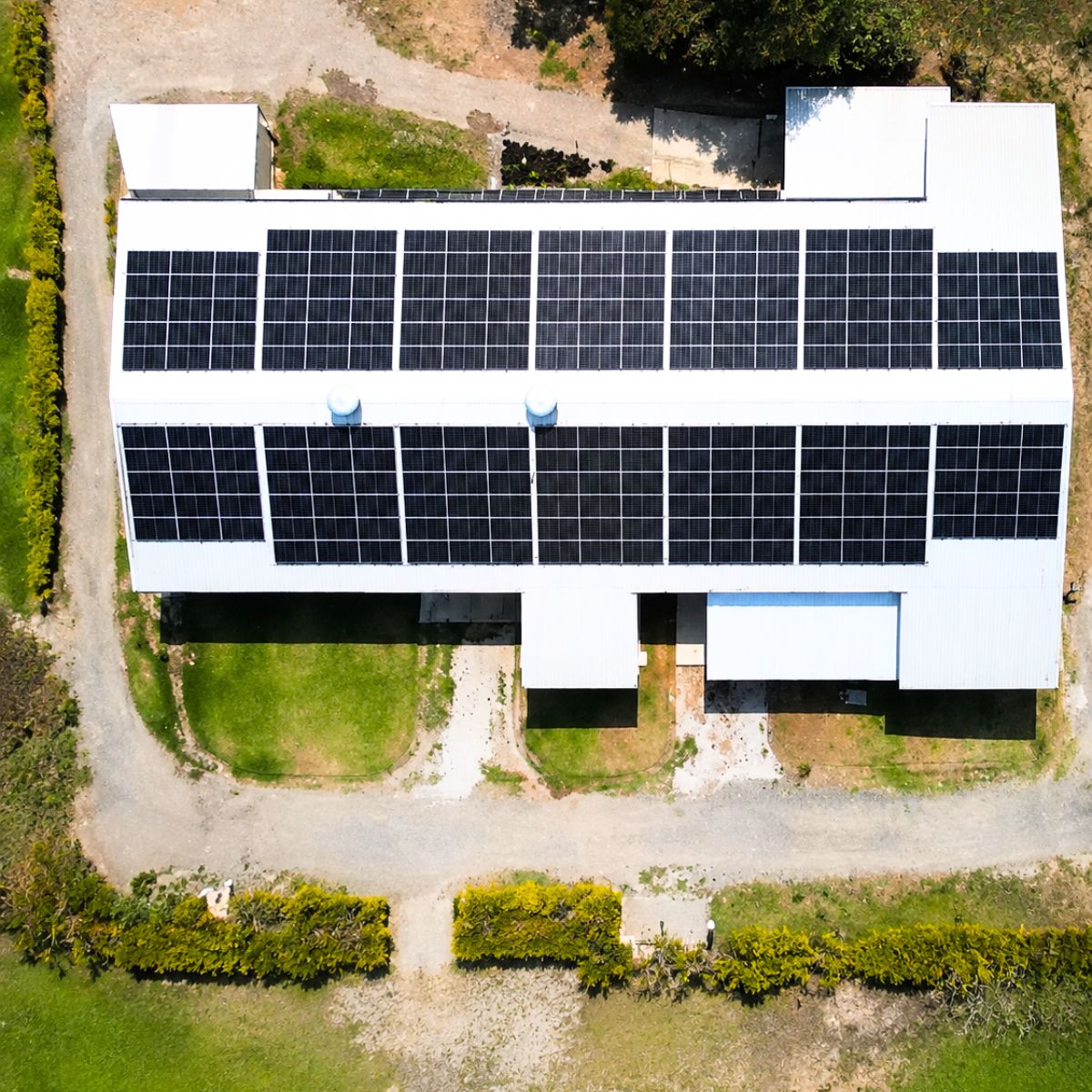
The implementation of solar panels at Topicultivos I has generated several operational and environmental benefits. Among them are the reduction of conventional energy consumption, lower operational costs, and the strengthening of sustainable production practices within the farm’s agricultural activities.
Within modern agriculture, renewable energy integration has become increasingly relevant as producers seek to improve energy efficiency while reducing dependence on traditional power sources. Solar systems allow agricultural operations to stabilize part of their energy consumption while contributing to lower greenhouse gas emissions associated with conventional electricity generation.
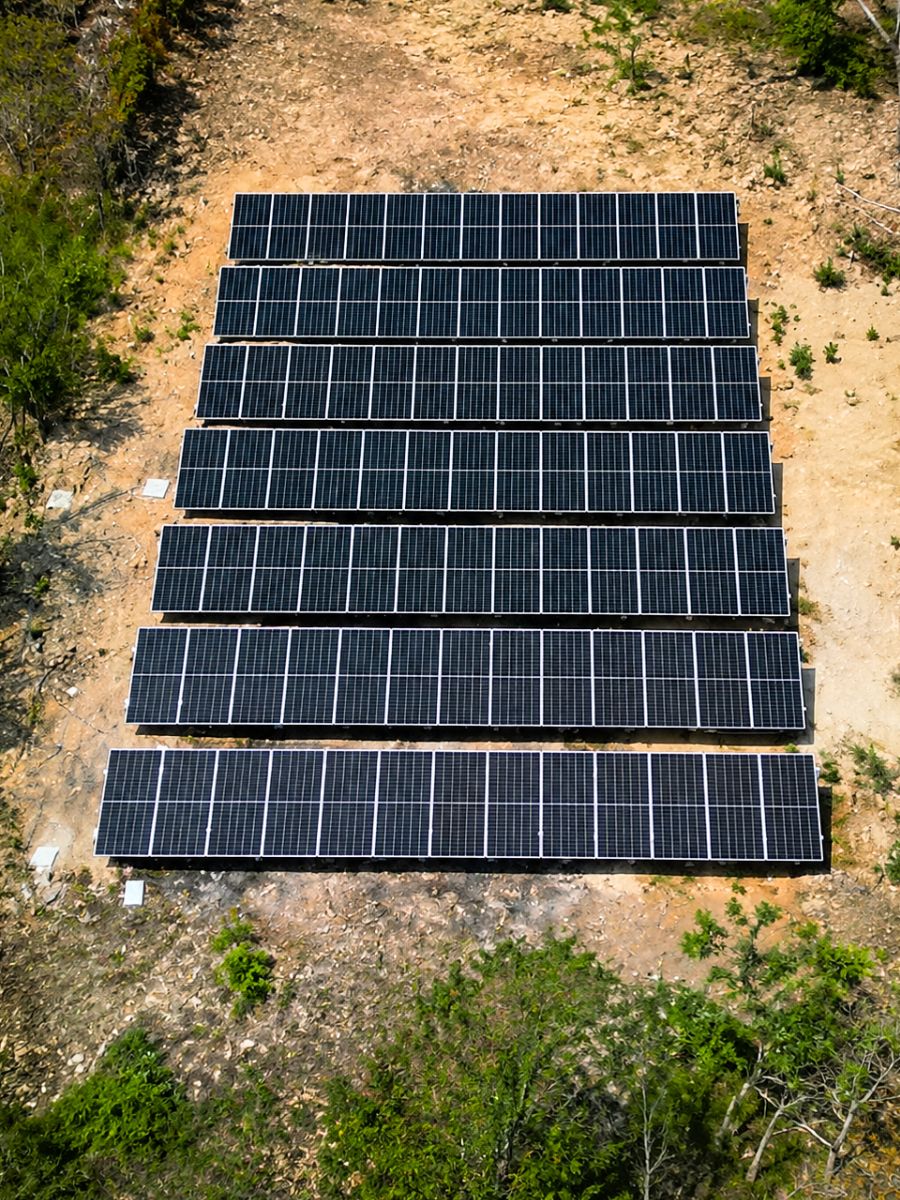
For agricultural companies operating across large-scale production systems, renewable energy adoption also represents a long-term investment in operational resilience. The gradual expansion of solar infrastructure across TAK farms reflects a growing commitment to integrating cleaner technologies into agricultural production while aligning environmental responsibility with operational performance.
Recycling Systems and Resource Separation
Recycling practices also form part of the Guatemalan company's environmental management strategy across its farms. Waste separation systems have been implemented through the placement of designated collection containers that allow different types of residues to be classified directly within operational areas.
Once separated, classified waste materials are transferred to larger storage areas within the farms where they can later be reused, processed, or managed appropriately according to their characteristics. This system supports more organized waste handling procedures while reducing unnecessary disposal and encouraging material reutilization wherever possible.
Waste classification within agricultural operations plays an important role in improving environmental efficiency, particularly in production systems where multiple materials are used daily. Through structured recycling practices, companies can better control waste streams, reduce environmental contamination risks, and promote more responsible use of resources throughout production cycles.
Environmental Preservation and Reforestation Efforts
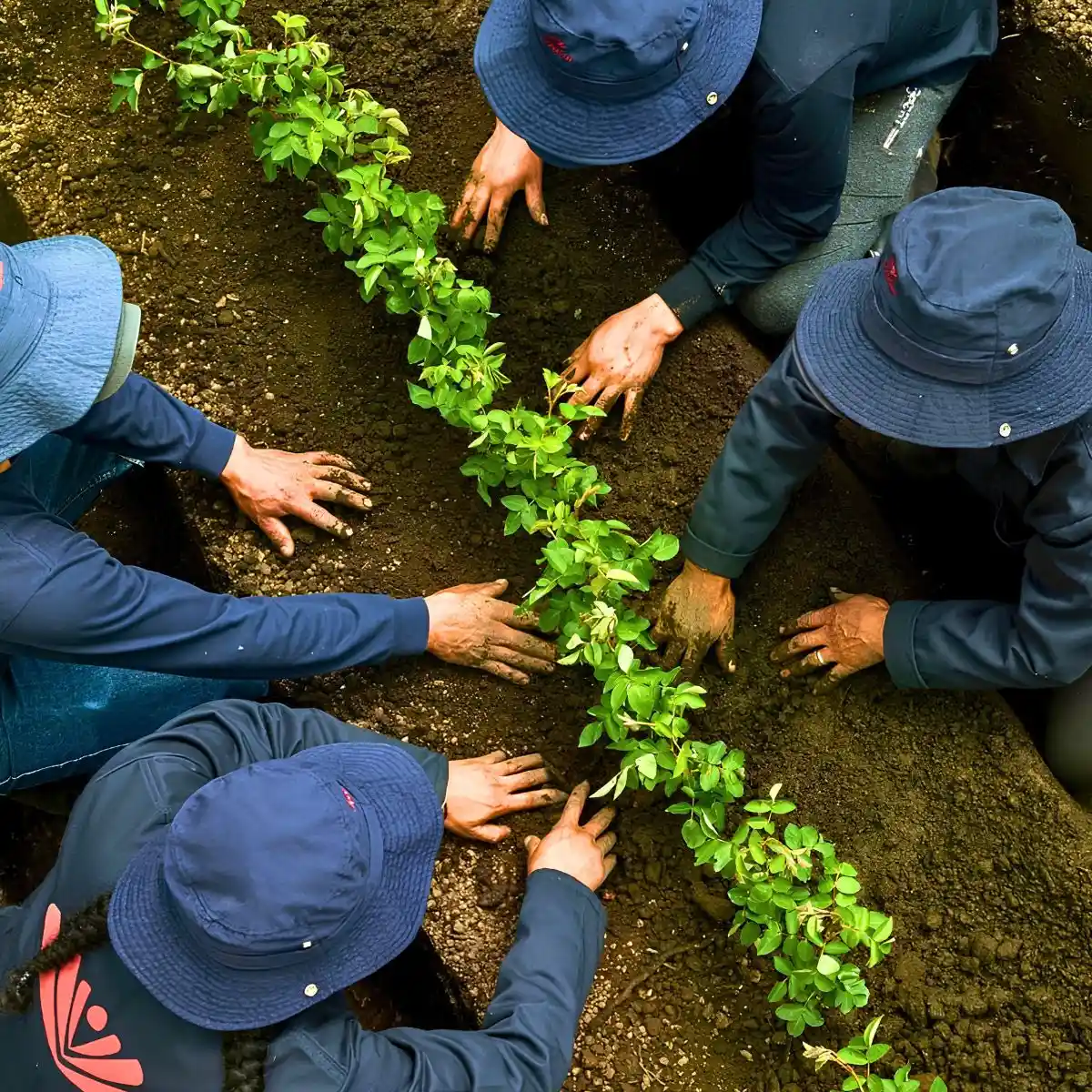
In addition to operational sustainability measures, the team also focuses on preserving the surrounding environmental conditions within and around its farms. Reforestation activities are carried out wherever possible using native species adapted to local ecosystems.
The use of native vegetation in reforestation efforts supports biodiversity conservation while helping maintain ecological balance within agricultural landscapes. Native species are generally better adapted to local climatic and soil conditions, allowing them to contribute more effectively to habitat restoration and long-term environmental stability.
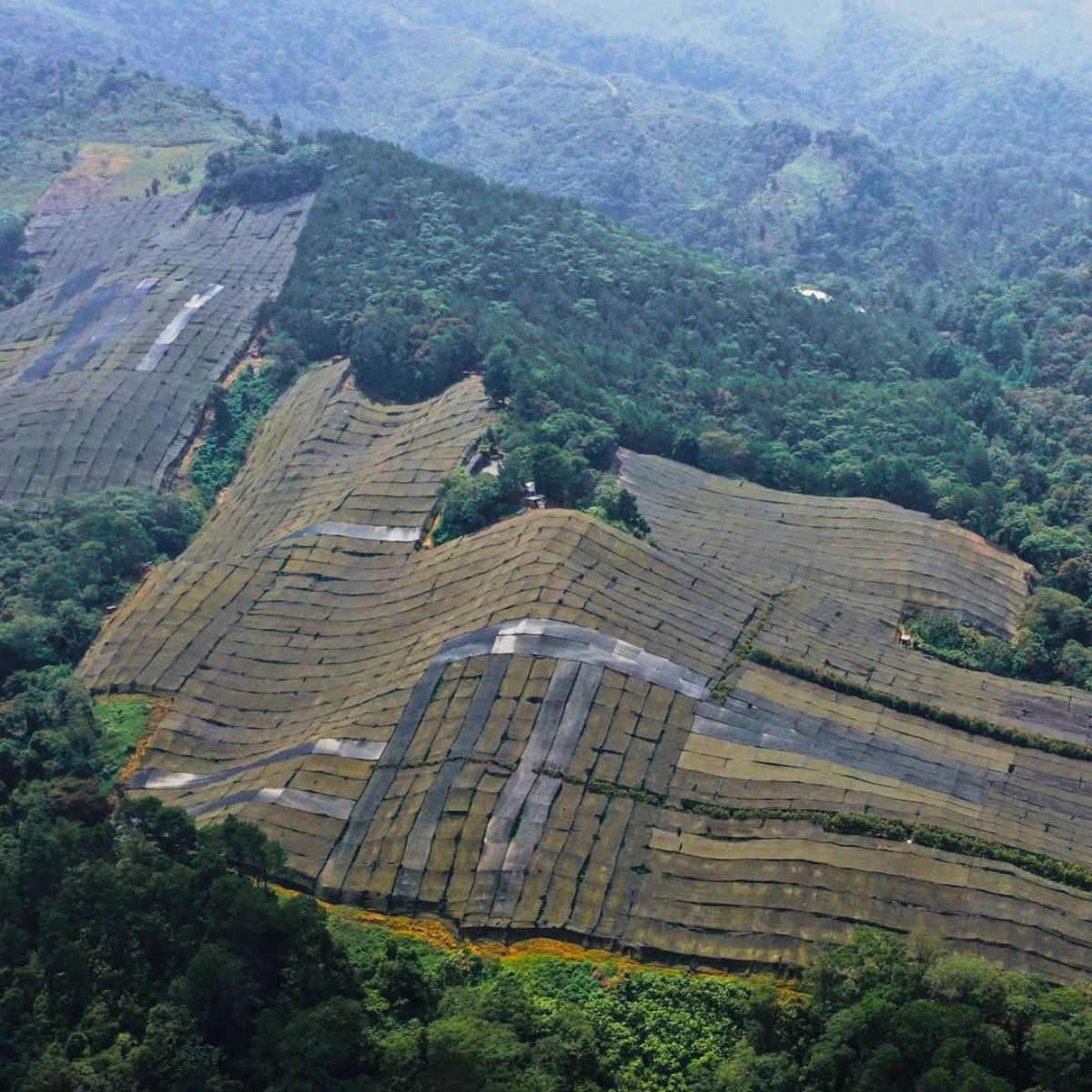
Additional environmental maintenance activities include the cleaning and conservation of farm boundaries and surrounding areas. These practices contribute to maintaining healthier agricultural environments while supporting landscape preservation and ecosystem management.
Sustainability – An Integrated Agricultural Approach
Through initiatives focused on organic waste reutilization, renewable energy implementation, recycling systems, and environmental conservation, TAK Global continues to develop agricultural practices that integrate operational efficiency with environmental responsibility.

The company’s approach reflects a broader integration of environmental practices within daily farm management. As sustainability continues to become an increasingly important aspect of agricultural production worldwide, practices such as circular waste management, renewable energy adoption, and ecosystem conservation remain essential components in building more resilient and responsible farming systems for the future.
Photos courtesy of TAK.