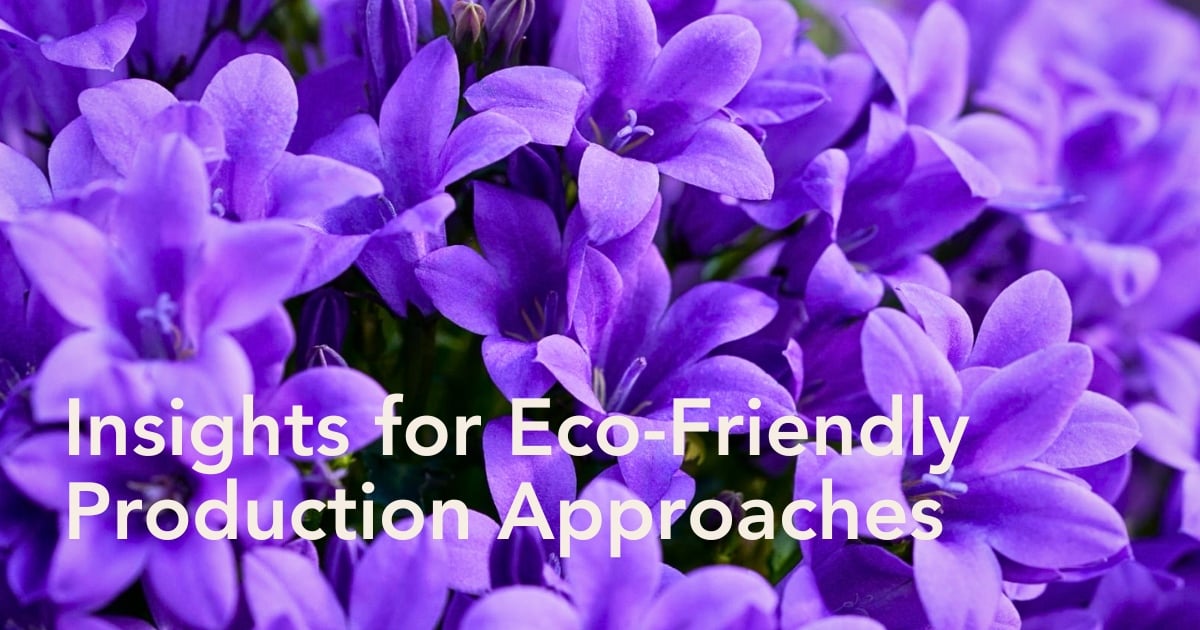
Leading Dutch growers' association Addenda, known for unique brands like Hebe Addenda®, Campanula Addenda®, and Summerfans®, has partnered with Greenhouse Sustainability, leveraging the latter’s expertise to collect and analyze sustainability data and gain more insights into the environmental impact of their products and entire supply chain. This includes providing insights to manage their ecological data, addressing the growing market demand for transparent, eco-friendly production approaches
Strategic Collaboration for Data-Driven Sustainability
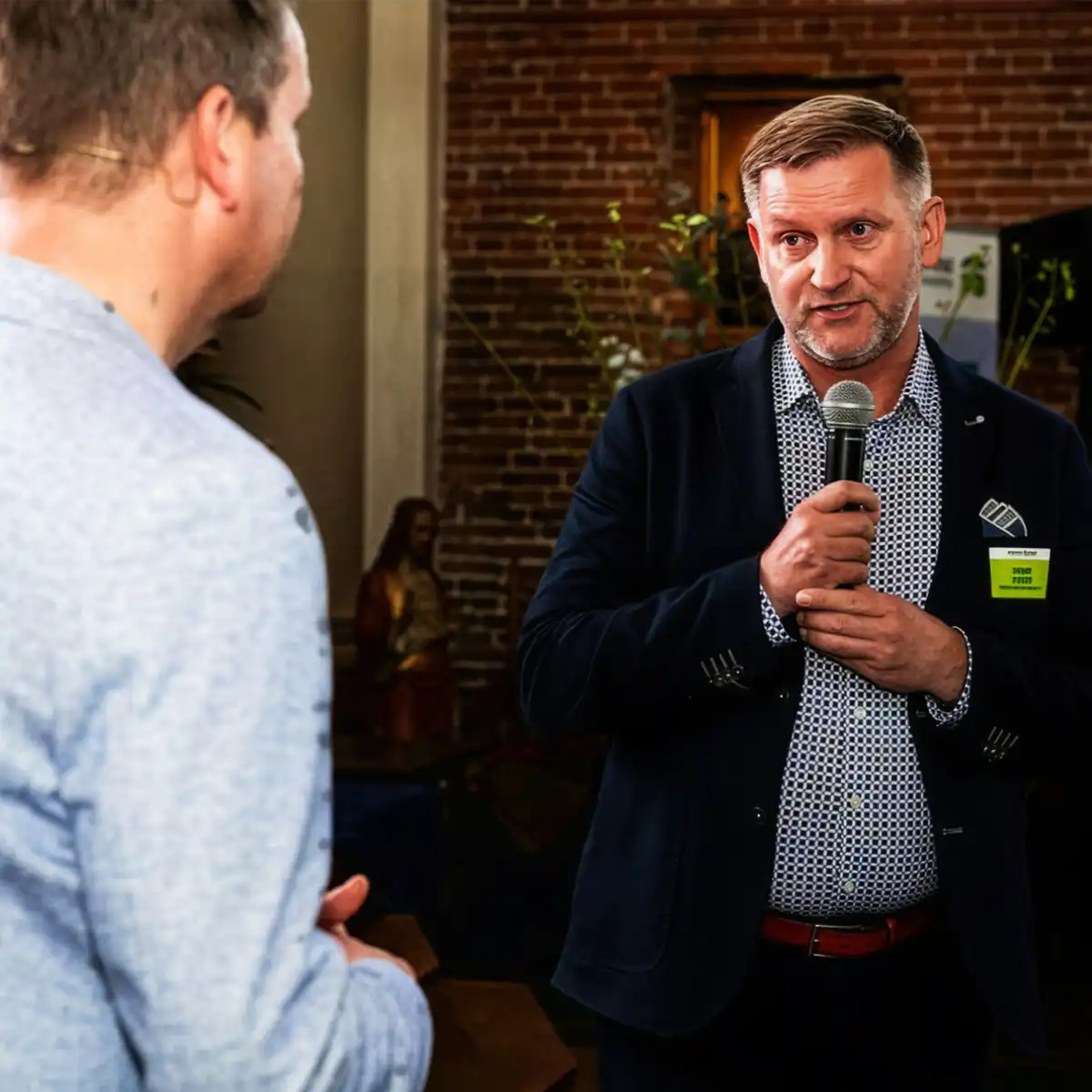
Addenda, a collective keen on the development, marketing, and long-term sustainability of specialized plant concepts, works with growers, breeders, and commercial supply chain partners to strengthen the market position of its brands. Marketing Manager Ewoud Meeuwissen notes that the partnership therefore means Addenda strengthens not only its products but also its brand’s market position.

Ewoud Meeuwissen:
“As a brand, we see that customers and consumers increasingly expect our products to be grown as sustainably as possible. It may not always be a strict requirement yet, but it is a clear expectation from the market. That’s why we believe it’s important to keep taking steps forward as a collective.”
An Essential Component of Resilient Business Operations
In modern horticulture, sustainability is an essential component of resilient business operations, as commercial clients and retail consumers expect products to be produced with minimal environmental impact. Ecological metrics are a market expectation that collective groups must address, and to meet these expectations, Addenda settled on Greenhouse Sustainability as its primary analytical partner.
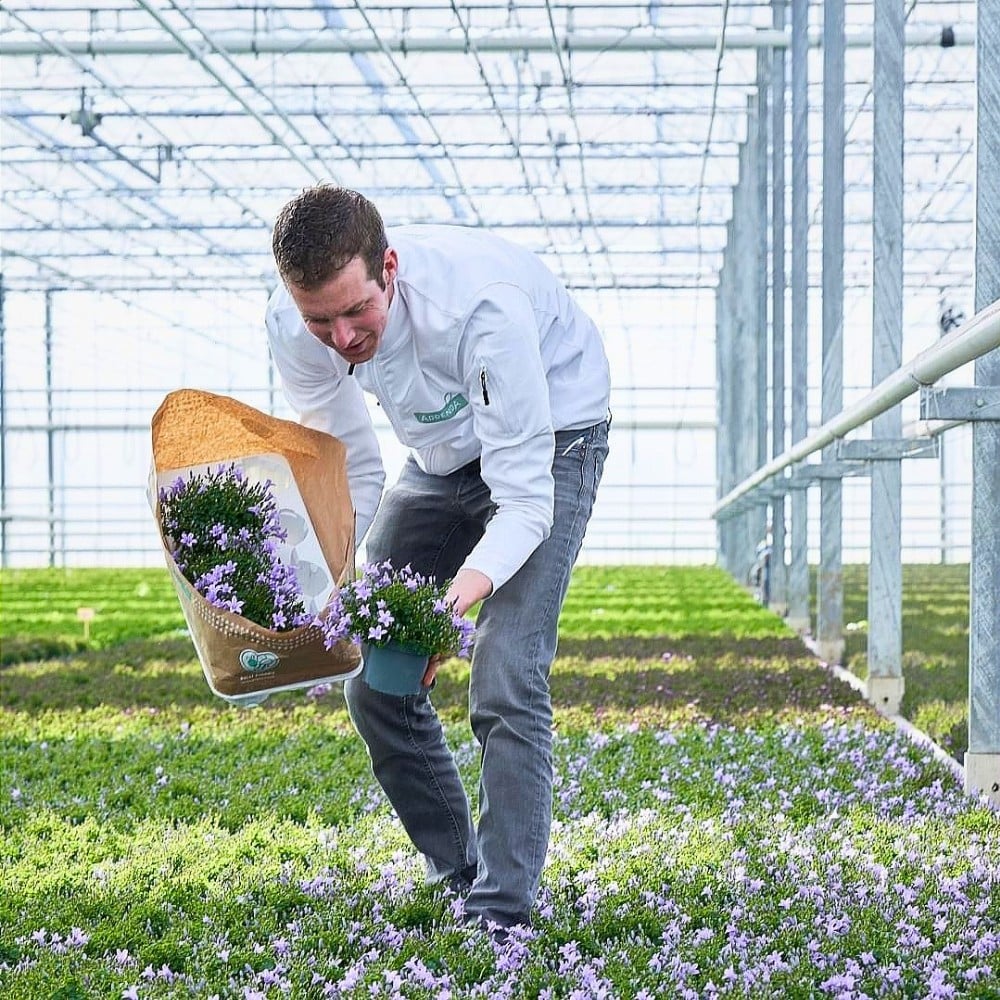
The organization measures environmental footprints within the sector by collecting and evaluating environmental data, enabling growers to gain a transparent view of their footprint and establish a reliable baseline for their strategic sustainability decisions and operational adjustments.
The 2040 Sustainability Ambition
Addenda structured its long-term strategy around a comprehensive environmental roadmap toward 2040. The blueprint defines specific targets across varied environmental themes, including water management, crop protection strategies, Life Cycle Assessments (LCA), circular fertilizers, energy efficiency, and biodiversity conservation. Each area requires operational parameters and targeted projects to accelerate ecological improvement.

Their approach means the association’s individual members are able to implement the relevant practical changes within their facilities. Water management projects focus on recycling irrigation water, while crop protection initiatives aim to reduce chemical inputs through integrated pest management.
Circular fertilizers involve sourcing nutrients from recycled organic waste streams to minimize extraction. Energy efficiency metrics help nurseries reduce carbon emissions during production cycles, and biodiversity programs support ecosystem health around production areas. Greenhouse Sustainability assists in tracking compliance across these metrics.
Life Cycle Assessment and Key Themes
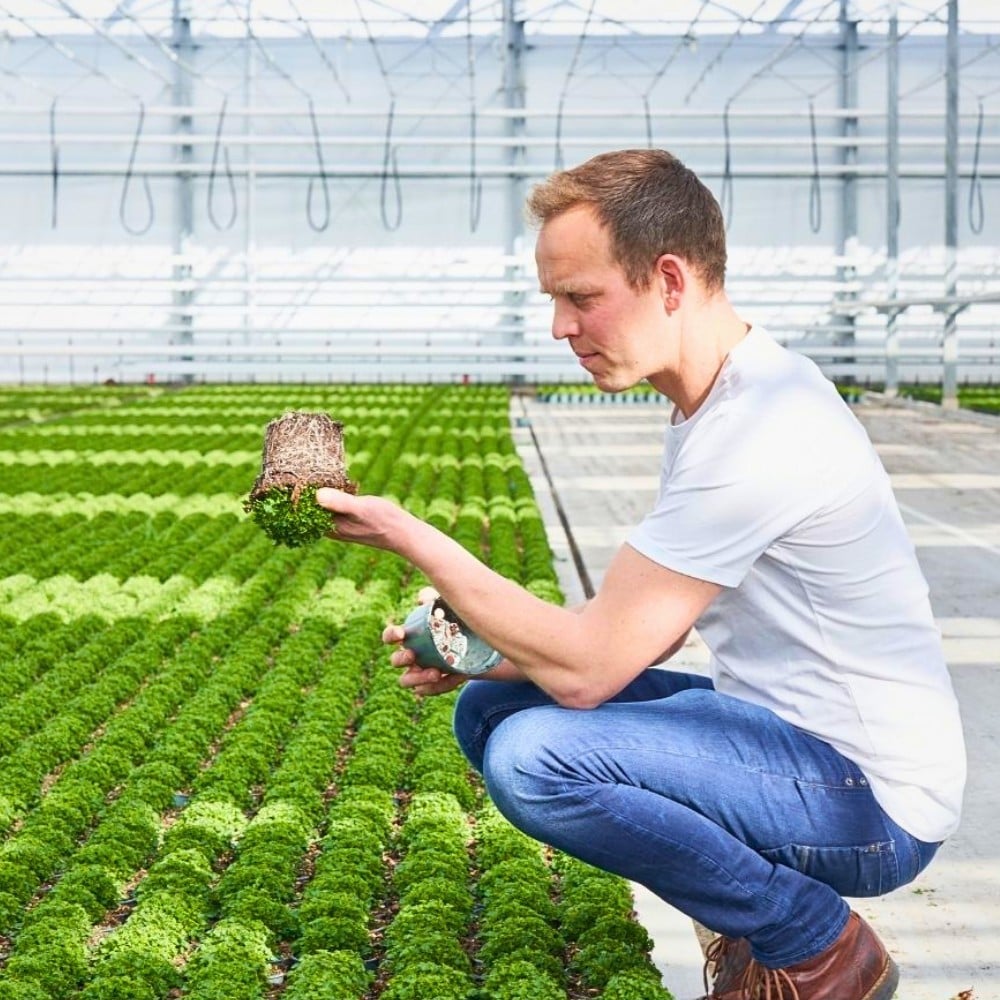
The LCA framework provided by Greenhouse Sustainability tracks the environmental burdens associated with a product throughout its lifespan, from raw material to final disposal. For container plants, this assessment evaluates the environmental costs of plastic pots, soil substrates, logistics, heating, and chemical treatments.
Ewoud Meeuwissen:
“[Essentially] within each theme, we set up concrete projects and actions together with our growers and partners to accelerate sustainability. This is how we translate our ambition step by step into practice.”
Greenhouse Sustainability plays an all-round role, according to Ewoud. He says: “We were looking for a partner who could not only provide insight into our environmental impact but also help us translate those insights into concrete improvements. Greenhouse Sustainability supports us in collecting and analyzing sustainability data. Together, we work towards more insight into the environmental impact of our products and supply chain, so we can make better-informed choices.”
Insights for Concrete Actions
Analyzing these factors through a standardized scientific methodology removes speculation from sustainability claims. The resulting data provides information that identifies which production phases produce the highest emissions or consume the most resources. This identifies improvement opportunities, provides knowledge, and accelerates the sustainability of the chain.
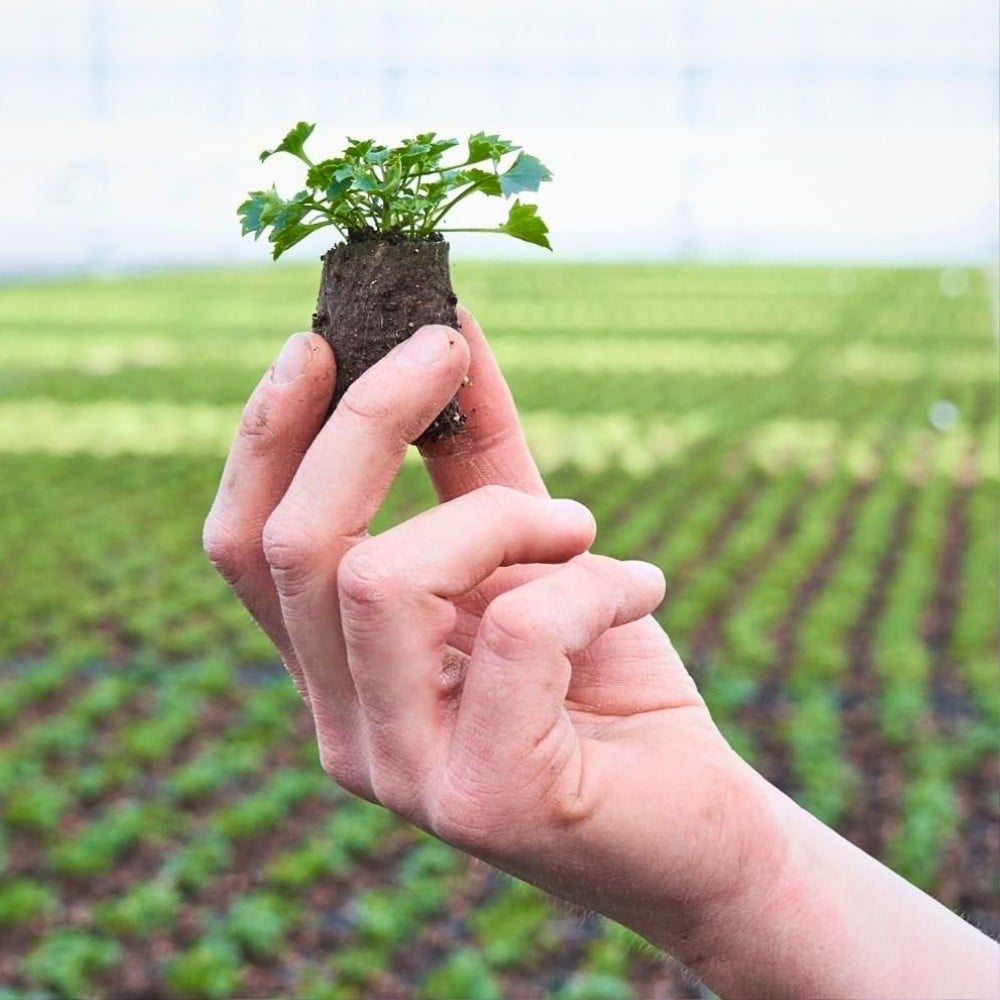
Insight is the basis for improvement, according to Ewoud. And by making their environmental impact transparent, Addenda can develop policies, set priorities, and translate the insights into solid actions for their growers, products, and concepts.
This way, Addenda works purposefully towards furthering sustainability, which they say is a shared responsibility. The growers' association, as a result, finds it important to also gain insight into the performance of their supply chain partners.
What Does This Mean for the Industry?
The proactive data collection methodology implemented by Addenda offers an effective model that could influence the wider industry. Voluntarily implementing rigorous statistical tracking sets a baseline for commercial transparency that competing brands, then, must eventually duplicate. Retailers and large-scale garden centers are increasingly incorporating environmental performance criteria into their protocols, making verifiable carbon accounting necessary for maintaining market access.
Furthermore, this collaborative project highlights the increasing importance of third-party validation. With such an established approach, growers can defend their sustainability declarations against stringent anti-greenwashing regulations. And for smaller individual nurseries or unaligned producers, it provides further incentive by showing that compliance requires a formal data infrastructure.

Prepared for Future Regulatory and Market Demands
Amid the evolving regulatory landscape, where European markets are introducing strict reporting requirements regarding carbon accounting, pesticide residues, and plastic waste management, those proactively evaluating their environmental output maintain a significant competitive advantage. Yet Addenda is building into this insight step by step.
Ewoud Meeuwissen:
“Based on this, we develop policies and implement targeted actions within product development, cultivation, and supply chain collaboration. Our ambition is to grow our products as well and as sustainably as possible and to keep progressing as a collective.”

Addenda, he adds, is keen on structurally integrating sustainability into product development, cultivation, and market development, so it continually meets the expectations of customers and consumers and remains prepared for future developments. This also means that the collective protects its market share while building an environmentally responsible production model.
Photos and reels: @addendaplants.