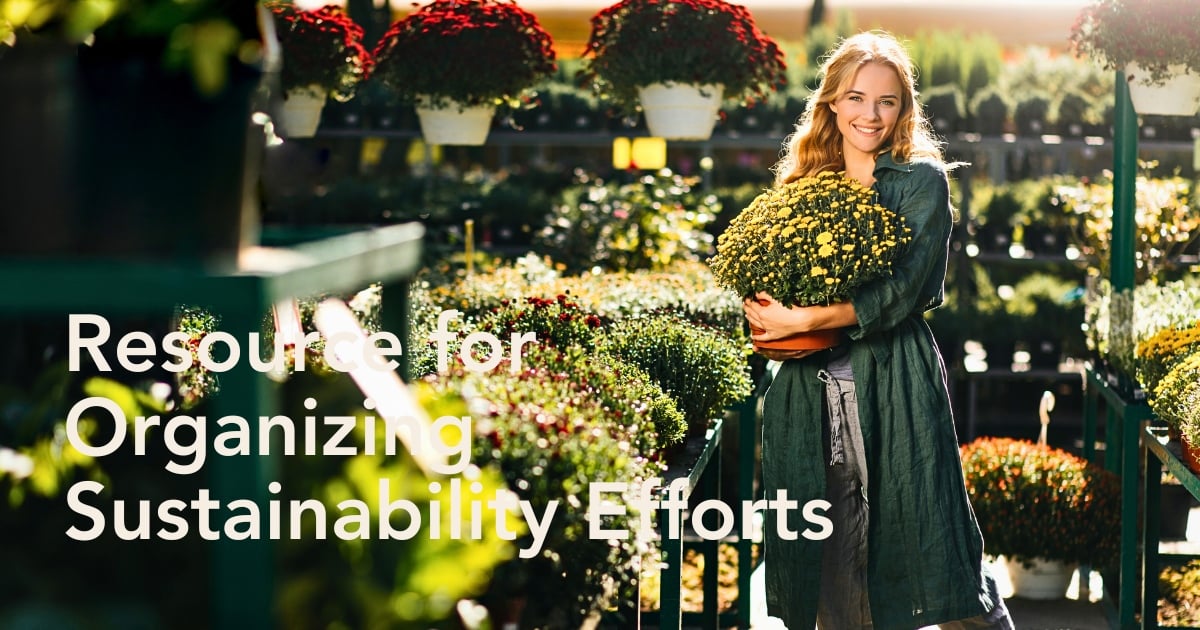
Sustainabloom, the initiative by the American Floral Endowment that helps the floral industry put sustainability research into practice, has released the free Sustainability Planning Template for Flower Growers.
Developed with input from growers, researchers, and industry partners, this practical resource helps production teams evaluate current practices and build a tailored sustainability plan. The template addresses the crucial need of organizing sustainability efforts without forcing a one-size-fits-all approach onto different growing operations.
A Resource Built by the Industry and for the Industry
The template was shaped by conversations across the floral industry about the need for practical, actionable resources, as growers often noted that sustainability can feel overwhelming, especially when added to the long list of their other daily operational responsibilities.
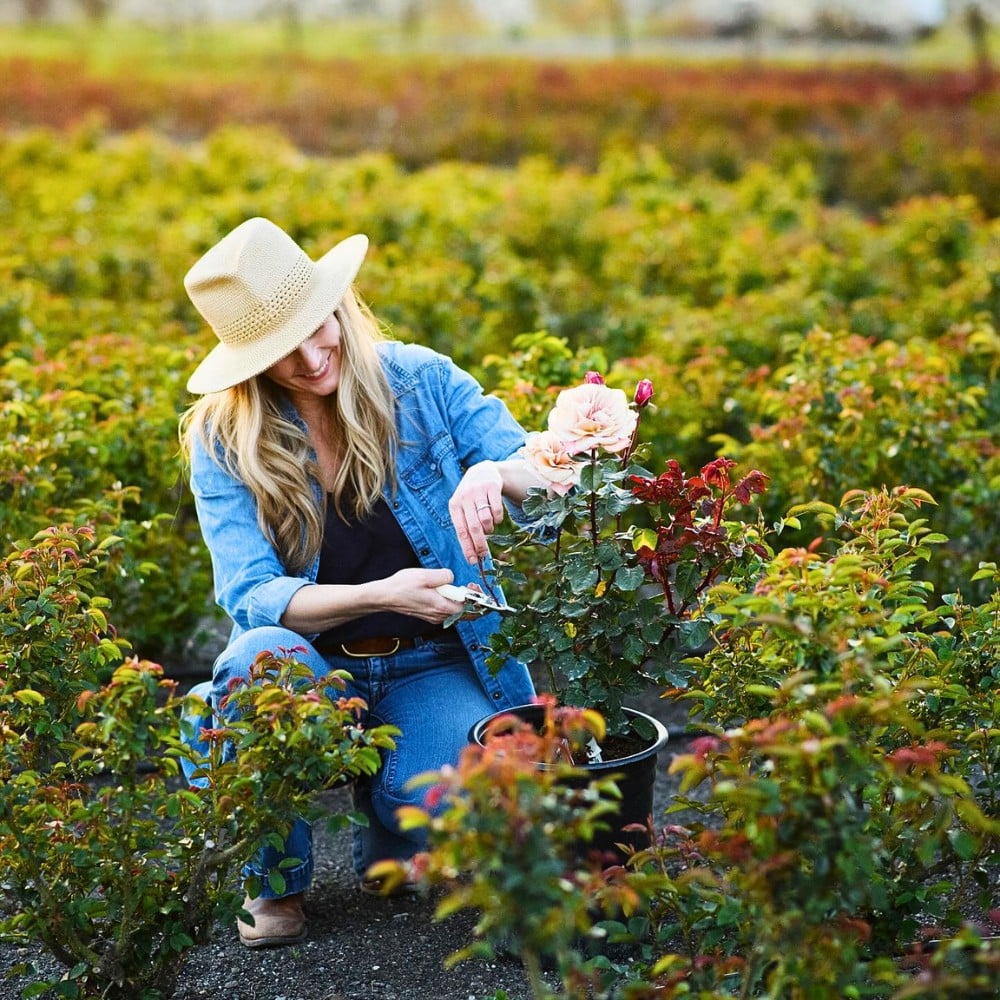
Dr. Amanda Solliday, senior manager of Sustainabloom, noted that the goal was to create a tool that these growers could easily use to identify a few priorities and build on work they are already doing.
Sustainabloom Senior Manager, Dr. Amanda Solliday:
"We know growers are busy, and sustainability can feel like one more thing to think about. Our goal was to create a tool that growers can sit down with, identify a few priorities, and build on the work they're already doing."
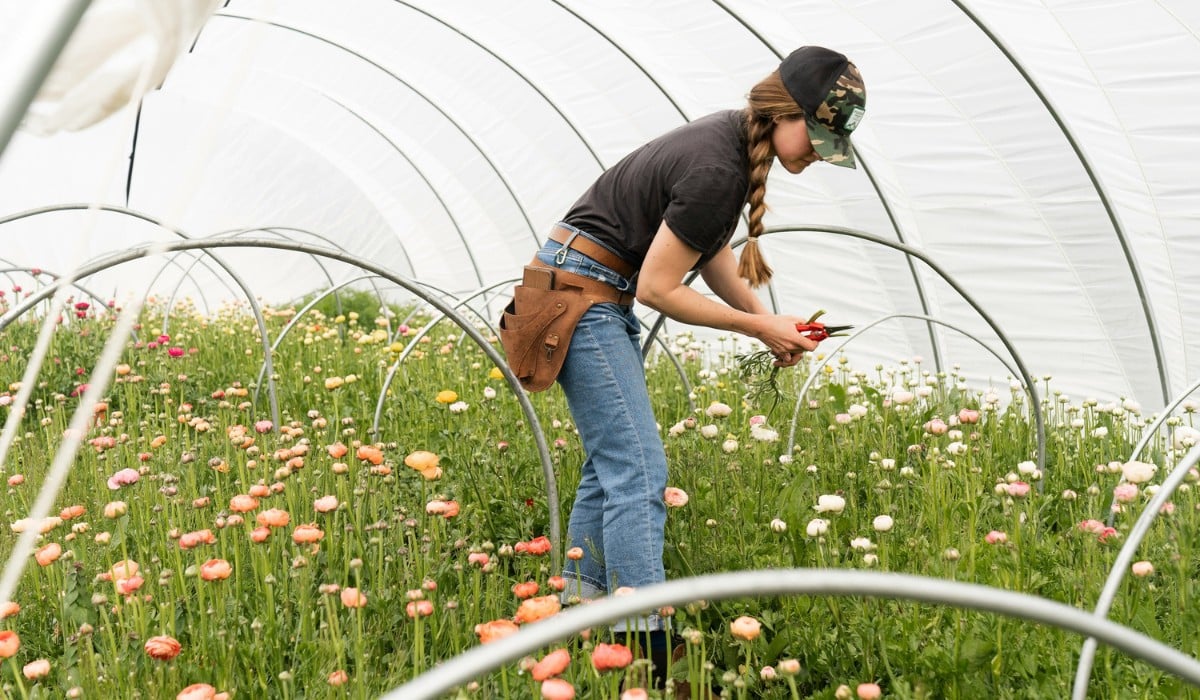
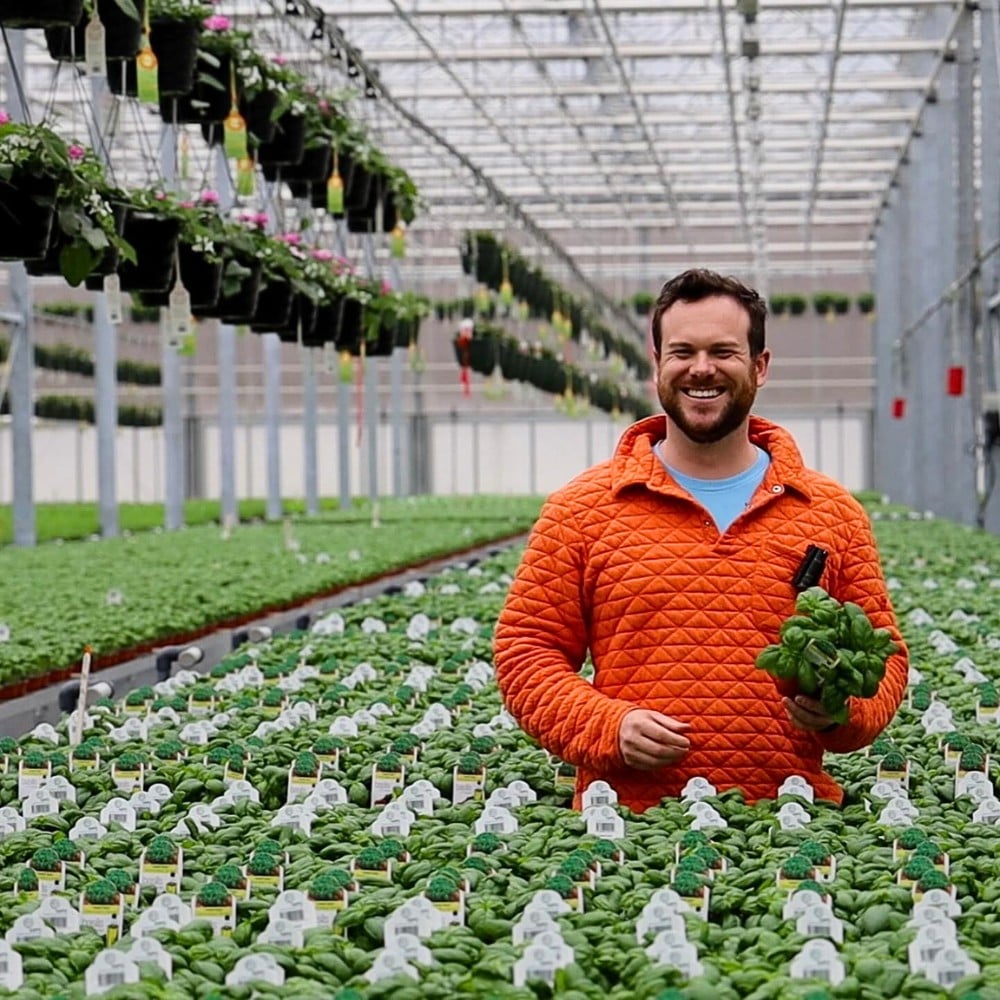
Sustainabloom’s approach resonates with the basic understanding that every operation is different when it comes to commercial flower farming. For instance, a greenhouse herbs grower transitioning to cut flowers faces different challenges than a field-grown perennial specialist. The template accommodates these differences by providing a structured framework that each floral business can adapt to its own context.
The template was introduced at Cultivate'26, the premier horticulture gathering hosted by AmericanHort in Columbus, Ohio, from July 11 to 14. Attendees had the opportunity to learn how the resource can help flower growers take practical steps toward more sustainability.
Comprehensive Coverage of Production Areas
The planning template covers the major areas of flower production across five categories (FLOWS framework). These are:
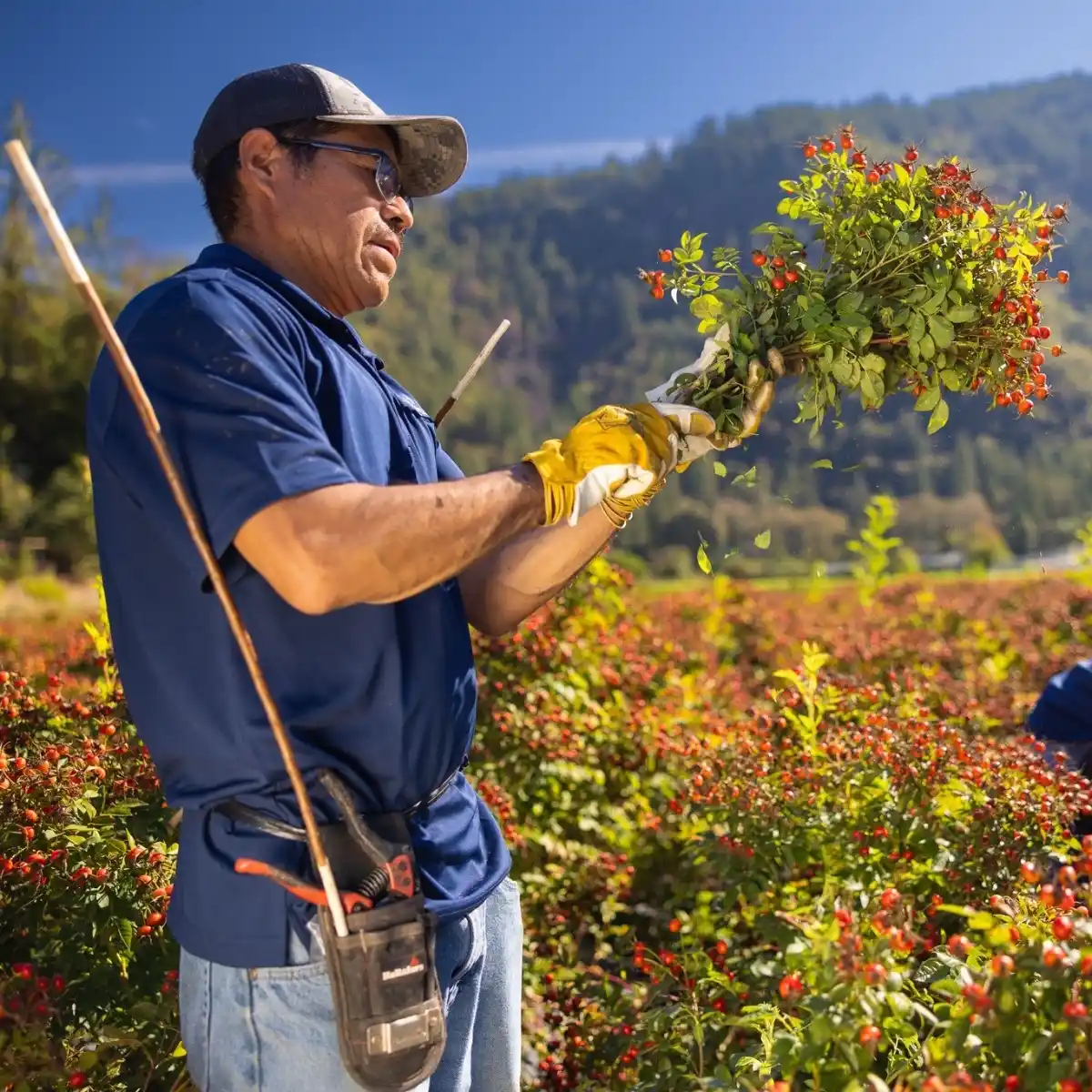
- Flowers: This section addresses nutrient management and soil health, pest and disease management, substrates, water use, packaging, season extension and diversification, postharvest practices, certifications, and customer communication.
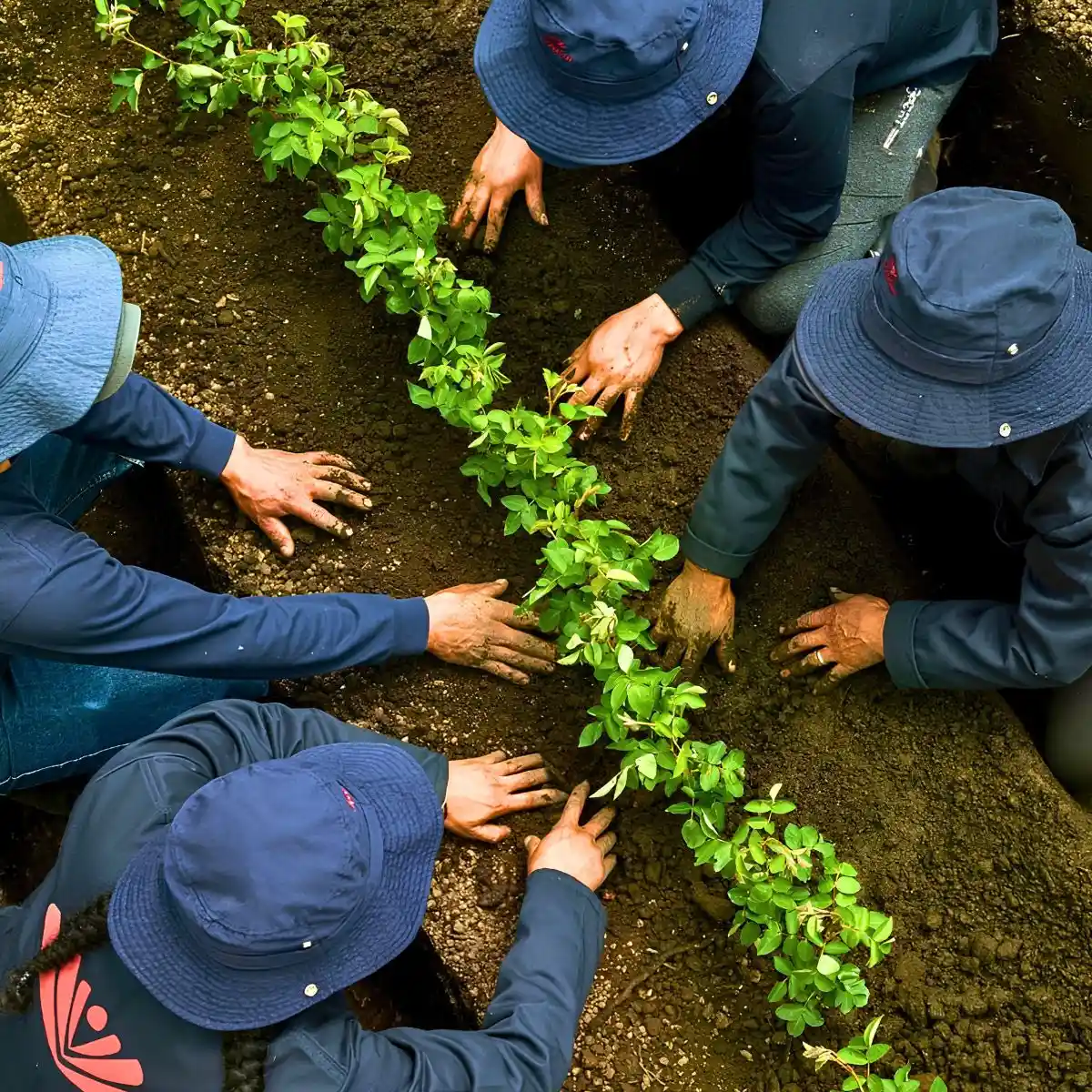
- Location: Growers evaluate biodiversity on their property, building infrastructure, and community engagement.
- Operations: This area covers energy sourcing, lighting, transportation, machinery, cold chain management, and employee practices.
- Waste: The template guides growers through composting, recycling, and reuse opportunities.
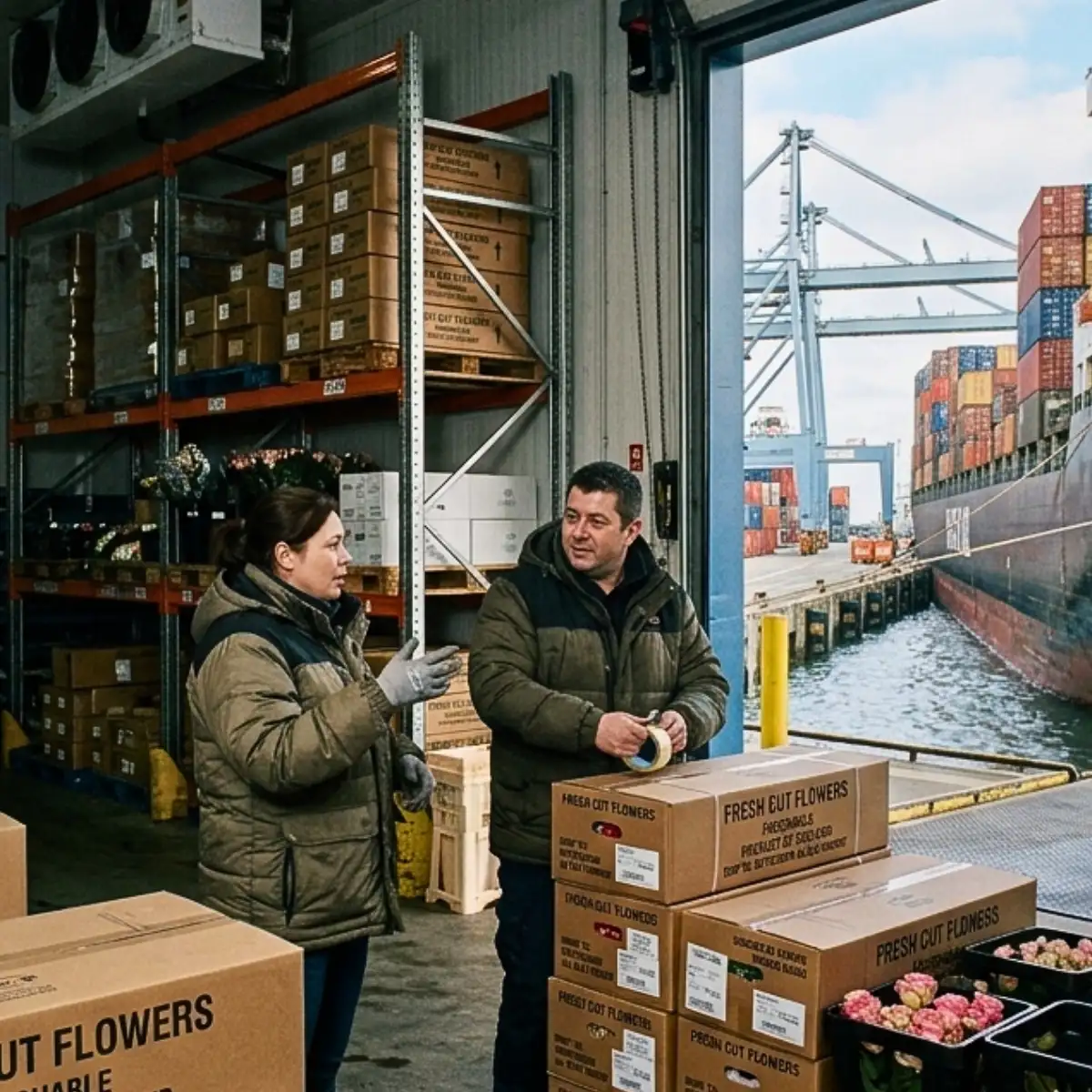
- Supply Chain: This section addresses plant material sourcing, sourcing of other inputs, and communication with suppliers.
Each section begins with a simple stoplight assessment that helps growers evaluate their current practices. From there, the template guides users through setting goals, choosing actions, assigning responsibilities, and tracking progress over time.
The categories also include specific questions and prompts that help growers assess where they stand and where improvements are possible. Its structure ensures that no major aspect of sustainability is overlooked while allowing growers to focus on the areas most relevant to their operations.
The Importance of Separate Templates
This is the third planning template published by Sustainabloom, joining existing resources for retail florists and wholesalers. The decision to create separate templates for each segment of the supply chain points to the idea that the decisions made on a flower farm are different from those made in a wholesale warehouse or retail flower shop.
A grower concerns themselves with soil biology, irrigation scheduling, and pest pressure, while a wholesaler focuses on cold chain integrity, inventory management, and logistics. A florist, on the other hand, thinks about design, customer experience, and product longevity. So in creating unique templates, Sustainabloom allows each segment to focus on the practices most relevant to their daily operations while maintaining a reliable framework across the industry.
This approach also facilitates communication across the supply chain. When growers, wholesalers, and florists all use their specific basic frameworks, they can more easily understand each other's sustainability challenges and collaborate on solutions.
Industry Endorsement and Practical Application
Chris Schlegel, head grower at D.S. Cole Growers in Loudon, New Hampshire, endorsed the practicality of the resource, noting that the template is a comprehensive guide that will help growers evaluate their current sustainability efforts and identify practical ways to continue improving.
The framework is designed for busy growers who need to make the most of limited time. So, rather than requiring extensive research or external consulting, it provides a straightforward process for assessing current practices and setting priorities. Also, growers can work through the template at their own pace, focusing first on the areas where they see the greatest opportunity for improvement.
A Starting Point for Growers Who Want to Organize and Track Their Sustainability Efforts
Sustainability in floriculture is not a destination but an ongoing process of improvement. The new planning template provides a strong starting point for growers who want to organize their efforts and track progress over time. Using the template ensures that these growers can identify strengths, address weaknesses, and communicate their sustainability achievements to customers, suppliers, and other stakeholders.
The template is also useful for engaging employees in sustainability efforts. When workers at all levels understand the operation's sustainability goals and their role in achieving them, implementation becomes much more effective and sustainable over the long term.
For growers who have been unsure where to start with sustainability planning, this resource provides a clear, structured approach. For those already engaged in sustainability work, it provides a way to ensure that efforts are comprehensive and aligned with industry best practices.
Accessing the Template
The Sustainability Planning Template for Flower Growers is available as a free download through the Sustainabloom website, making it accessible to operations of all sizes, from small specialty cut flower farms to large-scale commercial greenhouses.
Featured image by @adelmanpeonygardens. Header image by lookstudio